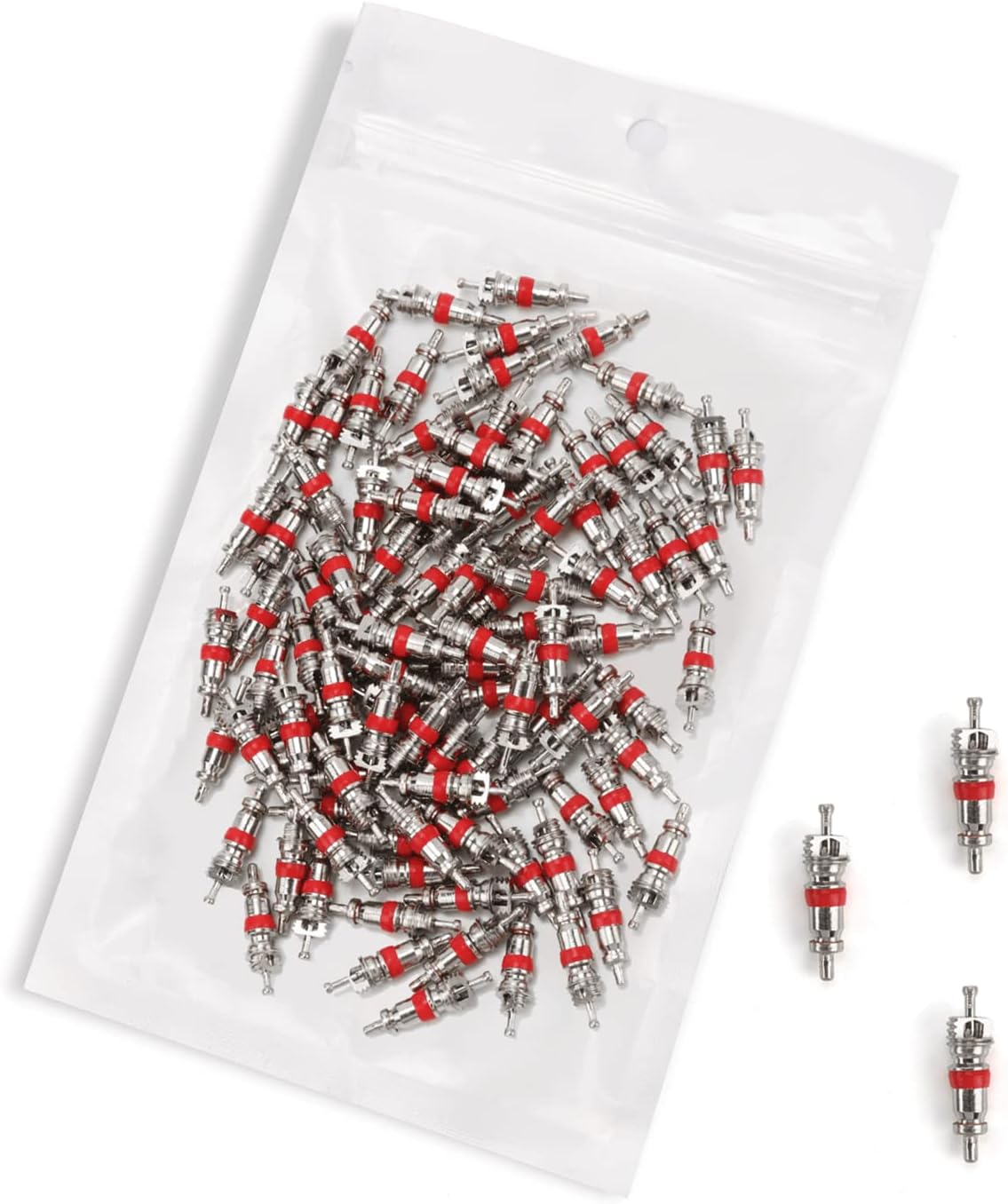
Replacing a Toyota Camry TPMS sensor involves more than swapping a valve stem. On Camrys with direct TPMS, the tire must be safely dismounted, the correct sensor must be installed with fresh sealing hardware, and the replacement sensor must communicate with the tire pressure warning system. The physical replacement process is similar across many model years, but sensor programming, ID registration, initialization, and the required drive cycle vary by Camry generation and equipment.
Last updated: August 18, 2026.
Quick Answer
To replace a Toyota Camry TPMS sensor, diagnose the failed sensor first, remove the wheel, fully deflate and dismount the tire, install the compatible sensor with the correct new service-kit hardware, remount and inflate the tire, then register the sensor ID and initialize the tire pressure warning system when your model requires it. Earlier direct-TPMS Camrys commonly need an OBD-capable TPMS tool for ID registration, while many later Camrys with tire-pressure display use an in-vehicle registration procedure followed by a drive cycle.
Key Takeaways
- Confirm that your Camry actually uses a wheel-mounted direct TPMS sensor before buying parts; some early systems used a different design.
- Use a TPMS sensor that matches your Camry’s model year, wheel application, valve style, frequency/application, and programming requirements.
- Use the service kit specified for the sensor instead of reusing old sealing hardware.
- A solid TPMS light usually points to low pressure; a light that flashes for about a minute and then stays on points to a system malfunction.
- Resetting or initializing TPMS is not always the same as registering a brand-new sensor ID.
- TPMS does not replace monthly cold tire-pressure checks with a gauge.
At a Glance
| Time Required | Varies by equipment and registration method; diagnosis or a failed relearn can add significant time |
| Difficulty | Intermediate to advanced; tire dismounting is best left to a tire shop if you do not have a tire machine |
| Tools Needed | Jack, jack stands, wheel chocks, lug wrench, tire machine or bead breaker, valve-core tool, torque wrench, air source, leak-test solution, and a Toyota-capable TPMS scan tool when required |
| Cost | Varies by sensor type, model year, programming method, and labor; replacement during scheduled tire service can reduce duplicated tire-removal labor |
What Does the Toyota Camry TPMS Sensor Do?

The Tire Pressure Monitoring System, or TPMS, warns you when one or more tires become significantly underinflated. It is a warning system, not a substitute for checking tire pressure with a gauge. For tire wear, handling, and fuel economy, check your Camry’s pressure regularly using the cold pressure on the driver-door placard or in the owner’s manual. If you need help finding the correct pressure, see this guide to Toyota Camry recommended tire pressure.
In the United States, FMVSS No. 138 sets TPMS performance requirements for passenger cars and certain light vehicles. It requires a low-pressure warning when a tire reaches the applicable underinflation threshold and also defines the malfunction-warning behavior used by combination TPMS telltales.
TPMS is a safety backstop, not a tire-maintenance plan. The U.S. Tire Manufacturers Association recommends checking tire pressure at least once a month and checking it when the tires are cold.
How Do You Know a Camry TPMS Sensor Is Actually Bad?
Diagnose the warning before removing a tire. A TPMS light does not automatically mean the sensor has failed. One or more tires may simply be low, pressure may have been adjusted while the tires were warm, the system may have been initialized incorrectly, or a registration process may still be incomplete.
| Check | What to Do |
|---|---|
| Tire pressure | Check all tires cold and inflate them to the placard pressure, not the maximum PSI molded on the tire sidewall. |
| Light behavior | A solid light usually indicates low pressure. A light that flashes for about 60–90 seconds and then stays on indicates a TPMS malfunction. |
| Sensor signal | Use a TPMS scan tool to activate each wheel sensor and confirm its ID, pressure reading, and other supported diagnostic data. |
| Recent tire work | If a sensor, tire, or wheel was recently replaced, confirm that the correct sensor IDs are registered and that the required initialization or road procedure has been completed. |
Note: Toyota Camry TPMS procedures vary by model year and equipment. Some models use a reset switch or OBD/scan-tool registration, while later models may provide TPWS settings in the multi-information display. Use the exact procedure in the owner’s manual for your Camry.
Which Toyota Camry TPMS Procedure Applies to Your Model?
Before buying a sensor or planning a relearn, determine which type of TPMS your Camry uses. This prevents a common mistake: treating a reset, an initialization, and a new-sensor registration as though they were the same operation.
| Camry Application | What It Means for Sensor Replacement |
|---|---|
| Some 2004 to early-2006 U.S.-market Camrys | ATEQ’s Camry TPMS guide reports an indirect system on these applications. An indirect system does not use the same wheel-mounted pressure sensor replaced in this guide. Confirm the build date and system before ordering a sensor. |
| Earlier direct-TPMS Camrys | A new sensor ID commonly must be written to the vehicle through an OBD-capable TPMS or diagnostic tool. A pressure-reset switch, when present, should not be confused with registering a brand-new transmitter ID. |
| Many later Camrys with tire-pressure display | The vehicle may support an in-menu registration procedure such as a TPWS or wheel-change function. Equipped models may then require driving at about 25 mph or more while registration or tire-position identification completes. |
Because menu names and relearn methods change across years and trims, use Toyota’s owner manual portal as the final procedure for your exact Camry.
[Products Worth Considering]
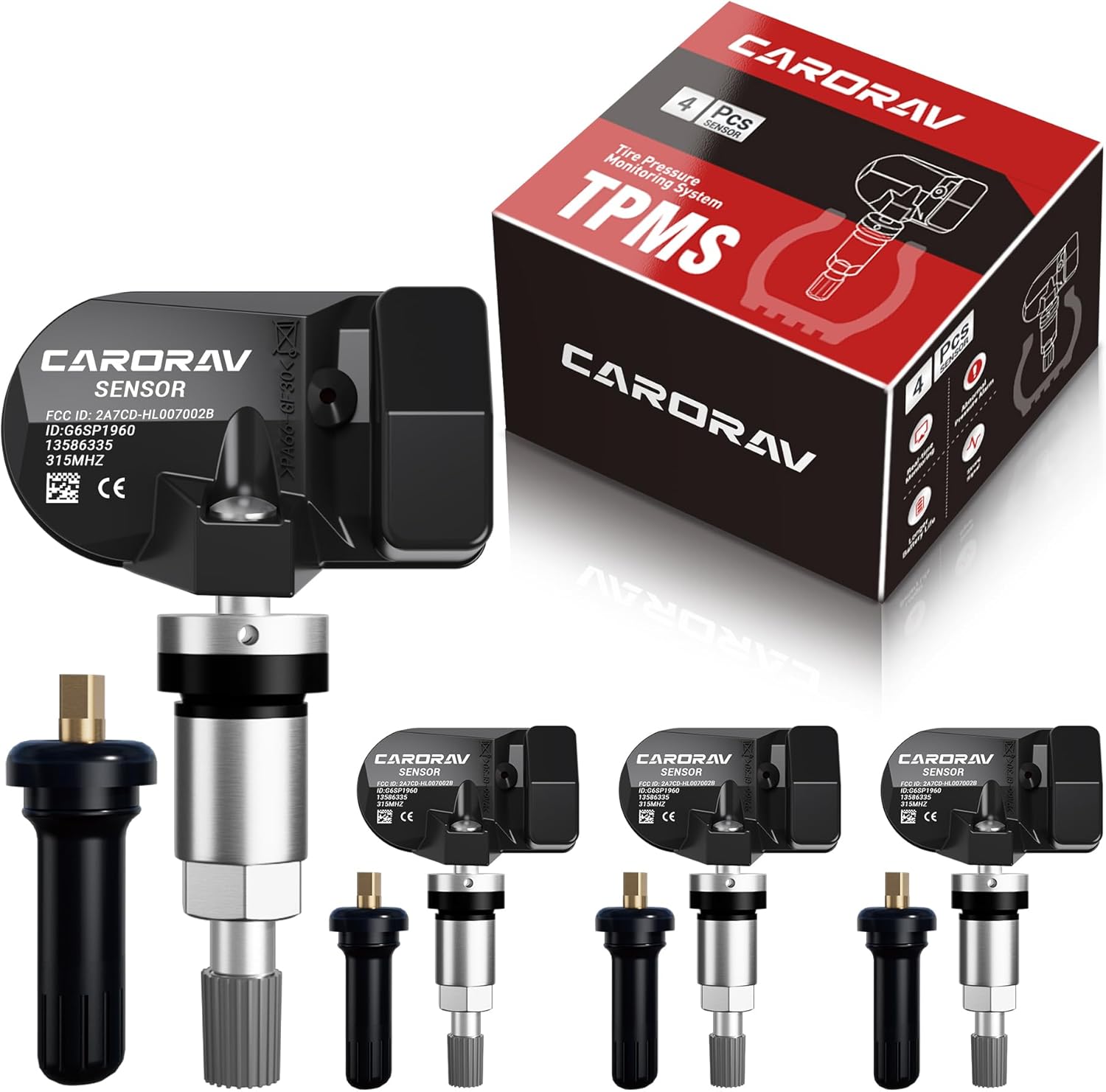
Replace worn or missing TPMS sensors with CARORAV pre-programmed GM-compatible sensors for a smoother installation experience. These 315MHz replacement sensors help monitor tire pressure in real time with long battery life, and they are designed to withstand harsh temperatures. Manual or OBDII relearn may be required to reset the system for proper recognition.
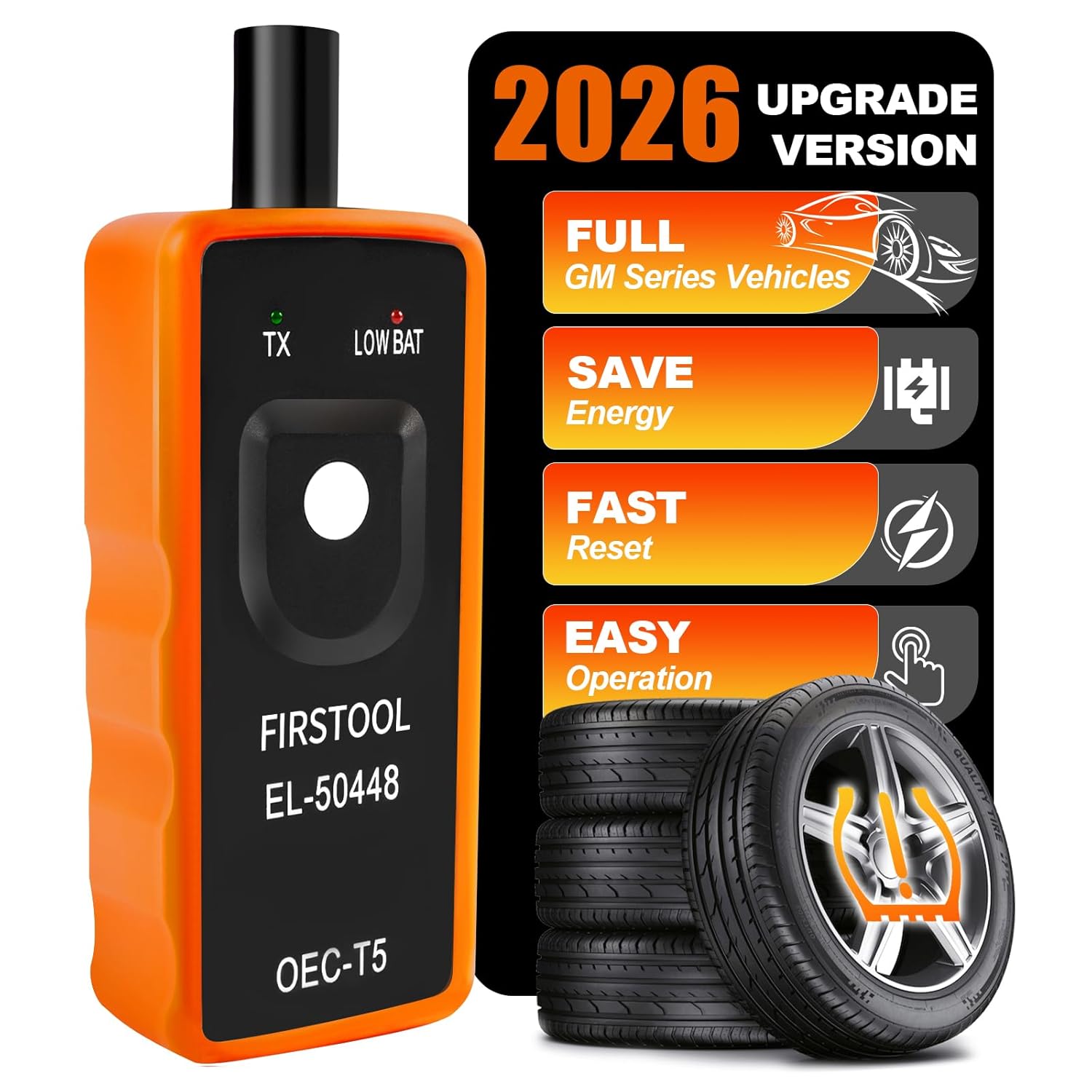
This TPMS relearn tool helps you quickly activate, match, and reset GM tire pressure sensors to keep the vehicle monitoring system working properly. It clears tire pressure alarms and dashboard warning lights after sensor replacement or tire rotation, and supports learning for common 315/433 MHz TPMS sensors. Designed for simple one-button operation, it can help you avoid unnecessary trips to repair shops.

Replace your worn or missing TPMS sensors with pre-programmed, direct-fit sensors for compatible Ford, Lincoln, and select Mazda models. Each sensor comes ready to activate with a scan tool, helping restore accurate tire pressure monitoring and trouble-free installation. Built with a long-life CR2032 battery and tested before factory release, this set provides dependable performance with a one-year warranty.
How Do You Choose the Correct Toyota Camry TPMS Sensor?
Before removing the old sensor, confirm that the replacement is compatible with your Camry. A sensor can physically fit a wheel yet still be wrong for the vehicle’s TPMS electronics or programming method.
- Match the application: confirm the year, trim, wheel application, sensor frequency/application, and any build-date distinction in the parts catalog.
- Confirm the sensor type: some sensors are OE-style direct replacements; others are programmable universal sensors that must be configured for the Toyota application.
- Check the valve style: Camry applications may use clamp-in aluminum or snap-in rubber valve assemblies depending on the sensor and wheel.
- Record the sensor ID: write down or scan the new sensor ID before mounting the tire. Once the tire is installed, a printed ID may no longer be visible.
- Use the correct fresh service kit: replace the sealing hardware specified for that sensor instead of reusing old components.
Pro Tip: If one original sensor has stopped transmitting and the other sensors are the same age, have all of them scanned before the tire comes off. That gives you a chance to identify other weak or non-responsive sensors while tire-service equipment is already in use.
[Products Worth Considering]

The VEHLIVE SU-50448 II TPMS relearn tool provides a fast activation reset to restore accurate tire pressure monitoring after sensor replacement or tire rotation. It supports 315 MHz and 433 MHz GM series sensors and helps clear dashboard pressure warnings. With simple two-button operation and horn-confirmed relearning order, you can reprogram sensors conveniently at home.

Masoll Gen 2 external TPMS sensors are a DIY replacement set of 4 for select GM vehicles made after 2006, helping you shut off the TPMS warning light quickly. Simply screw the sensors onto the tire valves and sync to your car ECU using the included EL-50448 relearn tool. Dual-frequency 315/433 MHz design provides OEM-level performance with accurate readings and replaceable batteries for about two years.

This GM TPMS relearn and reset tool (EL-50448) helps you activate and reset OE/OEM compatible tire pressure sensors for many Chevrolet, GMC, Buick, and Cadillac vehicles. It includes a pre-installed 9V alkaline battery for ready-to-use performance and features a one-button design for quick DIY TPMS relearn. Use it to clear the TPMS warning light, set the correct dashboard tire pressure, and test sensor operation.
What Tools Do You Need to Replace a Camry TPMS Sensor?
Replacing a Toyota Camry TPMS sensor safely requires tire-service equipment plus the electronics tools needed by your model year. You do not need one specific tool brand, but the TPMS tool must support the activation, programming, ID-registration, or OBD functions required by your Camry.
- Compatible TPMS sensor or programmable sensor
- Correct TPMS service kit for the valve and sensor assembly
- Floor jack, jack stands, and wheel chocks
- Lug wrench or impact wrench plus a torque wrench for wheel installation
- Valve-core removal tool
- Tire machine or safe bead-breaking and mounting equipment
- TPMS scan tool or Toyota-capable diagnostic tool when required
- Air compressor and accurate tire-pressure gauge
- Soapy-water leak-test solution
- Wheel balancer if the tire/wheel assembly requires rebalancing after service
Bartec’s TPMS service-kit guidance shows why the replacement parts must match the valve design. A typical aluminum clamp-in service kit can include a grommet seal, retaining nut, valve core, and dust cap, while some replaceable-valve kits also include a new valve and attachment screw.
[Products Worth Considering]
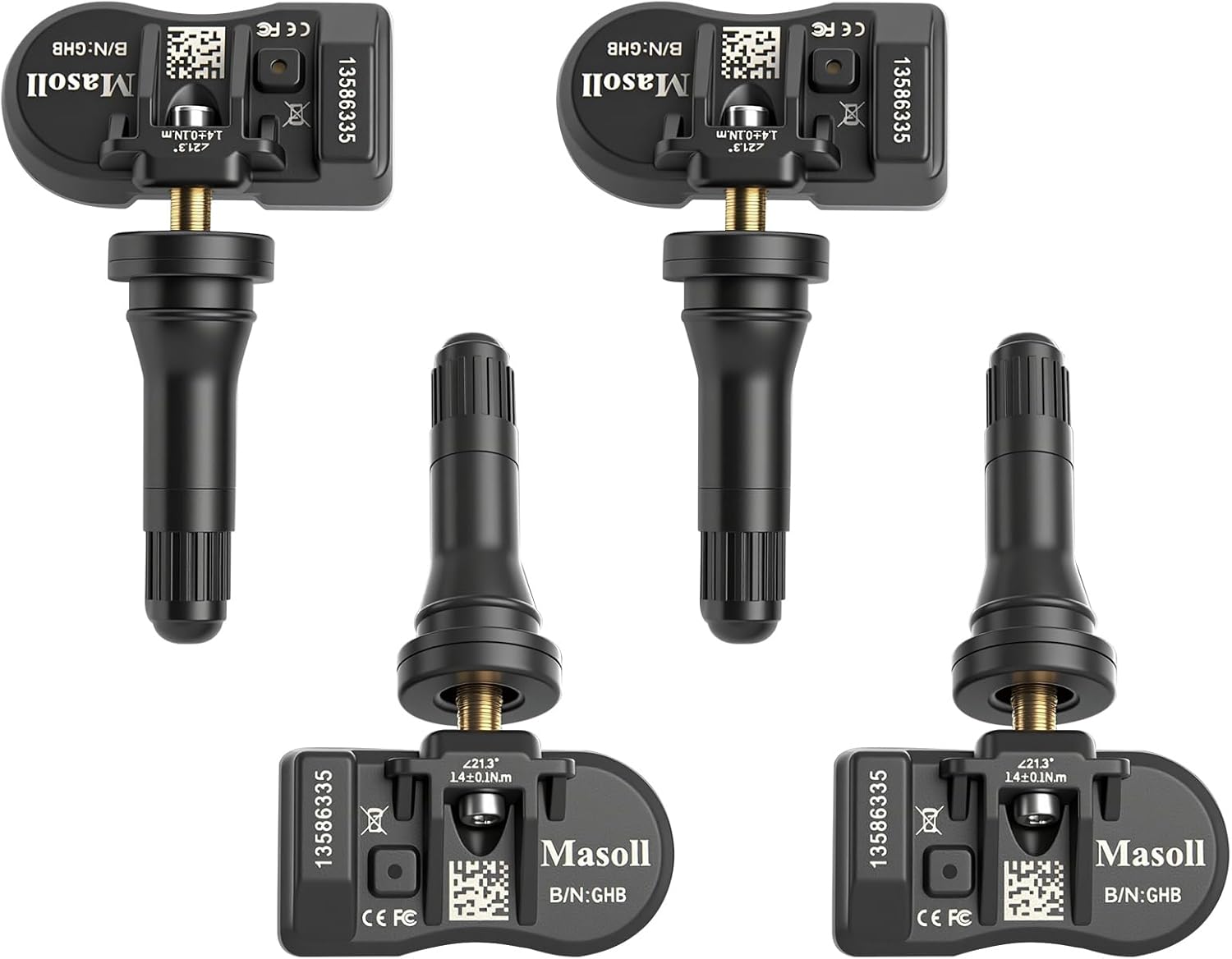
Masoll TPMS sensors are designed for most GM vehicles after 2006, helping you clear tire pressure warnings with OEM-level 315/433MHz compatibility. The 4-pack includes pre-programmed sensors, but re-learning is required after installation using a GM TPMS relearn tool or scan tool. Built with a dual-antenna design and a long-life CR2050 battery, these sensors deliver reliable performance in extreme temperatures with corrosion-resistant valve construction.

Replace worn or malfunctioning GM TPMS sensors with this 433MHz pre-programmed sensor set designed for compatibility with many Chevrolet, Buick, GMC, and Cadillac models. It includes guidance for proper OBDII relearning/pairing after installation and supports reliable long-term operation with a high-performance CR2032 battery. Quality tested for durability and performance to help restore accurate tire pressure monitoring.
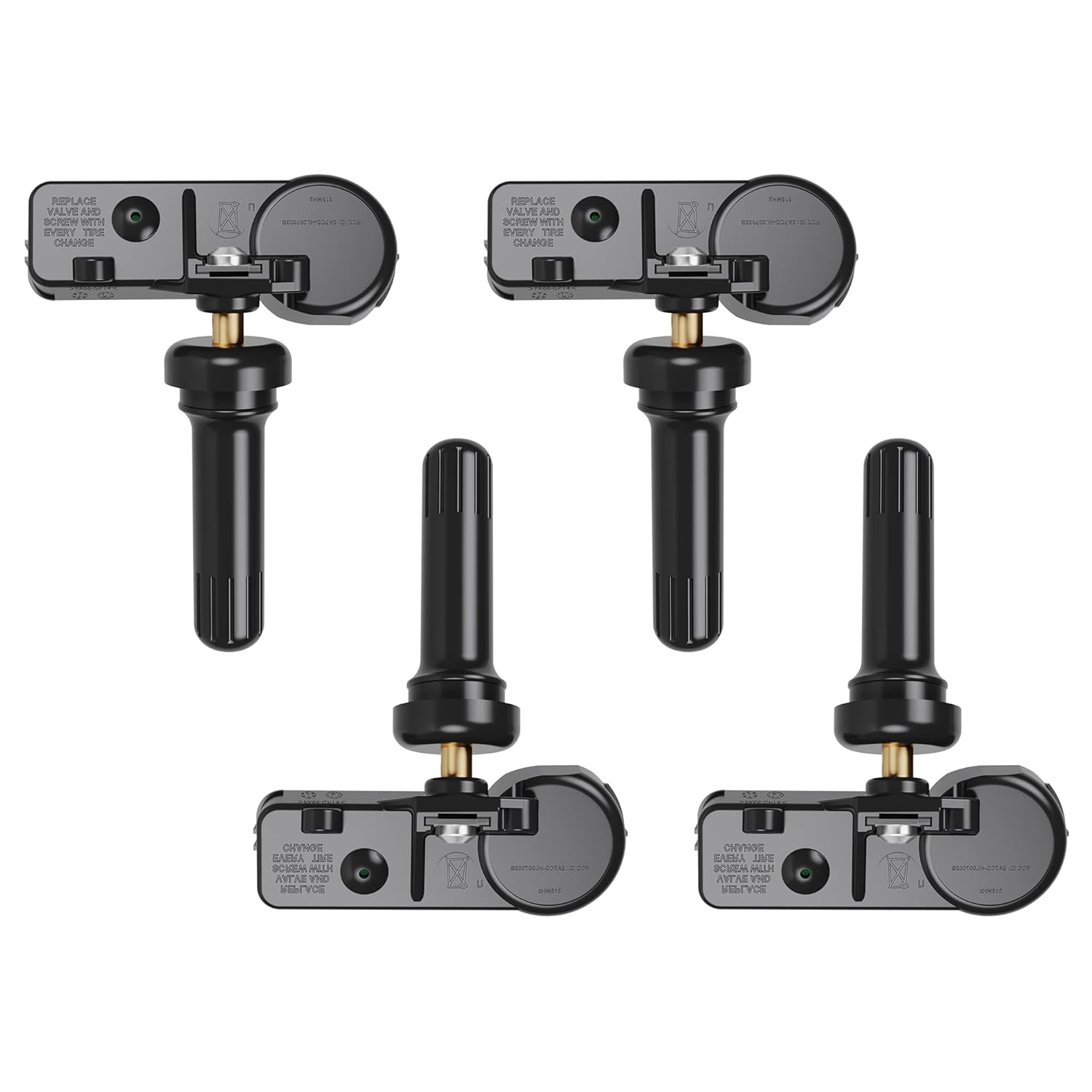
Replace worn or faulty TPMS sensors with this brand new 315MHz GM-compatible replacement set for select Chevy, GMC, Buick, Cadillac, and similar vehicles. These sensors are pre-programmed for your make/model/year and typically only require activation with a scan tool. Built for long service life with a high-temperature battery, they help maintain reliable tire pressure monitoring for safer driving.
How Do You Remove the Old Toyota Camry TPMS Sensor?
Warning: Do not work under a vehicle supported only by a jack. Use wheel chocks, approved jack stands, and the correct lift points. If you do not have tire-mounting equipment, have a tire shop remove and reinstall the tire to avoid bead damage, wheel damage, sensor damage, or personal injury.
Tools Required for Removal
Gather the removal tools before lifting the vehicle. You will need a lug wrench, jack, jack stands, valve-core tool, tire machine or bead breaker, and a TPMS-safe method for separating the tire bead near the valve stem.
When breaking the bead, keep the bead-breaker blade away from the TPMS sensor. The sensor sits inside the wheel at the valve stem, and placing the bead breaker directly over that area can damage the sensor body or valve assembly.
Step-by-Step Dismounting Process
| Step | Action | Important Detail |
|---|---|---|
| 1 | Park safely and loosen lug nuts | Use a level surface, set the parking brake, and chock the wheels. |
| 2 | Lift the vehicle and remove the wheel | Support the Camry with jack stands before removing the wheel fully. |
| 3 | Remove the valve core and deflate the tire | Never break the bead on an inflated tire. |
| 4 | Break the bead away from the valve area | Keep the bead-breaker shoe and other tools away from the sensor body inside the wheel. |
| 5 | Dismount the tire enough to access the sensor | Full tire removal may not be necessary on every wheel, but access must be clear and safe. |
| 6 | Remove the old sensor and valve hardware | Discard sealing parts that the replacement service kit specifies as single-use; do not reuse crushed grommets or corroded valve components. |
Proper Sensor Disposal Methods
TPMS sensors contain electronics and sealed batteries. Do not leave an old sensor loose inside the wheel. Follow local electronic-waste, automotive-parts, or shop-waste rules. If a tire shop performs the service, ask whether it accepts old sensors and valve hardware for recycling or approved disposal.
How Do You Install the New TPMS Sensor?

Clean the valve-hole area before installing the new sensor. Dirt, corrosion, old sealing material, or rubber residue can prevent the new seal from seating correctly.
- Program the sensor first if required. A programmable universal sensor may need to be configured for the Toyota application before installation.
- Install the specified new service parts. Use the kit for that exact sensor and valve assembly rather than transferring worn sealing hardware from the old unit.
- Position the sensor correctly. Make sure the sensor sits as designed and will not interfere with the tire bead.
- Torque the sensor and valve hardware to the manufacturer’s specification. Do not guess. Overtightening can damage the valve, sensor, or seal; undertightening can allow a leak.
- Reinstall the tire carefully. Keep tire irons, mounting heads, and the moving bead away from the sensor body.
- Inflate to the correct cold pressure. Use the Camry’s door-jamb placard pressure unless your tire/wheel setup has a different documented requirement.
- Leak test the assembly. Apply leak-test solution around the valve stem, valve core, sealing area, and bead. Repair any leak before driving.
Warning: Toyota owner-manual guidance warns that liquid tire sealant can prevent a tire pressure warning valve and transmitter from operating correctly. If liquid sealant has been used after a puncture, tell the tire shop before disassembly and follow Toyota’s service guidance for the affected sensor.
How Do You Register the New Sensor ID and Initialize TPMS?
Four terms are commonly mixed together during TPMS service, but they describe different jobs:
- Sensor programming configures a programmable universal sensor for the Toyota application. An OE-style sensor may already have its operating protocol configured.
- Sensor cloning copies an existing sensor ID into a compatible programmable replacement. Whether that eliminates a separate vehicle-side registration step depends on the sensor, tool, and Camry application.
- ID registration teaches the Camry’s tire pressure warning computer which transmitter IDs belong to the vehicle.
- Initialization or pressure setting establishes the pressure reference or completes the system procedure required by that model.
Important: A TPMS reset or “Set Pressure” operation is not automatically the same as registering a brand-new sensor ID. On applications that require the ECU to learn the new transmitter ID, complete that registration first using the procedure specified for the model year.
For many Toyota Camry models, replacing a tire pressure warning valve and transmitter requires its ID to be registered. Depending on the year and equipment, registration may be performed with a Toyota-capable TPMS tool through the OBDII port, with Toyota diagnostic software, or through the multi-information display when the vehicle supports owner-accessible ID registration. Confirm the exact steps in Toyota’s owner manual portal.
| Step | Action |
|---|---|
| 1 | Inflate all tires to the correct cold pressure listed on the vehicle placard. |
| 2 | Use a TPMS tool to activate the installed sensors and confirm their IDs when your service method requires it. |
| 3 | Register any new ID codes using the supported procedure for your Camry’s model year and equipment. |
| 4 | Perform the required initialization or pressure-setting procedure after registration when the owner’s manual calls for it. |
| 5 | Complete the specified drive cycle or road test and verify that the system recognizes the sensors. |
Note: On many later Camrys with tire-pressure display, Toyota procedures call for driving at approximately 25 mph (40 km/h) or more for roughly 10–30 minutes while registration, initialization, or tire-position identification completes. Do not apply that drive cycle blindly to every Camry year; follow the procedure for your exact vehicle.
Why Is the TPMS Light Still On After Sensor Replacement?
If the TPMS light stays on after replacement, do not immediately assume the new sensor is defective. Work through the symptoms in order.
| Symptom | Likely Cause | Fix |
|---|---|---|
| TPMS light stays solid | One or more tires remain low, or the pressure reference was set incorrectly | Check every tire cold, inflate to placard pressure, inspect for leaks, and perform the model-specific pressure-setting procedure if required. |
| Light flashes for about a minute, then stays on | TPMS malfunction, unregistered ID, incompatible sensor, failed sensor, or communication issue | Activate all sensors with a TPMS tool, confirm the installed IDs, verify compatibility, and complete the correct registration procedure. |
| Pressure display shows “–” or no value | Registration or position identification may still be in progress, or the vehicle cannot read one or more sensors | Complete the model-specific registration drive and rescan the sensors if the display does not update. |
| Wrong tire position appears | Wheel-position identification has not completed correctly after tire or wheel service | Use the supported vehicle-menu or TPMS-tool position-registration procedure for that Camry. |
| Slow air leak at valve stem | Damaged or reused sealing hardware, corrosion, valve-core problem, or incorrect installation torque | Deflate and dismount as required, replace the correct service-kit components, torque them to specification, and leak test again. |
| New sensor will not activate | Wrong sensor application, programmable sensor not configured, failed sensor, or TPMS-tool coverage issue | Verify the sensor application and program it correctly before remounting the tire. |
How Do You Verify the TPMS Repair?

A final audit confirms that the tire is sealed, the sensor is transmitting, and the Camry recognizes the installed sensors. Do not consider the job complete merely because the warning light happens to be off immediately after service.
- Confirm all tires are inflated to the correct cold pressure.
- Check the valve stem and bead area for leaks.
- Activate each sensor with the TPMS tool and confirm its ID and pressure reading.
- Confirm the TPMS warning-light behavior after startup.
- Complete the owner-manual registration or initialization procedure.
- Verify that pressure values display correctly if your Camry has a tire-pressure display.
- Torque the wheel lug nuts to the Toyota specification for your exact model year and wheel application.
- Save the TPMS scan report if your tool supports reporting.
What Driving Procedure Completes TPMS Registration?
A drive cycle is not a substitute for registering a new sensor ID when registration is required. Complete the electronic registration or in-vehicle procedure first, then drive as directed by the owner’s manual. If your sensor is working and you only need to correct or reset a pressure warning, see the separate guide on how to reset the Toyota Camry tire pressure light.
When a Drive Cycle Is Required
On many later Camrys with tire-pressure display, Toyota procedures use a driving speed of approximately 25 mph (40 km/h) or more while the system receives sensor signals and identifies positions. The documented process commonly takes about 10–30 minutes under suitable conditions.
If registration does not complete, follow the owner’s manual rather than simply continuing to drive indefinitely. Conditions such as frequent stops, low speed, reversing, nearby TPMS-equipped wheels, or another vehicle operating close by can delay some Toyota registration procedures.
Monitor the Warning Light
A solid tire-pressure warning usually sends you back to the tire gauge and an inspection for pressure loss. A warning that flashes for roughly a minute and then remains on indicates a TPMS malfunction condition. After sensor replacement, that can point to an ID-registration, compatibility, sensor, or communication problem.
Confirm Tire Pressure Cold
Always set tire pressure when the tires are cold. The U.S. Tire Manufacturers Association recommends checking tire pressure at least monthly and when the tires are cold, as well as before long trips, heavy loads, or towing.
When Should a Tire Shop Replace the Sensor Instead?
A DIY TPMS replacement is practical only when you have safe tire equipment and the correct electronic tools. Use a professional tire shop if:
- You do not have a tire machine or safe bead-breaking equipment.
- The wheel is corroded around the valve hole.
- The sensor nut is seized or the valve stem breaks.
- The tire has been driven flat or shows bead or sidewall damage.
- Your TPMS tool cannot activate, program, or register the replacement sensor.
- The warning light continues to flash after pressure, sensor compatibility, ID registration, and the required road procedure have been checked.
Frequently Asked Questions
How often should I replace my Toyota Camry TPMS sensors?
Replace a TPMS sensor when diagnostics show that it has failed, when its sealed battery can no longer transmit reliably, when the valve or sensor body is damaged, or when corrosion prevents a safe repair. Do not replace a working sensor solely because of a generic age estimate.
Can I use aftermarket TPMS sensors for my Toyota Camry?
Yes, if the sensor is listed for your exact Camry application and matches the required communication protocol, valve style, and programming method. A programmable aftermarket sensor must be configured correctly before installation and may still require vehicle-side ID registration.
What happens if I do not replace a faulty TPMS sensor?
A malfunctioning TPMS may not warn you about significant pressure loss as intended. If the system detects a malfunction, the warning light can flash for about a minute and then stay illuminated until the fault is corrected.
Are there specific tools for removing tires safely?
Yes. You need safe lifting equipment, a valve-core tool, proper tire-bead and mounting equipment, an accurate pressure gauge, and a torque wrench. Many Camry sensor replacements also require a Toyota-capable TPMS or diagnostic tool. If you do not have tire-service equipment, use a tire shop.
How do I know if my TPMS sensor is malfunctioning?
Signs include a warning light that flashes for about a minute and then stays on, a missing tire-pressure reading on equipped models, or a TPMS scan tool that cannot activate the sensor. Check actual tire pressure first because a steady warning light can still be caused by underinflation.
Does my Toyota Camry spare tire have a TPMS sensor?
Do not assume that the spare is monitored. TPMS configuration varies by model year, market, and spare-tire type. Check the owner’s manual for your exact Camry and scan the installed sensors if you are uncertain.
Why is my TPMS light still on after replacing the sensor?
The sensor may be incompatible or unprogrammed, its ID may not be registered, tire pressure may still be wrong, initialization may be incomplete, or the required drive cycle may not have finished. Activate the sensors with a TPMS tool, confirm their IDs and application, set cold tire pressure, and follow the exact owner-manual procedure.
Can the TPMS reset button register a new Toyota Camry sensor ID?
Not necessarily. On many older direct-TPMS Camrys, the reset or initialization function works with IDs already stored in the vehicle and does not replace the separate process of writing a brand-new sensor ID to the TPMS computer. Follow the registration procedure for your exact model year.
Conclusion
Replacing a Toyota Camry TPMS sensor is manageable when you separate the job into the correct stages: confirm that the vehicle uses a direct wheel sensor, diagnose the failed transmitter, choose the correct replacement, install it with the specified new service hardware, register the sensor ID when required, perform initialization or pressure setting, and verify the system after the prescribed drive cycle. The most important model-year distinction is that a reset or short drive does not automatically teach every Camry a new sensor ID. If you lack tire-mounting equipment or a TPMS tool with the functions required by your Camry, a qualified tire shop is the safer and more reliable option.
Sources
- Toyota Support — Tire Pressure Monitor explanation — background on TPMS function and tire-pressure checks.
- Toyota Owners — Manuals and warranties — model-year-specific Camry TPWS procedures.
- eCFR — 49 CFR § 571.138, Tire pressure monitoring systems — U.S. TPMS warning and malfunction requirements.
- U.S. Tire Manufacturers Association — Tire Care Essentials — monthly cold tire-pressure checks and TPMS limitations.
- Bartec USA — TPMS Service Kits — common TPMS service-kit components and valve-service guidance.
- ATEQ TPMS — Toyota Camry diagnostic information — Camry system-type and earlier direct-TPMS relearn distinctions.