
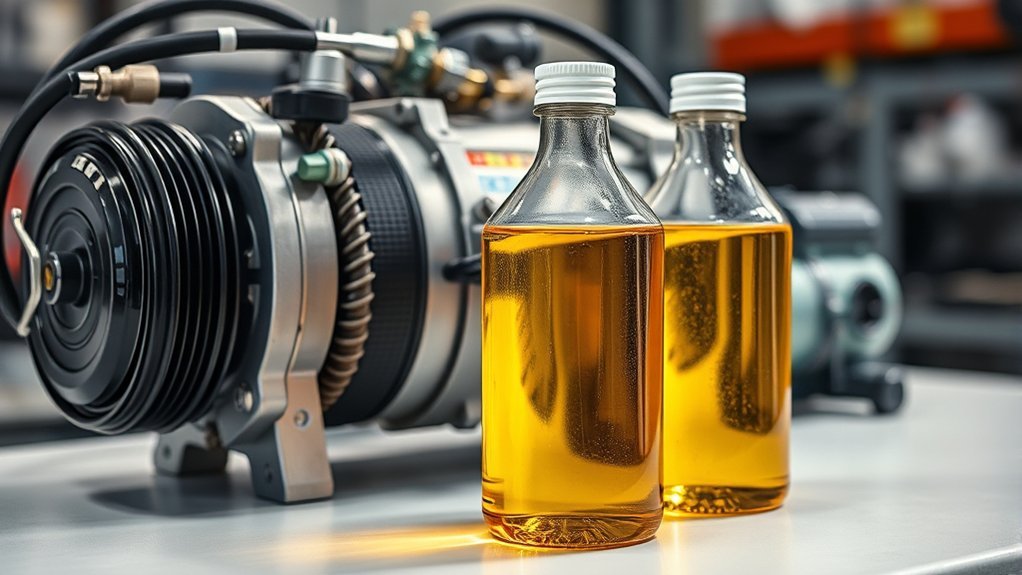
You should use PAG 46 or PAG 100 only if it matches your vehicle’s compressor specification. PAG 46 is thinner, flows faster, and is common in systems that need low drag and quick oil return. PAG 100 is thicker and suits compressors that need a stronger oil film or run hotter. Using the wrong viscosity can hurt lubrication, raise pressures, and reduce cooling. Check the OEM service data, and you’ll see how to confirm the exact oil your system needs.
Key Takeaways
- Use the PAG oil viscosity specified by the vehicle’s OEM service data, not by guesswork.
- PAG 46 is thinner and suits systems needing faster circulation and lower internal drag.
- PAG 100 is thicker and is used only when the compressor design calls for a stronger oil film.
- Using the wrong PAG grade can increase wear, restrict flow, and reduce cooling performance.
- For compressor replacement, match the specified total oil amount and check for contamination before charging.
[Products Worth Considering]

AstroAI’s tire pressure gauge with inflator helps you check and adjust car tire pressure accurately for safer, smoother driving. It offers 3-in-1 operation to inflate, deflate, or measure pressure, with an easy-to-read 2.5-inch glow dial and a heavy-duty air chuck for convenient use. Universal compatibility supports Schrader-valve tires and quick-connect 1/4" NPT air compressors for quick maintenance.

This 39-piece AC valve core accessories kit helps technicians efficiently remove and install Schrader valve cores for R12 and R134a automotive air conditioning and HVAC systems. It includes multiple single and dual-head removal tools for versatile service, plus replacement valve cores and seal caps to maintain a reliable seal and reduce leakage. Built for durable, secure handling, the kit is suitable for home and commercial maintenance and repair.

Universal magnetic jack pad with aluminum grooved design to protect vehicle pinch welds during lifting. Durable nylon pad inserts are upgraded and secured with screws to resist damage and keep in place. Designed to fit most single vehicle pinpoint welds for safer, stable jacking when changing tires, repairs, or performing oil changes.
PAG 46 Vs. PAG 100: Key Differences

PAG 46 and PAG 100 differ mainly in viscosity, which directly affects how the compressor oil flows, lubricates, and seals inside an A/C system.
You’ll notice PAG 46 is thinner, so it circulates faster through tight passages and reduces drag on moving parts. PAG 100 is thicker, so it stays more resistant to flow and can maintain a stronger oil film under heavier operating loads.
Both are PAG oil formulations, but their viscosity changes how they support compressor efficiency, especially during startup, high temperature operation, and long refrigerant loops.
If you choose the wrong grade, you can alter pressure balance, reduce lubrication quality, and increase wear. You should match the oil’s viscosity to the compressor design and refrigerant requirements so the system runs smoothly and reliably.
In practice, the right PAG grade helps you preserve seal integrity, minimize friction, and keep the compressor working within its intended operating range.
When to Use PAG 46
You’d typically use PAG 46 in A/C systems that call for lower-viscosity oil, especially when the compressor has tight internal clearances, long refrigerant lines, or a design that benefits from fast oil circulation. You match this oil to the OEM spec, not guesswork, because proper oil viscosity affects lubrication, compressor drag, and return flow. In many PAG applications, PAG 46 supports efficient startup and stable film strength under moderate loads.
| Use case | Why PAG 46 fits |
|---|---|
| Tight-clearance compressor | Reduces internal resistance |
| Long line set | Helps oil return |
| Rapid circulation needed | Moves through the system quickly |
| OEM-spec calls for 46 | Meets design requirements |
Use PAG 46 when service data specifies it, when ambient conditions don’t demand thicker oil, and when you need precise, low-viscosity performance. Before charging, verify refrigerant compatibility, replace contaminated oil, and measure the exact fill amount.
When to Use PAG 100
When the system needs a thicker lubricant film, PAG 100 is the better choice, especially in compressors with larger clearances, higher thermal loads, or OEM specifications that call for greater viscosity.
You’ll use it when you want stronger film retention at elevated temperatures and better protection during sustained high-speed operation. These PAG 100 benefits matter in heavy-duty systems, hot climates, and aging compressors that need extra boundary lubrication.
Because it’s more viscous, it can reduce metal-to-metal contact and help maintain oil pressure under load.
However, you should note the PAG 100 drawbacks: it can flow less freely in cooler conditions and may add drag in systems designed for lighter oil.
Use it only when the compressor design and service data support that viscosity.
In practice, PAG 100 fits demanding applications where thermal stress outweighs the need for lower viscosity, fast circulation, and minimal resistance.
How to Choose the Right PAG Oil
You should match the oil viscosity to the compressor’s design spec, because PAG 46 and PAG 100 flow differently and affect lubrication film strength.
Check the vehicle manufacturer’s service data to confirm the exact PAG grade your system requires.
Using the wrong viscosity can raise wear, reduce cooling performance, and shorten compressor life.
[Products Worth Considering]
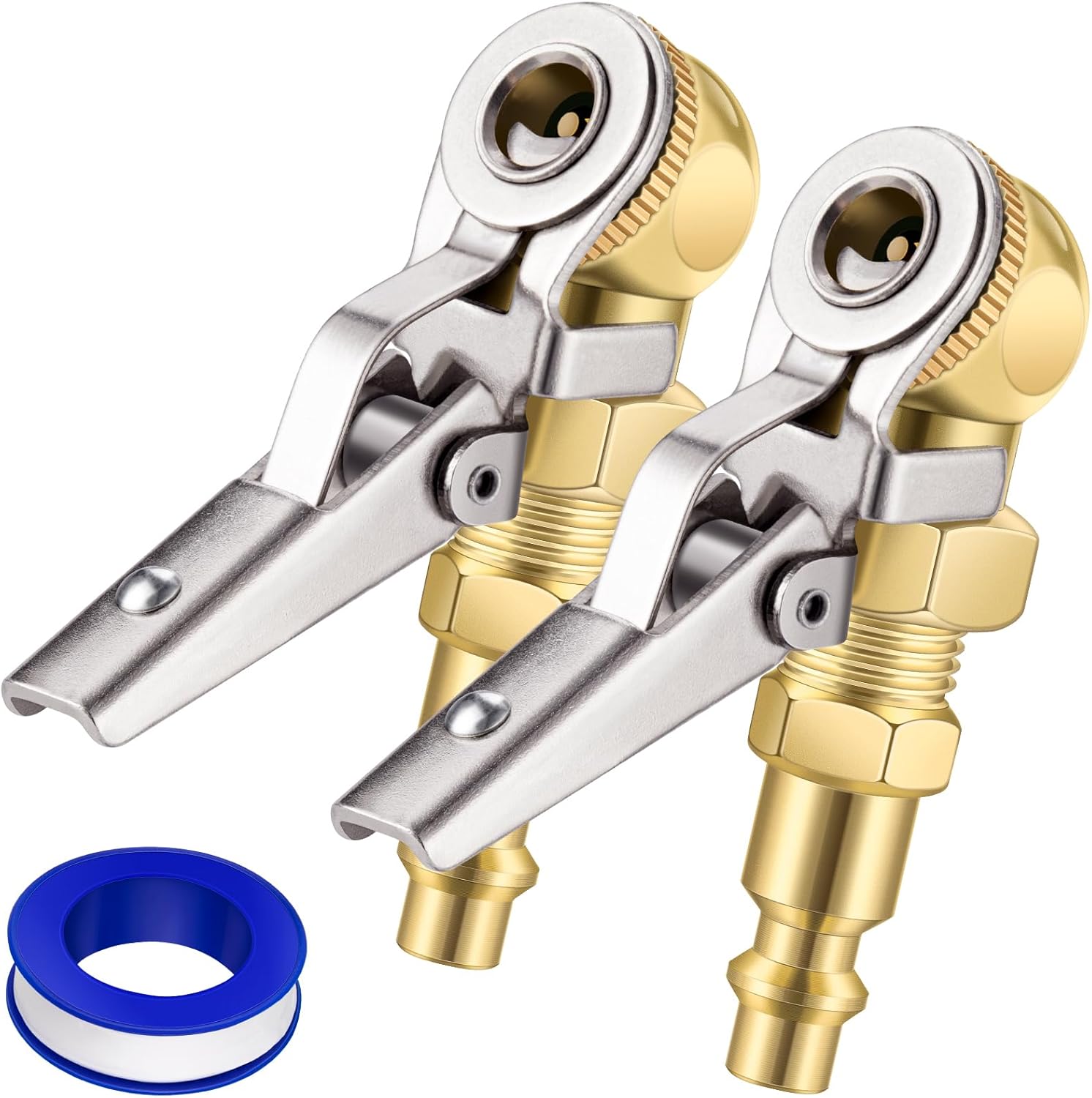
EVOULTES 2-pack closed ball tire chucks lock onto Schrader valves to help you inflate tires hands-free. The set includes both chucks with quick plug compatibility and a 2-way connection approach for easy setup to your air line or compressor. Durable metal construction supports reliable use for cars, trucks, RVs, bikes, and other Schrader-valve tires up to 250 PSI.

This universal magnetic jack pad is designed to protect pinch welds when lifting vehicles, helping prevent seam damage or warping. Crafted from solid aluminum with a nylon pad insert, it provides reinforced structural support and a secure fit for most single-vehicle pinch welds. Slotted for strong magnet holding, it supports safe jacking for cars, SUVs, trucks, and more.

Cool Coolers by Fit & Fresh provides reusable XL slim ice blocks designed for strong, long-lasting cooling in coolers and cooler bags. The break-resistant, BPA-free packs are leak-proof and easy to clean, helping keep food and beverages cold without a messy melt. A space-saving slim shape fits top or side placements, and the tire-pattern design boosts cooling surface area for next-day use.
Viscosity Requirements
PAG viscosity matters because the compressor needs oil that flows correctly through the system, lubricates moving parts, and returns with the refrigerant at the right rate.
You should match oil viscosity to the compressor’s flow demands, not guess. PAG 46 has lower oil viscosity, so it circulates more easily and can reduce drag in systems designed for lighter lubricant film thickness.
PAG 100 is thicker and can maintain a stronger lubricant layer under higher load or hotter operation.
Pay attention to temperature sensitivity, because viscosity changes as temperatures rise or fall. If the oil is too thin, you risk poor protection; if it’s too thick, return may slow and efficiency can drop.
Always follow the specified viscosity grade.
Vehicle Compatibility
Vehicle compatibility determines whether PAG 46 or PAG 100 will perform correctly in your A/C system. You must match the oil to the compressor design, refrigerant, and manufacturer oil specifications before you add anything.
- Check the service label and owner’s manual for approved PAG grade.
- Identify your vehicle types; passenger cars often need PAG 46, while some heavier applications use PAG 100.
- Verify the refrigerant, because R-134a and newer systems may require different viscosity choices.
- Confirm compressor recommendations from the OE catalog or parts database.
If you choose the wrong oil, you can reduce lubrication, raise wear, and impair cooling.
Always measure the correct fill volume and use only sealed, contamination-free oil.
What If You Use the Wrong PAG Oil?
If you use the wrong PAG oil, you can increase compressor wear because the viscosity won’t match the system’s lubrication needs.
You may also restrict refrigerant flow, which raises operating pressures and disrupts circulation.
That mismatch often leads to reduced cooling performance and can put the whole A/C system under stress.
Compressor Wear Risks
Using the wrong viscosity can starve or overload the compressor, since PAG 46 and PAG 100 don’t circulate the same way through the A/C system. You’ll increase internal friction, reduce lubrication film strength, and shorten compressor lifespan. Heat rises faster, seals harden sooner, and oil degradation accelerates under sustained shear.
- Thin oil may fail to protect pistons, swash plates, and bearings.
- Thick oil can increase drag and mechanical stress.
- Metal contact grows when the oil film breaks down.
- Wear particles then circulate and abrade critical surfaces.
If you match the specified PAG grade, you keep clearances protected, reduce scoring, and maintain stable compressor efficiency.
Always verify the vehicle specification before service, and replace contaminated oil instead of topping off with the wrong type.
Refrigerant Flow Problems
Wrong PAG oil can disrupt refrigerant circulation by changing how easily the compressor pushes oil through the system.
If you choose PAG 46 where PAG 100 is specified, or vice versa, viscosity mismatch can alter flow through lines, valves, and the compressor sump. That puts extra load on compressor efficiency and can leave pockets of oil in low-flow areas.
Over time, restricted return flow raises the risk of refrigerant leaks at stressed seals and fittings. You also increase the chance of oil contamination if the system is opened, serviced, or topped off incorrectly.
For reliable system maintenance, match the oil grade to the vehicle specification, measure the charge accurately, and keep components clean. Proper viscosity helps refrigerant and lubricant circulate as designed.
Cooling Performance Loss
A mismatched PAG oil can reduce cooling performance by making the compressor work outside its intended lubrication range, which lowers pumping efficiency and weakens refrigerant circulation.
You’ll notice slower vent temperatures, longer compressor run times, and uneven cabin cooling. The wrong viscosity can also raise internal drag, so your system loses cooling efficiency while discharge pressure climbs.
If the oil doesn’t mix properly with refrigerant, return flow suffers and hot spots form in the compressor. Over time, oil degradation can thicken deposits, restrict heat transfer, and accelerate wear.
- Use the exact PAG spec.
- Verify viscosity and refrigerant compatibility.
- Check vent temperature rise.
- Replace contaminated oil promptly.
How to Check Your Vehicle’s A/C Oil Spec
To verify your vehicle’s A/C oil spec, start with the service information for your exact year, make, model, engine, and compressor type, because PAG 46 and PAG 100 aren’t interchangeable in every system.
Check the factory repair manual, HVAC label, or OEM parts catalog for the specified oil viscosity and total fill amount. If you’re replacing a compressor, inspect the old unit and lines for contamination, then measure what drains out so you can restore the correct charge.
Don’t guess from generic oil types; use the compressor’s required PAG grade and refrigerant compatibility. If the spec isn’t listed on the vehicle, consult a dealership or A/C service database before adding oil.
Follow maintenance tips like keeping caps sealed, using clean tools, and documenting every ounce you add.
Too much or too little oil can reduce cooling, raise discharge pressure, and shorten compressor life.
Frequently Asked Questions
Can PAG Oil Be Mixed With Refrigerant Types Other Than R-134a?
No, you shouldn’t mix PAG oil with refrigerants other than R-134a. You’ll risk poor PAG oil compatibility and harmful refrigerant interactions, since PAG’s chemistry is designed for R-134a systems and specific moisture control.
How Often Should A/C Compressor Oil Be Replaced?
You usually don’t replace A/C compressor oil routinely; you replace it during repairs, leaks, or component changes. Why drain healthy oil? Follow oil replacement frequency specs and compressor maintenance tips to keep your system efficient.
Does PAG Oil Color Indicate Its Viscosity or Quality?
No, you can’t judge PAG oil quality or viscosity by color alone. Oil color significance is limited; viscosity comparison requires the exact PAG grade and specs. You should verify the label, not the tint.
Can I Add PAG Oil Without Evacuating the A/C System?
No, you shouldn’t add PAG oil without evacuating the system; trapped air and moisture cause damage. For example, after a compressor swap, you’d risk contamination. Follow A/C maintenance tips and check Oil compatibility concerns first.
Is PAG Oil Safe to Store Once the Container Is Opened?
Yes, but you should seal it tightly and store it in cool, dry storage conditions away from moisture and air. Opened PAG oil’s shelf life drops fast, so you’ll want to use it soon.
Conclusion
When you choose between PAG 46 and PAG 100, you need to match the oil to your vehicle’s compressor specs, not guess. PAG 46 flows more easily, while PAG 100 is thicker and suits specific systems. If you use the wrong oil, you can hurt lubrication and A/C performance fast. Check the service data, confirm the exact requirement, and stick to it. That’s the name of the game for reliable cooling and compressor life.
[Products Worth Considering]

Monitor tire tread wear with a smart, color-coded depth gauge that shows clear condition ranges at a glance. The bar is range marked for fast, easy readings, helping you maintain safer traction and performance. Each gauge is portable with a pocket clip, and the set includes 20 units for daily use and sharing.

The JACO FlowPro Tire Inflator measures, inflates, and airs down tires up to 100 PSI with battery-free operation and ±2% accuracy after calibration. It features a glowing pressure dial for night visibility, a heavy-duty steel build with a hybrid hose, and a precision push-to-inflate thumb trigger. The patented Lightning Air Chuck locks on for a secure seal, and the kit includes quick-connect hardware for easy inline use with your air compressor.

This tire valve adapter kit lets you connect a 3/4-inch garden hose to tire valves to fill tires with air or liquid. It includes two adapters for standard bore and large bore valves plus a convenient bleeder valve to release trapped air. Designed for tractor tire tubes and compatible air/water valves and extensions, it’s a practical repair tool for getting back on the road or field quickly.
