
Replacing a Toyota Tundra TPMS sensor is possible at home only if you can safely remove the wheel, deflate the tire, break the tire bead, install the sensor, reseat the bead, and register the new sensor ID. For most owners, the safest path is to remove the wheel yourself if you are comfortable doing so, then let a tire shop handle the sensor installation, programming, and leak check.
Quick Answer
To replace a Toyota Tundra TPMS sensor, confirm the correct sensor by year, VIN, frequency, and valve style. Remove the wheel, deflate the tire, break the bead, swap the sensor and service kit, reinflate to the door-placard pressure, then register or relearn the sensor with the correct Toyota-compatible TPMS tool or menu procedure.
Key Takeaways
- A TPMS reset is not always the same as registering a new sensor ID.
- You usually need tire equipment to break the bead and safely reach the sensor inside the wheel.
- Always match the replacement sensor to your Tundra’s year, wheel type, valve type, and TPMS frequency.
- Set tire pressure when the tires are cold and use the Tire and Loading Information label on the driver-side door jamb.
- A TPMS light that flashes for about a minute and then stays on usually points to a system fault, not simple low pressure.
At a Glance
| Time Required | 30 to 90 minutes per wheel, depending on tire equipment and programming method |
| Difficulty | Moderate to advanced; safer as a shop-assisted job if you do not own tire mounting equipment |
| Tools Needed | Jack, jack stands, lug wrench, torque wrench, valve core tool, bead breaker or tire machine, new TPMS sensor, service kit, tire gauge, soapy water, and Toyota-compatible TPMS scan/programming tool |
| Cost | Usually less with aftermarket sensors, more with OEM sensors and professional programming; final cost depends on model year, sensor type, labor, and whether the tire is already off the wheel |
What Is a TPMS Sensor and Why Is It Important?
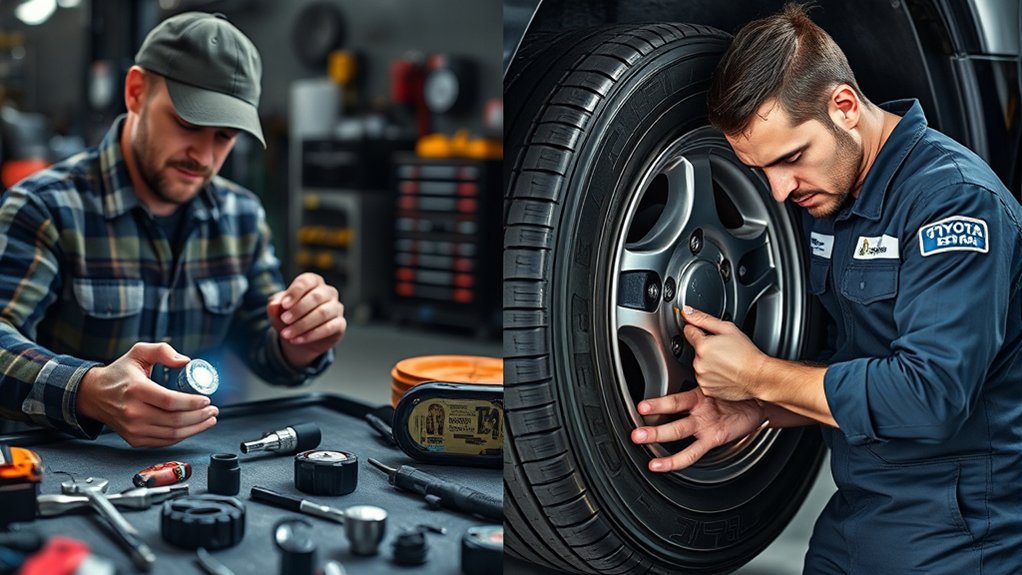
A TPMS sensor, short for Tire Pressure Monitoring System sensor, helps your Toyota Tundra warn you when tire pressure drops too low. The National Highway Traffic Safety Administration explains that TPMS uses sensors in the tires or other vehicle data to warn the driver when tire pressure falls below an acceptable level.
Most Toyota Tundra models use a direct TPMS system. That means the pressure sensor sits inside the wheel, usually attached to the valve stem. It measures pressure and sends data to the truck’s TPMS receiver or ECU. Some Tundra trims can show individual tire pressures on the multi-information display, while others may only show a warning light.
A working TPMS helps you catch low pressure before it affects handling, tire wear, fuel economy, or heat buildup. It does not replace manual pressure checks. Check your tires monthly with a reliable gauge, and use the cold tire pressure listed on the driver-side Tire and Loading Information label.
TPMS is a warning system, not a maintenance shortcut. If the light comes on, stop when safe, check all tires with a gauge, and inspect for damage or leaks.
When to Replace Your TPMS Sensor: Signs and Symptoms
Replace a TPMS sensor when it stops communicating, gets damaged during tire service, leaks at the valve stem, or has a dead internal battery. Many TPMS sensor batteries last for years, but heat, mileage, age, and driving conditions all affect lifespan.
You may need a new TPMS sensor if you notice these symptoms:
- The TPMS warning light flashes for about 60 to 90 seconds, then stays on.
- The tire pressures are correct, but the warning light keeps returning.
- One tire pressure reading shows dashes or fails to appear on the display.
- A scan tool shows no signal from one sensor.
- The valve stem leaks, cracks, corrodes, or breaks.
- The sensor was damaged during tire mounting, off-road driving, or pothole impact.
Note: A solid TPMS light often means low pressure. A light that flashes first and then stays on usually points to a TPMS fault, such as a dead sensor, wrong sensor, registration issue, or communication problem.
Check Your Tundra Model Year Before Buying a Sensor
Do not buy a TPMS sensor by looks alone. Toyota Tundra sensors vary by model year, wheel style, valve angle, and part number. The safest method is to confirm fitment with your VIN through a Toyota parts department, your owner’s manual, or a trusted TPMS tool database.
| Tundra year range | What to verify | Why it matters |
|---|---|---|
| 2007 to 2021 | Sensor frequency, wheel type, valve angle, and OBD relearn support | Many older Tundras need a TPMS scan tool with OBD relearn after sensor replacement. |
| 2022 and newer | TPWS menu options, compatible sensor ID registration method, and VIN-specific part number | The multi-information display may let you initialize pressure settings, but a new sensor may still need proper registration. |
| Any year with aftermarket wheels | Valve hole type, clamp-in or snap-in valve, valve angle, and sensor clearance | The wrong valve style can leak, rub the wheel barrel, or fail to seal correctly. |
For newer trucks, Toyota owner materials show the tire pressure warning system in the multi-information display under vehicle settings, where you can select TPWS and set pressure. For parts, Toyota OEM listings also show year-specific TPMS sensors, such as Toyota part 42607-0C110 for certain 2024 to 2026 Toyota applications. Always confirm by VIN before ordering.
[Products Worth Considering]

The VEHLIVE SU-50448 II TPMS relearn tool provides a fast activation reset to restore accurate tire pressure monitoring after sensor replacement or tire rotation. It supports 315 MHz and 433 MHz GM series sensors and helps clear dashboard pressure warnings. With simple two-button operation and horn-confirmed relearning order, you can reprogram sensors conveniently at home.
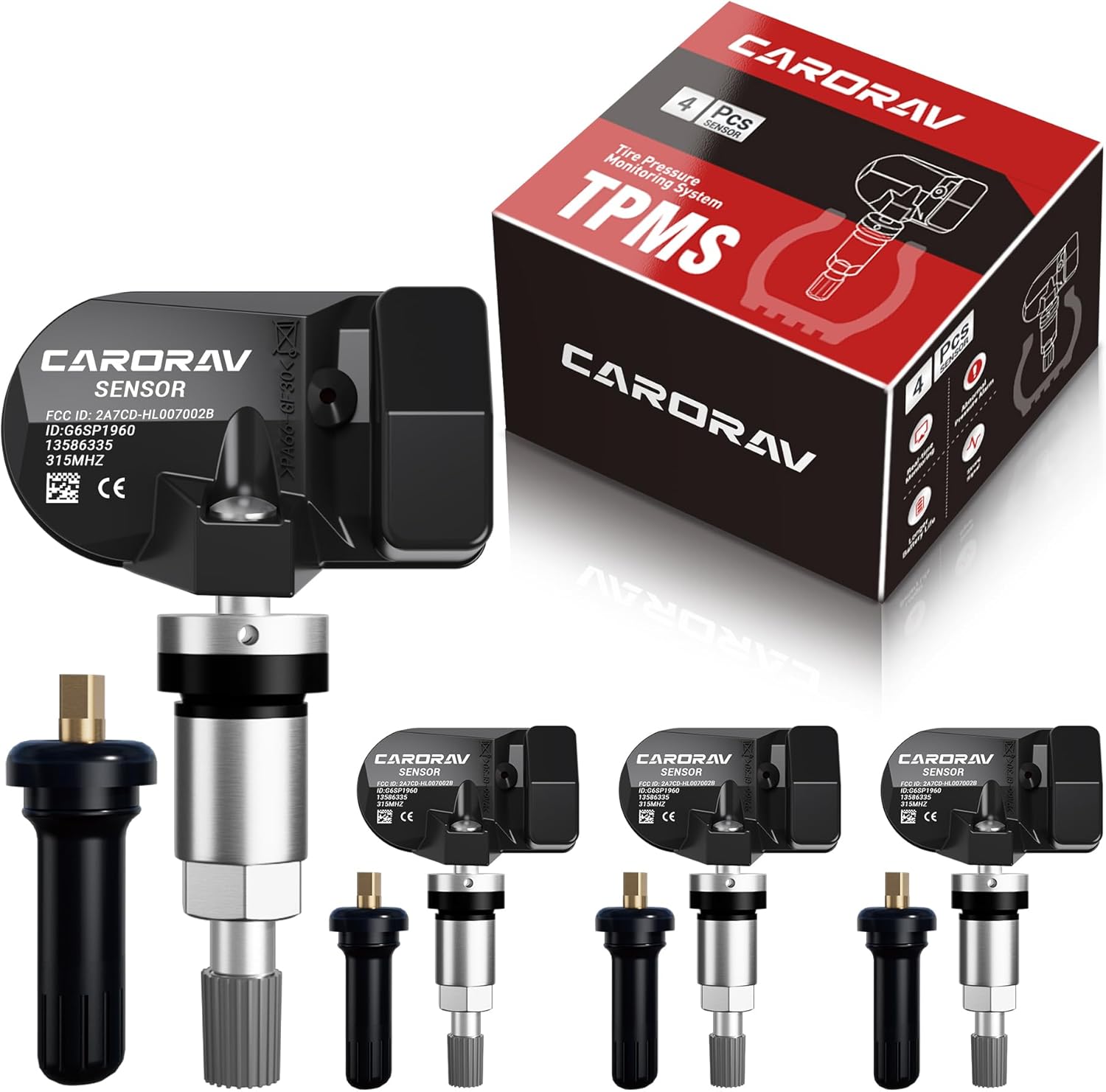
Replace worn or missing TPMS sensors with CARORAV pre-programmed GM-compatible sensors for a smoother installation experience. These 315MHz replacement sensors help monitor tire pressure in real time with long battery life, and they are designed to withstand harsh temperatures. Manual or OBDII relearn may be required to reset the system for proper recognition.

Replace your worn or missing TPMS sensors with pre-programmed, direct-fit sensors for compatible Ford, Lincoln, and select Mazda models. Each sensor comes ready to activate with a scan tool, helping restore accurate tire pressure monitoring and trouble-free installation. Built with a long-life CR2032 battery and tested before factory release, this set provides dependable performance with a one-year warranty.
Essential Tools for Replacing Your TPMS Sensor Yourself
You need more than a jack and lug wrench to replace a Tundra TPMS sensor correctly. The wheel must come off the truck, and the tire bead usually needs to be broken away from the rim so you can reach the sensor.
- Vehicle jack rated for your Tundra
- Jack stands
- Wheel chocks
- Lug wrench or impact wrench
- Torque wrench for lug nuts
- Valve core removal tool
- Bead breaker or tire machine
- TPMS-compatible torque tool or small torque wrench for the sensor nut or screw
- New TPMS sensor matched to your Tundra
- New TPMS service kit, including seal, grommet, valve core, nut, and cap where applicable
- Accurate tire pressure gauge
- Soapy water for leak checking
- Compatible TPMS scan/programming tool, OBD relearn tool, Toyota Techstream, or shop service
Warning: Never rely on a jack alone while working around a wheel. Use jack stands on a solid surface. If you cannot safely break and reseat the tire bead, do not force the job. Have a tire shop install the sensor and rebalance the wheel.
[Products Worth Considering]
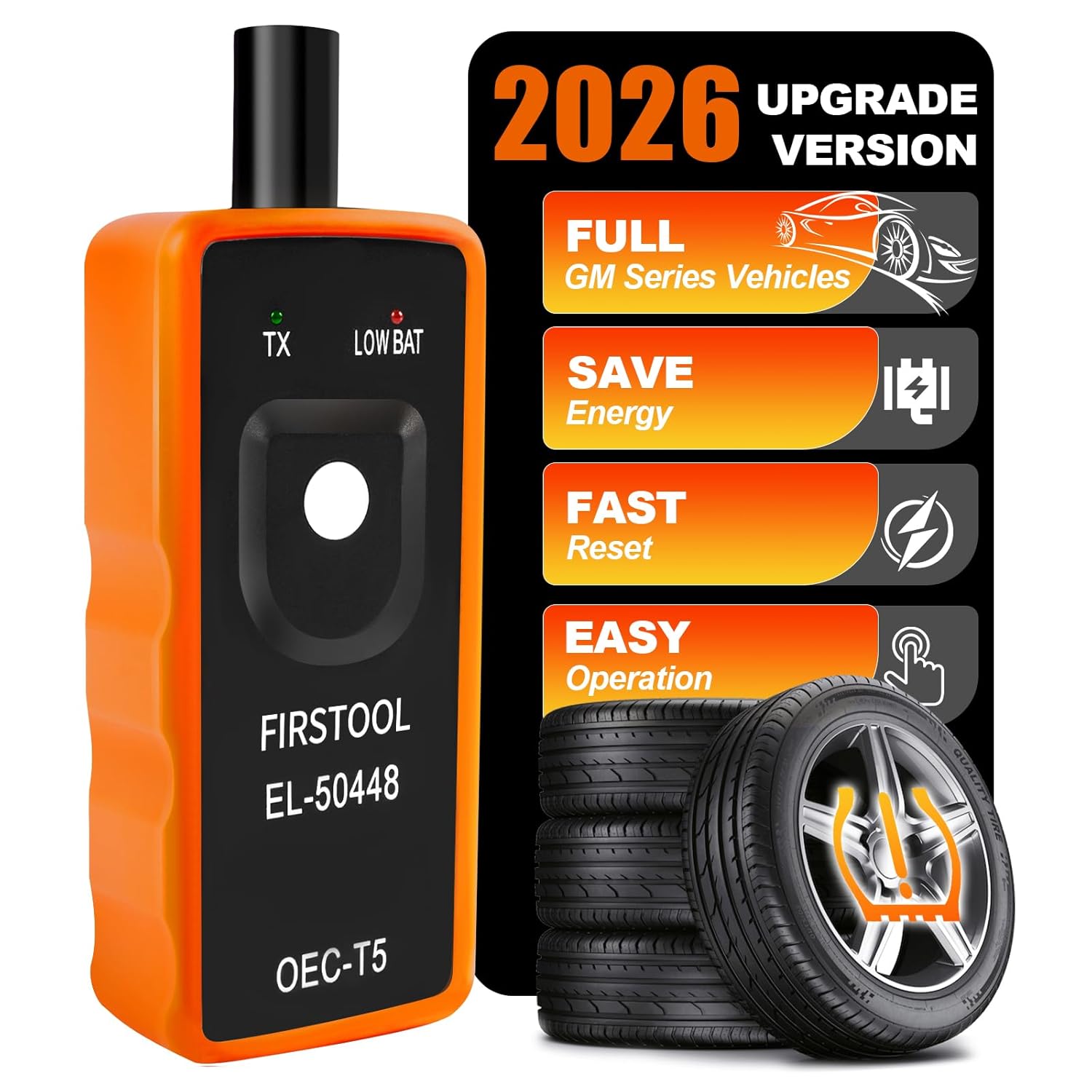
This TPMS relearn tool helps you quickly activate, match, and reset GM tire pressure sensors to keep the vehicle monitoring system working properly. It clears tire pressure alarms and dashboard warning lights after sensor replacement or tire rotation, and supports learning for common 315/433 MHz TPMS sensors. Designed for simple one-button operation, it can help you avoid unnecessary trips to repair shops.

This GM TPMS relearn and reset tool (EL-50448) helps you activate and reset OE/OEM compatible tire pressure sensors for many Chevrolet, GMC, Buick, and Cadillac vehicles. It includes a pre-installed 9V alkaline battery for ready-to-use performance and features a one-button design for quick DIY TPMS relearn. Use it to clear the TPMS warning light, set the correct dashboard tire pressure, and test sensor operation.
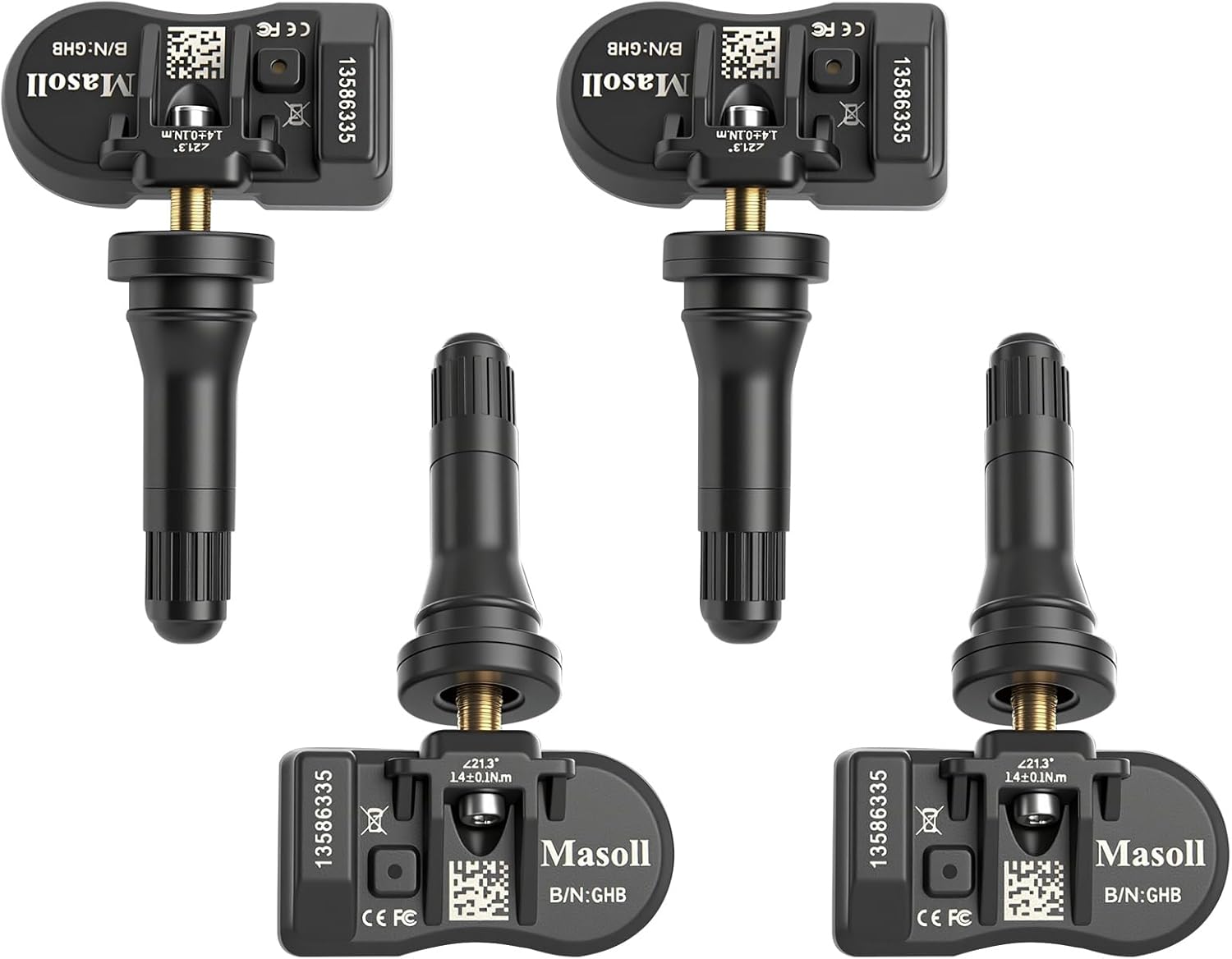
Masoll TPMS sensors are designed for most GM vehicles after 2006, helping you clear tire pressure warnings with OEM-level 315/433MHz compatibility. The 4-pack includes pre-programmed sensors, but re-learning is required after installation using a GM TPMS relearn tool or scan tool. Built with a dual-antenna design and a long-life CR2050 battery, these sensors deliver reliable performance in extreme temperatures with corrosion-resistant valve construction.
Step-by-Step Guide to Replacing Your TPMS Sensor
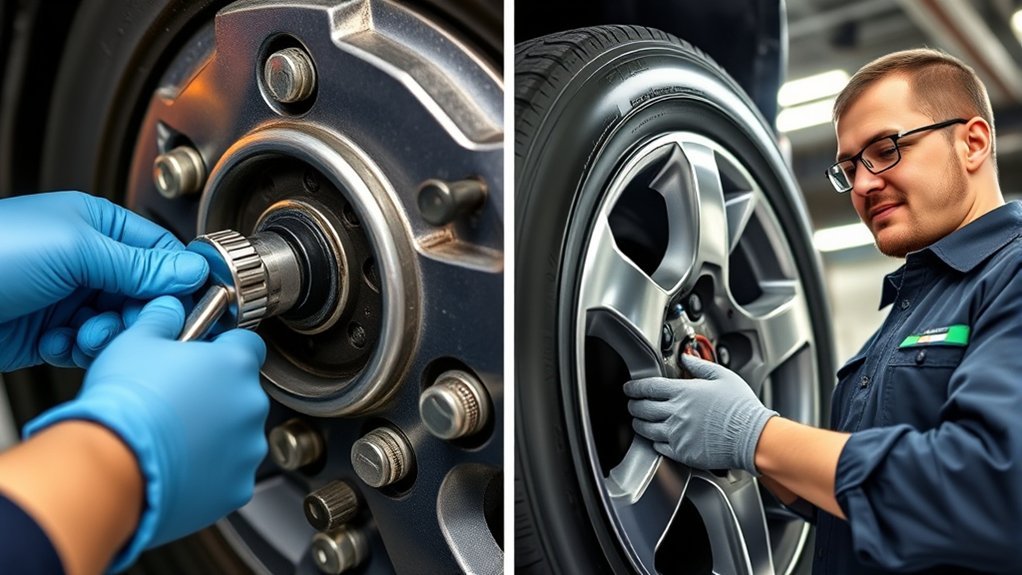
Use this process as a general guide. Your exact Toyota Tundra procedure can vary by year, wheel type, sensor brand, and TPMS tool. When the sensor instructions and the Toyota manual disagree, follow the vehicle-specific service information.
Tools Required for Replacement
Before you lift the truck, confirm that you have the correct sensor, the correct service kit, and a tool that can register or relearn the sensor. A pre-programmed sensor may still need the truck to learn its ID. A programmable universal sensor may need to be cloned or programmed before installation.
Also check the sensor hardware torque spec from the sensor maker. Over-tightening the sensor nut can damage the seal, crack the stem, or cause a slow leak. Under-tightening can let the valve stem leak after inflation.
Step-by-Step Replacement Process
- Confirm the sensor fit. Match the sensor to your Tundra year, VIN, wheel style, frequency, valve style, and programming method.
- Park safely. Park on level ground, set the parking brake, chock the opposite wheels, and loosen the lug nuts slightly before lifting.
- Lift and support the truck. Use the correct jacking point and support the truck with jack stands before removing the wheel.
- Remove the wheel. Take off the lug nuts and remove the wheel from the truck.
- Deflate the tire. Remove the valve cap and valve core with a valve core tool. Let the tire fully deflate.
- Break the bead near the valve stem. Use a bead breaker or tire machine. Work carefully so you do not scratch the wheel or damage the sensor.
- Remove the old sensor. Depending on the sensor design, remove the retaining nut or screw, then pull the valve stem and sensor from the wheel.
- Install the new service kit. Use the new seal, grommet, nut, valve core, and cap supplied for that sensor. Do not reuse old sealing parts.
- Mount the new sensor. Seat the valve stem correctly, align the sensor body so it sits flat inside the wheel, and torque the nut or screw to the sensor manufacturer’s spec.
- Reseat and inflate the tire. Reseat the bead safely, then inflate the tire to the cold pressure on the driver-side door placard.
- Check for leaks. Spray soapy water around the valve stem and bead. Bubbles mean you need to stop and fix the leak before driving.
- Reinstall the wheel. Mount the wheel, hand-start the lug nuts, lower the truck, and torque the lug nuts in a star pattern to the Toyota specification for your exact model.
- Register or relearn the sensor. Use the correct TPMS tool, Toyota Techstream, OBD relearn procedure, or vehicle menu process for your model year.
- Verify operation. Drive as required by your tool or manual, then confirm that the TPMS light clears and the pressure display reads correctly.
Tips for Successful Installation
Small details make the difference between a clean TPMS repair and a warning light that returns the next day.
| Step | Action | Tip |
|---|---|---|
| 1. Prep | Confirm sensor fit before the tire comes apart. | Use VIN-based fitment instead of guessing by year only. |
| 2. Remove tire pressure | Remove the valve core before breaking the bead. | Never break the bead on a pressurized tire. |
| 3. Install sensor | Use the new seal and torque the hardware correctly. | Old grommets often cause slow leaks. |
| 4. Finish | Leak check, balance if needed, and register the sensor. | A tire shop can usually handle this faster if the wheel is already off. |
Pro Tip: If one TPMS battery has died and the truck still has the original sensors, ask the shop to scan all four sensor batteries before replacing only one. Replacing aging sensors as a set can prevent repeat visits.
How to Program Your New TPMS Sensor Successfully
Programming depends on the sensor type. Some sensors are pre-programmed to work like an OEM sensor. Others are programmable universal sensors that need a TPMS tool before installation. Some can be cloned from the old sensor ID, which may reduce relearn work if the original sensor can still be read.
After installation, the truck must recognize the sensor. This is where many DIY repairs fail. A pressure reset tells the truck what pressure to treat as normal. A sensor registration or relearn tells the truck which sensor IDs are installed.
| Term | What it does | When you need it |
|---|---|---|
| Set pressure or initialize | Stores the current cold tire pressure as the reference point. | After setting tire pressure, changing tire size, rotating tires, or correcting low pressure on some models. |
| Relearn | Teaches the vehicle the installed sensor positions or IDs. | After sensor replacement, wheel swap, or sensor position change when required by your model year. |
| Programming | Writes the correct protocol or cloned ID to a programmable aftermarket sensor. | Before installing universal sensors that are not already configured for your Tundra. |
For 2009 to 2019 Tundra models, ATEQ’s Tundra TPMS service data identifies a direct TPMS system and an OBD relearn procedure with a compatible TPMS tool and OBD module. For newer Tundras, the Toyota Tundra quick reference guide shows the TPWS menu under vehicle settings, including “Set Pressure” initialization. Your exact process can still vary, so confirm with the owner’s manual for your model year.
Comparing DIY vs. Professional: Which TPMS Sensor Replacement Is Right for You?
DIY makes sense if you already have tire equipment, a TPMS tool, and experience working safely around inflated tires. Professional service makes more sense if you only own basic hand tools or if you need the tire dismounted and balanced.
[Products Worth Considering]

Replace worn or malfunctioning GM TPMS sensors with this 433MHz pre-programmed sensor set designed for compatibility with many Chevrolet, Buick, GMC, and Cadillac models. It includes guidance for proper OBDII relearning/pairing after installation and supports reliable long-term operation with a high-performance CR2032 battery. Quality tested for durability and performance to help restore accurate tire pressure monitoring.

Masoll Gen 2 external TPMS sensors are a DIY replacement set of 4 for select GM vehicles made after 2006, helping you shut off the TPMS warning light quickly. Simply screw the sensors onto the tire valves and sync to your car ECU using the included EL-50448 relearn tool. Dual-frequency 315/433 MHz design provides OEM-level performance with accurate readings and replaceable batteries for about two years.
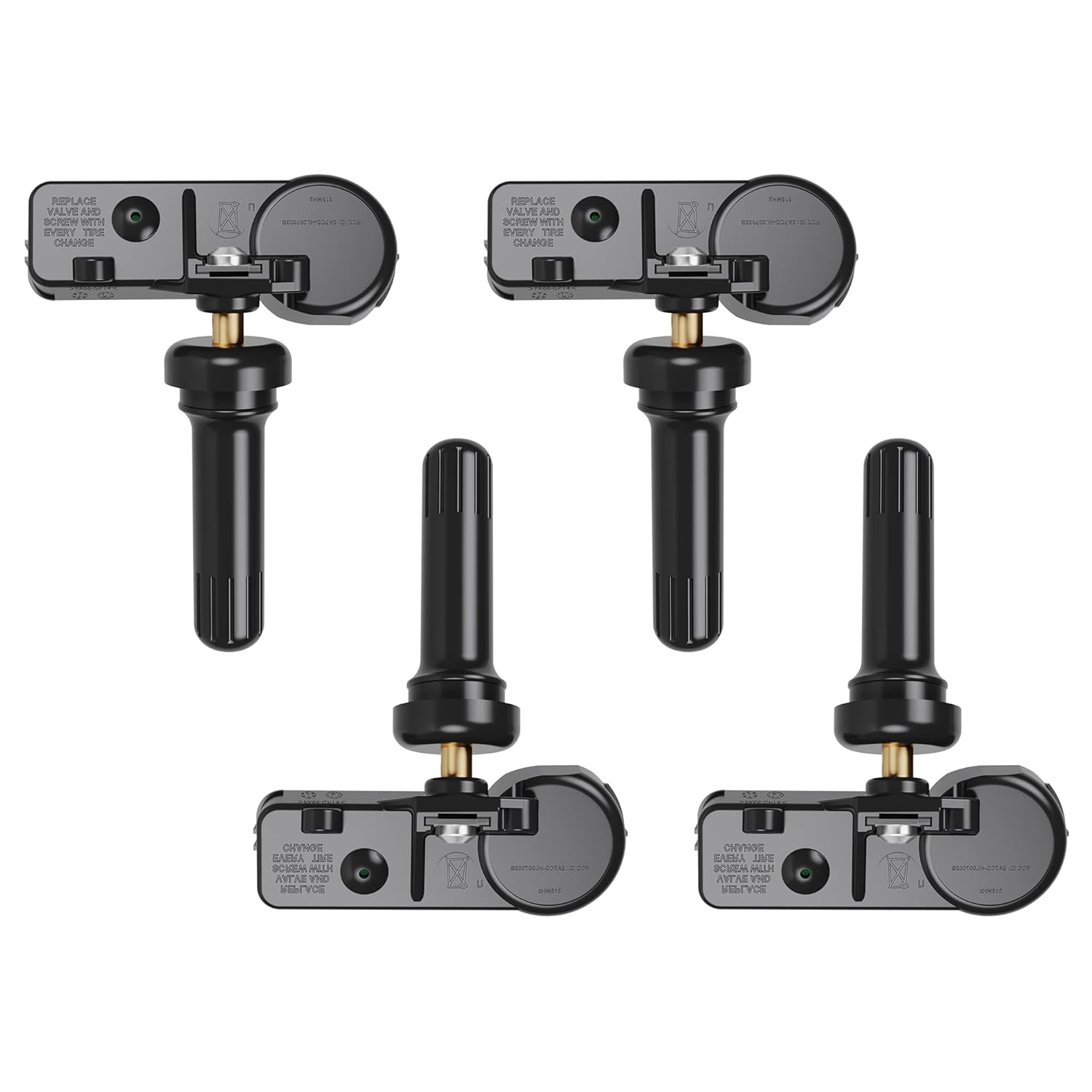
Replace worn or faulty TPMS sensors with this brand new 315MHz GM-compatible replacement set for select Chevy, GMC, Buick, Cadillac, and similar vehicles. These sensors are pre-programmed for your make/model/year and typically only require activation with a scan tool. Built for long service life with a high-temperature battery, they help maintain reliable tire pressure monitoring for safer driving.
Cost Considerations and Savings
A DIY repair can save labor, but only if you already have the right tools. Buying a bead breaker, scan tool, torque tools, and balancing support can cost more than one shop visit. Aftermarket sensors often cost less than OEM sensors, but they must be compatible with your Tundra and programmed correctly.
Professional service usually costs more up front, but it can include tire dismounting, installation, leak checking, balancing, programming, and troubleshooting. The best value often comes from buying the correct sensor and having a tire shop install and relearn it during tire service.
Installation Complexity and Tools
The hard part is not removing the wheel. The hard part is safely breaking the bead, installing the sensor without damaging the wheel or tire, reseating the bead, and confirming the sensor communicates with the truck.
- Choose DIY only if you can safely support the truck and service the tire.
- Choose shop service if you do not have a bead breaker or tire machine.
- Use professional help if the sensor is stuck, corroded, or broken inside the wheel.
- Use a TPMS scan tool before disassembly when possible, so you can confirm which sensor failed.
Accuracy and Reliability Factors
OEM sensors usually offer the simplest compatibility path because they match Toyota specifications for the intended application. Quality aftermarket sensors can also work well when they match the correct frequency, protocol, valve style, and programming method.
The least reliable setup is a sensor bought by price alone without checking fitment. A wrong sensor may install physically but fail to communicate, show no pressure reading, trigger a warning light, or require another tire dismount to replace it.
Cost Comparison: DIY vs. Dealer
TPMS sensor replacement cost depends on the sensor, labor rate, and programming method. Dealer service may cost more, but it can be the easiest option when you need VIN-matched OEM parts or Toyota diagnostic support. Independent tire shops may cost less and can often handle sensors, valve kits, relearns, and balancing in one visit.
| Option | Best for | Main cost drivers |
|---|---|---|
| DIY | Experienced owners with tire equipment and TPMS tools | Sensor price, service kit, tool access, balancing, and time |
| Independent tire shop | Most owners who want fast installation and programming | Labor, sensor brand, relearn fee, and balancing |
| Toyota dealer | VIN-matched OEM repair, warranty support, and difficult diagnostics | OEM part cost, dealer labor rate, diagnostic time, and programming |
If you want a middle-ground approach, remove the wheel yourself only if you can do it safely. Then take the wheel and correct sensor to a tire shop for installation, balancing, and relearn. This can reduce vehicle downtime while avoiding the most hazardous tire-mounting steps.
Common TPMS Sensor Problems and How to Troubleshoot Them
Start troubleshooting with the simple checks first. Inflate all tires cold to the driver-door placard value, inspect for visible tire damage, and check the valve stems for leaks. If the light remains after pressure correction, scan the TPMS system.
| Problem | Likely signs | What to do |
|---|---|---|
| Low tire pressure | Solid TPMS light, one tire visibly low, or pressure below placard | Inflate all tires cold, inspect for punctures, and recheck after driving. |
| Dead sensor battery | No signal from one sensor or flashing TPMS light before solid light | Replace the sensor; the internal battery usually is not serviceable. |
| Wrong sensor | New sensor installs but will not register or display pressure | Confirm frequency, protocol, valve style, and part compatibility by VIN. |
| Leaking valve stem | Slow pressure loss or bubbles during soapy-water test | Replace the service kit, inspect the rim hole, and torque hardware correctly. |
| Registration or relearn failure | Correct pressure but warning light returns after replacement | Use Toyota Techstream, a compatible TPMS tool, or a tire shop relearn service. |
| Temperature-related pressure drop | Light appears during cold mornings, then may go away after driving | Check cold pressure with a gauge and set it to the placard pressure. |
If your Tundra still has a TPMS fault after correct inflation and relearn, do not keep clearing the light without diagnosis. A scan tool can show sensor IDs, signal status, pressure readings, and TPMS diagnostic trouble codes. That data tells you whether the problem is the sensor, registration, receiver, wiring, or a pressure issue.
Frequently Asked Questions
Can I replace a Toyota Tundra TPMS sensor on my own?
Yes, but only if you have the tools and experience to work safely with tires. You must remove the wheel, deflate the tire, break the bead, replace the sensor and sealing kit, reseat the bead, leak check the valve, and register or relearn the sensor. If you do not have tire equipment, use a tire shop.
Are aftermarket TPMS sensors as good as OEM?
Some aftermarket sensors work well, but quality and compatibility vary. Choose a sensor that matches your Tundra’s year, frequency, protocol, valve style, and wheel design. OEM sensors usually reduce fitment risk, while high-quality programmable sensors can be a good value when installed and programmed correctly.
Does Discount Tire replace TPMS sensors on Toyota vehicles?
Yes. Discount Tire says its technicians can diagnose TPMS warnings, replace sensors when needed, program new sensors, and perform required relearns or resets after tire service. Pricing and availability can vary by store, sensor type, and vehicle, so check with your local store before booking.
Can I reset the TPMS light without programming the new sensor?
Not usually after replacing a sensor. A pressure reset or initialization may clear a low-pressure warning, but a new sensor must still be recognized by the vehicle. Depending on your Tundra year and sensor type, that may require a TPMS scan tool, OBD relearn, Toyota Techstream, or a vehicle menu procedure.
Why does my TPMS light flash and then stay on?
A TPMS light that flashes for about a minute and then remains on usually means the system has a fault. Common causes include a dead sensor battery, wrong sensor, damaged valve stem, failed relearn, or communication problem. Check tire pressure first, then scan the TPMS system.
Should I replace all four TPMS sensors at once?
You do not have to replace all four if only one has failed. However, if the sensors are original and close to the same age, the others may fail soon. Replacing a full set can make sense when you are already buying tires or paying to dismount and balance the wheels.
Conclusion
Replacing a Toyota Tundra TPMS sensor is not just a plug-and-play repair. The sensor must fit the truck, seal correctly in the wheel, and communicate with the TPMS system after installation. If you have tire equipment and a compatible scan tool, you can handle the job carefully. If not, a tire shop or Toyota dealer is the safer choice.
Before you replace parts, check tire pressure cold, inspect for leaks, and scan the TPMS system if possible. Once the correct sensor is installed, finish the repair with a leak check, proper lug-nut torque, and the right reset, relearn, or registration procedure for your Tundra’s model year.
Sources
- NHTSA TireWise: Tire Safety Ratings and Awareness — supports TPMS purpose, warning-light meaning, and monthly tire-pressure checks.
- Toyota 2023 Tundra Quick Reference Guide — supports the TPWS multi-information display pressure initialization process.
- Toyota/Lexus Tire Pressure Warning System Activation & Initialization Bulletin — supports cold-pressure setup and Techstream verification concepts.
- ATEQ Toyota Tundra TPMS Diagnostic Information — supports 2009 to 2019 Tundra direct TPMS and OBD relearn information.
- Discount Tire TPMS Sensors and Service — supports TPMS service, sensor replacement, programming, and relearn availability.
- Toyota OEM TPMS Sensor 42607-0C110 Listing — supports year-specific OEM TPMS sensor fitment checks for newer Toyota applications.