
What Is a Tire Valve Stem? Types & How It Works
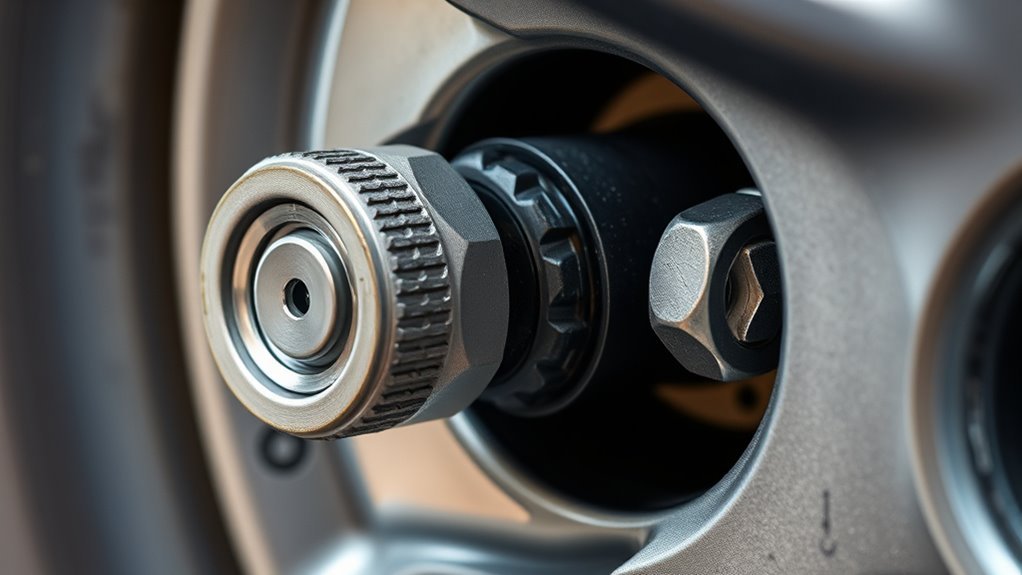
A tire valve stem is the small valve assembly in your wheel that lets you add air to a tubeless tire and keeps that air sealed inside. Most car and light-truck stems use a Schrader-style valve core, a cap, and either a rubber snap-in body or a metal clamp-in body. Some valve stems also carry a TPMS sensor, which monitors tire pressure and triggers a dashboard warning when pressure drops too low.
Quick Answer
A tire valve stem is the one-way air fitting mounted through the wheel. Its valve core opens during inflation or pressure checks, then closes to seal the tire. Replace a leaking, cracked, corroded, or TPMS-damaged valve stem promptly because it can cause slow pressure loss, poor handling, and tire damage.
Key Takeaways
- The valve core is the main seal; the cap protects the core from dirt, moisture, road salt, and corrosion.
- Rubber snap-in stems are common on passenger vehicles and are typically rated up to 65 psi, while metal clamp-in stems are used for higher pressure, speed, or TPMS applications.
- Check tire pressure cold and use the pressure on the vehicle placard, not the maximum pressure molded on the tire sidewall.
- Use soapy water to find leaks at the core, cap area, stem body, or rim base.
- Do not reuse TPMS seals, nuts, or grommets during tire service unless the sensor maker specifically allows it.
At a Glance
| Time Required | 5–10 minutes to inspect or replace a valve core; 20–45 minutes for a shop to replace a full stem during tire service |
| Difficulty | Easy for inspection and caps; moderate for valve cores; professional tire equipment recommended for full stem replacement |
| Tools Needed | Tire pressure gauge, soapy water spray bottle, valve core tool, spare valve cores, replacement caps, and an air source |
| Cost | Usually a few dollars for caps or cores; more for TPMS service kits or shop-installed valve stems |
What a Valve Stem Is and How It Works
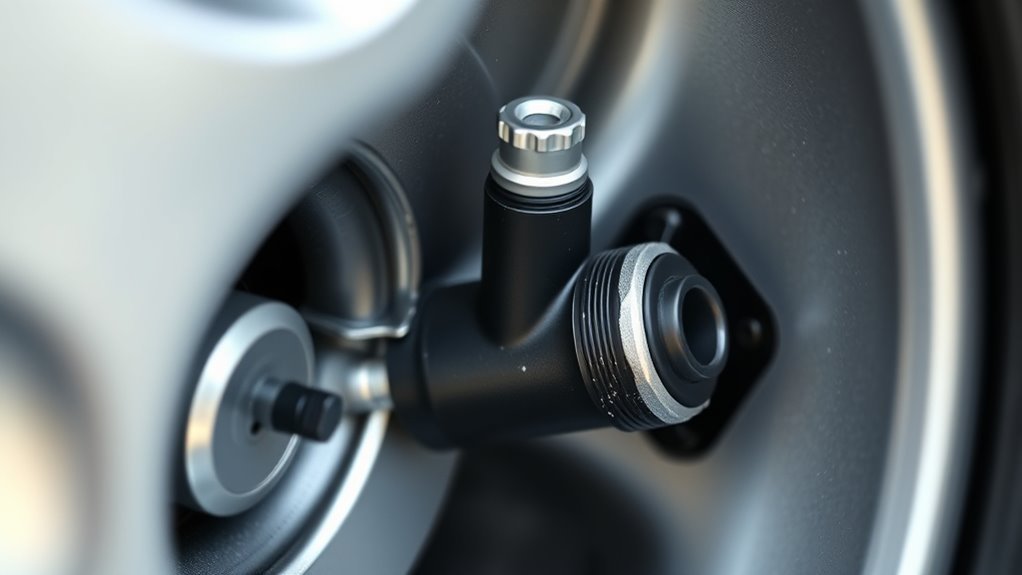
Think of the valve stem as the tire’s air gate. It is a short tube mounted through the wheel rim. Inside that tube is a spring-loaded valve core. When you attach an air chuck or tire gauge, the pin in the core opens so air can enter or pressure can be measured. When you remove the tool, the spring and tire pressure push the seal closed again.
Most passenger vehicles use Schrader-style valve stems. Common tubeless rubber snap-in stems fit 0.453-inch rim holes, while some heavier-duty wheels use 0.625-inch rim holes. Standard rubber snap-in tire valves are commonly rated for a maximum cold inflation pressure of 65 psi, according to Schrader’s snap-in tire valve specifications. Higher-pressure and specialty applications may require high-pressure snap-in or metal clamp-in valve stems instead.
The valve stem does not decide the correct tire pressure for your vehicle. The correct cold inflation pressure comes from the vehicle manufacturer’s tire information placard, usually on the driver-side door jamb, or from the owner’s manual. The National Highway Traffic Safety Administration recommends checking pressure when tires are cold, meaning the vehicle has been parked for at least three hours or driven only a short distance.
Proper inflation matters: FuelEconomy.gov says under-inflated tires can lower gas mileage by about 0.2% for every 1 psi drop in the average pressure of all tires.
[Products Worth Considering]

This 4-in-1 tire valve core removal tool helps you deflate, unblock, and remove or install valve cores quickly for easier tire repair. The multifunction design also supports re-taping damaged threads and reaming inside the valve stem for smoother service. Included as a 2-pack, it’s compact for convenient carry and works for cars, bicycles, and motorcycles.

The AstroAI 2 pack air chucks provide a heavy-duty, closed-flow locking design that helps keep air flowing during inflation while securely attaching to the valve stem. Built with 250 PSI rated brass components and compatible with Schrader valves, they feature 1/4" female NPT threads for a wide fit with common inflators. The straight tip and locking clip make filling tires and monitoring pressure more convenient.

Upgrade your tires with authentic 40mm caliber bullet-shaped stem caps designed to help keep inflation consistent and secure. The patented insert helps protect TPMS and the lacquer coating resists tarnishing for a stylish look. Easy to install on standard Schrader valve stems, these caps fit cars, trucks, SUVs, motorcycles, BMX and bicycles.
Valve Stem Parts and Their Functions
A tire valve stem looks simple from the outside, but each part has a job. Knowing the parts makes it easier to diagnose a slow leak and choose the right replacement.
| Part | What It Does | Common Failure Signs |
|---|---|---|
| Valve core | Opens for inflation and pressure checks, then seals air inside the tire. | Slow leak, bubbles at the center pin, corrosion, sticking pin. |
| Valve cap | Keeps dirt, water, salt, and debris away from the valve core. | Missing cap, cracked cap, seized metal cap, damaged threads. |
| Stem body | Holds the valve assembly in the wheel and seals at the rim hole. | Cracks, dry rot, bending, bubbles at the rim base. |
| TPMS sensor and seal | Measures tire pressure on direct TPMS vehicles and seals the sensor-mounted stem. | TPMS warning light, leaking grommet, corroded nut, broken sensor stem. |
Valve Core Function
The valve core is the small spring-loaded insert inside the stem. It is the primary air seal. When you press the center pin, air can move in or out. When the pin is released, the core closes.
Many TPMS service kits use nickel-plated valve cores to reduce corrosion, especially where the valve stem body is aluminum. Avoid installing a plain brass core in an aluminum TPMS stem unless the sensor or vehicle maker approves it. Dissimilar metals can speed corrosion, and corrosion can make the core seize or leak.
| Symptom | Likely Cause | Action |
|---|---|---|
| Bubbles at the center pin | Loose, dirty, or worn valve core | Tighten gently or replace the core |
| White or green corrosion | Moisture, salt, or incompatible metals | Replace the core and inspect the stem |
| Pin sticks open | Debris or damaged spring | Replace the core immediately |
Valve Cap Purpose
The valve cap is not just decoration. The valve core does the main sealing work, but the cap protects that core from dirt, water, brake dust, and road salt. A missing cap may not cause an instant flat tire, but it leaves the core exposed to contamination that can create a slow leak later.
Plastic caps are often the safest everyday choice because they do not seize as easily on metal stems. Metal caps can look better and may be durable, but on aluminum TPMS stems they can corrode and stick if they are not compatible or do not have a proper seal. Replace cracked, missing, cross-threaded, or seized caps as soon as you notice them.
Pro Tip: Keep four plastic valve caps and a small valve core tool in your glove box. They are cheap, light, and useful when a cap goes missing or a core starts leaking during a pressure check.
Types of Valve Stems: Rubber, Metal, Snap-In, Clamp-In, and TPMS
Choose the valve stem by wheel design, rim-hole size, operating pressure, speed rating needs, and whether the vehicle uses direct TPMS. The wrong stem can leak, fail to seat, interfere with a wheel cover, or damage a TPMS sensor.
| Valve Stem Type | Best For | Notes |
|---|---|---|
| Rubber snap-in | Most passenger cars, light-duty wheels, trailers, ATVs, and lawn equipment with compatible rims. | Common 0.453-inch passenger-car versions are typically rated up to 65 psi cold inflation pressure. |
| High-pressure snap-in | Some light trucks, trailers, and applications above standard passenger-car pressure. | Uses a stronger design than standard snap-in stems; match it to the wheel and pressure rating. |
| Metal clamp-in | High-pressure, high-speed, commercial, trailer, racing, or specialty wheel applications. | Secured with a nut and sealing grommet; many are rated higher than rubber snap-in stems. |
| TPMS valve stem | Vehicles with direct tire pressure monitoring sensors mounted inside the wheel. | May be rubber snap-in or metal clamp-in, depending on the sensor design. Use the correct sensor-specific service kit. |
Standard rubber snap-in stems are fast to install and inexpensive, which is why they are common on passenger vehicles. Metal clamp-in stems cost more but handle demanding applications better when correctly matched to the wheel. For any replacement, match the stem diameter, effective length, pressure rating, and TPMS compatibility to the vehicle and wheel.
TPMS vs Standard Valve Stems: What’s Different
A standard valve stem only provides an air path and seal. A TPMS valve stem may also be attached to an electronic pressure sensor inside the wheel. Direct TPMS sensors measure tire pressure and send that information to the vehicle. Federal Motor Vehicle Safety Standard No. 138 requires covered passenger vehicles, multipurpose passenger vehicles, trucks, and buses with a gross vehicle weight rating of 10,000 pounds or less to have a TPMS that warns drivers of significant under-inflation.
On direct TPMS vehicles, the stem, sealing grommet, retaining nut, washer, valve core, and cap must match the sensor design. Many metal TPMS stems use aluminum bodies and nickel-plated cores. Mixing parts, over-tightening the nut, or reusing old grommets can create leaks or damage the sensor.
Warning: Never force a stuck metal valve cap off an aluminum TPMS stem with heavy pliers unless you are prepared to replace the stem or sensor. A seized cap can twist and break the sensor stem.
Choose the Right Valve Stem Size and PSI
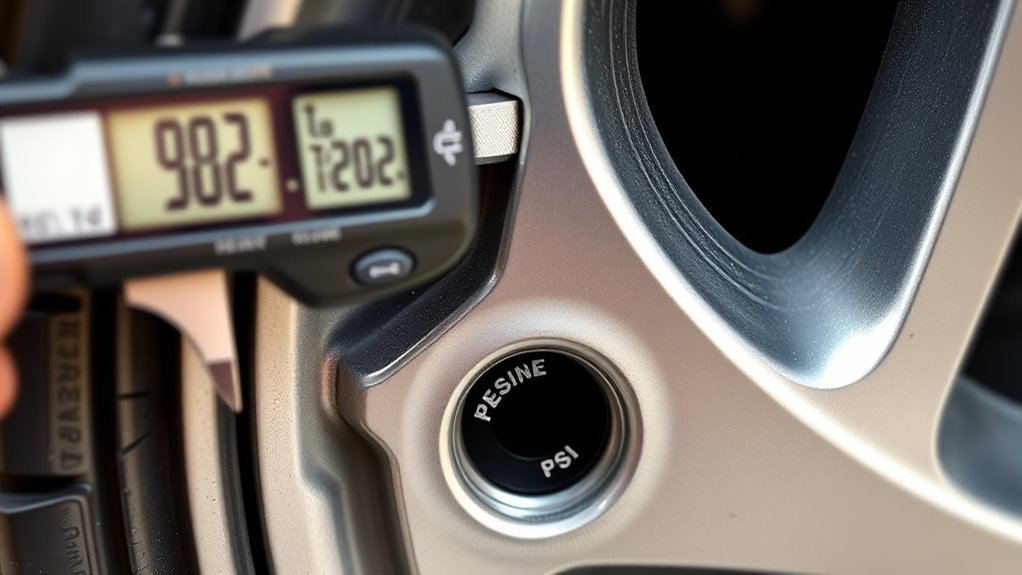
The correct valve stem must fit the wheel and handle the tire’s required cold inflation pressure. Do not choose a valve stem by appearance alone. Check these details before buying or installing one:
- Rim-hole diameter: Common passenger wheels often use a 0.453-inch valve hole; some heavier-duty wheels use 0.625-inch holes.
- Effective stem length: The stem must be long enough for easy gauge and air-chuck access, but not so long that it flexes excessively or contacts a wheel cover.
- Pressure rating: Standard snap-in rubber stems are commonly limited to 65 psi cold inflation pressure. Higher-pressure tires need a stem rated for that pressure.
- Wheel material and design: Aluminum wheels, steel wheels, deep wheels, and specialty wheels may need different stems or angles.
- TPMS compatibility: Direct TPMS sensors require the correct sensor-specific valve stem or service kit.
When in doubt, use the vehicle manufacturer’s service information, the wheel maker’s specifications, or a tire shop’s application guide. A stem that fits the hole but is not rated for the pressure is not the right stem.
Note: Tire pressure should be set to the vehicle placard pressure when the tire is cold. Do not inflate to the maximum pressure printed on the tire sidewall unless the vehicle or tire service information specifically calls for it.
Signs a Valve Stem Is Failing
A failing tire valve stem often starts with a slow leak. You may notice one tire losing pressure every few days, a TPMS light that keeps returning, or a faint hiss near the wheel. Inspect the stem closely if a tire loses pressure but you cannot find a nail or tread puncture.
- Cracked rubber: Dry, split, or brittle rubber can leak at the stem body or rim base.
- Bubbles during a soapy-water test: Bubbles at the core, stem base, or sensor seal show air escaping.
- Corrosion: White, green, or crusty buildup around a metal stem, valve core, or cap can prevent sealing.
- Loose or leaning stem: Movement at the rim hole can mean the stem seal is failing.
- Recurring low-pressure warning: A TPMS light that returns after inflation may point to a leak, sensor issue, or both.
- Damaged cap or threads: Cross-threaded, missing, or seized caps let contamination reach the valve core.
Do not ignore these signs. Under-inflation increases tire heat, can reduce fuel economy, and may affect handling and tire life. If the tire is very low, install the spare or have the vehicle serviced rather than driving on it.
[Products Worth Considering]
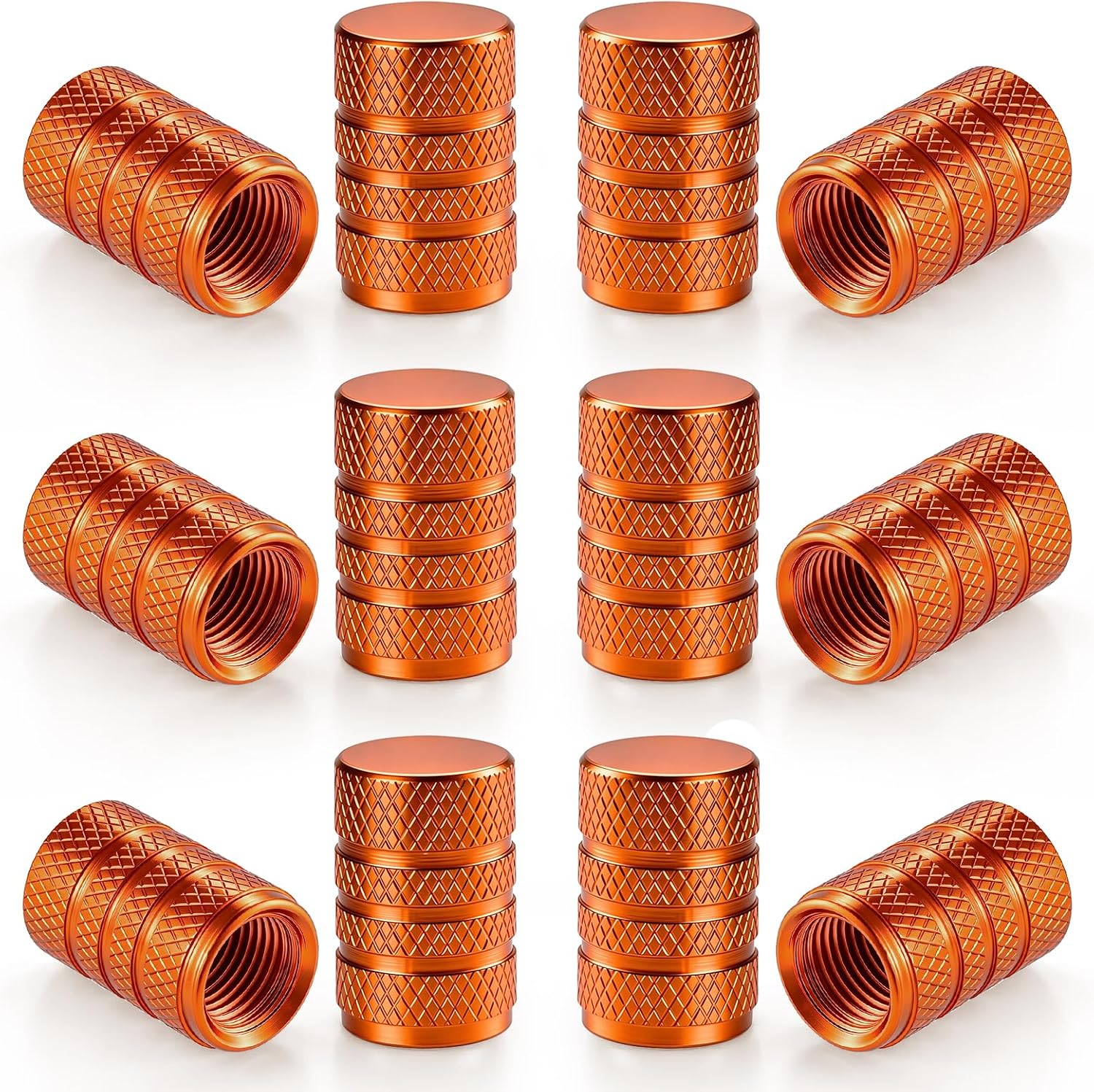
Upgrade your vehicles with these universal aluminum alloy tire valve stem caps designed to help keep dust out and maintain stable tire pressure. Each cap features an internal rubber seal for long-lasting leak protection and features an easy screw-on installation that won’t damage the valve stem threads. Suitable for cars, trucks, motorcycles, and bicycles, they also add a personalized decorative touch to your wheels.

This multi-function tire valve stem removal tool set makes it fast to remove, install, bleed, and clean valve cores for easier tire maintenance. It includes valve core removers, a 4-way spool tool, replacement valve caps, and spare cores to handle replacements and repairs with confidence. Universal compatibility suits cars, trucks, motorcycles, bicycles, and more for roadside convenience.
Find Leaks and Simple Repairs: Cores, Caps, and Replacements
You can find many valve stem leaks with a tire pressure gauge and a spray bottle of soapy water. Core and cap repairs are simple, but full valve stem replacement usually requires deflating the tire, breaking the tire bead, and using proper tire equipment.
How to Spot Valve Stem Leaks
- Check tire pressure cold. Compare the reading with the vehicle placard pressure.
- Remove the valve cap. Look for dirt, damaged threads, corrosion, or moisture.
- Spray soapy water on the core. Bubbles at the center pin usually mean the core is loose, dirty, or worn.
- Spray the stem body and rim base. Bubbles at the rubber base or TPMS grommet point to a stem or seal leak.
- Move the stem gently. If bubbles appear when the stem is flexed, the rubber or rim seal may be failing.
- Recheck after repair. Inflate to the correct cold pressure and repeat the soapy-water test.
If bubbles appear from the tread area instead, the leak may be from a puncture, bead seal, wheel crack, or tire damage rather than the valve stem.
Quick Core and Cap Fixes
If bubbles come from the valve core, a replacement core may solve the leak. Use a valve core tool to remove the old core, install a compatible replacement, and snug it gently. Do not over-tighten it. Inflate the tire, apply soapy water again, and confirm the bubbles stop.
If the cap is missing or cracked, replace it. A cap with a clean internal seal gives the core extra protection from moisture and grit. For aluminum TPMS stems, a plastic cap is usually a safer everyday choice than a bare metal cap because it is less likely to seize.
Warning: Do not try to cut out or pull out a full snap-in valve stem while the tire is inflated. Full stem replacement should be done with the tire safely deflated and the bead unseated using proper equipment.
When to Replace the Entire Valve Stem
Replace the full valve stem when the rubber is cracked, the stem leaks at the rim base, the stem is bent, the metal is heavily corroded, or a TPMS service seal is leaking. It is also smart to install new rubber valve stems when new tires are mounted, unless the existing stems are reusable TPMS assemblies that only need the correct service kit.
For TPMS-equipped wheels, replace the sealing parts recommended by the sensor maker. These often include the grommet, washer, retaining nut, valve core, and cap. Use the correct torque specification for the retaining nut; over-tightening can crush the seal or break the sensor.
Maintenance Tips to Extend Valve Stem Life
Valve stems often get overlooked because they are small, but basic care helps prevent slow leaks and premature tire service. Add these checks to your normal tire routine:
- Check pressure monthly. Use a quality gauge and check when tires are cold.
- Inspect caps every time you check pressure. Replace missing, cracked, or seized caps.
- Look for cracking or dry rot. Rubber stems age from heat, ozone, sunlight, road chemicals, and normal flexing.
- Clean around metal stems. Road salt and moisture can corrode valve cores, caps, nuts, and TPMS hardware.
- Avoid harsh chemicals. Strong wheel cleaners can attack rubber or speed corrosion if left around the valve area.
- Replace stems during tire mounting. New rubber stems are inexpensive insurance when the tire is already off the bead.
- Use compatible TPMS parts. Sensor-specific service kits reduce the risk of leaks and corrosion.
Be careful with lubricants. Tire technicians use approved tire mounting lubricants during installation, but you should not smear random grease, oil, or silicone products onto valve cores or TPMS seals. The wrong product can attract dirt or damage rubber over time.
Common Valve Stem Mistakes to Avoid
Most valve stem problems are preventable. Avoid these common mistakes:
- Using the tire sidewall maximum as the normal pressure: The placard pressure is the normal target for the vehicle, not the maximum printed on the tire.
- Installing the wrong valve core: Brass cores can corrode in some aluminum TPMS stems. Use the correct core for the stem material.
- Reusing old TPMS seals: Old grommets and nuts may not reseal correctly after tire service.
- Driving on a tire with a known slow leak: A small valve leak can become a dangerously under-inflated tire.
- Forcing mismatched stems into a wheel: Rim-hole size, pressure rating, angle, and length all matter.
- Ignoring a missing cap: The tire may hold air without it, but the exposed core is more likely to become dirty or corroded.
Frequently Asked Questions
What is better, Presta or Schrader?
For cars, light trucks, trailers, and most automotive wheels, Schrader-style valves are the normal choice. Presta valves are mainly used on bicycles, especially road and performance bikes. Presta can work well for bicycle rims, but it is not a standard replacement for an automotive tire valve stem.
Can a tire valve stem cause a slow leak?
Yes. A loose valve core, cracked rubber stem, leaking TPMS grommet, corroded metal stem, or damaged cap threads can all cause slow pressure loss. Spray soapy water around the valve core and stem base; bubbles show where air is escaping.
Can I replace only the valve core?
Yes, if the leak is only at the valve core and the stem body is in good condition. Use a compatible replacement core, inflate the tire to the correct cold pressure, and retest with soapy water. Replace the full stem if the leak comes from the base, body, or TPMS seal.
Do I need a valve cap on every tire?
Yes. The tire may hold air without a cap if the valve core is healthy, but the cap protects the core from dirt, water, and corrosion. Replace missing caps quickly, especially in wet, salty, dusty, or off-road conditions.
Should valve stems be replaced with new tires?
For standard rubber snap-in stems, yes, replacement during new tire installation is good practice because the tire is already being serviced and old rubber can crack. For TPMS-equipped wheels, the sensor may stay, but the correct service kit parts should be replaced when required.
Can I use metal valve caps on TPMS stems?
Only if the cap is compatible with the stem material and has a proper seal. On aluminum TPMS stems, plastic caps are often preferred because some metal caps can corrode and seize. If a metal cap is stuck, have it serviced carefully to avoid breaking the TPMS stem.
Conclusion
A tire valve stem is small, but it has a big effect on tire pressure, safety, fuel economy, and TPMS reliability. Inspect the cap, core, rubber body, metal hardware, and rim base whenever you check tire pressure. Use soapy water to confirm leaks, replace worn cores and caps promptly, and install the correct stem or TPMS service kit when the tire is serviced. A few minutes of valve stem maintenance can prevent slow leaks, uneven wear, and avoidable tire trouble.
Sources
- Schrader Pacific Snap-In Tire Valves — rubber snap-in valve stem sizes and 65 psi maximum inflation pressure.
- NHTSA Tire Safety Ratings and Awareness — cold tire pressure checks, tire placard guidance, and tire safety practices.
- eCFR 49 CFR § 571.138, Tire Pressure Monitoring Systems — federal TPMS performance requirements and vehicle coverage.
- FuelEconomy.gov Gas Mileage Tips — fuel economy effects of under-inflated tires.
- U.S. Tire Manufacturers Association Tire Care and Safety Guide — tire care, inflation, and safety reference.

Related Articles

Are Premium Tires Worth the Extra Money?
Worth the extra money? Premium tires promise more grip, comfort, and longevity—but the real tradeoff may surprise you.
Read More
What Are OE Tires? Original Equipment Explained
Discover what OE tires really mean and why choosing the right replacement could change everything for your car’s ride, handling, and safety.
Read More
305 Tire Size Explained: How Big Is It?
I explain how big a 305 tire really is—and why the exact fit can surprise you.
Read More