
Quick Answer
A Toyota Tacoma TPMS sensor battery commonly lasts 5 to 10 years. Because the battery is usually sealed inside the wheel-mounted sensor, most owners replace the whole sensor instead of the battery alone. A steady warning light usually means low tire pressure, while a flashing light that stays on points to a TPMS fault.
Key Takeaways
- Most Tacoma TPMS sensor batteries last about 5 to 10 years, depending on mileage, temperature, and sensor design.
- The battery is normally sealed inside the sensor, so the standard fix is sensor replacement, not a simple coin-cell swap.
- A steady TPMS light often means one or more tires are low. A light that flashes for about a minute and then stays on usually means a system malfunction.
- After replacing a sensor, your Tacoma may need sensor ID registration, relearning, or calibration based on model year and system type.
- Check tire pressure monthly with a gauge because TPMS is a warning system, not a replacement for tire maintenance.
At a Glance
| Time Required | 15 minutes for basic diagnosis; 30 to 90 minutes per wheel for professional sensor replacement, depending on shop workflow. |
| Difficulty | Easy for pressure checks; moderate to advanced for sensor replacement because the tire usually must be removed from the wheel. |
| Tools Needed | Tire pressure gauge for diagnosis; TPMS scan/programming tool, tire machine, valve hardware, and torque tools for sensor replacement. |
| Cost | Varies by sensor brand, labor, programming, and whether you replace one sensor or all four. Ask for an itemized quote that includes the sensor, valve kit, mount/balance, and relearn. |
Understanding TPMS and Its Importance for Your Tacoma
The Tire Pressure Monitoring System, or TPMS, helps warn you when one or more tires are significantly underinflated. In many Tacomas, the system uses small sensors mounted inside the wheels. These sensors measure tire pressure and send data to the truck’s receiver.
According to the National Highway Traffic Safety Administration, newer vehicles use TPMS to warn the driver when tire pressure is below an acceptable level. NHTSA also says you should still check tire pressure monthly with a gauge because TPMS is not a substitute for regular tire maintenance.
TPMS is a safety warning system, not a replacement for checking your Tacoma’s tire pressure by hand.
Low tire pressure can reduce handling, hurt fuel economy, shorten tire life, and increase heat inside the tire. For a Tacoma that hauls gear, tows, or drives on rough roads, accurate tire pressure matters even more.
How Long Does a Tacoma TPMS Sensor Battery Last?
A Tacoma TPMS sensor battery commonly lasts 5 to 10 years. Some sensors fail earlier, especially in harsh heat, cold, road salt, or high-mileage use. Others last longer if the truck is driven lightly and the sensors stay protected.
The key point is that the battery is usually sealed inside the sensor body. That means you normally do not replace only the battery. You replace the full sensor and valve assembly, then make sure the truck recognizes the new sensor ID.
Note: A weak TPMS sensor battery can look like a sensor communication problem. Always check actual tire pressure first, then scan the TPMS before buying parts.
What Affects TPMS Battery Life?
| Factor | How It Affects the Sensor | What You Can Do |
|---|---|---|
| Age | Battery output drops as the sensor gets older. | Start watching for faults after about 5 years. |
| Heat and cold | Extreme temperatures can shorten battery life and affect pressure readings. | Check pressure when tires are cold and before long trips. |
| Mileage | More driving can mean more sensor transmission activity. | Inspect sensors during tire replacement or rotation service. |
| Wheel and tire changes | Incorrect sensors or missing registration can trigger warning lights. | Use compatible sensors and follow your Toyota manual. |
| Valve corrosion or damage | A damaged stem can cause leaks or require sensor replacement. | Use proper valve caps and avoid forcing stuck parts. |
Signs Your TPMS Sensor Battery or Sensor Is Failing
A bad TPMS sensor battery is only one possible reason for a warning light. Low tire pressure, a puncture, a damaged valve stem, aftermarket wheels, or an unregistered sensor can cause similar symptoms. Use the warning light pattern as your first clue.
Steady TPMS Light
A steady TPMS light usually means one or more tires are significantly underinflated. Stop when safe, inspect the tires, and check all tire pressures with a reliable gauge. Inflate them to the cold pressure listed on the driver-side door placard or in your Toyota owner’s manual.
TPMS Light Turns On and Off
If the light comes on during cold mornings and goes off after driving, the tire pressure may be close to the warning threshold. Cold air lowers tire pressure, and driving can warm the tire enough to raise pressure slightly. Check the pressure when the tires are cold instead of ignoring the light.
TPMS Light Flashes, Then Stays On
A flashing TPMS light that stays on usually points to a system malfunction, not just low pressure. Federal TPMS rules describe a malfunction warning pattern where the telltale flashes for 60 to 90 seconds and then remains illuminated while the malfunction exists. A weak or dead sensor battery, wrong sensor, damaged sensor, or failed registration can cause this pattern.
Warning: Do not drive for long with a TPMS warning light without checking tire pressure. A real low-pressure tire can overheat, wear quickly, or fail while driving.
How to Diagnose a Bad TPMS Sensor Before Replacing It
Before you replace a Toyota Tacoma TPMS sensor, rule out simple tire problems first. This saves money and helps you avoid replacing a good sensor.
- Check all tire pressures cold. Use the tire placard or owner’s manual pressure, not the maximum pressure printed on the tire sidewall.
- Inspect for visible tire damage. Look for nails, screws, sidewall bulges, cracked rubber, or a leaking valve stem.
- Check the spare if your model monitors it. Some vehicles monitor the spare, while others do not. Your manual gives the correct answer for your year.
- Look at the light pattern. A steady light usually means pressure. A flashing light that stays on usually means a TPMS fault.
- Use a TPMS scan tool. A shop can read each sensor ID, pressure, temperature, and battery status if the sensor supports it.
- Confirm sensor compatibility. If you recently changed wheels or sensors, make sure the frequency and part type match your Tacoma.
- Register or relearn the sensor if needed. Some replacements will not work until the truck learns the new sensor ID.
Pro Tip: If one original TPMS sensor fails because of age and the other three are the same age, ask the shop to quote one sensor and all four sensors. Replacing all four can reduce repeat tire labor later.
Can You Replace Only the TPMS Battery?

For most Tacoma owners, the practical answer is no. The battery is normally sealed inside the TPMS sensor. Opening the sensor, soldering in a coin cell, and resealing the case is a repair hack, not a standard Toyota service procedure. It can also damage the sensor, create sealing problems, or make the sensor unreliable inside the wheel.
The safer repair is to replace the full TPMS sensor assembly with a compatible OEM or quality aftermarket sensor. After replacement, the sensor must seal properly at the wheel and communicate correctly with your Tacoma.
DIY or Professional TPMS Replacement: Weighing Your Options
You can diagnose basic TPMS problems at home, but replacing an internal wheel sensor is different from changing a simple battery. The tire usually has to be removed from the wheel, the sensor must be installed without damaging the valve area, and the new sensor may need programming.
[Products Worth Considering]

The VEHLIVE SU-50448 II TPMS relearn tool provides a fast activation reset to restore accurate tire pressure monitoring after sensor replacement or tire rotation. It supports 315 MHz and 433 MHz GM series sensors and helps clear dashboard pressure warnings. With simple two-button operation and horn-confirmed relearning order, you can reprogram sensors conveniently at home.
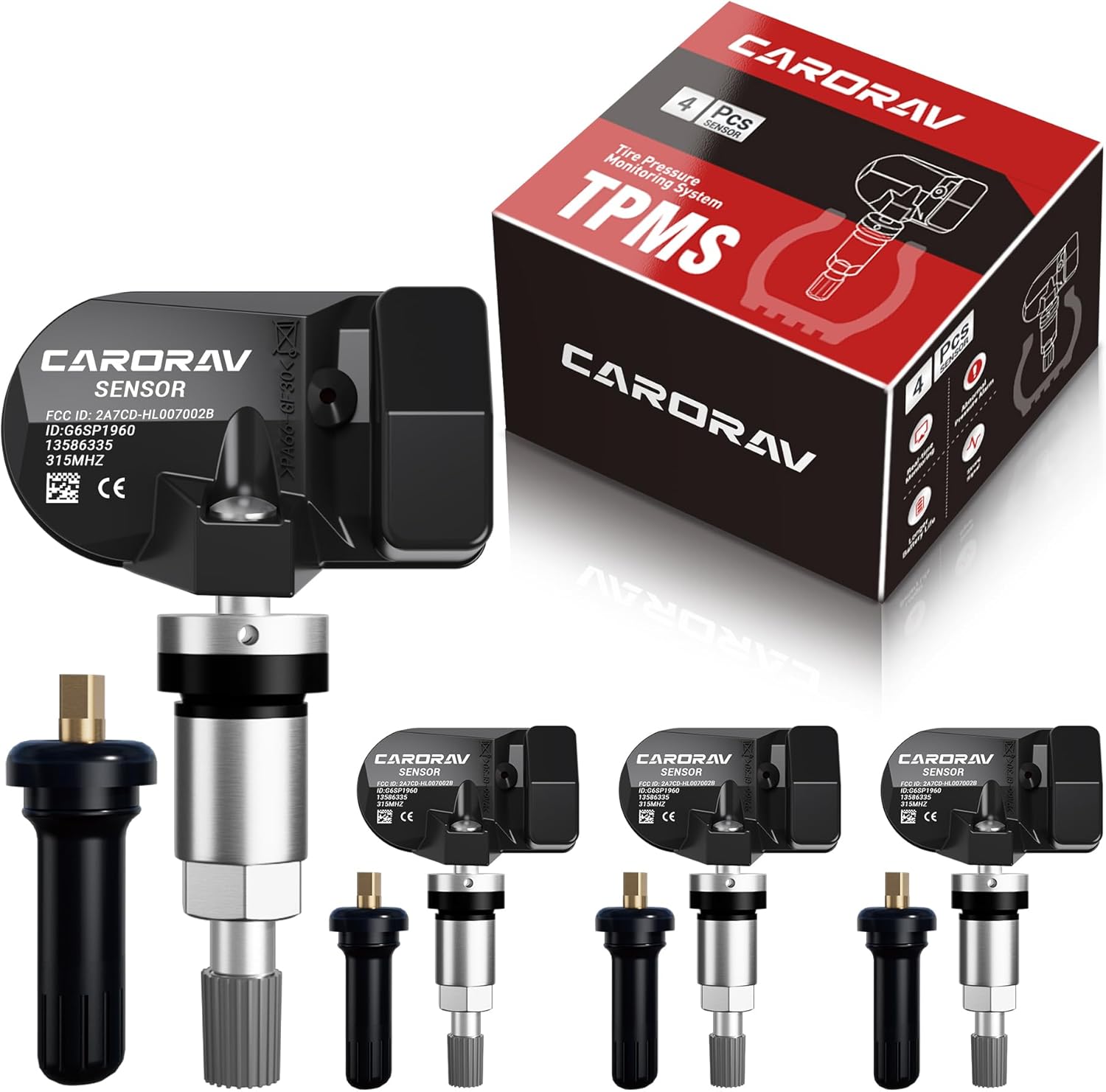
Replace worn or missing TPMS sensors with CARORAV pre-programmed GM-compatible sensors for a smoother installation experience. These 315MHz replacement sensors help monitor tire pressure in real time with long battery life, and they are designed to withstand harsh temperatures. Manual or OBDII relearn may be required to reset the system for proper recognition.

Replace your worn or missing TPMS sensors with pre-programmed, direct-fit sensors for compatible Ford, Lincoln, and select Mazda models. Each sensor comes ready to activate with a scan tool, helping restore accurate tire pressure monitoring and trouble-free installation. Built with a long-life CR2032 battery and tested before factory release, this set provides dependable performance with a one-year warranty.
What You Can Safely DIY
- Check cold tire pressure with a gauge.
- Inspect tires and valve stems for obvious damage.
- Read your Toyota owner’s manual for the reset or initialization procedure.
- Use a basic scan tool if you already have one that supports TPMS data.
- Buy compatible sensors if your tire shop agrees to install and program customer-supplied parts.
What a Tire Shop Should Handle
- Breaking the tire bead and removing the tire from the wheel.
- Replacing the TPMS valve stem, seal, nut, washer, or sensor body.
- Torquing the sensor hardware correctly.
- Balancing the wheel after sensor replacement.
- Registering or relearning sensor IDs with a TPMS tool.
Warning: Tire demounting can be dangerous without the right machine and training. If the sensor is inside the wheel, use a qualified tire shop instead of trying to pry the tire off at home.
OEM vs Aftermarket TPMS Sensors for a Toyota Tacoma
Both OEM and aftermarket TPMS sensors can work, but compatibility matters. Tacoma sensors vary by model year, frequency, programming method, and wheel setup. Always match the sensor to your exact year, trim, and market.
| Option | Best For | Pros | Watchouts |
|---|---|---|---|
| OEM sensor | Owners who want the closest match to factory equipment. | Strong compatibility, dealer support, and predictable fit. | Usually costs more than aftermarket. |
| Aftermarket direct-fit sensor | Owners who want to lower repair cost. | Often less expensive and widely available. | Must match your Tacoma and may still need programming. |
| Programmable universal sensor | Tire shops that stock one sensor type for many vehicles. | Flexible and convenient when programmed correctly. | Requires the right TPMS programming tool and setup. |
[Products Worth Considering]
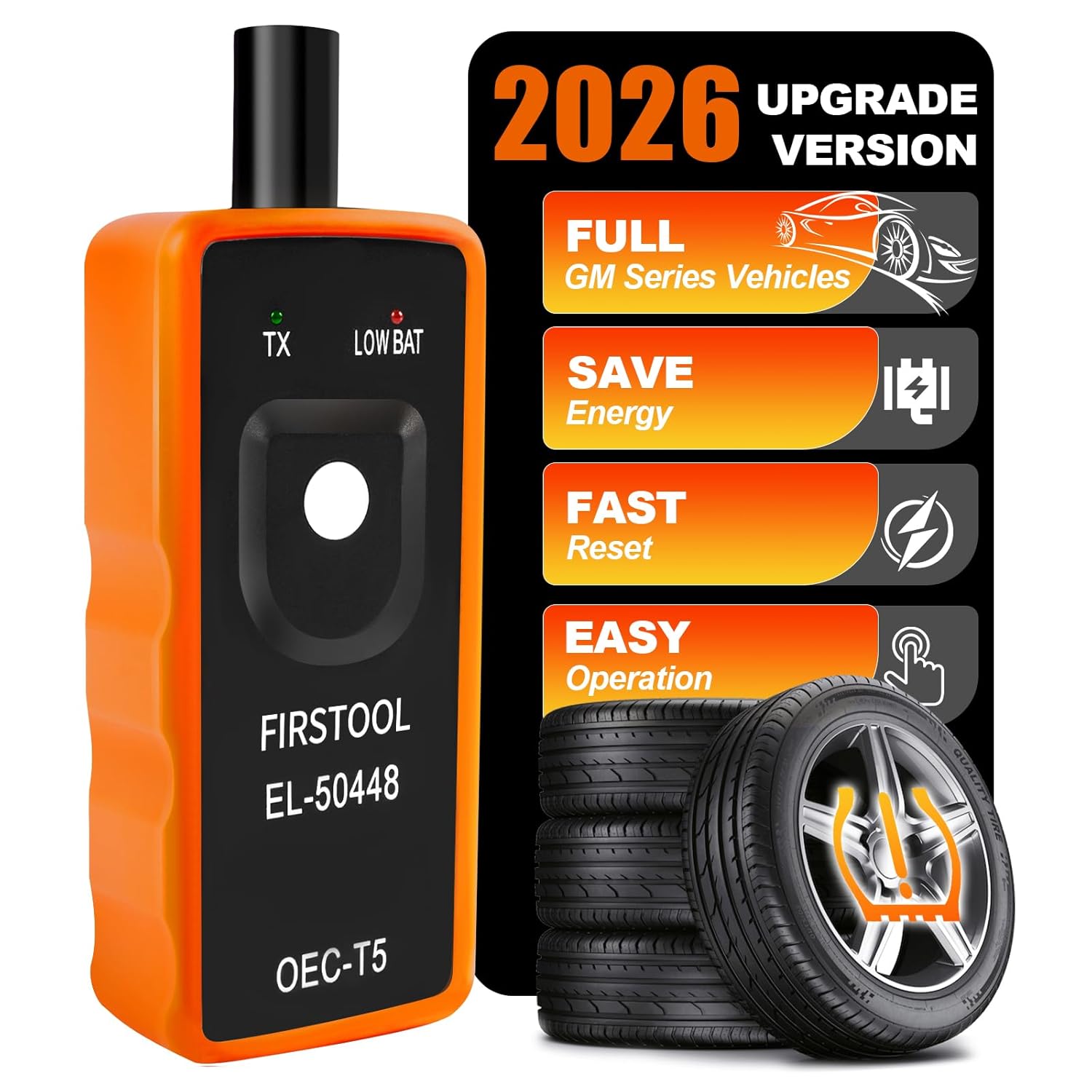
This TPMS relearn tool helps you quickly activate, match, and reset GM tire pressure sensors to keep the vehicle monitoring system working properly. It clears tire pressure alarms and dashboard warning lights after sensor replacement or tire rotation, and supports learning for common 315/433 MHz TPMS sensors. Designed for simple one-button operation, it can help you avoid unnecessary trips to repair shops.

Replace worn or malfunctioning GM TPMS sensors with this 433MHz pre-programmed sensor set designed for compatibility with many Chevrolet, Buick, GMC, and Cadillac models. It includes guidance for proper OBDII relearning/pairing after installation and supports reliable long-term operation with a high-performance CR2032 battery. Quality tested for durability and performance to help restore accurate tire pressure monitoring.

This TPMS sensor training and relearn reset tool is customized for Ford, Lincoln, and Mercury vehicles to help activate tire pressure programming after sensor replacement or tire rotation. It can activate individual tire pressure sensors with one-button operation, helping prevent TPMS warning light illumination. It is not a sensor programming tool and cannot program replacement sensors—use it to trigger/activate sensors only.
What Will It Cost to Replace Your Tacoma TPMS Sensor?
The cost to fix a Tacoma TPMS sensor depends on what failed and how many sensors you replace. A single sensor replacement usually costs less than replacing all four, but if all sensors are original and close to the same age, replacing only one may mean another sensor fails soon after.
Ask the shop to break down the quote into these items:
- Sensor price: OEM sensors usually cost more than aftermarket sensors.
- Valve service kit: The seal, nut, washer, cap, or valve stem may be replaced with the sensor.
- Tire labor: The tire may need to be demounted, remounted, and balanced.
- Programming or relearn: The truck may need to learn the new sensor ID.
- Diagnostic fee: Some shops charge to scan the TPMS before replacement.
If you bring your own sensor, confirm the shop will install it before you buy. Some shops only warranty parts they supply.
[Products Worth Considering]

These aluminum alloy tire valve stem caps with an O-ring seal help protect valve stems from corrosion while adding a clean, stylish look to your vehicle. The universal fit works across cars, trucks, motorcycles, bicycles, and more, making them an easy upgrade for everyday driving and off-road use. Installation is quick, and the included four-pack keeps all your tires dressed and protected.

Marsflex brand TPMS replacement sensors help restore tire pressure monitoring for compatible Toyota, Lexus, Scion, and Pontiac models. Each sensor is pre-programmed for the vehicle application and includes a long-life battery for up to 8 years of normal use. Designed to replace common OE numbers and requires relearning using a TPMS scan tool after installation.

Masoll Gen 2 external TPMS sensors are a DIY replacement set of 4 for select GM vehicles made after 2006, helping you shut off the TPMS warning light quickly. Simply screw the sensors onto the tire valves and sync to your car ECU using the included EL-50448 relearn tool. Dual-frequency 315/433 MHz design provides OEM-level performance with accurate readings and replaceable batteries for about two years.
How to Maintain Your Tacoma TPMS for Optimal Performance
Good tire maintenance helps your TPMS do its job and helps you catch problems before they become expensive.
- Check tire pressure monthly when cold. NHTSA recommends checking all tires at least once a month when the vehicle has been parked for at least three hours.
- Use the door placard pressure. The correct cold tire pressure is listed on the Tire and Loading Information Label or in your owner’s manual.
- Do not ignore slow leaks. A tire that repeatedly loses pressure may have a puncture, rim leak, or valve issue.
- Use proper valve caps. Caps help keep dirt and moisture out of the valve stem.
- Be careful with tire sealant. Some sealants can make sensor service messy and may affect sensor operation unless the sensor is cleaned and inspected.
- Service sensors during tire replacement. If your sensors are old, replacing them while new tires are installed can save duplicate labor.
Troubleshooting Common TPMS Issues After Sensor Replacement
If the TPMS light stays on after replacing a sensor, do not assume the new part is bad right away. Work through the common causes first.
The Light Stays On
Check all tire pressures again when the tires are cold. If the pressure is correct, the new sensor may need registration, relearning, or more driving time for the truck to recognize it.
The Light Flashes, Then Stays On After Replacement
This usually means the truck still sees a TPMS malfunction. Common causes include the wrong sensor frequency, an unregistered sensor ID, a damaged sensor, a dead sensor battery, or wheels that are not compatible with the system.
The Pressure Display Is Wrong
Some systems need time or a relearn procedure to match each sensor to the correct wheel position. If the pressure shown on the dash does not match the wheel location, ask the shop to confirm sensor positions with a TPMS scan tool.
The Light Came Back After a Tire Rotation
A tire rotation can expose a weak sensor, a low tire, or a registration issue. Check pressure first, then scan each sensor if the light remains on.
Frequently Asked Questions
How long do Toyota Tacoma TPMS sensor batteries last?
Most Toyota Tacoma TPMS sensor batteries last about 5 to 10 years. Heat, cold, mileage, sensor design, and wheel service history can shorten or extend that range.
Can I replace only the TPMS battery in my Tacoma?
In most cases, no. The battery is usually sealed inside the TPMS sensor. The normal repair is to replace the full sensor assembly, then register or relearn it if your Tacoma requires that step.
How do I know if my TPMS sensor battery is low?
A weak sensor battery may cause a flashing TPMS light that later stays on, missing pressure readings, or sensor communication faults on a TPMS scan tool. Always check actual tire pressure first because low pressure and sensor failure can look similar at the dashboard.
What does a flashing TPMS light mean on a Toyota Tacoma?
A TPMS light that flashes for about a minute and then stays on usually means the system has detected a malfunction. Possible causes include a dead sensor battery, wrong sensor, damaged sensor, or a sensor ID that has not been registered correctly.
Should I replace one TPMS sensor or all four?
If only one sensor failed early, replacing one may be enough. If all four sensors are original and near 7 to 10 years old, replacing all four during tire service may save labor and reduce repeat warning-light issues.
Do I need to reset TPMS after replacing a Tacoma sensor?
Often, yes. Depending on your model year and sensor type, the truck may need sensor ID registration, relearning, or initialization. Use your exact Toyota owner’s manual or have a tire shop complete the process with a TPMS tool.
Conclusion
A Toyota Tacoma TPMS sensor battery can last many years, but when it fails, the usual fix is replacing the TPMS sensor, not opening the sensor to change a coin cell. Start with the basics: check cold tire pressure, inspect the tire and valve stem, and note whether the warning light is steady or flashing. If the sensor is dead or not communicating, choose a compatible OEM or quality aftermarket replacement and make sure it is programmed or relearned correctly. That gives your Tacoma the best chance of accurate tire-pressure warnings and safer driving.
Sources
- NHTSA TireWise — supports tire pressure safety, monthly pressure checks, TPMS warning meanings, and the reminder that TPMS is not a substitute for maintenance.
- 49 CFR 571.138, Tire Pressure Monitoring Systems — supports federal TPMS warning thresholds and malfunction telltale behavior.
- Toyota Manuals and Warranties — supports using the exact Tacoma owner’s manual for model-year reset, initialization, and warning-light guidance.

