
Do TPMS Sensors Need Replacing With New Tires on Toyota Tacoma
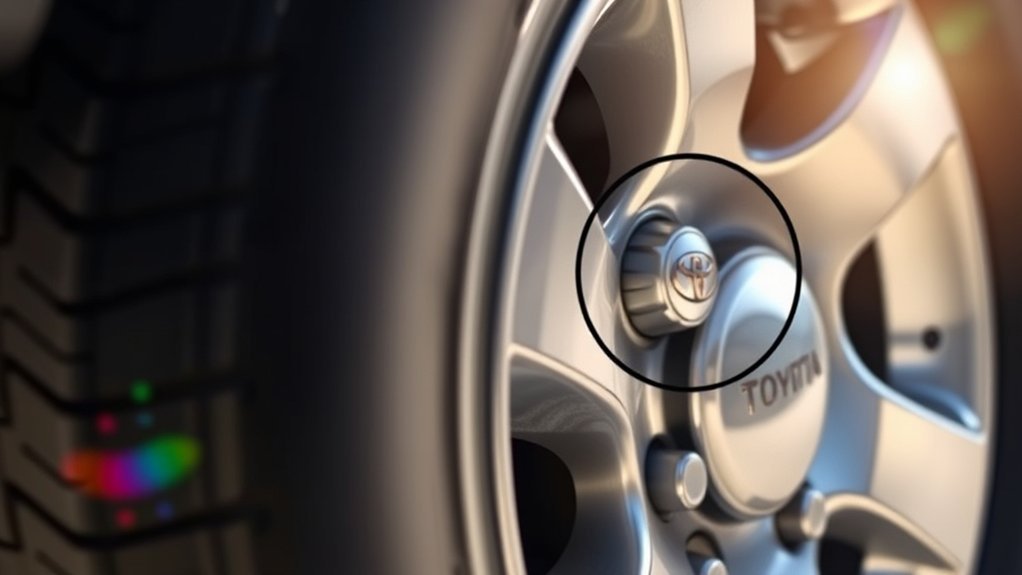
You usually do not need to replace the TPMS sensors when changing tires on your Toyota Tacoma if you are keeping the same wheels and the existing sensors still work. The answer changes when you install new wheels, use a second seasonal wheel set, have damaged valve stems, or have sensors with weak batteries. In those cases, you may need new sensors, sensor ID registration, or a shop-level TPMS relearn.
Quick Answer
You do not need new Toyota Tacoma TPMS sensors for a normal tire-only change if the original sensors are working. You may need replacement sensors when changing wheels, fixing damaged valve stems, using a second wheel set, or dealing with a flashing TPMS malfunction light.
Key Takeaways
- If you only replace tires and keep the same wheels, the shop can usually reuse the existing Tacoma TPMS sensors.
- If you install new wheels, you must either transfer the old sensors or install compatible new sensors.
- A TPMS reset or SET button sets the tire-pressure baseline; it does not always register brand-new sensor IDs.
- A steady TPMS light usually points to low pressure, while a flashing light followed by a steady light often means a TPMS malfunction.
- Check tire pressure monthly with a gauge because TPMS is a warning system, not a replacement for tire maintenance.
At a Glance
| Time Required | 5–10 minutes to check pressure and reset; 20–45 minutes at a tire shop for sensor registration or replacement |
| Difficulty | Easy for pressure checks; moderate to professional for new sensor programming |
| Tools Needed | Tire pressure gauge, air source, owner’s manual, and TPMS scan/programming tool if replacing sensors |
| Cost | Often free during tire service if reusing sensors; extra cost for service kits, new sensors, or sensor registration |
Is Replacing TPMS Sensors Necessary When Changing Tires?

Replacing TPMS sensors is not automatically required when you change tires on your Toyota Tacoma. If the tires are coming off the same wheels and the existing sensors are working, the tire shop can usually reuse them. That saves money and avoids unnecessary programming.
The better approach is to inspect the sensors while the tires are off. Ask the shop to check the sensor body, valve stem, seal, valve core, retaining nut, and cap. The electronic sensor may still be fine even if the rubber seal or valve service parts need replacement.
Warning: Do not ignore a tire pressure warning light just because the truck drives normally. The National Highway Traffic Safety Administration says TPMS is not a substitute for regular tire maintenance, and tire pressure should still be checked monthly with an accurate gauge.
You should consider replacing Tacoma TPMS sensors if one is physically damaged, the valve stem is corroded, the sensor battery is weak, the sensor cannot communicate with the truck, or you are installing wheels that do not already have compatible sensors installed.
[Products Worth Considering]

This multi-function tire valve stem removal tool set makes it fast to remove, install, bleed, and clean valve cores for easier tire maintenance. It includes valve core removers, a 4-way spool tool, replacement valve caps, and spare cores to handle replacements and repairs with confidence. Universal compatibility suits cars, trucks, motorcycles, bicycles, and more for roadside convenience.

Upgrade your tires with authentic 40mm caliber bullet-shaped stem caps designed to help keep inflation consistent and secure. The patented insert helps protect TPMS and the lacquer coating resists tarnishing for a stylish look. Easy to install on standard Schrader valve stems, these caps fit cars, trucks, SUVs, motorcycles, BMX and bicycles.

Upgrade your Toyota tire setup with these corrosion-resistant, leak-proof valve stem caps designed to help protect the valve core from water, snow, and road grime. The caps feature a snug rubber seal and durable copper alloy construction to resist rust and oxidation while maintaining stable tire pressure. Ideal for replacing worn original caps and keeping your wheels looking clean and stylish.
Tire Change vs. Wheel Change: What Changes for TPMS?
The most important detail is whether you are changing only the tires or changing the wheels too. A tire-only change is simple because the sensors stay in the same wheels. A wheel change adds more decisions because the sensors are attached to the wheel assembly.
| Situation | What Usually Happens |
| New tires on the same wheels | Reuse the current TPMS sensors if they test properly. |
| New aftermarket wheels | Transfer the original sensors or install compatible new sensors. |
| Second winter or off-road wheel set | Use cloned sensors or register the second set, depending on your Tacoma’s system. |
| New sensors installed | Sensor IDs usually need to be registered with a TPMS tool or Toyota-compatible diagnostic tool. |
Understanding TPMS Compatibility With New Wheels
When upgrading to new wheels on your Toyota Tacoma, TPMS sensor compatibility matters as much as wheel size and fitment. The sensor must match your truck’s model year, market, communication frequency, valve style, wheel design, and programming method.
Sensor Compatibility Checks
Many North American Tacoma TPMS sensors use 315 MHz, but do not buy sensors based on that number alone. Frequency can vary by model year, market, and sensor part number. Before ordering sensors, verify compatibility through your VIN, Toyota parts catalog, the sensor manufacturer’s fitment guide, or a qualified tire shop.
Also check the valve style. Some wheels need a specific clamp-in or snap-in sensor style, and some aftermarket wheels need different valve angles or service parts. A sensor that is electronically correct can still fit poorly if the valve stem does not seal correctly on the wheel.
Note: The Toyota owner’s manual portal is the best place to confirm vehicle-specific TPMS and warning-light details for your Tacoma model year.
Aftermarket Sensor Considerations
Aftermarket TPMS sensors can work well, but they must be the right type and must be programmed correctly. Some aftermarket sensors are “programmable,” meaning the shop writes the correct protocol to the sensor. Others are “pre-programmed,” meaning they are built for a specific vehicle application. Some can be “cloned” to copy the original sensor IDs, which can make seasonal wheel swaps easier.
If you use a second wheel set for winter tires, off-road tires, or aftermarket wheels, ask the shop whether your Tacoma supports multiple sensor sets or whether the new IDs must be registered each time you swap wheels. This prevents the tire pressure warning light from coming on after every seasonal change.
Key Indicators That Your TPMS Sensors Need Replacement

A bad TPMS sensor can look like a tire-pressure problem at first. Start with the simple checks before replacing parts: measure each tire cold, inflate to the pressure listed on the driver’s door placard, and inspect for visible tire damage.
Warning Light Activation
A steady TPMS light usually means at least one tire is significantly underinflated. Check all four tires with a gauge, not by sight. Underinflated tires can be hard to spot visually, even when they are low enough to trigger the warning system.
A TPMS light that flashes for about a minute and then stays on usually points to a system malfunction. The federal TPMS standard describes this flashing-then-steady pattern for TPMS malfunction warnings. Common causes include a dead sensor battery, a damaged sensor, an unregistered sensor ID, the wrong sensor frequency, or an incompatible wheel/sensor setup.
Inaccurate Tire Pressure Readings
Inaccurate tire pressure readings can also point to a sensor issue. If one tire reads wrong compared with a reliable gauge, the sensor may be damaged, weak, or not communicating correctly. If all readings are missing after a wheel swap, the problem is more likely registration, compatibility, or programming rather than four sensors failing at once.
Cold weather can also make a marginally low tire trigger the warning light in the morning and turn off later as the tire warms. If that happens, set the tire pressures when the tires are cold. NHTSA says cold pressure means the vehicle has not been driven for at least three hours.
How to Reset or Reprogram Your TPMS After Changing Tires
For a Toyota Tacoma, “reset,” “initialize,” “relearn,” and “program” are often used loosely, but they do not always mean the same thing. This is where many TPMS problems start.
- Reset or initialize: Sets the tire-pressure baseline after the tires are inflated correctly.
- Relearn: Helps the vehicle recognize sensor positions or stored sensor data, depending on the system.
- Register sensor IDs: Writes new TPMS sensor ID numbers into the truck’s TPMS ECU. This usually requires a compatible TPMS tool or diagnostic tool.
Pro Tip: If the same sensors stayed in the same wheels, start with a cold tire-pressure check and the owner-manual reset procedure. If new sensors were installed, ask whether the shop registered the new sensor IDs before you leave.
If You Reused the Original Sensors
- Park the Tacoma and let the tires cool for at least three hours if possible.
- Check the pressure on all tires with an accurate gauge.
- Inflate each tire to the pressure listed on the driver’s door placard or in the owner’s manual.
- Use the reset, SET button, or vehicle-menu initialization method listed for your Tacoma model year.
- Drive normally and watch whether the warning light turns off.
If You Installed New Sensors
- Confirm the sensors match your Tacoma’s year, market, frequency, and wheel style.
- Make sure each sensor has a new service kit where required.
- Have the sensor IDs registered with a Toyota-compatible TPMS tool or diagnostic scanner.
- Set all tire pressures cold to the door-placard specification.
- Complete the owner-manual initialization or relearn step if your model requires it.
- Test drive the truck and confirm the TPMS light stays off.
Identifying Common TPMS Issues With Aftermarket Wheels

Aftermarket wheels can cause TPMS issues when the sensors do not fit, do not seal, use the wrong protocol, or have not been registered. The original sensors may still be in the old wheels, but that does not mean they are bad. You can often transfer them to the new wheels if they are healthy and the valve style fits.
If you want to keep both wheel sets complete, install a second set of compatible sensors. For seasonal setups, cloning the original sensor IDs may reduce reprogramming, but only if the sensor type and shop tool support cloning. Otherwise, the truck may need the second set registered when the wheels are swapped.
Common aftermarket wheel TPMS problems include:
- Wrong sensor frequency or protocol
- Sensor IDs not registered to the truck
- Valve stem does not seal on the wheel
- Sensor body hits the wheel barrel or tire bead area
- Dead or weak sensor battery
- Incorrect tire pressure after installation
- Using tire sealant that contaminates the sensor
[Products Worth Considering]
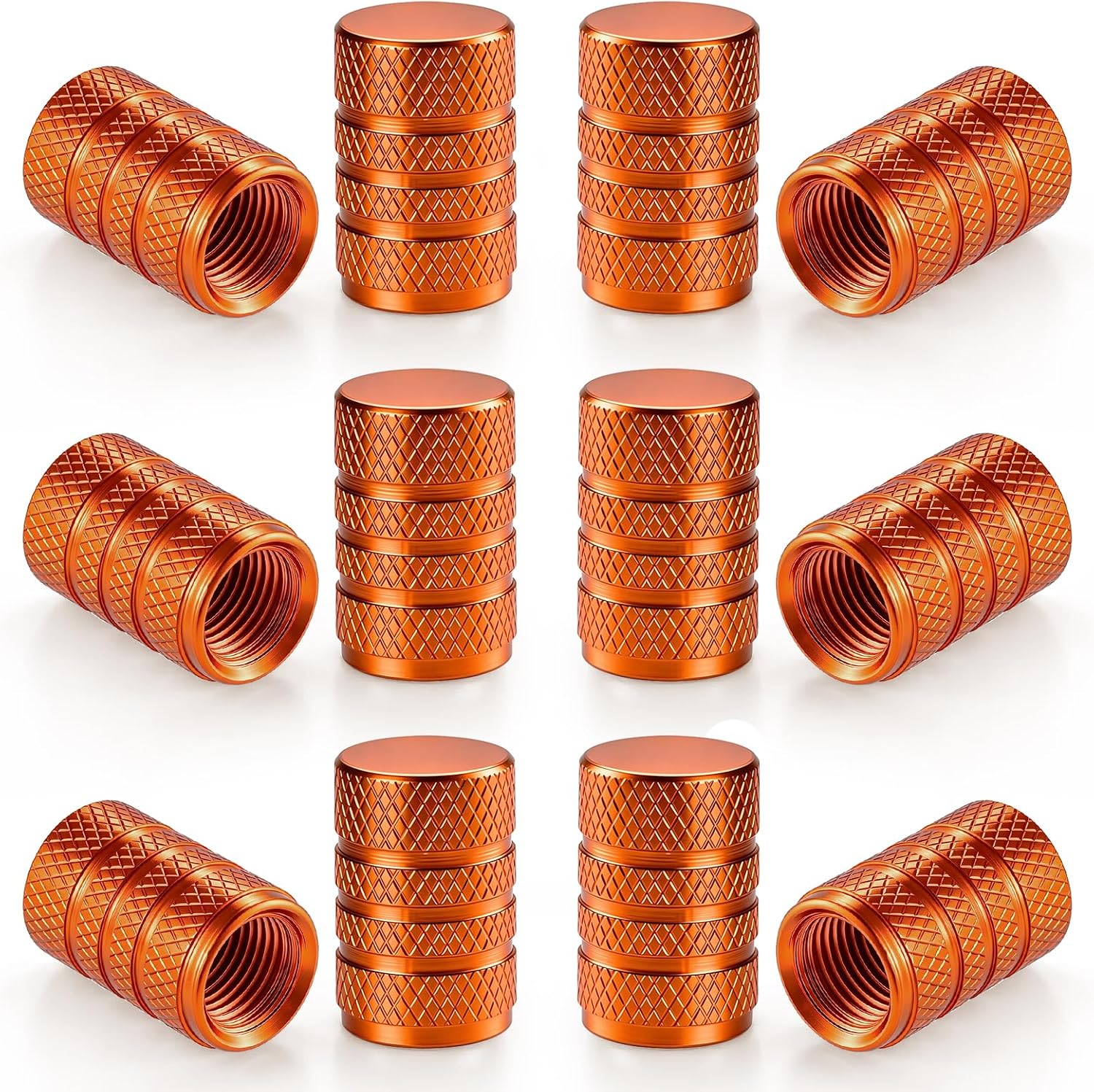
Upgrade your vehicles with these universal aluminum alloy tire valve stem caps designed to help keep dust out and maintain stable tire pressure. Each cap features an internal rubber seal for long-lasting leak protection and features an easy screw-on installation that won’t damage the valve stem threads. Suitable for cars, trucks, motorcycles, and bicycles, they also add a personalized decorative touch to your wheels.

These universal tire valve stem caps help protect your valve core from dust, debris, moisture, and corrosion, supporting more stable tire pressure. The aluminum alloy design resists long-term wear, while the sealing construction helps help prevent air leakage. They twist on easily for quick installation and help safeguard driving safety across cars, SUVs, trucks, and motorcycles.
Step-by-Step Guide to Troubleshooting TPMS Warning Lights
When the TPMS warning light appears after changing tires or wheels, follow a simple order. This avoids replacing sensors when the real issue is pressure, initialization, or programming.
- Check tire pressure cold. Use the driver’s door placard, not the pressure printed on the tire sidewall.
- Inspect all tires. Look for nails, cuts, leaks, bead issues, or valve-stem damage.
- Confirm what changed. Tire-only change, new wheels, transferred sensors, or new sensors?
- Reset or initialize the system. Follow the exact steps in your Tacoma owner’s manual.
- Watch the light pattern. Steady usually means low pressure; flashing then steady usually means malfunction.
- Ask for a TPMS scan. A shop can wake each sensor, read sensor IDs, check battery status if supported, and confirm signal strength.
- Register new IDs if needed. If new sensors were installed, the IDs may need to be written into the vehicle.
- Test drive and recheck. After correction, drive the truck and verify the warning light stays off.
When Should You Get Professional Help for TPMS Problems?
Get professional help if the TPMS light flashes and then stays on, if a new wheel set will not communicate, or if the tire shop installed new sensors but did not register them. You should also visit a qualified tire shop or Toyota dealer if the truck shows a TPMS malfunction message, the system cannot read one wheel, or the warning returns after the tires are inflated correctly.
A professional TPMS scan can confirm whether each sensor is transmitting, whether the sensor IDs match the truck, and whether a sensor is missing, damaged, or incompatible. This is faster and safer than guessing.
When Should You Replace Tacoma TPMS Sensors?
Replace a Tacoma TPMS sensor when the sensor is dead, cracked, corroded, physically damaged, leaking at the valve stem, or incompatible with your new wheels. You should also consider replacing older sensors during a tire change if they are near the end of their battery life and the tires are already off the wheels.
TPMS sensor batteries are sealed inside most direct sensors. When the battery dies, the usual repair is replacing the sensor. Many sensors last around 5 to 10 years, but lifespan depends on age, mileage, climate, storage, and sensor design.
Frequently Asked Questions
How long do Tacoma TPMS sensors last?
Toyota Tacoma TPMS sensors often last about 5 to 10 years. The battery is usually sealed inside the sensor, so a dead battery normally means replacing the sensor rather than charging or repairing it.
Do I need new TPMS sensors when I buy new tires?
Usually no. If you are installing new tires on the same wheels and the existing sensors work, you can normally reuse the sensors. The shop may still replace small valve service parts to prevent leaks.
Do I need new TPMS sensors when I buy new wheels?
You need sensors in the new wheels. You can transfer the original sensors if they are compatible and in good condition, or you can install new compatible sensors and have them cloned or registered.
Can I reset Tacoma TPMS myself?
You can often reset or initialize the pressure baseline yourself after setting the tires to the correct cold pressure. However, registering brand-new sensor IDs usually requires a TPMS tool or Toyota-compatible diagnostic equipment.
What does it mean if the TPMS light flashes and then stays on?
A flashing TPMS light followed by a steady light usually means the TPMS system has a malfunction. Common causes include a dead sensor, wrong sensor type, damaged sensor, or unregistered sensor ID.
Is TPMS enough, or should I still check tire pressure?
You should still check tire pressure monthly with a gauge. TPMS warns you when pressure is significantly low, but it is not a replacement for regular tire maintenance.
Conclusion
You do not need to replace TPMS sensors every time you change tires on a Toyota Tacoma. If the original sensors are working and you keep the same wheels, reuse them and replace only the needed valve service parts. If you install new wheels or new sensors, focus on compatibility, sensor ID registration, and the correct reset procedure. A steady warning light usually means pressure needs attention, while a flashing light that turns steady points to a malfunction that should be scanned by a qualified shop.
Sources
- Toyota Manuals and Warranties — vehicle-specific owner’s manual lookup for Tacoma TPMS and reset details
- Toyota Warning Lights — Toyota owner guidance to consult the model-specific manual for warning-light meanings
- NHTSA Tire Safety — tire pressure, TPMS, monthly checks, cold pressure, and warning-light guidance
- 49 CFR 571.138, Federal TPMS Standard — low-pressure warning and TPMS malfunction telltale requirements

Related Articles

How Tire Weight Affects Toyota Tacoma Performance
How does tire weight influence your Toyota Tacoma's performance and efficiency? Discover the surprising effects that could change your driving experience.
Read More
Tire Noise Levels by Tire Type on a Toyota Tacoma
A comprehensive look at how tire types affect noise levels in your Toyota Tacoma reveals surprising insights that could enhance your driving experience.
Read More
How To Choose Tires for a Dual Use Toyota Tacoma
Unlock the secrets to selecting the perfect tires for your dual-use Toyota Tacoma, ensuring optimal performance and comfort on every adventure. Discover more inside!
Read More