Disclosure: As an Amazon Associate, we earn from qualifying purchases. If you click a link on this page and make a purchase, we may receive a small commission at no extra cost to you.
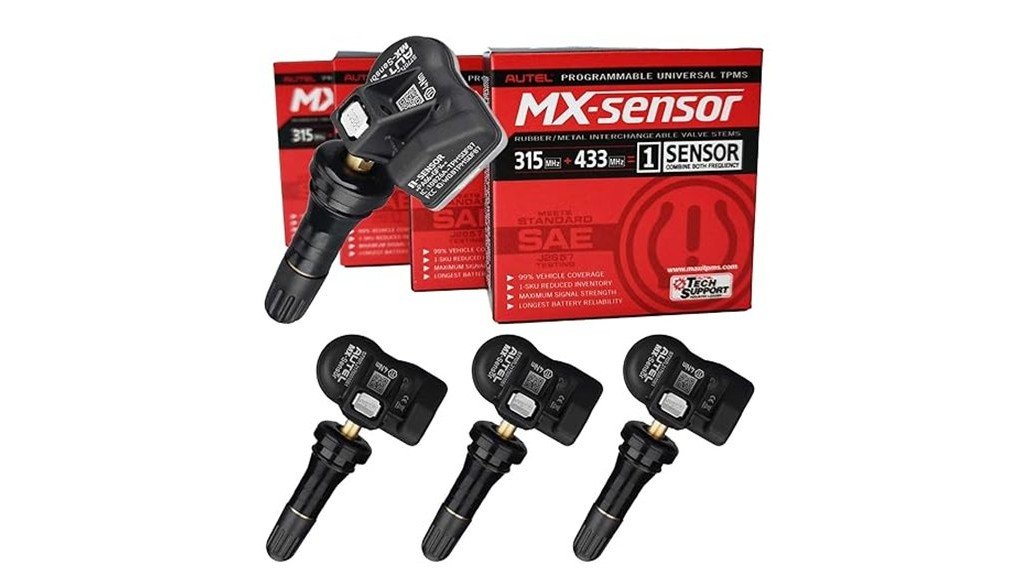
Autel TPMS Sensors Review: MX-Sensor 1-Sensor 315MHz and 433MHz
A TPMS warning light can make a normal drive feel uncertain, especially when tire pressure looks fine but one internal sensor has failed. The Autel MX-Sensor 1-Sensor is a programmable TPMS replacement sensor built for both 315MHz and 433MHz systems. This review helps you decide whether it fits your vehicle, your installer, and your tool setup. The main strength is broad sensor coverage, while the main limitation is clear: this sensor still needs correct programming and relearn work.
Quick Verdict
Rating: 8.3/10
Best For: Drivers, tire shops, and DIY garages that already use compatible Autel TPMS tools.
Bottom Line: Autel MX-Sensor 1-Sensor units are strong value when you want one programmable sensor family for many vehicles. They are not ideal if you need a pre-programmed, vehicle-specific sensor with no tool workflow.
| Specification | Detail |
|---|---|
| Brand | Autel |
| Model | MX-Sensor 1-Sensor, rubber valve version |
| Product Type | Programmable universal TPMS replacement sensor |
| Frequency | 315MHz and 433MHz dual-frequency operation |
| Valve Style | Rubber valve listing |
| Sensor Dimensions | 42.2 mm x 27.9 mm x 17.4 mm in Autel US rubber sensor specs |
| Listed Weight | 11g on the Amazon listing, 12g without valve in Autel US rubber sensor specs |
| Battery Life | 4 to 6 years in Autel US specs |
| Operating Temperature | -40°C to +125°C |
| Pressure Range | 0 to 800 kPa in Autel US rubber sensor specs |
| Reading Accuracy | ±10 kPa pressure and ±5°C temperature in Autel US rubber sensor specs |
| Programming | Wireless programming with compatible Autel TPMS service tools |
| Compatible Autel Tools Listed | TS408, TS508, TS508WF, TS608, ITS600, MS906TS, and MS906PRO-TS |
| Certifications Cited | SAE J1205 and SAE J1206 testing cited by Autel |
| Warranty | 24 months or 24,000 miles against manufacturing defects |
| Best Use | Replacing failed internal TPMS sensors when you can program and relearn the sensor correctly |
[Products Worth Considering]

Replace worn or malfunctioning GM TPMS sensors with this 433MHz pre-programmed sensor set designed for compatibility with many Chevrolet, Buick, GMC, and Cadillac models. It includes guidance for proper OBDII relearning/pairing after installation and supports reliable long-term operation with a high-performance CR2032 battery. Quality tested for durability and performance to help restore accurate tire pressure monitoring.

Autel MX TPMS sensors combine 315MHz and 433MHz in a single easy-to-install press-in design for faster tire service. They support wireless programming with strong signal performance, and the sensors are clone-able for streamlined replacement. Built for reliability and tested to SAE standards, each sensor includes a series number for quality control.

Replace worn or missing TPMS sensors with a pre-programmed 4-pack designed for compatible GM vehicles. These 315MHz sensors provide real-time tire pressure monitoring and alert you if pressure is too high, too low, or if a rapid air leak occurs. Most installations are ready with minimal relearn effort after mounting, helping improve safety and driving confidence.
Key Takeaways
- Autel MX-Sensor 1-Sensor units support both 315MHz and 433MHz, which helps shops and informed DIY users cover many TPMS applications with one sensor family.
- The sensor needs compatible Autel TPMS programming, so it is not a simple plug-and-play part for every buyer.
- ID cloning can reduce relearn work when the original sensor ID is readable and the new sensor goes back into the same wheel position.
- Fitment still matters, including valve style, rim profile, vehicle coverage, and the correct relearn process.
Before You Buy: Confirm your vehicle coverage, valve stem fit, and access to a compatible Autel TPMS tool before mounting the tire. A universal programmable sensor can still be the wrong choice if the wheel or relearn workflow does not match your vehicle.
What Is the Autel MX-Sensor 1-Sensor?
The Autel MX-Sensor 1-Sensor is an internal tire pressure monitoring sensor for vehicles with TPMS. It measures tire pressure and temperature inside the tire, then sends that data to the vehicle’s TPMS receiver. The reviewed version is the rubber valve listing sold as an Autel MX-Sensor 1-Sensor for 315MHz and 433MHz systems.
The main selling point is the dual-frequency design. Instead of buying separate 315MHz and 433MHz sensors, you can program one sensor type for many compatible vehicles. That makes it especially useful for tire shops, fleet maintenance, seasonal wheel changes, and owners who already use Autel TPMS equipment.
This is a service-grade replacement sensor, not a casual accessory. It can be cloned to an original sensor ID, but correct programming, installation, and vehicle relearn steps still decide whether the repair works.
[Products Worth Considering]

Masoll Gen 2 external TPMS sensors are a DIY replacement set of 4 for select GM vehicles made after 2006, helping you shut off the TPMS warning light quickly. Simply screw the sensors onto the tire valves and sync to your car ECU using the included EL-50448 relearn tool. Dual-frequency 315/433 MHz design provides OEM-level performance with accurate readings and replaceable batteries for about two years.
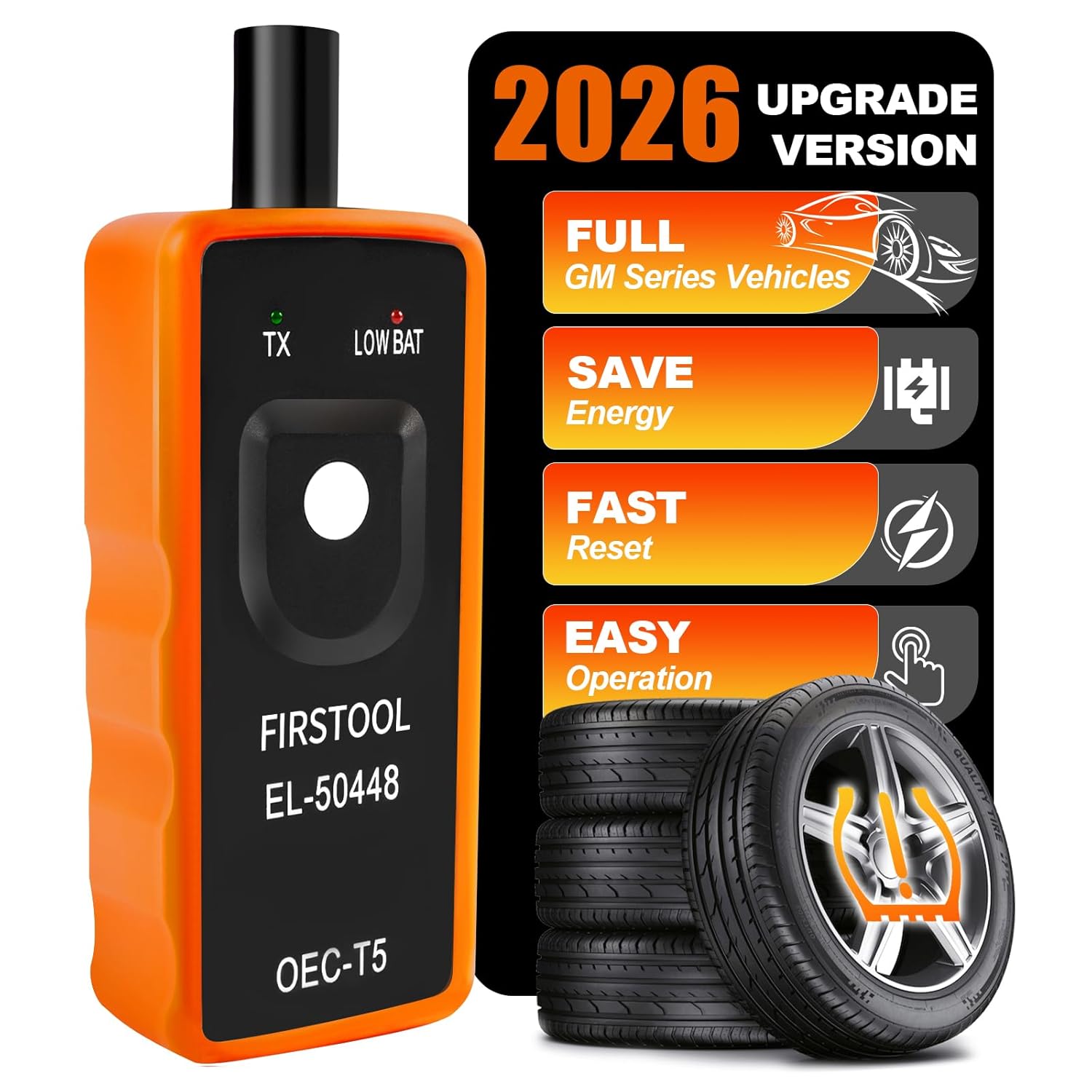
This TPMS relearn tool helps you quickly activate, match, and reset GM tire pressure sensors to keep the vehicle monitoring system working properly. It clears tire pressure alarms and dashboard warning lights after sensor replacement or tire rotation, and supports learning for common 315/433 MHz TPMS sensors. Designed for simple one-button operation, it can help you avoid unnecessary trips to repair shops.
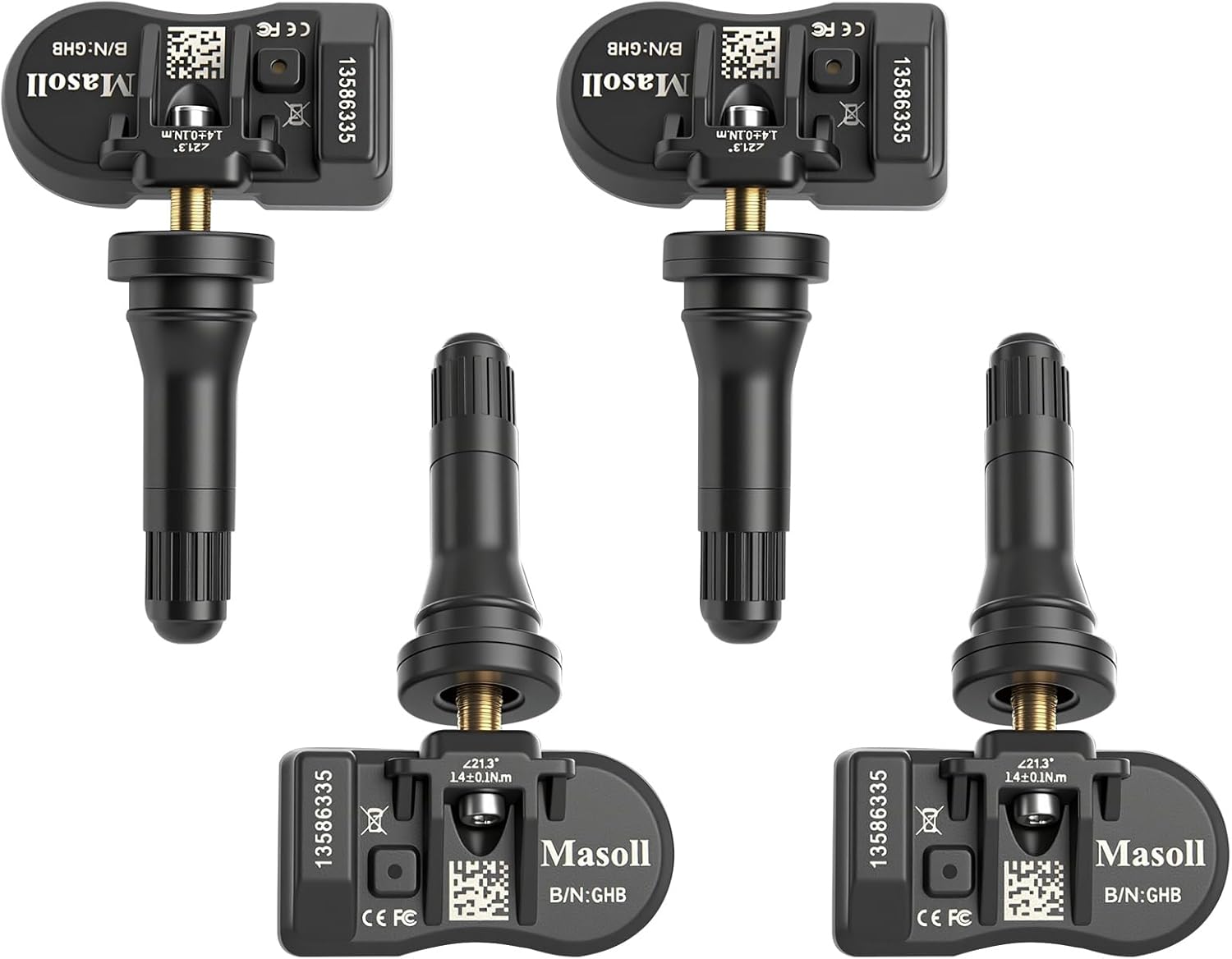
Masoll TPMS sensors are designed for most GM vehicles after 2006, helping you clear tire pressure warnings with OEM-level 315/433MHz compatibility. The 4-pack includes pre-programmed sensors, but re-learning is required after installation using a GM TPMS relearn tool or scan tool. Built with a dual-antenna design and a long-life CR2050 battery, these sensors deliver reliable performance in extreme temperatures with corrosion-resistant valve construction.
Who Should Buy It?
Best For
- Drivers replacing one or more failed TPMS sensors through a shop that can program Autel MX-Sensors.
- Tire shops that want one 315MHz and 433MHz sensor line for common passenger vehicle repairs.
- DIY owners with compatible Autel tools who understand ID cloning, relearn steps, and wheel fitment checks.
Skip If
- You want a sensor that arrives already programmed for your exact vehicle.
- Your installer cannot confirm Autel programming support or the correct relearn procedure.
- Your vehicle or wheel setup needs an OE-specific sensor or a special valve stem design.
[Products Worth Considering]
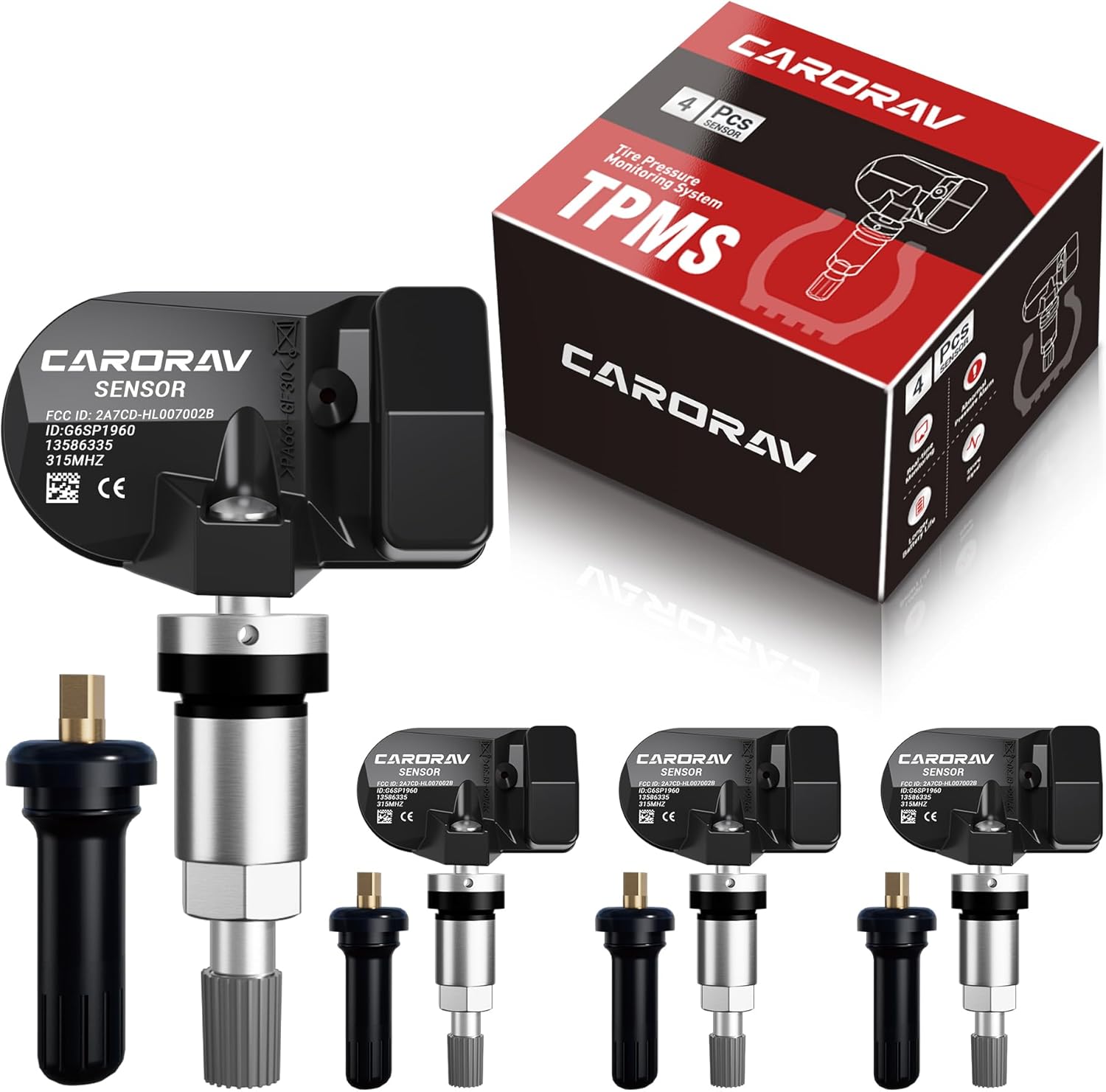
Replace worn or missing TPMS sensors with CARORAV pre-programmed GM-compatible sensors for a smoother installation experience. These 315MHz replacement sensors help monitor tire pressure in real time with long battery life, and they are designed to withstand harsh temperatures. Manual or OBDII relearn may be required to reset the system for proper recognition.

Marsflex brand TPMS replacement sensors help restore tire pressure monitoring for compatible Toyota, Lexus, Scion, and Pontiac models. Each sensor is pre-programmed for the vehicle application and includes a long-life battery for up to 8 years of normal use. Designed to replace common OE numbers and requires relearning using a TPMS scan tool after installation.
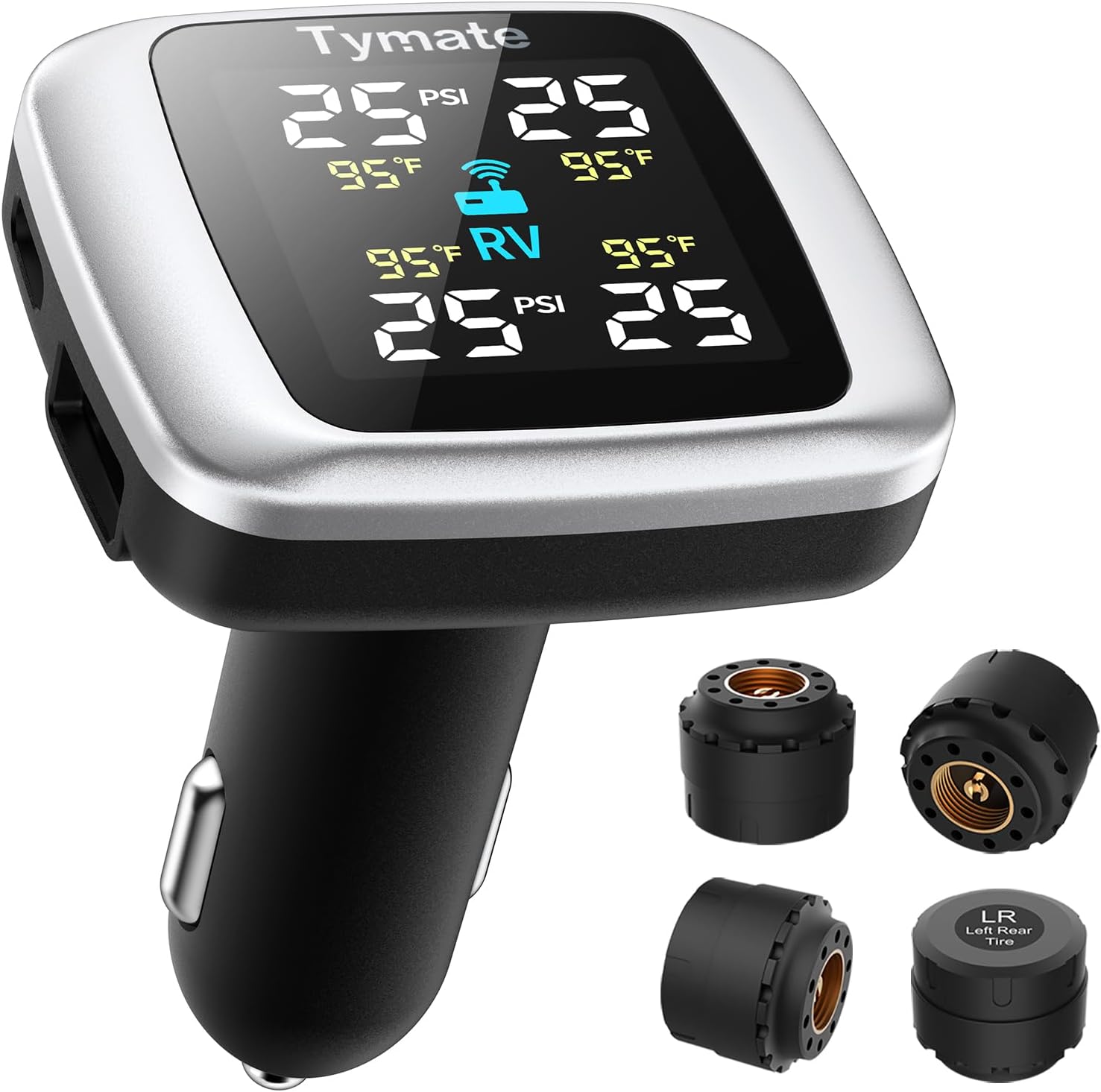
Tymate TM7 is a wireless tire pressure monitoring system that delivers real-time pressure and temperature readings for safer driving. It includes four external sensors, a bright color LCD display with adjustable backlight, and six alarm modes for high/low pressure, fast leakage, high temperature, and sensor signal or battery issues. The system covers a wide 0–144 PSI range and plugs into your vehicle’s cigarette lighter socket for quick DIY setup.
Feature-by-Feature Review
Fit and Vehicle Compatibility
Autel builds the MX-Sensor 1-Sensor around 315MHz and 433MHz support. Those are common TPMS frequencies across many North American, European, and Asian vehicles. For you, the benefit is less guesswork when you replace sensors across more than one make or model.
The broad coverage does not remove the need for a fitment check. You still need to confirm the vehicle in Autel’s coverage system or with a TPMS scanner before installation. You also need to confirm wheel clearance, valve type, and the relearn method for your exact vehicle.
Programming, Cloning, and Relearn Workflow
The strongest reason to choose Autel TPMS sensors is the programming workflow. Compatible Autel tools can write the sensor ID wirelessly, and the reviewed article notes batch programming support with newer Autel TPMS tools. This matters when you replace all four sensors or prepare multiple sensors for shop inventory.
ID cloning can be a major time saver when the original sensor still responds. Your installer can copy the old sensor ID, install the new sensor in the same wheel position, and reduce the chance of extra relearn steps. If the original sensor is completely dead, the new sensor can still be programmed, but the vehicle may need a standard relearn process.
Pro Tip: Before the tire is dismounted, ask the installer to scan the old sensor ID if it still transmits. A readable original ID can make cloning easier and may reduce relearn time.
Installation and Valve Stem Fit
The reviewed listing is for the rubber valve style. That detail matters because TPMS sensors are not only electronic parts; they also need a valve setup that seals correctly against the wheel. A poor valve match can lead to slow leaks, clearance issues, or repeat labor after the tire is already mounted.
Use the correct torque and hardware for the valve assembly, and follow the tool and vehicle procedure instead of guessing. A sensor can be correctly programmed but still fail the repair if it sits at the wrong angle or uses the wrong stem for the rim.
Signal Strength and Monitoring Accuracy
Autel emphasizes strong signal output for wireless programming and vehicle communication. The reviewed article notes that the sensor can be programmed after mounting in many cases, which can reduce rework if the tire is already on the wheel. This is helpful for shops, but it still depends on the tool and vehicle workflow.
Autel US rubber sensor specs list pressure reading accuracy at ±10 kPa and temperature reading accuracy at ±5°C. That level of monitoring is useful for warning alerts, but TPMS should not replace a quality tire gauge. Set your tire pressure manually, then use TPMS alerts as a backup safety system.
Battery Life, Durability, and Warranty
Autel US lists battery life at 4 to 6 years for the MX-Sensor 1-Sensor. Because the battery is sealed inside the internal sensor, a dead battery usually means replacing the sensor instead of swapping a small cell. That is normal for this type of TPMS part.
The operating temperature range is -40°C to +125°C, which covers cold starts and hot highway use inside a mounted tire. Autel also states a 24-month or 24,000-mile warranty against manufacturing defects. Correct installation still matters because damage from poor mounting or the wrong valve setup may not be treated as a sensor defect.
Compatibility and Safety Notes
TPMS sensors are safety-related vehicle parts because they help warn you about low tire pressure. That makes fitment and setup more important than a normal bolt-on accessory. If you are not familiar with TPMS programming, have a qualified tire shop handle the installation, programming, and relearn process.
After installation, check for air leaks at the valve stem and confirm that the vehicle reads each sensor correctly. You should also set pressure with a manual tire gauge using the pressure listed on your vehicle placard, not the maximum tire pressure on the tire sidewall.
How It Performs in Real Use
For Replacing One Failed Sensor
Autel TPMS sensors are most convenient when the old sensor ID can still be read. The new MX-Sensor can be cloned and installed in the same wheel position, which may reduce relearn work. If the old sensor is dead, the repair can still work, but setup usually takes more time.
For a Full Set of Four Tires
A full set makes sense when all sensors are old or when you are mounting a new wheel and tire package. Batch programming is the practical advantage here because it can reduce repeated tool steps. This is where shops and well-equipped DIY garages get the most value.
For Seasonal Wheel Sets
The MX-Sensor is useful if you swap between summer and winter wheels. You can prepare a second set of programmable sensors, then match the setup to your vehicle’s relearn process. The key is keeping sensor IDs and wheel positions organized so the vehicle recognizes the set correctly.
For Tire Shops and DIY Garages
For shops, the dual-frequency design helps reduce inventory complexity. For a DIY garage, the value depends on tool access and how often you work on TPMS repairs. If you only need one repair and must pay extra for programming, a shop-supplied sensor may be simpler.
Setup Tips Before Installation
- Scan the old sensors first when possible, especially if you plan to clone the original IDs.
- Confirm the correct frequency, vehicle coverage, and relearn procedure before the tire is mounted.
- Match the valve style to the wheel, including rim profile, stem angle, and sealing surface.
- Label wheel positions during a full set install so IDs and locations do not get mixed up.
- After installation, check for valve leaks and confirm that the TPMS warning light clears after relearn.
Pros and Cons
Pros
- Dual 315MHz and 433MHz support helps one sensor family cover many TPMS applications.
- Wireless programming works with compatible Autel TPMS tools.
- ID cloning can reduce relearn work when the original sensor ID is readable.
- Light sensor body helps limit wheel balance impact during tire service.
- SAE J1205 and J1206 testing plus a 24-month or 24,000-mile warranty add trust.
Cons
- Programming requires a compatible Autel TPMS tool, so it is not ready for every buyer out of the box.
- Vehicle coverage is broad, but valve stem fitment and relearn steps still need verification.
- Small weight differences appear between the Amazon listing and Autel US rubber sensor specs, so use the exact version data before installation.
Is It Worth the Price?
Autel TPMS sensors offer strong value for the price when you need more than one sensor or service several vehicles. The dual-frequency design, cloning support, and Autel tool workflow give you more flexibility than a basic single-frequency replacement sensor.
The value is weaker if you only need one sensor and do not have access to an Autel TPMS tool. Once you include programming labor, a shop-supplied pre-programmed option may be easier for a one-time repair. You get the most value when the same tool and sensor platform will be used again.
How It Compares to Alternatives
If you want another programmable multi-frequency option, the Schrader EZ-sensor 33500 is worth comparing because it supports 314.9MHz, 315MHz, and 433MHz systems. Schrader may appeal to shops that use several TPMS tool brands, while Autel makes more sense when your workflow already centers on Autel equipment.
VDO REDI-Sensor and Dill REDI-Sensor options can also be worth comparing if you want fewer programming steps in some OE-style relearn workflows. Autel remains the stronger fit when you care most about Autel tool integration, wireless programming, and ID cloning.
Frequently Asked Questions
Do Autel MX-Sensors work with both 315MHz and 433MHz TPMS systems?
Yes. The Autel MX-Sensor 1-Sensor supports both 315MHz and 433MHz operation. You still need to verify your exact vehicle and relearn workflow before installation.
Can I install Autel TPMS sensors without an Autel tool?
Not for normal programming. These sensors need compatible Autel TPMS equipment to write the ID and handle the correct vehicle setup. A tire shop with the right Autel tool can usually handle that work.
Can one Autel sensor replace one bad sensor, or do I need four?
You can usually replace one failed sensor at a time. The key is programming the correct ID and matching the new sensor to the right wheel position. If all four sensors are old, replacing the set during tire service can reduce future teardown work.
Are Autel TPMS sensors good for aftermarket wheels?
They can work with many aftermarket wheels, but the valve stem and rim profile matter. Check stem type, sensor angle, clearance, and sealing surface before mounting the tire. A compatible electronic sensor can still leak if the valve setup is wrong.
How long should the battery last?
Autel US lists battery life at 4 to 6 years for the MX-Sensor 1-Sensor. Real life depends on climate, driving conditions, and sensor activity. When the sealed battery fails, the internal TPMS sensor is normally replaced as a unit.
What is the biggest mistake to avoid during installation?
The biggest mistake is mounting the sensor before confirming vehicle coverage, valve fit, and the programming method. That can lead to extra labor if the sensor must be removed or reprogrammed. Scan the old sensor and confirm the relearn process first.
Does cloning the old sensor ID always avoid a relearn?
No. Cloning can reduce relearn work when the old ID is readable and the new sensor goes back into the same wheel position. Some vehicles may still need a relearn or drive cycle, so follow the vehicle-specific procedure.
Who should skip the Autel MX-Sensor 1-Sensor?
Skip it if you want a sensor that is already programmed for your exact vehicle and requires no tool work. You may also prefer an OE sensor if your vehicle has unusual fitment needs or your installer recommends a dealer-specific replacement.
The Bottom Line
Autel MX-Sensor 1-Sensor TPMS sensors earn an 8.3/10 because they combine 315MHz and 433MHz coverage, wireless programming, ID cloning, and a clear 24-month or 24,000-mile warranty. You should buy them if you or your installer already uses compatible Autel TPMS tools and wants a flexible sensor for many vehicle applications. You should skip them if you need a pre-programmed, vehicle-specific sensor with no programming or relearn workflow.