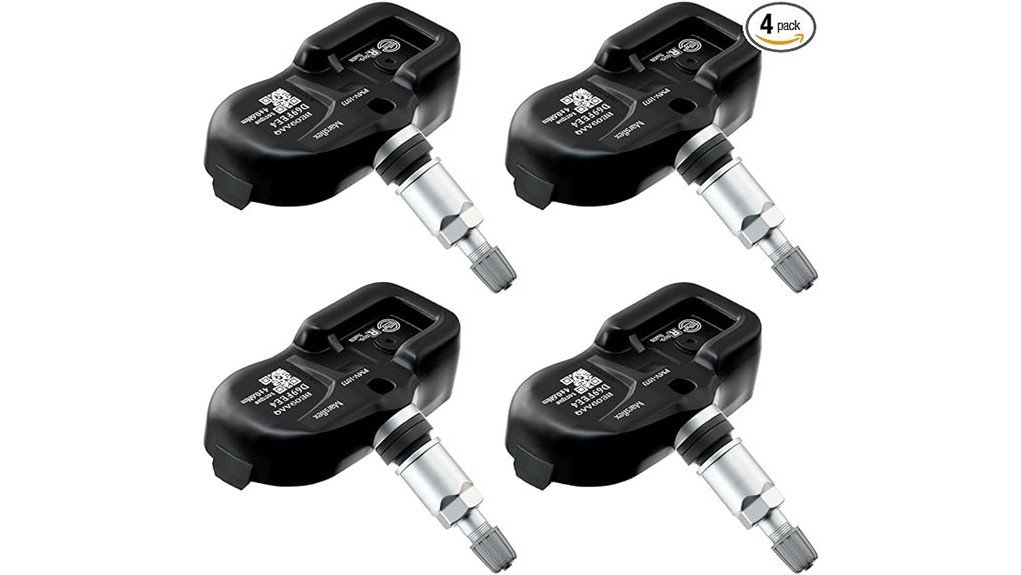
Marsflex TPMS Sensor 42607-33021 Review (315MHz Toyota/Lexus Compatible)
Replacing TPMS sensors sounds simple until the dashboard warning light stays on after the tires are mounted. The Marsflex TPMS Sensor 42607-33021 is a 4-pack replacement set for many Toyota, Lexus, Scion, and Pontiac vehicles that use a 315MHz tire pressure monitoring system. It offers direct-fit convenience for compatible vehicles, but you still need correct fitment, wheel installation, and OBD-II sensor ID registration. This review helps you decide if it is a smart replacement set for your vehicle or a part you should confirm with a tire shop first.
Quick Verdict
Rating: 7.6/10, Recommended with caveats
Best For: Drivers replacing all four TPMS sensors on a compatible 315MHz Toyota, Lexus, Scion, or Pontiac vehicle.
Bottom Line: Marsflex 42607-33021 makes sense if your vehicle matches the 315MHz system and you have access to an OBD-II TPMS relearn tool. The main tradeoff is fitment risk, since model, year, trim, wheel setup, and relearn support all matter.
Key Takeaways
- Marsflex 42607-33021 is a 4-pack 315MHz TPMS sensor set for many Toyota, Lexus, Scion, and Pontiac vehicles.
- The listed pressure range is 15 to 65 psi, which fits many passenger-vehicle tire pressure needs but still must match your vehicle requirements.
- The sensor body is listed as ABS and alloy steel, with an estimated 8-year battery life claim.
- Installation requires wheel work, valve/sensor mounting, and OBD-II TPMS sensor ID registration or relearn.
- Compatibility is the most important buying step because TPMS frequency and vehicle relearn methods vary by model and trim.
Key Specs
| Specification | Detail |
|---|---|
| Brand | Marsflex |
| Model | 42607-33021 |
| Product Type | Direct tire pressure monitoring system sensor set |
| Count | 4-pack |
| Frequency | 315MHz |
| Pressure Range | 15 to 65 psi, as listed |
| Material | ABS and alloy steel, as listed |
| Battery Life Claim | Estimated 8 years, as listed |
| Compatibility | Select Toyota, Lexus, Scion, and Pontiac vehicles using compatible 315MHz TPMS systems |
| Setup Requirement | Wheel installation plus OBD-II TPMS sensor ID registration or relearn |
| Best Use | Replacing failed factory TPMS sensors on compatible vehicles |
| Safety Note | Confirm fitment and follow vehicle service procedures before installation. |
Before You Buy: Do not buy by model number alone. Confirm your vehicle year, trim, wheel setup, TPMS frequency, and relearn method before ordering, because a 315MHz sensor will not work on a vehicle that requires a different TPMS system.
What Is the Marsflex TPMS Sensor 42607-33021?
The Marsflex 42607-33021 is a set of four direct TPMS sensors. A direct TPMS sensor mounts inside each wheel and sends tire pressure data to the vehicle system, which helps the vehicle alert you when tire pressure is low or when a sensor is not communicating.
This set is aimed at drivers replacing worn or failed factory sensors, often during a tire change, wheel swap, or service visit. The article-supported details list 315MHz operation, a 15 to 65 psi pressure range, ABS and alloy steel construction, and an estimated 8-year battery life.
The key appeal is that you can replace all four sensors at once instead of replacing one sensor and returning later when the next old battery fails. The tradeoff is that a TPMS sensor is not a plug-in cabin accessory. It requires correct wheel installation and a successful OBD-II registration step.
Who Should Buy It?
Best For
- Owners of compatible Toyota, Lexus, Scion, or Pontiac vehicles that use a 315MHz TPMS system.
- Drivers replacing a full set of aging sensors during new tire installation.
- Buyers who have access to a tire shop or OBD-II TPMS relearn tool.
Skip If
- You cannot confirm that your vehicle uses 315MHz TPMS sensors.
- You need a sensor that can be installed without wheel removal or relearn work.
- Your aftermarket wheels use a valve stem layout or sensor pocket that does not match OEM-style fitment.
[Products Worth Considering]
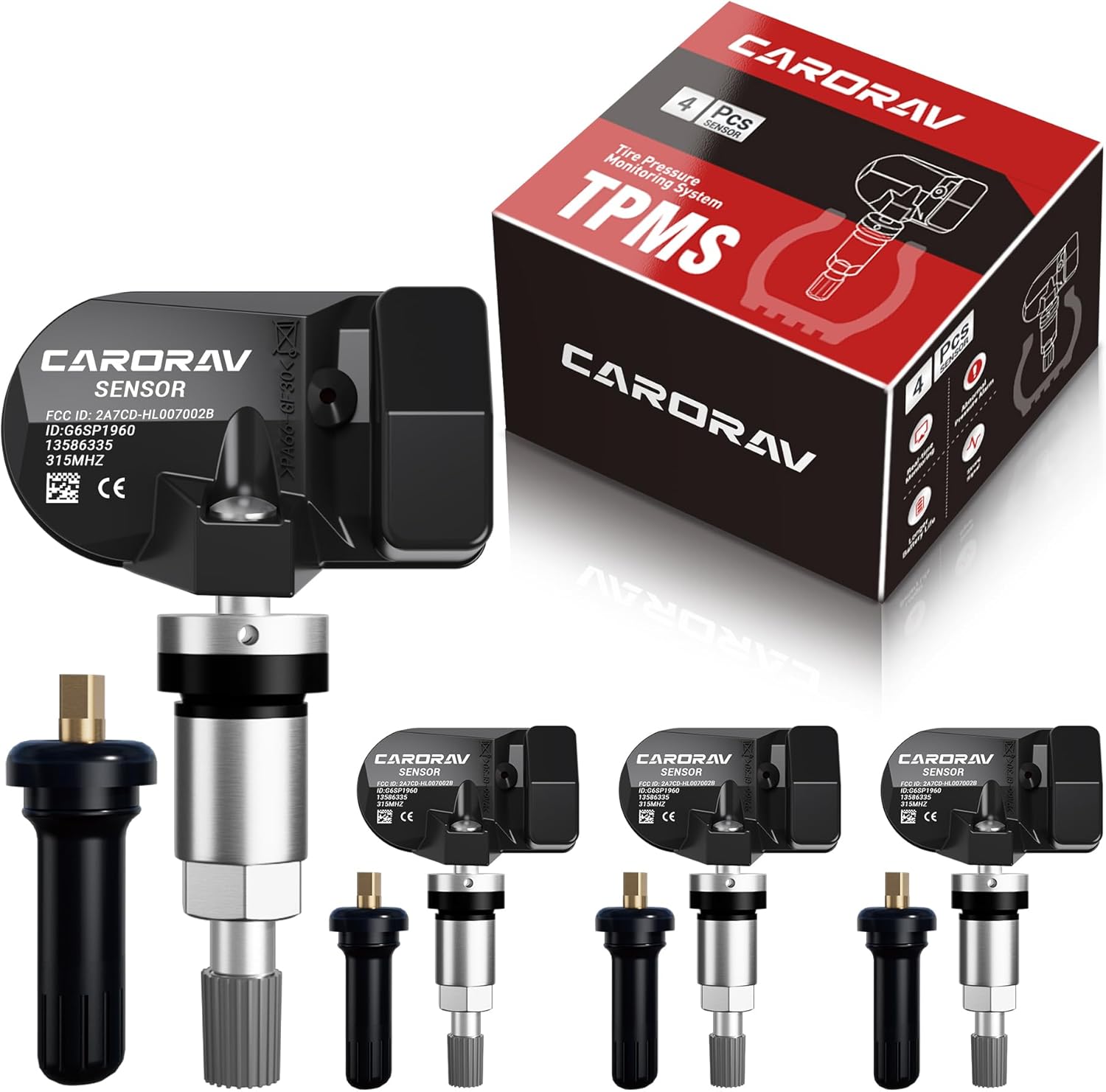
Replace worn or missing TPMS sensors with CARORAV pre-programmed GM-compatible sensors for a smoother installation experience. These 315MHz replacement sensors help monitor tire pressure in real time with long battery life, and they are designed to withstand harsh temperatures. Manual or OBDII relearn may be required to reset the system for proper recognition.

Marsflex brand TPMS replacement sensors help restore tire pressure monitoring for compatible Toyota, Lexus, Scion, and Pontiac models. Each sensor is pre-programmed for the vehicle application and includes a long-life battery for up to 8 years of normal use. Designed to replace common OE numbers and requires relearning using a TPMS scan tool after installation.

Replace worn or malfunctioning GM TPMS sensors with this 433MHz pre-programmed sensor set designed for compatibility with many Chevrolet, Buick, GMC, and Cadillac models. It includes guidance for proper OBDII relearning/pairing after installation and supports reliable long-term operation with a high-performance CR2032 battery. Quality tested for durability and performance to help restore accurate tire pressure monitoring.
Fit and Compatibility
Fitment is the biggest decision point with the Marsflex 42607-33021. The set is listed for Toyota, Lexus, Scion, and Pontiac applications, but that does not mean every model year, trim, or wheel package will accept it. Your vehicle must match the 315MHz frequency and support the sensor ID registration method used after installation.
Before ordering, compare the product model number against your vehicle parts reference, owner information, or tire shop fitment database. If your current sensors use a different frequency or your vehicle needs a different OE-style part number, the warning light may stay on even after the sensors are installed.
[Products Worth Considering]
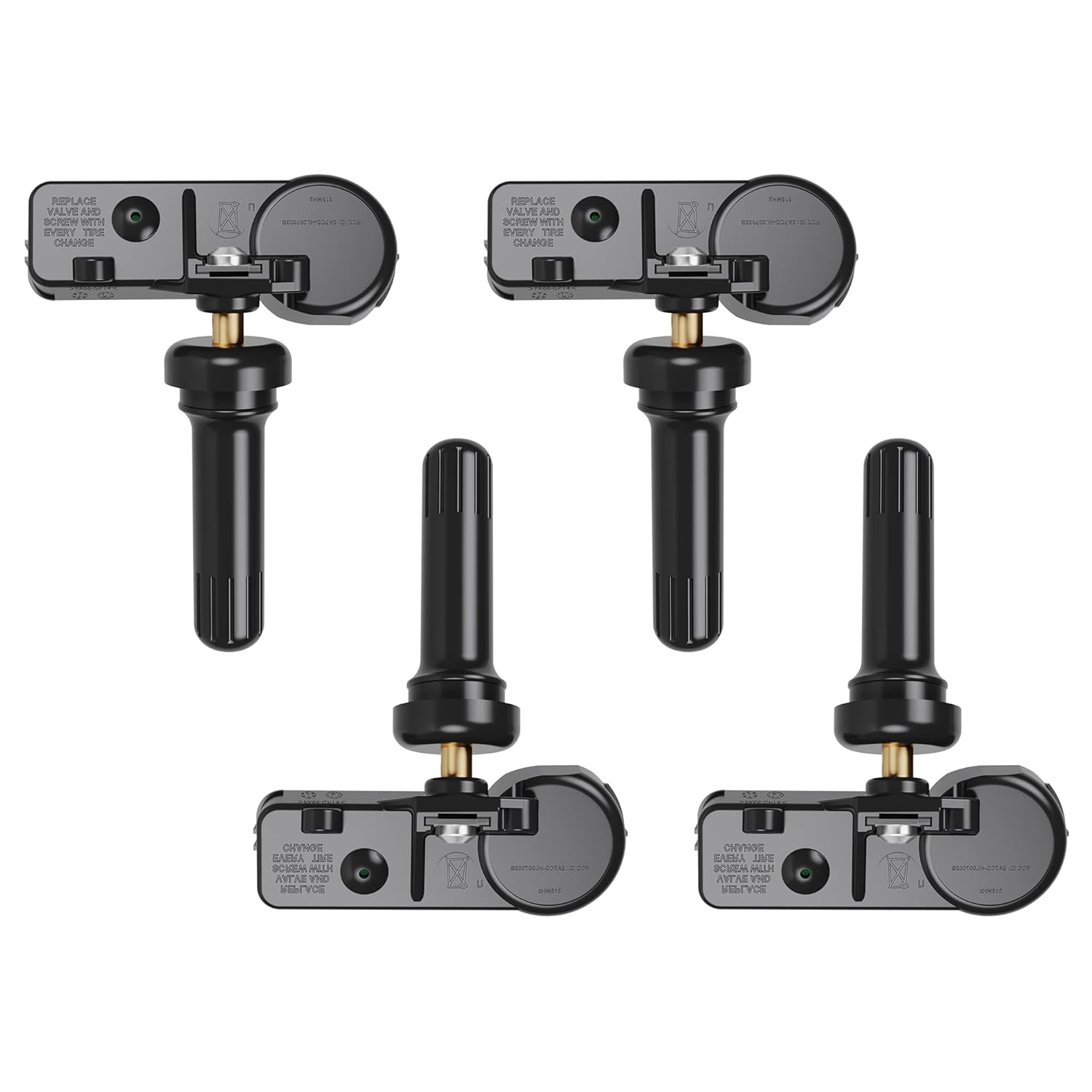
Replace worn or faulty TPMS sensors with this brand new 315MHz GM-compatible replacement set for select Chevy, GMC, Buick, Cadillac, and similar vehicles. These sensors are pre-programmed for your make/model/year and typically only require activation with a scan tool. Built for long service life with a high-temperature battery, they help maintain reliable tire pressure monitoring for safer driving.

Replace worn or missing TPMS sensors with a pre-programmed 4-pack designed for compatible GM vehicles. These 315MHz sensors provide real-time tire pressure monitoring and alert you if pressure is too high, too low, or if a rapid air leak occurs. Most installations are ready with minimal relearn effort after mounting, helping improve safety and driving confidence.
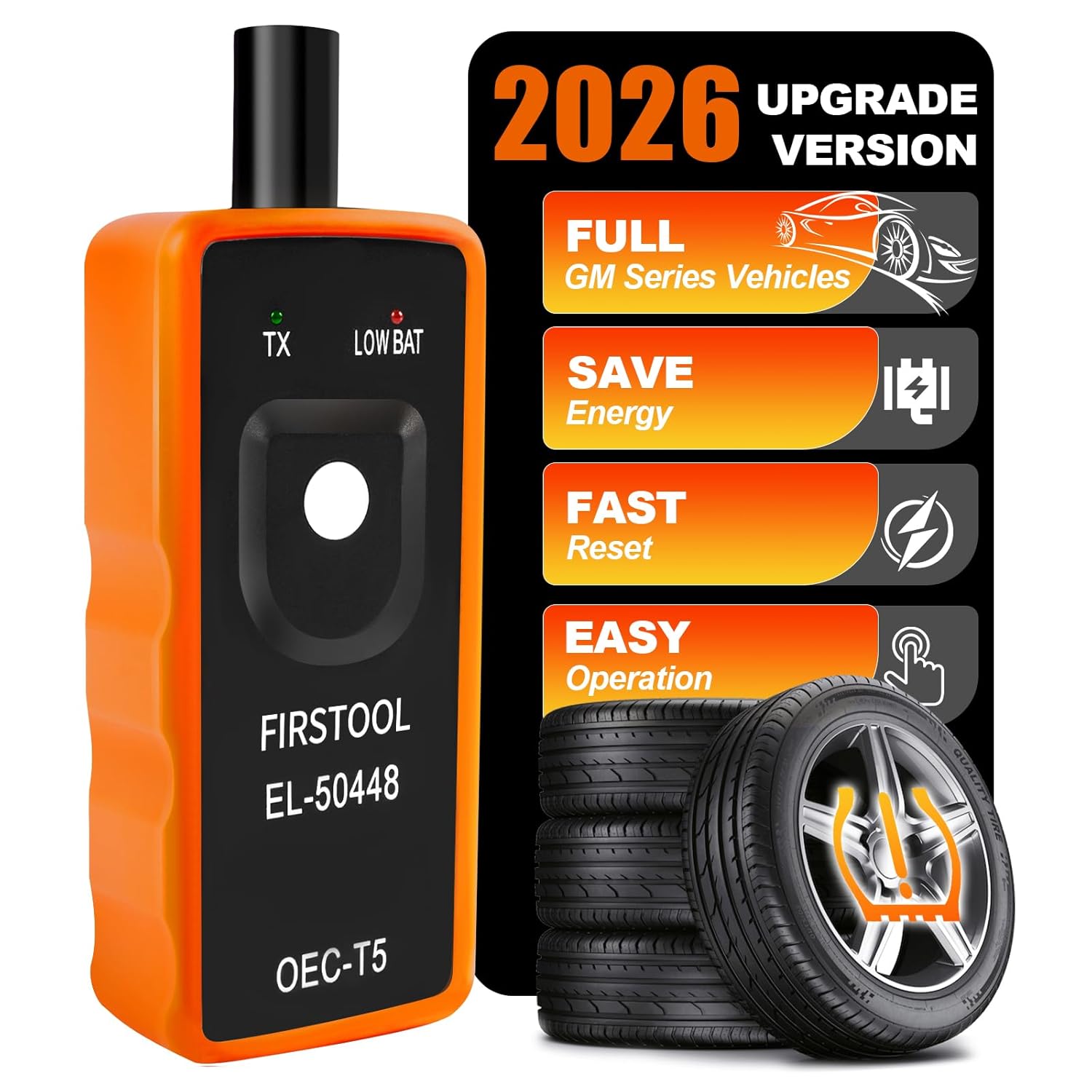
This TPMS relearn tool helps you quickly activate, match, and reset GM tire pressure sensors to keep the vehicle monitoring system working properly. It clears tire pressure alarms and dashboard warning lights after sensor replacement or tire rotation, and supports learning for common 315/433 MHz TPMS sensors. Designed for simple one-button operation, it can help you avoid unnecessary trips to repair shops.
Materials and Build
The listed materials are ABS and alloy steel. ABS is commonly used for durable plastic housings, while metal valve components help secure the sensor assembly at the wheel. For a TPMS part, build quality matters because the sensor sits inside the tire and is exposed to rotation, vibration, pressure changes, and tire service handling.
The article lists an estimated 8-year battery life. Treat that as a product claim, not a guarantee for every vehicle or climate. TPMS battery life can be affected by use, storage time, driving conditions, and the age of the parts before installation.
Installation and Relearn Process
Installation is more involved than replacing an exterior cap or a simple plug-in part. The tire usually has to be removed from the wheel or broken down enough for the sensor and valve assembly to be installed correctly. That is why most buyers should plan for tire shop installation.
After the sensors are physically installed, the vehicle needs the new sensor IDs registered with an OBD-II TPMS tool or a relearn procedure. This step is essential. Without it, the vehicle may not recognize the new sensors, and the TPMS warning light may stay on.
Pro Tip: Schedule sensor replacement at the same time as tire replacement or rotation service. It can reduce duplicate labor because the wheels are already being handled.
Compatibility and Safety
TPMS sensors support tire pressure monitoring, but they are not a substitute for regular pressure checks. After installation, confirm that each tire is inflated to the pressure listed for your vehicle, not just within the sensor’s pressure range.
If you are not trained to mount tires, use a qualified tire shop. Incorrect installation can cause valve leaks, damaged sensors, wheel imbalance, or a TPMS warning that does not clear. Follow the vehicle service manual and the TPMS tool instructions for the relearn process.
How It Performs in Real Use
During Tire Replacement
This set makes the most sense when all four tires are already being serviced. Replacing all four sensors together can be more practical than replacing one failed unit now and paying for another tire dismount later.
After a TPMS Warning Light
If your TPMS light is caused by a failed sensor battery or sensor communication issue, a compatible replacement sensor can help restore normal monitoring after relearn. If the light is caused by low pressure, a damaged receiver, or incorrect registration, the sensor set alone may not solve the problem.
With Aftermarket Wheels
Aftermarket wheel compatibility depends on the valve stem design and the sensor pocket inside the wheel. The sensor may work if the wheel follows OEM-style fitment, but you should confirm this before mounting tires.
For Long-Term Ownership
The 4-pack format is useful if your vehicle is old enough that the original sensors are near the end of battery life. The listed estimated 8-year battery life is helpful on paper, but long-term performance still depends on correct installation, storage age, and normal operating conditions.
Setup Tips Before First Use
- Confirm frequency first: Match the required 315MHz system before ordering.
- Check the model and trim: Vehicle compatibility can change by year, trim, market, and wheel package.
- Plan for an OBD-II TPMS tool: Installation is not complete until the sensor IDs are registered or relearned.
- Inspect valve fitment: Make sure the valve stem and sensor body fit your wheel design before the tire is fully mounted.
- Test before leaving the shop: Ask the installer to confirm that the vehicle reads the sensors and that the warning light clears after the correct drive cycle or relearn process.
Common Mistakes to Avoid
The most common mistake is buying a sensor because the brand or model family seems close enough. TPMS systems are specific, and a wrong frequency or incompatible sensor ID format can leave you with mounted sensors that your vehicle cannot read.
Another mistake is skipping the relearn step. Even a compatible sensor may not work until the vehicle has been told which sensor IDs belong to each wheel position. This is why access to the right OBD-II TPMS tool matters.
Pros and Cons
Pros
- 4-pack format supports full-vehicle TPMS sensor replacement.
- 315MHz design matches many compatible Toyota, Lexus, Scion, and Pontiac applications.
- Listed 15 to 65 psi pressure range suits many passenger-vehicle tire pressure needs.
- ABS and alloy steel construction gives the sensor a practical material mix for wheel-mounted use.
- Useful during tire replacement because the wheels are already being serviced.
Cons
- Requires correct vehicle fitment, not just a matching brand name.
- Needs wheel installation and OBD-II TPMS sensor ID registration.
- May not fit every aftermarket wheel or every Toyota, Lexus, Scion, or Pontiac trim.
Is It Worth the Price?
The Marsflex 42607-33021 is best viewed as a value-focused replacement set for compatible vehicles. A 4-pack can be a strong value for the price if you need to refresh all four sensors during tire service and you already have a plan for the relearn step.
It is worth considering if you care most about replacing aging sensors without paying for a higher-priced OE-branded option. The main limitation is not price, it is certainty. If you cannot confirm frequency, fitment, and tool support, a shop-supplied sensor or an OE replacement may be the safer choice.
How It Compares to Alternatives
Autel MX-Sensor options are worth comparing if you want programmable sensor flexibility and already have a compatible programming tool. Schrader and Denso replacement sensors may appeal to buyers who want OE-supplier style options for certain vehicles.
The Marsflex 42607-33021 makes the most sense if your vehicle matches this 315MHz fitment and you want a full set of four replacement sensors. If you want the lowest fitment risk, compare it against the exact OE part number recommended for your vehicle.
[Products Worth Considering]
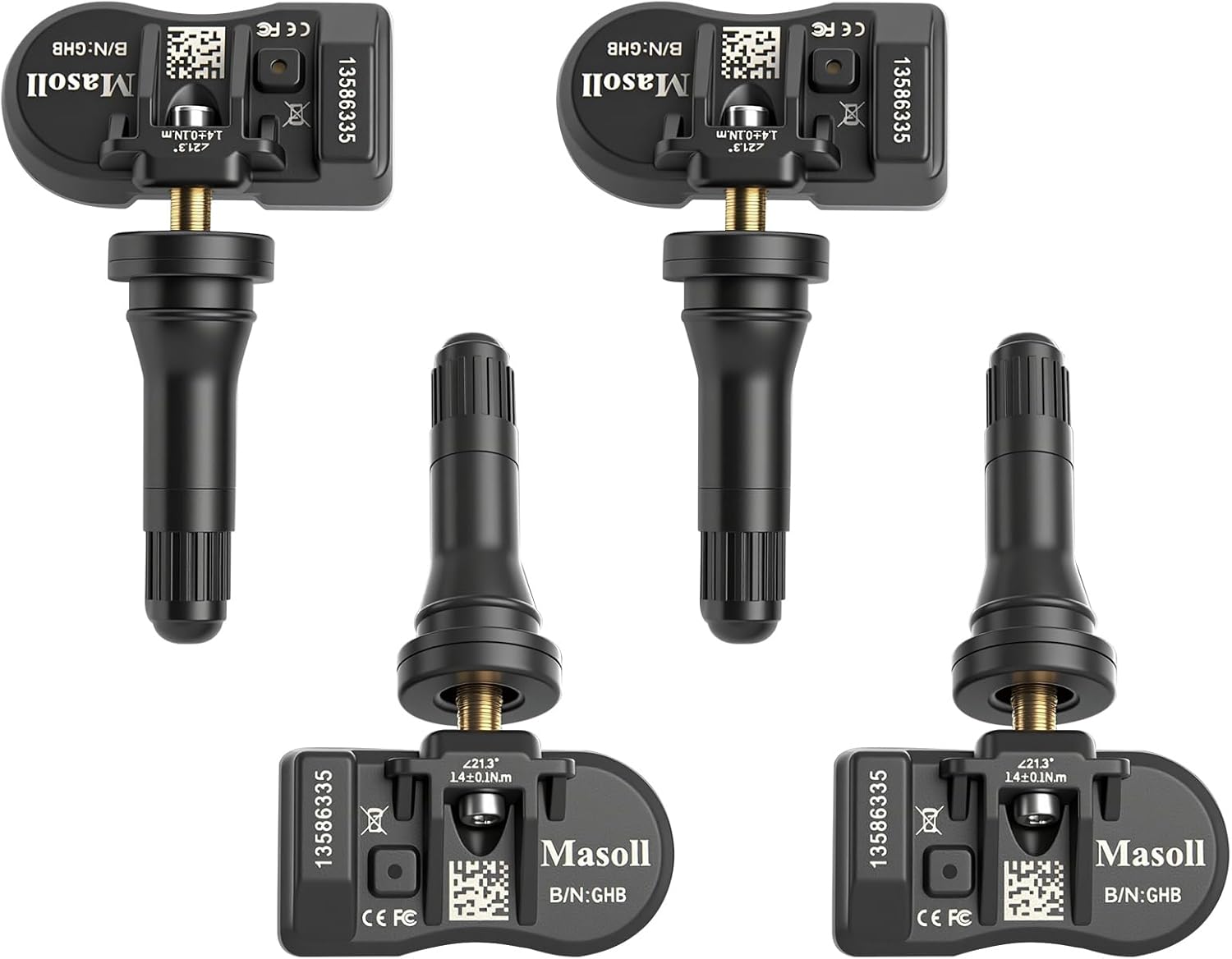
Masoll TPMS sensors are designed for most GM vehicles after 2006, helping you clear tire pressure warnings with OEM-level 315/433MHz compatibility. The 4-pack includes pre-programmed sensors, but re-learning is required after installation using a GM TPMS relearn tool or scan tool. Built with a dual-antenna design and a long-life CR2050 battery, these sensors deliver reliable performance in extreme temperatures with corrosion-resistant valve construction.

Masoll Gen 2 external TPMS sensors are a DIY replacement set of 4 for select GM vehicles made after 2006, helping you shut off the TPMS warning light quickly. Simply screw the sensors onto the tire valves and sync to your car ECU using the included EL-50448 relearn tool. Dual-frequency 315/433 MHz design provides OEM-level performance with accurate readings and replaceable batteries for about two years.

Replace your worn or missing TPMS sensors with pre-programmed, direct-fit sensors for compatible Ford, Lincoln, and select Mazda models. Each sensor comes ready to activate with a scan tool, helping restore accurate tire pressure monitoring and trouble-free installation. Built with a long-life CR2032 battery and tested before factory release, this set provides dependable performance with a one-year warranty.
Frequently Asked Questions
Does the Marsflex 42607-33021 require programming?
Yes. The article-supported installation notes say an OBD-II TPMS relearn or sensor ID registration step is required after installation. Plan for a tire shop or TPMS tool that can complete that step for your vehicle.
Will this TPMS sensor fit every Toyota or Lexus?
No. The sensor is listed for select Toyota, Lexus, Scion, and Pontiac vehicles, but fitment varies by model, year, trim, and TPMS system. Confirm that your vehicle uses compatible 315MHz sensors before buying.
Is this a replacement sensor or an add-on accessory?
It is a replacement TPMS sensor set for vehicles that already use a direct tire pressure monitoring system. It is not a standalone tire pressure gauge or a universal add-on monitor.
Can it work with aftermarket wheels?
It may work if the aftermarket wheel has an OEM-style sensor pocket and compatible valve stem design. Confirm wheel fitment with your installer before the tires are mounted.
What pressure range is listed for this sensor?
The listed range is 15 to 65 psi. You should still inflate your tires to the pressure specified by your vehicle, usually found on the door-jamb placard or in the owner’s manual.
Why buy a 4-pack instead of one sensor?
A 4-pack is useful when all original sensors are aging or when you are already replacing tires. It can help avoid repeat labor if another old sensor battery fails soon after the first replacement.
Who should skip this Marsflex TPMS set?
Skip it if you cannot verify 315MHz compatibility, do not have access to a TPMS relearn tool, or need guaranteed OE fitment from a dealer-specified part number. Fitment risk is the main reason to pause before buying.
The Bottom Line
The Marsflex TPMS Sensor 42607-33021 is a reasonable 4-pack replacement choice for drivers with compatible 315MHz Toyota, Lexus, Scion, or Pontiac TPMS systems. It is strongest as a full-set replacement during tire service, but you should skip it if you cannot confirm fitment or arrange OBD-II sensor ID registration.