
Tag: vehicle safety
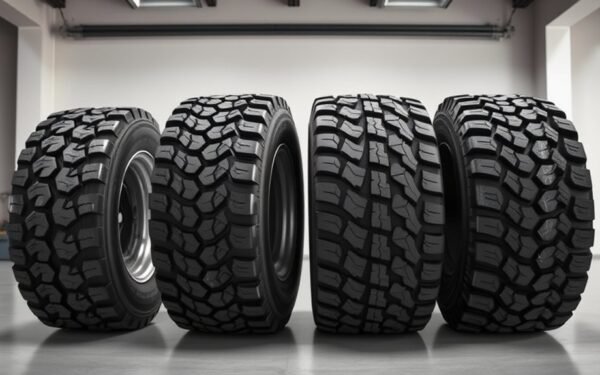
Tire Load Range Explained: C, D, E, and F Ratings
Power up your tire choice with C, D, E, and F load ranges—discover which rating fits your weight, towing, and safety needs.
Read More
What Happens if You Don’t Rotate Your Tires?
A skipped tire rotation can quietly trigger uneven wear, noisy rides, and shaky handling—discover what else it can do to your vehicle.
Read More
Can Tire Pressure Sensors Be Disabled? What to Know
Might disabling tire pressure sensors seem like an easy fix, or could it create bigger problems you won’t want to ignore?
Read More
What Happens if Tires Are Overinflated?
Bigger pressure can seem harmless, but overinflated tires change grip, comfort, and wear in ways that may surprise you.
Read More
How to Find the Right Tire Pressure for Your Car
Discover your car’s exact tire pressure from the placard, not guesswork, and learn why the next step can save fuel and improve safety.
Read More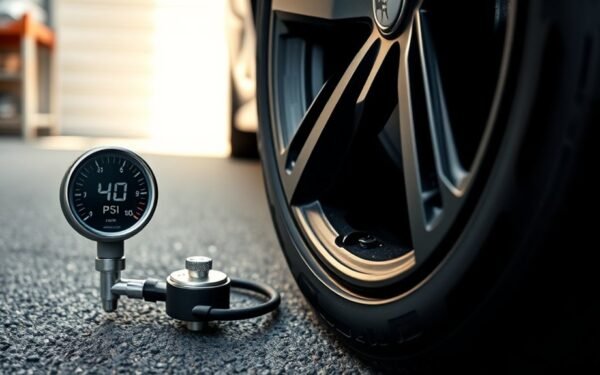
Is 40 PSI Good Tire Pressure? What Drivers Should Know
L**earn whether 40 PSI is right for your tires, and discover the hidden risks drivers often miss before setting their pressure.
Read More
What Is the Correct Tire Pressure for Your Car?
Just the right PSI can transform your car’s safety and performance—discover where to find it, why cold checks matter, and what most drivers miss.
Read More
H vs S Speed Rating: What’s the Difference?
What’s the real difference between H and S speed ratings, and which one could quietly change your driving experience?
Read More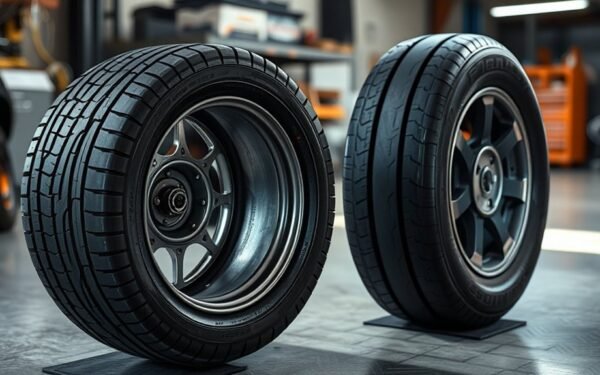
Why Aren’t Car Tires Solid Rubber Instead of Air?
G**et the surprising reason car tires use air instead of solid rubber—and why the answer affects comfort, safety, and performance.
Read More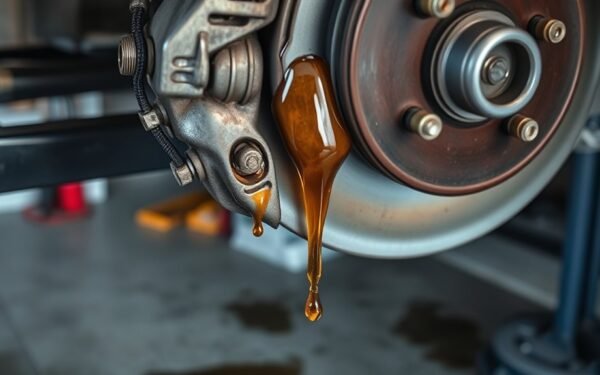
What Causes Brake Fluid to Leak? Common Sources
Jammed seals, cracked hoses, and failing cylinders can leak brake fluid—discover the hidden culprit before your brakes give out.
Read More