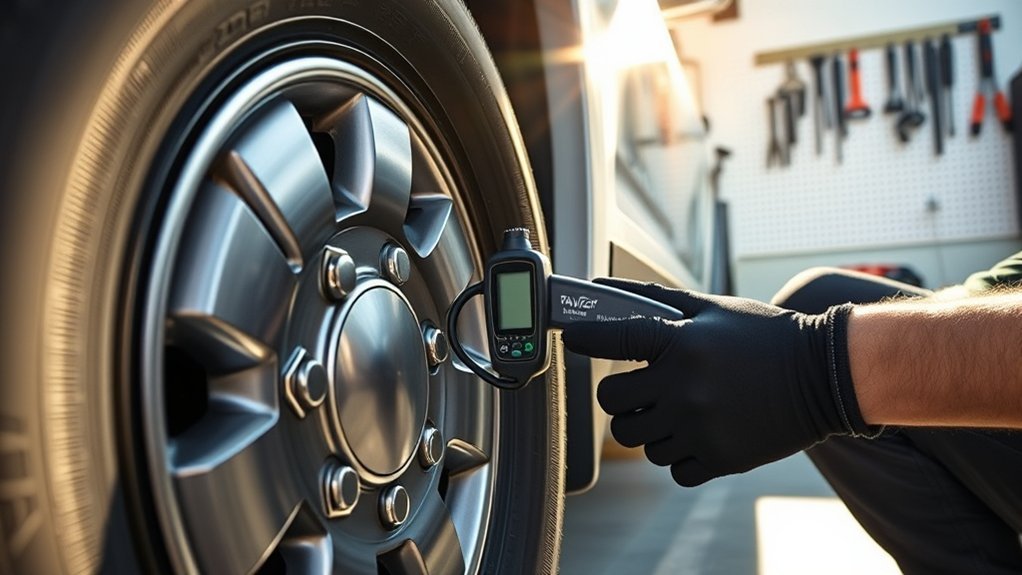
Checking the tire pressure on your Toyota 4Runner takes only a few minutes, but the most important step is using the correct cold PSI from your own vehicle’s tire and loading information label. For many newer 4Runner models, that label may list 33 psi, but the driver’s door placard or owner’s manual should always be your final source.
Quick Answer
To check Toyota 4Runner tire pressure, park for at least 3 hours, find the cold PSI on the driver’s door placard, remove each valve cap, press a reliable gauge firmly onto the valve stem, read the PSI, and inflate or deflate each tire to match the placard.
Key Takeaways
- Check tire pressure when the tires are cold, ideally before driving or after the 4Runner has been parked for at least 3 hours.
- Use the driver’s door placard or owner’s manual for the correct PSI; do not use the maximum pressure printed on the tire sidewall as your target.
- Check all four tires and the spare, because the spare may not be monitored the same way as the road tires.
- A TPMS warning light is helpful, but it does not replace regular checks with a tire pressure gauge.
At a Glance
| Time Required | 5–10 minutes |
| Difficulty | Easy |
| Tools Needed | Tire pressure gauge, air compressor or tire inflator, and valve caps |
| Cost | Free if you already have a gauge and air source; usually low cost for a basic gauge |
Find the Correct 4Runner Tire Pressure First
Before adding or releasing air, open the driver’s door and look for the tire and loading information label on the door jamb. Toyota’s owner information says the recommended cold tire inflation pressure and tire size are displayed on that label, so it is more reliable than a generic PSI number online. You can also confirm the information in your Toyota owner’s manual or digital manual at Toyota Owners.
Note: If your 4Runner’s label lists 33 psi for the front and rear tires, set them to 33 psi when cold. If your label lists a different number, follow the label for your specific model year, trim, and tire size.
[Products Worth Considering]

This tire inflator with pressure gauge delivers long-lasting performance with a durable rubber-protected gauge and sturdy build. The longer hose and 360 swivel air chuck help you seal the valve securely and keep your hands free while measuring, inflating, or deflating. It’s battery-free for reliable use and provides ±2 PSI accuracy in the mid-range for most typical tires, with universal compatibility for 1/4 NPT compressor outputs.
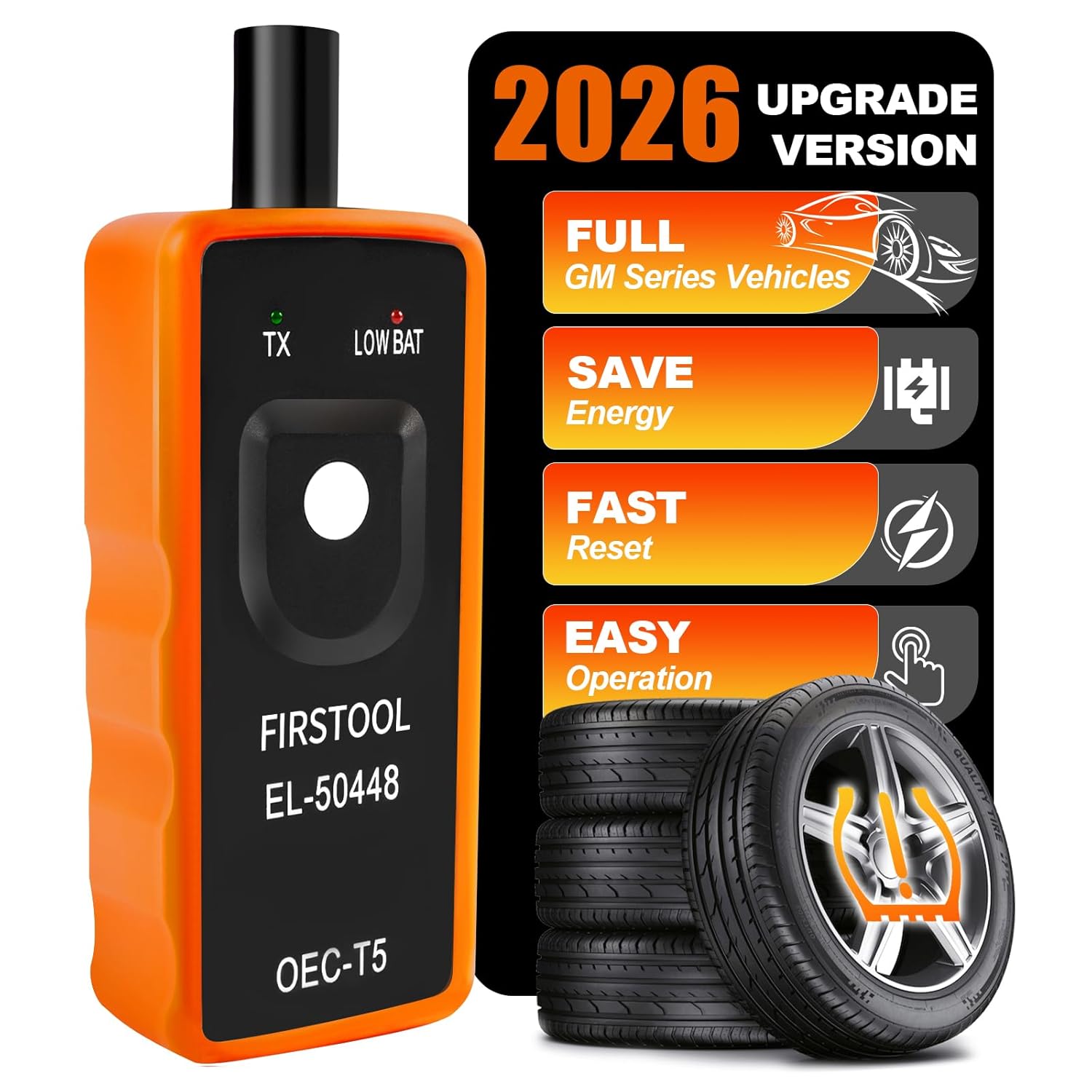
This TPMS relearn tool helps you quickly activate, match, and reset GM tire pressure sensors to keep the vehicle monitoring system working properly. It clears tire pressure alarms and dashboard warning lights after sensor replacement or tire rotation, and supports learning for common 315/433 MHz TPMS sensors. Designed for simple one-button operation, it can help you avoid unnecessary trips to repair shops.

The JACO FlowPro Tire Inflator measures, inflates, and airs down tires up to 100 PSI with battery-free operation and ±2% accuracy after calibration. It features a glowing pressure dial for night visibility, a heavy-duty steel build with a hybrid hose, and a precision push-to-inflate thumb trigger. The patented Lightning Air Chuck locks on for a secure seal, and the kit includes quick-connect hardware for easy inline use with your air compressor.
How to Accurately Measure Tire Pressure
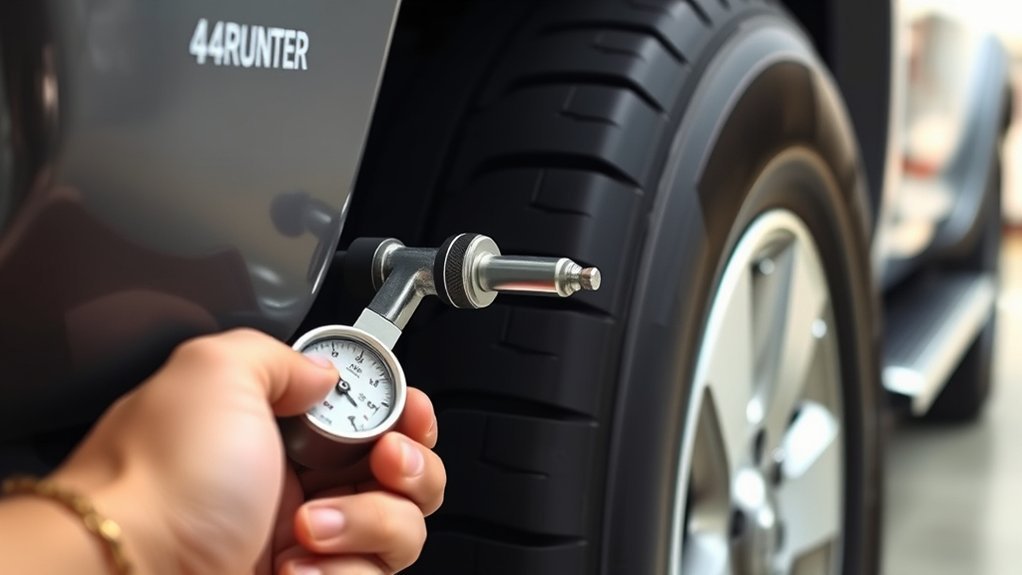
To accurately measure tire pressure, start with cold tires. Toyota explains that a cold reading is most accurate after the vehicle has been parked for at least 3 hours or has not been driven more than 1 mile or 1.5 km. Use a reliable digital or analog tire pressure gauge that seals firmly on the valve stem.
- Park the 4Runner on level ground and let the tires cool if you have been driving.
- Find the correct cold PSI on the tire and loading information label inside the driver’s door area.
- Remove the valve cap from one tire and keep it where it will not roll away.
- Press the tire pressure gauge straight onto the valve stem until the hissing stops.
- Read the PSI and write it down if you are checking all tires before adjusting.
- Repeat the process for all four tires and the spare tire.
- Reinstall each valve cap after checking or adjusting the pressure.
Pro Tip: Keep a small tire pressure gauge in the glove box or cargo area. It is faster and more accurate than guessing from tire appearance, because a tire can look normal while still being underinflated.
How to Adjust Tire Pressure: Inflate or Deflate as Needed
Adjusting tire pressure is simple once you know the current PSI and the placard PSI. If a tire is low, add air in short bursts, then recheck with your gauge. If a tire is over the cold specification, press the center pin in the valve stem briefly to release air, then recheck until the pressure matches the label.
Warning: Do not bleed air from a hot tire just because the reading is above the placard number after driving. Tire pressure normally rises with heat. Set the pressure cold whenever possible, and only use a hot-tire reading as a temporary safety check.
If you hear air escaping while the gauge is attached, reseat the gauge squarely on the valve stem. If the hissing continues after you remove the gauge, the valve core or valve stem may be leaking. Toyota recommends applying soapy water around the valve after measuring and adjusting to check for leakage.
Here’s a quick reference table to clear up common tire pressure myths:
| Myth | Truth | Why It Matters |
|---|---|---|
| Overinflation always improves mileage | Too much pressure can reduce ride comfort and promote uneven wear | The tire may not contact the road as intended |
| Lower pressure always improves comfort | Underinflation increases sidewall flex and heat | It can hurt handling, tire life, and fuel economy |
| The tire sidewall PSI is the target | The sidewall number is a maximum pressure/load rating, not the 4Runner’s recommended cold PSI | The door placard is the correct everyday reference |
[Products Worth Considering]

Keep your tires properly inflated with this analog VONDIOR tire pressure gauge, designed for fast, easy readings without batteries. The swiveling, two-axis hose and large glow dial help you measure at any tire angle with instant visibility. Built with a protective rubber shield, it supports durable, low-maintenance use for cars and trucks.
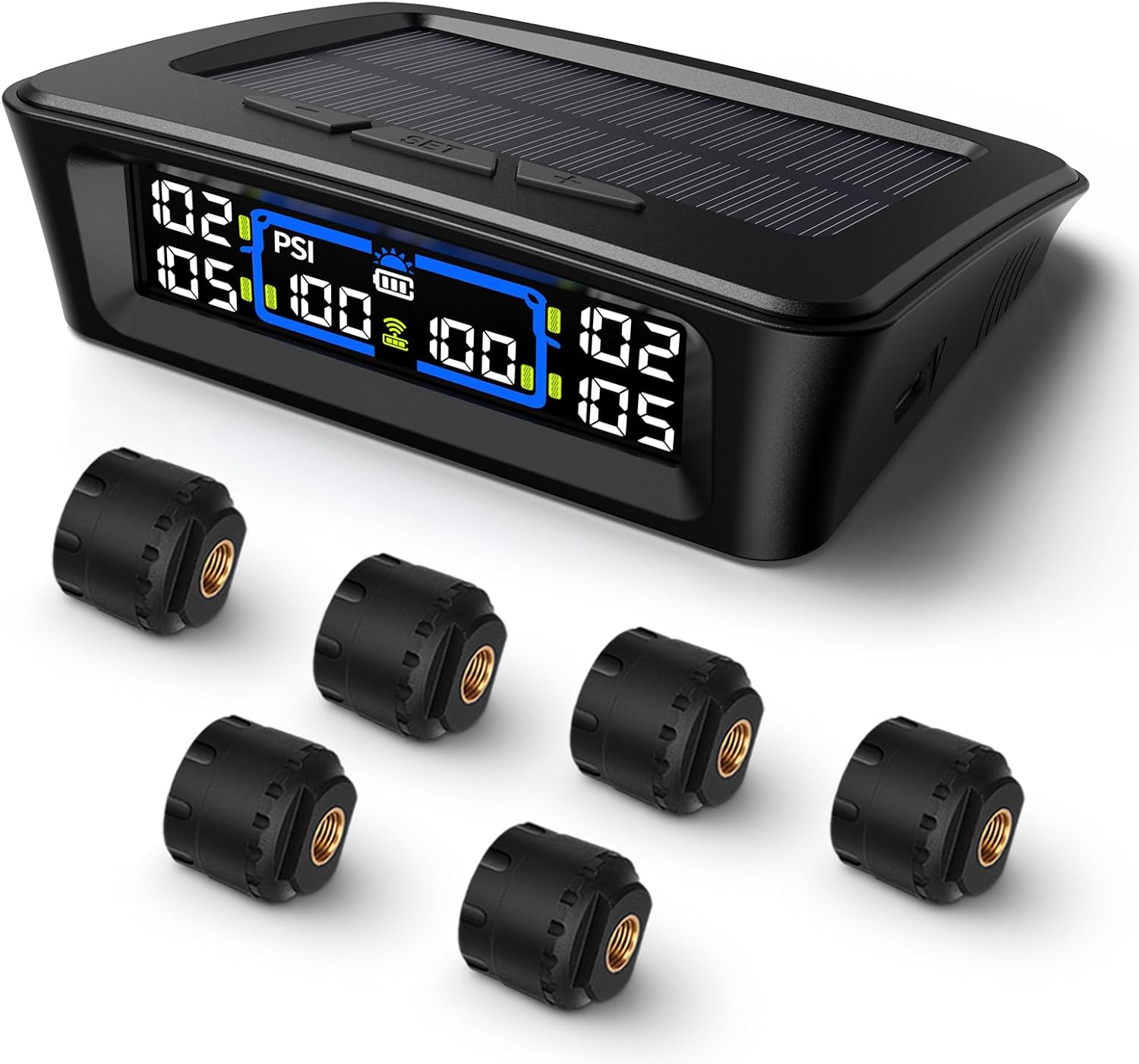
The Tymate TM12 RV TPMS delivers real-time tire pressure and temperature monitoring with a stable 433Hz display for safer long-distance driving. It supports simultaneous monitoring across vehicle and trailer zones, includes six alarm modes for pressure, temperature, leakage, battery, and signal loss, and features easy DIY installation with auto calibration. Power is supplied via USB-C charging or solar recharging, with a wide 0–144 PSI range and up to 50 ft signal coverage for RVs and towable trailers.

The VEHLIVE SU-50448 II TPMS relearn tool provides a fast activation reset to restore accurate tire pressure monitoring after sensor replacement or tire rotation. It supports 315 MHz and 433 MHz GM series sensors and helps clear dashboard pressure warnings. With simple two-button operation and horn-confirmed relearning order, you can reprogram sensors conveniently at home.
Identifying and Fixing Common Tire Pressure Problems
While driving your Toyota 4Runner, watch for tire pressure issues that can affect safety, handling, and tire life. A tire that repeatedly drops below the recommended cold PSI may have a puncture, leaking valve stem, damaged wheel, or bead leak. If one tire needs frequent air, have it inspected by a Toyota dealer or qualified tire shop.
- One tire is lower than the others: Inflate it to the placard PSI, then check again the next day. If it drops again, inspect for a nail, screw, or valve leak.
- All tires are low: Seasonal temperature changes may have lowered pressure. Adjust all tires when cold.
- TPMS light is on solid: Stop when safe, check all tires with a gauge, and inflate to the correct cold pressure.
- TPMS light blinks and then stays on: This can indicate a tire pressure monitoring system malfunction. Have the system checked.
- Pressure looks high after driving: Heat raises pressure. Recheck when the tires are cold before releasing air.
The TPMS is a warning system, not a replacement for regular tire pressure checks. Use a gauge at least monthly and before long trips.
[Products Worth Considering]

The Milton S-693 straight foot dual head air chuck is designed for accurate tire pressure checks and quick, secure valve-core engagement with lock-on threads on both ends. With a 1/4" FNPT connection and a maximum 150 PSI rating, it’s built for use on inner duals and common vehicle tires, including trucks and RVs.

This digital tire pressure gauge with built-in inflator helps you accurately check and adjust tire pressure for safer driving and better fuel efficiency. It supports multiple units (PSI, KPA, BAR, KG/CM²) and reads within 1% for reliable results. The 3-in-1 design inflates, deflates, and measures, with a quick-connect air chuck and compatible hose setup for cars, trucks, SUVs, RVs, and motorcycles.

The TYAMATE TM8 solar-powered wireless TPMS delivers real-time tire pressure and temperature monitoring with six alarm modes for safer driving. A vibrant color LCD display shows readings clearly while windshield mounting keeps it hands-free and easy to read. With a wide 0–87 PSI range, strong 433.92 MHz signal transmission, and quick sensor pairing, it’s ideal for RV, sedan, SUV, MPV, and truck use.
Easy Tips for Keeping Your Tires at the Right Pressure
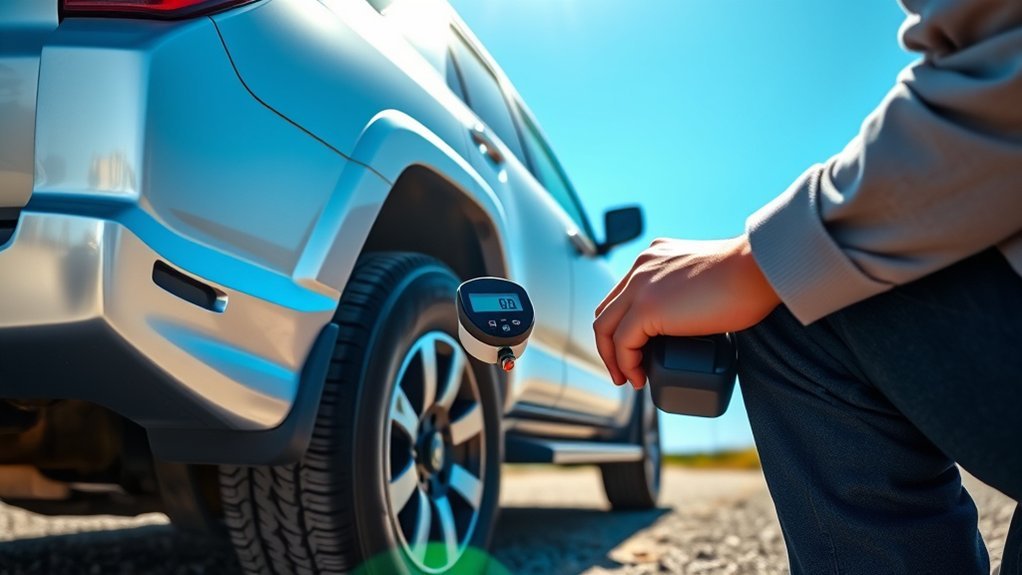
Maintaining the right tire pressure in your Toyota 4Runner helps protect fuel economy, tire life, ride comfort, and handling. The best routine is simple: check pressure cold, compare it with the driver’s door placard, and adjust before the tire becomes noticeably low.
| Action | Frequency |
|---|---|
| Check tire pressure | Every two weeks if possible, or at least monthly and before long trips |
| Check the spare tire | Monthly and before road trips |
| Adjust for seasonal changes | Whenever temperatures swing or the TPMS light appears |
| Inspect for leaks or uneven wear | During each pressure check |
Note: Some newer 4Runner models may show tire inflation pressure in the multi-information display, but a handheld gauge is still the best tool for setting cold pressure accurately.
Regular Maintenance for Tire Pressure Management
Regular tire pressure checks are part of basic 4Runner maintenance. According to NHTSA tire safety guidance, tire pressure should be measured when tires are cold or adjusted carefully if the tires are warm. Federal TPMS language also explains that each tire, including the spare if provided, should be checked monthly when cold and inflated to the pressure recommended on the vehicle placard or tire inflation label.
Use this maintenance checklist:
- Check pressure before driving, after the 4Runner has been parked for at least 3 hours, or before a long trip.
- Use the PSI listed on the driver’s door tire and loading information label.
- Measure all four tires and the spare tire.
- Reinstall valve caps to help keep dirt and moisture out of the valve stem.
- If a tire keeps losing pressure, have it checked instead of repeatedly topping it off.
- After tire rotation, replacement, or sensor service, follow your owner’s manual for any TPMS initialization or reset steps.
Frequently Asked Questions
How do you check tire pressure on a Toyota 4Runner?
Park the 4Runner long enough for the tires to cool, find the recommended cold PSI on the driver’s door placard, remove the valve cap, press a tire pressure gauge firmly onto the valve stem, read the PSI, and adjust the tire as needed. Repeat this for all four tires and the spare.
Is Toyota 4Runner tire pressure always 33 psi?
Not always. Many newer 4Runner placards may list 33 psi, but you should use the tire and loading information label on your specific 4Runner. The correct pressure can depend on model year, trim, tire size, and original equipment tire specification.
Can you check tire pressure on the Toyota 4Runner dashboard?
It depends on the model year and equipment. Some newer 4Runner models can show tire inflation pressure in the multi-information display, while many older models mainly provide a TPMS warning light. Even if your dashboard shows PSI, use a tire gauge when setting cold pressure.
Should I use the PSI printed on the tire sidewall?
No. The sidewall number is the tire’s maximum cold inflation pressure for load rating purposes, not the recommended everyday pressure for your 4Runner. Use the driver’s door placard or owner’s manual instead.
Why is my TPMS light still on after adding air?
The tires may still be below the correct cold PSI, the spare may be low, the tires may need time or driving for the system to update, or the TPMS may have a sensor/system fault. If the light blinks for about a minute and then stays on, have the system inspected.
Conclusion
To summarize, checking your Toyota 4Runner’s tire pressure is simple: use a reliable gauge, check the tires cold, follow the PSI on your own door placard, and include the spare. Do not rely only on appearance or the TPMS light. A monthly pressure check can help protect handling, fuel economy, tire life, and safety before a small pressure loss turns into a roadside problem.
Sources
- Toyota Owners — 2025 4Runner Hybrid tire inflation pressure — backs the cold-tire method, door-label guidance, valve-cap note, leakage check, and check interval.
- Toyota Owners — 2025 4Runner Hybrid warning lights — backs TPMS warning-light interpretation.
- Toyota Owners — 2025 4Runner Hybrid multi-information display — backs dashboard tire inflation pressure display availability on equipped models.
- NHTSA TireWise tire safety guidance — backs cold-pressure checking and general tire safety recommendations.
- eCFR 49 CFR § 571.138 — Tire pressure monitoring systems — backs TPMS limitations and monthly cold-pressure checks.
- NHTSA — Tire Pressure Maintenance: A Statistical Investigation — backs safety concerns related to underinflation, handling, stopping distance, blowouts, and fuel economy.