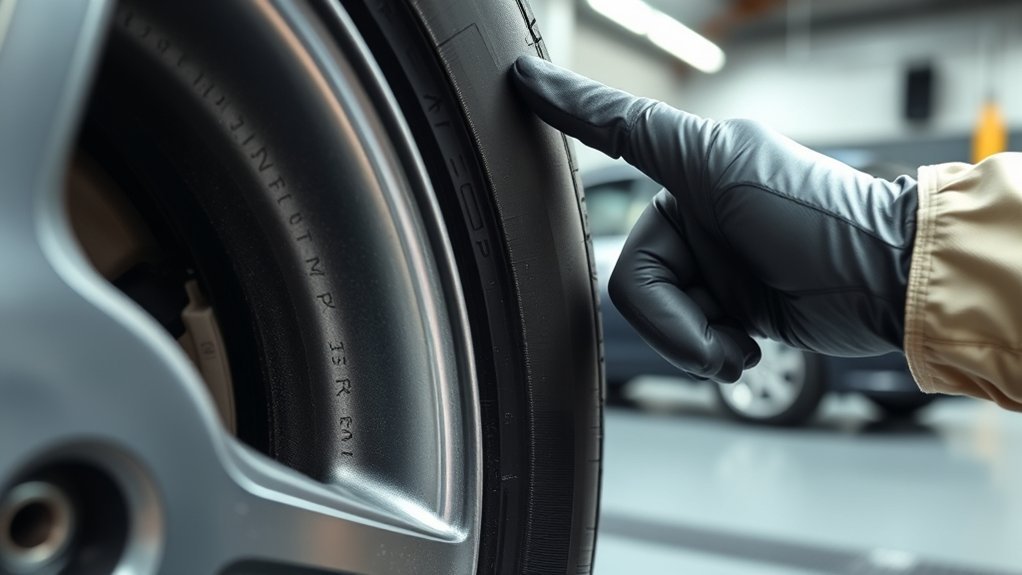
The letter at the beginning of a tire size can tell you what type of vehicle the tire was designed to serve. When a size starts with P, as in P225/65R17, it uses the P-Metric system for passenger-tire applications. That prefix is useful, but you still need to check the complete size, load rating, speed rating, and vehicle placard before choosing a replacement.
Quick Answer
The “P” at the start of a tire size means the tire uses the P-Metric sizing system for passenger-car applications. In P225/65R17, it identifies intended use; it does not mean “performance” or show the ply count. Always match the vehicle placard’s size, load index, speed rating, and cold inflation pressure.
Key Takeaways
- P means P-Metric passenger tire; it does not mean performance, pressure, or ply.
- P-Metric tires are used on many cars, minivans, crossovers, SUVs, and light-duty pickups when approved by the vehicle manufacturer.
- A tire size without a P may be a Euro-metric passenger size with similar dimensions but different load and inflation calculations.
- The load index, speed rating, wheel diameter, and approved cold pressure matter just as much as the P prefix.
- Do not switch between P, LT, or ST tires based on size alone. Check the door placard, owner’s manual, and load requirements first.
What Does the P Mean on a Tire?
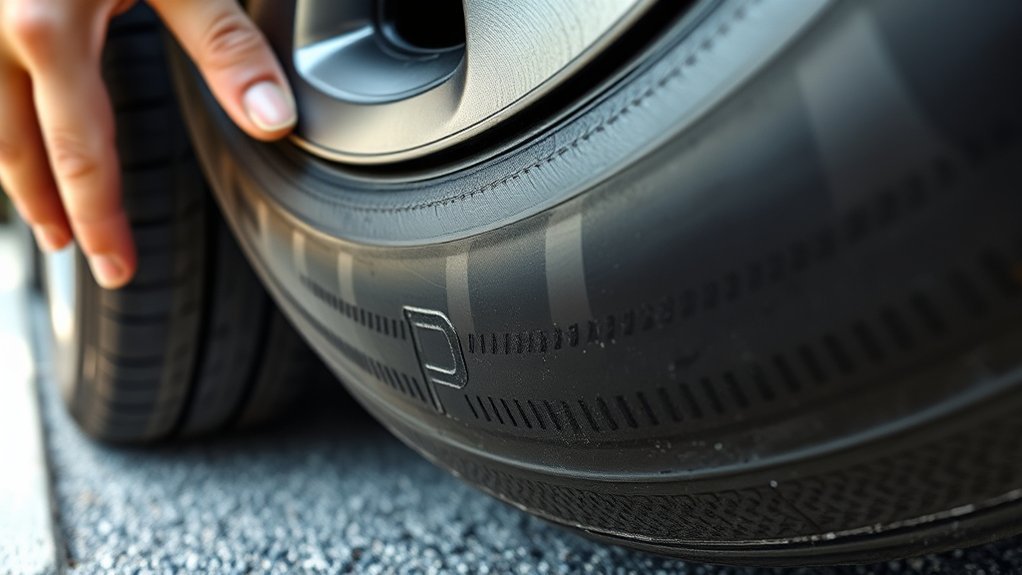
The P stands for a P-Metric passenger-tire application. A size such as P225/65R17 may be specified for a car, minivan, crossover, SUV, or light-duty pickup. Michelin’s tire-marking guide identifies P as the passenger-car prefix and LT as the light-truck prefix.
The P does not tell you whether the tire is all-season, winter, summer, fuel-efficient, quiet, or designed for an electric vehicle. Those qualities depend on the individual tire’s tread, compound, construction, load rating, and manufacturer specifications.
Note: The P is an application and sizing prefix. It is not a quality grade, speed rating, pressure recommendation, or ply rating.
How to Read P225/65R17 102H
Reading the complete service description gives you more useful information than looking at the P alone. In the example P225/65R17 102H, every number and letter has a specific purpose.
| Code Part | Meaning | Why It Matters |
|---|---|---|
| P | P-Metric passenger-tire application | Identifies the tire category and sizing system. |
| 225 | Nominal section width in millimeters | Affects fitment, clearance, and the tire’s approximate width. |
| 65 | Aspect ratio | The sidewall height is approximately 65% of the nominal width. |
| R | Radial construction | Describes how the tire’s internal cords are arranged. |
| 17 | Wheel or rim diameter in inches | Must match the wheel’s bead-seat diameter. |
| 102 | Load index | Corresponds to the maximum load per tire under specified conditions. |
| H | Speed rating | Identifies the tested speed capability under specified load and inflation conditions. |
For this example, the estimated sidewall height is 225 × 0.65, or about 146 millimeters. That calculation helps explain the tire’s proportions, but it does not prove that the tire will fit a particular vehicle.
Pro Tip: Start with the Tire and Loading Information label on the driver’s door jamb. The tire currently mounted on a used vehicle may not be the size originally approved by the manufacturer.
What If a Tire Size Does Not Start With P?
A size such as 225/65R17 with no letter at the beginning is often called a metric or Euro-metric passenger size. It is not automatically an LT tire. Michelin notes that P-Metric and Euro-metric tires with the same dimensional size are generally similar in size but can have differences in their load-capacity and inflation calculations.
That means P225/65R17 and 225/65R17 should not be treated as interchangeable based only on the 225 width. Before changing between them, verify:
- The complete approved tire size
- The load index and load capacity
- The speed rating
- Standard-load, XL, HL, or reinforced status
- The manufacturer’s recommended cold inflation pressure
- Compatibility with the wheel and vehicle systems
[Products Worth Considering]

The SAFELIFE dial tire tread depth gauge measures tread depth in 1/32 inch increments with clear, easy-to-read 2-inch dial face. Color zones using a traffic light system help you quickly judge whether tread is low, marginal, or ample for safer driving. Built with a durable zinc cast body and a metal detect probe for precise, comfortable use across cars, motorcycles, trucks, and buses.
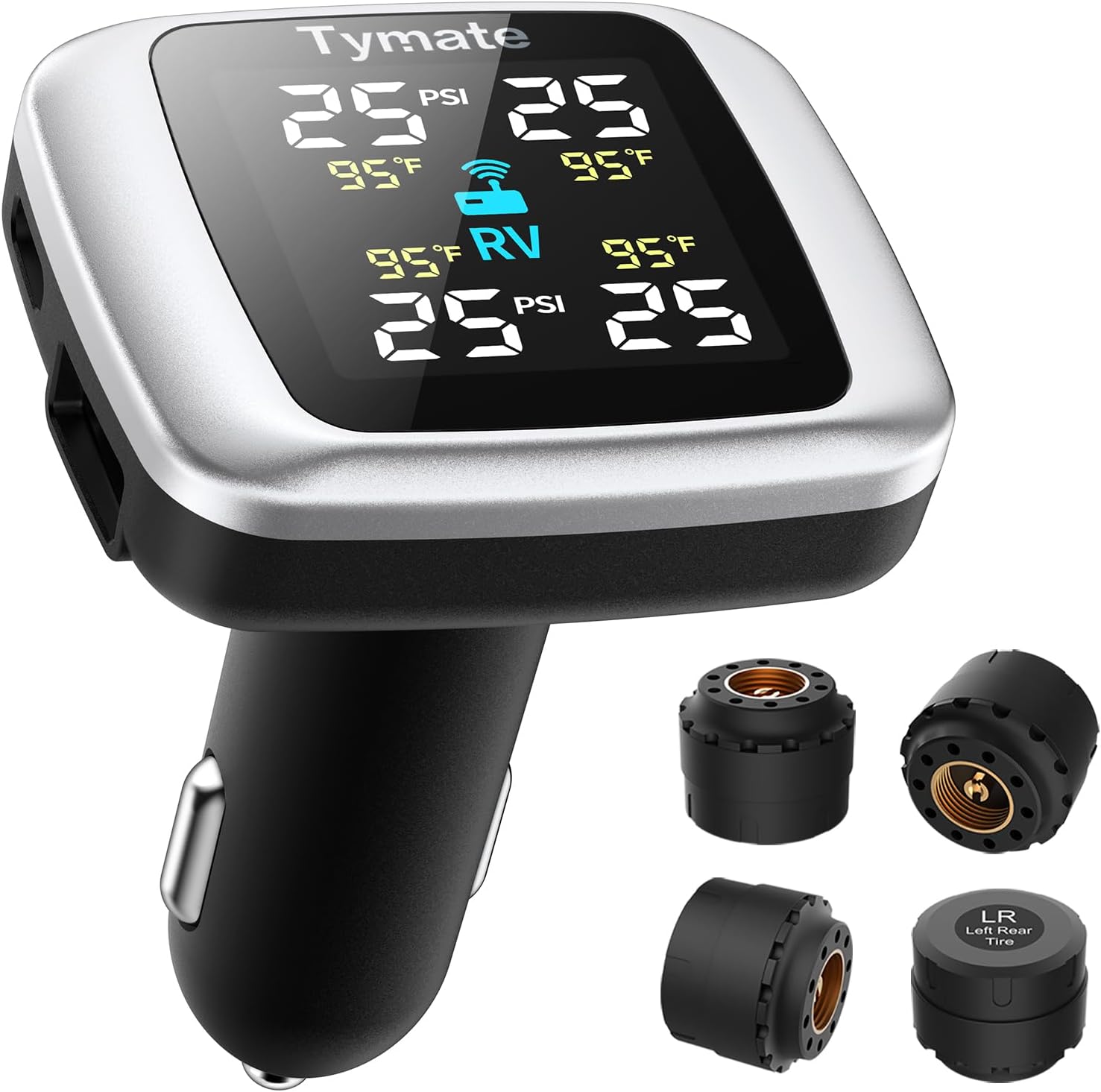
Tymate TM7 is a wireless tire pressure monitoring system that delivers real-time pressure and temperature readings for safer driving. It includes four external sensors, a bright color LCD display with adjustable backlight, and six alarm modes for high/low pressure, fast leakage, high temperature, and sensor signal or battery issues. The system covers a wide 0–144 PSI range and plugs into your vehicle’s cigarette lighter socket for quick DIY setup.

Vigorder rubber cement glue delivers superior adhesion and cures quickly within about 30 seconds for seamless rubber bonding. Once cured, it helps provide a strong, durable, waterproof seal that holds up to vehicle weight, pressure, and heat. Suitable for cars, motorcycles, trucks, bicycles, and off-road tires, it’s designed for emergency patch and maintenance repairs.
P-Metric Tires vs LT, ST, XL, and HL Tires
The prefix and load markings help separate tires designed for different jobs. They are not interchangeable labels for the same product.
| Marking | Typical Application | Important Point |
|---|---|---|
| P | Passenger cars and approved light-duty applications | Use only when the size and load capacity meet the vehicle specification. |
| LT | Light trucks, heavier payloads, towing, and commercial-duty applications | Uses LT load ranges and inflation requirements; it may ride and handle differently from a P tire. |
| ST | Trailer service | Designed for trailers and should not replace a tire on a powered passenger vehicle. |
| XL | Extra-load passenger applications | Carries more load than a standard-load version of the same general size when used at its specified pressure. |
| HL | High-load passenger applications | Supports higher loads in certain sizes; replace it with an equivalent approved specification. |
Under Federal Motor Vehicle Safety Standard No. 110, when a passenger-car tire is used for load calculations on an MPV, truck, bus, or trailer, its marked load rating is divided by 1.10. This is one reason the same-looking size does not always provide equivalent usable capacity in every application.
Warning: Do not replace an original-equipment LT tire with a P-Metric tire, install an ST tire on a powered vehicle, or change load categories without confirming the vehicle placard, axle ratings, wheel compatibility, and manufacturer-approved load and inflation data.
[Products Worth Considering]

Accurately measure tire tread depth with a calibrated gauge marked from 0 to 1 inch in 1/32 inch increments. The color-coded bar helps you quickly identify tread condition ranges, supporting safe driving for trucks, motorcycles, automobiles, and passenger vehicles.

Monitor tire tread wear with a smart, color-coded depth gauge that shows clear condition ranges at a glance. The bar is range marked for fast, easy readings, helping you maintain safer traction and performance. Each gauge is portable with a pocket clip, and the set includes 20 units for daily use and sharing.
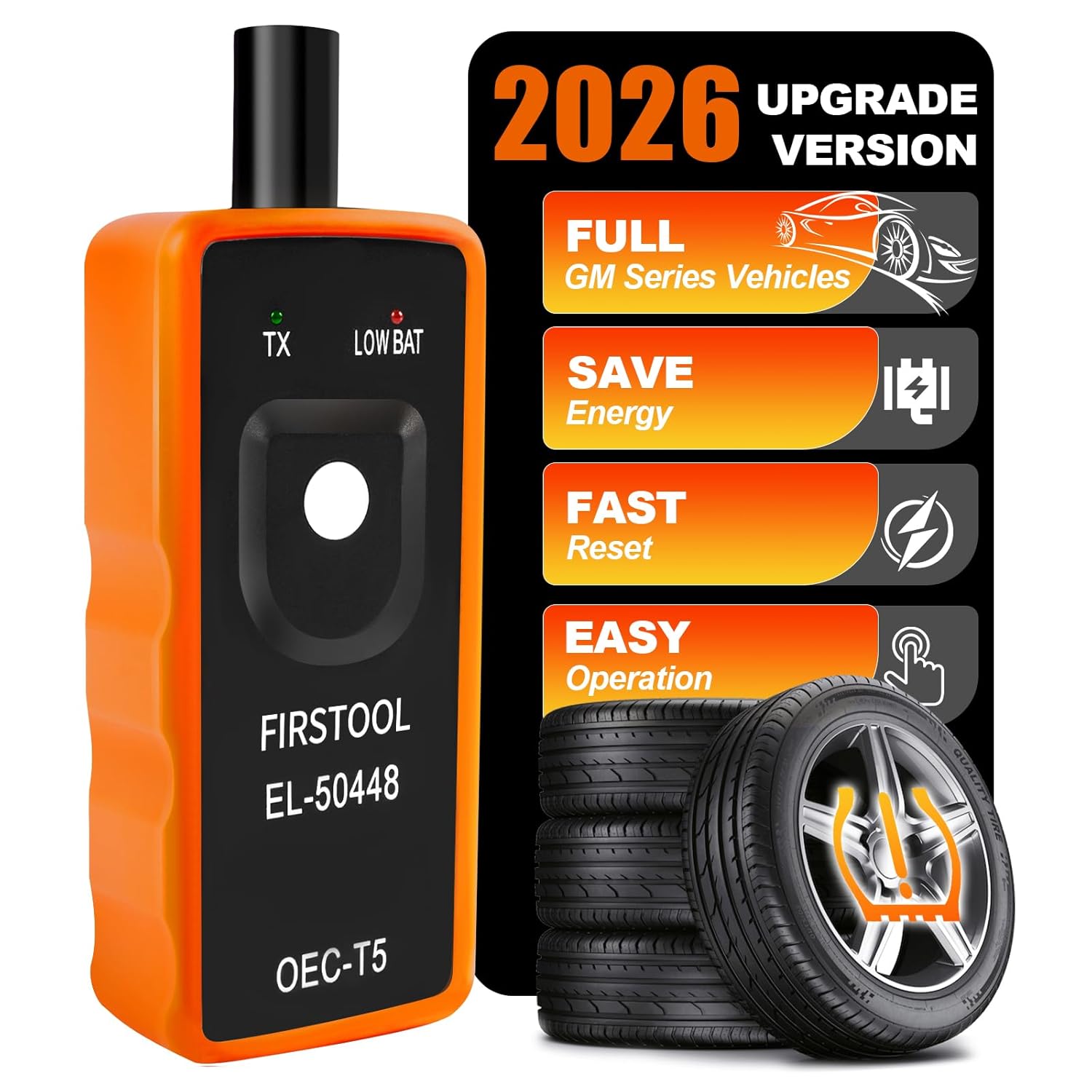
This TPMS relearn tool helps you quickly activate, match, and reset GM tire pressure sensors to keep the vehicle monitoring system working properly. It clears tire pressure alarms and dashboard warning lights after sensor replacement or tire rotation, and supports learning for common 315/433 MHz TPMS sensors. Designed for simple one-button operation, it can help you avoid unnecessary trips to repair shops.
Does P Mean Ply Rating?
No. The P at the start of the size means P-Metric passenger tire. It does not describe the tire’s ply count.
Modern tires may show a load range, load index, and separate construction information on the sidewall. A product advertised as “6-ply rated” or “10-ply rated” is describing a strength category or historical equivalent, not necessarily the literal number of fabric layers inside the tire. Current federal marking rules treat an LT tire’s load range and its actual number of plies as separate sidewall information.
When load capacity matters, use the manufacturer’s load-and-inflation data, the tire’s load index or LT load range, and the vehicle’s axle and placard requirements. Do not choose a tire only because a listing calls it “10-ply.”
What Vehicles Use P-Metric Tires?
P-Metric tires appear on many road vehicles, but the correct category depends on the manufacturer’s specifications rather than the body style alone.
- Sedans, coupes, and hatchbacks: P-Metric tires are common when listed on the vehicle placard.
- Minivans and crossovers: Many use passenger tires sized for their weight, passenger capacity, and handling requirements.
- Light-duty SUVs and pickups: Some use P-Metric tires, while others require LT, XL, or another higher-load specification.
- Electric vehicles: An EV may use P-Metric, Euro-metric, XL, or HL tires. The P prefix alone does not indicate low rolling resistance or EV-specific construction.
A P-Metric tire can be suitable for light cargo and normal road use when it meets the vehicle’s approved load and inflation requirements. Frequent towing or heavy payloads may require a different specification, but the correct answer must come from the vehicle manufacturer’s data rather than a general rule.
When Should You Choose P-Metric Tires?
Choose a P-Metric tire when it matches the vehicle’s approved specification and provides the required load and speed capability. Use this checklist before buying:
- Read the door placard: Confirm the original tire size and recommended cold pressure.
- Check the complete service description: Match or exceed the required load index and speed rating unless the manufacturer gives different approved guidance.
- Confirm the load category: Check whether the vehicle requires standard load, XL, HL, LT, or another specification.
- Consider the real load: Include passengers, cargo, accessories, trailer tongue weight, and axle limits.
- Match the wheel: The rim diameter must match exactly, and the wheel width must be approved for the tire.
- Review category changes: Have a qualified tire professional verify any switch between P-Metric, Euro-metric, and LT tires.
The National Highway Traffic Safety Administration advises drivers to use the size and cold inflation pressure shown on the Tire and Loading Information label or in the owner’s manual.
Pro Tip: The pressure molded on the tire sidewall is a maximum tire specification, not the normal pressure recommendation for your vehicle. Check pressure when the tires are cold and use the door-placard value.
[Products Worth Considering]

A concentrated tire and tube mounting compound designed to help simplify mounting rubber tires and tubes on passenger, semi truck, construction, and OTR applications. Its ultra-thick formula packs beads effectively and includes rust inhibitors to help protect against corrosion during use.

Secure your vehicle during transport with this 4-pack of heavy-duty tire tie down straps designed for trailers and hauling. The ratchet system with flat hooks and D-rings helps you tension the straps quickly, while the wheel-friendly design protects tires. With high break strength and corrosion-resistant hardware, these straps provide reliable, confidence-inspiring tie-down security for cars, trucks, and UTVs.

Secure your load with this 4-pack reflective ratchet tie down strap set designed for towing and transporting cars, trucks, and UTVs. The reflective polyester webbing helps improve nighttime visibility, while the ratchet with chain anchors and D-rings provides dependable tensioning. Heavy-duty build offers a high break strength for added confidence, and the included storage bag makes it easy to organize and carry.
Frequently Asked Questions
What Is Better, LT or P-Rated Tires?
Neither type is universally better. A P-Metric tire may suit normal passenger use when the vehicle manufacturer approves it. An LT tire is designed for light-truck load and service requirements. Use the category, size, load capacity, speed rating, and pressure specified for the vehicle and its actual workload.
Is P225 the Same as 225?
Both indicate a nominal width of 225 millimeters, but P225 and 225 are not automatically identical replacements. P-Metric and Euro-metric tires can use different load and inflation calculations. Compare the complete size, load index, speed rating, load category, pressure requirements, and vehicle approval.
How Can You Tell if a Tire Is 6-Ply or 10-Ply?
Check the manufacturer’s specification, load range, load index, and sidewall construction markings. A “6-ply rated” or “10-ply rated” description usually refers to a strength category, not the literal number of plies. Federal markings list actual construction separately from an LT tire’s load range.
Is 35 PSI Good for Tires?
Only if the vehicle’s Tire and Loading Information label specifies 35 PSI as the recommended cold pressure. Some vehicles require more or less, and the front and rear specifications may differ. Do not use the maximum PSI molded on the tire as the routine vehicle setting.
Does a Tire With No P Mean It Is an LT Tire?
No. A size with no leading letter, such as 225/65R17, is often a metric or Euro-metric passenger size. A light-truck tire normally carries an LT designation or another recognized commercial marking. Read the complete sidewall and manufacturer specification.
Can You Replace LT Tires With P-Metric Tires?
Do not make that change based on dimensions alone. A P-Metric tire may have different load capacity, pressure requirements, sidewall behavior, and durability. The replacement must satisfy the vehicle placard, axle ratings, wheel specifications, and manufacturer-approved load calculations.
Conclusion
The P on a tire means it is a P-Metric passenger-tire size, but that single letter is only the beginning of the fitment check. Read the entire code, including the load index and speed rating, and compare it with the vehicle placard. A P-Metric, Euro-metric, LT, or ST tire may look similar in size while having a different intended use or load capability. When the category changes, verify the replacement with approved manufacturer data or a qualified tire professional.
Sources
- National Highway Traffic Safety Administration — TireWise — tire selection, placard pressure, inspection, and inflation guidance.
- 49 CFR §571.110 — Tire Selection and Rims — vehicle placards, load limits, ST trailer use, and passenger-tire load-rating adjustment.
- 49 CFR §571.139 — New Pneumatic Radial Tires for Light Vehicles — required sidewall markings, load range, and actual ply information.
- Michelin — Tire Markings Explained — P and LT prefixes, dimensions, construction, load index, and speed rating.
- Michelin Tire FAQs — differences between P-Metric and Euro-metric sizing and load calculations.