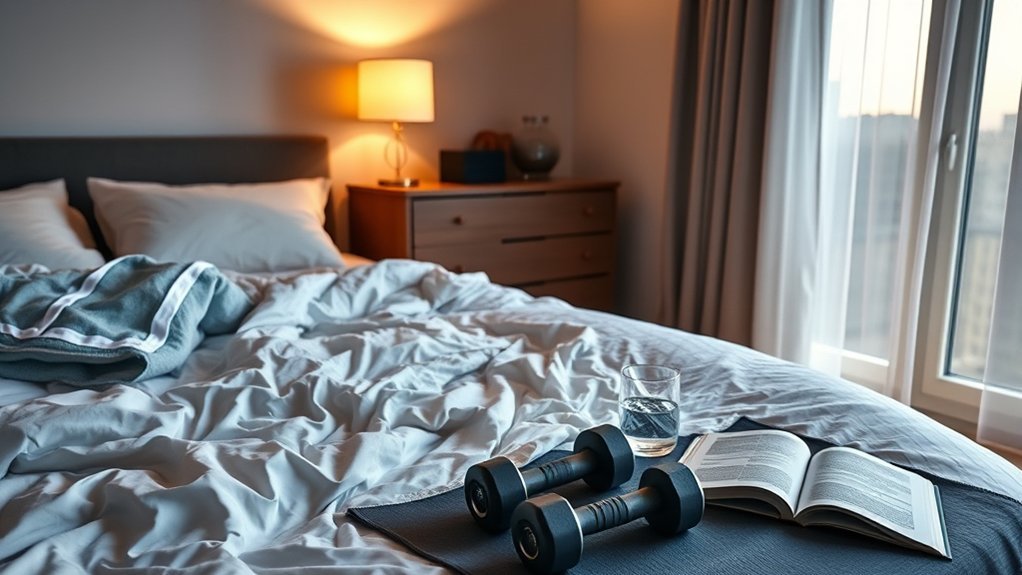
Trying to “knock yourself out” with an exhausting workout can backfire. A safer goal is to build normal sleep pressure during the day, then remove the habits that keep your brain alert at night. Regular movement, a steady schedule, a sleep-friendly bedroom, and a repeatable wind-down routine can make it easier to fall asleep and stay asleep.
Quick Answer
To feel sleepier at night, build healthy sleep pressure instead of trying to exhaust yourself. Get regular daytime exercise, keep a steady wake time, use your bed only for sleep, and follow a quiet wind-down routine. Keep late workouts light, avoid caffeine and alcohol near bedtime, and seek care if sleep problems persist.
Key Takeaways
- Exercise regularly, but do not use extreme workouts or deliberate sleep deprivation to force sleep.
- Keep a consistent wake time and allow enough time for sleep. Most adults need about 7 to 9 hours a night.
- Use your bed only for sleep and intimacy. If you cannot settle, get up briefly and return when sleepy.
- Make the bedroom cool, dark, quiet, and free from work, scrolling, and other alerting activities.
- Seek medical help for persistent insomnia, loud snoring, gasping, breathing pauses, or severe daytime sleepiness.
Warning: Do not overexercise, skip sleep, misuse alcohol, or take sedatives or supplements to “knock yourself out.” Stop exercising and seek urgent medical help for chest pain, fainting, or severe shortness of breath.
At a Glance
| Time Required | Daily movement plus a 30 to 60 minute wind-down routine |
| Difficulty | Easy to moderate, depending on your exercise plan |
| Tools Needed | None; optional eye mask, earplugs, white-noise machine, or sleep diary |
| Cost | Usually free; optional bedroom aids vary in price |
How Exercise Improves Sleep
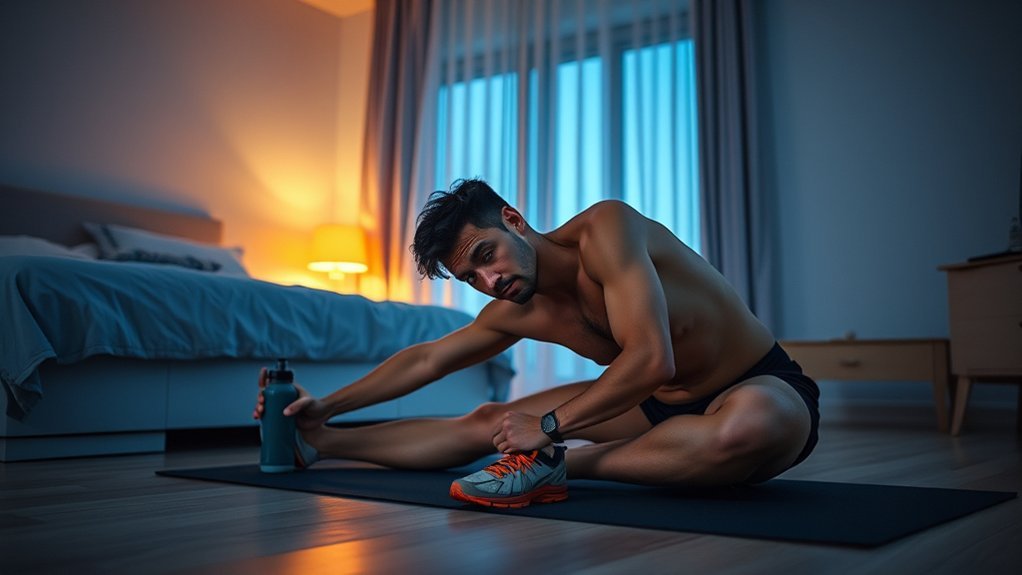
Regular physical activity can improve sleep quality and reduce anxiety. It also helps build sleep pressure, the natural drive to sleep that increases while you are awake. The CDC recommends at least 150 minutes of moderate-intensity activity each week for most adults, plus muscle-strengthening activity on two days. You can start with shorter walks and build gradually.
You do not need to exercise until you are exhausted. Brisk walking, cycling, swimming, strength training, or active household work can help. Choose activity that matches your fitness level and health. If you have a chronic condition, have been inactive, or plan to begin vigorous exercise, ask a healthcare professional what level is appropriate.
[Products Worth Considering]

These lavender steam eye masks provide a warm, self-heated compress to relieve eye fatigue, dryness, and puffiness while helping reduce the look of dark circles. The mask releases fine moist steam for a relaxing 20 to 30 minute eye spa experience that can be used at home, in the office, or while traveling. Soft, elastic ear hooks help it fit comfortably for naps, sleep, or screen-time breaks.

Mighty Patch for Tired Eyes helps visibly awaken and de-puff under eyes with soothing hydrogel comfort. Infused with niacinamide, tri-hyaluronic acid, panthenol, and allantoin, the patches cool the eye area and refresh the look of tired eyes. Contoured to fit and designed not to slip, they’re worn for 30+ minutes or until clear for a quick morning pick-me-up.

NOVEHA self-heating steam eye masks deliver gentle, soothing warmth without needing a microwave—just open and wear for convenient hot compress comfort. The air-activated, unscented design helps relax tired eyes from screen time, reading, travel, and nighttime routines. Crafted with skin-friendly, lint-free non-woven cotton fabric, these disposable warm masks provide a calming, spa-like experience wherever you go.
When to Exercise for Better Sleep
Daytime exercise works well for many people, especially when it includes outdoor light. Evening exercise is not automatically harmful, but timing and intensity matter. A large 2025 observational study found that later, more strenuous exercise was associated with later sleep and poorer sleep measures, while exercise ending at least four hours before sleep was not associated with those changes. Because people respond differently, schedule hard training earlier when practical and keep late activity lighter if intense evening workouts leave you alert.
- Morning or afternoon: Good for brisk walking, running, cycling, sports, and demanding strength sessions.
- Early evening: Often suitable for moderate exercise if you cool down and still feel relaxed afterward.
- Close to bedtime: Favor gentle walking, stretching, mobility work, or relaxed yoga instead of a personal-best effort.
Pro Tip: Track exercise time, caffeine, bedtime, and how rested you feel for two weeks. Your own pattern can show whether late workouts help or hinder your sleep.
Make Your Bed a Sleep-Only Zone
Your brain learns associations. Working, scrolling, watching television, or worrying in bed can train it to connect the bed with wakefulness. Stimulus control, a core part of cognitive behavioral therapy for insomnia, strengthens the link between bed and sleep.
| Avoid in bed | Better place or action |
|---|---|
| Working | Use a desk or another room |
| Texting and scrolling | Charge the phone away from the bed |
| Television | Watch elsewhere and stop before bedtime |
| Problem-solving | Write a short plan or worry list earlier |
Go to bed when you feel sleepy, not simply because the clock says you should. If you feel wide awake after roughly 20 minutes, leave the bed without repeatedly checking the time. Do something quiet in dim light, then return when sleepiness comes back. This reduces frustration and prevents long periods of wakefulness in bed.
Create a Cool, Dark, Quiet Bedroom
A sleep-friendly room should feel comfortably cool, dark, and quiet. The ideal temperature differs by person, bedding, clothing, climate, age, and health, so avoid treating one temperature range as a universal rule. Adjust the room until you are not sweating, shivering, or waking because of discomfort.
- Use blackout curtains or an eye mask if outside light enters the room.
- Use earplugs, a fan, or steady white noise if unpredictable sounds wake you.
- Keep clocks and bright device indicators out of your direct view.
- Use supportive bedding and keep pets from disrupting sleep when necessary.
Bright evening light can delay your sleep-wake signals. Dim the room during the final hour before bed and lower screen brightness if you must use a device. The goal is not perfect darkness all evening. It is a gradual shift from alert daytime conditions to a calmer sleep setting.
[Products Worth Considering]

Dr. Scholl’s self-heating foot mask warms gently to relax and soothe tired, achy feet for immediate relief. The booties infuse Epsom salt and menthol for deep comfort, while shea butter and essential oils help moisturize and revitalize your skin. Designed for easy, mess-free use, it’s a convenient self-care step after a long day.

Fran Wilson Nourish My Eyes eye pads are a convenient at-home spa treatment designed to soothe tired eyes, reduce puffiness, and help diminish the look of dark circles. Infused with a cucumber, green tea, and mulberry extract blend, they provide targeted hydration and a cooling, refreshing under-eye experience. Simply apply for 5–15 minutes to help restore a more bright, refreshed appearance.

TINANA LED bike wheel lights add ultra-bright visibility with 20 LEDs per pack to help you stand out from multiple angles at night. Choose steady or flash modes for safer, cooler rides, with no required speed to activate noticeable lighting. The lights are IP65 waterproof for use in rain or snow and install easily on standard spoke bicycles 16 inches and above.
Build a Relaxing Bedtime Routine
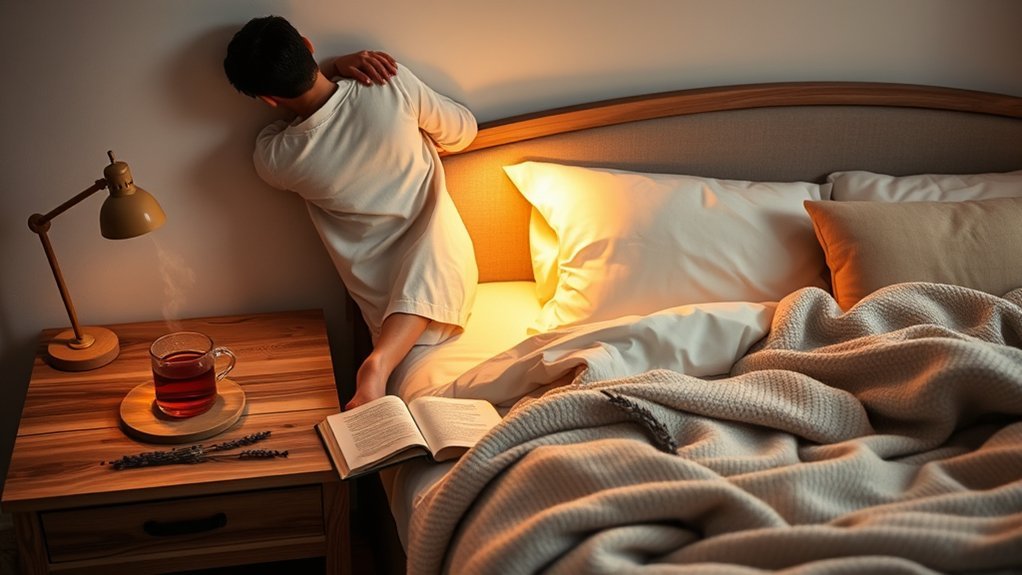
A consistent routine gives your body predictable cues that the day is ending. Start 30 to 60 minutes before bed and keep the steps simple enough to repeat on busy nights.
- Lower stimulation: Dim lights, finish work, and silence nonessential notifications.
- Prepare for tomorrow: Set out what you need and write down unfinished tasks so you do not rehearse them in bed.
- Relax your body: Try a warm shower, gentle stretching, slow breathing, or progressive muscle relaxation.
- Choose a quiet activity: Read a paper book, listen to calm audio, or practice brief mindfulness.
- Go to bed when sleepy: Keep your wake time consistent, even after a rough night.
Relaxation techniques may help as part of a broader plan, but they are not instant switches. Avoid turning the routine into a performance test. The more pressure you place on yourself to sleep immediately, the more alert and frustrated you may feel.
[Products Worth Considering]

Activ Life LED bike wheel lights add bright white illumination to your ride while improving visibility from every angle. The 2-pack features a constant glow or dynamic flash mode for safer night cycling, with a quick tool-free setup that fits standard bike wheels. Made for durable, weather-ready performance, these spoke lights are a stylish safety upgrade for riders of all ages.

These waterproof RGB LED bike spoke lights deliver bright, eye-catching visibility for safer night rides. With 14 LEDs and up to 30 pattern options, the light effects change every few seconds and create striking wheel designs. Motion-sensor automatic mode and a manual switch offer flexible control, while IP66 water resistance supports riding in wet conditions.
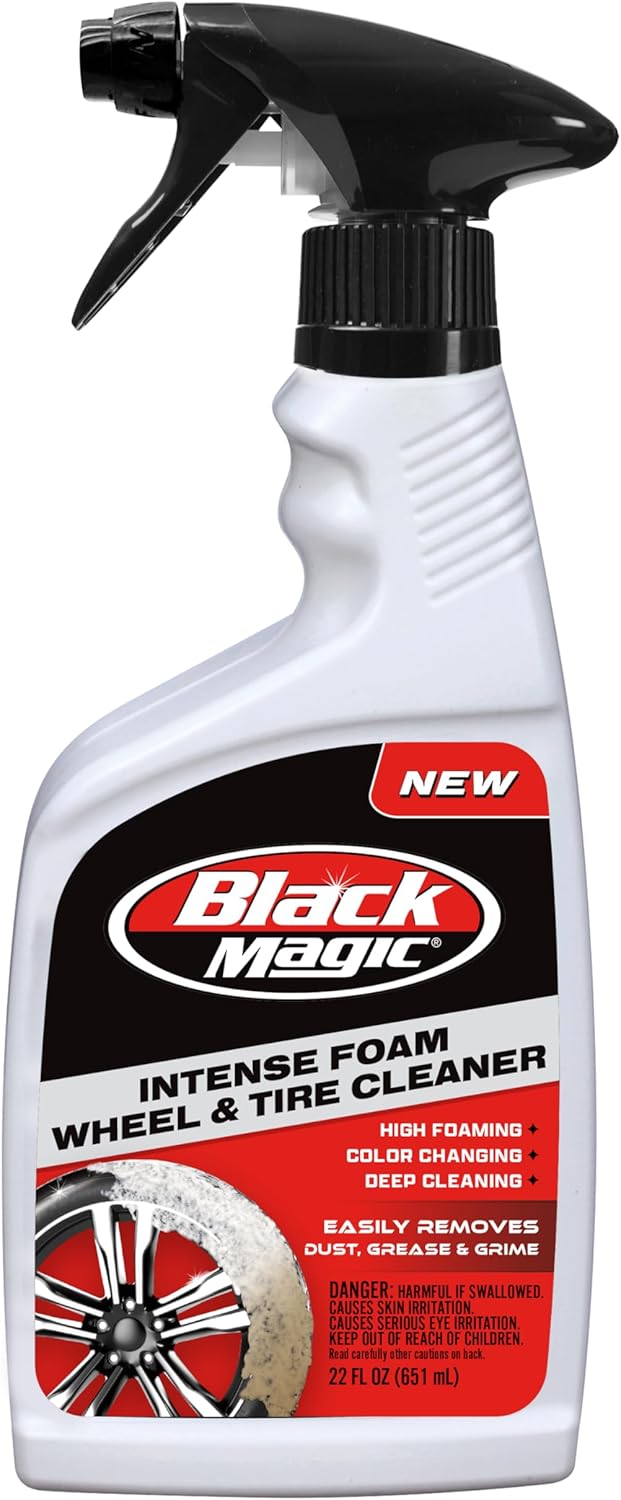
Black Magic Intense Foam Wheel & Tire Cleaner uses a high-foaming action to lift away dirt, grime, and brake dust without scrubbing. The color-changing formula helps show contaminants being dissolved as foam turns from white to brown. Safe for all wheel types and even wheel wells, it leaves a like-new, slick finish with a fresh cherry scent.
Keep a Consistent Sleep Schedule
A stable wake time is one of the strongest daily cues for your body clock. Wake at roughly the same time every day, including weekends, and get daylight soon after waking when possible. Most adults need about 7 to 9 hours of sleep a night, so set a bedtime that leaves enough opportunity for rest.
If you nap and then struggle to sleep at night, keep naps early and brief or pause them while you reset your schedule. Shift workers and caregivers may need a different plan, but consistency within the schedule you can control still helps.
You cannot force deep sleep on command. You can only create the conditions that let normal sleep stages unfold.
Eat and Drink for Better Sleep
Finish large meals a few hours before bed when possible. A heavy, spicy, or high-fat meal may cause reflux, fullness, or discomfort that keeps you awake. If genuine hunger is distracting, choose a small snack that you already tolerate well rather than searching for a “magic” sleep food.
Timing Your Evening Meal
Try to finish dinner two to three hours before lying down. People with reflux may need a longer gap based on medical advice. Stay hydrated through the day, then reduce large drinks close to bedtime if bathroom trips repeatedly interrupt your sleep.
Choosing Sleep-Friendly Snacks
No specific food reliably induces deep sleep. If you need a snack, keep the portion small and simple, such as yogurt, fruit with a little nut butter, or whole-grain toast. Choose based on hunger, digestion, allergies, and any medical diet you follow.
Note: Evidence for valerian and chamomile as insomnia treatments is limited or inconsistent. Do not combine herbal sleep products with alcohol or sedating medicines, and discuss supplements with a healthcare professional.
Skip Caffeine, Alcohol, and Nicotine at Night
Caffeine and nicotine are stimulants. Alcohol may make you drowsy at first, but it can produce lighter, more fragmented sleep later. The NHLBI advises avoiding caffeine, nicotine, alcohol, and heavy meals near bedtime.
Avoid Late Stimulants
Caffeine can affect sleep for many hours. A practical starting point is to stop six to eight hours before bed, then move the cutoff earlier if you remain sensitive. Remember that coffee, tea, energy drinks, cola, chocolate, pre-workout products, and some medicines can contain caffeine.
Nicotine can increase alertness and heart rate. Avoid cigarettes, vaping, and other nicotine products near bedtime. If withdrawal symptoms disrupt your sleep while you are quitting, ask a clinician or quit-support service for a plan rather than returning to nighttime nicotine.
Alcohol Disrupts Sleep Quality
Alcohol is not a reliable sleep aid. It can shorten the time it takes to fall asleep while increasing later awakenings and reducing restorative sleep quality. It can also worsen snoring and sleep-disordered breathing in some people. Avoid using alcohol as a treatment for insomnia.
Calm Your Mind Before Bed
If your body is tired but your mind is active, use a short method that lowers arousal without demanding instant sleep. Pick one approach and practice it regularly.
- Slow breathing: Breathe gently and make the exhale slightly longer than the inhale. Stop if you feel dizzy.
- Progressive relaxation: Tense and release muscle groups from your feet upward without straining.
- Mindfulness: Notice thoughts as passing events instead of trying to solve each one.
- Scheduled worry time: Write concerns and one next action earlier in the evening.
- Neutral imagery: Picture a calm, familiar place and return to it when your attention wanders.
The popular 4-7-8 breathing pattern is optional, not required. Use a comfortable rhythm rather than holding your breath longer than feels safe.
Know When Sleep Problems Need a Doctor
Talk with a healthcare professional if trouble falling asleep, staying asleep, or waking refreshed continues and affects daytime life. For chronic insomnia, cognitive behavioral therapy for insomnia, or CBT-I, is recommended as first-line treatment for adults. CBT-I is more than basic sleep hygiene and may include stimulus control, sleep scheduling, cognitive strategies, and relaxation training.
| Sign | Why it matters |
|---|---|
| Loud, frequent snoring | May occur with obstructive sleep apnea |
| Gasping, choking, or breathing pauses | Needs prompt medical assessment |
| Severe daytime sleepiness | Raises accident and driving risk |
| Uncomfortable urge to move the legs | May suggest restless legs syndrome |
| Low mood, anxiety, or poor daily function | May require treatment beyond sleep-habit changes |
The NHLBI lists breathing pauses, loud snoring, gasping, and daytime sleepiness among common sleep apnea symptoms. Do not drive or operate machinery when you are struggling to stay awake.
Frequently Asked Questions
What is the 3-3-3 rule for sleep?
There is no widely recognized clinical “3-3-3 rule” that requires three hours of exercise. Online versions vary, so do not treat the phrase as medical guidance. Use established habits instead: regular daytime activity, a consistent schedule, a calm wind-down period, and professional care when sleep problems persist.
How can I induce deep sleep quickly?
You cannot switch deep sleep on instantly. Deep sleep is a normal stage that appears within repeating sleep cycles. Protect enough sleep time, keep a stable schedule, reduce late stimulation, and address insomnia or breathing problems. Consumer wearables can estimate sleep stages, but a clinical sleep study is used when accurate staging is medically necessary.
What is the 5-3-3 rule for sleep?
There is no standard evidence-based “5-3-3 rule” that calls for five hours of activity and three hours of relaxation. That amount of exercise would be unsafe or unrealistic for many people. Follow individualized exercise guidance and proven sleep practices rather than an unsupported formula.
How do I tire myself out so I can sleep?
Use regular daytime movement to build healthy sleep pressure, but stop before exhaustion. Keep vigorous workouts earlier if late sessions make you alert. At night, dim the lights, avoid caffeine and alcohol, follow a repeatable routine, and go to bed when sleepy. Persistent difficulty may need CBT-I or a medical evaluation.
Conclusion
You do not need to push your body to exhaustion to sleep better. Build sleep pressure with regular movement, protect a consistent wake time, and make your evening less stimulating. A comfortable bedroom, lighter late meals, and less caffeine, nicotine, and alcohol can also help. If these steps do not improve your sleep, or you snore, gasp, or struggle with daytime sleepiness, get medical advice instead of trying harder to tire yourself out.
Sources
- Centers for Disease Control and Prevention: Adding Physical Activity as an Adult — weekly activity guidance.
- National Heart, Lung, and Blood Institute: Healthy Sleep Habits — bedroom, meal, caffeine, alcohol, nicotine, and wind-down guidance.
- Nature Communications: Dose-response relationship between evening exercise and sleep — exercise timing and intensity findings.
- American College of Physicians: CBT-I for Chronic Insomnia — first-line treatment recommendation.
- National Heart, Lung, and Blood Institute: Sleep Apnea Symptoms — snoring, gasping, breathing pauses, and daytime sleepiness.
- National Center for Complementary and Integrative Health: Sleep Disorders and Complementary Approaches — evidence and safety limits for relaxation methods and herbal products.