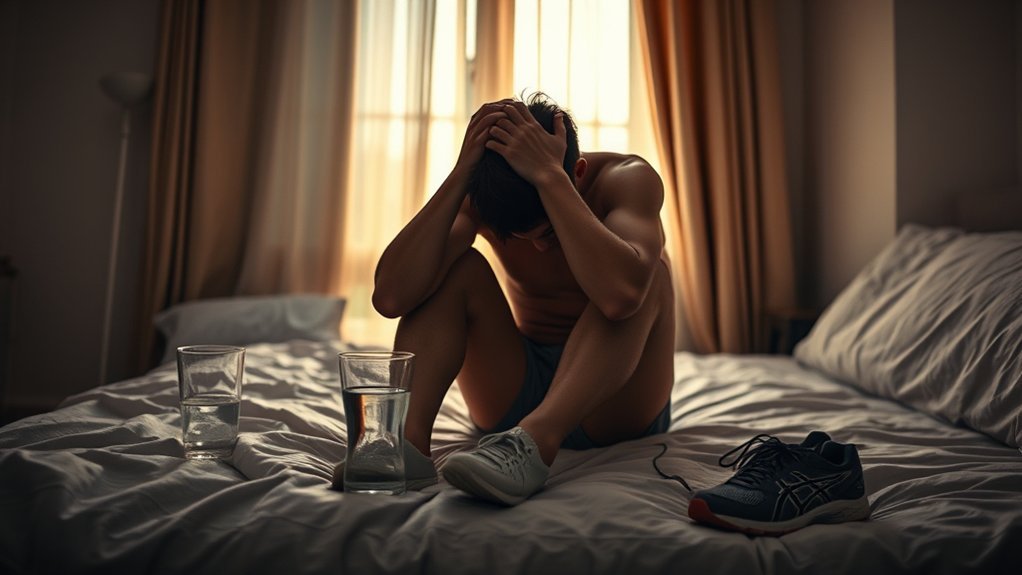
Feeling tired once in a while is normal. Feeling tired most days is different. Ongoing fatigue can come from poor sleep, stress, low activity, skipped meals, dehydration, nutrient gaps, medication effects, or a health condition that needs care. The key is to look for patterns, improve the basics, and get checked when tiredness is severe, sudden, unexplained, or getting in the way of daily life.
Quick Answer
You may be always tired because you are not getting enough quality sleep, your stress load is too high, your diet or hydration is uneven, you are not moving enough, or an underlying issue such as anemia, thyroid disease, sleep apnea, depression, infection, or medication side effects is draining your energy.
Key Takeaways
- Fatigue is not always the same as sleepiness. It can feel like low energy, weak motivation, brain fog, or poor stamina.
- Poor sleep quality, insomnia, sleep apnea, stress, irregular meals, dehydration, and low activity are common causes.
- Nutrient problems such as low vitamin B12, low vitamin D, or iron deficiency can contribute to tiredness in some people.
- Medical causes can include anemia, thyroid disease, diabetes, infections, heart or lung disease, autoimmune disease, depression, anxiety, and medication side effects.
- Seek care promptly if fatigue is sudden, severe, unexplained, or comes with chest pain, trouble breathing, fainting, confusion, unexplained weight loss, fever, or thoughts of self-harm.
Note: This article is for general education only. It cannot diagnose the cause of fatigue. If your tiredness is new, severe, persistent, or worrying, speak with a licensed healthcare professional.
What Makes You Feel Tired Every Day?
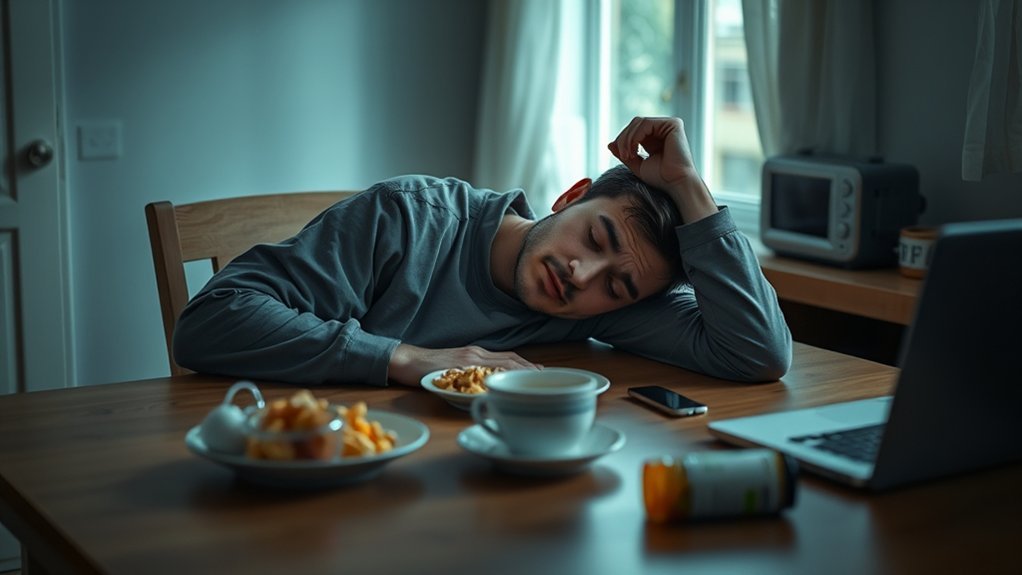
Daily fatigue usually has one or more causes. You may not be sleeping enough, or you may be sleeping for many hours without getting deep, refreshing rest. You may also be under constant stress, eating in a way that causes energy swings, sitting too much, or dealing with a health issue that has not been found yet.
It helps to separate a few different feelings:
- Sleepiness means you feel like you could fall asleep.
- Fatigue means you feel worn out, low on energy, or unable to keep going.
- Weakness means your muscles do not feel as strong as usual.
- Shortness of breath means breathing feels hard or unusual, especially with activity.
These symptoms can overlap, but they point to different causes. For example, feeling sleepy after a full night may suggest poor sleep quality or a sleep disorder. Feeling weak, dizzy, or short of breath may point more toward anemia, heart or lung problems, thyroid disease, or another medical issue. MedlinePlus lists fatigue as a symptom that can come from many causes, including sleep disorders, anemia, depression, thyroid problems, infections, heart failure, autoimmune disease, kidney disease, liver disease, malnutrition, and some medicines.
Common Lifestyle Causes of Fatigue
Lifestyle causes are common, but that does not mean fatigue is “all in your head.” Sleep, stress, food, hydration, and movement affect how your body makes and uses energy. Small changes in these areas can help, especially when symptoms are mild and no red flags are present.
Poor Sleep Habits
Poor sleep habits are one of the most common reasons you feel tired. Adults usually need at least 7 hours of sleep, and older adults often need 7 to 8 or 7 to 9 hours depending on age. Sleep quality also matters. According to the CDC sleep guidance, signs of poor sleep quality include trouble falling asleep, waking often, and feeling tired even after enough sleep.
Common sleep habit problems include:
- Going to bed and waking up at different times every day
- Using bright screens close to bedtime
- Drinking caffeine in the afternoon or evening
- Using alcohol to relax, which can disrupt sleep later in the night
- Taking long or late naps that reduce your nighttime sleep drive
- Eating large meals close to bedtime
A consistent bedtime and wake time, a cool and dark room, and a calmer last hour before bed can improve sleep quality over time.
Stress and Burnout
Stress can drain energy even when you sleep enough. When your mind stays on alert all day, your body may feel tense, restless, and tired. Burnout can build when work, caregiving, school, money pressure, or family demands leave little time for recovery.
Stress-related fatigue often comes with irritability, poor focus, headaches, muscle tension, shallow sleep, or a feeling that even small tasks take too much effort. Boundaries, short breaks, time outdoors, social support, and relaxation practices can help. If stress is linked with panic, depression, grief, trauma, or thoughts of self-harm, professional support matters.
Diet and Activity
Food and activity both affect energy. Skipping meals, eating very little, eating mostly refined carbohydrates, or going long stretches without water can leave you feeling flat or shaky. A high-sugar or high-refined-carb meal may also cause an energy dip in some people, especially if it lacks protein, fiber, and healthy fat.
Low activity can also make fatigue worse. It may feel strange, but too much sitting can reduce stamina and make normal tasks feel harder. The CDC recommends that adults aim for at least 150 minutes of moderate-intensity activity each week plus 2 days of muscle-strengthening activity. If you are very tired or out of shape, start smaller, such as a 5 to 10 minute walk, and build slowly.
Pro Tip: If exercise makes you feel much worse for a day or more, do not push through it. Track the reaction and discuss it with a clinician, especially if you also have unrefreshing sleep, dizziness when standing, or brain fog.
Why Your Diet May Be Causing Fatigue
Your diet may be part of the reason you feel tired if your meals are irregular, low in key nutrients, low in protein, low in calories, or not paired with enough fluids. Diet is not the only cause of fatigue, but it is one of the first areas to review because it is often fixable.
Blood Sugar Dips
Blood sugar swings can make energy feel uneven. You may notice this after a sweet drink, a large refined-carb lunch, or a day when you skip breakfast and then eat a heavy meal. You do not need a perfect diet, but your meals should give your body steady fuel.
For steadier energy, try to include:
- Complex carbohydrates, such as oats, potatoes, beans, fruit, or whole grains
- Protein, such as eggs, yogurt, fish, poultry, tofu, lentils, or beans
- Healthy fats, such as nuts, seeds, avocado, or olive oil
- Fiber from vegetables, fruit, legumes, and whole grains
- Water throughout the day, especially in hot weather or after exercise
Key Nutrient Gaps
Some nutrient gaps can contribute to tiredness. Vitamin B12 helps keep blood and nerve cells healthy and helps prevent megaloblastic anemia, a condition that can make people tired and weak, according to the NIH Office of Dietary Supplements. B12 is found mostly in animal foods and fortified foods, so people who eat little or no animal products, older adults, and people with absorption problems may be at higher risk.
Vitamin D is also important for muscle and bone health. The NIH Office of Dietary Supplements notes that vitamin D deficiency can cause bone pain and muscle weakness. Low iron, low folate, poor overall intake, and dehydration can also affect energy. Do not start high-dose supplements just because you feel tired. Testing helps show what you actually need.
Sleep Problems That Cause Fatigue
Sleep problems can cause fatigue even when you spend enough time in bed. The issue may be sleep quality, breathing, restless legs, pain, stress, or a sleep schedule that does not match your body clock.
Sleep apnea is one important example. The National Heart, Lung, and Blood Institute lists symptoms such as breathing that starts and stops during sleep, loud snoring, gasping for air, daytime sleepiness, tiredness, fatigue, headaches, insomnia, and waking often at night to urinate.
| Sleep problem | How it can make you tired | Signs to notice |
|---|---|---|
| Sleep apnea | Interrupts breathing and sleep quality | Snoring, gasping, morning headaches, daytime sleepiness |
| Insomnia | Reduces total sleep or fragments sleep | Trouble falling asleep, waking often, early waking |
| Restless legs syndrome | Makes it hard to settle and stay asleep | Leg discomfort, urge to move legs, worse at night |
| Circadian rhythm mismatch | Sleep happens at the wrong time for your body clock | Shift work, jet lag, very late bedtime, hard mornings |
| Pain, anxiety, or stress arousal | Keeps your nervous system alert at night | Light sleep, tension, racing thoughts, waking tense |
If you suspect a sleep disorder, track bedtime, wake time, naps, caffeine, alcohol, snoring, nighttime waking, and how you feel in the morning. A clinician may recommend a sleep study if symptoms suggest sleep apnea.
Health Conditions That Cause Constant Tiredness
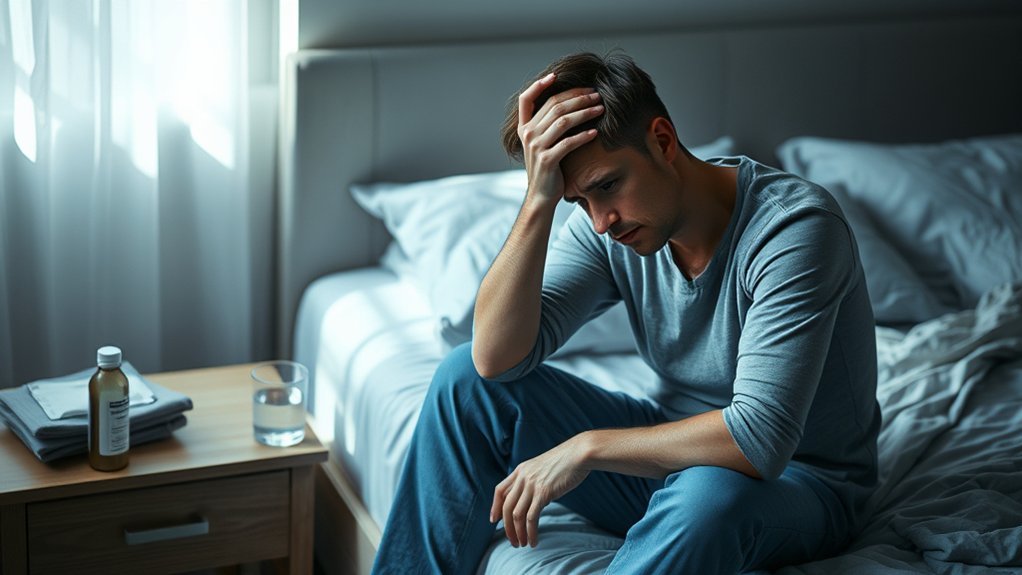
When fatigue is constant, worsening, or not explained by sleep and lifestyle, a health condition may be involved. Common possibilities include:
- Anemia or iron deficiency: These can reduce oxygen delivery and cause tiredness, weakness, dizziness, headaches, or shortness of breath.
- Thyroid disease: An underactive thyroid can slow body functions and cause fatigue, cold intolerance, dry skin, constipation, weight gain, and low mood.
- Diabetes or blood sugar problems: Energy can drop when blood sugar is too high, too low, or swinging sharply.
- Infections: Viral illness, mononucleosis, COVID-19, tuberculosis, hepatitis, HIV, and other infections can cause fatigue during or after illness.
- Heart or lung disease: Fatigue with shortness of breath, chest discomfort, swelling, or reduced exercise tolerance needs medical review.
- Autoimmune or inflammatory disease: Lupus, rheumatoid arthritis, inflammatory bowel disease, and similar conditions can cause fatigue with pain, swelling, fever, or flares.
- Depression, anxiety, grief, or chronic stress: Mental health conditions can affect sleep, appetite, focus, motivation, and physical energy.
- ME/CFS: Myalgic encephalomyelitis/chronic fatigue syndrome involves major activity limitation, fatigue for at least six months, unrefreshing sleep, and often post-exertional malaise, meaning symptoms worsen after physical or mental effort.
Fatigue that does not improve with enough sleep, balanced nutrition, hydration, and lower stress deserves medical review, especially if it is new, severe, or affecting daily life.
Medications, Alcohol, and Caffeine Can Also Cause Fatigue
Some medicines and substances can make you tired or worsen sleep. These may include allergy medicines, some blood pressure medicines, sleep aids, some antidepressants, sedatives, muscle relaxers, pain medicines, alcohol, nicotine, and recreational drugs. Caffeine can help alertness for a short time, but too much caffeine or late-day caffeine can make sleep worse and create a cycle of tired mornings.
Do not stop a prescribed medicine on your own. If fatigue started after a new medicine, a dose change, or a new supplement, ask your clinician or pharmacist whether it could be related.
When Fatigue Needs Medical Care
You do not need to panic over every tired day. But you should not ignore fatigue that is sudden, severe, unexplained, or limiting your normal life.
Warning: Seek urgent medical help if fatigue comes with chest pain, severe shortness of breath, fainting, confusion, sudden weakness on one side, blue lips, severe dehydration, thoughts of self-harm, or a rapid decline in your ability to function.
Book a medical appointment if you have:
- Fatigue that lasts more than a few weeks without a clear reason
- Unexplained weight loss, fever, night sweats, or swollen lymph nodes
- Repeated nighttime waking or suspected sleep apnea
- Constipation, dry skin, weight gain, or cold intolerance
- Persistent low mood, anxiety, grief, or loss of interest
- New headaches, dizziness, weakness, or frequent infections
- Fatigue after starting or changing a medicine
- Fatigue that keeps you from work, school, caregiving, exercise, or normal daily tasks
What a Clinician May Check
A healthcare professional will usually ask about your sleep, work schedule, stress, mood, diet, activity, medicines, alcohol or drug use, menstrual history when relevant, recent illness, weight changes, pain, and other symptoms. They may also examine your heart, lungs, thyroid, abdomen, lymph nodes, nervous system, and general strength.
Depending on your symptoms, testing may include:
- Complete blood count to check for anemia or infection clues
- Iron, ferritin, vitamin B12, folate, or vitamin D testing when risk factors are present
- Thyroid function tests
- Blood sugar or A1C testing for diabetes
- Kidney and liver function tests
- Inflammation markers or autoimmune testing when symptoms suggest it
- Pregnancy testing when relevant
- Sleep study if sleep apnea or another sleep disorder is possible
- Mental health screening for depression, anxiety, trauma, or burnout
The goal is not to order every test for every person. The goal is to match testing to your symptoms and risks.
How to Reduce Fatigue With Daily Habits
Daily habits can reduce fatigue when the cause is related to sleep, stress, food, hydration, or low activity. Start with small changes you can repeat.
- Keep a steady sleep schedule: Go to bed and wake up at similar times each day.
- Get morning light: Natural light early in the day helps set your body clock.
- Move gently most days: Try walking, stretching, cycling, swimming, or light strength work.
- Eat regular meals: Pair carbs with protein, fat, and fiber to reduce energy dips.
- Drink water: Increase fluids if your urine is dark, you sweat heavily, or the weather is hot.
- Limit late caffeine: Many people sleep better when they avoid caffeine after lunch or mid-afternoon.
- Reduce alcohol near bedtime: Alcohol can make you sleepy at first but disrupt sleep later.
- Build recovery time: Add short breaks, quiet time, or simple relaxation before your energy fully crashes.
[Products Worth Considering]

Dr. Scholl’s self-heating foot mask warms gently to relax and soothe tired, achy feet for immediate relief. The booties infuse Epsom salt and menthol for deep comfort, while shea butter and essential oils help moisturize and revitalize your skin. Designed for easy, mess-free use, it’s a convenient self-care step after a long day.

Gently exfoliate and lift away dead skin with jojoba beads while hyaluronic acid and caffeine help moisturize and revive tired-looking skin. This fragrance-free scrub is designed for normal to dry skin types and supports a healthy skin barrier for a refreshed, smoother feel.

TheraTears Dry & Tired preservative-free eye drops provide all-day soothing comfort for dry, tired eyes. The formula contains twice the hydrating ingredient found in the original TheraTears blend, helping relieve discomfort from eye strain and screen fatigue. Convenient single-use vials make it ideal for sensitive eyes and daily eye care.
Better Sleep Habits to Beat Fatigue

Better sleep habits can improve daytime energy by making sleep more consistent and refreshing. Focus on the basics first:
- Set a regular wake time, even on weekends.
- Keep your bedroom cool, dark, and quiet.
- Turn off bright screens at least 30 minutes before bed.
- Avoid large meals, alcohol, and heavy snacks close to bedtime.
- Avoid caffeine in the afternoon or evening.
- Use a calming routine, such as reading, breathing exercises, light stretching, or a warm shower.
- If you cannot sleep, get out of bed briefly and do something quiet until you feel sleepy again.
If sleep still feels unrefreshing, ask whether snoring, gasping, restless legs, pain, anxiety, or medication effects could be interrupting sleep.
[Products Worth Considering]

Mighty Patch for Tired Eyes helps visibly awaken and de-puff under eyes with soothing hydrogel comfort. Infused with niacinamide, tri-hyaluronic acid, panthenol, and allantoin, the patches cool the eye area and refresh the look of tired eyes. Contoured to fit and designed not to slip, they’re worn for 30+ minutes or until clear for a quick morning pick-me-up.

NOVEHA self-heating steam eye masks deliver gentle, soothing warmth without needing a microwave—just open and wear for convenient hot compress comfort. The air-activated, unscented design helps relax tired eyes from screen time, reading, travel, and nighttime routines. Crafted with skin-friendly, lint-free non-woven cotton fabric, these disposable warm masks provide a calming, spa-like experience wherever you go.

This IOPE Expert PDRN Caffeine Shot Serum delivers an energizing “espresso shot” to visibly depuff, smooth, and rejuvenate tired-looking skin. Powered by BIO-PDRN and caffeine, it helps support the moisture barrier while reducing the appearance of puffiness and rough texture. The fast-absorbing formula hydrates for a refreshed, balanced glow without heavy or sticky residue.
How to Track Your Fatigue for Answers
A simple fatigue log can help you see patterns and give your clinician better information. Track for 1 to 2 weeks if symptoms are not urgent.
- Bedtime, wake time, naps, and sleep quality
- Caffeine, alcohol, water intake, and meal timing
- Exercise, screen time, and stress level
- Fatigue rating from 1 to 10
- Other symptoms, such as fever, pain, dizziness, shortness of breath, headaches, low mood, or brain fog
- What makes fatigue better or worse
- Any new medicines, supplements, illnesses, or major life changes
Bring this log to your appointment. It can help your clinician decide whether the next step should be sleep support, lab testing, medication review, mental health support, or another evaluation.
[Products Worth Considering]

Fran Wilson Nourish My Eyes eye pads are a convenient at-home spa treatment designed to soothe tired eyes, reduce puffiness, and help diminish the look of dark circles. Infused with a cucumber, green tea, and mulberry extract blend, they provide targeted hydration and a cooling, refreshing under-eye experience. Simply apply for 5–15 minutes to help restore a more bright, refreshed appearance.

Enjoy intense cooling relief for tired feet with a Peppermint and Eucalyptus blend that refreshes hot, fatigued soles. The foot cream deeply hydrates to help relieve dry, cracked, and uncomfortable feet, supported by ceramides for nourishing moisture. Its non-greasy formula helps leave feet feeling comfortable without heaviness.

This humorous badge reel features the message “I’m Tired of This Grandpa! Well too DANG Bad” to add personality to your daily work. It includes an acrylic badge reel with sturdy alligator clip and a retractable cord that extends up to 24 inches for easy scanning and swiping. It also works as a fashion accessory, clipping onto belts, pockets, bags, or backpacks—ideal for nurses and other medical staff.
How to Know When Fatigue Is Serious
Fatigue is more serious when it is sudden, extreme, unexplained, or paired with other symptoms. It is also more concerning if it is getting worse, causing falls, limiting basic tasks, or not improving after sleep and basic self-care.
Take fatigue seriously if you notice:
- Chest pain, pressure, or pain spreading to the arm, jaw, back, or shoulder
- Shortness of breath at rest or with mild activity
- Fainting, confusion, severe dizziness, or new neurological symptoms
- Unexplained weight loss, fever, night sweats, or swollen glands
- Blood in stool or urine, heavy bleeding, or black stools
- New severe headaches or vision changes
- Persistent low mood, hopelessness, or thoughts of self-harm
- Fatigue that prevents normal daily responsibilities
If your symptoms feel urgent or unsafe, seek urgent care rather than waiting for a routine appointment.
Frequently Asked Questions
Why am I always tired and have no energy?
You may be tired because of poor sleep quality, stress, burnout, irregular meals, dehydration, low activity, nutrient gaps, depression, anxiety, medication effects, or a medical condition such as anemia, thyroid disease, diabetes, infection, sleep apnea, heart or lung disease, or autoimmune disease. If it persists or affects daily life, get checked.
Why do I feel so tired even though I sleep a lot?
Sleeping a lot does not always mean you are sleeping well. Sleep apnea, insomnia, restless legs, pain, alcohol, stress, depression, certain medicines, and irregular sleep timing can keep sleep from being refreshing. If you wake tired after enough hours in bed, track your sleep and ask a clinician about sleep quality.
What are three warning signs of fatigue?
Three warning signs are fatigue that is sudden or severe, fatigue that does not improve with rest and basic self-care, and fatigue that comes with symptoms such as shortness of breath, chest pain, fever, unexplained weight loss, fainting, confusion, or major weakness. These signs deserve medical attention.
What are the red flags for fatigue?
Red flags include chest pain, severe shortness of breath, fainting, confusion, sudden weakness, thoughts of self-harm, unexplained weight loss, fever, night sweats, swollen glands, black stools, heavy bleeding, or fatigue that rapidly worsens. Seek urgent care if symptoms feel severe or unsafe.
Can dehydration or diet make me tired?
Yes. Dehydration, skipped meals, very low calorie intake, low protein intake, heavy refined-carb meals, and nutrient gaps can all affect energy. Try regular balanced meals, enough fluids, and steady snacks if needed. If fatigue continues, ask about testing for anemia, iron, B12, vitamin D, thyroid, and blood sugar issues.
What blood tests might a doctor order for fatigue?
A clinician may consider a complete blood count, thyroid tests, blood sugar or A1C, kidney and liver function tests, iron or ferritin, vitamin B12, folate, vitamin D, inflammation markers, or infection-related tests. The right tests depend on your symptoms, exam, age, medicines, and health history.
Conclusion
If you are always tired, your body may be asking for better sleep, steadier meals, more recovery, more movement, or medical attention. Start with the basics, but do not blame yourself or wait too long if fatigue is new, severe, unexplained, or disrupting your life. Track your symptoms, look for red flags, and get help when needed so you can find the real cause and rebuild your energy safely.
Sources
- MedlinePlus Medical Encyclopedia: Fatigue — supports common causes of fatigue, home care steps, when to contact a medical professional, and possible evaluation tests.
- CDC: About Sleep — supports adult sleep duration, sleep quality signs, and sleep hygiene recommendations.
- NHLBI: Sleep Apnea Symptoms — supports sleep apnea symptoms such as breathing pauses, daytime sleepiness, fatigue, and insomnia.
- CDC: Adult Physical Activity Guidelines — supports weekly activity recommendations for adults.
- NIH Office of Dietary Supplements: Vitamin B12 — supports B12’s role in blood and nerve health and B12 deficiency-related tiredness and weakness.
- NIH Office of Dietary Supplements: Vitamin D — supports vitamin D’s role in muscle and bone health and deficiency-related muscle weakness.