
How Long Can You Drive on a Bald Tire? Expert Safety Guide
You should not drive on a bald tire any longer than it takes to get safely off the road or reach a nearby tire shop. Once tread reaches 2/32 inch, the tire is at the replacement point. In rain, even that legal minimum can leave you with weak grip, longer stops, and a much higher chance of hydroplaning.
If you see wear bars, exposed cords, cracks, bulges, a vibration, or steady air loss, do not keep driving. Use a spare, call roadside help, or have the vehicle towed. Tire rotation and proper inflation can slow wear, but they cannot make a bald tire safe again.
Quick Answer
Do not drive on a bald tire except for the shortest safe trip needed to park, reach a nearby tire shop, or get out of traffic. Replace it immediately at 2/32 inch tread depth, when wear bars are flush, or sooner if you drive in rain, snow, or highway traffic.
Key Takeaways
- A tire at 2/32 inch tread depth is at the replacement point and should not stay in service.
- For wet roads, consider replacing tires around 4/32 inch because stopping distance and hydroplaning resistance drop as tread wears.
- Do not drive on a tire with exposed cords, bulges, cracks, sidewall damage, major uneven wear, or a blowout.
- Check tread depth, air pressure, sidewalls, and tire age at least monthly.
- Rotation, balancing, alignment, and correct pressure help tires last longer, but they cannot fix bald tread.
Warning: If a tire is flat, blown, showing cords, bulging, cracked deeply, or losing air quickly, do not drive it to “test” whether it will hold. Pull over safely and use a spare, repair kit, roadside assistance, or towing.
How Long Can You Drive on Bald Tires?
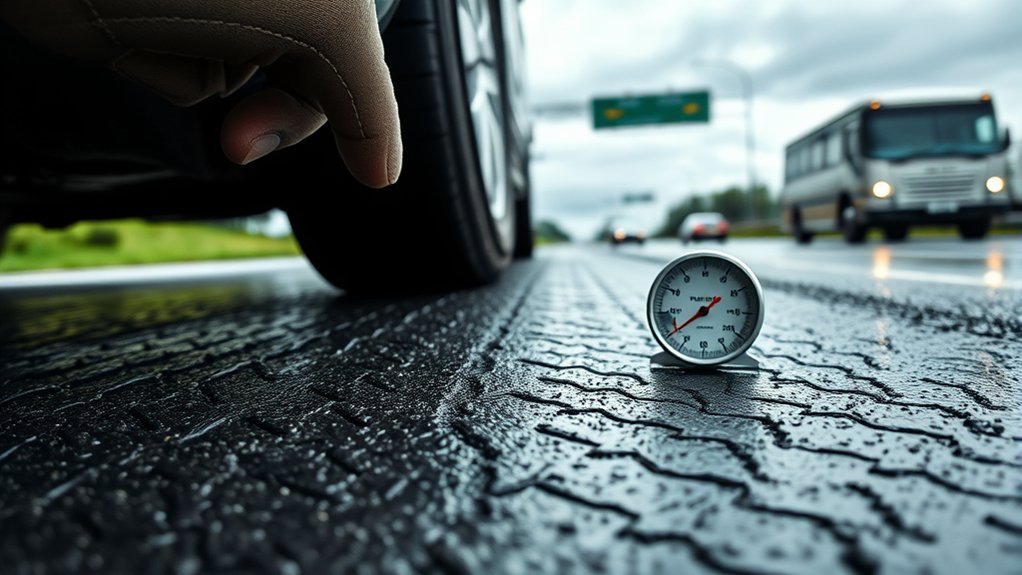
You should drive on bald tires only as long as necessary to get to a safe stop or nearby repair option. If tread depth is at 2/32 inch, the tire is worn out for normal road use. If it is below that point, the risk is even higher.
The safer answer is not a number of miles. It depends on tread depth, road condition, speed, weather, tire age, air pressure, and visible damage. A short, slow drive on dry neighborhood streets is very different from driving on a highway in rain. If you have any doubt, avoid the trip and arrange help.
At a Glance
| Time Required | 5 to 10 minutes to check all four tires |
| Difficulty | Easy |
| Tools Needed | Tread-depth gauge, penny, quarter, tire-pressure gauge, flashlight |
| Cost | Usually under $15 for gauges; replacement cost depends on tire size and vehicle |
[Products Worth Considering]

This tire repair kit provides fast emergency puncture repair without removing the tire from the rim, helping you get back on the road quickly. Its screw plug system is designed for punctures in both tread and sidewall and includes a complete patch plug tool set with essential accessories. A portable storage bag makes it easy to carry for cars, trucks, SUVs, motorcycles, and heavy-duty applications.

This tire repair patch tool kit helps you quickly seal small punctures using upgraded mushroom plugs and a built-in roller system that presses for even penetration. The tungsten buffing wheel and HSS twist drill bits prepare the damaged surface for stronger adhesion, while the crown-angle friendly plugs are designed to keep water and debris out. Ideal for puncture repairs on many vehicle types, from cars and trucks to bikes and scooters.

EVOULTES heavy duty tire inflator with an integrated gauge delivers accurate pressure readings from 10–120 PSI, helping you inflate, deflate, and check tires in one tool. The 16.5-inch extended dual-head air chuck with swivel base reaches hard-to-access dual wheel valves on trucks and RVs. A brass trigger core and side-mounted air release valve make operation smooth, with standard 1/4" NPT threading and quick-connect compatibility for easy setup.
What Counts as a Bald or Unsafe Tire?
A tire is usually considered bald or worn out when the tread is at 2/32 inch or less. You may also hear this called 1/16 inch, which is the same measurement. At that point, the tire has reached the common replacement threshold.
But tread depth is not the only danger sign. A tire can be unsafe before it reaches 2/32 inch if it has damage or age-related weakness.
- Wear bars are flush with the tread surface.
- Lincoln’s head is fully visible during the penny test.
- Cords or steel belts are showing anywhere on the tread.
- Bulges, bubbles, or deep cracks appear on the tread or sidewall.
- One edge is much smoother than the rest of the tire.
- The tire keeps losing pressure or causes vibration while driving.
- The tire is old, even if it still has some tread left.
How to Check Your Tires Before Driving
Check all four tires, not just the worst-looking one. Tires can wear unevenly, especially if your alignment, pressure, suspension, or rotation schedule is off.
- Use a tread-depth gauge. Measure the center, inner, and outer grooves. Replace at 2/32 inch, and consider replacement earlier for rain or snow driving.
- Try the penny test. Place a penny into the tread with Lincoln’s head upside down. If you can see the top of his head, the tire is at the replacement point.
- Use the quarter test for wet-weather caution. If the top of Washington’s head is visible, your tread is around 4/32 inch or less, which is a smart point to start planning replacement if you drive in heavy rain.
- Look for wear bars. These raised bars run across the grooves. If they are even with the tread, replace the tire.
- Inspect the sidewalls. Check for cracks, cuts, bulges, bubbles, nails, screws, or exposed material.
- Check pressure cold. Use the PSI on the driver-door placard or owner’s manual, not the maximum PSI printed on the tire sidewall.
- Check the DOT date code. The last four digits show the week and year the tire was made. For example, 2321 means the 23rd week of 2021.
Pro Tip: Take tread readings in several grooves on each tire. If one side reads much lower than the other, the tire may be telling you there is an alignment, suspension, or inflation problem.
Why Bald Tires Lose Grip So Fast
Bald tires lose grip because there is not enough tread left to move water away or create strong biting edges against the road. On dry pavement, you may not notice the problem right away. On wet, icy, snowy, or dirty pavement, the loss of control can show up quickly.
| Problem | What Happens | Driver Risk |
|---|---|---|
| Minimal tread | Water cannot escape fast enough | More hydroplaning |
| Worn tread edges | Less bite during braking and turning | Longer stops and weaker steering |
| Uneven wear | The contact patch becomes less stable | Pulling, vibration, or loss of control |
| Old or cracked rubber | The tire becomes weaker over time | Higher failure risk |
How Bald Tires Affect Braking Distance
Bald tires reduce braking grip, so your vehicle needs more distance to stop. The risk is highest when the road is wet, because shallow tread cannot move water out from under the tire fast enough.
In a Tire Rack wet-braking test from 70 mph, a BMW stopped in 195.2 feet on new tires, but the same car needed 378.8 feet on tires worn to 2/32 inch. A Ford F-150 in the same test needed 255.9 feet on new tires and 499.5 feet on 2/32-inch tires. Those are test-specific results, but they show why the legal minimum is not always a comfortable safety margin in rain.
At 2/32 inch, a tire may still meet the common minimum tread threshold, but wet-road stopping distance and hydroplaning resistance can already be seriously reduced.
Reduced Braking Grip
Your brakes can only work as well as your tires allow. ABS can help prevent wheel lockup, but it cannot create tread depth. If the tire cannot grip the road, the vehicle still needs more space to stop.
- Less tread means less ability to clear water.
- Wet pavement makes worn tires more dangerous.
- Emergency stops become less predictable.
- Heavy vehicles may need even more distance.
Longer Stopping Distance
Longer stopping distance matters most when you do not have time to plan. A child steps out, traffic stops suddenly, or rain hides standing water. With bald tires, you have fewer options and less room for error.
If your tires are close to 2/32 inch, replace them before bad weather forces you to find out how little grip is left.
Why Bald Tires Hydroplane in Rain
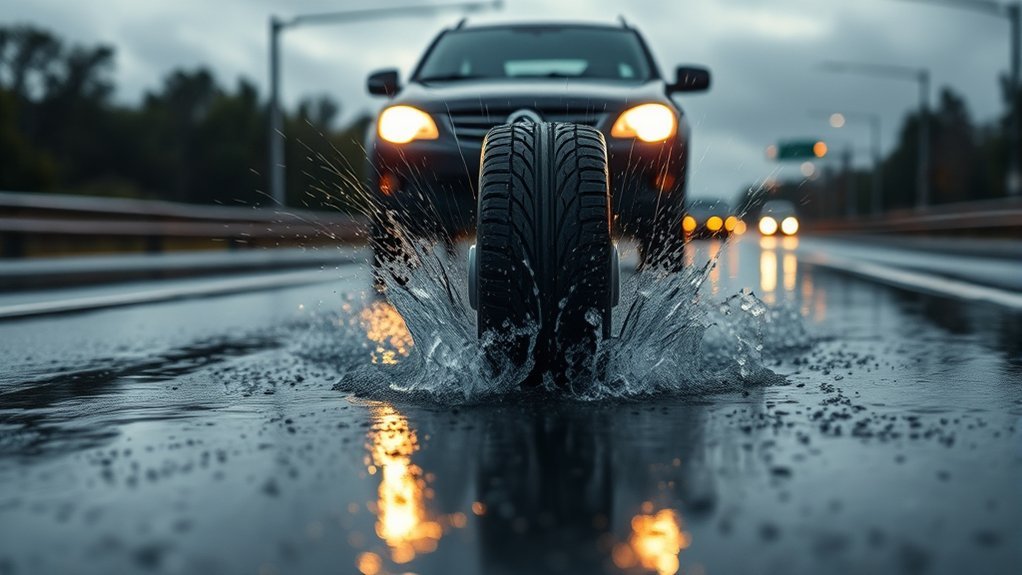
Tread grooves give water a path out from under the tire. When tread gets too shallow, water can build between the rubber and the road. The tire then rides on water instead of pavement, and steering or braking may stop responding normally.
Hydroplaning risk rises with speed, water depth, worn tread, wide tires, low pressure, and sudden steering or braking. If your tires are bald, slow down, avoid standing water, increase following distance, and get the tires replaced as soon as possible.
What Causes Bald Tires to Wear Out Early?
Bald tires usually wear out early because something is adding stress to the tread. Sometimes it is the way the vehicle is driven. Other times it is an alignment, pressure, suspension, or maintenance issue.
- Underinflation: The tire flexes too much, builds heat, and wears unevenly.
- Overinflation: The center of the tread may wear faster.
- Poor alignment: One edge may scrub away faster than the rest.
- Skipped rotation: One axle or corner may wear faster.
- Overloading: Extra weight raises heat and stress.
- Hard braking or fast cornering: Aggressive driving can shorten tread life.
- Worn suspension parts: Bad shocks, struts, or bushings can cause cupping or patchy wear.
- Road hazards: Potholes, debris, and rough roads can damage tread and sidewalls.
Proper pressure, rotation, balancing, and alignment help your tires wear evenly and last longer. NHTSA notes that proper inflation can extend the average life of a tire by about 4,700 miles.
Can Tire Rotation Buy You More Time?
Yes, tire rotation can buy you time if the tires still have safe tread. It helps spread wear across all four tires, which can reduce uneven wear and make tread life more consistent.
However, rotation is not a rescue plan for bald tires. If a tire is already at 2/32 inch, showing cords, bulging, cracking, or losing air, rotating it to another corner does not make it safe.
[Products Worth Considering]

This VEVOR tire bead breaker uses a slide-hammer impact and wedge tip to separate tire beads from rims quickly and efficiently without damaging hub surfaces. The long handle and sturdy steel construction help reduce user strain while providing reliable, portable tire changing for cars, trucks, and more. Ideal for home mechanics and repair shops handling multiple vehicle tire sizes.

This portable cordless tire inflator delivers up to 160 PSI with fast 17 L/min airflow to help you quickly top up tires and get back on the road. It features dual power mode, running on a 21V rechargeable battery or a 12V DC adapter for convenient roadside use. An automatic shut-off with digital pressure gauge helps prevent overinflation, and a built-in LED light improves visibility in low-light conditions.
Rotation Slows Wear
Many vehicles benefit from rotation every 5,000 to 8,000 miles, or sooner if uneven wear appears. Always check your owner’s manual because some vehicles have staggered tire sizes or directional tires that limit rotation options.
- Front tires often wear faster because they steer and handle much of the braking load.
- Rotation can make tread wear more even.
- Even tread helps traction feel more consistent.
- Rotation also gives a shop a chance to spot damage early.
Short-Term Life Extension
If your tires still have usable tread, rotation may help you get more safe miles from the set. Pair it with correct pressure, balancing, and alignment. But once any tire reaches the replacement point, plan for new tires instead of trying to stretch it farther.
When Should You Replace Bald Tires?
Replace bald tires immediately when tread reaches 2/32 inch or when the wear bars are flush with the tread. Replace sooner if you often drive in heavy rain, snow, or highway traffic.
Use these practical replacement points:
- 2/32 inch: Replace now. This is the common minimum tread threshold.
- 4/32 inch: Start planning replacement if you drive in rain or at highway speeds.
- 5/32 inch: Consider replacement for winter or snow-prone driving, especially if traction feels weak.
- Any tread depth: Replace if you see cords, bulges, deep cracks, sidewall damage, or repeated pressure loss.
Also check tire age. Some vehicle and tire manufacturers recommend replacing tires that are six to 10 years old, even if tread remains. Your owner’s manual and tire manufacturer guidance should be the final reference.
Should You Replace One, Two, or All Four Tires?
The safest choice is often to replace a complete set when all four tires are worn. If only one tire is damaged, the right answer depends on tread depth, drivetrain, tire size, and vehicle requirements.
- One tire: This may be acceptable if the other three tires are almost new and the replacement matches size, type, speed rating, and load rating.
- Two tires: If replacing only two, ask the installer where they should go. Many tire makers and shops place the better pair on the rear axle to help reduce oversteer in wet conditions.
- All four tires: This is often best for AWD and 4WD vehicles because large tread-depth differences can stress the drivetrain.
Note: If your vehicle is AWD, check the owner’s manual before replacing only one tire. Some AWD systems require closely matched tread depth on all four tires.
What to Do If You Must Drive a Short Distance
If the tire is simply worn but still holding air and has no cords, bulges, or cracks, a very short trip to a nearby tire shop may be possible. Keep the drive slow and cautious.
- Choose dry roads if possible.
- Avoid highways and high speeds.
- Leave extra following distance.
- Avoid sudden braking, sharp steering, and hard acceleration.
- Do not carry heavy loads.
- Stop if the tire vibrates, loses air, smells hot, or feels unstable.
If the tire is blown, flat, or visibly damaged, do not drive it. Pull over in a safe place and call for help.
Affordable Ways to Replace Bald Tires
Replacing bald tires can be expensive, but delaying replacement can cost more if a tire fails, damages a wheel, or contributes to a crash. Start with safe budget options instead of driving on unsafe tread.
| Option | How It Helps | Safety Check |
|---|---|---|
| Entry-level new tires | Lower price than premium tires | Match size, load rating, and speed rating |
| Rebates and sales | Can reduce set cost | Compare total installed price |
| Financing or payment plans | Spreads out cost | Check fees and interest |
| Used tires | Lowest upfront cost | Reject old, cracked, patched-sidewall, uneven, or damaged tires |
| Local tire shops | May offer lower installed pricing | Ask for mounting, balancing, disposal, and warranty details |
If you buy used tires, inspect them carefully. Avoid tires with sidewall repairs, plugs near the shoulder, exposed cords, weather cracking, bubbles, uneven wear, missing DOT dates, or unknown history. A cheap tire is not a bargain if it fails on the road.
Frequently Asked Questions
How likely are bald tires to pop?
Bald tires are more likely to fail than healthy tires, especially if they are underinflated, overloaded, old, cracked, or driven at highway speeds in hot weather. The risk becomes urgent if you see exposed cords, a bulge, deep cracks, or rapid air loss. Replace the tire instead of trying to stretch more miles out of it.
Can you drive 2 miles on a blown tire?
No. You should not drive 2 miles on a blown tire. A blown tire can destroy the wheel, damage suspension parts, and make the vehicle hard to control. Slow down carefully, pull over when safe, and use a spare, tire repair kit, roadside assistance, or towing.
Is it okay to drive with a bald tire?
No, it is not okay for normal driving. A bald tire has weak wet-road grip, longer stopping distance, and higher failure risk. If you must move the vehicle, drive only the shortest safe distance to park or reach nearby tire service, and avoid rain, highways, and high speeds.
Can I drive if my tire is at 27?
It depends what “27” means. If you mean 27/32 inch tread depth, that is not bald, though most passenger tires start with much less tread than that. If you mean 27 PSI, check your driver-door placard. For many vehicles, 27 PSI may be low. Inflate the tire to the recommended cold pressure before driving far.
Can tire sealant fix a bald tire?
No. Tire sealant may temporarily slow a small puncture in the tread area, depending on the kit and tire damage, but it does not restore tread depth, fix sidewall damage, or make a bald tire safe. A bald tire needs replacement.
Do bald tires matter on dry roads?
Yes. Bald tires are most dangerous in rain, snow, and standing water, but dry roads do not make them safe. Thin tread, exposed cords, heat buildup, age cracks, and uneven wear can still raise the chance of tire failure or poor control.
Should I replace tires before they reach 2/32 inch?
Often, yes. The 2/32-inch mark is the replacement point, not the ideal safety target. If you drive in heavy rain, consider shopping around 4/32 inch. If you drive in snow, you may need even more tread for reliable traction.
Conclusion
You cannot safely drive long on a bald tire. At 2/32 inch tread depth, the tire is at the replacement point. In rain, worn tires can lose grip much earlier than many drivers expect, and stopping distance can grow fast.
Check tread, pressure, sidewalls, and tire age every month. Replace tires immediately if you see wear bars, exposed cords, cracks, bulges, or uneven wear. If the tire is blown or losing air, stop driving and get help. New tires cost money, but they buy back braking, steering, and control when you need them most.
Sources
- NHTSA TireWise — tread depth, penny test, tire pressure, tire rotation, tire aging, TPMS, and blowout safety guidance.
- Tire Rack: What Honest Abe Doesn’t Tell You About Minimum Tread Depths — wet braking test data for new, 4/32-inch, and 2/32-inch tires.
- NHTSA Vehicle Safety Ratings and Recalls — federal vehicle safety resources and tire recall lookup access.
- FMCSA Safety Resources — general U.S. vehicle safety context for tire condition and safe operation.

Related Articles

How to Pass Your Driving Test the First Time
Uncover simple driving test strategies that boost your chances of passing first time, and discover the one mistake most learners overlook.
Read More
How Long Can You Drive a Car Continuously?
Pushing your limits, discover how long you can really drive continuously before fatigue, vehicle stress, and safety risks change the answer.
Read More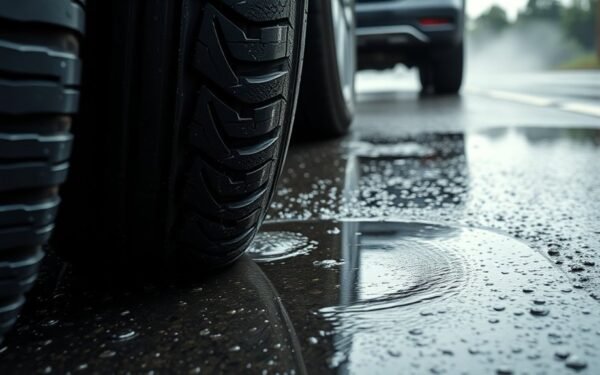
Tire Tread Depth: How It Affects Grip and Safety
Tire tread depth shapes grip, braking, and wet-road safety, but the real warning signs and replacement timing may surprise you.
Read More