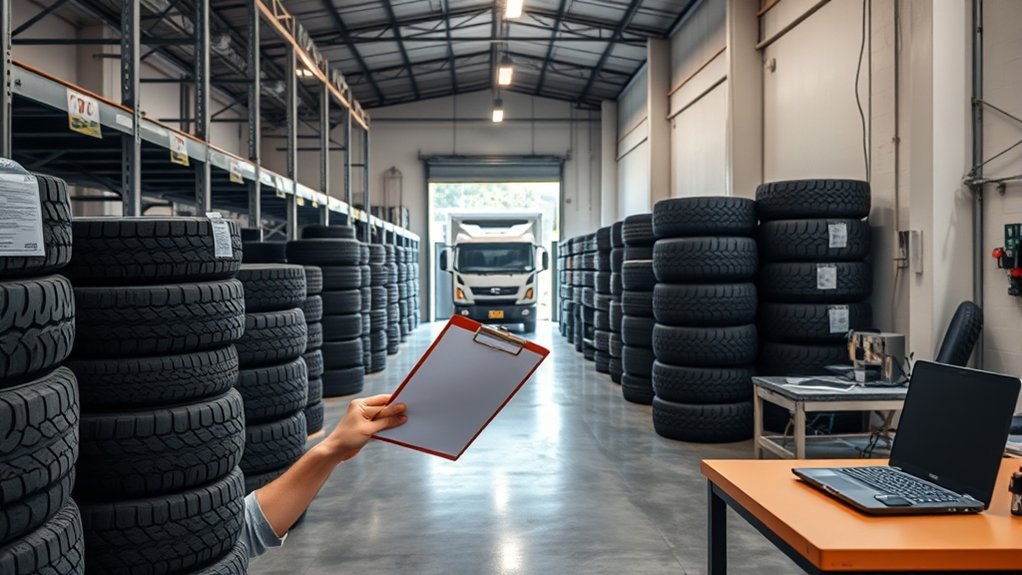
Becoming a tire dealer means more than buying inventory and opening a storefront. You need the right business setup, a legal location, approved tire storage, a waste-tire disposal process, and the license required by your city or state. This guide focuses on Philadelphia, Pennsylvania, because the original requirements here are based on the City of Philadelphia tire dealer license process. If you plan to operate somewhere else, use these steps as a framework and confirm your own local rules before signing a lease or buying inventory.
Quick Answer
To become a tire dealer in Philadelphia, form or register your business, get your Philadelphia tax and Commercial Activity License requirements in order, confirm zoning approval, arrange PA DEP-authorized waste tire hauling, prepare tire storage and fire protection details, submit the tire dealer license application and operation form, pass the operational inspection, and pay the $300 license fee.
Key Takeaways
- Philadelphia requires a tire dealer license for a business that buys or sells new or used tires.
- Confirm zoning before you lease a space, because tire sales and tire storage must be allowed at the location.
- You must list PA DEP-authorized waste tire haulers and maintain records showing how tires are removed.
- Outdoor and high-pile tire storage can trigger site-plan, fire code, and Certificate of Occupancy requirements.
- The Philadelphia tire dealer license fee is $300 per location, with a $300 annual renewal fee.
At a Glance
| Time Required | Plan for several weeks. Philadelphia says the operational inspection is usually scheduled after application intake and typically takes about three weeks. |
| Difficulty | Moderate. The hard parts are zoning, tire storage layout, waste hauling, fire protection, and complete paperwork. |
| Tools Needed | Business registration records, Philadelphia tax and activity license details, zoning approval, tire storage plan, fire protection certifications, PA DEP waste hauler information, and license forms. |
| Cost | Philadelphia tire dealer license: $300 per location. The $20 application fee is credited toward the license fee. Other startup costs vary by lease, equipment, inventory, insurance, and staffing. |
Note: This article is practical business information, not legal, tax, or engineering advice. Tire dealer rules can change, and requirements vary by city and state. Always confirm current requirements with your local licensing office before you operate.
Tire Dealer License Requirements

In Philadelphia, you need a tire dealer license to operate a business that purchases or sells tires, whether the tires are new or used. The license is issued by the City of Philadelphia Department of Licenses and Inspections, and you must get a separate license for each business location where tires are stored or sold.
The core application package includes a tire dealer license application and a tire dealer operation information form. The City requires details such as your business activity, tire storage size and location, existing fire protection systems, and the PA DEP-authorized waste haulers responsible for tire disposal. You should also have your Philadelphia Business Income and Receipts Tax information and Commercial Activity License details aligned with the legal entity that will hold the license.
Before you apply, make sure the business name, trade name, tax account, and Commercial Activity License match. If you use a DBA or fictitious name, it should be properly listed with the business records you use for the license.
Warning: Do not assume a tire shop can operate just because the space was previously used for automotive work. Tire sales, tire storage, fire protection, and waste tire removal have their own requirements. Confirm zoning and storage approval before you sign a lease or move inventory into the building.
Choose Your Business Structure
Choose a structure before you apply for licenses, open supplier accounts, or sign long-term contracts. Common options include a sole proprietorship, partnership, limited liability company, or corporation. Each structure affects taxes, liability, management control, ownership records, and financing.
If you are forming a Pennsylvania LLC or corporation, file with the Pennsylvania Department of State. If you plan to hire employees, open a business bank account, or operate through an entity such as an LLC, partnership, or corporation, you will usually need an Employer Identification Number from the IRS. Apply only through the official IRS website, because EINs are issued directly by the IRS.
For Philadelphia, your tire dealer license should be issued to the same legal entity listed on your Commercial Activity License and Philadelphia tax records. If you are unsure which structure fits your tax and liability needs, speak with a business attorney or accountant before filing.
Build a Basic Tire Dealer Business Plan
A tire dealer license lets you operate legally, but a business plan helps you operate profitably. Before applying, decide what kind of tire dealer you want to run:
- New tire retail sales
- Used tire sales
- Tire installation, balancing, and rotation
- Flat repair and patching
- Fleet or commercial tire accounts
- Wheel, TPMS, and alignment-related services
- Online tire sales with local pickup or installation
Your plan should estimate startup costs, monthly rent, utilities, payroll, insurance, equipment, initial tire inventory, waste-hauling fees, marketing, and working capital. Include the equipment you need, such as tire racks, a tire changer, wheel balancer, air compressor, torque tools, lifts or jacks, safety equipment, and a point-of-sale system that can track invoices and tire records.
Pro Tip: Do your zoning and waste-hauler checks before buying large inventory. Tires take up space quickly, and storage rules can limit how much stock you can keep at the site.
Get the Permits and Approvals You Need
For a Philadelphia tire dealer, the main approvals usually include zoning approval, the tire dealer license application, the tire dealer operation information form, and supporting information about tire storage, fire protection, and waste hauling. Depending on how and where you store tires, you may also need a Certificate of Occupancy.
[Products Worth Considering]

Keep your tires performing with these valve core removal tools designed to quickly disassemble and reinstall standard valve cores. The compact, portable design makes it easy to carry for bicycle, motorcycle, car, or truck repairs. Durable stainless steel construction helps you handle routine tire maintenance with less hassle.

This 20-piece tire changer kit makes motorcycle and bike tire repairs easier with extended 14.5-inch spoons for leverage and access. Built from CrV steel with a corrosion-resistant chrome finish, it helps resist bending while protecting rims and tubes using smooth rounded spoons and included rim protectors. The all-in-one set includes valve removal and accessory tools for faster tire changes across motorcycles, bicycles, ATVs, and lawn equipment.

The Trivd Frol 1/2" air impact wrench delivers high performance torque up to 1500 ft-lbs with a twin hammer impact mechanism for strong, balanced blows. It features an ergonomic grip, compact lightweight design, and quick-stop control with 3 forward speeds up to 8000 RPM plus a reverse speed. Built for demanding automotive repair and tire shop work, the rear exhaust helps keep debris away from the surface.
License Application Requirements
Your application should be complete before submission. At minimum, prepare:
- Applicant, business, owner, and location information
- Philadelphia tax account and Commercial Activity License information
- Business type and description of activity
- Location of tire storage: indoors, outdoors, or both
- Types of tires stored: new, waste, or both
- Whether tire piles exceed six feet
- Fire protection system details, such as sprinklers, alarms, or none
- Current fire protection certifications, if applicable
- PA DEP waste hauler name, address, license details, and PA DEP waste hauler number
- Required zoning and occupancy documentation
Paper forms should not be mailed. Use the current City instructions for eCLIPSE filing or an in-person appointment with the Permit and License Center.
Zoning and Site Approval
Philadelphia requires zoning approval for a business that sells tires as a primary use or for an automotive-related occupancy that sells tires as an incidental use. Check zoning before you commit to a location, because a cheaper lease can become expensive if the use is not allowed.
If outdoor tire storage exceeds six feet in height or is more than a single column or row, Philadelphia requires a site plan. The plan should show pile locations, tire pile dimensions including height, distance between piles, and distance from piles to property and building lines. Indoor storage of tires and tire byproducts above six feet may require a Certificate of Occupancy for high-pile storage.
| Approval | Why it matters |
|---|---|
| Zoning approval | Confirms that tire sales are allowed at the location. |
| Site plan | Shows outdoor tire pile location, dimensions, spacing, and distance from property or building lines. |
| Certificate of Occupancy | May be required for indoor high-pile storage above six feet. |
| Fire protection certification | Documents fire alarm, sprinkler, or other fire protection systems when required. |
Fees and Payment Methods
The Philadelphia tire dealer license fee is $300 per location. A non-refundable $20 application fee is applied toward that total, and the remaining balance is due after approval. The renewal fee is also $300.
Online and in-person payment options can include electronic check, credit card, debit card, check, money order, or cash, depending on where you pay. Credit cards and debit cards can carry surcharges or fixed fees, so check the current City payment page before paying. If you pay by check, make sure the check is valid, signed, current, and tied to the applicant or company listed on the application. A returned check can trigger a fee and may void the application if not resolved.
Meet Zoning and Tire Storage Rules
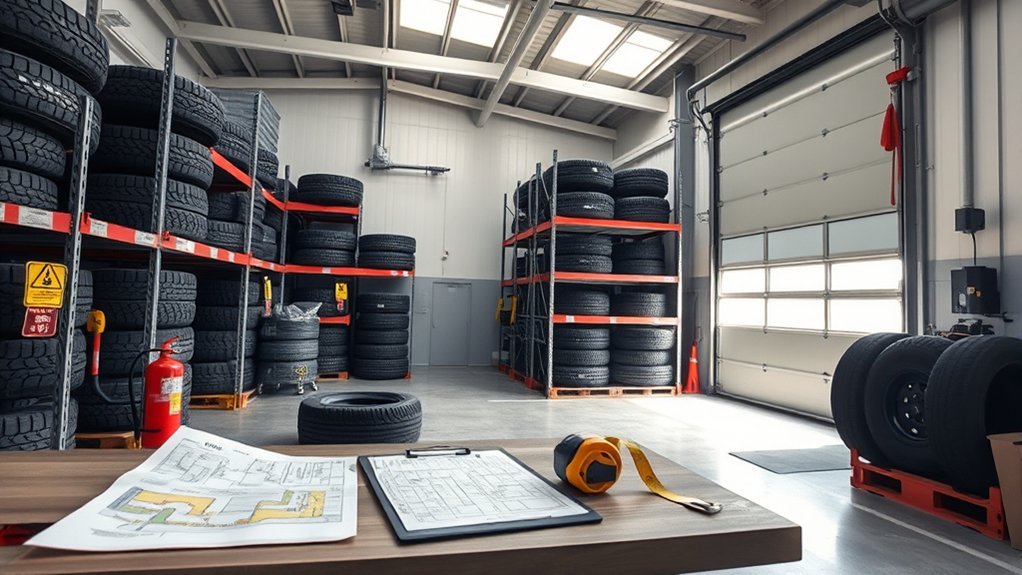
Tire storage is regulated because tires can create fire, health, drainage, and environmental risks when they are stored carelessly. Keep storage areas neat, stable, dry, and accessible. Do not store tires on sidewalks, rights-of-way, or streets. Do not assume outdoor tire display or storage is allowed unless the City has approved it.
Build your storage plan around four questions:
- Where will tires be stored? Indoors, outdoors, or both?
- What type of tires will be stored? New tires, waste tires, or both?
- How high and wide will the piles be? Height and pile dimensions can trigger additional requirements.
- How will the storage area stay safe? Consider access aisles, exits, fire extinguishers, alarms, sprinklers, signage, and drainage.
Do not crowd exits or block access aisles. Philadelphia tire dealer conditions require clear access and orderly storage, and fire protection details must be kept current. If tire buffing or similar work happens in the same facility, additional fire separation and safety rules may apply.
[Products Worth Considering]

This manual duck head tire changer kit makes tire installation and removal simpler by letting you embed the duck head into the tire with applied pressure. The integrated design and durable steel construction help reduce friction and improve efficiency and safety during use. Suitable for 16–21 inch wheels, it’s convenient for cars, trucks, SUVs, and ATV tires, with 24-hour after-sales support.

Monitor tire tread wear with a smart, color-coded depth gauge that shows clear condition ranges at a glance. The bar is range marked for fast, easy readings, helping you maintain safer traction and performance. Each gauge is portable with a pocket clip, and the set includes 20 units for daily use and sharing.
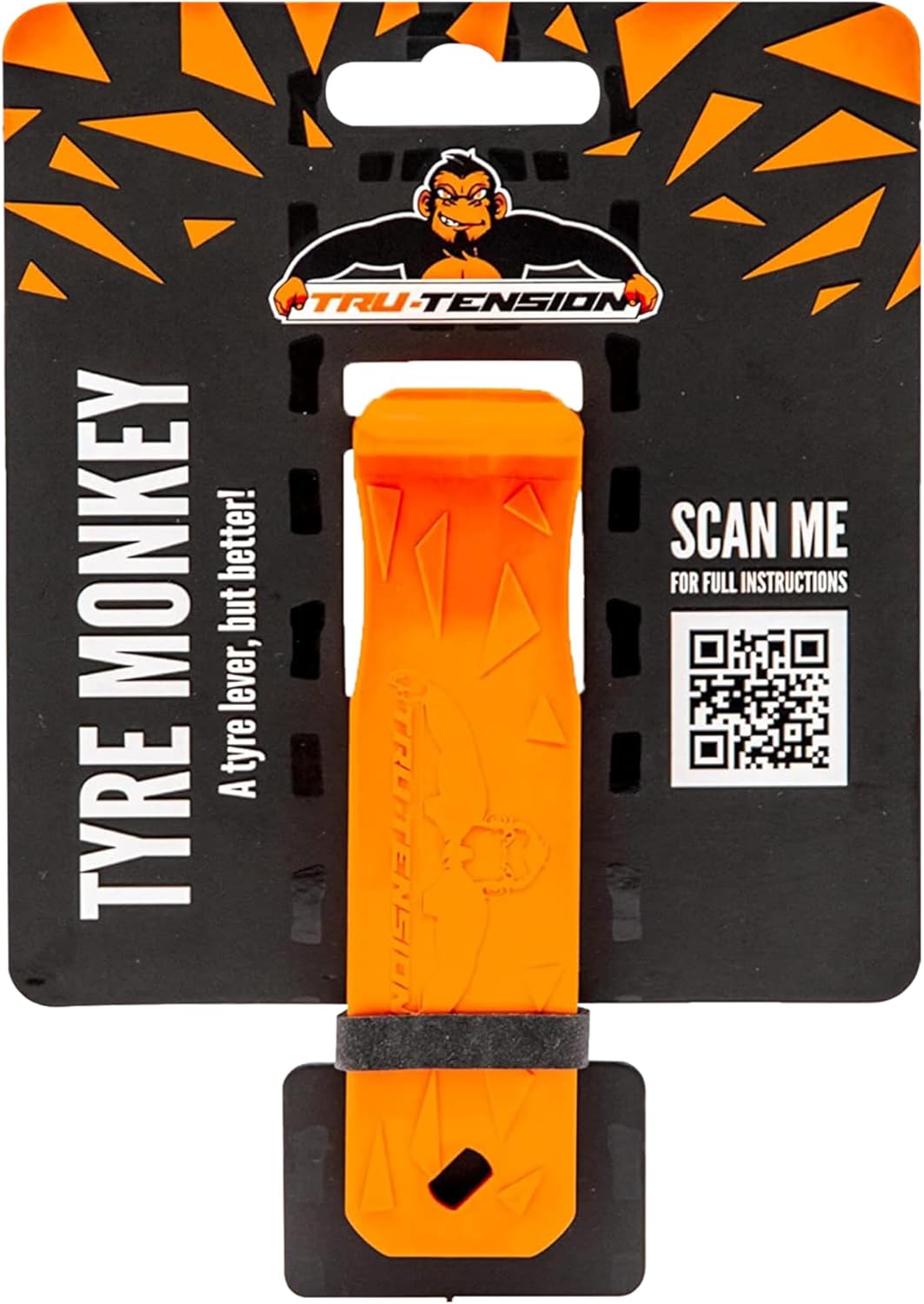
The Tru-Tension Tyre Monkey is a revolutionary bicycle tyre lever that makes removing and fitting tires fast and easy. Its innovative geometry helps keep your hand at a 90-degree angle to the wheel to reduce the risk of hitting spokes, and the design is optimized to use only one tool instead of multiple conventional levers. Compact and durable, it’s built for convenient carry and reliable tire changes on the go.
Set Up Tire Disposal and Waste Haulers
Before opening, arrange legal waste tire removal. In Philadelphia, the license application and operation form require you to list all PA Department of Environmental Protection registered waste haulers contracted for tire removal. The hauler must be authorized to transport waste tires, and you should keep their authorization details on file.
[Products Worth Considering]

Malco tire mounting and demounting lubricant is a ready-to-use tire lube formulated to reduce friction during tire installation for passenger cars, light trucks, farm tires, and heavy-duty equipment. It provides rust-inhibiting protection to help reduce corrosion on rims and wheels, and helps support proper tire bead seating during inflation to reduce air leakage. The silicone-free, soap-free formula is whitewall safe to help prevent discoloration on whitewall tires and sensitive sidewall markings.
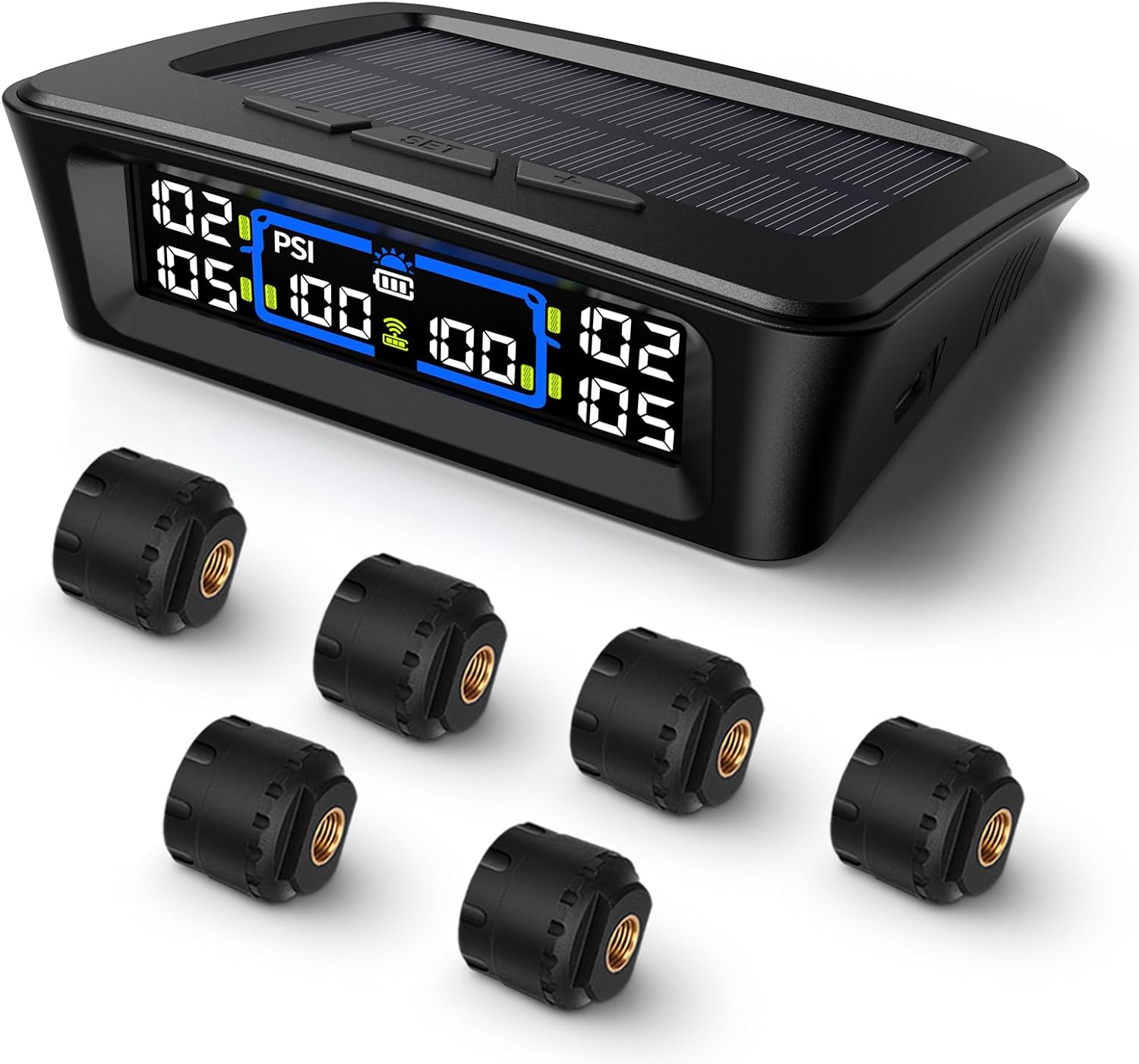
The Tymate TM12 RV TPMS delivers real-time tire pressure and temperature monitoring with a stable 433Hz display for safer long-distance driving. It supports simultaneous monitoring across vehicle and trailer zones, includes six alarm modes for pressure, temperature, leakage, battery, and signal loss, and features easy DIY installation with auto calibration. Power is supplied via USB-C charging or solar recharging, with a wide 0–144 PSI range and up to 50 ft signal coverage for RVs and towable trailers.
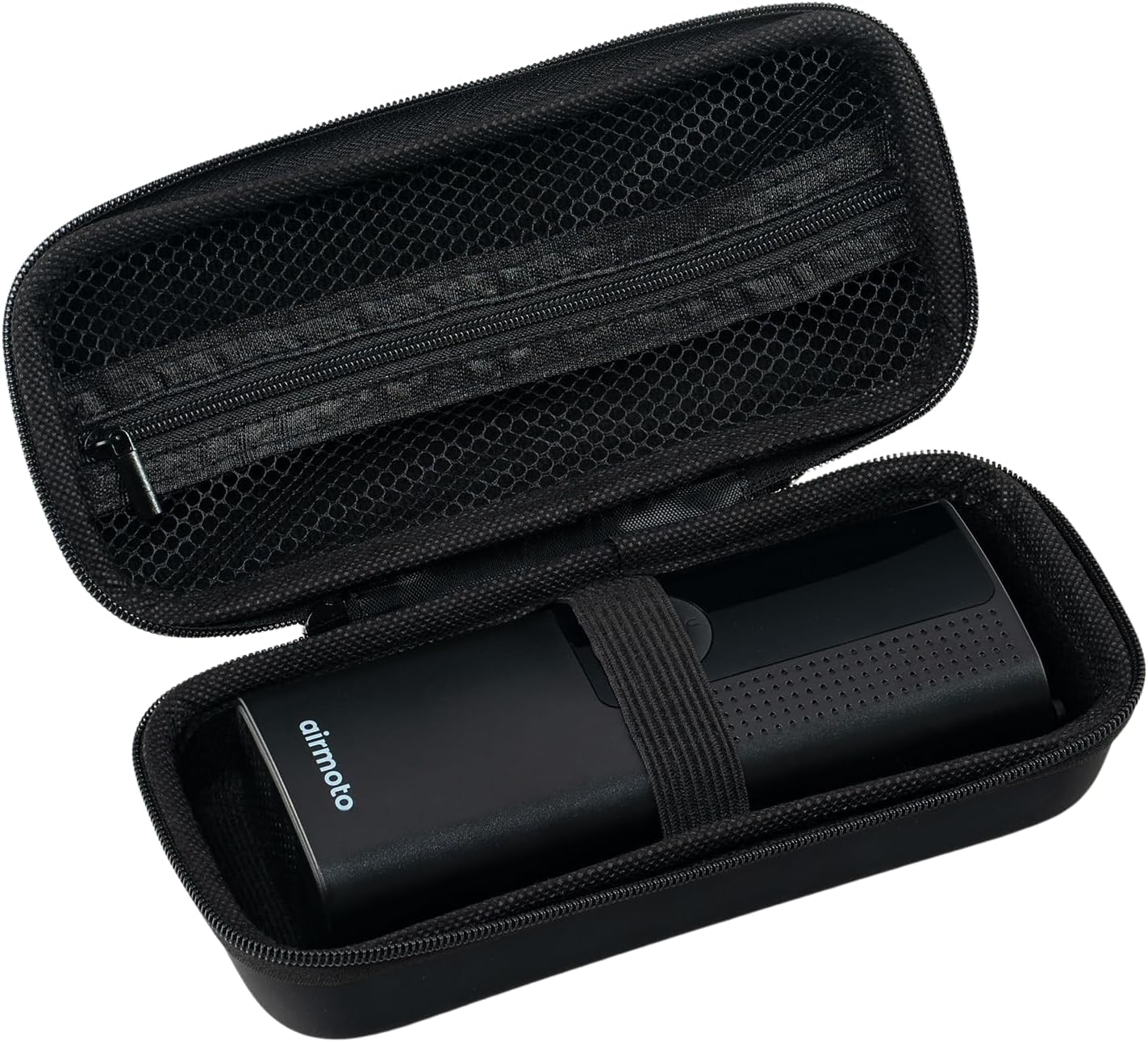
Protect and organize your Airmoto tire inflator with a purpose-designed carrying case made for a precise fit. The durable polyurethane shell and soft interior help guard against cuts, tears, and road wear, while a mesh pocket stores connectors and accessories. This travel box measures 7.5*3.5*2.8 inches and can work with most handheld portable air compressor models; this listing includes the case only.
Waste Hauler Registration
Ask each hauler for its current PA DEP waste tire transporter information and confirm that the company is authorized before you use it. Keep a file with:
- Waste hauler name and contact information
- PA DEP waste hauler number or authorization information
- Commercial Activity License information, when required
- Pickup schedule and service agreement
- Invoices, manifests, and disposal records
- Renewal dates for hauler contracts or authorizations
Philadelphia rules require tire dealers to use the contracted registered waste tire haulers listed for the business. If you change haulers or other application information, update your records and notify the City as required.
Tire Disposal Planning
Your tire disposal plan should explain how used tires are collected, stored, counted, and removed. Set a maximum storage amount based on your approved space, schedule pickups before waste tires pile up, and record each removal.
- Designate a collection area for waste tires.
- Separate waste tires from new-sale inventory.
- Keep tire piles stable and away from blocked exits or public walkways.
- Schedule pickups with authorized waste tire haulers.
- Maintain a manifest tracking tire removals.
- Save invoices and supporting documents for inspections.
The U.S. generates more than 250 million end-of-life tires each year, so strong tire tracking, recycling, and disposal practices matter for both compliance and public safety.
Understand Tire Dealer License Costs
The license fee is only one part of your startup budget. In Philadelphia, the tire dealer license costs $300 per location, and the renewal fee is $300. The $20 application fee is non-refundable but applied toward the license fee.
| Cost Item | Amount or Note |
|---|---|
| Application fee | $20, credited toward the license fee |
| Initial tire dealer license | $300 per location |
| Annual renewal | $300 |
| Late renewal | If renewed more than 60 days after the due date, Philadelphia charges 1.5% of the license fee for each month since expiration. |
| Card payment fees | Credit and debit card transactions can include City surcharges or fees. |
Also budget for lease deposits, build-out, signage, equipment, tire racks, starting inventory, insurance, payroll, waste-hauler costs, point-of-sale software, accounting help, and marketing. If you provide installation or repair services, your equipment and insurance costs will be higher than a sales-only operation.
Apply Online or In Person
Philadelphia allows tire dealer license applications through eCLIPSE or in person at the Permit and License Center by appointment. Before you apply, gather every required document so the application does not stall.
- Confirm the business entity and tax records. Make sure your legal entity, Commercial Activity License, and Philadelphia tax account information match.
- Confirm zoning. Verify that tire sales and related automotive occupancy are allowed at the location.
- Prepare storage documentation. Include indoor, outdoor, or both storage details, pile height, fire protection systems, and site plan if required.
- Line up waste tire hauling. List the PA DEP-authorized waste hauler or haulers contracted for tire removal.
- Submit the application package. Upload required documents online or bring them to your appointment.
- Prepare for operational inspection. L&I schedules an inspection after receiving the application.
- Pay the balance after approval. If approved, you receive a notice to pay the remaining balance. If not approved, you should receive information about what is missing or required.
The Permit and License Center is located at 1401 John F. Kennedy Blvd., MSB Public Service Concourse, Philadelphia, PA 19102. Office hours are generally Monday through Friday, 8 a.m. to 3:30 p.m., with offices closing at noon on the last Wednesday of each month. Confirm current hours before visiting.
Renew Your Tire Dealer License

Philadelphia tire dealer licenses renew annually. You can renew online through eCLIPSE or in person at the Permit and License Center. Do not wait until the last minute, because renewal requires more than paying the fee.
For renewal, prepare:
- The $300 renewal fee
- Updated tire dealer operation information form
- Current fire protection certification, when applicable
- Current City tax status
- Updated waste hauler information
- Updated storage or business information if anything changed
If you renew more than 60 days after the due date, the City charges 1.5% of the license fee for each month since the license expired. If your storage layout, business entity, address, waste hauler, or fire protection information changes, update the City promptly rather than waiting for renewal.
Keep Your Tire Dealer Business Compliant
Compliance does not end after the license is approved. A tire dealer must keep records, maintain safe storage, use authorized waste haulers, and make documentation available if the City asks for it.
Keep a compliance folder with:
- Current tire dealer license
- Zoning approval and Certificate of Occupancy, if required
- Fire protection certifications
- Waste hauler contracts and authorization information
- Tire manifests and removal records
- Invoices for tire purchases and sales
- Inspection reports and City correspondence
- Renewal confirmations and payment receipts
Review the folder monthly. This helps you catch expired certifications, missing manifests, or waste-hauler changes before they become a licensing issue. If the business changes ownership, location, trade name, storage layout, fire protection system, or waste hauler, notify the City within the required time frame.
Common Mistakes to Avoid
- Signing a lease before zoning review. A location that looks perfect may not allow tire sales or storage.
- Buying too much inventory before storage approval. Tire pile height, width, and location matter.
- Using an unverified waste tire hauler. Your hauler must be properly authorized, and records must be kept.
- Ignoring fire protection paperwork. Missing certifications can delay approval or renewal.
- Treating renewal as automatic. You still need current City taxes, updated forms, and required certifications.
- Mixing business names. The legal entity on your tax records, activity license, and tire dealer license should match.
Frequently Asked Questions
What kind of license do you need to open a tire shop in Philadelphia?
You need a Philadelphia tire dealer license if your business purchases or sells new or used tires. You may also need zoning approval, a Commercial Activity License, BIRT tax information, a Certificate of Occupancy for certain high-pile storage, fire protection certifications, and PA DEP-authorized waste tire hauler information.
How much does a Philadelphia tire dealer license cost?
The license fee is $300 per location. The $20 application fee is non-refundable but credited toward the $300 total. The annual renewal fee is also $300. If renewal is more than 60 days late, Philadelphia charges 1.5% of the license fee for each month since expiration.
Can I sell tires from any auto repair shop location?
No. Tire sales and tire storage must be allowed at the location. Philadelphia requires zoning approval for tire sales as a primary use or as an incidental use for an automotive-related occupancy. Check zoning before leasing or operating.
Do I need a waste tire hauler?
Yes, if your business handles waste tires. Philadelphia requires you to list PA DEP-registered waste haulers contracted for tire removal, and you must maintain a manifest tracking tire removals. Keep invoices and supporting documents in case the City requests them.
What is the 3/32 rule for tires?
The phrase usually means replacing or recommending replacement when tread reaches about 3/32 inch. The federal tread-wear indicator standard is tied to 2/32 inch, but many shops warn customers earlier because wet traction and stopping performance can decline before a tire reaches the legal minimum.
What are the five steps to a tire sale?
A simple tire sale process is: identify the customer’s vehicle and driving needs, inspect the current tires, recommend the correct tire size and type, explain price and warranty options, and document the sale with installation or follow-up service. If you also install tires, add proper mounting, balancing, torque, tire pressure, and TPMS checks.
Conclusion
Becoming a tire dealer is a licensing, storage, safety, and waste-management process as much as it is a retail business. In Philadelphia, the cleanest path is to choose your business structure, confirm tax and activity license records, verify zoning, plan tire storage, contract with PA DEP-authorized waste haulers, submit the tire dealer application and operation form, pass inspection, and keep strong records after approval.
Move slowly before the lease and inventory stage, then move quickly once your approvals are clear. That approach reduces costly surprises and gives your tire business a stronger, safer foundation.
Sources
- City of Philadelphia — Get a Tire Dealer License — license requirements, fees, application process, renewal, and inspection details.
- City of Philadelphia — Application for Tire Dealer License — application fields, storage details, fire protection, and waste hauler information.
- Philadelphia Code § 9-621 Tire Dealers — licensing, manifest, recordkeeping, and compliance duties.
- Pennsylvania DEP — Waste Tire Program — environmental, health, and safety risks from waste tires.
- IRS — Get an Employer Identification Number — official federal EIN application information.
- U.S. Small Business Administration — Write Your Business Plan — business planning guidance for startups.