
You can avoid burnout by managing your energy before it runs out. Burnout often grows from unmanaged workplace stress, too many commitments, poor recovery, and long stretches of pushing through fatigue. The goal is not to optimize every minute. The goal is to protect sleep, plan hard work around your strongest hours, use breaks before you crash, and build routines that help you recover.
Quick Answer
To avoid burnout, match demanding work to your high-energy hours, take short recovery breaks, protect consistent sleep, eat balanced meals, stay hydrated, move daily, and set clear limits on meetings and commitments. If exhaustion lasts, affects daily life, or comes with hopelessness, talk to a healthcare professional.
Key Takeaways
- Burnout is linked to chronic workplace stress that has not been successfully managed, so recovery needs both personal habits and workload boundaries.
- Schedule demanding work during your natural high-energy windows, then use low-energy windows for lighter tasks.
- Protect sleep with a steady bedtime, a calm wind-down, less evening screen time, and no late caffeine.
- Use short walks, stretching, breathing breaks, hydration, and balanced meals to reduce energy crashes.
- Set limits on meetings, notifications, and commitments so your schedule supports recovery instead of constant urgency.
At a Glance
| Time Required | 10 to 20 minutes to plan your day, plus short 2 to 30 minute recovery breaks as needed. |
| Difficulty | Easy to moderate. The habits are simple, but consistency and boundaries take practice. |
| Tools Needed | Calendar, timer, water bottle, simple meal plan, and a notebook or notes app for tracking energy patterns. |
| Cost | Free to low-cost. Most changes use habits, planning, sleep routines, and small daily movement. |
Manage Your Energy Without Burning Out

If you want to avoid burnout, start by understanding what burnout means. The World Health Organization describes burnout as an occupational phenomenon linked to chronic workplace stress that has not been successfully managed. It is marked by energy depletion, mental distance or cynicism toward work, and reduced professional effectiveness.
That definition matters because burnout is not just a bad day or a busy week. It is a pattern. You may notice you feel drained before the day starts, resent work you used to handle well, or need more effort to finish basic tasks. You may also feel more irritable, distracted, or emotionally flat.
Start with a simple energy audit. For three to five days, note when you feel sharp, steady, foggy, or drained. Then match your schedule to those patterns. Put demanding work in your strongest windows and save admin, email, errands, or routine tasks for lower-energy times.
Pro Tip: Before you add another productivity habit, remove one regular energy drain. Cancel one low-value meeting, shorten one recurring call, mute one notification block, or move one hard task into your best focus window.
Spot Your High-Energy Hours
Your high-energy hours are the times when your attention feels cleaner and decisions feel easier. For many people, that window lands in the morning. For others, it comes later in the day. The exact time matters less than noticing the pattern and protecting it.
- Use high-energy hours for writing, planning, strategy, problem-solving, or difficult conversations.
- Use medium-energy hours for meetings, reviews, follow-ups, and collaborative work.
- Use low-energy hours for simple admin, cleanup, filing, scheduling, or light reading.
This approach helps you stop treating every hour as equal. You still manage time, but you also manage the energy that makes that time useful.
Plan Breaks Before You Crash
A break works best before you hit a wall. Try a short reset after 60 to 90 minutes of focused work, or sooner if you feel your attention slipping. Stand up, stretch your back and hips, walk for a few minutes, drink water, or step away from the screen.
Keep the break simple. The goal is not to escape work for an hour. The goal is to interrupt tension, restore attention, and return with enough energy to keep going without forcing your body into stress mode.
Sleep Better to Restore Energy
Sleep is one of your strongest burnout buffers. The CDC recommends habits such as going to bed and getting up at the same time every day, turning off electronic devices at least 30 minutes before bedtime, avoiding large meals and alcohol before bed, and avoiding caffeine in the afternoon or evening.
Build a wind-down routine that tells your body the workday is over. You can read, take a warm bath, stretch, journal, prepare tomorrow’s clothes, or dim the lights. Keep it boring in the best way. A calm routine helps your brain stop scanning for unfinished tasks.
[Products Worth Considering]
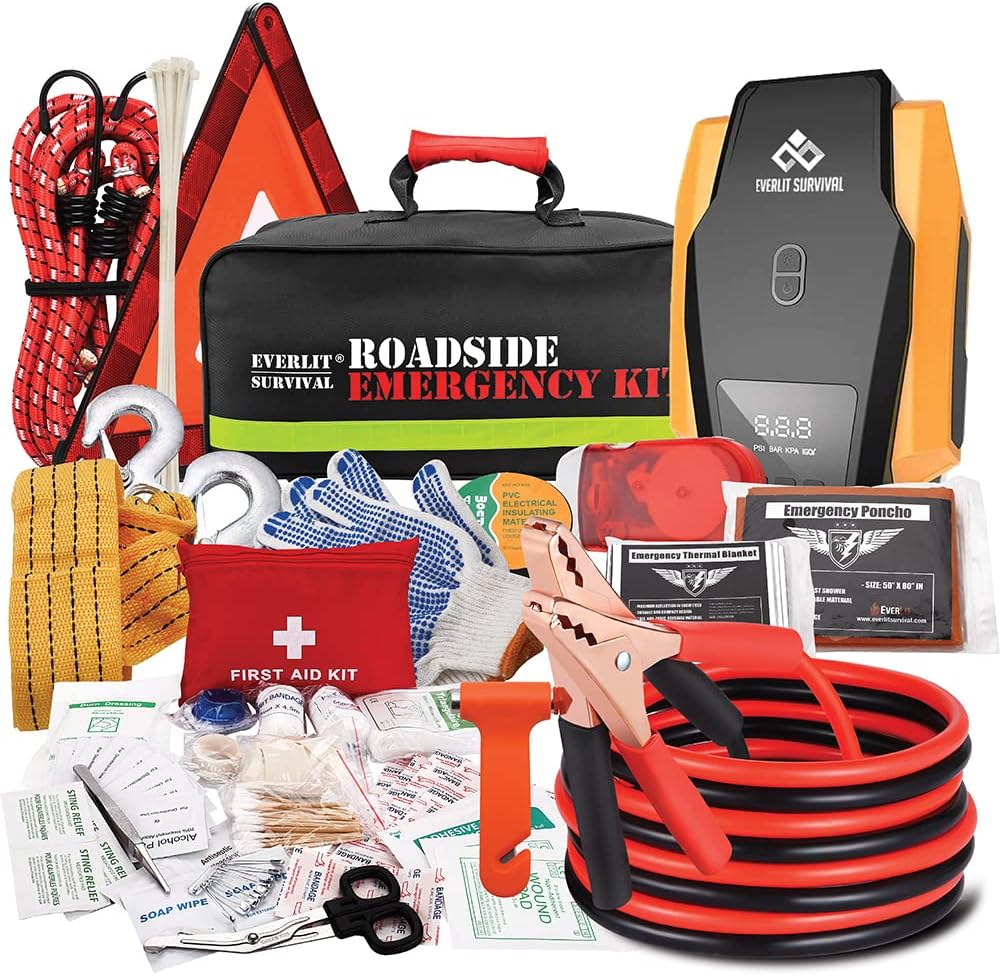
The Everlit Road Guardian emergency kit is designed for roadside breakdowns, combining essential safety gear and roadside tools in one compact bag. It includes a digital 12V auto tire inflator with preset and auto shutoff, plus 12-foot 8-gauge jumper cables to get you moving again. You also get a full 108-piece first aid kit, reflective warning tools, safety gloves, and emergency convenience items for safer travel.

TheraTears Dry & Tired preservative-free eye drops provide all-day soothing comfort for dry, tired eyes. The formula contains twice the hydrating ingredient found in the original TheraTears blend, helping relieve discomfort from eye strain and screen fatigue. Convenient single-use vials make it ideal for sensitive eyes and daily eye care.
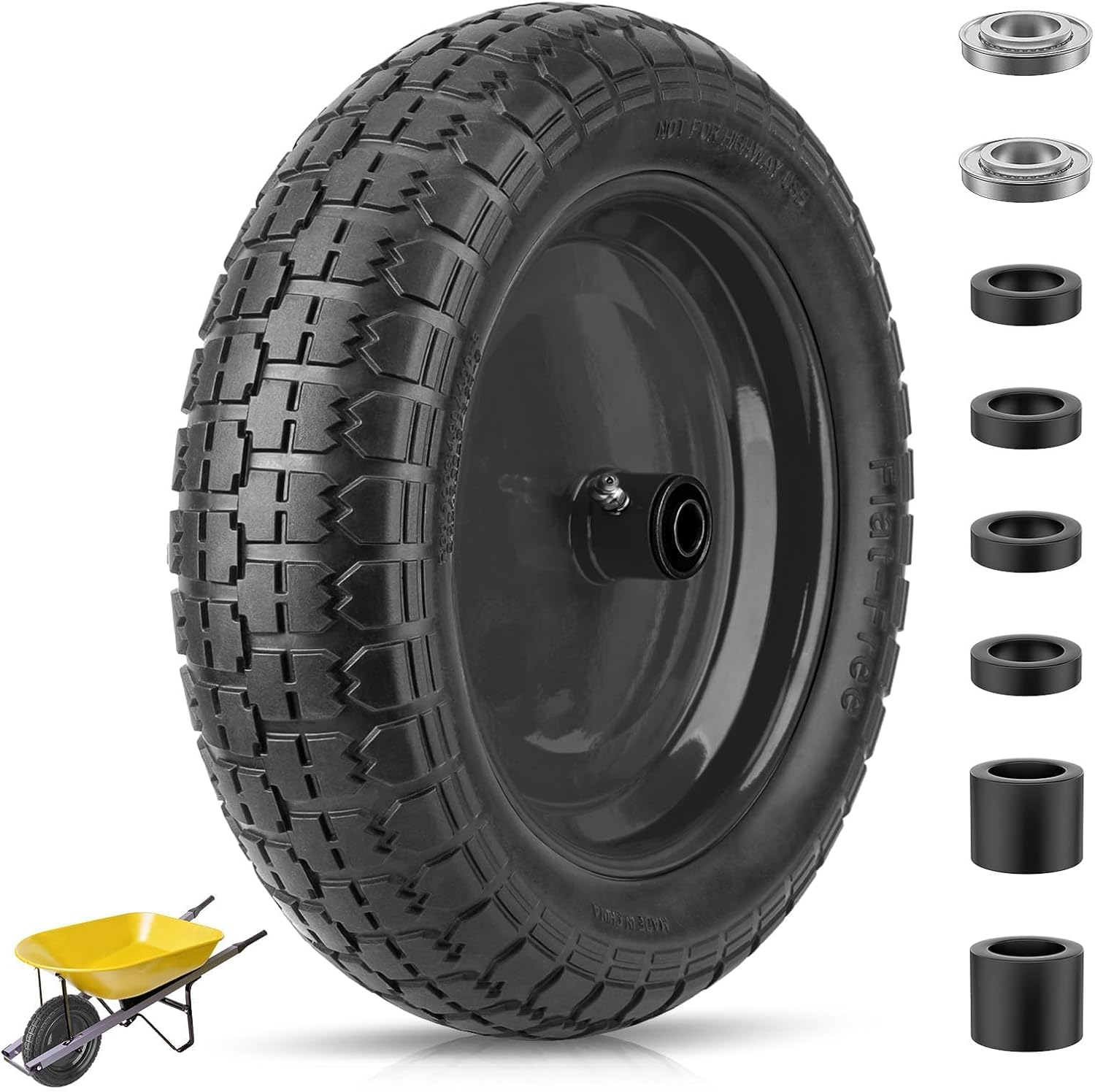
This flat-free TICONN wheelbarrow tire features durable polyurethane foam construction that never needs inflation, helping prevent punctures and reducing maintenance on rough outdoor terrain. With a 300 lb max load capacity and stable steel rim design, it supports safer transport for yard work and hauling tasks. An adapter kit with ball bearings and nylon spacers is included for easier fit and customization across common wheelbarrow and cart axle setups.
Consistent Bedtime Routine
A consistent bedtime routine can make sleep feel easier because your body learns the rhythm. Go to bed and wake up at roughly the same time, even on weekends when possible. You do not need a perfect routine. You need a repeatable one.
- Set a screen cutoff at least 30 minutes before bed.
- Keep your bedroom cool, dark, quiet, and relaxing.
- Move stressful planning, budgeting, or work messages earlier in the evening.
- Write down tomorrow’s top tasks so your mind does not keep rehearsing them in bed.
Sleep Habits That Help
Better sleep habits support energy, attention, mood, and memory. Start with the basics before you look for complicated fixes. Keep caffeine earlier in the day, avoid heavy late meals, and give yourself a buffer between work and sleep.
If you regularly struggle to fall asleep, wake often, or feel tired even after enough time in bed, do not ignore it. Poor sleep can come from stress, sleep apnea, medication effects, pain, anxiety, or other health issues.
Cut Caffeine, Alcohol, and Late-Night Snacking
Caffeine can help alertness, but timing matters. If caffeine keeps you wired at night, move your last coffee, tea, energy drink, or caffeinated soda earlier. The CDC advises avoiding caffeine in the afternoon or evening as part of better sleep habits.
Alcohol can feel relaxing at first, but it can disturb sleep quality and leave you more tired the next day. If you drink, avoid using alcohol as a sleep aid and follow the health guidance for your country or healthcare provider. Also avoid large late meals if they cause reflux, discomfort, or restless sleep.
Late-night snacking is not always harmful, but heavy, sugary, or greasy snacks can make sleep harder for some people. If you are hungry at night, choose something light and balanced, then look at whether you are eating enough earlier in the day.
[Products Worth Considering]

Keep food and beverages cold for hours with these reusable XL slim cooler ice packs. The break-resistant, BPA-free design features a space-saving shape that fits the top or sides of large coolers and wipes clean easily. Freeze overnight for best results, and use them for camping, fishing, tailgates, and beach days.

Replace worn tires quickly with this universal 4.80/4.00-8 tire and inner tube set designed for wheelbarrows and outdoor utility carts. The ribbed tread helps reduce turf damage while the natural rubber construction supports longer service life. Compatible with 15.5-inch outer diameter, 4-inch width, and 8-inch rim diameter wheels, it uses a straight TR-13 valve stem for easy installation. For best results, inflate with a manual pump and do not exceed 25 PSI.

NOVEHA self-heating steam eye masks deliver gentle, soothing warmth without needing a microwave—just open and wear for convenient hot compress comfort. The air-activated, unscented design helps relax tired eyes from screen time, reading, travel, and nighttime routines. Crafted with skin-friendly, lint-free non-woven cotton fabric, these disposable warm masks provide a calming, spa-like experience wherever you go.
Use Naps to Recharge
A short nap can help when your energy drops, but it should support nighttime sleep, not replace it. Mayo Clinic recommends keeping naps short, ideally 20 to 30 minutes, and taking them in the early afternoon because naps after 3 PM can make nighttime sleep harder.
Set an alarm before you lie down. Choose a quiet, dark, comfortable space if you can. After you wake, give yourself a few minutes before driving, operating equipment, or starting a task that needs quick reactions.
Note: If you suddenly need naps much more often, wake up tired after a full night, or feel sleepy during normal daily activities, treat that as useful information. Your body may need better sleep, less stress, or medical evaluation.
Nap Without Overdoing It
- Keep most naps around 20 to 30 minutes.
- Nap before 3 PM when possible.
- Use naps after unusually short sleep, intense work, travel, or heavy mental effort.
- Skip naps if they make it harder for you to sleep at night.
You are not being lazy when you rest on purpose. You are using recovery as part of your energy plan.
Eat Often and Stay Hydrated

Food and water cannot solve every burnout problem, but they can reduce avoidable energy crashes. If you often skip meals and then overeat later, try eating balanced meals or snacks every 3 to 4 hours. Include protein, fiber-rich carbohydrates, and healthy fats when you can.
Good options include yogurt with fruit, eggs and whole-grain toast, beans and rice, tuna or chickpea salad, nuts with fruit, soup with whole-grain bread, or leftovers built around vegetables and protein. Keep simple foods available so eating well does not become another exhausting decision.
Hydration matters too. The CDC notes that water helps prevent dehydration, which can contribute to unclear thinking and mood changes. Start the day with water, keep a bottle nearby, and choose water-rich foods such as fruit, vegetables, soups, and smoothies when they fit your routine.
Make Healthy Meals Easy to Stick To
Healthy eating becomes easier when you lower the effort. Batch cook one or two simple meals, keep frozen vegetables on hand, and save a short list of meals you can make when you are tired. You do not need a perfect meal plan. You need a few reliable defaults.
- Choose two easy breakfasts you can repeat.
- Keep portable snacks ready for long workdays.
- Prep one protein source ahead of time, such as chicken, lentils, eggs, tofu, or beans.
- Use frozen or canned vegetables when fresh food feels like too much work.
Build Flexible Exercise Into Your Day
Movement helps your body handle stress, but it should not become another source of pressure. The CDC says adults need at least 150 minutes a week of moderate-intensity aerobic activity, or 75 minutes of vigorous activity, plus at least 2 days of muscle-strengthening activity.
You can spread that across the week in a way that fits your life. A 15-minute walk, a short dance break, a few flights of stairs, light yard work, or a quick bodyweight routine all count toward a more active pattern. The best routine is the one you can repeat without feeling trapped by it.
Flexible exercise helps you stay consistent because it bends around real life instead of demanding a perfect schedule.
- Keep a backup plan for busy days, such as stretching, stairs, or a 10-minute walk.
- Pair movement with something you already do, like phone calls or lunch breaks.
- Choose activities you enjoy so movement feels like recovery, not punishment.
- Add strengthening work twice a week with weights, bands, machines, or bodyweight moves.
Move More With Small Daily Habits

Small movements can lift your energy without requiring a full workout. Stand up during long sitting blocks, stretch your shoulders, walk while you take a call, or do light chores between focused work sessions. These small actions help break up stiffness and mental fatigue.
You do not need perfection. You need rhythm. When movement appears in small pieces throughout the day, it becomes easier to stay active even during busy seasons.
Set Limits on Meetings and Commitments
Your schedule can drain you just as fast as physical effort. To protect your energy, set limits before your calendar fills up. Look at your week and decide where you need focus time, recovery time, personal time, and meeting time.
Try a simple workload filter: keep, delegate, delay, decline, or delete. Keep the work that matters most. Delegate tasks someone else can handle. Delay work that is not urgent. Decline requests that do not fit your role or capacity. Delete tasks that no longer matter.
- Group meetings into blocks so they do not break the whole day into fragments.
- Protect at least one deep-work block for demanding tasks.
- Set notification windows instead of staying available all day.
- Use shorter default meeting lengths, such as 25 or 45 minutes.
- End the day by choosing tomorrow’s top one to three priorities.
Boundaries are not selfish. They help your work stay sustainable. When your schedule has room for focus and recovery, you can show up with more clarity and less resentment.
When to Get Extra Help
Burnout habits can help, but they are not a substitute for medical or mental health care. Fatigue can come from poor sleep, high stress, depression, chronic pain, medication side effects, anemia, thyroid problems, infections, or other conditions. MedlinePlus advises getting enough sleep, eating a balanced diet, drinking water, exercising, relaxing, and maintaining a reasonable work and personal schedule, but it also lists warning signs that need medical attention.
Warning: Contact a healthcare professional if fatigue lasts for weeks, gets worse, disrupts daily life, or comes with chest pain, shortness of breath, dizziness, confusion, major mood changes, or thoughts of self-harm. If you may hurt yourself or someone else, seek emergency help right away.
[Products Worth Considering]

Mighty Patch for Tired Eyes helps visibly awaken and de-puff under eyes with soothing hydrogel comfort. Infused with niacinamide, tri-hyaluronic acid, panthenol, and allantoin, the patches cool the eye area and refresh the look of tired eyes. Contoured to fit and designed not to slip, they’re worn for 30+ minutes or until clear for a quick morning pick-me-up.

Cool Coolers by Fit & Fresh provides reusable XL slim ice blocks designed for strong, long-lasting cooling in coolers and cooler bags. The break-resistant, BPA-free packs are leak-proof and easy to clean, helping keep food and beverages cold without a messy melt. A space-saving slim shape fits top or side placements, and the tire-pattern design boosts cooling surface area for next-day use.

These waterproof RGB LED bike spoke lights deliver bright, eye-catching visibility for safer night rides. With 14 LEDs and up to 30 pattern options, the light effects change every few seconds and create striking wheel designs. Motion-sensor automatic mode and a manual switch offer flexible control, while IP66 water resistance supports riding in wet conditions.
Frequently Asked Questions
How can I get energy fast when I feel tired?
Start with the basics: drink water, step into daylight, stand up, stretch, and take a brisk 10 to 15 minute walk if you can. Then choose one small task to restart momentum. If tiredness keeps returning, look at sleep, workload, meals, hydration, and stress instead of relying only on quick fixes.
What are seven ways to protect my energy?
Seven helpful ways are: sleep on a steady schedule, plan hard work during high-energy hours, take short breaks, eat balanced meals, drink enough water, move daily, and set limits on meetings or commitments. These habits work best when you use them together.
What are the 5 P’s of energy conservation?
The 5 P’s are prioritize, plan, pace, prepare, and practice. Prioritize the most important tasks, plan breaks, pace your effort, prepare your space or meals ahead of time, and practice the routine until it feels natural.
How do I know if I am burned out or just tired?
Normal tiredness usually improves with rest. Burnout is more likely when exhaustion keeps coming back, work feels emotionally distant or cynical, and your effectiveness drops over time. If rest does not help or your mood changes sharply, talk to a healthcare professional or mental health professional.
Can a nap help burnout?
A short nap can help temporary sleepiness, but it will not fix burnout by itself. Use naps as one recovery tool while also improving sleep, reducing overload, setting boundaries, and addressing the stressors that keep draining you.
Conclusion
You can avoid burnout by building a day that respects your limits. Start with one energy audit, one better sleep habit, one short recovery break, and one boundary that protects your focus. Then keep adjusting. Small habits will not erase every stressful season, but they can help you recover sooner, work with more clarity, and stop treating exhaustion as normal.
Sources
- World Health Organization — burnout definition and occupational context.
- Centers for Disease Control and Prevention: About Sleep — sleep hygiene, consistent schedules, caffeine, alcohol, screens, and bedtime habits.
- Mayo Clinic — nap timing and short-nap guidance for healthy adults.
- Centers for Disease Control and Prevention: Water and Healthier Drinks — hydration, dehydration, and healthier drink choices.
- Centers for Disease Control and Prevention: Physical Activity — weekly activity targets for adults.
- MedlinePlus — fatigue self-care and when to contact a medical professional.