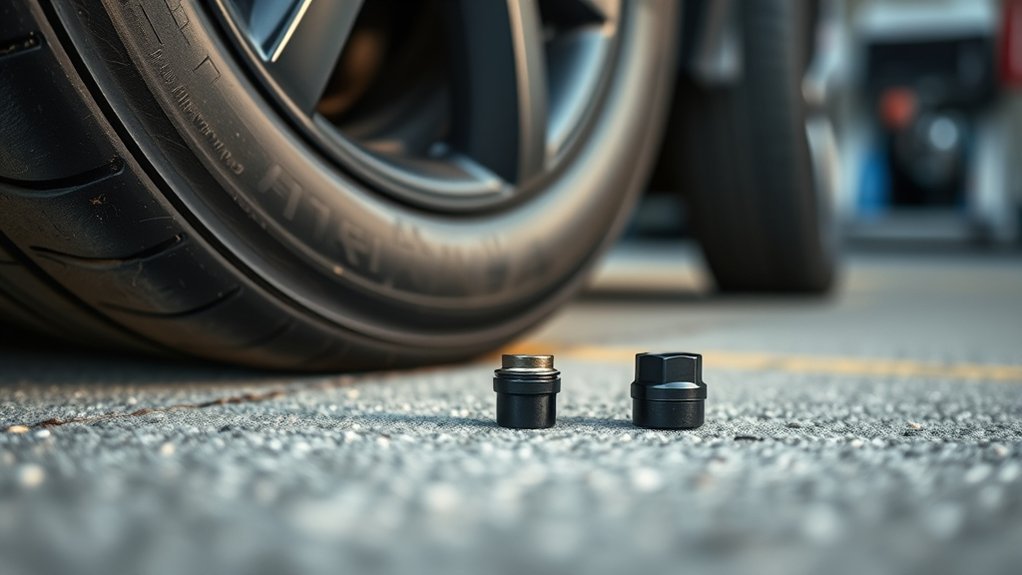
Yes, you do need tire valve caps. They are small, cheap, and easy to replace, but they protect an important part of the tire valve system. The valve core is the main air seal, while the cap helps keep dirt, moisture, road salt, and grit away from that seal. A missing cap does not usually cause instant air loss, but you should replace it soon to reduce the chance of corrosion, valve-core contamination, and slow leaks.
Quick Answer
You can drive briefly without a tire valve cap if the tire is holding air, but you should replace the cap as soon as practical. The cap protects the valve core from dirt, moisture, and debris, and a sealing cap can also provide a backup seal if the valve core becomes contaminated or starts leaking.
Key Takeaways
- Tire valve caps protect the valve core from dirt, moisture, grit, and road salt.
- A missing cap does not usually cause immediate air loss because the valve core seals the tire.
- Replace missing caps soon because contamination can lead to valve wear, corrosion, and slow leaks.
- For normal driving, plastic caps are usually enough; metal caps should have a washer, O-ring, or liner.
- Check tire pressure monthly when tires are cold, even if your vehicle has TPMS.
At a Glance
| Time Required | Less than 1 minute per tire |
| Difficulty | Easy |
| Tools Needed | Replacement valve cap, tire pressure gauge, clean cloth |
| Cost | Low-cost replacement part, often sold in multi-packs |
What Do Tire Valve Caps Do?
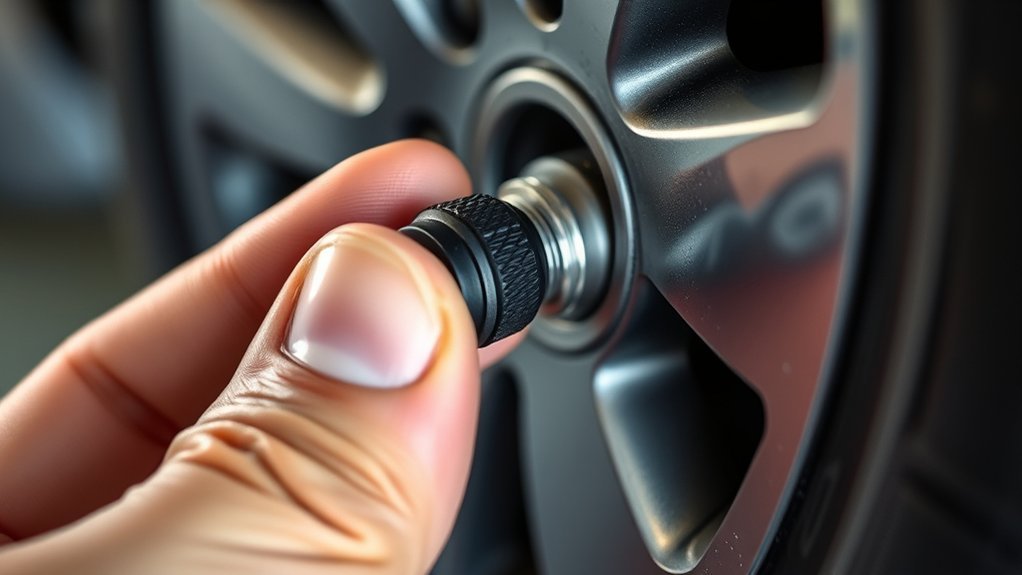
Tire valve caps cover the end of the valve stem. Their main job is to protect the valve core, which is the spring-loaded part that lets air in and keeps air from escaping. When dirt, sand, moisture, or road salt reaches the valve core, the core may not seal as cleanly as it should.
A good cap also gives the valve a second layer of protection. The U.S. Tire Manufacturers Association recommends keeping the valve stem covered with a sealing cap because it helps prevent moisture, dirt, and other contaminants from entering the valve core while also providing an additional seal.
The valve core holds the tire’s air. The valve cap protects that core so it can keep doing its job.
Can You Drive Without Tire Caps?
You can drive without a tire valve cap for a short time if the tire is holding pressure and you do not hear air leaking from the valve stem. The tire should not instantly go flat just because the cap is missing. Still, the exposed valve can collect dirt and moisture every time you drive, wash the vehicle, or travel through rain, snow, or road salt.
Use this quick guide:
| Condition | What It Means | Best Action |
|---|---|---|
| Cap installed | Valve core stays cleaner and better protected | Leave it in place |
| Cap missing | Valve core is exposed to dirt, moisture, and grit | Replace it soon and check pressure |
| Valve hisses or leaks | Valve core or stem may be damaged or contaminated | Have a tire shop inspect it |
Note: A missing cap is not usually an emergency, but it is not something to ignore for weeks. Replace it at your next practical stop, especially before bad weather or a long trip.
Do Missing Tire Caps Cause Air Loss?
Missing tire caps do not usually cause direct air loss. The valve core inside the valve stem is the part that seals air inside the tire. If the valve core is clean and working correctly, the tire can hold pressure even with no cap.
The problem starts when the missing cap lets grit, sand, moisture, or road salt reach the valve core. Contamination can keep the valve core from sealing completely. Moisture can also freeze in cold weather or contribute to corrosion. Over time, that can lead to a slow tire leak.
You should check pressure after you notice a missing cap. The National Highway Traffic Safety Administration recommends checking tire pressure monthly and reminds drivers that TPMS is not a replacement for regular tire maintenance.
Why Tire Valve Caps Prevent Corrosion
Tire valve caps reduce corrosion risk by keeping moisture and contaminants away from the valve core and valve-stem threads. This matters most in wet climates, snowy areas, coastal areas, and places where road salt is common.
Moisture Protection Barrier
Water can carry dirt and minerals into the valve area. A sealing cap helps block that path. If moisture reaches the valve core, it can make the core harder to seal and harder to service later. In freezing weather, moisture can also become ice around the valve area.
Road Salt Defense
Road salt speeds up corrosion on exposed metal parts. A cap helps keep salt spray from sitting directly on the valve core and threads. This small barrier can save you from a stuck cap, a corroded stem, or a valve that needs service sooner than expected.
TPMS and Metal Cap Caution
Many modern vehicles use TPMS sensors connected to the valve stem. If your vehicle has aluminum TPMS valve stems, be careful with cheap bare-metal caps. Mixed metals around valve hardware can create corrosion problems, and incompatible valve parts can seize. If you want metal caps, choose caps with a proper washer, O-ring, liner, or coating, and avoid forcing anything that feels stuck.
Warning: Do not force a seized valve cap with pliers. You can snap the valve stem or damage a TPMS sensor. If the cap will not turn by hand, have a tire shop remove it safely.
What Tire Valve Caps Should You Buy?
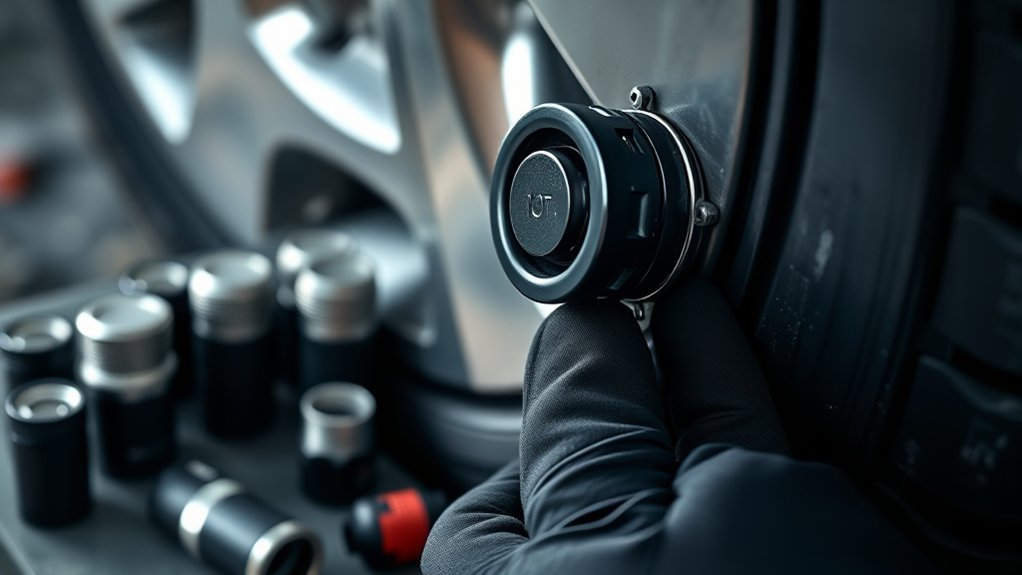
For most cars, SUVs, vans, and pickups, standard Schrader valve caps are the right fit. You do not need an expensive cap for daily driving, but you should choose one that threads smoothly and seals well.
- Plastic caps: Best for most daily drivers. They are light, inexpensive, and less likely to seize on the stem.
- Metal caps: Useful when they include a rubber washer, O-ring, or liner. Avoid bare metal caps on aluminum TPMS stems unless the cap is designed for that use.
- Caps with O-rings: Good choice if you want a tighter seal and better resistance to moisture.
- Decorative caps: Fine if they fit properly, but function matters more than style.
Tire Rack notes that plastic dome caps are fine for normal driving, while some metal caps use a rubber washer or O-ring to seal the valve more completely. For everyday use, a simple plastic cap with a clean fit is usually enough.
Pro Tip: Keep four spare valve caps in your glove box or tire-pressure gauge pouch. If one disappears after a pressure check or tire service, you can replace it immediately.
[Products Worth Considering]

Upgrade your tires with YUIQIEUY aluminum valve stem caps that provide an airtight, hermetically sealed fit to help keep moisture and debris out. The durable anodized finish helps protect against wear and corrosion, while the screw-in thread makes installation quick and secure. Designed for cars, SUVs, trucks, motorcycles, and bicycles, these caps help maintain valve performance and a clean, stylish look.

Add style while helping protect your tire valve stems with handmade crystal rhinestone caps and a durable plastic insert. These caps resist corrosion and help keep out rain, snow, and muddy water, extending tire life. Textured non-slip design makes them easy to grip for quick install and removal when checking tire pressure.

Protect tire valves from water, dust, and sand to help prevent leaks and support safe driving. These universal stem caps install quickly by hand and feature durable aluminum alloy construction with an inner sealing ring for better air retention. Compatible with cars, SUVs, trucks, motorcycles, and bicycles for everyday convenience.
How to Replace a Missing Cap
You do not need to jack up the vehicle to replace a missing tire valve cap. In most cases, you can install it while the vehicle is parked on level ground.
- Park safely. Stop on level ground and set the parking brake.
- Inspect the valve stem. Look for dirt, cracks, corrosion, bent metal, or damaged threads.
- Wipe the stem. Use a clean dry cloth to remove grit around the opening. Do not push dirt into the valve.
- Install the new cap by hand. Turn it clockwise until it is snug.
- Do not over-tighten. Finger-tight is enough for a normal valve cap.
- Check tire pressure. Use a gauge when the tires are cold, then replace the cap after checking.
If the cap does not thread on smoothly, stop. The stem may have damaged threads, corrosion, or a mismatched cap. A tire shop can inspect the valve and replace the valve core or stem if needed.
[Products Worth Considering]

CKAuto 50 pack tire valve caps help protect your vehicle valves from dirt and corrosion while providing an airtight, leak-resistant seal. Each cap features an O-ring designed to help prevent air loss and keep out dust and debris. Universal sizing makes these caps suitable for cars, SUVs, bikes, trucks, and motorcycles, and the ridged grip design allows easy installation and removal for quick pressure checks.
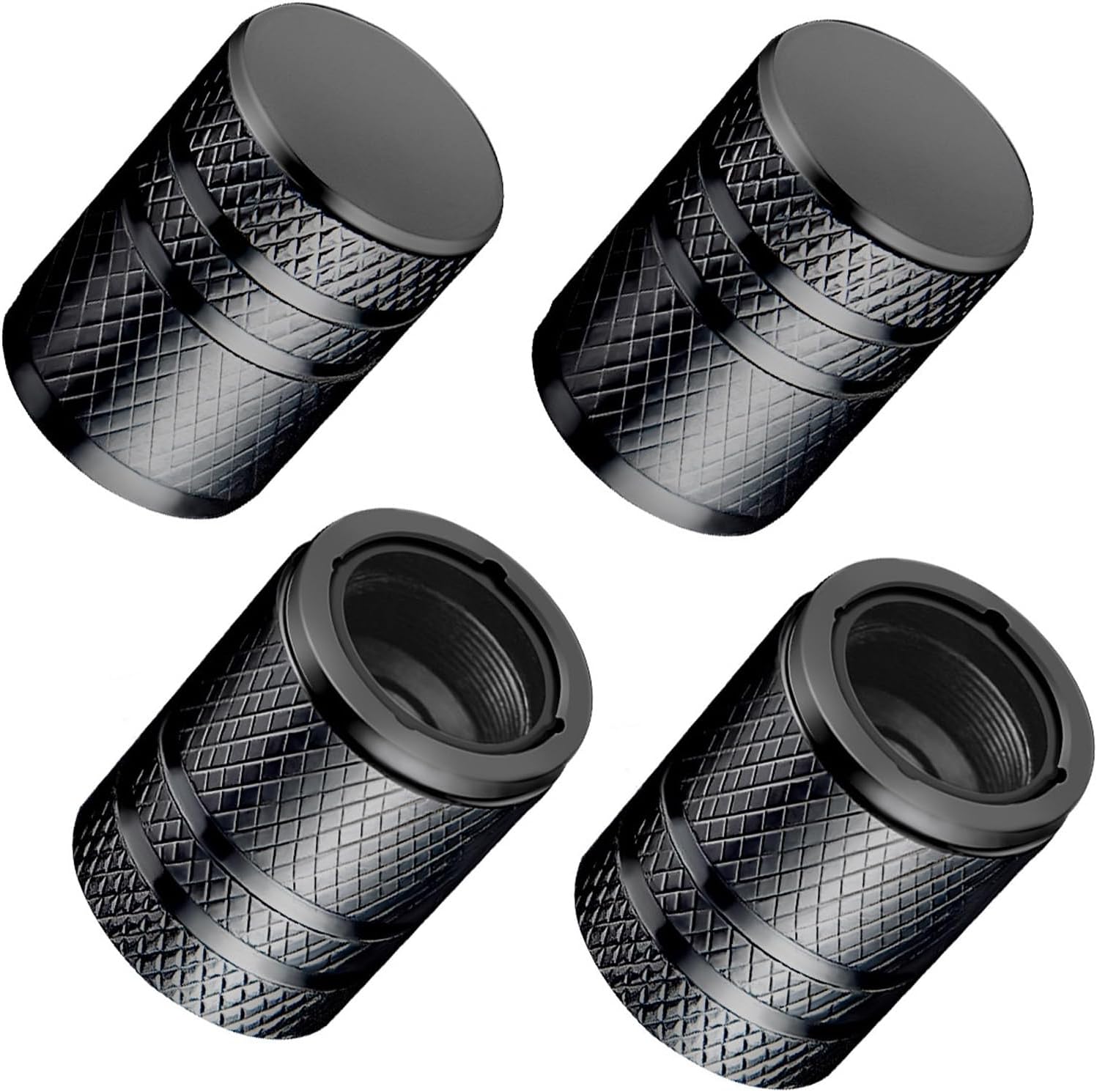
Upgrade your tires with DESOUL premium valve stem caps featuring a corrosion-resistant metal shell and plastic liner. The built-in sealing ring helps prevent leaks and protects tire pressure, while the universal Schrader fit works for cars, trucks, SUVs, motorcycles, bikes, and RVs. Easy by-hand installation is built in with a secure grip design.

These DECURCAR tire valve stem caps help prevent corrosion with a metal shell and plastic liner insert, making them ideal for wet or cold conditions. They feature a built-in leak-proof sealing ring to help reduce air loss and protect your vehicle from tire leak issues. Easy to hand-tighten and designed for Schrader valve stems, they add both function and a stylish American flag emblem look.
How to Check the Valve After a Cap Goes Missing
After driving without a cap, take one minute to check the valve area before installing the replacement.
- Listen for air. A hissing sound means the valve core may not be sealing.
- Look for grime or corrosion. Dirt around the valve opening can interfere with a clean seal.
- Check pressure cold. NHTSA recommends checking tire pressure when tires are cold, using the vehicle manufacturer’s recommended pressure.
- Watch for repeat pressure loss. If the tire keeps losing air, the issue may be a puncture, wheel leak, valve leak, or damaged valve stem.
Continental’s tire inspection guidance also includes replacing the valve cap after checking tire pressure. That small final step keeps the valve protected after every pressure check.
Where to Buy Tire Valve Caps
You can buy replacement tire valve caps at auto parts stores, tire shops, service stations, big-box retailers, and online retailers. Most standard caps fit common automotive Schrader valves, but you should still check that the cap threads on smoothly and sits straight.
Choose a multi-pack if you want spares. Avoid caps with rough threads, loose inserts, or decorative shapes that are hard to grip. If your vehicle has TPMS valve stems, choose caps that are compatible with TPMS hardware and avoid unlined metal caps that may corrode or seize.
[Products Worth Considering]

These universal tire valve stem caps help protect your valve core from dust, debris, moisture, and corrosion, supporting more stable tire pressure. The aluminum alloy design resists long-term wear, while the sealing construction helps help prevent air leakage. They twist on easily for quick installation and help safeguard driving safety across cars, SUVs, trucks, and motorcycles.

Keep your vehicle valves protected with KURAMI tire valve stem caps featuring a sealing ring that helps reduce dirt exposure and air leakage. These universal caps are easy to install and remove for quick pressure checks, while replacing worn original caps across cars, bikes, motorcycles, buses, trucks, and trolleys. The included set offers plenty of replacements for everyday use.
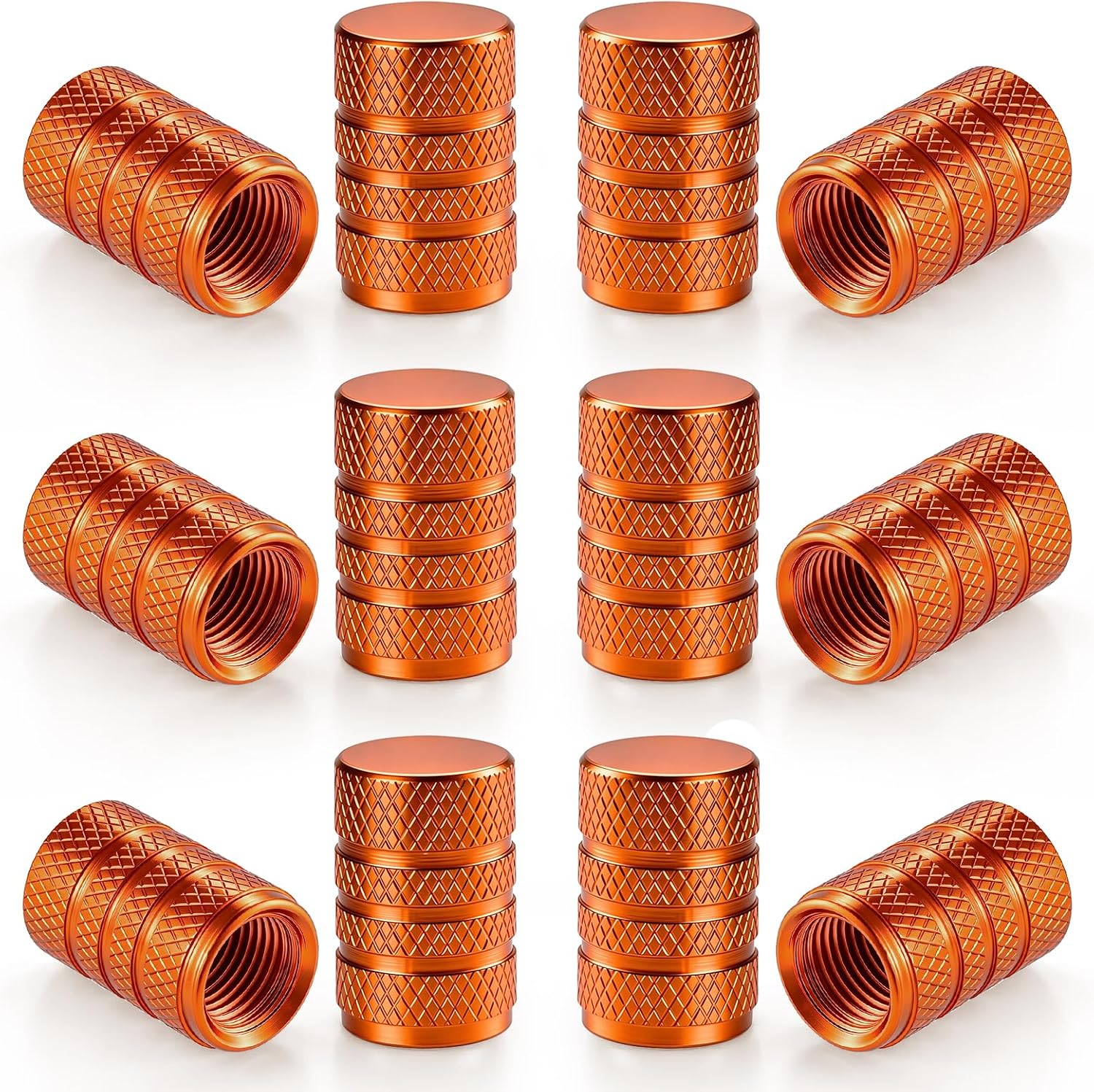
Upgrade your vehicles with these universal aluminum alloy tire valve stem caps designed to help keep dust out and maintain stable tire pressure. Each cap features an internal rubber seal for long-lasting leak protection and features an easy screw-on installation that won’t damage the valve stem threads. Suitable for cars, trucks, motorcycles, and bicycles, they also add a personalized decorative touch to your wheels.
When Missing Caps Need Attention
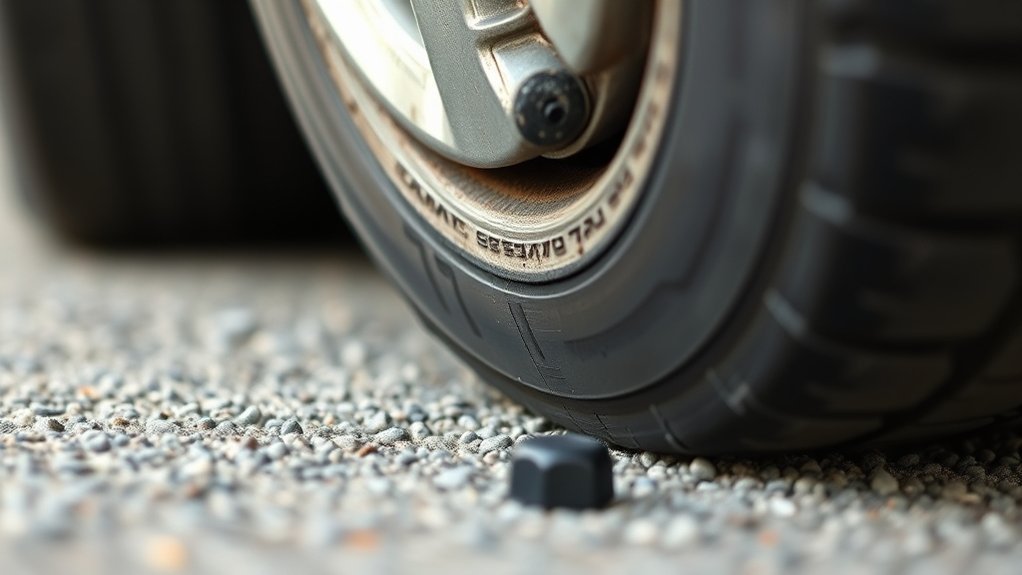
A missing tire valve cap needs attention soon, but some signs mean you should act faster. Replace the cap and check the tire pressure right away if you drove through mud, heavy rain, snow, road salt, or dusty roads.
Visit a tire shop if you notice any of these problems:
- The valve stem hisses after you remove or install a cap.
- The cap will not thread on by hand.
- The stem looks cracked, bent, corroded, or loose.
- The tire keeps losing pressure after you inflate it.
- The TPMS light comes on or flashes after service.
Small pressure changes can happen with temperature, but repeated air loss deserves attention. USTMA guidance notes that if a tire continually loses more than 2 psi per month, a tire service professional should check it.
Frequently Asked Questions
Will my tire lose air if I lost the cap?
Usually, no. The valve core holds the tire’s air, not the cap alone. Still, a missing cap exposes the valve core to dirt, grit, and moisture, which can create a slow leak later. Replace the cap soon and check tire pressure.
How long can a tire go without a valve cap?
A tire can often hold air for a short time without a cap, but you should not leave the valve exposed. Replace the missing cap at your next practical stop, especially before a long drive or bad weather.
Are plastic or metal tire valve caps better?
Plastic caps are best for most daily drivers because they are simple, inexpensive, and less likely to seize. Metal caps can work well if they have a rubber washer, O-ring, liner, or coating and are compatible with your valve stems.
Can I use any valve cap with TPMS?
Use a cap that fits smoothly and is compatible with your TPMS valve stem. If your vehicle has aluminum TPMS stems, avoid cheap bare-metal caps that may corrode or seize. Plastic caps or lined metal caps are safer choices.
How tight should tire valve caps be?
Tire valve caps should be finger-tight. Turn the cap until it feels snug, then stop. Over-tightening can make the cap hard to remove and may damage the cap, threads, or valve hardware.
What happens if the air cap is missing from my tire?
The valve core becomes exposed to dirt, moisture, and debris. You may not lose air right away, but contamination can make the valve core leak over time. Inspect the valve, check pressure, and install a replacement cap.
Conclusion
A missing tire valve cap may look minor, but it leaves the valve core exposed. You do not need the cap as the tire’s main air seal, but you do need it to help block dirt, moisture, road salt, and grit. Replace a missing cap soon with a clean, snug-fitting plastic cap or a compatible metal cap with a proper seal. It is a simple maintenance step that helps protect tire pressure and prevent avoidable valve problems.
Sources
- U.S. Tire Manufacturers Association: Care and Service of Passenger and Light Truck Tires — valve caps, sealing caps, valve maintenance, and pressure-loss guidance
- NHTSA TireWise — tire pressure checks, TPMS guidance, and tire maintenance basics
- NHTSA Tire Safety Month — monthly cold tire-pressure checks and tire-safety reminders
- Tire Rack: Tire Valve Stem Types, Components, and Uses — valve core function, valve cap types, and O-ring sealing details
- Continental Tires: Tire Inspection Safety Checklist — pressure-check steps and replacing the valve cap after checking pressure