
Are Tire Air Caps Necessary? Valve Cap Function & Importance
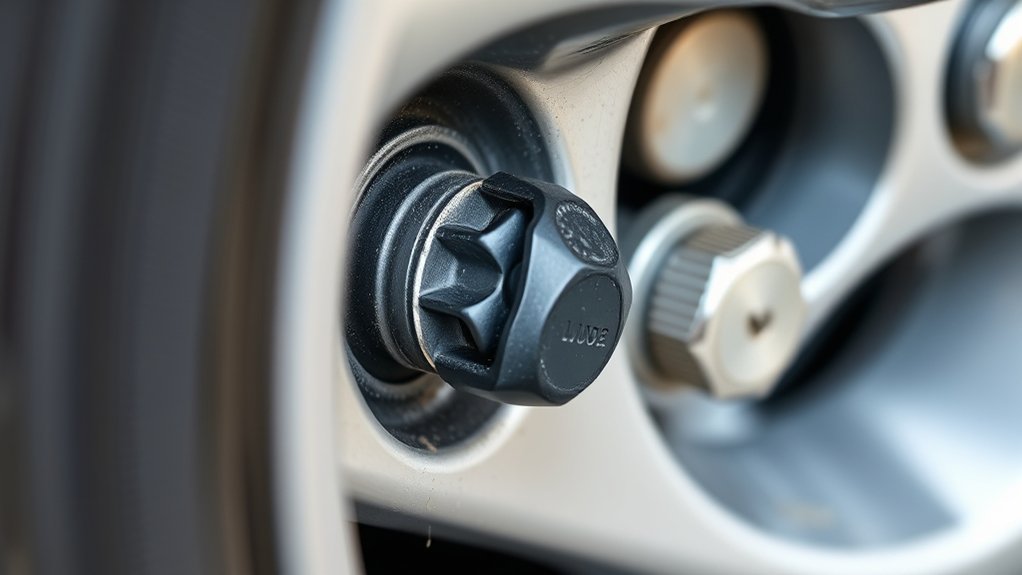
Yes, tire valve caps, also called tire air caps or dust caps, are necessary for everyday tire care. They do not replace the valve core, but they protect the valve opening from dirt, water, road salt, and corrosion. That small layer of protection helps your tires hold pressure more reliably and makes leaks easier to prevent.
Quick Answer
Tire valve caps are necessary because they keep dirt, moisture, and road salt away from the valve core. You can drive briefly without one, but replace it soon. A missing cap will not usually deflate a tire instantly, but it can raise the risk of contamination, corrosion, slow leaks, and pressure loss.
Key Takeaways
- Tire valve caps protect the valve opening from dirt, moisture, road salt, and small debris.
- The valve core holds the tire’s air; the cap is a protective cover and sometimes a secondary seal.
- Missing caps can allow contamination that may lead to corrosion, sticking, or slow pressure loss over time.
- Plastic caps work well for most drivers, while metal caps should be coated or compatible with TPMS stems.
- If a tire keeps losing air, do not rely on a cap alone. Check the pressure, test for leaks, and inspect the valve stem.
At a Glance
| Time Required | 1 to 5 minutes per vehicle |
| Difficulty | Easy |
| Tools Needed | Replacement valve caps, tire pressure gauge, and soapy water if you suspect a leak |
| Cost | Usually a few dollars for a pack of basic caps |
Are Tire Valve Caps Necessary?
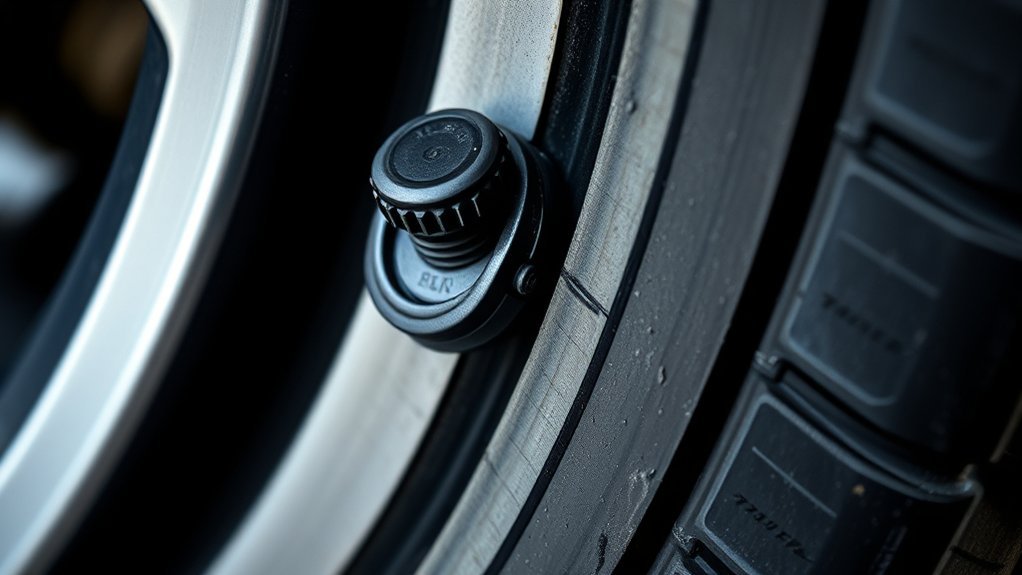
Yes, tire valve caps are necessary because they protect the valve stem from the conditions your wheels face every day. Rainwater, road salt, brake dust, mud, and tiny stones can collect around an uncovered valve. Over time, that contamination can make the valve core stick, corrode, or seal poorly.
The cap is not the main part that keeps air inside the tire. The Schrader valve core inside the stem does that job. The cap adds protection over the opening, and caps with a rubber washer or O-ring can also provide a light secondary seal if the valve core is weak.
That small difference matters. If your cap goes missing, your tire will not usually go flat right away. The risk grows over days, weeks, and seasons as dirt and moisture sit on the valve. Replacing a missing cap quickly is one of the easiest tire-maintenance habits you can build.
[Products Worth Considering]

Upgrade your tires with authentic 40mm caliber bullet-shaped stem caps designed to help keep inflation consistent and secure. The patented insert helps protect TPMS and the lacquer coating resists tarnishing for a stylish look. Easy to install on standard Schrader valve stems, these caps fit cars, trucks, SUVs, motorcycles, BMX and bicycles.
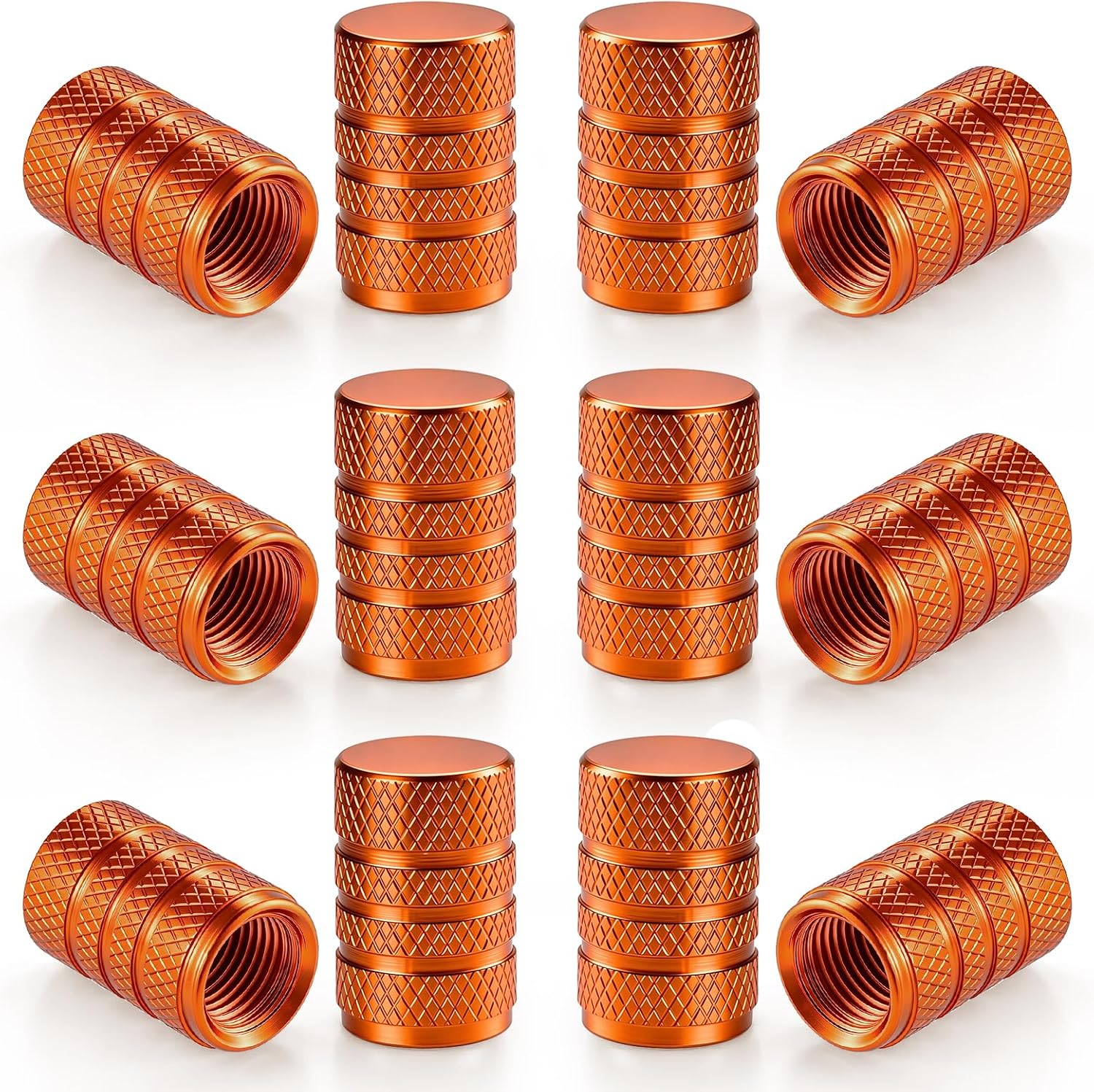
Upgrade your vehicles with these universal aluminum alloy tire valve stem caps designed to help keep dust out and maintain stable tire pressure. Each cap features an internal rubber seal for long-lasting leak protection and features an easy screw-on installation that won’t damage the valve stem threads. Suitable for cars, trucks, motorcycles, and bicycles, they also add a personalized decorative touch to your wheels.

These 4 prank tire valve stem caps glow in the dark to catch attention and create a fun reaction, making an ideal gag gift for friends or coworkers. Simply place them over existing valve stems for a quick, lossless installation without removing the original caps. Beyond the prank, the caps help block water, dust, and sand while supporting reliable tire protection.
What Tire Valve Caps Actually Do
A tire valve cap covers the threaded end of the valve stem. Its main job is to keep contamination away from the valve core and sealing surfaces. Most cars, trucks, SUVs, motorcycles, trailers, and many bicycles use Schrader-style valves, so basic replacement caps are widely available.
Here is what a good cap does:
- Blocks dirt, sand, and road debris from entering the valve opening.
- Helps keep water and road salt away from metal valve parts.
- Reduces corrosion risk around the valve core and stem.
- Helps prevent a cap with an internal seal from backing off due to vibration.
- Gives you a quick visual check that the valve stem is protected.
Note: A cap protects the valve, but it does not repair a damaged tire, cracked valve stem, leaking bead, puncture, or faulty valve core. If pressure keeps dropping, inspect the tire instead of only replacing the cap.
Cap vs Valve Core vs Valve Stem
These parts are easy to confuse, but each one has a different job.
| Part | What It Does | What Can Go Wrong |
|---|---|---|
| Valve cap | Covers and protects the valve opening. | Can go missing, crack, strip, or seize if made from poor metal. |
| Valve core | Opens for inflation and closes to hold air pressure. | Can leak if dirty, loose, corroded, or damaged. |
| Valve stem | Holds the valve assembly in the wheel. | Can crack, loosen, corrode, or leak at the wheel. |
How Missing Valve Caps Affect Tires
A missing valve cap leaves the valve opening exposed. That does not mean the tire will deflate instantly, but it does remove an important layer of protection. Dirt can lodge around the valve pin. Moisture can sit inside the threaded opening. Road salt can speed up corrosion on metal parts.
Once the valve core gets dirty or corroded, it may not close cleanly after you check or add air. That can create a slow leak. Slow leaks are easy to miss because a tire may look normal until pressure drops enough to affect handling, tread wear, or the TPMS warning light.
NHTSA tire-safety guidance says proper tire pressure affects safety, durability, and fuel consumption. It also recommends checking all tires, including the spare, at least once a month when the tires are cold.
Proper tire inflation is not just a wear issue. NHTSA warns that poor tire maintenance, including low air pressure, can lead to a flat tire, blowout, or tread separation.
Can You Drive Without Tire Caps?
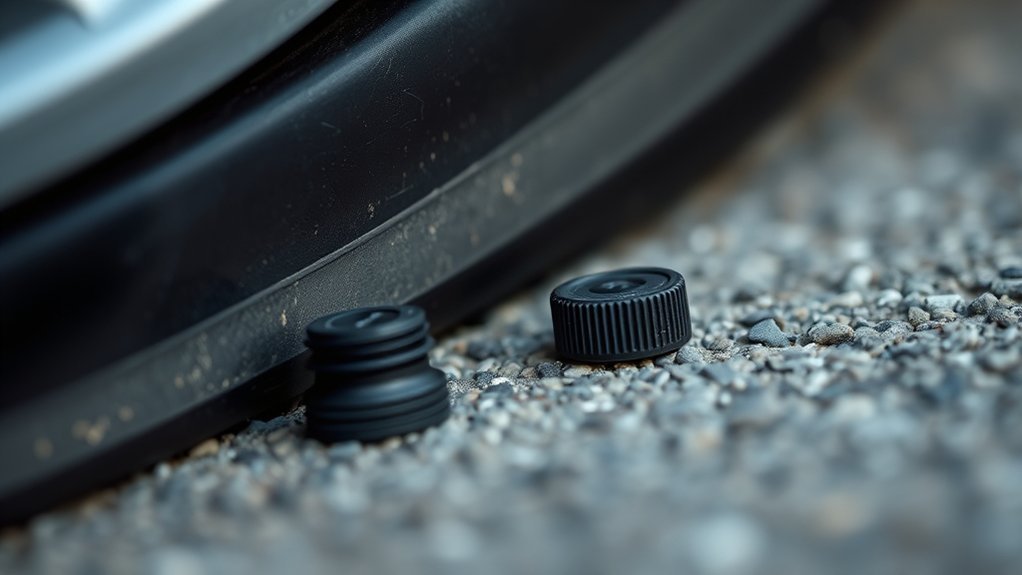
You can drive without tire caps for a short time, but you should not leave them off. The valve core should still hold air when it is healthy, so a missing cap usually does not create an emergency by itself. The problem is exposure. The longer the valve stays uncovered, the more likely dirt, water, and salt can reach the valve core.
Short-Term vs Long-Term
Short-term driving without a cap is usually low risk if the tire is holding pressure. Replace the cap when you get home, stop at an auto parts store, or visit a tire shop. After installing the new cap, check tire pressure with a gauge.
Long-term driving without caps is different. Repeated rain, winter salt, mud, and road grime can increase corrosion and sealing problems. If you drive on gravel roads, salted winter roads, or construction areas, replace missing caps even sooner.
When It Becomes Urgent
A missing cap becomes more urgent if you also notice pressure loss. A tire that drops several PSI in a few days needs inspection. The leak may come from the valve core, valve stem, tread puncture, rim, or tire bead.
Warning: Do not use a valve cap as a leak repair. If you hear hissing, see bubbles, or keep topping off the same tire, have the tire and valve inspected before driving far or at highway speed.
Why Tire Valve Caps Help Prevent Corrosion
Tire valve caps help prevent corrosion by blocking moisture and road salt from collecting inside the valve opening. Corrosion is most common in wet climates, snowy regions, coastal areas, and places where roads are salted during winter.
Corrosion can make the valve core harder to open and close. It can also make caps stick, especially low-quality metal caps on metal valve stems. That is why a clean, snug plastic cap often works better than a decorative metal cap that does not have a protective coating.
If your vehicle uses TPMS sensors, be careful with cheap metal caps. Some direct TPMS systems use metal valve stems, and mismatched metal caps can seize over time. If you want metal caps, choose corrosion-resistant caps with an internal seal and confirm they are safe for your valve type.
Which Tire Valve Caps Should You Buy?
For most drivers, the best tire valve caps are simple plastic caps with a snug fit. They are inexpensive, corrosion-resistant, and easy to replace. If you want stronger sealing, choose caps with a rubber washer or O-ring inside.
[Products Worth Considering]

These cute duck tire valve caps glow in the dark after absorbing sunlight, adding a fun, personalized look to your ride. Made with titanium alloy and resin for durability, they help protect the valve core by isolating air and shielding against dust, water, and oil. Universal fit makes them suitable for cars, motorcycles, trucks, and bicycles.

Upgrade your Toyota tire setup with these corrosion-resistant, leak-proof valve stem caps designed to help protect the valve core from water, snow, and road grime. The caps feature a snug rubber seal and durable copper alloy construction to resist rust and oxidation while maintaining stable tire pressure. Ideal for replacing worn original caps and keeping your wheels looking clean and stylish.
Material and Seal Type
- Plastic caps: Best for most daily drivers because they resist corrosion and do not seize easily.
- Rubber-sealed caps: Good choice if you want a tighter secondary seal over the valve opening.
- Metal caps: Durable and stylish, but they should be coated, corrosion-resistant, and compatible with your valve stems.
- Decorative caps: Fine if they fit securely and do not interfere with TPMS stems.
Pro Tip: Keep four spare plastic caps in your glove box. If one goes missing after a pressure check, car wash, tire rotation, or service visit, you can replace it right away.
Style and Vehicle Fit
Most passenger vehicles use Schrader-style tire valves, so common universal caps usually fit. Still, check the cap threads before tightening. The cap should turn smoothly by hand and stop snugly. If it cross-threads, feels loose, or will not tighten, use a different cap.
Avoid forcing a cap. Overtightening can strip plastic threads or make metal caps difficult to remove later. Hand-snug is enough.
How to Replace a Missing Tire Cap
Replacing a missing tire valve cap takes only a moment and no special tools. The goal is to protect the valve opening without damaging the threads.
- Park safely and let the tires cool if you plan to check pressure.
- Inspect the valve stem for dirt, cracks, corrosion, or visible damage.
- Wipe loose dirt from the valve opening with a clean cloth.
- Thread the replacement cap on by hand.
- Tighten until snug, but do not overtighten.
- Check the tire pressure with a gauge and inflate to the pressure listed on your vehicle placard or owner’s manual.
Use the vehicle manufacturer’s recommended cold tire pressure, not the maximum pressure printed on the tire sidewall. FuelEconomy.gov notes that properly inflated tires are safer and last longer, and proper inflation can improve gas mileage by 0.6% on average, up to 3% in some cases.
Why Caps Go Missing After Service
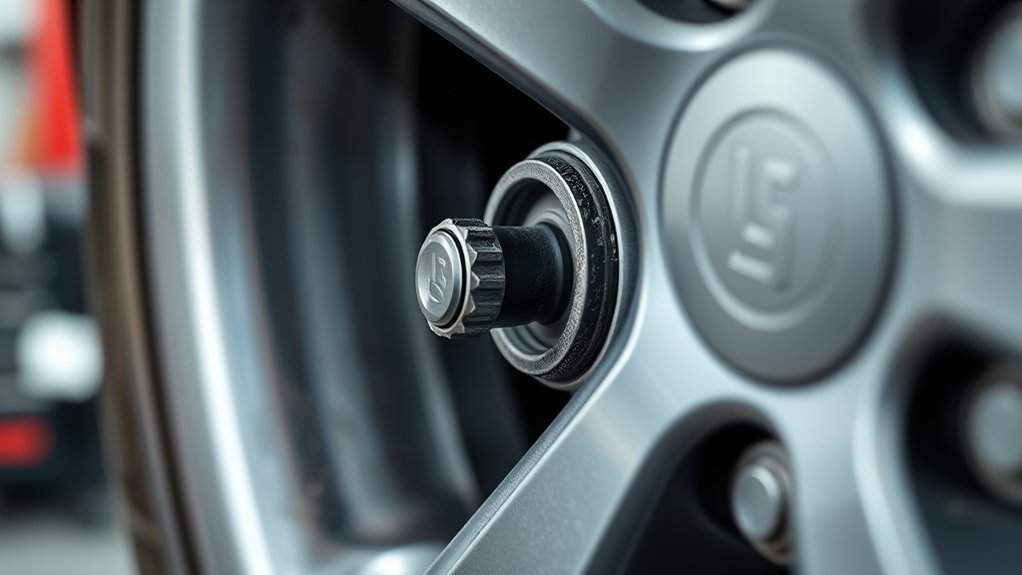
Tire valve caps often go missing after service because technicians remove them during pressure checks, tire rotations, repairs, and TPMS work. Caps are small, lightweight, and easy to drop on a shop floor or leave on a machine. They can also loosen after car washes, rough roads, or repeated air checks.
Make a quick habit of checking all four caps after any tire service. Also check the spare tire if it has an exposed valve stem. This takes seconds and can prevent a small oversight from turning into valve contamination.
Signs Your Valve Stem Is Leaking
A missing cap can expose the valve, but pressure loss usually means something else needs attention. The valve core may be loose, the valve stem may be cracked, the tire may have a puncture, or the bead may be leaking at the rim.
Visible Air Loss
Visible air loss may show up as a low-looking tire, repeated TPMS alerts, or a pressure reading that keeps dropping after you inflate the tire. Do not judge pressure by appearance alone. NHTSA says underinflated tires can be hard to detect visually, so use an accurate gauge.
Hissing Near Valve
A hissing sound near the valve stem usually points to an active leak. Use this table to decide what to check next.
| Check | What It Means | Action |
|---|---|---|
| Cap missing | Valve is exposed to dirt and water. | Clean the area and install a new cap. |
| Hissing at valve | Valve core or stem may be leaking. | Use soapy water and inspect for bubbles. |
| Bubbles at valve tip | Valve core may be loose or damaged. | Have the core tightened or replaced. |
| Bubbles at stem base | Valve stem or TPMS seal may be leaking. | Visit a tire shop for repair. |
| Pressure keeps dropping | Leak may be in the tire, bead, wheel, or valve. | Do a full leak check before driving far. |
Pressure Drops Quickly
If tire pressure drops quickly over a few hours or days, treat it as a real leak. A cap may slow contamination, but it will not solve a puncture, cracked stem, loose valve core, damaged wheel, or bead leak. Inflate the tire to the correct cold pressure, check it again, and get service if the pressure falls again.
TPMS can help, but it has limits. The federal TPMS standard is designed to warn drivers of significant underinflation, not every small pressure change. That is why manual monthly checks still matter.
Where to Buy Replacement Valve Caps
You can buy replacement valve caps at auto parts stores, tire shops, gas stations, big-box stores, and online retailers. Basic plastic caps are usually enough. If you buy online, choose caps that clearly state they fit standard Schrader valves and include internal seals if you want extra protection.
For urgent replacement, ask a tire shop. Many shops keep spare caps on hand and may replace one during a pressure check. If your vehicle has TPMS, ask whether the cap material is safe for your valve stems.
Frequently Asked Questions
Is it bad to not have air caps on tires?
Yes, it is bad to leave air caps off for long. The tire may not lose air immediately, but the uncovered valve can collect dirt, moisture, and road salt. That contamination can lead to corrosion, sticking, or slow leaks over time.
How long can I drive without a tire air cap?
You can usually drive briefly without a tire air cap if the tire is holding pressure. Replace the missing cap as soon as practical, then check the tire pressure. If pressure drops, inspect the valve and tire for leaks.
Do tire valve caps hold air in?
The valve core holds the air in the tire. A valve cap mainly protects the valve opening. Some caps with rubber washers or O-rings can act as a secondary seal, but they should not be treated as a fix for a leaking valve core.
What happens if the tire pressure caps are missing?
Missing tire pressure caps expose the valve stem to dirt, moisture, and corrosion. Over time, this can make the valve core seal poorly and may lead to slow pressure loss. Replace missing caps and check pressure with a gauge.
Are plastic or metal valve caps better?
Plastic caps are better for most drivers because they are cheap, light, and corrosion-resistant. Metal caps can look nicer and feel stronger, but poor-quality metal caps can seize on some valve stems, especially in wet or salty conditions.
Why do people steal tire valve stem caps?
People sometimes take tire valve caps as a prank, for decoration, or because the caps are easy to remove. If it happens often, use plain plastic caps instead of decorative caps. They protect the valve just as well and attract less attention.
Conclusion
Tire valve caps are necessary because they protect a small but important part of your tire system. A missing cap usually will not flatten a tire immediately, but it exposes the valve core to dirt, moisture, salt, and corrosion. That can lead to slow leaks and pressure loss over time.
Use simple caps that fit securely, replace missing ones quickly, and check tire pressure at least monthly when the tires are cold. If one tire keeps losing air, look beyond the cap and inspect the valve, tire, rim, and bead before the problem becomes unsafe.
Sources
- NHTSA TireWise — tire pressure, tire maintenance, TPMS limits, blowout safety, and tire-related crash context.
- FuelEconomy.gov: Keeping Your Vehicle in Shape — proper tire inflation, fuel economy, safety, and tire life.
- 49 CFR 571.138: Tire Pressure Monitoring Systems — federal TPMS purpose, warnings, and underinflation guidance.
- Air, Helium and Water Leakage in Rubber O-ring Seals — general sealing behavior of rubber O-rings.

Related Articles
How to Break a Car Window in an Emergency Safely
After an emergency, a few simple moves can break a car window safely—but one crucial choice could change everything.
Read More
How to Buy Car Insurance: Coverage Guide for Beginners
Choose the right car insurance coverage and compare smarter to avoid costly gaps—discover the key details beginners often miss.
Read More
How to Get Cheap Car Insurance: 10 Ways to Cut Costs
Maximize savings on cheap car insurance with 10 smart cost-cutting moves, and discover the one strategy most drivers overlook.
Read More