
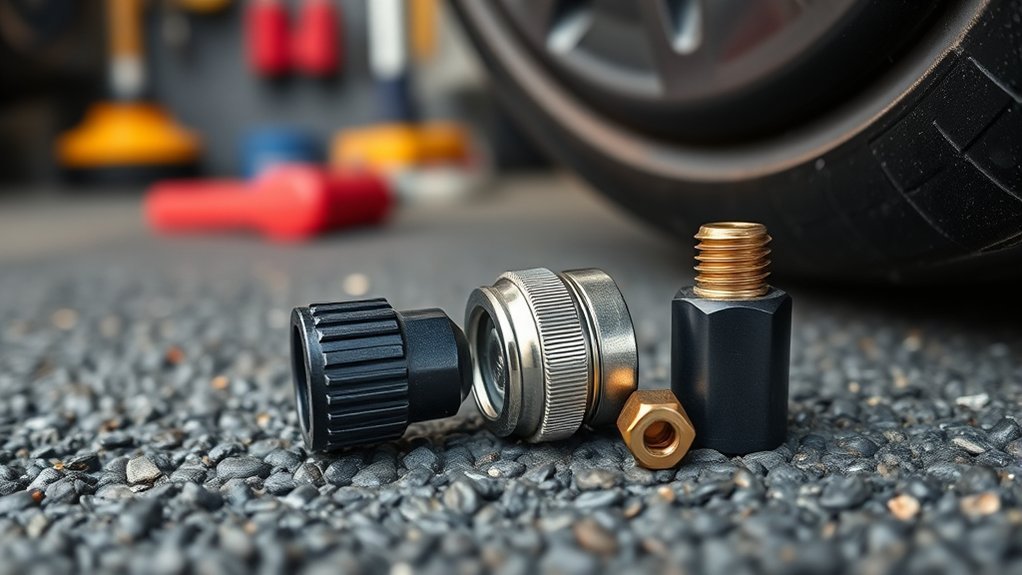
Yes, most tire valve caps are universal when your vehicle uses standard Schrader valves. That covers most cars, SUVs, pickup trucks, motorcycles, and many bicycles. Still, “universal” does not mean every cap fits every valve. Presta valves, Dunlop valves, flush-mounted stems, some TPMS stems, and specialty wheels may need a different cap style.
Quick Answer
Most tire valve caps fit standard Schrader valve stems, so they work on most passenger vehicles. Choose plastic for everyday use, or a gasketed cap if you want extra sealing help. Replace missing caps soon because dirt and moisture can damage the valve core and contribute to slow leaks.
Key Takeaways
- Most standard Schrader valve caps are interchangeable across cars, SUVs, trucks, and motorcycles.
- Common Schrader valve cap threading is about 0.305 inch by 32 TPI, often called 8V1.
- Valve caps mainly keep dirt, water, and road grime out of the valve core.
- Plastic caps are best for most drivers because they are cheap, light, and less likely to seize.
- Be careful with unlined metal caps on aluminum TPMS stems because corrosion can make them hard to remove.
At a Glance
| Time Required | 1 to 3 minutes for all four wheels |
| Difficulty | Easy |
| Tools Needed | Replacement caps, tire pressure gauge, and a flashlight if lighting is poor |
| Cost | Usually a few dollars for a pack of basic caps |
Are Tire Valve Caps Universal?
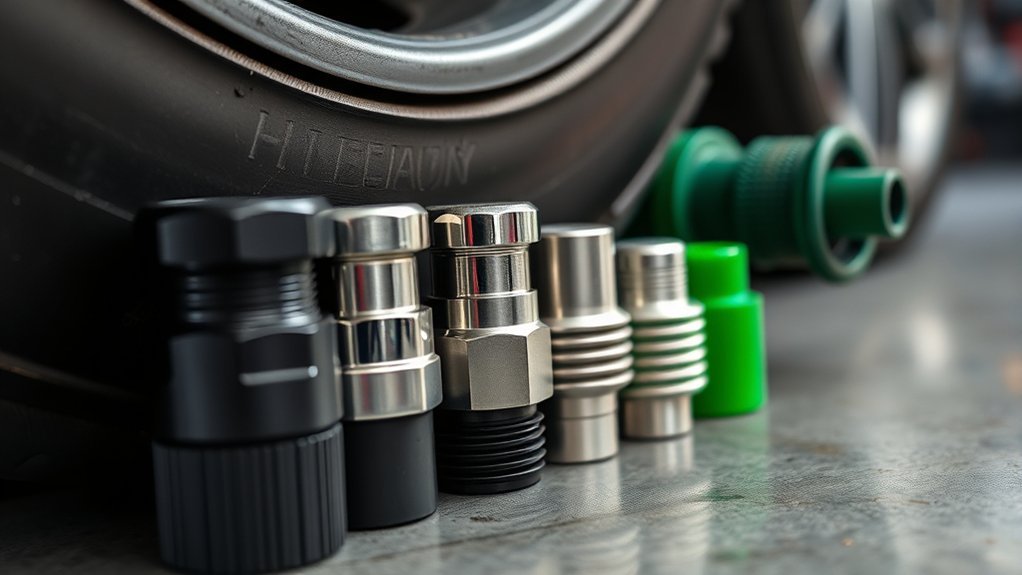
Tire valve caps are generally universal only when you are talking about standard Schrader valve stems. These are the wider spring-loaded valves used on most passenger vehicles. If two vehicles both use standard Schrader stems, their basic valve caps will usually swap from one to the other without trouble.
The exceptions matter. Some bicycles use Presta or Dunlop valves. Some custom wheels use short, recessed, or flush valve stems. Some aftermarket TPMS systems use sensor-style caps. In those cases, a normal car valve cap may not fit, may be hard to reach, or may not seal correctly.
Note: The cap is not the main air seal on a healthy tire valve. The valve core does that job. A cap protects the valve core from dirt and moisture, and a cap with a rubber washer can add backup sealing support.
What Size Tire Valve Caps Fit Most Vehicles?
Most passenger vehicles use a standard Schrader valve stem with an outside thread commonly listed as 0.305 inch by 32 TPI, also called 8V1. That is why most replacement valve cap packs sold for cars, SUVs, trucks, and motorcycles are labeled “universal.”
If you are buying caps for a normal vehicle, you usually do not need to measure anything. The cap should thread on smoothly by hand, cover the exposed valve tip, and stop without wobbling. If it feels loose, cross-threaded, or unusually tight, remove it and try a different cap.
[Products Worth Considering]

These universal tire valve stem caps help protect your valve core from dust, debris, moisture, and corrosion, supporting more stable tire pressure. The aluminum alloy design resists long-term wear, while the sealing construction helps help prevent air leakage. They twist on easily for quick installation and help safeguard driving safety across cars, SUVs, trucks, and motorcycles.

Protect tire valves from water, dust, and sand to help prevent leaks and support safe driving. These universal stem caps install quickly by hand and feature durable aluminum alloy construction with an inner sealing ring for better air retention. Compatible with cars, SUVs, trucks, motorcycles, and bicycles for everyday convenience.

Upgrade your vehicle’s style with sparkling rhinestone valve caps that add a unique luxury look. Built with an O-ring seal and rotating thread design, they help prevent air leakage while keeping dust and road grime out. The universal fit works on standard American tire valves for cars, trucks, SUVs, and motorcycles, and installs easily without special tools.
Standard Schrader Valve Size
A standard Schrader stem is the common tire valve found on most cars and light trucks. It has external threads for the cap and a spring-loaded valve core inside the stem. The cap threads onto the outside of the stem and covers the opening.
For everyday replacement, look for caps labeled for Schrader valves, car tire valves, or standard tire valve stems. A basic black plastic cap usually fits and is often the safest low-maintenance choice.
Universal Fit Exceptions
Not every tire valve uses the same cap. Check more carefully if you have:
- Presta valves: Common on many road and performance bicycles. They are narrower than Schrader valves.
- Dunlop valves: Found on some bicycles in Europe and Asia.
- Flush or hidden valve stems: Some custom wheels use a low-profile setup that needs a special cap or adapter.
- External cap-style TPMS sensors: Some aftermarket pressure-monitoring systems replace the normal cap with a sensor cap.
- Aluminum TPMS valve stems: Unlined metal caps may corrode or seize on some stems.
How To Check Before Buying
Use this quick check before you buy or install replacement tire valve caps:
- Look at the valve stem. If it is wide and looks like a typical car tire valve, it is probably Schrader.
- Check whether your current cap threads on by hand. Do not force it.
- Choose caps made for Schrader stems if you are buying for a car, SUV, truck, or motorcycle.
- Use plastic caps if your vehicle has TPMS stems and you are unsure about metal compatibility.
- After installing the cap, check tire pressure with a gauge and adjust it to the pressure listed on your vehicle placard or owner’s manual.
Pro Tip: Keep two spare plastic caps in your glove box. They cost little, take up almost no space, and let you replace a missing cap as soon as you notice it.
Why Tire Valve Caps Matter
Tire valve caps matter because they protect the valve core from dirt, water, road salt, and grime. That protection helps the valve core stay clean and close properly. A clean valve is less likely to develop a slow leak caused by debris or corrosion.
They also make routine maintenance easier. When every stem has a clean cap, you can remove the cap, check pressure, refill the tire, and reinstall the cap without fighting dirt packed into the valve opening.
Pressure Retention
The valve core is the main seal that holds air in the tire. A basic plastic cap is mostly a dust cover, not a primary pressure seal. A cap with a rubber gasket or O-ring can add a backup seal, especially if the valve core is slightly dirty or beginning to wear.
Do not rely on the cap to fix a leaking valve. If you hear air escaping, see bubbles during a soapy-water leak test, or keep losing pressure, the valve core, stem, bead, wheel, or tire may need service.
Dirt And Moisture Protection
When valve caps are installed, they help block:
- Dirt that can interfere with the valve core seal.
- Moisture that can encourage corrosion.
- Road salt that can attack metal parts in winter climates.
- Small debris that can make pressure checks messy or inaccurate.
This is why you should replace a missing or cracked cap soon, even if the tire is not losing air right now.
Which Tire Valve Cap Material Should You Choose?
The best tire valve cap material depends on your vehicle and climate. For most drivers, plastic valve caps are the best everyday choice. They are inexpensive, light, easy to remove, and less likely to seize on the valve stem.
Metal valve caps can look better and may last longer, especially when they include a rubber gasket. However, unlined metal caps can corrode or seize on some aluminum TPMS valve stems. If your vehicle has TPMS and you want metal caps, choose caps that are compatible with TPMS stems and include a proper lining or gasket.
| Plastic caps | Best for most daily drivers, low cost, low corrosion risk, easy to replace. |
| Metal caps | Durable, but check TPMS compatibility and remove them occasionally to prevent seizing. |
| Gasketed caps | Good choice when you want better backup sealing against moisture and minor valve-core seepage. |
| Decorative caps | Fine only if they fit correctly, do not hit the wheel, and do not interfere with TPMS. |
Warning: Do not force a cap that does not thread on smoothly. Cross-threading or seizing can damage the valve stem and may turn a cheap cap problem into a tire-service repair.
[Products Worth Considering]

These universal tire valve stem caps help protect valve cores from dust, debris, and moisture while helping maintain stable tire pressure. The corrosion-resistant metal construction and sealed design provide reliable protection in road grime, mud, and winter conditions. Twist-on installation makes them quick to fit on cars, SUVs, trucks, and motorcycles.

This Dr.Roc tire valve stem puller tools set helps install or remove snap-in tubeless valve stems safely and efficiently. It includes ozone-resistant EPDM snap-in valve stems, a valve stem installer, and a valve core remover for quick core removal or installation during tire service. Designed for reliable tubeless tire repair on motorcycles, ATVs, lawn equipment, cars, and trucks.
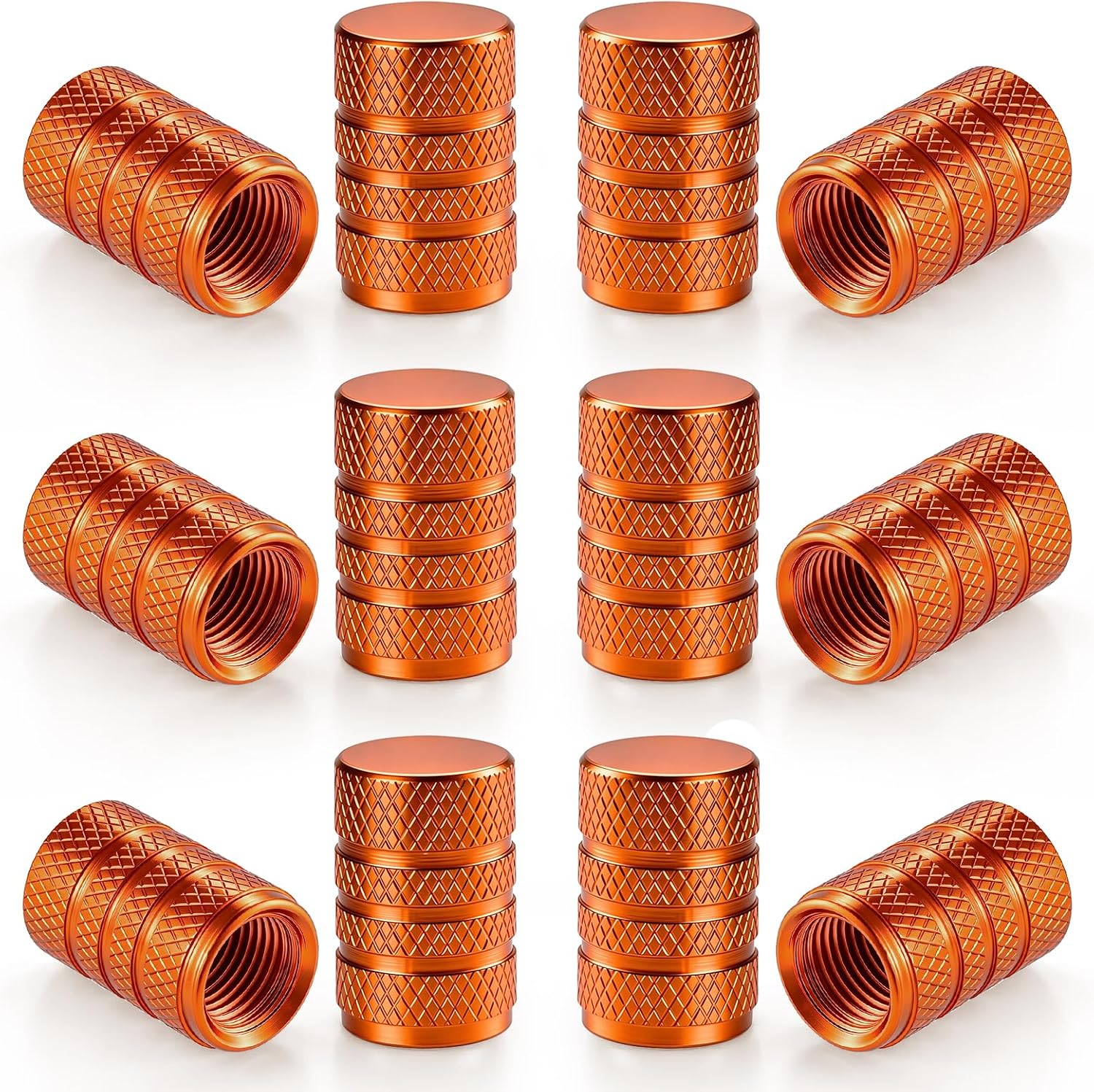
Upgrade your vehicles with these universal aluminum alloy tire valve stem caps designed to help keep dust out and maintain stable tire pressure. Each cap features an internal rubber seal for long-lasting leak protection and features an easy screw-on installation that won’t damage the valve stem threads. Suitable for cars, trucks, motorcycles, and bicycles, they also add a personalized decorative touch to your wheels.
Why Missing Tire Valve Caps Can Cause Leaks
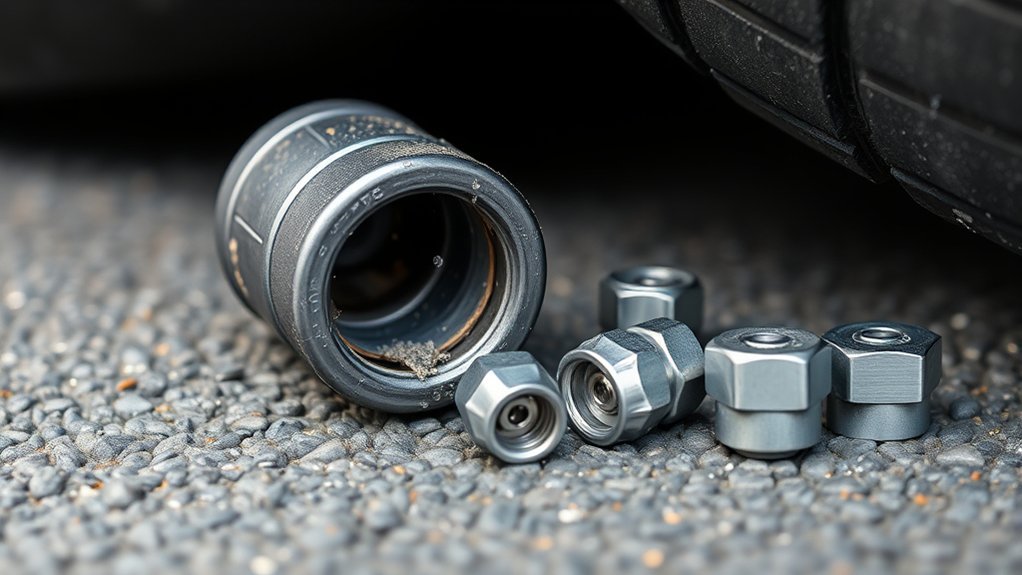
A missing valve cap does not always mean your tire will go flat. If the valve core is clean and healthy, it should still hold air. The problem is what happens over time. Without a cap, dirt, water, and road salt can collect inside the valve opening.
That contamination can interfere with the valve core and may lead to slow air loss. If pressure drops far enough, the tire can run underinflated. According to NHTSA tire-safety guidance, proper tire pressure affects safety, durability, and fuel consumption.
- The cap goes missing or cracks.
- Dirt and moisture reach the valve core.
- The valve core may corrode, stick, or stop sealing cleanly.
- The tire may develop a slow leak.
- Low pressure can lead to uneven wear, heat buildup, reduced fuel efficiency, and tire damage.
A valve cap is small, but it protects the one part of the tire you touch every time you check or add air.
What To Check After Tire Service
After a tire rotation, tire installation, flat repair, or pressure check, take one minute to inspect the valve stems before you leave. Make sure every valve cap is present, clean, and finger-tight. A service shop may remove caps during inflation, balancing, or TPMS work, so it is worth checking.
Use this post-service checklist:
- Confirm all four valve caps are installed.
- Check the spare tire cap if your spare has an exposed valve stem.
- Look for cracked, missing, or mismatched caps.
- Make sure each cap threads on smoothly by hand.
- Check tire pressure when the tires are cold, using the pressure listed on the driver-door placard or owner’s manual.
- If your TPMS light is on, inspect the tires and check pressure with a gauge. TPMS is helpful, but it is not a replacement for regular maintenance.
Best Tire Valve Caps For Everyday Use
For everyday use, choose plain black plastic Schrader valve caps or plastic caps with rubber seals. They are easy to install, easy to remove, inexpensive, and suitable for most cars, SUVs, trucks, and motorcycles.
If you drive in snow, salt, heavy rain, or muddy conditions, a cap with a rubber gasket can offer better protection against moisture. If you prefer metal caps, choose ones that clearly say they are compatible with your valve stems and remove them during routine pressure checks so they do not seize.
Avoid caps that are too tall, too heavy, or shaped in a way that could rub the wheel. Also avoid novelty caps if they make pressure checks harder. The best tire valve cap is the one that fits correctly, stays clean, and comes off easily when you need to add air.
[Products Worth Considering]

These universal aluminum tire valve stem caps help protect valve cores from corrosion caused by dirt, water, and snow while helping prevent air leaks to maintain steady tire pressure. They’re easy to install with a simple screw-on fit and are suitable for cars, SUVs, trucks, bicycles, motorcycles, and other vehicles. The stylish black caps add a clean, standout look to your wheels while supporting reliable long-term performance.

CKAuto 50 pack tire valve caps help protect your vehicle valves from dirt and corrosion while providing an airtight, leak-resistant seal. Each cap features an O-ring designed to help prevent air loss and keep out dust and debris. Universal sizing makes these caps suitable for cars, SUVs, bikes, trucks, and motorcycles, and the ridged grip design allows easy installation and removal for quick pressure checks.

Upgrade your wheels with zinc alloy valve stem caps featuring a plated, corrosion-resistant finish and a secure rubber O-ring seal. These caps help protect the valve stem from moisture, snow, and debris while supporting stable tire pressure and safer driving. Designed for easy installation, they replace worn caps and add a distinctive look to your vehicle.
When Should You Replace Missing Or Damaged Caps?
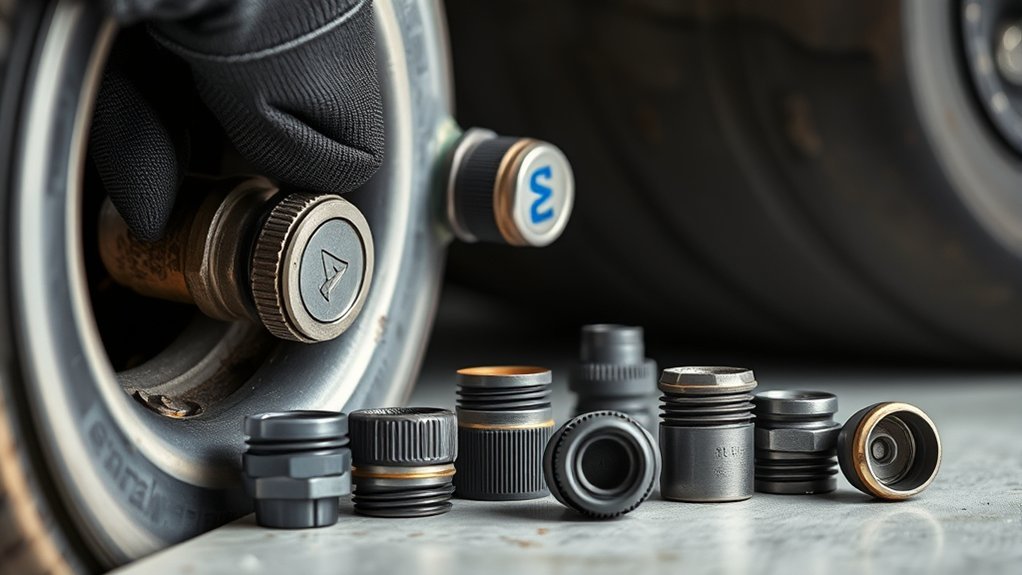
Replace missing or damaged tire valve caps as soon as you notice the problem. It is not usually an emergency if the tire is holding pressure, but you should not ignore it. A missing cap leaves the valve core exposed to dirt and moisture.
| Check Point | Action | Why It Matters |
|---|---|---|
| Cap missing | Install a replacement cap soon | Keeps dirt and moisture away from the valve core |
| Cap cracked | Replace it | Cracks let water and grit through |
| Cap seized | Do not force it; ask a tire shop | Forcing it can damage the valve stem |
| Cap leaks with bubbles | Have the valve core or stem checked | The cap should not be your main air seal |
After replacing a cap, check tire pressure. If the tire keeps losing air, the problem is likely more than the cap.
Frequently Asked Questions
Do all tire caps fit all cars?
No. Most tire caps fit most cars because most cars use standard Schrader valve stems. They may not fit Presta valves, Dunlop valves, flush valve stems, some custom wheels, or external cap-style TPMS sensors.
What happens if I lost my tire air cap?
If you lost a tire air cap, your tire should not instantly go flat if the valve core is healthy. Still, replace the cap soon because dirt, water, and road salt can reach the valve core and may lead to corrosion or slow air loss over time.
Can a tire lose air without a valve cap?
Yes, but the missing cap is usually an indirect cause. The valve core seals the air. Without a cap, debris or moisture can damage that core or stop it from sealing cleanly, which can create a slow leak.
Are metal valve caps better than plastic valve caps?
Not always. Plastic caps are better for many drivers because they are cheap, light, and less likely to seize. Metal caps can be durable, but they should be compatible with your valve stems, especially if your vehicle uses TPMS stems.
Do TPMS sensors need special valve caps?
Many factory TPMS valve stems can use normal plastic caps. Be careful with unlined metal caps on aluminum TPMS stems because corrosion can make them seize. If your vehicle has an external cap-style TPMS sensor, use the sensor cap required by that system.
Is it okay to drive without tire valve caps?
You can usually drive a short time without a valve cap if the tire is holding pressure, but you should replace the cap soon. Driving without it leaves the valve core exposed to dirt and moisture, which can raise the chance of slow leaks later.
Conclusion
So, are tire valve caps universal? For most standard Schrader valve stems, yes. A basic replacement cap will usually fit cars, SUVs, trucks, and motorcycles. The main exceptions are different valve types, specialty wheels, flush stems, and some TPMS setups. Choose plastic caps for simple everyday protection, use gasketed caps if you want better moisture protection, and replace missing or damaged caps as soon as you notice them.
Sources
- NHTSA TireWise — tire pressure, monthly checks, tire safety, fuel consumption, and underinflation risks.
- 49 CFR § 571.138, Tire Pressure Monitoring Systems — TPMS warning requirements and the reminder that TPMS does not replace proper tire maintenance.
- Schrader Valve Technical Reference — common Schrader valve use, cap function, and 0.305 inch x 32 TPI thread reference.
- Dustcap Technical Reference — dust cap function and caution about metal caps on direct TPMS valve stems.
