
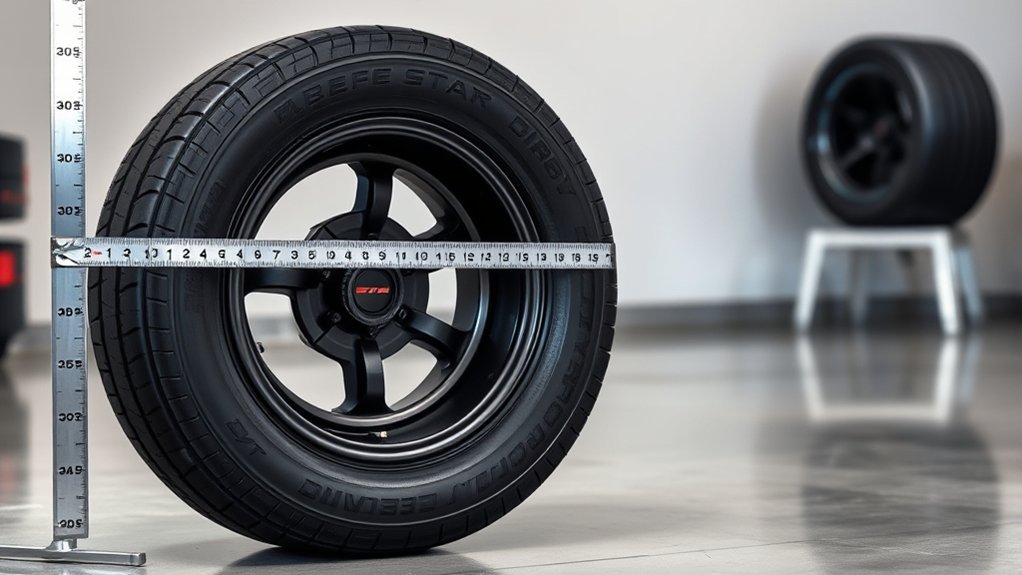
A 305 tire has a nominal section width of 305 millimeters, which converts to about 12.0 inches. That number tells you width, not total tire height. To find the tire’s height, you also need the aspect ratio and wheel diameter, such as 305/70R18 or 305/55R20.
Quick Answer
A 305 tire is about 12.0 inches wide because 305 mm divided by 25.4 equals 12.01 inches. Height depends on the full size code. For example, a 305/70R18 tire has an 8.4-inch sidewall and an overall diameter of about 34.8 inches.
Key Takeaways
- A 305 tire is about 12.0 inches wide, but that is the tire’s section width, not always the tread width.
- In 305/70R18, 305 is the width, 70 is the sidewall aspect ratio, R means radial, and 18 is the wheel diameter.
- A 305/70R18 tire is about 34.8 inches tall by nominal formula.
- A 305/75R16 tire is about 34.0 inches tall by nominal formula, not 34.6 inches.
- Before installing 305 tires, check wheel width, offset, clearance, load index, tire pressure, and your vehicle’s tire placard.
At a Glance
| Time Required | Under 5 minutes for the math, longer if you are checking vehicle clearance |
| Difficulty | Easy for conversion, moderate for fitment |
| Tools Needed | Calculator, tire size code, tape measure, vehicle tire placard, and wheel specs |
| Cost | $0 for conversion; tire cost depends on brand, load rating, and size |
What Does a 305 Tire Mean?
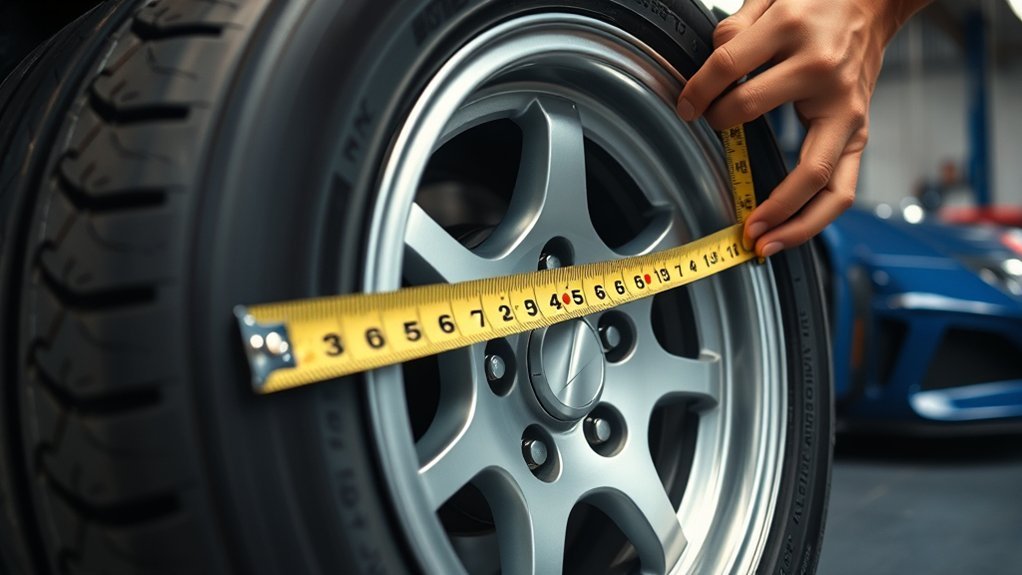
A 305 tire means the tire has a nominal section width of 305 millimeters. In a size like 305/70R18, the first number is the width, the second number is the sidewall aspect ratio, the R means radial construction, and the final number is the wheel diameter in inches.
That means a 305/70R18 tire is not simply “12 inches tall.” It is about 12 inches wide, with a sidewall height equal to 70% of 305 mm. You then add two sidewalls plus the 18-inch wheel to estimate the full outside diameter.
Note: The calculated size is a nominal estimate. Real mounted dimensions can vary slightly by tire model, tread depth, wheel width, inflation pressure, and load.
How Wide Is a 305 Tire in Inches?
A 305 tire is about 12.0 inches wide. The conversion is simple:
305 mm ÷ 25.4 = 12.01 inches
That 12-inch number is the tire’s section width, which is measured across the tire’s widest sidewall area. It is not always the same as tread width. Tread width can be narrower than section width, and manufacturers may measure tread width differently.
305 Width In Inches
A 305 tire width converts to about 12 inches. This broad width is common on trucks, larger SUVs, and off-road builds because it can support a wider footprint when the tire is matched to the right wheel and suspension setup.
Do not choose a 305 tire based on width alone. You also need enough wheel-well clearance, proper rim width, correct load rating, and the right tire pressure for your vehicle.
Metric To Inch Conversion
To convert a 305 tire from millimeters to inches, divide by 25.4:
- Start with the width: 305 mm.
- Divide by 25.4.
- Round the result: 12.01 inches, usually called 12.0 inches.
This conversion helps you compare metric sizes with flotation sizes like 35×12.50R18 or 33×12.50R18. Still, width is only one part of fitment. Overall diameter and wheel offset matter just as much.
Section Width vs Tread Width
The 305 number is section width, which is the tire’s cross-section width in millimeters. Tread width is the portion of tread that may contact the road, and it can vary by tread design, shoulder shape, and manufacturer measuring method.
This matters because two tires labeled 305 can look slightly different once installed. One may have a square shoulder and wide tread face, while another may have a rounded shoulder and narrower contact area. Always compare the manufacturer’s actual section width, tread width, and approved rim width when available.
How Tall Is a 305 Tire?
A 305 tire’s height depends on the full size code. The width alone does not tell you the overall diameter. For example, a 305/70R18 is about 34.8 inches tall, while a 305/55R20 is about 33.2 inches tall.
Use this formula:
Overall diameter = wheel diameter + 2 × sidewall height
For 305/70R18, the sidewall is 305 × 0.70 ÷ 25.4, which equals about 8.4 inches. Add two sidewalls to the 18-inch wheel, and the result is about 34.8 inches.
What Is a 305/70R18 Tire in Inches?
A 305/70R18 tire is about 12.0 inches wide, has an 8.4-inch sidewall, and has an overall diameter of about 34.8 inches. This size is often treated as a “35-inch class” tire, but it is not exactly 35 inches by nominal formula.
| Width | 305 mm, or about 12.0 inches |
| Sidewall | About 8.4 inches |
| Wheel Diameter | 18 inches |
| Overall Diameter | About 34.8 inches |
Use these numbers to check clearance, gearing, speedometer change, and fitment before mounting the tires. If your vehicle came with a much smaller tire, you may need different wheels, trimming, a lift, recalibration, or a different size.
How Do You Convert 305 Tire Sizes?
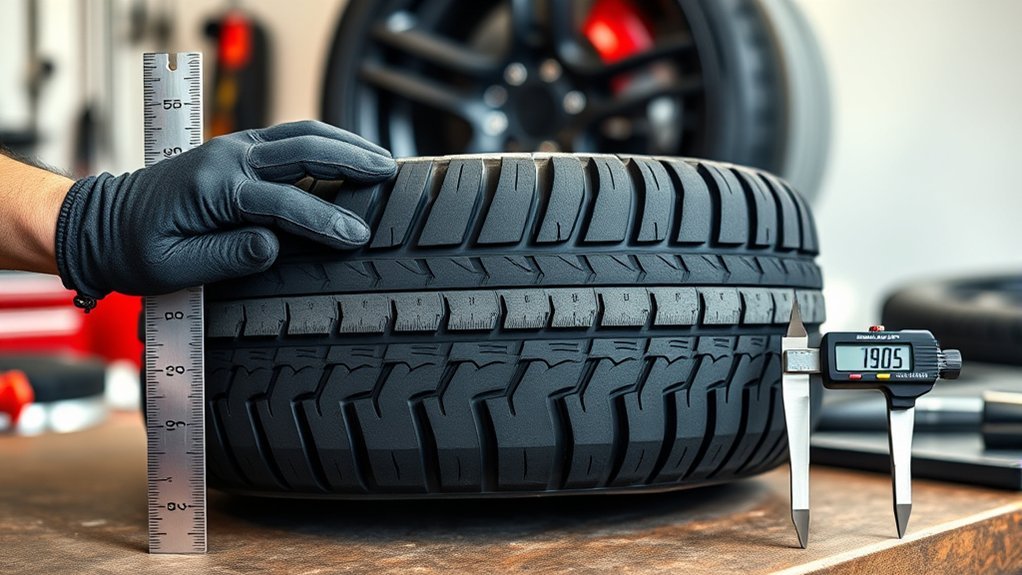
You convert a 305 tire by calculating width first, then sidewall height, then overall diameter. This works for metric sizes like 305/70R18, 305/55R20, and 305/75R16.
Width Conversion Basics
To convert the width, divide the millimeter number by 25.4:
- 305 ÷ 25.4 = 12.01 inches.
- Round to about 12.0 inches.
- Use that as the section-width baseline, not the tread-width guarantee.
Aspect Ratio And Diameter
The aspect ratio is the second number in the tire size. In 305/70R18, the 70 means the sidewall height is 70% of 305 mm.
Example for 305/70R18:
- Sidewall height: 305 × 0.70 = 213.5 mm.
- Convert to inches: 213.5 ÷ 25.4 = 8.4 inches.
- Overall diameter: 18 + 8.4 + 8.4 = 34.8 inches.
Quick Metric To Inch Formula
For any 305 metric tire, use this shortcut:
- Width in inches: 305 ÷ 25.4
- Sidewall in inches: 305 × aspect ratio ÷ 100 ÷ 25.4
- Diameter in inches: wheel diameter + 2 × sidewall height
Pro Tip: After doing the math, compare the tire maker’s actual spec sheet. Real-world mounted diameter can be slightly smaller or larger than the nominal formula.
Common 305 Tire Sizes by Wheel Diameter
Common 305 tire sizes vary mostly by aspect ratio and wheel diameter. The width stays about 12.0 inches, but the height can change by several inches.
| Size | Approx. Width | Approx. Sidewall | Approx. Diameter |
|---|---|---|---|
| 305/50R20 | 12.0 in | 6.0 in | 32.0 in |
| 305/55R20 | 12.0 in | 6.6 in | 33.2 in |
| 305/65R18 | 12.0 in | 7.8 in | 33.6 in |
| 305/70R17 | 12.0 in | 8.4 in | 33.8 in |
| 305/70R18 | 12.0 in | 8.4 in | 34.8 in |
| 305/75R16 | 12.0 in | 9.0 in | 34.0 in |
The table uses nominal formula math. It is best for quick comparison, but actual tire specs can differ slightly by brand and tread type.
Which Vehicles Use 305 Tires?
305 tires are common on larger pickups, heavy-duty trucks, full-size SUVs, lifted SUVs, and off-road builds. You may see them on vehicles such as the Ford F-250, Chevrolet Silverado, Ram 2500, Jeep builds, and other trucks that have enough wheel-well space.
Many 305 sizes are used for all-terrain, mud-terrain, and highway truck tires. The right choice depends on your vehicle’s weight, axle rating, wheel specs, and how you drive. A 305 tire can give a stronger stance and more sidewall support, but it can also add weight and create rubbing if the setup is wrong.
- Full-size pickups: often have more room for wider tires.
- Lifted SUVs: may use 305 tires for stance and trail clearance.
- Off-road rigs: may choose 305 widths for a larger footprint and stronger sidewalls.
Additionally, many off-road vehicles benefit from deep tread patterns that enhance traction in various conditions.
305 Tire Fitment and Performance
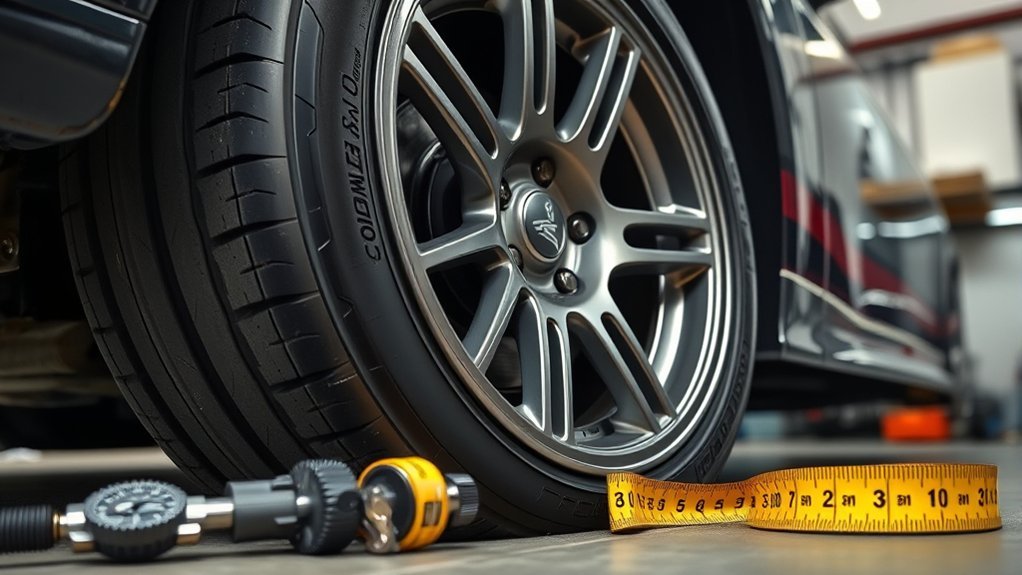
When you move from tire-size math to real fitment, the key numbers are width, sidewall height, overall diameter, wheel width, wheel offset, and load rating. A 305 tire is about 12 inches wide, so it may sit close to control arms, fender liners, mud flaps, and bumper edges.
With the right setup, a 305 tire can help with stability, stance, sidewall support, and off-road grip. With the wrong setup, it can rub, reduce steering clearance, change braking feel, affect fuel economy, and make the speedometer read differently.
Warning: Do not install 305 tires just because the width sounds right. Check your owner’s manual, Tire and Loading Information Label, wheel specs, load index, and clearance. If you are unsure, ask a qualified tire dealer or installer before mounting the tires.
Properly selected tires can enhance off-road capability, allowing you to push farther with more control and confidence.
[Products Worth Considering]

Keep your tires properly inflated with this analog VONDIOR tire pressure gauge, designed for fast, easy readings without batteries. The swiveling, two-axis hose and large glow dial help you measure at any tire angle with instant visibility. Built with a protective rubber shield, it supports durable, low-maintenance use for cars and trucks.

This manual duck head tire changer kit makes tire installation and removal simpler by letting you embed the duck head into the tire with applied pressure. The integrated design and durable steel construction help reduce friction and improve efficiency and safety during use. Suitable for 16–21 inch wheels, it’s convenient for cars, trucks, SUVs, and ATV tires, with 24-hour after-sales support.

Upgrade your 2024-2026 Tesla Model 3 Highland with REEVAA all-weather mud flaps designed for seamless fit along the original body lines. The set of four delivers strong splash protection against mud, gravel, and road debris while using OEM-grade durable materials. Installation is non-destructive with original hole positions and snap-in clips, and the aerodynamic design helps minimize impact on efficiency.
How to Check Clearance Before Buying 305 Tires
Before you buy 305 tires, compare them with your current tire size and vehicle setup. Use the checklist below to reduce the chance of rubbing or unsafe fitment.
- Check the original tire size: Find it in your owner’s manual or on the Tire and Loading Information Label on the driver-side door area.
- Compare overall diameter: A taller tire changes speedometer reading, gearing feel, acceleration, and braking response.
- Compare section width: A 305 tire is about 12.0 inches wide, so confirm inner and outer clearance.
- Check rim width: Make sure your wheel width is approved for the specific 305 tire you want.
- Check offset and backspacing: Offset changes where the tire sits inside the wheel well.
- Turn lock to lock: Check clearance at full steering lock on both sides.
- Check compression clearance: Leave room for suspension movement, not just parked clearance.
- Confirm load index and load range: The tire must support your vehicle and cargo needs.
- Plan for recalibration: Larger tires may require speedometer or TPMS recalibration.
[Products Worth Considering]

Clean grills, fenders, fender flares, bumpers, and wheel wells with a long-handled brush built for detailed car washing. The soft, triple-flagged bristles and dense scrub coverage help lift dirt gently while making coverage fast and easy. Use it with your favorite car wash soap for tires and exterior surfaces, and it also works for bike, motorcycle, boat, or RV cleaning.
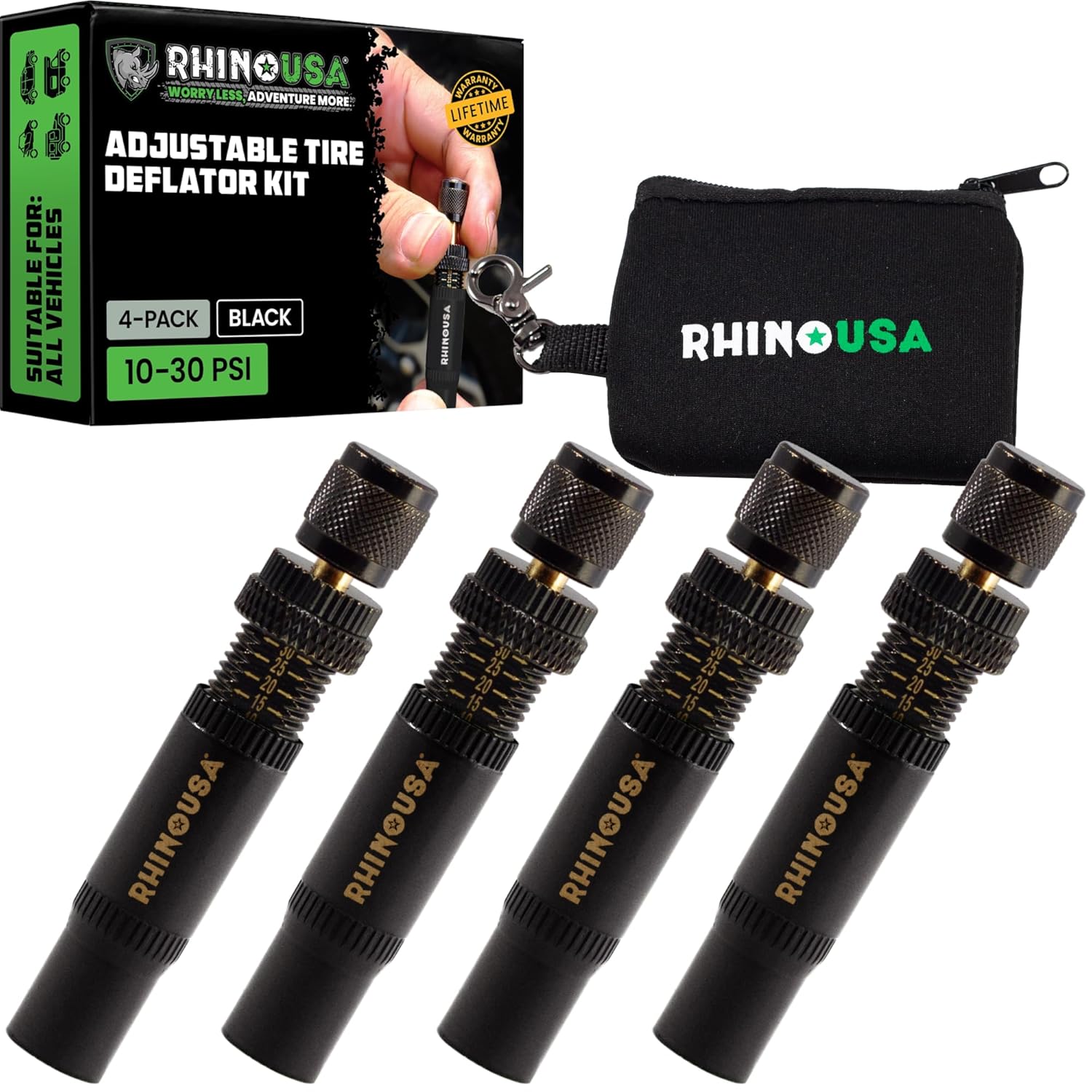
Use the Rhino USA adjustable tire deflators to air down all four tires at once by screwing one deflator onto each valve stem, letting you step away while the tires reach your preset pressure. Each deflator independently adjusts across a 10–30 PSI range with laser-etched indicators for quick setup and verification, making it ideal for beach, sand, and rocky off-road trails.

The SPTA wheel and tire brush kit makes it easy to remove dirt from wheels, rims, and hard-to-reach areas without needing a high pressure washer. Ergonomic handles and soft, chemical-resistant bristles help you clean faster while reducing the risk of scratching. The set is versatile for cars, trucks, motorcycles, bicycles, RVs, boats, and more.
Rim Width, Offset, Load Rating, and Pressure
Width and diameter get most of the attention, but they are not the whole fitment picture. A 305 tire needs a wheel width that the tire manufacturer approves. If the wheel is too narrow or too wide, the tire shape, tread wear, and handling can suffer.
Load index is also important. It tells you how much weight the tire is designed to carry. A tire with the right width but the wrong load capacity is not a safe choice for towing, hauling, or heavy trucks.
Tire pressure should come from your vehicle’s tire placard or an approved load/inflation setup, not from guessing. The maximum pressure on the tire sidewall is not the same thing as the recommended pressure for your vehicle.
[Products Worth Considering]

Switch to tubeless with this Muc-Off rim tape designed to create an airtight seal for smooth-running setups. The pressure-sensitive adhesive offers the right stretch for strength and durability, while the semi-transparent material helps you locate the valve hole quickly. It includes four seal patches for a secure finishing seal after wrapping.

Secure your vehicle during transport with this 4-pack of heavy-duty tire tie down straps designed for trailers and hauling. The ratchet system with flat hooks and D-rings helps you tension the straps quickly, while the wheel-friendly design protects tires. With high break strength and corrosion-resistant hardware, these straps provide reliable, confidence-inspiring tie-down security for cars, trucks, and UTVs.

Monitor tire tread wear with a smart, color-coded depth gauge that shows clear condition ranges at a glance. The bar is range marked for fast, easy readings, helping you maintain safer traction and performance. Each gauge is portable with a pocket clip, and the set includes 20 units for daily use and sharing.
305 Tire Size Alternatives
If you want alternatives to a 305 tire, start with sizes that keep the same general width or diameter goal. Common comparisons include 33×12.50R18, 35×12.50R18, 295/70R18, 315/70R17, and 325/65R18.
- Check overall diameter first: it affects gearing, speedometer accuracy, and fender clearance.
- Compare load rating next: your vehicle needs enough tire capacity for safe use.
- Match sidewall height to your terrain: more sidewall can help off-road comfort, while less sidewall may feel sharper on-road.
- Verify wheel width and offset: similar tire width does not guarantee the same fit.
You can choose these options to keep control while opening room for off-road capability and freer movement. Pick the tire size alternatives that fit your build, then verify wheel width and offset before you mount them. Additionally, consider all-season grip to enhance performance across different driving conditions.
Frequently Asked Questions
Is a 305 the same as a 35-inch tire?
Not always. A 305/70R18 is about 34.8 inches tall, so many people treat it as a 35-inch class tire. But a 305/55R20 is only about 33.2 inches tall. Always check the full size code.
Is a 305 tire equal to a 33?
Sometimes, but not by width alone. A 305/55R20 is about 33.2 inches tall, while a 305/70R18 is about 34.8 inches tall. The 305 number tells you width, so you need the aspect ratio and wheel size to know the height.
Is a 305 tire wider than a 285?
Yes. A 305 tire is about 12.0 inches wide, while a 285 tire is about 11.2 inches wide. The 305 is roughly 0.8 inch wider by nominal section width, but actual mounted width can vary by tire model and wheel width.
What is a 305/55R20 equal to?
A 305/55R20 is about 12.0 inches wide, has a sidewall of about 6.6 inches, and has an overall diameter of about 33.2 inches. It is closer to a 33-inch tire than a 35-inch tire.
How tall is a 305/70R17 tire?
A 305/70R17 tire is about 33.8 inches tall by nominal formula. The sidewall is about 8.4 inches, and the 17-inch wheel brings the total diameter to about 33.8 inches.
Will 305 tires rub?
They can rub if your vehicle does not have enough clearance. Rubbing depends on tire diameter, section width, wheel offset, suspension height, fender shape, mud flaps, bumper clearance, and steering angle. Check clearance before buying.
Conclusion
A 305 tire is about 12.0 inches wide, but its height depends on the full tire size. A 305/70R18 is about 34.8 inches tall, while a 305/55R20 is about 33.2 inches tall and a 305/75R16 is about 34.0 inches tall. Use width, aspect ratio, and wheel diameter together so you do not confuse a 305 width with a 33-inch or 35-inch tire.
Before you buy, measure clearance, compare wheel width and offset, check load rating, and confirm your vehicle’s tire placard or approved fitment guidance. That extra step can prevent rubbing, speedometer error, poor handling, and unsafe load capacity.
Sources
- Tire Rack: How Do I Read My Tire Size On My Sidewall? — supports section width, aspect ratio, radial construction, and wheel diameter definitions.
- Tire Rack: How Does Tire Rack Measure Tread Width? — supports the distinction between tread width and section width.
- NHTSA TireWise — supports tire placard, owner’s manual, pressure, tread, and tire-safety guidance.
- Tire Rack: What Is Load Index? — supports load-index and load-capacity guidance.

