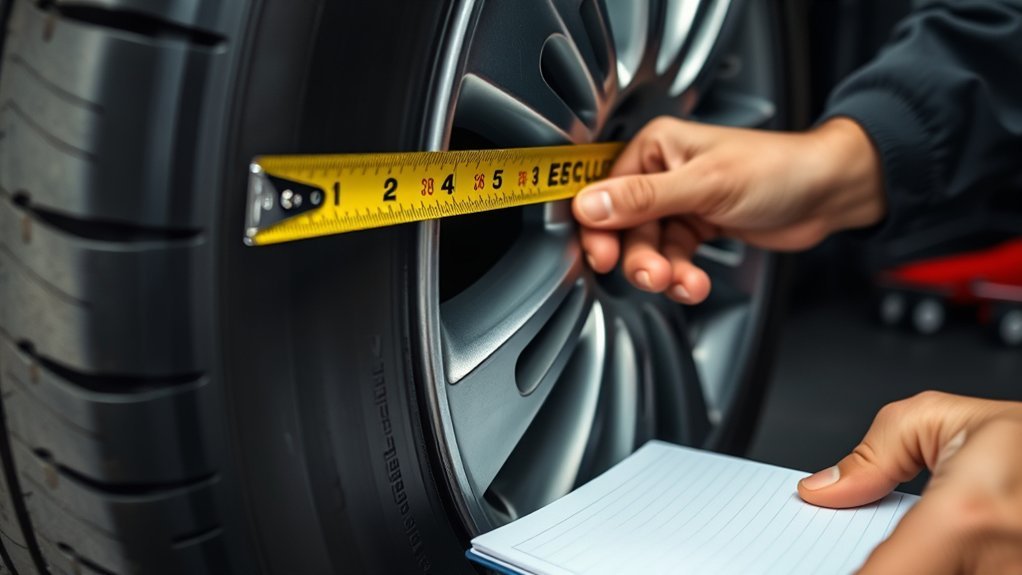
To figure out tire height, start with the size code on the sidewall, such as P225/70R16. The first number is tire width in millimeters, the second is the aspect ratio, and the last number is the wheel diameter in inches. Convert the aspect ratio to a decimal, calculate one sidewall, double it, then add the wheel diameter. That gives you the tire’s estimated overall height in inches.
Quick Answer
To calculate tire height, multiply tire width by the aspect ratio as a decimal, divide by 25.4 to convert the sidewall to inches, double that sidewall height, then add the rim diameter. For example, 225/70R16 is about 28.4 inches tall.
Key Takeaways
- Read the tire code, such as 225/70R16, to find width, aspect ratio, and wheel diameter.
- Use this formula: overall tire height = (section width × aspect ratio ÷ 25.4 × 2) + wheel diameter.
- A 225/70R16 tire is about 28.4 inches tall, while a 225/70R15 tire is about 27.4 inches tall.
- Compare the new tire height to the stock height before buying, because diameter changes can affect clearance, gearing, and speedometer accuracy.
- Check your owner’s manual, doorjamb tire placard, and a qualified tire dealer when changing tire size.
At a Glance
| Time Required | 2 to 5 minutes |
| Difficulty | Easy |
| Tools Needed | Tire size code, calculator, owner’s manual or tire placard for stock size |
| Cost | Free |
How to Read Tire Size on the Sidewall
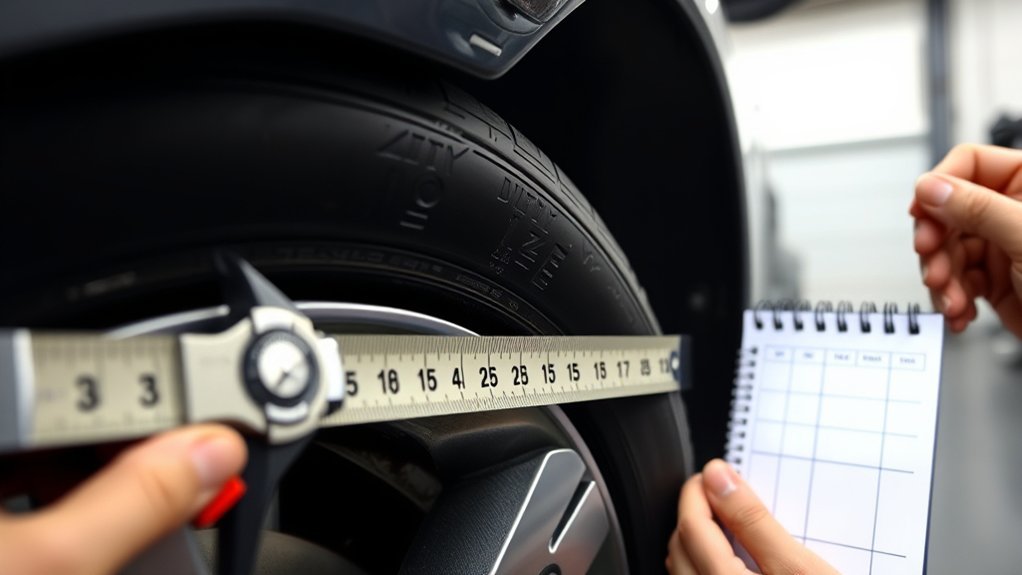
The sidewall code gives you the numbers needed to estimate tire height. In a size like P225/70R16, each part has a specific meaning:
- P means passenger tire. You may also see LT for light truck, ST for special trailer, or no prefix on some metric passenger sizes.
- 225 is the section width in millimeters, measured from sidewall to sidewall.
- 70 is the aspect ratio. It means the sidewall height is 70% of the tire width.
- R means radial construction.
- 16 is the wheel or rim diameter in inches. Under federal tire and rim rules, rim diameter refers to the nominal bead-seat diameter.
The width, aspect ratio, and wheel diameter are the three numbers you need for the tire height formula. Other sidewall details, such as load index, speed rating, DOT code, and treadwear grade, matter for safety and selection, but they are not used to calculate overall tire height.
To choose replacement tires safely, check your owner’s manual or Tire and Loading Information Label first. That label, usually on the driver’s doorjamb or door edge, lists the original tire size and recommended cold tire pressure.
What Tire Width and Aspect Ratio Mean
When you read a tire size, the first number is the tire width in millimeters. The second number is the aspect ratio, which tells you how tall the sidewall is as a percentage of that width. Together, these two numbers decide the sidewall height. Then the wheel diameter completes the total tire height.
Tire Width Basics
In a size like 225/70R16, the number 225 is the tire’s section width in millimeters. A wider tire can change grip, road feel, steering effort, and clearance, but width alone does not tell you the tire’s height. A 225/70R16 and a 225/60R16 have the same width, but the 70-series tire has a taller sidewall.
Width also affects fitment. A tire that is too wide may rub the fender liner, suspension, or wheel well when the steering is turned or the suspension compresses. That is why width, offset, wheel width, and overall diameter should be checked together.
Choosing the right size also affects how a tire performs in daily driving. For example, all-season tire performance depends on size, tread design, compound, load rating, and vehicle setup.
Aspect Ratio Explained
Aspect ratio is the sidewall height expressed as a percentage of tire width. In a 225/70 tire, the sidewall is 70% of 225 mm. The calculation is:
225 × 0.70 = 157.5 mm
That 157.5 mm is the height of one sidewall. Since a tire has a sidewall above and below the wheel, you double that number when calculating the full tire height.
- Higher aspect ratio usually means a taller sidewall and more cushion.
- Lower aspect ratio usually means a shorter sidewall and sharper steering response.
- Same width, different aspect ratio means different tire height.
How They Affect Height
Tire width and aspect ratio work together. A wider tire can become taller if the aspect ratio stays the same, because the sidewall is a percentage of width. For example, a 245/70 tire has a taller sidewall than a 225/70 tire because 70% of 245 is more than 70% of 225.
That is why you should compare the full size, not only one number. The tire height depends on all three parts: width, aspect ratio, and wheel diameter.
How to Calculate Tire Height in Inches
You can calculate tire height in inches with one clean formula:
Overall tire height = (section width × aspect ratio ÷ 25.4 × 2) + wheel diameter
Use the aspect ratio as a decimal. For example, use 0.70 for a 70-series tire, 0.65 for a 65-series tire, and 0.45 for a 45-series tire.
Step 1: Read the Tire Sidewall
Find the tire size on the sidewall. It may look like P225/70R16, 225/65R17, or LT275/70R18. Write down three numbers:
- Section width, such as 225 mm.
- Aspect ratio, such as 70.
- Wheel diameter, such as 16 inches.
Step 2: Calculate Sidewall Height
To find one sidewall, multiply the tire width by the aspect ratio as a decimal:
Sidewall height in mm = tire width × (aspect ratio ÷ 100)
For a 225/70 tire:
225 × 0.70 = 157.5 mm
This gives you the height of one sidewall. You need two sidewalls for total tire height, because one sidewall is above the wheel and one is below it.
Step 3: Convert Millimeters to Inches
Since the wheel diameter is already in inches, convert the sidewall from millimeters to inches by dividing by 25.4:
157.5 ÷ 25.4 = 6.20 inches
Then double the sidewall and add the wheel diameter:
(6.20 × 2) + 16 = 28.40 inches
So a 225/70R16 tire is about 28.4 inches tall.
Pro Tip: Round the final tire height to one decimal place for quick comparison, but keep the full number when checking percent difference against your stock tire size.
How to Use the Tire Height Formula
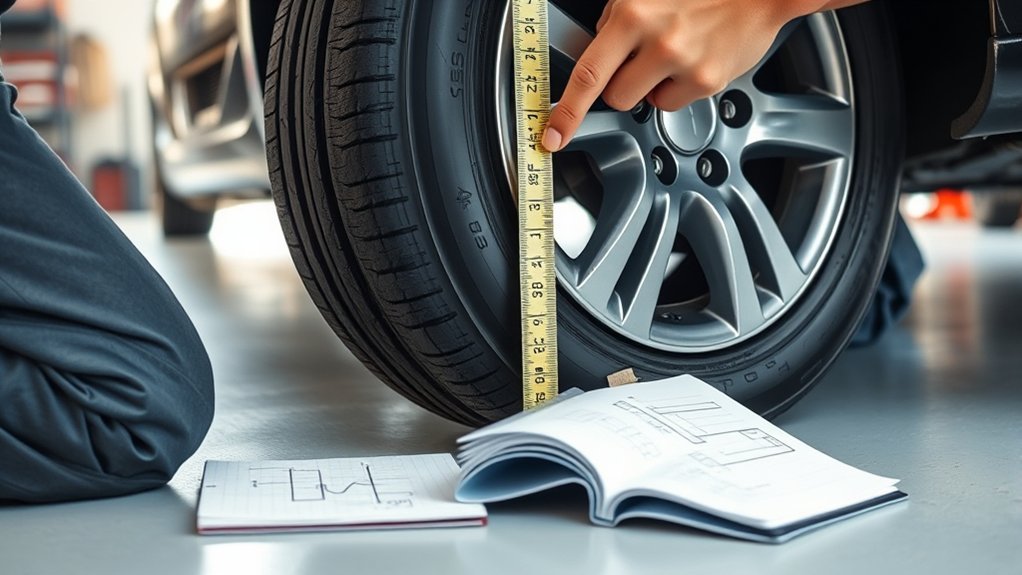
Use the formula by breaking the tire size into three parts. Here is a full example using 225/70R15:
- Width: 225 mm
- Aspect ratio: 70%, or 0.70
- Wheel diameter: 15 inches
- Sidewall height: 225 × 0.70 = 157.5 mm
- Sidewall in inches: 157.5 ÷ 25.4 = 6.20 inches
- Total tire height: (6.20 × 2) + 15 = 27.40 inches
That means a 225/70R15 tire is about 27.4 inches tall. If you switch the wheel from 15 inches to 16 inches while keeping the same 225/70 sidewall, the estimated height becomes about 28.4 inches.
This calculation helps you compare sizes before you buy. It also helps you understand how changes can affect suspension clearance, gearing, stance, and the kind of fuel efficiency you may get from a tire setup.
Quick Tire Height Examples
| Tire Size | Sidewall Height | Estimated Overall Height |
|---|---|---|
| 225/70R15 | 6.20 in | 27.4 in |
| 225/70R16 | 6.20 in | 28.4 in |
| 235/65R17 | 6.01 in | 29.0 in |
| 285/45R22 | 5.05 in | 32.1 in |
How Rim Diameter Changes Tire Height
Rim diameter affects tire height because it is the center part of the total diameter. If the sidewall height stays the same, a larger wheel makes the total tire taller. For example, a 225/70R15 and 225/70R16 have the same sidewall height, but the 16-inch version is about one inch taller overall.
That does not mean larger wheels always create taller tires. Many plus-size setups use a larger wheel with a lower aspect ratio so the overall tire height stays close to stock. For example, a larger rim with a shorter sidewall can keep the speedometer, gearing, and clearance closer to the original setup.
Note: Calculated tire height is an estimate. Actual mounted diameter can vary by tire brand, tread depth, rim width, inflation pressure, and load. For exact dimensions, check the tire manufacturer’s specifications.
Understanding tire dimensions also helps you compare ride comfort, tread design, and vehicle fit before choosing a replacement size.
How to Compare New Tire Height to Stock
After calculating the new tire height, compare it with the stock tire height. Use this formula:
Percent difference = (new tire height − stock tire height) ÷ stock tire height × 100
For example, if your stock tire is 28.4 inches tall and the new tire is 29.0 inches tall:
(29.0 − 28.4) ÷ 28.4 × 100 = 2.1%
A small difference may be acceptable on many vehicles, but there is no universal safe number for every car. A common tire-shop guideline is to stay close to the original diameter, often within about 3%, but your owner’s manual, vehicle manufacturer, and tire dealer should guide the final choice.
Warning: Do not choose a new tire size based on height alone. Check load rating, speed rating, wheel width, brake clearance, fender clearance, tire pressure requirements, and AWD or 4WD matching rules before changing sizes.
[Products Worth Considering]

Accurately measure tire tread depth with a calibrated gauge marked from 0 to 1 inch in 1/32 inch increments. The color-coded bar helps you quickly identify tread condition ranges, supporting safe driving for trucks, motorcycles, automobiles, and passenger vehicles.

Measure tire tread depth quickly and accurately with this LUMITECO dial gauge that reads in 1/32" increments up to 14/32". The color-coded green/yellow/red zones make it easy to judge tire wear and know when replacement is needed. A rugged, compact design with a protective pouch helps keep the gauge ready for use on cars, trucks, motorcycles, and more.

The SAFELIFE dial tire tread depth gauge measures tread depth in 1/32 inch increments with clear, easy-to-read 2-inch dial face. Color zones using a traffic light system help you quickly judge whether tread is low, marginal, or ample for safer driving. Built with a durable zinc cast body and a metal detect probe for precise, comfortable use across cars, motorcycles, trucks, and buses.
Why Tire Height Affects Speedometer Accuracy
Tire height changes speedometer accuracy because it changes tire circumference. A taller tire travels farther with each rotation, so the vehicle may move faster than the speedometer shows. A shorter tire travels less distance per rotation, so the speedometer may read higher than your true speed.
The odometer can also be affected, because it counts distance based on wheel rotation. If the tire diameter changes enough, the vehicle may record fewer or more miles than it actually travels.
You do not always need recalibration for every small change, especially if the new size is manufacturer-approved. But if the change is outside the vehicle’s acceptable range, you may need tire-size programming, speedometer calibration, or professional fitment advice. Accurate readings matter for speed limits, mileage tracking, driver-assistance systems, and maintenance intervals.
Choosing the right tire size can also support the importance of treadwear warranties, because uneven fitment, wrong pressure, or poor alignment can shorten tire life.
How Tire Height Changes Ride and Handling
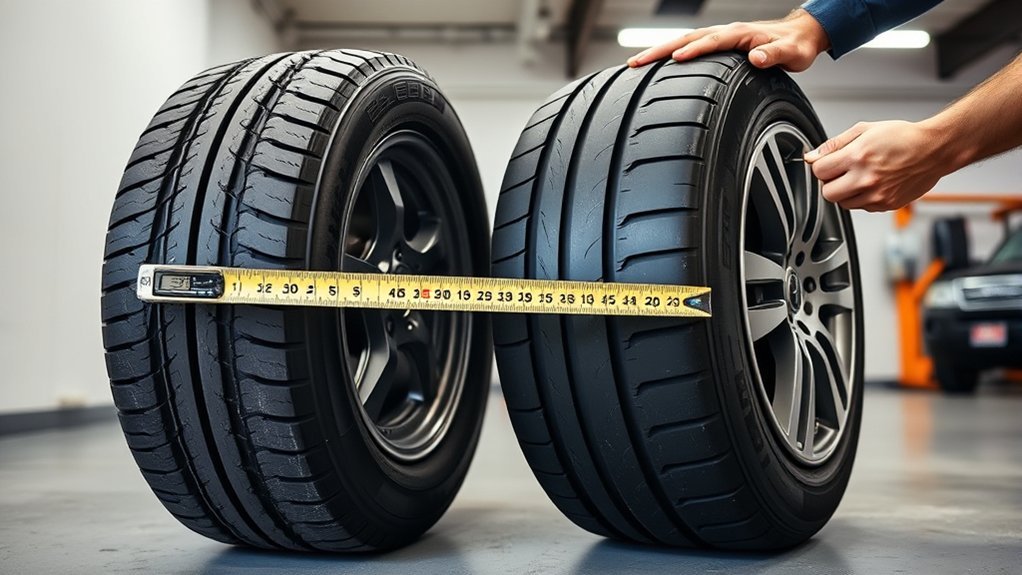
Tire height changes how your vehicle feels on the road. A taller sidewall can absorb bumps better, which may improve ride comfort on rough pavement or gravel. Taller tires can also add ground clearance, which helps on ruts, snow, and uneven roads.
The tradeoff is that extra height can soften steering response and raise the vehicle slightly. That can add body roll, change braking feel, and make acceleration feel slower if the tire is much taller than stock. Shorter sidewalls often feel sharper in corners, but they can ride harder and offer less cushion against potholes.
- More sidewall can improve bump absorption and rim protection.
- More diameter can change speedometer readings and effective gearing.
- More width can affect grip, rolling resistance, road noise, and clearance.
- Less sidewall can sharpen steering but may reduce comfort.
Choosing the right tire can also affect tire performance characteristics such as comfort, wet grip, road noise, and tread life.
What Happens When You Upsize Tires
When you upsize tires, you change more than appearance. A larger diameter can raise vehicle height, improve ground clearance, and help with off-road use, but it can also affect handling, braking, acceleration, speedometer accuracy, and fuel use. Wider tires may add grip in some conditions, but they can also increase rolling resistance or rub if the fitment is wrong.
| Change | Possible Effect |
|---|---|
| Larger overall diameter | More ground clearance, lower displayed speed, changed gearing |
| Shorter sidewall | Sharper response, firmer ride, less pothole cushion |
| Wider tread | More contact width, possible rubbing, more road noise |
| Higher rolling resistance | Possible fuel economy or EV range loss |
| Wrong load or speed rating | Unsafe fitment and possible tire failure risk |
Before you commit, check compatibility with the suspension, wheel wells, brakes, steering travel, spare tire area, and vehicle electronics. Upsizing can work well, but only when the full package fits the vehicle safely.
If your goal is all-weather grip, compare size with compound and tread design too. A properly sized set of choosing the right tires can matter more than diameter alone.
[Products Worth Considering]

Keep your tires properly inflated with this analog VONDIOR tire pressure gauge, designed for fast, easy readings without batteries. The swiveling, two-axis hose and large glow dial help you measure at any tire angle with instant visibility. Built with a protective rubber shield, it supports durable, low-maintenance use for cars and trucks.

This 15-inch tire spoons kit makes tire removal and installation easier with added leverage, reducing time and effort for everyday repairs. It includes tire spoons, rim protectors, a valve tool, and valve cores/caps, helping protect rims and streamline deflation and re-sealing. Built with durable hardened steel and a non-slip ergonomic grip for confident use on motorcycles, dirt bikes, ATVs, and lawn equipment.

Monitor tire tread wear with a smart, color-coded depth gauge that shows clear condition ranges at a glance. The bar is range marked for fast, easy readings, helping you maintain safer traction and performance. Each gauge is portable with a pocket clip, and the set includes 20 units for daily use and sharing.
What About Flotation Tire Sizes?
Some light-truck and off-road tires use flotation sizing instead of the P-metric format. A size like 31×10.50R15 is different from 225/70R16:
- 31 is the approximate overall tire diameter in inches.
- 10.50 is the approximate section width in inches.
- R means radial construction.
- 15 is the wheel diameter in inches.
With flotation sizing, the first number already gives you the approximate tire height, so you do not need the metric aspect-ratio formula. Still, check the manufacturer’s specs because actual mounted diameter can vary by brand, tread depth, and inflation.
This is especially important for all-terrain and off-road setups, where off-road traction and comfort depend on diameter, width, sidewall strength, tread pattern, and correct pressure.
Which Sidewall Markings Do Not Show Tire Height?
A tire sidewall has many markings, but only the size code gives you the numbers for tire height. These markings are important, but they are not part of the height formula:
- Load index: shows how much weight the tire can carry.
- Speed rating: shows the tire’s speed capability under rated conditions.
- DOT/TIN code: identifies the tire and includes a date code for week and year of manufacture under federal tire identification rules.
- UTQG grades: where applicable, show treadwear, traction, and temperature grades for passenger tires.
- Maximum pressure: is not the vehicle’s recommended tire pressure. Use the vehicle placard or owner’s manual for recommended cold pressure.
Those details still matter when buying tires. For example, all-season tires should match the correct size, load rating, speed rating, and use case for your vehicle.
When to Get Help Choosing a New Tire Size
If you are unsure about a new tire size, start with the owner’s manual or tire placard. Federal vehicle placard rules require original tire size information and recommended cold tire pressure to be shown on the vehicle label. You can also ask a qualified tire retailer to confirm fitment before buying.
Get professional advice if:
- The new tire is much taller or shorter than stock.
- You drive an AWD or 4WD vehicle that requires matched tire circumference.
- The new tire is wider than stock.
- You changed wheel diameter, wheel width, or offset.
- You use the vehicle for towing, hauling, or off-road driving.
- You see rubbing at full steering lock or under suspension compression.
- You are unsure about load index, speed rating, or tire pressure.
A wrong tire size can distort speedometer readings, create rubbing, reduce braking performance, stress drivetrain parts, or overload the tire. If the numbers do not line up, choose the manufacturer-approved size or ask a tire professional before you buy. This matters even with all-season performance tires, because price and tread style do not replace proper fitment.
[Products Worth Considering]

Secure your vehicle during transport with this 4-pack of heavy-duty tire tie down straps designed for trailers and hauling. The ratchet system with flat hooks and D-rings helps you tension the straps quickly, while the wheel-friendly design protects tires. With high break strength and corrosion-resistant hardware, these straps provide reliable, confidence-inspiring tie-down security for cars, trucks, and UTVs.

This tire inflator extension hose helps your air chuck quickly connect and disconnect from the tire nozzle with minimal leakage, supporting more accurate tire pressure. It uses a high-pressure resistant inflatable tube and durable brass chuck adapter for long-lasting performance. The quick-connect 90-degree thumb press chuck converts to a locking style and is easy to operate for car, motorcycle, and bicycle inflations.
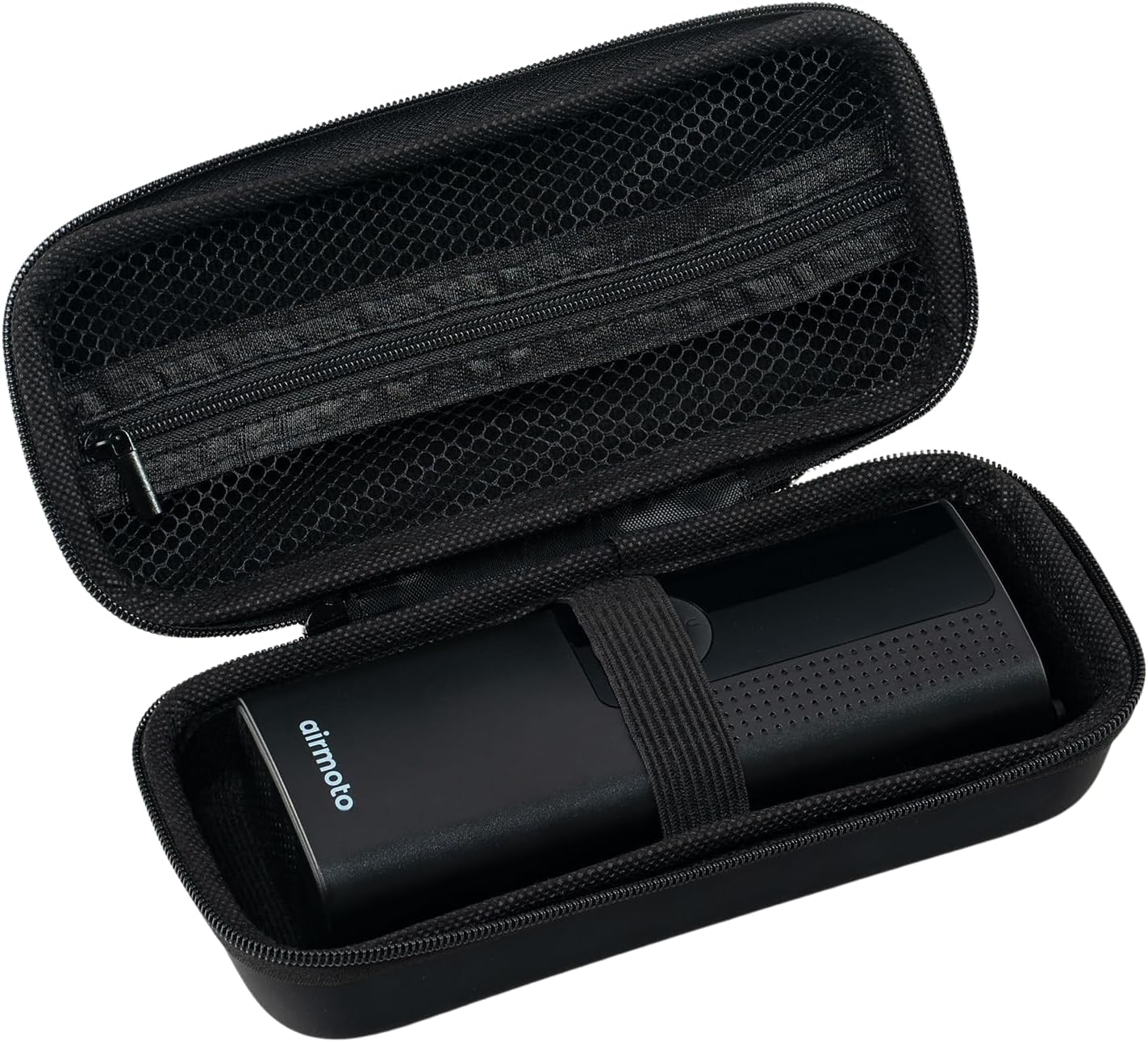
Protect and organize your Airmoto tire inflator with a purpose-designed carrying case made for a precise fit. The durable polyurethane shell and soft interior help guard against cuts, tears, and road wear, while a mesh pocket stores connectors and accessories. This travel box measures 7.5*3.5*2.8 inches and can work with most handheld portable air compressor models; this listing includes the case only.
Frequently Asked Questions
How do I tell the height of a tire?
Read the tire size code, then use the width, aspect ratio, and wheel diameter. Multiply the width by the aspect ratio as a decimal, divide by 25.4, double that sidewall height, and add the wheel diameter. A 225/70R16 tire is about 28.4 inches tall.
Is a 70 or 75 tire taller?
A 75-series tire is taller than a 70-series tire if the width and wheel diameter are the same. For example, 225/75R16 has a taller sidewall than 225/70R16 because 75% of 225 is more than 70% of 225.
Which tire is taller, 45 or 50?
A 50-series tire is taller than a 45-series tire when the tire width and wheel diameter are the same. For example, 245/50R18 has more sidewall than 245/45R18, so the total tire height is larger.
Is 285 the height or width of a tire?
In a metric tire size, 285 is the tire width in millimeters, not the height. For example, in 285/45R22, the sidewall height is 45% of 285 mm. You still need the aspect ratio and wheel diameter to calculate total tire height.
How tall is a 225/70R16 tire?
A 225/70R16 tire is about 28.4 inches tall. The sidewall is 225 × 0.70 = 157.5 mm, or 6.20 inches. Double the sidewall and add the 16-inch wheel: 6.20 + 6.20 + 16 = 28.40 inches.
Can I use tire height alone to choose a replacement size?
No. Tire height is only one part of fitment. You also need the correct load rating, speed rating, wheel diameter, wheel width, tire pressure guidance, brake clearance, suspension clearance, and drivetrain compatibility. Always compare the new size with the owner’s manual or tire placard.
Conclusion
Now you can figure tire height by reading the sidewall code, calculating sidewall height, converting it to inches, and adding the wheel diameter. The key is to use the aspect ratio as a decimal and compare the final height with your stock tire size before changing anything. Small size changes can affect speedometer accuracy, ride quality, clearance, and handling, so verify the full fitment before you buy.
Sources
- NHTSA TireWise — tire size selection, tire placard guidance, tire pressure, tire tread, and tire safety information.
- 49 CFR 571.110 — tire selection, tire placard requirements, original tire size designation, recommended cold pressure, and rim diameter terminology.
- 49 CFR Part 574 — tire identification number and tire date-code requirements.
- 49 CFR 575.104 — Uniform Tire Quality Grading information for passenger tires.