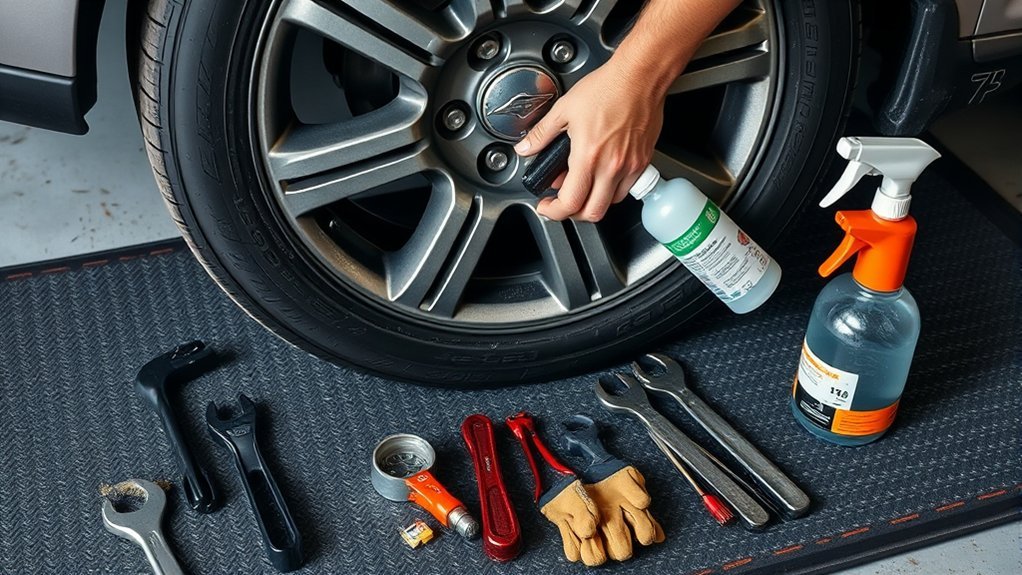
To dismount a tire, you need to remove the wheel, fully deflate the tire, break both beads loose from the rim, and work each bead over the rim flange with a tire lever or tire-changing machine. The job is simple in concept, but tire pressure, damaged rims, stiff sidewalls, and TPMS sensors can turn it risky fast. Use the steps below only for standard passenger-vehicle wheels in safe condition, and stop if anything looks damaged or unfamiliar.
Quick Answer
To dismount a tire, remove the wheel, take out the valve core to fully deflate it, break the bead on both sides, lubricate the bead area, then lift the tire bead over the rim lip with tire levers or a tire machine. Protect the rim and TPMS sensor throughout the process.
Key Takeaways
- Work on a flat, stable surface and loosen the lug nuts before lifting the vehicle.
- Remove the valve core and confirm the tire is completely deflated before breaking the bead.
- Use tire lubricant and steady pressure instead of forcing a dry bead over the rim.
- Keep tools away from the valve-stem area if the wheel has a direct TPMS sensor.
- Inspect the rim, bead seat, valve stem, and sensor before mounting another tire.
At a Glance
| Time Required | 20–45 minutes per wheel for a careful DIY setup; less with a tire machine and experience. |
| Difficulty | Moderate. The steps are straightforward, but stiff beads and alloy rims require patience. |
| Tools Needed | Jack, jack stands, wheel chocks, lug wrench, valve core tool, bead breaker, tire irons or tire machine, tire lubricant, gloves, and eye protection. |
| Cost | Low if you already own the tools. Use a tire shop for TPMS, low-profile, run-flat, damaged, or commercial wheels. |
Warning: Do not dismount a tire that has a cracked, bent, heavily corroded, overheated, or damaged rim. Do not service multi-piece, split-rim, truck, bus, agricultural, or heavy-equipment wheels unless you are trained and have the correct restraining equipment. If the tire will not deflate fully, stop and get professional help.
What You’ll Need to Dismount a Tire
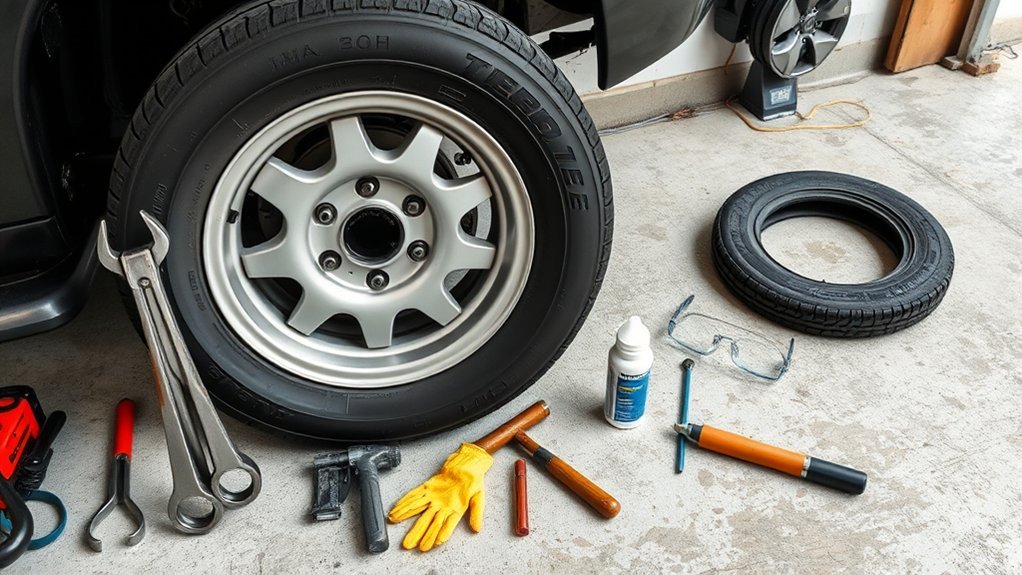
Gather your tools before you lift the vehicle or remove the wheel. At minimum, you need a lug wrench, jack, jack stands, wheel chocks, valve core removal tool, bead breaker, tire lubricant, and tire levers. A manual tire changer or powered tire machine makes the job easier, but the safety rules stay the same.
- Vehicle support: jack, jack stands, and wheel chocks.
- Wheel removal: lug wrench or breaker bar with the correct socket.
- Air removal: valve core tool and a safe place to store the valve core.
- Bead work: bead breaker, tire irons, rim protectors, and tire mounting paste or rubber-safe lubricant.
- Protection: gloves and safety glasses.
An air compressor is not required to dismount the old tire. You only need compressed air if you plan to mount and inflate another tire afterward. If you do remount a tire, follow the tire and wheel manufacturer’s pressure limits and safe inflation procedures.
[Products Worth Considering]

The Park Tool TL-1.2 tire lever set is narrow, strong, smooth, and versatile for easy tire removal and reliable work on bike tires. It includes a spoke hook design to help when multiple levers are needed. With Park Tool’s industry-standard reputation, this set is ideal for fast flat-fix repairs.

Malco tire mounting and demounting lubricant is a ready-to-use tire lube formulated to reduce friction during tire installation for passenger cars, light trucks, farm tires, and heavy-duty equipment. It provides rust-inhibiting protection to help reduce corrosion on rims and wheels, and helps support proper tire bead seating during inflation to reduce air leakage. The silicone-free, soap-free formula is whitewall safe to help prevent discoloration on whitewall tires and sensitive sidewall markings.

This 1/2-inch drive breaker bar delivers powerful leverage for loosening and tightening stubborn lug nuts and automotive fasteners. The 180-degree flex head helps you reach tight spaces at the angle you need, making tire and brake jobs easier. A spring-loaded ball detent design holds 1/2-inch sockets securely while the chrome-moly head provides durable strength for everyday use.
When Not to Dismount a Tire Yourself
Some wheels are better left to a tire shop. Stop before you start if the wheel is cracked, the sidewall is torn, the tire has been driven flat, the bead area is burned or melted, or the rim is badly corroded. Also use a professional for run-flat tires, very low-profile tires, expensive alloy wheels, reverse-mount wheels, or anything with a sensor location you cannot identify.
The OSHA rim-wheel servicing standard is written for workplace servicing of certain rim wheels, but its core safety principles are useful: deflate before demounting, inspect wheel components, use compatible tire and wheel sizes, and keep people out of pressure danger zones.
According to NHTSA TireWise, 511 people died in tire-related crashes in 2024. Careful tire work is not just about convenience; it is a safety step.
Park Safely and Prepare the Wheel
Park on a flat, solid surface away from traffic. Set the parking brake, place the transmission in Park or in gear, and chock the wheels that will stay on the ground. If the wheel has a hubcap or center cap, remove it carefully so you can reach the lug nuts.
- Loosen the lug nuts slightly while the tire is still touching the ground.
- Use a star pattern so the force spreads evenly across the wheel.
- Lift the vehicle at the correct jacking point.
- Set the vehicle securely on jack stands before removing the wheel.
- Remove the lug nuts and lift the wheel off the hub.
Pro Tip: Take a quick photo of the wheel before removing the tire. The photo helps you remember TPMS valve position, wheel orientation, and any existing damage.
Deflate the Tire and Break the Bead
Before you put force on the bead, remove all air from the tire. Take off the valve cap, use a valve core tool to unscrew the valve stem core, and wait until air stops escaping. Press the valve stem briefly after the hiss stops to confirm there is no trapped pressure.
[Products Worth Considering]

This VEVOR tire bead breaker uses a slide-hammer impact and wedge tip to separate tire beads from rims quickly and efficiently without damaging hub surfaces. The long handle and sturdy steel construction help reduce user strain while providing reliable, portable tire changing for cars, trucks, and more. Ideal for home mechanics and repair shops handling multiple vehicle tire sizes.
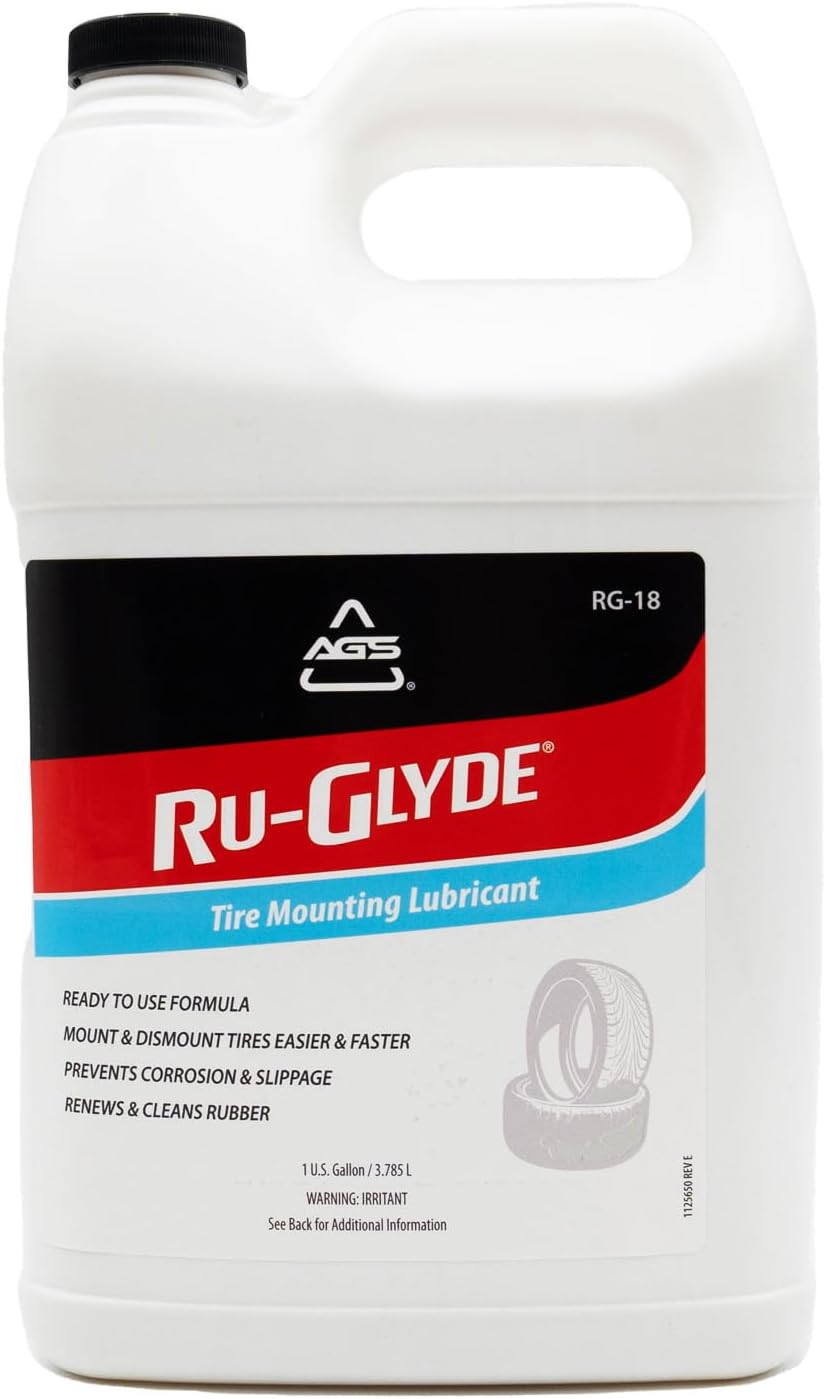
Ru-Glyde tire mounting lubricant from AGS seats tire beads smoothly on the first try with a thick, stay-put formula. It is ready to use with no mixing or dilution, helps prevent rim rust, and dries completely without causing bead slip residue. The water-based formula also conditions aged rubber, making it useful for sidewalls, gaskets, and door seals while remaining safe for tire, wheel, and technicians.

This multi-function tire valve stem removal tool set makes it fast to remove, install, bleed, and clean valve cores for easier tire maintenance. It includes valve core removers, a 4-way spool tool, replacement valve caps, and spare cores to handle replacements and repairs with confidence. Universal compatibility suits cars, trucks, motorcycles, bicycles, and more for roadside convenience.
Remove the Valve Core Completely
Do not just press the valve pin and call it done. Remove the valve core so the tire can vent fully. Keep your face and hands away from the valve opening while air escapes, and store the valve core where it will not pick up dirt.
OSHA’s safe operating procedure for single-piece rim wheels states that tires must be completely deflated by removing the valve core before demounting. That is the standard you should follow whenever you work a tire off a rim.
Position the Bead Breaker
Place the wheel flat or upright according to the bead breaker you are using. Keep the bead breaker shoe close to the rim edge, but not on the rim lip. If the wheel has a direct TPMS sensor, avoid pressing directly at the valve-stem area. Start about 90 degrees away from the valve stem when possible.
Separate Both Beads
Apply steady pressure until the bead drops into the wheel’s center channel. Rotate the wheel and repeat until the first side is loose all the way around. Flip the wheel and break the bead on the opposite side. A tire is not ready to remove until both beads are free from their bead seats.
Note: If the bead will not move, do not hammer the rim or heat the wheel. Add lubricant, reposition the bead breaker, and work in small sections. Heat and impact can damage wheels and tires.
Dismount the Tire From the Rim
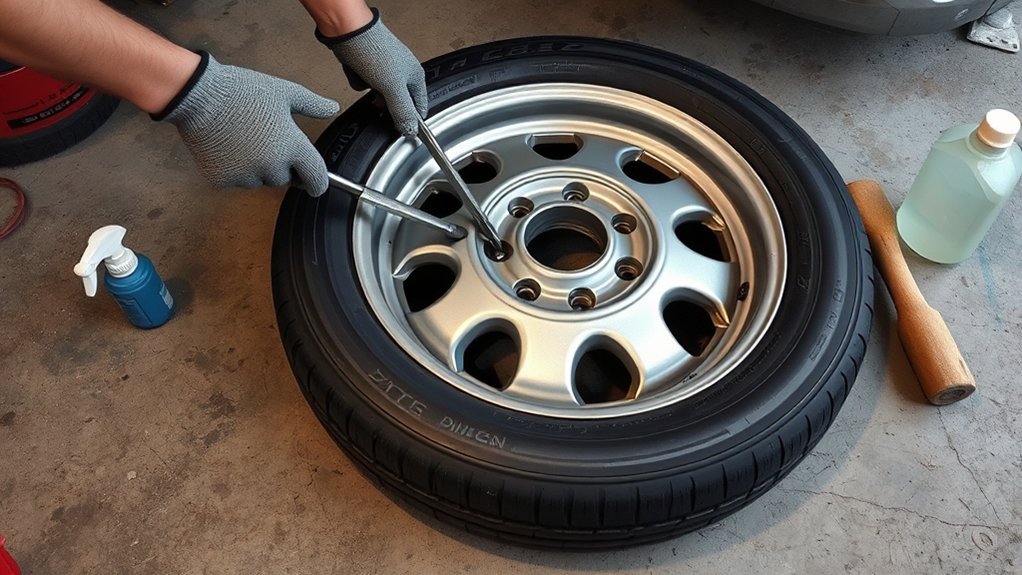
Once both beads are loose, lubricate the bead area and rim lip. The lubricant lets the rubber slide instead of tearing or grabbing. Keep the wheel stable, protect the rim edge, and work in short, controlled movements.
Manual Tire Lever Method
- Lay the wheel flat with the outer face up unless your manual tool requires another position.
- Push the bead into the drop center opposite the area where you will pry. This creates slack.
- Slide a tire lever under the top bead and lift it over the rim lip.
- Use a second lever a few inches away and work around the rim in small steps.
- After the first bead is off, repeat the process for the lower bead.
- Pull the tire away from the wheel once both beads clear the rim.
Tire Machine Method
If you use a tire machine, keep the wheel clamped while the bead is being removed. Set the demount head with proper clearance from the rim, place the bead in the drop center, and use the mount/demount bar as the machine rotates the wheel. Release the rim clamps only after the tire is off and the wheel is supported.
Stubborn Bead Troubleshooting
A stuck bead usually comes from corrosion, old rubber, dry bead surfaces, or sidewall stiffness. Add more tire lubricant, press the bead deeper into the drop center, and move the bead breaker around the circumference. If the bead still will not release, stop before you bend the rim or tear the bead.
- Bead will not break: reposition the bead breaker and work around the tire in sections.
- Lever keeps slipping: clean the bead area and use rim protectors.
- Rim starts to mark: stop and add plastic guards or switch to a tire machine.
- Sidewall feels unusually stiff: check whether the tire is run-flat or low-profile and consider professional service.
Protect TPMS Sensors and the Rim
Many modern vehicles use tire pressure monitoring systems. NHTSA explains that TPMS can use sensors in the tires or vehicle systems to warn the driver when tire pressure is below an acceptable level, and model year 2008 or newer passenger cars, light trucks, and vans are required to have TPMS. Still, TPMS is not a substitute for regular tire pressure checks.
Before you pry, locate the valve stem and assume a sensor may be attached behind it. Keep bead breaker force, levers, and machine tools away from that zone. On direct TPMS wheels, the sensor body often sits inside the rim near the valve stem, where one careless lever move can crack the housing.
| Area to Protect | What to Do | Why It Matters |
| TPMS sensor | Avoid prying near the valve stem. | Prevents cracked sensors and warning-light problems. |
| Rim lip | Use lubricant and plastic rim protectors. | Reduces scratches and seal damage. |
| Bead seat | Clean away rust, rubber, and old sealant. | Helps the next tire seal properly. |
| Valve stem | Inspect for cracks, stiffness, or leaks. | A damaged valve can cause slow air loss. |
[Products Worth Considering]

Keep your tires performing with these valve core removal tools designed to quickly disassemble and reinstall standard valve cores. The compact, portable design makes it easy to carry for bicycle, motorcycle, car, or truck repairs. Durable stainless steel construction helps you handle routine tire maintenance with less hassle.

This manual duck head tire changer kit makes tire installation and removal simpler by letting you embed the duck head into the tire with applied pressure. The integrated design and durable steel construction help reduce friction and improve efficiency and safety during use. Suitable for 16–21 inch wheels, it’s convenient for cars, trucks, SUVs, and ATV tires, with 24-hour after-sales support.

This professional wheel and rim cleaning brush set lifts brake dust, grime, and dirt with soft, scratch-free microfiber and synthetic wool fibers. The rim brush bends up to 360 degrees for easy access to hard-to-reach areas around spokes, lips, and faces. Ideal for thorough cleaning of car, truck, motorcycle, bicycle, RV, and more wheel and tire surfaces.
Inspect the Wheel Before Remounting
After the tire is off, inspect the wheel before you mount another tire. Look closely at the bead seat, rim flange, valve hole, lug holes, and inner barrel. A clean, round, undamaged rim is what lets the next tire seal evenly and hold pressure.
- Check the bead seat: remove dirt, rust flakes, rubber buildup, and old sealant.
- Inspect the rim lip: look for bends, gouges, and cracks.
- Check the valve stem: replace it if it is cut, loose, brittle, or leaking.
- Look at the TPMS sensor: make sure it is secure and not cracked.
- Confirm tire/wheel compatibility: use the tire size listed in the owner’s manual or tire placard unless the vehicle manufacturer allows another size.
NHTSA advises using the tire size specified by the vehicle manufacturer on the vehicle placard or in the owner’s manual. If you are unsure about rim width, bead diameter, load rating, or TPMS service, ask a tire dealer before remounting.
Common Mistakes to Avoid
- Trying to demount with air still inside: always remove the valve core and confirm zero pressure first.
- Prying near the valve stem: this can break a TPMS sensor.
- Skipping lubricant: a dry bead is harder to move and easier to damage.
- Using screwdrivers instead of tire levers: sharp tools can gouge the rim and tear the bead.
- Forcing a stuck bead: reposition the tool instead of bending the wheel.
- Ignoring rim damage: cracks, deep corrosion, and bends can cause leaks or failure.
Frequently Asked Questions
How do you take a tire off step by step?
Park safely, loosen the lug nuts, lift and support the vehicle, remove the wheel, take out the valve core, fully deflate the tire, break both beads, lubricate the bead area, then work each bead over the rim with tire levers or a tire machine. Inspect the rim and TPMS sensor before remounting.
How do you dismount a tire by hand?
Fully deflate the tire, break the bead on both sides, apply tire lubricant, push the bead into the wheel’s drop center, and use tire levers to lift the bead over the rim lip in small sections. Repeat for the second bead. Work slowly so you do not bend the rim or tear the bead.
What is the 3 tire rule?
There is no single official “3 tire rule” for dismounting a tire. People often use the phrase when asking whether one damaged tire can be replaced while the other three stay on the vehicle. The safe answer depends on tread depth, tire size, drivetrain, vehicle manufacturer guidance, and whether the remaining tires match closely enough.
How do you get a tire to come off the rim?
Make sure the tire is fully deflated, then break the bead all the way around both sides. Add tire lubricant, push the bead into the drop center, and pry in small sections with proper tire levers. If the bead is stuck from corrosion or age, keep repositioning the bead breaker instead of forcing the rim.
Can you dismount a tire without a tire machine?
Yes, you can dismount some standard passenger tires with a manual bead breaker, tire irons, rim protectors, and lubricant. A tire machine is safer and cleaner for stiff, low-profile, run-flat, expensive alloy, or TPMS-equipped wheels.
Do you need to remove the valve core before dismounting a tire?
Yes. Remove the valve core so the tire can fully deflate before you break the bead or pry on the tire. This reduces pressure hazards and makes the bead easier to release from the rim.
Conclusion
Dismounting a tire safely comes down to control: secure the vehicle, remove the wheel, fully deflate the tire, break both beads, lubricate the rim edge, and work the tire off in small steps. Protect the TPMS sensor, avoid forcing tools against the rim, and inspect every sealing surface before you remount another tire. If the wheel is damaged, the bead is stuck, or the setup looks unusual, a tire shop is the safer choice.
Sources
- OSHA 1910.177 — Servicing multi-piece and single piece rim wheels — backs deflation, inspection, compatibility, lubricant, and safe rim-wheel servicing procedures.
- NHTSA TireWise — backs tire maintenance, tire pressure, tread, TPMS, tire-size guidance, and tire-related crash safety data.
- 49 CFR § 571.138 — Tire pressure monitoring systems — backs U.S. TPMS performance and warning-system context.