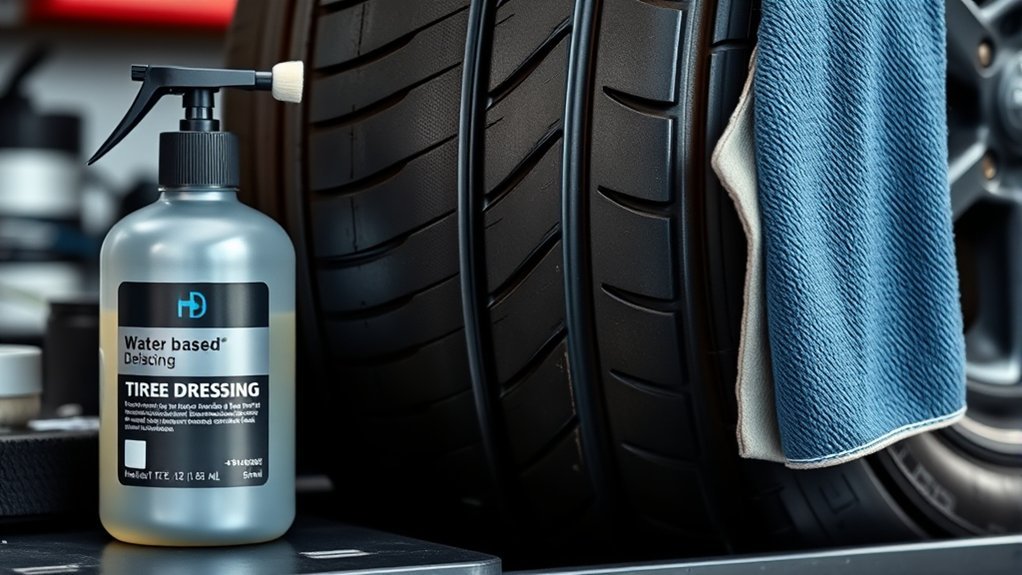
Tire shine usually will not ruin your tires when you choose a rubber-safe formula and apply it only to clean sidewalls. The risk comes from harsh, greasy, solvent-heavy dressings, careless overspray, and repeated buildup. A good tire shine should improve appearance without hiding tire damage, coating the tread, or replacing normal tire maintenance.
Quick Answer
Tire shine is not automatically bad for tires. Water-based, non-greasy dressings are usually the safest choice for regular sidewall use. Avoid harsh solvent-heavy products, keep dressing off the tread and brakes, wipe away excess, and never use tire shine to cover cracks, bulges, or dry rot.
Key Takeaways
- Tire shine is safest when it is water-based, non-greasy, and made for rubber sidewalls.
- Solvent-heavy dressings and heavy oily buildup can dry the sidewall, attract grime, and make sling more likely.
- Apply tire shine only to clean, dry sidewalls, then buff off excess before driving.
- Never put tire shine on the tread, brake rotors, pedals, motorcycle tires, or bicycle tires.
- If a tire has cracks, cuts, bulges, severe dry rot, or irregular wear, inspect or replace it instead of dressing over the problem.
At a Glance
| Time Required | 10–20 minutes for cleaning, drying, applying, and buffing |
| Difficulty | Easy, but accuracy matters around tread and brakes |
| Tools Needed | Tire cleaner, tire brush, hose or rinseless wash towel, foam applicator, microfiber towel, tire dressing |
| Cost | Usually $10–$25 for a bottle of tire dressing, plus reusable applicators |
Why Some Tire Shine Damages Tires
Some tire shine products can create problems because of how they sit on the rubber. Low-quality, solvent-heavy dressings may leave an oily film that attracts dirt, traps brake dust, and builds up in the sidewall texture. Over time, that dirty residue can make the tire look brown, patchy, or dry instead of clean.
The bigger issue is repeated use of harsh dressings on already aging rubber. Tire aging happens as rubber and tire components change from service, storage, heat, sunlight, and environmental exposure, according to NHTSA TireWise. Tire shine cannot stop that process, and it should never be used to hide cracks, cuts, bulges, or dry rot.
Warning: Do not apply tire shine to the tread, brake rotors, brake pads, pedals, motorcycle tires, or bicycle tires. Dressing belongs on the outer tire sidewall only. A slick contact surface can reduce grip and create a safety risk.
Ozone and sunlight can also contribute to rubber aging. Rubber sidewalls are made with protective ingredients, but once you see visible cracking, a cosmetic dressing is not a repair. At that point, you need a tire inspection, not more shine.
What Makes Tire Shine Safe?
Safe tire shine starts with the right formula. For most drivers, a water-based tire dressing is the best everyday choice because it is easier to apply thinly, easier to buff, and less likely to leave a greasy film. A good product should darken the sidewall, dry evenly, and wipe clean without feeling oily.
| Feature | Why It Matters | Best Result |
|---|---|---|
| Water-based formula | Spreads and buffs more cleanly than many solvent-heavy dressings | Less greasy buildup |
| UV protection or conditioners | Helps protect the appearance of exposed rubber | Cleaner sidewall finish |
| Sling-free drying | Reduces product spray on paint and wheel wells after driving | Less mess |
| Adjustable finish | Lets you choose matte, satin, or gloss without overapplying | Natural look or controlled shine |
Do not judge a tire shine by gloss alone. A very wet look can be fine if the product dries properly, but shine that stays slick, sticky, or oily is more likely to sling and attract grime. Read the label, check the safety data sheet if available, and choose a product made for exterior rubber.
Water-Based vs. Solvent-Based Dressings
Water-based tire dressings are usually the safer choice for regular maintenance. They are often easier to spread with a foam applicator, easier to dilute, and easier to buff down to a clean satin finish. For example, Chemical Guys Tire Kicker is described by the manufacturer as a sprayable, water-based dressing for rubber, vinyl, and plastic. Its directions call for a clean, dry surface, applicator use, buffing excess residue, and 5–10 minutes of drying time.
Solvent-based dressings can produce a deeper wet look and longer durability, but they need more care. The problem is not that every solvent-based product instantly ruins rubber. The problem is repeated use of cheap, greasy, aggressive products that do not dry cleanly. If a dressing smells harsh, stays oily, browns quickly, or keeps flinging onto the body panels, switch to a cleaner formula.
Note: Silicone is not automatically bad. Many dressings use silicone or polymers for shine and water resistance. What matters is the whole formula, the carrier solvents, how cleanly it dries, and whether you remove excess before driving.
[Products Worth Considering]
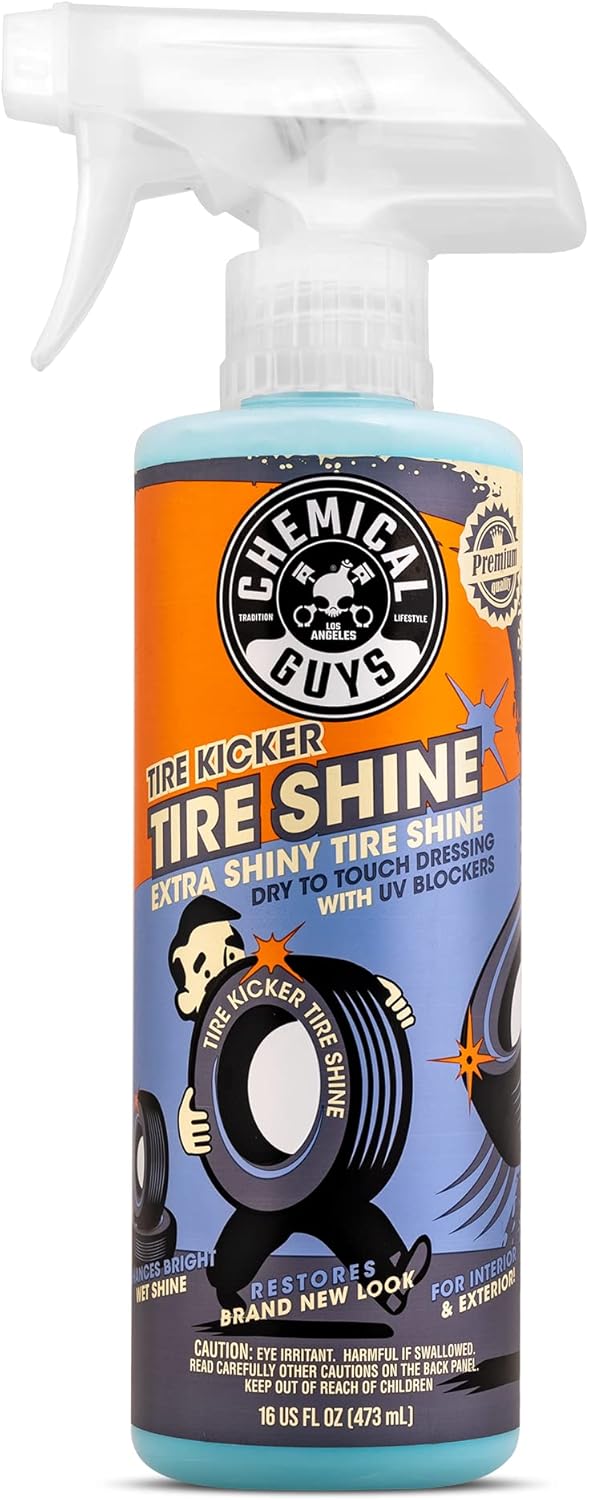
Chemical Guys Tire Kicker Sprayable Extra Glossy Tire Shine restores a deep, wet look on tires, rubber, vinyl, and plastic trim. It delivers a rich showroom shine that enhances color and luster while helping protect against fading, cracking, and discoloration. The spray application dries to the touch with a streak-free finish and no greasy sling, for fast results on cars, trucks, motorcycles, RVs, and boats.
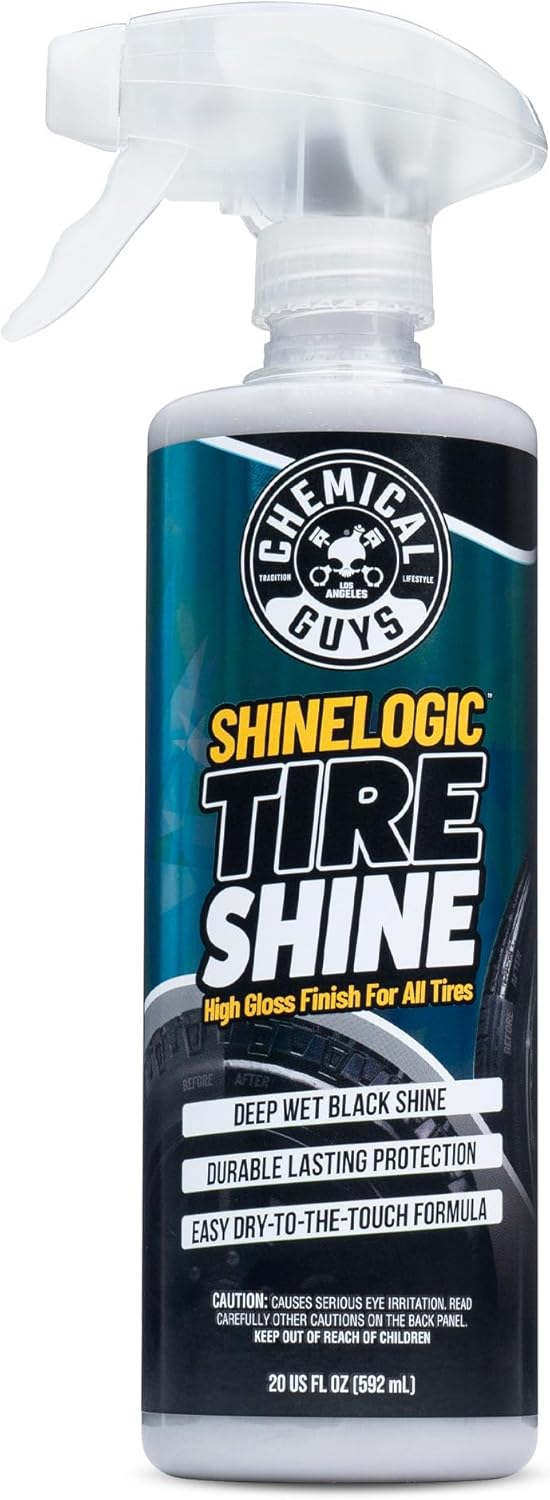
Chemical Guys ShineLogic Tire Shine delivers a deep wet black, high-shine finish for rubber tires with a sleek look. It’s designed for durable, one-step application with minimal drips, streaks, or runs, and it helps produce effortless, long-lasting shine. Choose aerosol or trigger spray for easy use on cars, trucks, motorcycles, RVs, and more.

Cristal Products Untouchable Tire Shine Spray delivers a deep, wet-look gloss that enhances your vehicle’s tires. It’s quick-drying and spreads smoothly for consistent, streak-free coverage, while forming a protective coating against UV rays, road grime, and weather. Suitable for all tire types, it helps restore dull, faded tires to a showroom-quality finish.
How to Apply Tire Shine Safely
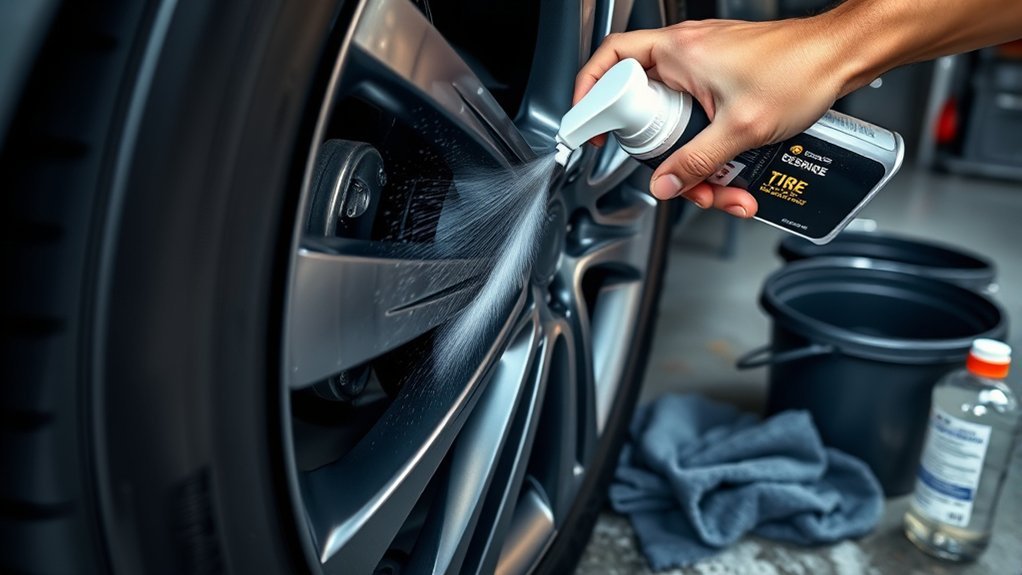
Safe application matters as much as the product. A good dressing can still make a mess if you spray too much, apply it to a wet tire, or drive away before it dries.
- Inspect the tire first. Look for cracks, cuts, bulges, exposed cords, sidewall damage, and uneven wear. If you see damage, skip the dressing and have the tire checked.
- Clean the sidewall. Use tire cleaner and a brush to remove old dressing, grime, browning, and brake dust.
- Rinse and dry fully. Tire shine levels better on a dry surface. Water left in raised lettering can cause streaks.
- Apply to an applicator, not the tread. Put a small amount on a foam pad or microfiber applicator, then work it into the sidewall.
- Use thin coats. One light coat is safer and cleaner than one heavy coat. Add a second coat only after the first has dried.
- Buff off excess. Wipe the sidewall with a clean microfiber towel to remove residue that could sling.
- Let it dry before driving. Follow the product label. Many water-based dressings need about 5–10 minutes, while some coatings need longer.
Pro Tip: For a clean factory look, use one thin coat and buff it down after a few minutes. For more gloss, layer a second thin coat instead of flooding the tire.
[Products Worth Considering]

This oesee 8-piece wheel care kit helps you clean, scrub, and dry wheels safely with purpose-built brushes and towels. The scratch-free microfiber wheel brush lifts brake dust and grime, while the stiff pro-grip tire brush removes tire browning and embedded dirt. A twist loop microfiber drying towel and an applicator help achieve a streak-free finish and cleaner, more even product application.

Black Magic Tire Wet delivers a deep wet-look shine that makes tires appear dark, rich, and freshly detailed. Its long-lasting formula helps resist rain, dust, and road grime for weeks of glossy protection, not days. Apply by spraying onto clean, dry tires—no buffing or wiping required—with a low-sling design to reduce splatter on paint and wheels.

Restore faded, dull tires to a rich black satin finish in minutes with a spray-on, wipe-off formula. Graphene and acrylic polymers create a durable, sling-free coating that resists water and dirt while helping prevent UV-related fading and cracking. Build your preferred look by applying additional layers for sleek satin to showroom gloss.
What to Avoid When Choosing Tire Shine
A tire shine is more likely to cause problems when it hides behind vague marketing and leaves heavy residue. Skip products that do not say what surfaces they are for, do not dry to the touch, or warn against contact with common exterior materials. Also be careful with aerosol sprays in windy conditions because overspray can reach paint, wheels, brakes, and driveway surfaces.
- Avoid heavy, greasy residue that stays wet after the recommended dry time.
- Avoid applying shine over old dressing because buildup can brown and attract dust.
- Avoid unknown household oils such as cooking oil or petroleum jelly. They are not tire-care products.
- Avoid dressing damaged tires to make them look newer. Tire shine is cosmetic, not structural repair.
- Avoid overspray near brakes by applying product to a pad instead of spraying directly near the wheel.
Best Safe Tire Shine Products
The safest tire shine for you depends on the finish you want and how much effort you want to spend. For regular use, start with a water-based dressing that dries cleanly and lets you control the shine.
| Product Type | Good Option | Best For | Use Note |
|---|---|---|---|
| Water-based spray dressing | Chemical Guys Tire Kicker | Easy glossy sidewall finish | Apply to a clean, dry tire with an applicator and buff excess. |
| Dilutable water-based dressing | Jimbo’s All Dressed Up | Matte, satin, or gloss control | Use straight for gloss or dilute for a more natural finish. |
| High-gloss aerosol or coating | Meguiar’s tire-shine products | Quick wet-look shine | Check the exact product label and SDS because formulas vary by product. |
If you want the lowest-risk routine, choose a water-based dressing, use less product than you think you need, and buff the sidewall before driving. If you want maximum gloss, choose a reputable tire coating and follow its dry-time instructions closely.
[Products Worth Considering]

P&S Dressed Tire Finish is a premium, water-based tire dressing that delivers a deep, rich high-gloss look without the greasy residue. Its polymer blend is designed to mimic the durability and shine of traditional solvent-based dressings while staying non-hazardous and eco-friendly. Apply with a brush or spray bottle for even coverage and a professional, factory-fresh finish.

Rubber Care delivers a beautiful dark black satin/matte finish on tires and other rubber or plastic surfaces, drying to the touch without oily shine. Its ceramic aircraft-grade formula helps repel dirt and brake dust residue, keeping surfaces cleaner longer. Triple nano ceramic polymer technology provides best-in-industry UV protection, restoring and protecting rubber while also working on weather stripping and de-ice boot care.

The Chemical Guys Wonder Wave Durafoam tire shine applicator pads deliver even, streak-free coverage while helping reduce drips and mess. Their contoured wave design hugs tire sidewalls and holds the right amount of product for faster, cleaner application. Reusable and durable, these pads work with tire dressings, protectants, and exterior detailing products for trucks and SUVs.
When Tire Shine Cannot Save a Tire
Tire shine can make a healthy sidewall look darker, but it cannot fix tire aging or structural damage. NHTSA recommends regular tire inspections for inflation, treadwear, tire damage, rotation, balance, and alignment. It also says tires should stop being used for reasons such as worn tread, cuts, cracks, bulges, physical damage, irregular wear, underinflation damage, or overloading damage.
Treat tire shine as a finishing product, not a safety product. If the tire is cracked, bulging, badly worn, or losing air, the right fix is inspection or replacement.
Check your tire pressure monthly when tires are cold, inspect tread depth, and look over the sidewalls before applying any dressing. Clean tires look good, but safe tires matter more.
Frequently Asked Questions
Is it bad to put tire shine on tires?
No, it is not bad when you use a rubber-safe tire shine on clean, dry sidewalls and wipe off excess. The problems start when you use harsh, greasy formulas, apply too much, or let product reach the tread or brakes.
Is tire shine bad for rubber?
Tire shine can be bad for rubber if it is a low-quality, solvent-heavy dressing that stays oily or builds up over time. A water-based, non-greasy dressing used lightly on the sidewall is usually the safer choice.
Does tire shine crack your tires?
Tire shine does not normally crack healthy tires by itself. Cracking is more closely tied to aging, sunlight, ozone, heat, poor storage, underinflation, and tire damage. Harsh dressings and repeated buildup can make the sidewall condition worse, so use mild formulas and inspect tires regularly.
Is Meguiar’s tire shine bad for tires?
Meguiar’s tire shine is not automatically bad for tires, but the exact answer depends on the specific product. Meguiar’s makes different tire foams, sprays, gels, and coatings. Read the label, apply only to sidewalls, avoid overuse, and buff excess before driving.
Can I use tire shine on white-letter tires or whitewalls?
Use caution. Some dressings can stain white lettering or whitewalls, especially if they are greasy or tinted. Choose a non-staining, water-based dressing, test a small area first, and wipe the white sections clean after application.
How often should you apply tire shine?
Most drivers can apply tire shine every 2–4 weeks, depending on weather, washing, and the product used. Clean the tire before each application instead of stacking new dressing on top of old residue.
Conclusion
So, does tire shine ruin tires? Not when you choose the right formula and apply it correctly. A clean, water-based, non-greasy dressing can make sidewalls look better without creating a mess. A harsh, oily, solvent-heavy product can leave buildup, sling onto paint, and make aging sidewalls look worse over time.
Clean the tire first, apply thin coats to the sidewall only, buff away excess, and keep the product away from tread and brakes. Most importantly, do not use tire shine to hide damage. If you see cracks, cuts, bulges, severe dry rot, or uneven wear, inspect the tire before you worry about shine.
Sources
- NHTSA TireWise — tire aging, maintenance, tread, damage, and tire-safety guidance.
- Chemical Guys Tire Kicker — water-based tire dressing details and application directions.
- Jimbo’s All Dressed Up — water-based, no-sling dressing details, dilution guidance, and application notes.
- Protection of Rubber against Ozone — rubber ozone protection and antiozonant background.