
Is Tire Shine Bad for Tires? The Truth About Dressings & Safety
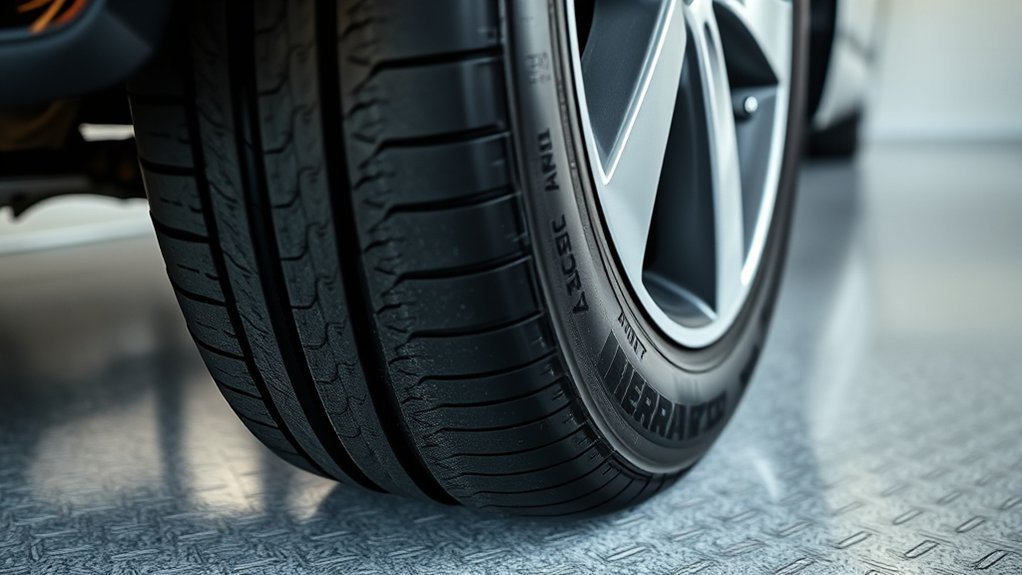
Tire shine is not automatically bad for your tires. The real issue is the formula, where you apply it, and whether you wipe away excess before driving. A rubber-safe dressing used on clean, dry tire sidewalls can improve appearance and may help reduce surface weathering, while harsh or overapplied products can leave greasy residue, sling onto paint, or create a slippery mess.
Quick Answer
Tire shine is safe for tires when it is rubber-compatible, applied only to clean sidewalls, and wiped down before driving. Avoid petroleum-heavy or harsh solvent products, never apply dressing to tread or brake parts, and do not use shine to hide cracks, bulges, or worn tires.
Key Takeaways
- Tire shine is meant for tire sidewalls, not tread, brake rotors, brake pads, motorcycle tires, or bicycle tires.
- Water-based or rubber-compatible dressings are usually the safer long-term choice for regular use.
- Petroleum-based products, harsh solvents, fuels, and non-approved chemicals can harm tire materials.
- Clean and dry the tire first, apply a thin coat, let it set, and wipe off residue to prevent sling.
- Tire shine cannot repair dry rot, cracks, bulges, exposed cords, or unsafe tread depth.
At a Glance
| Time Required | 10–20 minutes, plus label-recommended drying time |
| Difficulty | Easy |
| Tools Needed | Tire cleaner, tire brush, microfiber towels, foam applicator pad, rubber-safe tire dressing |
| Cost | Usually $8–$25 for a consumer tire dressing |
Is Tire Shine Bad for Tires?
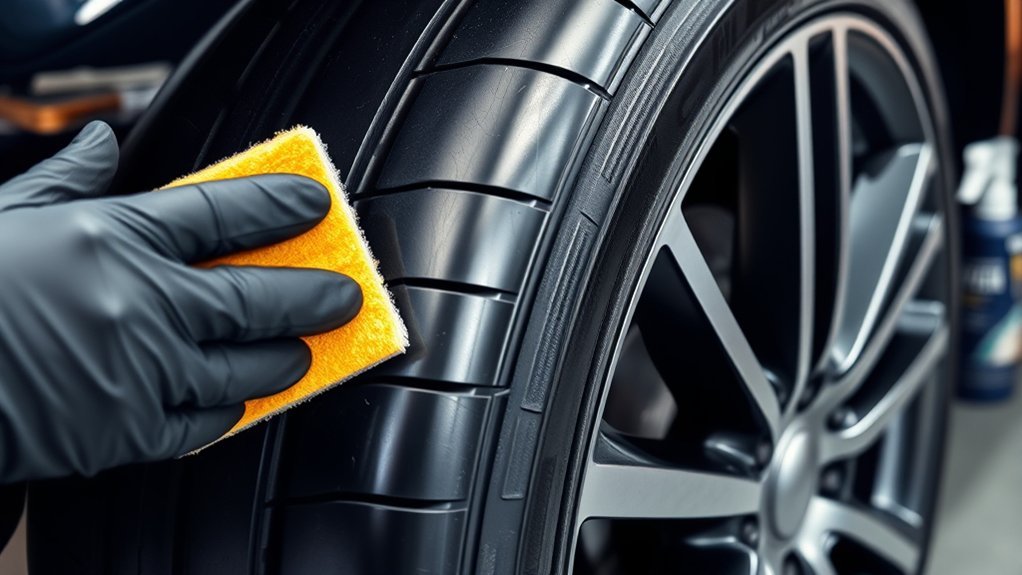
Tire shine is not bad for tires by default. A safe result depends on choosing a product made for rubber, applying it only to the sidewall, and removing extra residue before the car moves. The safest habit is simple: treat tire shine as a finishing product for the sidewall, not as a repair product or a substitute for tire maintenance.
The risk goes up when a dressing contains harsh solvents, petroleum-heavy ingredients, or oily residue that sits wet on the rubber. Tire manufacturers warn against exposing tires to petroleum-based products, solvents, fuel, lubricants, and other chemicals because those substances can damage tire materials or contribute to deterioration. For general tire care, follow the vehicle owner’s manual, the tire manufacturer’s instructions, and the label on the tire dressing.
Warning: Never apply tire shine to tire tread, brake rotors, brake drums, brake pads, motorcycle tires, bicycle tires, pedals, seats, or any surface where slipperiness could affect control. If product touches tread or brake parts, stop and clean it off before driving.
Tire shine also cannot make an unsafe tire safe. If a tire has cracks, cuts, bulges, exposed cord, unusual vibration, uneven wear, or very low tread depth, skip the dressing and have the tire inspected by a qualified tire professional.
[Products Worth Considering]

Adam’s Pro Tire Hex Grip applicators are molded foam sponges designed for precise, even tire dressing application. The ergonomic grip helps you spread product without overapplying, reducing sling that can splash onto paint and helping keep your hands clean during wheel and trim detailing. They’re durable, washable, and reusable for repeated detailing sessions.

Cristal Products Untouchable Tire Shine Spray delivers a deep, wet-look gloss that enhances your vehicle’s tires. It’s quick-drying and spreads smoothly for consistent, streak-free coverage, while forming a protective coating against UV rays, road grime, and weather. Suitable for all tire types, it helps restore dull, faded tires to a showroom-quality finish.

Blackline Blackout is a water-based trim and tire dressing that restores rubber, vinyl, and plastic with a rich satin, blackout look. Its no-sling formula dries quickly and helps prevent messy transfer onto paint. The coating repels water and offers UV protection to help prevent fading, cracking, and discoloration for a clean, long-lasting finish.
Why Tire Shine Got a Bad Reputation
Older tire shine products often earned criticism because many left a greasy, wet-looking layer that attracted dirt and flung onto paint. Some solvent-heavy formulas also made tires look shiny without truly drying to the touch, which increased sling and made the finish messy after a short drive.
The reputation problem came from three things: harsh chemistry, overapplication, and using shine as a cosmetic shortcut. If a product is not rubber-compatible, or if too much is left on the tire, the sidewall can stay oily. That residue can trap brake dust and road grime, stain nearby surfaces, and make the tire look brown or dirty faster.
Modern tire dressings are not all the same. Some are water-based, some are solvent-based, and some are hybrid formulas. The label matters more than the shine level. Look for products that say they are safe for rubber or tire sidewalls, and avoid anything that tells you to use it on tread or braking surfaces.
How Modern Tire Dressings Protect Tires
A good modern tire dressing does more than make the sidewall look black. Many formulas include polymers, silicone emulsions, or UV-protection ingredients that leave a thin surface film on the rubber. That film can help reduce fading and surface weathering from sun exposure when the product is used correctly.
| Feature | What It Helps With |
|---|---|
| UV protection | Helps reduce surface fading and sun-related weathering |
| Rubber-safe conditioners | Help the sidewall look darker and cleaner without harsh solvents |
| Dry-to-touch finish | Reduces sling, dust pickup, and greasy residue |
| Thin application | Improves evenness and lowers the chance of staining nearby panels |
Even with a quality dressing, the product works only on the surface. It does not reverse aging inside the tire, restore worn tread, or repair sidewall cracks.
Water-Based vs Solvent-Based Tire Shine
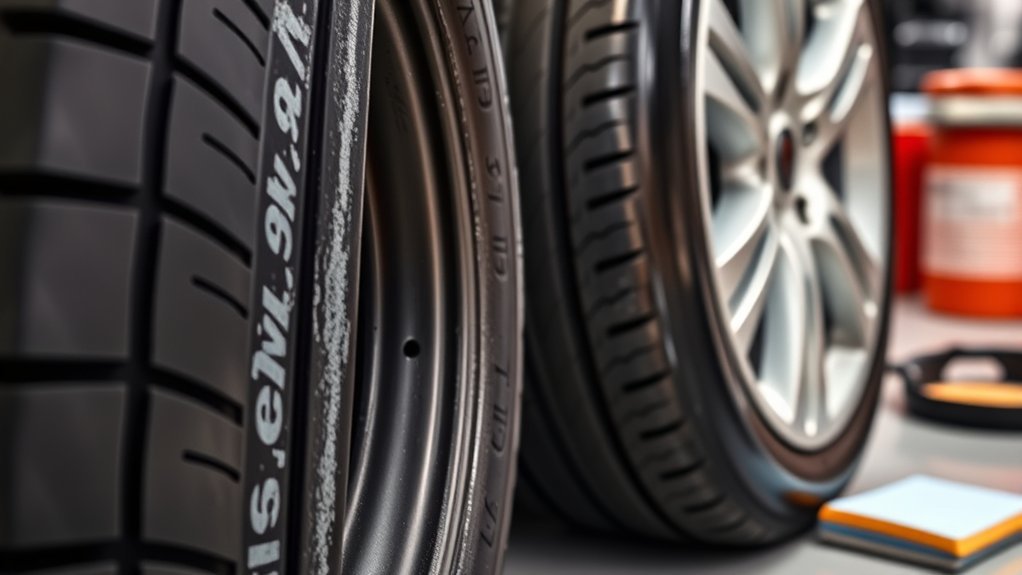
The simplest rule is this: choose the least aggressive formula that gives you the finish you want. Water-based tire dressings are usually easier to apply thinly, often dry cleaner, and are a good choice for regular maintenance. Solvent-based products can create a glossier finish and may last longer, but they need more care because oily residue and harsh solvent content can be riskier if the product is poorly formulated or overused.
Water-Based Tire Dressings
Water-based dressings are often the best fit for drivers who want a clean satin or natural black finish. They are usually easier to spread with a foam applicator, easier to wipe down, and less likely to sling when applied correctly. They may not last as long through heavy rain or frequent washing, so you may need to reapply them more often.
Solvent-Based Tire Dressings
Solvent-based tire dressings are usually chosen for a wet-look shine. The downside is that some formulas stay greasy, attract dust, or require more careful buffing. If you use one, read the label closely, apply less than you think you need, and wipe off any residue that has not dried.
Note: “Water-based” does not automatically mean perfect, and “solvent-based” does not automatically mean destructive. The safest product is one that is clearly made for tire sidewalls, is rubber-compatible, and is used exactly as directed.
What Makes Tire Shine Safe?
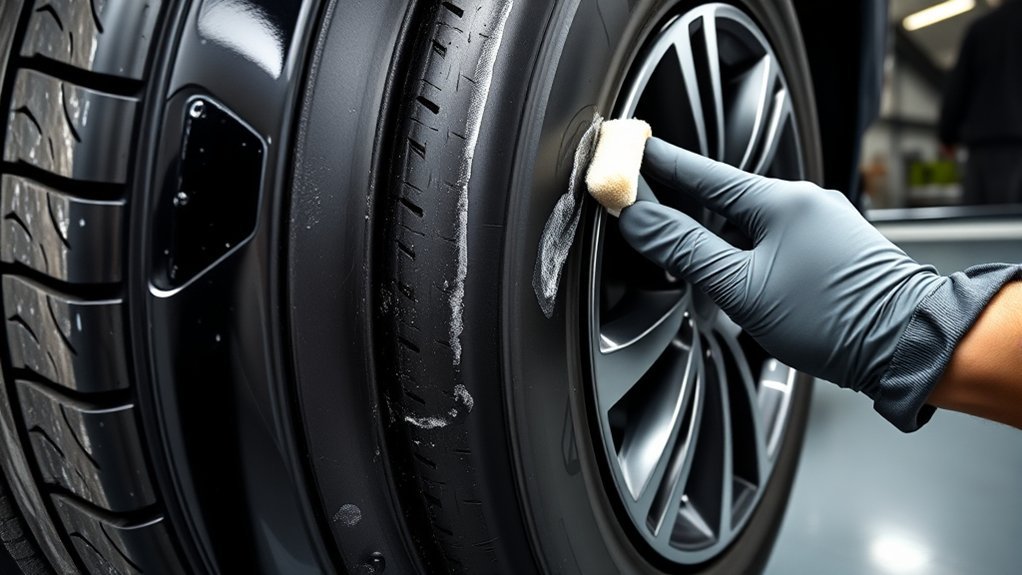
A safe tire shine has three qualities: it is made for rubber, it dries or buffs down cleanly, and it stays off surfaces where traction matters. Before buying, look for label language such as “for tires,” “for rubber,” “sidewall,” “UV protection,” or “non-greasy finish.” Avoid products that do not clearly say they are safe for tire rubber.
For long-term care, these details matter most:
- Rubber compatibility: The product should be made for automotive tire sidewalls.
- No harsh chemical smell or oily residue: A strong solvent smell or wet residue can mean more cleanup and sling risk.
- Dry-to-touch finish: The sidewall should not remain slick after the product has set.
- Clear instructions: The label should explain whether to spray, wipe, buff, or allow cure time.
- UV protection: Helpful for appearance and surface weathering, especially on vehicles parked outside.
How to Apply Tire Shine Without Damage
Apply tire shine slowly and sparingly. Most problems come from applying it to a dirty tire, using too much, spraying carelessly, or driving before the dressing has had time to settle.
- Inspect the tire first. Look for cracks, cuts, bulges, exposed cord, severe uneven wear, or low tread. If you see damage, do not cover it with shine.
- Clean the sidewall. Use tire cleaner, water, and a tire brush to remove old dressing, grime, and brown residue.
- Dry the tire completely. Tire shine bonds and levels better on dry rubber.
- Apply to an applicator, not the tread. Put product on a foam pad or microfiber applicator for better control.
- Spread a thin, even coat. Work around the sidewall only, avoiding tread blocks, brake parts, wheels, and the ground.
- Let it set. Follow the product label for drying or cure time.
- Wipe off excess. Buff the sidewall with a clean microfiber towel so the finish is even and not greasy.
- Check before driving. Make sure the sidewall is dry to the touch and no product is on tread or brakes.
| Step | Action | Why It Matters |
|---|---|---|
| Prep | Clean and dry the sidewall | Improves bonding and reduces streaks |
| Apply | Use a foam pad | Keeps product off tread and brakes |
| Finish | Buff off residue | Prevents sling and greasy buildup |
Pro Tip: For a cleaner finish, apply one light coat, wait for it to set, then decide if you need a second coat. Heavy first coats are the fastest way to cause sling.
Tire Shine Sling and Staining Risks
Tire shine sling happens when wet or excess dressing flies off the rotating tire and lands on paint, fenders, wheel wells, or trim. It is most common when the tire is dirty, the product is applied too heavily, or the car is driven before the dressing has dried.
To prevent sling, use less product, apply with a pad, and buff the sidewall before driving. If the product gets on paint, wheels, concrete, or asphalt, clean it right away according to the product label. Some tire dressings can stain surfaces or create slippery spots if left sitting.
If tire shine lands on the tread, wash the affected area with car-safe detergent and water, then rinse thoroughly. If it lands on brake parts, do not drive until the affected parts are cleaned and braking feels normal. When in doubt, ask a qualified technician to inspect the brakes.
[Products Worth Considering]

This wheel brush kit delivers pro-level cleaning at home, lifting dirt, grime, and brake dust to help restore wheel appearance. It includes multiple brush styles and applicator pads for tackling different wheel surfaces, with gentle, metal-free bristles designed to reduce scratching risk. The flat and double-ended brushes are built for comfort and reach, making wheel care easier for cars, trucks, and RVs.

This oesee 8-piece wheel care kit helps you clean, scrub, and dry wheels safely with purpose-built brushes and towels. The scratch-free microfiber wheel brush lifts brake dust and grime, while the stiff pro-grip tire brush removes tire browning and embedded dirt. A twist loop microfiber drying towel and an applicator help achieve a streak-free finish and cleaner, more even product application.
Can Tire Shine Help Prevent UV Damage?
Yes, some tire shine products can help reduce UV-related surface weathering when they contain UV-protection ingredients and are applied correctly. This does not mean they stop tire aging. Heat, ozone, sunlight, road conditions, storage, inflation pressure, overloading, and tire age all affect tire condition.
UV Protection Benefits
UV protection is useful because tires parked outside are exposed to sunlight for long periods. A tire dressing with UV protection can help the sidewall keep a darker, cleaner appearance and may slow visible fading. For best results, apply it to clean, dry sidewalls and maintain it as the finish fades.
Tire shine can protect appearance, but it cannot replace the basics: correct inflation, regular inspection, tread-depth checks, rotation, and timely replacement.
What Tire Shine Cannot Do
Tire shine cannot repair dry rot, fix cracks, restore old rubber, seal cuts, remove bulges, or make worn tread safe. It also cannot change the tire’s age. Many tire safety manuals advise regular inspection as tires age, and damaged tires should be evaluated by a qualified tire professional.
How Often Should You Reapply Tire Dressing?
Most drivers can reapply tire dressing when the sidewall starts to fade, usually every 2–4 weeks depending on rain, washing, road grime, heat, and the product formula. Always follow the label first. Some products are made for a quick satin finish, while others claim longer durability.
Do not keep stacking new product over old residue. If the tire feels sticky, looks brown, or collects dust quickly, clean the sidewall before reapplying. A fresh thin coat on clean rubber looks better and is less likely to sling than a heavy coat over old dressing.
Best Tire Shine for Long-Term Care
The best tire shine for long-term care is a rubber-safe dressing that gives the finish you want without leaving a wet, oily surface. For most people, a water-based satin dressing is the easiest safe choice. For a higher-gloss look, choose a product with clear sidewall-only instructions and plan to wipe off extra residue.
What to Look For on the Label
- “Safe for rubber” or “for tire sidewalls”
- UV protection
- Non-greasy or dry-to-touch finish
- Clear warnings about tread and brake parts
- Instructions for cleaning, applying, drying, and wiping excess
When to Skip Tire Shine
Skip tire shine if the tire is cracked, bulging, underinflated, severely worn, contaminated with fuel or oil, or showing cord or fabric. Also skip it before track use, motorcycle use, bicycle use, or any situation where product could reach the tread shoulder and reduce grip.
Safe Application Tips
Work in the shade on cool tires. Spray products can drift, so an applicator pad gives better control. Keep the layer thin, avoid tread, and wipe down the sidewall after the product sets. If you want more shine, add a second thin coat instead of one heavy coat.
Signs a Tire Needs Inspection, Not Dressing
Do not use tire shine to hide tire damage. Have the tire inspected if you notice any of these signs:
- Cracks, splits, or deep sidewall checking
- Bulges, bubbles, or raised areas on the sidewall
- Cuts, punctures, or exposed cord
- Vibration, thumping, wobbling, or pulling while driving
- Uneven wear, flat spots, or bald shoulders
- Tread worn to 2/32 inch or the built-in wear bars
- Tires more than 10 years old, even if the tread looks usable
Appearance products belong after safety checks, not before them.
Frequently Asked Questions
How often should you use tire shine?
Use tire shine when the finish fades, often every 2–4 weeks for regular street driving. The exact timing depends on the product, weather, washing, and road grime. Clean the sidewall before reapplying so you do not trap dirt under old dressing.
Does tire shine make tires dry rot?
Tire shine does not automatically cause dry rot. The bigger concern is using harsh, petroleum-heavy, or non-rubber-safe products repeatedly. A quality dressing may help reduce surface weathering, but it cannot stop tire aging or repair existing cracks.
Does tire shine crack tires?
Good tire shine used correctly should not crack tires. Cracking is more likely from age, sunlight, ozone, heat, underinflation, storage conditions, and chemical exposure. Avoid products with harsh solvents or petroleum-heavy residue unless the label clearly states they are safe for tire rubber.
Can I put tire shine on my tires?
Yes, you can put tire shine on your tire sidewalls if the product is made for tires and you apply it carefully. Do not apply it to tread, brake parts, motorcycle tires, bicycle tires, or any surface where slick residue could reduce traction.
Is water-based tire shine better than solvent-based tire shine?
Water-based tire shine is usually better for routine use because it is easier to apply lightly and often dries cleaner. Solvent-based products may give a glossier look, but they require careful use and thorough buffing to avoid greasy residue and sling.
What happens if tire shine gets on the tread?
Clean it off before driving. Use water and a car-safe detergent, rinse thoroughly, and make sure the tread is not slick. Tire shine on tread can reduce traction, especially in wet conditions.
Can tire shine void a tire warranty?
A normal rubber-safe dressing used as directed is unlikely to be a problem, but damage from petroleum products, solvents, corrosive chemicals, misuse, or non-approved substances may not be covered. Check your tire warranty and product label if you are unsure.
Conclusion
So, is tire shine bad for tires? Not when you choose a rubber-safe product and apply it correctly. The safe method is to clean the tire, dry the sidewall, apply a thin coat with control, keep it off tread and brakes, and wipe away residue before driving. Avoid harsh chemicals, do not hide tire damage with shine, and treat tire dressing as a finishing step in a larger tire-care routine.
Sources
- NHTSA TireWise — tire safety, maintenance, labeling, and consumer guidance.
- Michelin Routine Tire Care Tips — pressure checks, tread checks, rotation, and general tire maintenance.
- Michelin Visual Tire Inspection — warning against petroleum-based products, solvents, and non-approved substances in tire service contexts.
- Bridgestone Tire Maintenance and Safety Manual — tire inspection, damage warnings, tread depth, and tire service-life guidance.
- Continental Tire Care and Maintenance Guide — warnings about prolonged sunlight, heat, solvents, lubricants, fuel, chemicals, and ozone exposure.
- Meguiar’s Hybrid Ceramic Tire Shine Instructions — product-use warnings about tread, brakes, slippery surfaces, and overspray.

Related Articles
Which Part of a Tire Can Be Patched Safely?
When can a tire be safely patched, and why do some punctures spell trouble?
Read More
What Are Tire Valve Stems and How Do They Work?
Mysterious tire valve stems quietly seal air in and dirt out, but what happens when they fail might surprise you.
Read More
Why Do Tires Lose Pressure? 9 Real Causes
Puzzled by tire pressure loss? Discover 9 real causes behind slow leaks, aging, and cold weather, and find out which one is affecting yours.
Read More