
Honda Accord Tire Dressing: How to Do It the Right Way
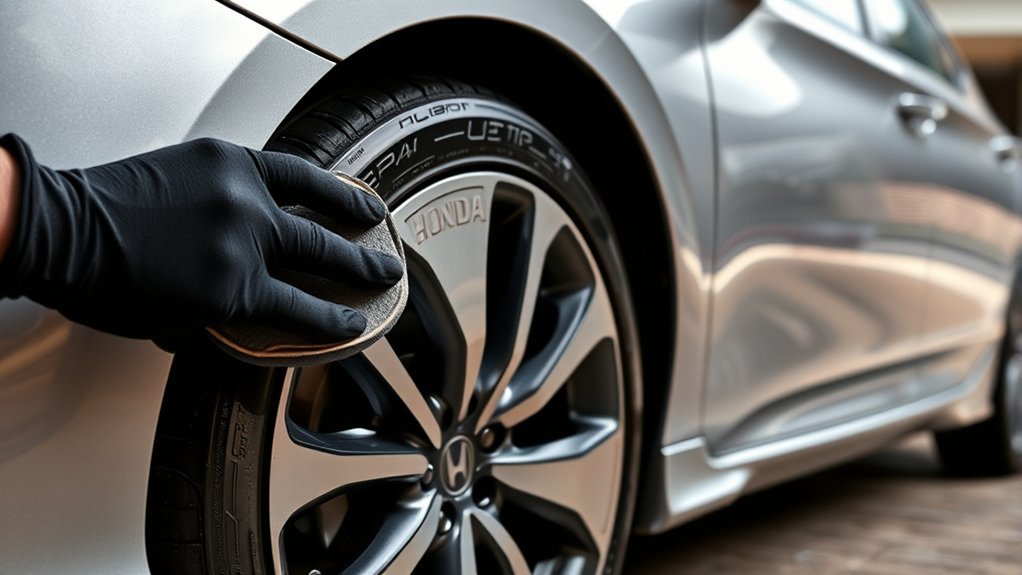
Clean, dark tire sidewalls can make a Honda Accord look freshly detailed, but tire dressing only works well when the tires are cleaned first and the product is applied lightly. The goal is not to make the tire greasy. It is to restore an even black finish, reduce messy sling, and avoid getting any slick residue where it does not belong.
Quick Answer
To dress Honda Accord tires correctly, clean the sidewalls with a tire-safe cleaner, rinse and dry them fully, then apply a thin layer of tire dressing with an applicator pad. Keep dressing off the tread and brake parts, let it dry according to the label, and buff away excess to prevent sling.
Key Takeaways
- Always clean and dry the tire sidewall before applying dressing.
- Use thin coats. Heavy dressing is the main cause of greasy shine and sling.
- Apply tire dressing to sidewalls only, never to tread, brakes, pedals, or driving surfaces.
- A water-based or polymer dressing is usually easier to control if you want a satin finish.
- Tire dressing improves appearance, but pressure, tread, rotation, and alignment are what protect tire life and safety.
At a Glance
| Time Required | 25 to 45 minutes, depending on soil level and drying time |
| Difficulty | Easy |
| Tools Needed | Tire cleaner, tire brush, water, microfiber towels, applicator pad, tire dressing, gloves |
| Cost | About $15 to $40 if you already have towels and a hose |
Warning: Tire dressing is for the outer sidewall only. Do not apply it to the tire tread, brake rotors, brake pads, pedals, steering wheel, floor mats, driveway walking areas, or any surface that needs grip.
Comparing Tire Dressings: Finding the Best Option for Your Honda Accord

The best tire dressing for a Honda Accord depends on the finish you want and how much effort you want to spend. For most daily drivers, a water-based or polymer dressing is the easiest choice because it is usually simpler to spread, easier to buff, and less likely to leave a greasy film when applied correctly.
Solvent-based or high-gloss dressings can look darker and last longer, but they need a lighter hand. If the product pools in grooves, stays oily, or does not dry before you drive, it can sling onto the paint, lower door panels, and wheel wells.
| Dressing Type | Best For | Watch Out For |
| Water-based spray or lotion | Clean satin finish and easy cleanup | May need reapplication after rain or washing |
| Gel dressing | Controlled application and deeper shine | Can sling if applied too thick |
| Foam dressing | Fast, beginner-friendly use | Overspray near wheels, brakes, or paint |
| Aerosol high-gloss dressing | Wet-look shine | Needs careful masking, drying, and buffing |
For an Accord used as a commuter car, a satin or low-gloss finish often looks cleaner than a heavy wet shine. It also hides uneven spots better and is less likely to throw product onto the bodywork.
[Products Worth Considering]

Adam’s Pro Tire Hex Grip applicators are molded foam sponges designed for precise, even tire dressing application. The ergonomic grip helps you spread product without overapplying, reducing sling that can splash onto paint and helping keep your hands clean during wheel and trim detailing. They’re durable, washable, and reusable for repeated detailing sessions.

Blackline Blackout is a water-based trim and tire dressing that restores rubber, vinyl, and plastic with a rich satin, blackout look. Its no-sling formula dries quickly and helps prevent messy transfer onto paint. The coating repels water and offers UV protection to help prevent fading, cracking, and discoloration for a clean, long-lasting finish.

Cristal Products Untouchable Tire Shine Spray delivers a deep, wet-look gloss that enhances your vehicle’s tires. It’s quick-drying and spreads smoothly for consistent, streak-free coverage, while forming a protective coating against UV rays, road grime, and weather. Suitable for all tire types, it helps restore dull, faded tires to a showroom-quality finish.
What Tire Dressing Does and Does Not Do
Tire dressing darkens the sidewall and can make clean tires look newer. Some formulas also add a light protective layer against dirt and water. It does not repair dry rot, sidewall cracking, cuts, bulges, low tread, poor alignment, or low tire pressure.
Think of dressing as the last cosmetic step after basic tire care. If the tire has damage, uneven wear, or a pressure problem, fix that first. Dressing should never be used to hide a tire that needs inspection or replacement.
Note: Brown tire sidewalls are often caused by old dressing, road film, brake dust, and natural rubber blooming. Cleaning removes the grime so the new dressing bonds evenly.
Must-Have Tools for Cleaning and Dressing Tires
You do not need a professional detail cart to dress your Accord’s tires. You do need the right basic tools, because a dirty sidewall and a sloppy applicator are the two biggest reasons tire dressing looks streaky.
Essential Cleaning Products
- Tire-safe cleaner: Use a dedicated tire cleaner or an all-purpose cleaner that says it is safe for exterior rubber.
- Tire brush: A medium-stiff brush helps remove old dressing and brown residue from sidewall texture.
- Microfiber towels: Keep separate towels for tires and wheels so you do not drag brake dust onto paint.
- Clean water: A hose, pump sprayer, or rinseless wash setup can work as long as you fully remove cleaner residue.
- Gloves: Detailing chemicals can dry out skin, so gloves are a smart habit.
Effective Application Tools
- Foam tire applicator: Best for most tire dressings because it spreads product evenly around sidewall lettering and grooves.
- Small detailing brush: Useful for raised letters and tight edges, but use it only on sidewalls.
- Microfiber buffing towel: Removes excess dressing after the product has had time to set.
- Spray bottle: Helpful if you buy dressing in bulk, but spray onto the applicator instead of directly onto the tire when possible.
Before You Start: Safety and Prep
Park your Honda Accord on a flat surface, set the parking brake, and let the tires cool. Warm tire rubber can make cleaner dry too fast and can make dressing flash unevenly. Work in shade if possible.
Before applying any product, read the label. Some tire dressings are wipe-on only, some are spray-and-walk-away, and some need a longer cure time before driving. If the label gives a drying time, follow it over any general guide.
- Do not dress cracked, bulging, or damaged tires before a professional inspection.
- Do not use tire dressing on motorcycle tires, bicycle tires, or tire tread.
- Do not spray dressing toward brake parts.
- Do not leave slick product on the garage floor or driveway.
How to Clean Your Tires Step-by-Step
A clean sidewall is what gives tire dressing an even finish. If you apply dressing over dirt, old silicone, or brown residue, the new layer will look patchy and wear off faster.
- Rinse the tire and wheel. Start with water to remove loose grit from the sidewall and wheel face.
- Spray the tire cleaner onto the sidewall. Keep the cleaner focused on the rubber. Avoid letting strong cleaner dry on the wheel.
- Scrub the sidewall. Use a tire brush and work around the lettering, rim edge, and textured areas.
- Watch the runoff. Brown foam or dirty runoff means old dressing and grime are lifting. Repeat if the tire is still heavily soiled.
- Rinse thoroughly. Leftover cleaner can interfere with dressing and may stain if it dries on the wheel.
- Dry the tire fully. Use a microfiber towel or let the tire air-dry. Dressing spreads better on a dry sidewall.
If the tire still looks brown after one cleaning pass, repeat the cleaner and brush step before applying dressing. It is better to clean twice than to cover residue with more product.
How to Apply Tire Dressing for a Long-Lasting Shine
Once the tires are clean and dry, apply dressing in thin layers. The sidewall should look evenly dark, not wet and dripping.
- Shake the product. Some dressings separate in the bottle, so mix them before use.
- Load the applicator lightly. Put a small amount on the foam pad. You can always add more.
- Spread around the sidewall. Work the dressing into the outer sidewall, raised letters, and grooves. Stay away from the tread edge.
- Level the coat. Go around the tire a second time with the same applicator to smooth out high spots.
- Let it sit. Many dressings need 5 to 15 minutes, but the product label should decide the actual wait time.
- Buff off extra product. Use a clean microfiber towel to remove wet spots and reduce sling.
- Add a second coat only if needed. For more gloss, apply another thin coat after the first one has set.
Pro Tip: Spray dressing onto the applicator instead of directly onto the tire. This gives better control and helps keep product off the wheel, tread, brakes, and paint.
Tips to Prevent Tire Sling and Achieve a Matte Finish
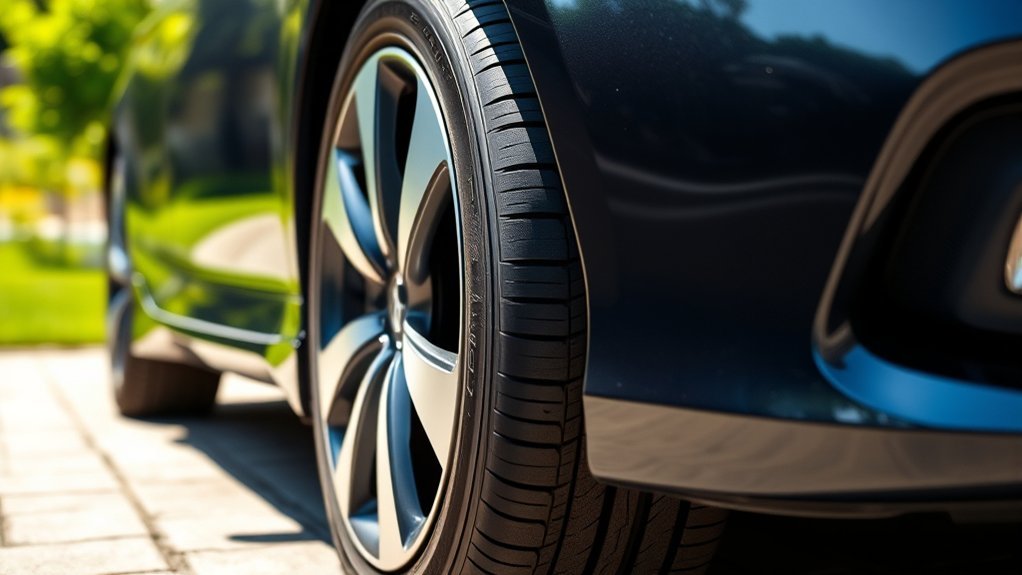
Tire sling happens when excess dressing stays wet on the tire and gets thrown onto the car as the wheel spins. The fix is simple: use less product, give it time to set, and buff the sidewall before driving.
- Use one thin coat first. Most sling starts with overapplication.
- Choose satin over wet-look gloss. Satin finishes usually need less product.
- Buff the outer edge carefully. The shoulder near the tread is where extra product often hides.
- Wait before driving. Give the dressing time to dry according to the label.
- Check the wheel well after a short drive. If you see specks, you used too much or did not buff enough.
For a matte finish, apply the dressing, wait a few minutes, then wipe the sidewall with a dry microfiber towel. This removes surface gloss while leaving the tire darker and cleaner.
Tire Maintenance: Best Practices for Dressing and Care
Tire dressing is cosmetic. Real tire care means checking pressure, tread, wear patterns, and rotation. The National Highway Traffic Safety Administration advises drivers to check tire pressure monthly when tires are cold, check tread, and follow the owner’s manual for rotation frequency and pattern.
- Check tire pressure monthly. Use the pressure on the driver-side door placard or owner’s manual, not the maximum pressure molded on the tire.
- Check tread depth. Tires are not safe when tread is worn to 2/32 inch.
- Watch for uneven wear. Feathering, cupping, or one-sided wear can point to alignment, balance, or suspension issues.
- Follow the Accord owner’s manual. Rotation patterns can change based on tire size, directional tires, and model year.
- Clean before each dressing application. Adding fresh dressing over old residue creates buildup.
A good tire detail should end with clean sidewalls, no wet residue, no product on the tread, and no dressing on brake parts.
[Products Worth Considering]

This wheel brush kit delivers pro-level cleaning at home, lifting dirt, grime, and brake dust to help restore wheel appearance. It includes multiple brush styles and...
Common Tire Dressing Mistakes and How to Avoid Them
Most tire dressing problems come from rushing. If your Accord’s tires look blotchy or throw product onto the paint, one of these mistakes is usually the cause.
- Applying dressing to dirty tires: Clean the sidewall until old residue is gone.
- Using too much product: Start with a small amount and build slowly.
- Skipping dry time: Let the dressing set before driving.
- Not buffing: A final towel wipe is the easiest way to prevent sling.
- Spraying near brakes: Apply to the pad first for more control.
- Using one towel everywhere: Tire towels should not touch paint afterward.
- Ignoring product labels: Drying time, surface compatibility, and finish vary by formula.
Troubleshooting: Streaks, Brown Tires, and Overspray
If the finish does not look right, do not keep adding product. Fix the cause first.
| Problem | Likely Cause | Fix |
| Streaky finish | Tire was wet, dirty, or unevenly coated | Clean, dry, and reapply a thin coat |
| Brown sidewall | Old dressing, road grime, or rubber blooming | Scrub again with tire cleaner before dressing |
| Sling on paint | Too much product or too little dry time | Use less, wait longer, and buff the sidewall |
| Greasy look | Heavy coat or high-gloss formula | Buff with a dry towel or switch to satin dressing |
| Overspray on wheel | Sprayed directly onto tire | Wipe immediately and spray onto applicator next time |
How Often Should You Dress Honda Accord Tires?
Most daily driven Accords only need tire dressing after a wash or when the sidewalls start to look faded. For many drivers, that means every two to four weeks. Rain, road salt, automatic car washes, dusty roads, and heavy brake dust can shorten that window.
Do not reapply dressing just because the shine faded. Wash the tires first. Layering fresh dressing over dirty residue can make the finish sticky and uneven.
When Not to Use Tire Dressing
Skip tire dressing if the tire has cracks, sidewall bulges, exposed cords, deep cuts, or severe uneven wear. Those problems need inspection, not cosmetic cover-up.
You should also skip dressing right before a long drive if the product has not had time to dry. If the tire still feels wet or oily after buffing, wait longer or remove more product with a towel.
Frequently Asked Questions
How do you apply tire dressing correctly?
Clean and dry the tire sidewall first. Add a small amount of dressing to a foam applicator, spread it evenly over the sidewall, let it sit according to the product label, then buff off excess with a microfiber towel. Keep it off the tread and brakes.
How do you use Tireffic dressing?
Use Tireffic dressing the same way you would use most tire dressings unless its label says otherwise. Start with clean, dry sidewalls, apply a thin coat with an applicator pad, let it absorb, and wipe away extra product before driving.
What does Honda recommend for tire rotation?
Follow the owner’s manual or Maintenance Minder for your specific Honda Accord model year and tire setup. As general tire-safety guidance, NHTSA says to check the owner’s manual for the correct pattern and frequency, and to rotate every 5,000 to 8,000 miles if the vehicle manufacturer recommends it.
Do you let tire shine sit?
Yes. Let tire shine sit for the drying time on the label. Many products need several minutes before buffing or driving. If the sidewall still looks wet or feels greasy, wipe it again with a clean microfiber towel.
Can tire shine damage tires?
A tire-safe dressing used as directed on the sidewall should not harm healthy tires. Problems are more likely when a harsh, oily, or incompatible product is overused, left wet, or applied to the wrong surface. Choose a reputable product and follow the label.
Can I put tire dressing on the tread?
No. Tire dressing should never go on the tread. The tread needs grip, and dressing can leave a slick residue. Apply dressing only to the outer sidewall and wipe away any product that reaches the tread edge.
Conclusion
Dressing your Honda Accord’s tires is simple when you treat it as a clean, light, sidewall-only job. Wash the tires first, let them dry, apply a thin coat with an applicator, give the product time to set, and buff away the excess. That process gives you a clean satin or gloss finish without greasy sling.
For the best long-term results, pair tire dressing with real tire maintenance. Check pressure, tread depth, wear patterns, and rotation intervals. A clean sidewall looks good, but a properly maintained tire is what keeps your Accord riding safely.
Sources
- NHTSA TireWise – tire pressure, tread depth, rotation, TPMS, and tire-safety guidance.
- Schema.org HowTo – structured-data format for step-by-step how-to content.
- Schema.org FAQPage – structured-data format for FAQ sections.
- Schema.org Article – structured-data format for article content.

Related Articles
How Tall Is a 305 70 R17 Tire? Exact Height, Width & Dimensions
Curious how tall a 305 70 R17 tire really is—and whether it fits your truck?
Read More
Can-Am Defender Tire Size Guide: Stock Specs & Upgrade Options
Just how big can you go on a Can-Am Defender before mods become necessary?
Read More
How Tall Is a 275 65 20 Tire? Exact Height, Width & Dimensions
Check the exact height, width, and hidden fitment effects of a 275/65R20 tire before you buy or upgrade.
Read More