
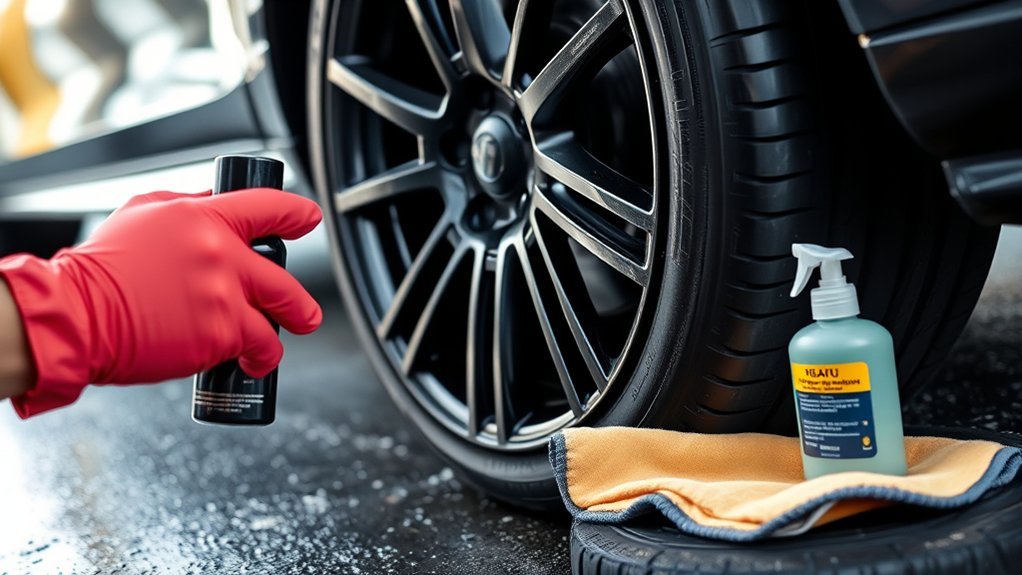
Tire dressing gives clean tires a darker, finished look, but it works best when you use the right formula and apply it safely. A good dressing can refresh dull sidewalls, add a matte or glossy finish, and help protect rubber or trim from surface fading. It is not a tire repair product, and it should never be used to hide cracks, bulges, worn tread, or other tire damage.
Quick Answer
Tire dressing is a rubber-care product applied to the tire sidewall to restore a dark finish, add shine, and help protect the surface from fading. For best results, clean and dry the tire first, apply a thin coat with an applicator, wipe off excess, and let it dry before driving.
Key Takeaways
- Tire dressing is for the sidewall only, not the tread, brake parts, pedals, motorcycle tires, or bicycle tires unless the label clearly says it is safe.
- Water-based dressings are usually easier to apply, easier to clean, and better for a natural or satin finish.
- Solvent-based dressings often give more gloss and longer wear, but you should choose a tire-safe formula and avoid greasy buildup.
- Most sling problems come from dirty tires, too much product, not wiping excess, or driving before the dressing dries.
- Tire dressing improves appearance, but it does not replace tire pressure checks, tread checks, rotations, alignment, or tire replacement.
At a Glance
| Time Required | 15 to 30 minutes for cleaning and application, plus label-recommended drying time |
| Difficulty | Easy |
| Tools Needed | Tire cleaner or degreaser, tire brush, water, microfiber towels, foam or microfiber applicator, tire dressing |
| Cost | Usually low to moderate, depending on product size, formula, and applicators |
What Is Tire Dressing?
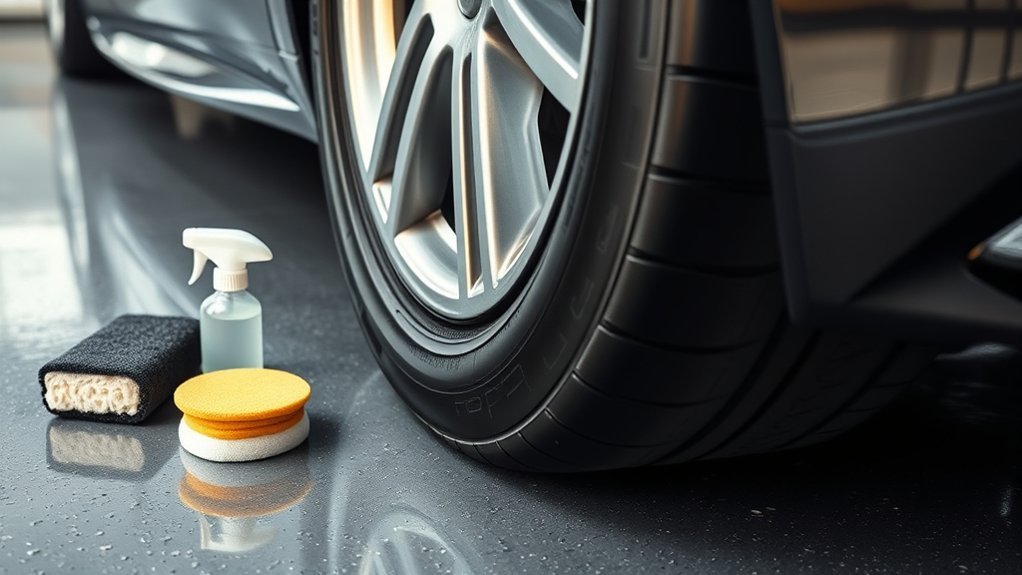
Tire dressing is a liquid, gel, foam, or aerosol product made for the outside sidewall of a tire. It darkens faded rubber, adds a chosen finish, and can leave a protective layer that helps the tire look cleaner for longer.
Some dressings are made only for tires. Others are safe for exterior rubber, vinyl, and plastic trim. Always check the product label first, because a tire-safe dressing is not automatically safe for every interior surface, running board, floor mat, motorcycle tire, or bicycle tire.
A dressing should go on after the tire has been washed and dried. If old dressing, brake dust, road film, or mud stays on the sidewall, the new coat may streak, sling, or wear off faster.
Note: Tire dressing is not a tire safety product. Keep checking tire pressure, tread depth, sidewall condition, alignment, rotation schedule, and tire age. The National Highway Traffic Safety Administration recommends regular tire maintenance because tire pressure, tread, and tire condition affect safety.
Tire Dressing Types: Water-Based vs. Solvent-Based
The two main tire dressing types are water-based and solvent-based. The best choice depends on the finish you want, how often you wash the vehicle, and how much durability you need.
| Type | Best For | Things to Watch |
| Water-based dressing | Natural, matte, satin, or controlled shine; easier cleanup; lower chance of greasy buildup | May need more frequent reapplication after rain, car washes, or heavy road grime |
| Solvent-based dressing | Higher gloss, darker wet look, and often longer wear | Can be messier if overapplied; choose a tire-safe formula and avoid greasy sling |
A water-based product is usually the better starting point if you want simple control and a clean finish. A solvent-based product can be useful if you want a bold gloss and longer durability, but the label should clearly say it is safe for tires.
[Products Worth Considering]

The Chemical Guys Wonder Wave Durafoam tire shine applicator pads deliver even, streak-free coverage while helping reduce drips and mess. Their contoured wave design hugs tire sidewalls and holds the right amount of product for faster, cleaner application. Reusable and durable, these pads work with tire dressings, protectants, and exterior detailing products for trucks and SUVs.
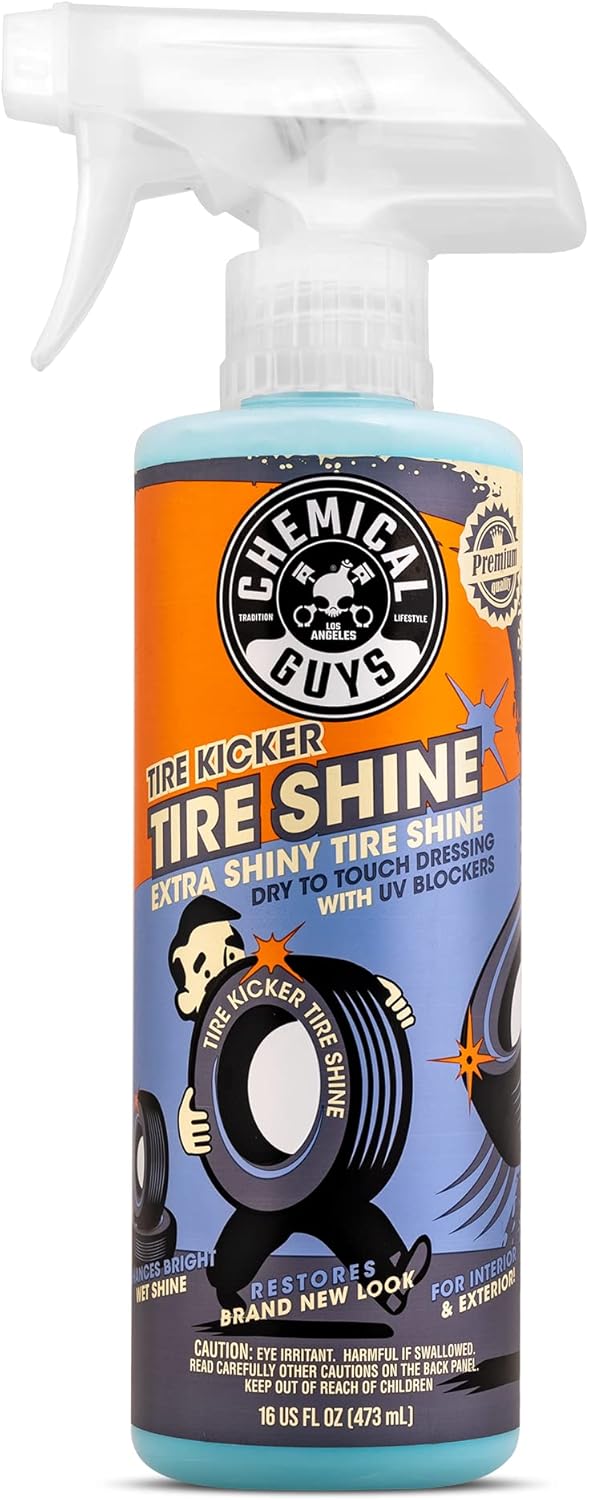
Chemical Guys Tire Kicker Sprayable Extra Glossy Tire Shine restores a deep, wet look on tires, rubber, vinyl, and plastic trim. It delivers a rich showroom shine that enhances color and luster while helping protect against fading, cracking, and discoloration. The spray application dries to the touch with a streak-free finish and no greasy sling, for fast results on cars, trucks, motorcycles, RVs, and boats.

Adam’s Pro Tire Hex Grip applicators are molded foam sponges designed for precise, even tire dressing application. The ergonomic grip helps you spread product without overapplying, reducing sling that can splash onto paint and helping keep your hands clean during wheel and trim detailing. They’re durable, washable, and reusable for repeated detailing sessions.
Why Tire Dressing Helps Tires and Trim
Tire dressing helps mostly with appearance and surface protection. It can restore a richer black look, reduce a dry or faded appearance, and make the tire sidewall match the rest of a clean vehicle.
Many quality formulas also include UV protection. For example, Chemical Guys Tire Kicker is described by the manufacturer as a sprayable water-based dressing with UV blockers for rubber, vinyl, and plastic. Product claims like this are formula-specific, so do not assume every tire shine gives the same protection.
Some dressings can also be used on exterior trim, wheel wells, or plastic parts. Griot’s Garage Black Shine Tire & Trim Coating, for example, is marketed for tires, trim, wheel wells, and similar exterior surfaces. Still, you should test a small hidden area first and avoid surfaces that need grip.
Warning: Do not use tire dressing on tire tread, brake rotors, brake calipers, pedals, steering wheels, floor mats, motorcycle tires, or bicycle tires unless the product label clearly says it is safe for that exact use. Dressing on a grip surface can reduce traction.
How to Clean Tires Before Dressing
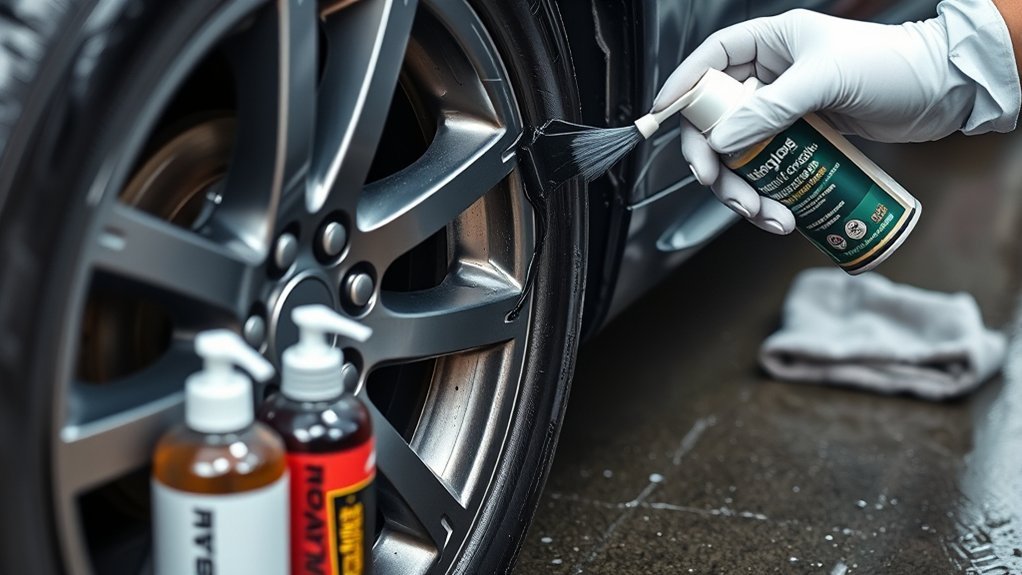
Good tire dressing starts with cleaning. If the sidewall still has old dressing, silicone residue, mud, brake dust, or road film, the new dressing cannot bond evenly.
- Rinse the tire first. Knock off loose dirt so you do not grind grit into the rubber.
- Apply tire cleaner or degreaser. Use a cleaner made for tires or rubber. Follow the dilution and dwell time on the label.
- Scrub the sidewall. Use a stiff tire brush. Brown foam often means old dressing, blooming antiozonants, and road grime are lifting from the rubber.
- Rinse fully. Remove all cleaner and loosened soil. Leftover cleaner can streak the dressing.
- Dry the tire completely. Use a towel or allow enough air-dry time. Moisture can thin the product and cause patchy shine.
Pro Tip: If the towel turns black or brown after the tire is “clean,” wash the tire again. Dressing lasts longer on bare, dry rubber than on a layer of old product.
How to Apply Tire Dressing Evenly
Apply tire dressing in shade on a cool tire. Hot rubber can make the product flash-dry too quickly, leaving blotches or heavy spots.
- Shake the product. Some dressings separate in the bottle, so mix them before use.
- Apply to an applicator, not the tread. A foam or microfiber applicator gives better control than spraying directly on the tire.
- Spread a thin, even coat. Work around the sidewall in small sections. Push the product into lettering and grooves without flooding them.
- Wipe excess. Use a clean microfiber towel to remove heavy residue, especially near raised lettering and the outer edge.
- Let it dry before driving. Follow the product label. Some water-based dressings may dry in minutes, while heavier sprays or gels may need longer.
- Add a second light coat only if needed. More product gives more shine, but too much increases sling and dirt pickup.
Manufacturer directions vary. Chemical Guys, for example, tells users to clean and dry the surface, apply Tire Kicker to a foam or microfiber applicator, spread it, buff excess residue, and allow 5 to 10 minutes for drying. Use that same label-first approach with any dressing you buy.
How to Stop Tire Dressing Sling
Tire dressing sling happens when excess product flies off the tire and lands on paint, wheels, fenders, or doors after you drive. It is usually caused by too much product, poor cleaning, or not enough drying time.
| Problem | Likely Cause | Fix |
| Specks on body panels | Too much product or no dry time | Apply less, buff excess, and wait before driving |
| Patchy shine | Dirty or wet sidewall | Reclean, rinse, and dry fully before reapplying |
| Greasy tire edges | Product pooling in lettering or grooves | Use a smaller amount and wipe raised areas |
| Dirt sticks quickly | Heavy, oily, or undried coating | Switch to a dry-to-touch or satin formula |
The cleanest method is simple: clean well, apply thin, buff excess, and let the coating set. One controlled coat usually looks better than a thick coat that slings.
How Long Does Tire Dressing Last?
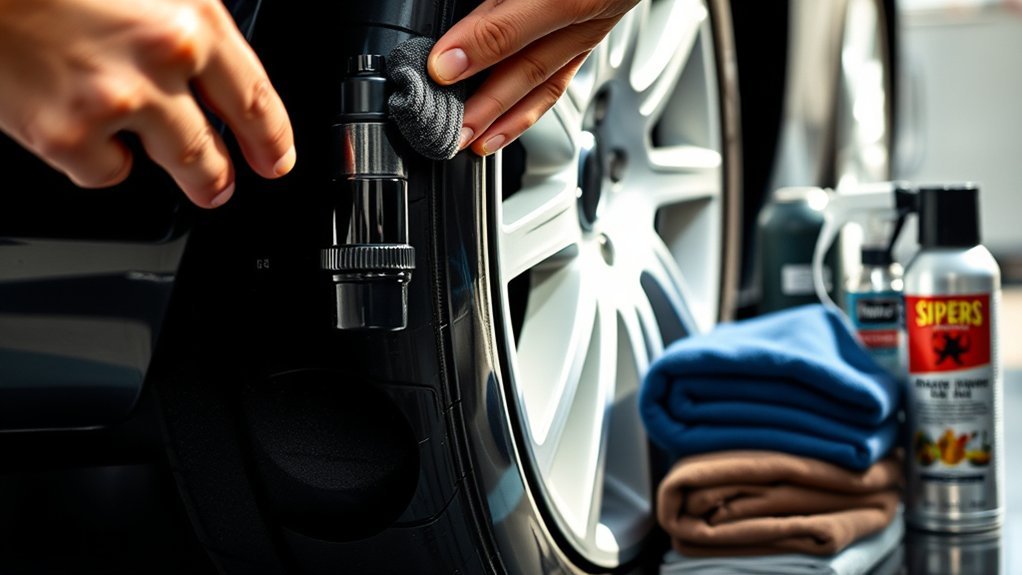
Tire dressing often lasts from a few days to a few weeks. The exact life depends on the formula, tire prep, weather, road grime, car washes, and how much you drive.
A thin dressing coat on a clean, dry tire usually lasts longer and looks cleaner than a heavy coat on dirty rubber.
Water-based dressings can be easier to refresh, but they may fade sooner after rain or frequent washing. Solvent-based dressings may last longer and look glossier, but they need careful application so they do not sling or collect grime.
Refresh the dressing when the finish fades, not just on a fixed calendar. If the tire still looks even and dry to the touch, you may not need another coat yet.
How to Choose the Right Finish
Start with the look you want. Tire dressing can leave a natural, satin, or glossy finish. The more shine you want, the more carefully you need to control product amount and dry time.
[Products Worth Considering]

These ultra-soft microfiber applicator pads apply wax, sealants, dressings, and conditioners with smooth, even coverage while helping protect delicate finishes from streaks and marring. The plush microfiber wrapped around a flexible foam core promotes consistent product distribution across curves and contours, and the ergonomic grip reduces hand fatigue during longer sessions. Reusable and machine washable, they’re ideal for both interior and exterior detailing uses such as tire dressing, leather conditioner, trim restorer, and interior protectants.

Restore faded, dull tires to a rich black satin finish in minutes with a spray-on, wipe-off formula. Graphene and acrylic polymers create a durable, sling-free coating that resists water and dirt while helping prevent UV-related fading and cracking. Build your preferred look by applying additional layers for sleek satin to showroom gloss.

Rubber Care delivers a beautiful dark black satin/matte finish on tires and other rubber or plastic surfaces, drying to the touch without oily shine. Its ceramic aircraft-grade formula helps repel dirt and brake dust residue, keeping surfaces cleaner longer. Triple nano ceramic polymer technology provides best-in-industry UV protection, restoring and protecting rubber while also working on weather stripping and de-ice boot care.
Matte vs. Satin vs. Gloss
- Matte: Best for a clean factory-style look. It hides dust better and usually feels less greasy.
- Satin: Best for most daily drivers. It adds depth without looking too wet.
- Gloss: Best for show-car shine. It stands out, but it can show dirt faster and may need more careful wiping.
Match Product to Use
| Need | Better Choice | Why |
| Low-maintenance daily driver | Water-based satin dressing | Clean look, easier cleanup, less greasy feel |
| Show-car gloss | Gloss gel or solvent-based dressing | Darker, wetter finish when applied carefully |
| Fast application | Spray or aerosol | Quick coverage, but watch overspray |
| Maximum control | Gel or applicator-applied liquid | Easier to keep off tread, wheels, and paint |
Water-Based or Solvent-Based
Choose water-based if you want easier use, a natural finish, and simpler cleanup. Choose solvent-based if you want stronger gloss and longer wear, but only if the product is made for tire sidewalls and dries cleanly.
If you are unsure, start with a water-based dressing and one light coat. You can always add more shine later, but removing a greasy coat takes extra cleaning.
Common Tire Dressing Mistakes
Most bad tire dressing results come from rushing the prep or using too much product. Avoid these common mistakes:
| Mistake | What Happens | Better Move |
| Applying on dirty tires | Weak bond, streaks, short life | Clean with tire cleaner and scrub first |
| Applying on wet tires | Dilution, patchy shine, poor drying | Dry the sidewall completely |
| Using too much product | Sling, greasy edges, dirt pickup | Use a thin coat and buff excess |
| Spraying near brakes or tread | Possible traction or braking risk | Apply with a pad and keep it on the sidewall |
| Using household oils | Greasy finish, sling, grime buildup | Use a purpose-made tire dressing |
Best Tire Dressing Products to Try
The best tire dressing is the one that matches your finish goal, dries cleanly, and is safe for your intended surface. Instead of chasing one universal “best” product, compare formulas by finish, sling control, dry time, surface compatibility, and label directions.
[Products Worth Considering]
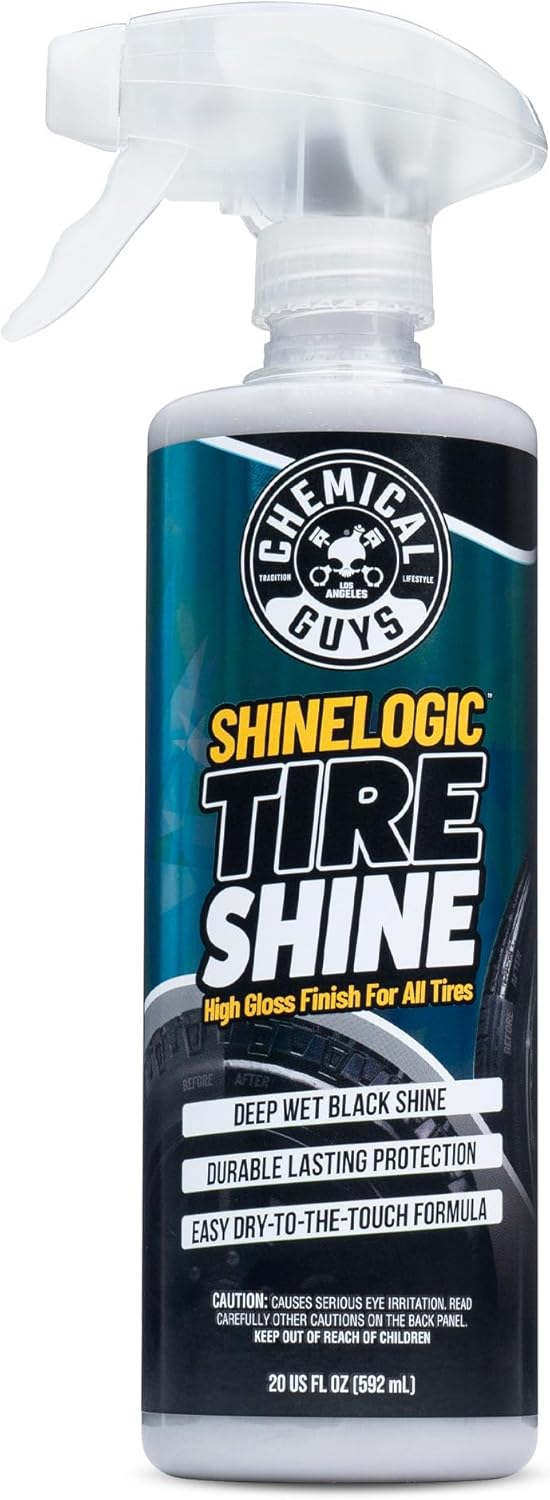
Chemical Guys ShineLogic Tire Shine delivers a deep wet black, high-shine finish for rubber tires with a sleek look. It’s designed for durable, one-step application with minimal drips, streaks, or runs, and it helps produce effortless, long-lasting shine. Choose aerosol or trigger spray for easy use on cars, trucks, motorcycles, RVs, and more.

Formula 1 Tire Wax restores dull tires to a rich black look while helping protect against UV damage. Its thick, long-lasting water-resistant gel delivers a high-gloss shine that resists rain and washing. A foam applicator is included for easy, controlled application, and it can also refresh vinyl, rubber, and plastic trim.

Cristal Products Untouchable Tire Shine Spray delivers a deep, wet-look gloss that enhances your vehicle’s tires. It’s quick-drying and spreads smoothly for consistent, streak-free coverage, while forming a protective coating against UV rays, road grime, and weather. Suitable for all tire types, it helps restore dull, faded tires to a showroom-quality finish.
Top-Rated Tire Dressings
For a simple water-based option, products like Chemical Guys Tire Kicker are worth comparing because the manufacturer describes it as a sprayable water-based dressing for rubber, vinyl, and plastic with UV blockers and a dry-to-touch feel. For a bolder spray coating, Griot’s Garage Black Shine Tire & Trim Coating is marketed for tires, trim, wheel wells, and more, with a water-resistant formula.
Independent product tests can help you compare real-world shine, sling, and durability. Road & Track’s 2025 tire shine test compared several popular tire shine products and noted that finish, drying behavior, and sling control vary widely. Use that kind of testing as a starting point, then confirm the current product label before buying.
How to Compare Products
- Check the surface list. Make sure it says tire sidewalls, exterior rubber, or the exact trim type you plan to treat.
- Check the finish. Matte, satin, gloss, and wet-look formulas can look very different on the same tire.
- Check the drying directions. A dry-to-touch dressing usually attracts less dust and slings less.
- Check the application method. Gels and applicator-applied liquids give more control. Aerosols are fast but can overspray.
- Check warnings. Avoid products that are not approved for the surface you want to treat.
Application and Finish Tips
For a natural finish, apply one light coat and buff it after a few minutes. For more gloss, add a second light coat only after the first coat has set. If the tire feels wet, oily, or slick after drying, you used too much product or the formula is not the right fit for your routine.
Frequently Asked Questions
Is tire dressing good for tires?
Tire dressing can be good for the tire sidewall’s appearance when you use a quality tire-safe product correctly. It can make rubber look darker and may help protect the surface from fading if the formula includes UV protection. It does not repair cracks, dry rot, sidewall damage, worn tread, or tire aging.
How long does tire dressing last?
Most tire dressings last from a few days to a few weeks. Prep matters a lot. A clean, dry tire with a thin, even coat will usually look better and last longer than a dirty tire covered with heavy product. Rain, car washes, road grime, and harsh sun can shorten the finish.
How do you make homemade tire dressing?
Homemade tire dressing is not recommended. Baby oil, cooking oil, coconut oil, and similar DIY mixes can leave a greasy surface, collect dirt, and sling onto paint. A purpose-made tire dressing is safer, cleaner, and easier to control because it is designed for tire sidewalls.
Is WD-40 a good tire dressing?
No. WD-40 is not a tire dressing. It is not designed to leave a tire-safe, dry, UV-protective finish on sidewalls. Use a product made for tire dressing instead, and keep all slick products away from tread and braking surfaces.
Can tire dressing damage tires?
A quality tire-safe dressing used as directed should not damage the sidewall. Problems are more likely when you use harsh, greasy, non-tire products, apply dressing too often without cleaning, or leave heavy residue. If a tire has cracks, bulges, cords showing, or serious sidewall damage, replace or inspect the tire instead of trying to dress it.
Should tire dressing be used on the tread?
No. Tire dressing belongs on the sidewall only. Keep it off the tread because the tread is the part that grips the road. Also keep it away from brake parts, pedals, motorcycle tires, bicycle tires, and any surface where slipperiness could create a safety risk.
Conclusion
Tire dressing is a simple way to make clean tires look darker, newer, and better finished. The best results come from the basics: clean the sidewall, dry it fully, apply a thin coat, wipe off excess, and let it dry before driving. Choose water-based dressing for easy control and a natural finish, or choose a tire-safe solvent-based product if you want more gloss and longer wear. Most important, keep dressing on the sidewall only and treat tire safety separately with regular pressure, tread, and sidewall checks.
Sources
- NHTSA TireWise — tire pressure, tread, aging, maintenance, and tire safety guidance.
- Chemical Guys Tire Kicker — manufacturer description of a water-based dressing, UV blockers, drying, and application directions.
- Griot’s Garage Black Shine Tire & Trim Coating — manufacturer description of a tire and trim coating with water-resistant durability claims.
- Road & Track Tire Shine Test — hands-on product comparison for finish, sling, drying, and real-world use.
