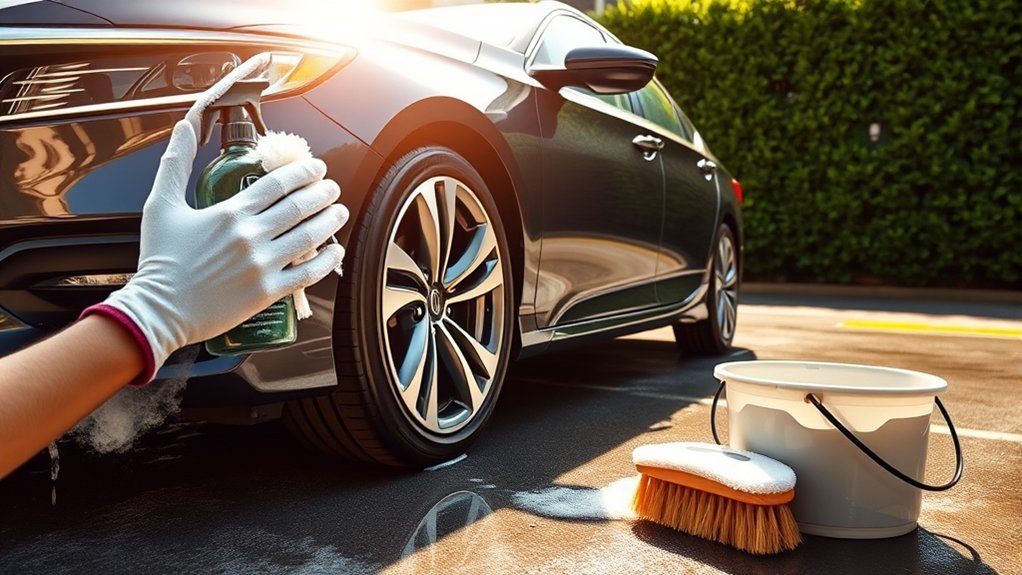
To safely clean your Honda Accord’s wheels, work on cool wheels, rinse loose grit first, use a cleaner that matches the wheel finish, scrub with soft wheel brushes, and rinse every cleaner off before it dries. Most Accord alloy wheels are clear-coated, so a pH-balanced or acid-free cleaner is usually the safest choice for routine brake dust, road film, and grime.
Quick Answer
Clean Honda Accord wheels by rinsing them first, spraying a finish-safe wheel cleaner, letting it dwell briefly, agitating with soft brushes, and rinsing thoroughly. Avoid harsh acids, dry wiping, and cleaning hot wheels. For protection, apply a wheel sealant every few months after the wheels are fully clean and dry.
Key Takeaways
- Use a pH-balanced, acid-free, or finish-safe cleaner for routine Honda Accord alloy wheel cleaning.
- Always rinse before scrubbing so loose grit does not scratch the clear coat.
- Clean one wheel at a time and never let wheel cleaner dry on the surface.
- Use a soft face brush, barrel brush, spoke brush, and lug-nut brush to reach all areas.
- Deep-clean more often if you drive in stop-and-go traffic, winter salt, or heavy brake dust conditions.
At a Glance
| Time Required | 20–35 minutes for all four wheels |
| Difficulty | Easy for routine cleaning; moderate for baked-on brake dust |
| Tools Needed | Hose, finish-safe wheel cleaner, soft wheel brush, barrel brush, spoke brush, lug-nut brush, microfiber towels, optional wheel sealant |
| Cost | About $15–$60 if you already have a hose and towels |
Choosing the Right Wheel Cleaning Products for Your Honda Accord
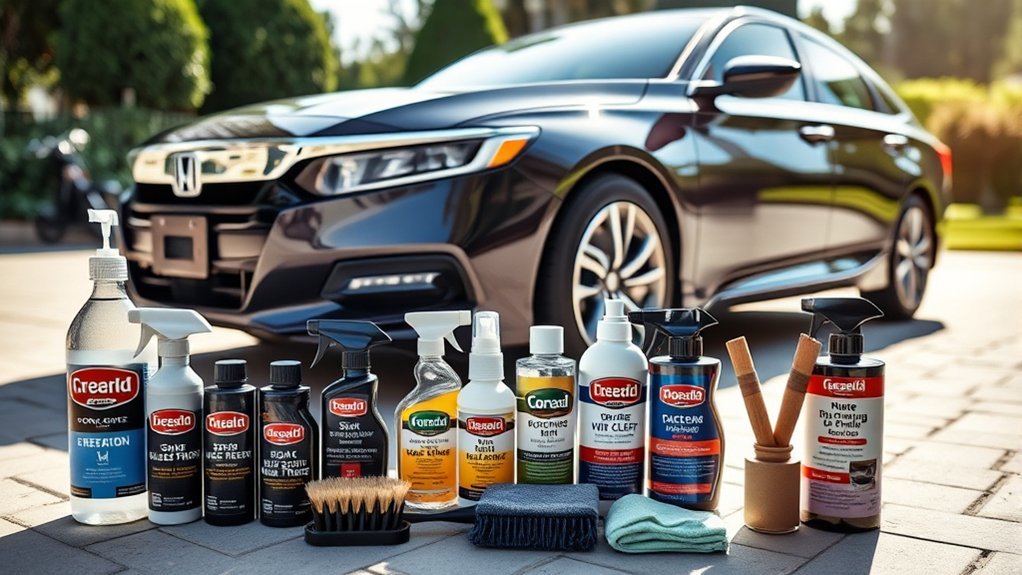
Most modern Honda Accord alloy wheels have a painted or clear-coated finish. That means you should treat them more like painted bodywork than raw metal. A pH-balanced, acid-free, or clear-coat-safe wheel cleaner is the best starting point for regular maintenance.
Good routine cleaners loosen road film, brake dust, and grime without attacking the wheel finish when used as directed. Stronger iron-removing cleaners can help with stubborn brake dust because brake wear particles often contain metal-rich material, but they should be used only when the product label says they are safe for your wheel finish.
Warning: Do not use household degreasers, oven cleaner, abrasive pads, or unknown acid cleaners on Honda Accord wheels. They can stain chrome, dull matte finishes, damage clear coat, or leave permanent marks on polished aluminum.
[Products Worth Considering]

This professional wheel and rim cleaning brush set lifts brake dust, grime, and dirt with soft, scratch-free microfiber and synthetic wool fibers. The rim brush bends up to 360 degrees for easy access to hard-to-reach areas around spokes, lips, and faces. Ideal for thorough cleaning of car, truck, motorcycle, bicycle, RV, and more wheel and tire surfaces.

This 3-piece wheel and tire brush set makes it easy to clean light, medium, and heavy dirt from wheels, rims, tires, and exterior surfaces. It includes both soft and stiff bristle options for gentle scrubbing and tough grime removal, helping lift brake dust and road buildup. The long-handle design supports comfortable cleaning across cars, trucks, SUVs, RVs, motorcycles, and more, with simple care instructions to restore brush shape.

This metal-free wheel and tire cleaning brush uses dense, fluffy synthetic wool to safely clean rims, spokes, fenders, and engine areas without worrying about damaging surfaces. Its flexible, comfortable design helps you reach detailed areas while maintaining durability, and the extra absorbent fibers work well with wheel spray cleaners for faster cleanup. Reusable and washable performance helps prevent grime and build-up for cleaner vehicles and easier maintenance at home.
What to Look For on the Label
- Clear-coat safe: Best for most painted and alloy Accord wheels.
- pH-balanced or acid-free: A safer routine choice than harsh acidic cleaners.
- Iron remover: Helpful for heavy brake dust, but not needed for every wash.
- Matte-safe: Required if your wheels have a matte or satin finish.
- Chrome-safe: Important if your Accord has chrome-plated or chrome-look wheels.
Examples of common wheel-cleaner types include Sonax-style color-changing iron cleaners, Meguiar’s-style all-wheel cleaners, and gentle spray-on wheel cleaners from major car-care brands. The brand matters less than the fit between the product label, your wheel finish, and the amount of brake dust you need to remove.
Essential Tools for Effective Wheel Cleaning
The right tools let you clean the face, spokes, lug holes, and inner barrel without scratching the finish. You do not need a professional setup, but you do need soft materials and enough water to rinse away grit.
[Products Worth Considering]
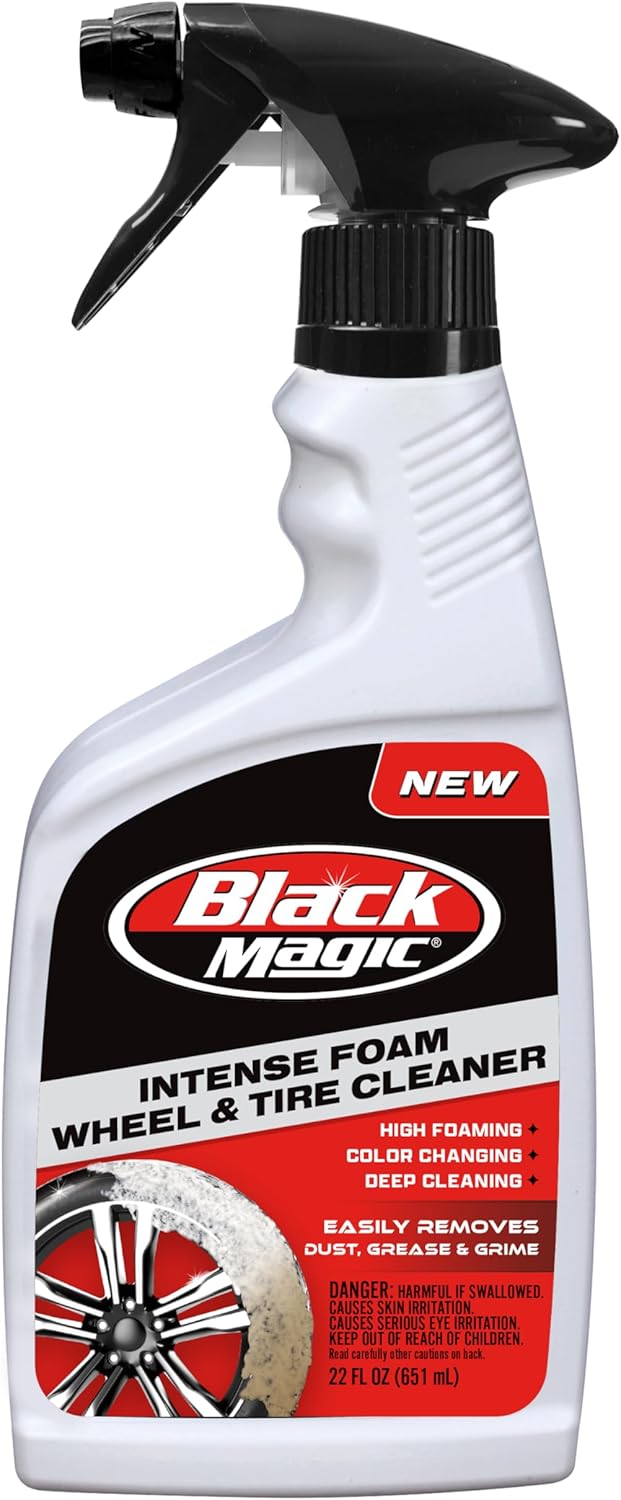
Black Magic Intense Foam Wheel & Tire Cleaner uses a high-foaming action to lift away dirt, grime, and brake dust without scrubbing. The color-changing formula helps show contaminants being dissolved as foam turns from white to brown. Safe for all wheel types and even wheel wells, it leaves a like-new, slick finish with a fresh cherry scent.

This oesee 8-piece wheel care kit helps you clean, scrub, and dry wheels safely with purpose-built brushes and towels. The scratch-free microfiber wheel brush lifts brake dust and grime, while the stiff pro-grip tire brush removes tire browning and embedded dirt. A twist loop microfiber drying towel and an applicator help achieve a streak-free finish and cleaner, more even product application.

This wheel brush kit delivers pro-level cleaning at home, lifting dirt, grime, and brake dust to help restore wheel appearance. It includes multiple brush styles and applicator pads for tackling different wheel surfaces, with gentle, metal-free bristles designed to reduce scratching risk. The flat and double-ended brushes are built for comfort and reach, making wheel care easier for cars, trucks, and RVs.
Recommended Cleaning Brushes
- Soft wheel-face brush: Cleans the front surface without grinding dirt into the finish.
- Wheel barrel brush: Reaches behind the spokes where brake dust collects.
- Spoke brush: Helps clean narrow spoke edges and tight corners.
- Lug-nut brush: Cleans around lug holes, center caps, and valve stems.
- Microfiber wash mitt or towel: Useful for a final gentle wipe after the heavy dirt is gone.
Essential Cleaning Chemicals
For most cleanings, use a finish-safe wheel cleaner and clean water. For neglected wheels, add an iron-removing cleaner after the first wash if the product is safe for your finish. After cleaning, a wheel sealant or spray wax can make future brake dust easier to rinse off.
Note: Brake dust is not just ordinary dirt. Research on brake wear particles has found metal-rich material such as iron and copper in tested samples, which is why some particles cling stubbornly to wheel surfaces.
Step-by-Step Alloy Wheel Cleaning Guide
Use this method for routine Honda Accord alloy wheel cleaning. Work in the shade if possible, and clean one wheel at a time so the cleaner does not dry before you rinse it.
[Products Worth Considering]

Clean wheels and rims with soft feathered bristles that safely remove dirt and road grime while helping restore original luster. The short non-slip handle makes it easy to scrub in tight wheel wells, and the brush is suitable for vehicles and hard-to-reach areas. It can also be soaked and rubbed to help restore bristles to their shape after use.

This 62-inch extra-long car wash brush kit makes it easy to clean hard-to-reach areas on cars, trucks, SUVs, and RV roofs with lightweight, sturdy poles. It includes soft, non-scratch microfiber and bristles with protective bumpers to help prevent scratches while cleaning effectively. A rubber squeegee helps remove water stains quickly, plus a wheel/tire brush and absorbent towels for complete exterior detailing.

This 4-pack wheel brush kit is designed for thorough cleaning of rims, tire tread, and hard-to-reach areas. It includes ultra-soft plush brushes for wheel faces and cracks, a soft brush for lug nut cavities, and a stiff brush for tire cleaning. The scratch-free, metal-free brush heads minimize rim damage, while bendable bristles reach into tight spots for faster grime removal.
Step 1: Let the Wheels Cool
Park the Accord in shade and let the wheels cool before you spray any cleaner. Hot wheels can cause chemicals to dry too fast, which may stain the finish or leave residue.
Step 2: Rinse Loose Dirt First
Rinse the wheel, tire sidewall, lug area, and inner barrel with a hose. This removes loose grit before your brush touches the surface. If you use a pressure washer, keep the nozzle at a safe distance and avoid blasting directly at valve stems, wheel weights, peeling clear coat, or damaged areas.
Step 3: Apply the Wheel Cleaner
Spray the cleaner evenly over the wheel face, spokes, lug holes, and inner barrel. Follow the dwell time on the label. Most cleaners need only a few minutes. Do not let the product dry on the wheel.
Step 4: Agitate With Soft Brushes
Use a soft wheel-face brush on the front surface, a barrel brush behind the spokes, and a lug-nut brush around tight areas. Use light pressure. If the dirt does not move, add more cleaner and dwell time instead of scrubbing harder.
Step 5: Rinse Thoroughly
Rinse from top to bottom until the water runs clear. Pay close attention to lug holes, spoke edges, and the lower rim edge because cleaner residue can hide there.
Step 6: Dry and Inspect
Dry the wheel with a clean microfiber towel. Look for remaining brown or gray specks. If they remain after a normal wash, they may be bonded brake dust or iron contamination.
Step 7: Add Protection
Once the wheel is clean and dry, apply a wheel sealant, ceramic spray, or spray wax that is safe for wheels. Protection helps reduce brake dust bonding and makes the next wash easier. Reapply every 3–6 months, or sooner if the product label recommends it.
Pro Tip: Clean one wheel completely before moving to the next. This keeps dwell time under control and lowers the chance of cleaner drying on the finish.
Cleaning Techniques for Various Wheel Finishes
Different wheel finishes need different levels of caution. If you are unsure what finish your Accord wheels have, check the owner’s manual, ask a Honda dealer, or test the cleaner on a hidden area first.
| Wheel Finish | Best Cleaning Method | Avoid |
| Clear-coated alloy | Use a pH-balanced or clear-coat-safe wheel cleaner with soft brushes. | Abrasive pads, dry wiping, harsh acids |
| Painted alloy | Treat like paint: rinse first, use gentle cleaner, and dry with microfiber. | Strong degreasers and stiff brushes |
| Chrome | Use chrome-safe cleaner, rinse well, dry fully, and protect against water spots. | Acid cleaners unless the label clearly allows chrome use |
| Matte or satin | Use matte-safe cleaner and avoid gloss-enhancing products. | Polish, wax that adds gloss, oily tire dressing overspray |
| Polished or uncoated aluminum | Use a product labeled safe for bare aluminum and test first. | Color-changing iron cleaners unless the label allows bare aluminum |
| Peeling or damaged finish | Use mild soap and water until the finish is repaired. | Strong cleaners, pressure washing close to the damaged area |
Best Practices for Long-Term Wheel Care
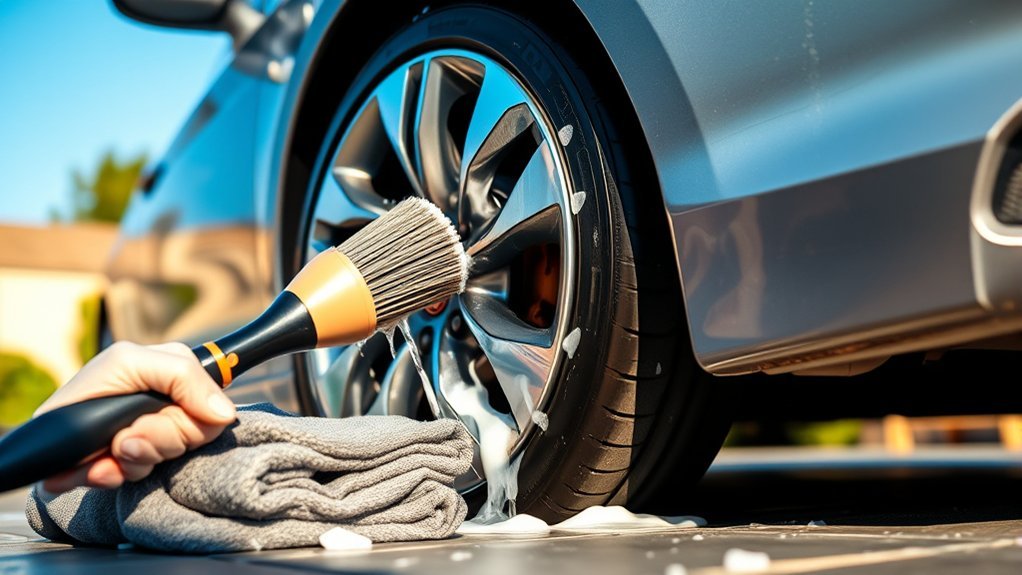
Long-term wheel care is about stopping brake dust and road film before they bond to the finish. A quick rinse helps, but a steady cleaning routine does more to protect the wheel surface.
- Clean regularly: Wash the wheels every 2–4 weeks for normal driving.
- Clean sooner after winter roads: Salt and slush can leave corrosive residue.
- Use protection: Apply wheel sealant or ceramic spray every 3–6 months.
- Deep-clean during tire service: Tire rotations are a good time to clean the barrel and back side of the wheel.
- Check the finish: Look for peeling clear coat, curb rash, bubbling, or stains before using stronger chemicals.
Honda owners should also follow the maintenance guidance for their specific model year. If your Accord uses Honda’s Maintenance Minder system, use that system and your owner’s manual as the final reference for tire and wheel service timing.
A clean wheel is easier to inspect. After washing, check for curb damage, loose valve caps, missing wheel weights, cracks, and uneven tire wear.
How to Remove Stubborn Brake Dust
If normal cleaner and brushing leave dark specks behind, do not scrape them with a hard tool. Use a safer staged approach.
- Wash the wheel normally first. Remove loose grime before using stronger products.
- Apply an iron-removing cleaner if compatible. Let it dwell only as long as the label allows.
- Agitate gently. Use a soft brush around spokes and lug holes.
- Rinse heavily. Do not leave iron remover in seams, center caps, or lug holes.
- Repeat only if needed. Heavy buildup may need two gentle passes instead of one harsh scrub.
- Stop if staining remains. Permanent etching, pitting, or clear-coat failure may need professional refinishing.
Note: Purple color change from an iron remover shows the product reacting with iron contamination. It does not mean the cleaner is safe to leave on longer than the label says.
Top 5 Mistakes to Avoid When Cleaning Your Honda Accord Wheels
A safe wheel-cleaning routine is mostly about avoiding damage. These are the mistakes that cause the most problems.
- Cleaning hot wheels: Heat can make chemicals dry too quickly and leave stains.
- Dry wiping brake dust: Dry dust and grit can scratch the clear coat.
- Using the wrong cleaner: A cleaner that is safe for coated alloy may not be safe for chrome, matte, polished, or damaged wheels.
- Letting cleaner dry: Dried cleaner can leave streaks, stains, or chalky residue.
- Skipping the barrel and lug holes: Brake dust often hides behind spokes and around lug nuts.
Also avoid spraying tire dressing carelessly. Overspray can stain matte wheels, sling onto body panels, or make nearby surfaces greasy. Apply tire dressing to an applicator first instead of spraying it directly at the wheel.
How Often Should You Clean Your Wheels?
For most Honda Accord drivers, cleaning the wheels every 2–4 weeks is enough to control normal brake dust and road grime. If the wheels look gray or brown after only a few drives, shorten the interval.
| Driving Condition | Suggested Cleaning Frequency |
| Normal commuting | Every 2–4 weeks |
| Urban stop-and-go driving | Every 1–2 weeks if brake dust builds quickly |
| Winter salt or slush | Rinse as soon as practical after heavy salt exposure |
| Car-show detailing | Before each event, with extra barrel and spoke cleaning |
| Tire rotation or scheduled service | Deep-clean the barrel and back side when access is easier |
If you wash at home, keep dirty wheel cleaner and brake dust residue out of storm drains when local rules require it. A commercial wash bay with runoff controls can be a better option after heavy contamination, winter salt, or strong chemical cleaning.
When to Stop and Get Help
Some wheel problems cannot be fixed safely with more cleaner. Stop cleaning and get professional advice if you notice bubbling clear coat, peeling paint, white corrosion under the finish, cracks, deep curb rash, or stains that remain after gentle washing and one compatible de-iron treatment.
You should also avoid removing wheels unless you know how to lift the vehicle safely, support it with jack stands, and torque the lug nuts correctly afterward. For routine cleaning, you can clean the visible face, spokes, lug holes, and much of the barrel without removing the wheels.
Frequently Asked Questions
What is the best thing to use to clean tire rims?
The best option is a wheel cleaner labeled safe for your rim finish, plus soft brushes and clean water. For most Honda Accord alloy wheels, start with a pH-balanced or acid-free cleaner. Use an iron remover only for stubborn brake dust and only if the label says it is safe for your wheel finish.
How do you clean Honda wheels safely?
Let the wheels cool, rinse loose dirt first, spray a compatible wheel cleaner, let it dwell briefly, scrub with soft brushes, rinse thoroughly, and dry with microfiber. Work one wheel at a time so the cleaner does not dry on the surface.
Is alloy wheel cleaner safe for all wheels?
No. Some alloy wheel cleaners are safe for clear-coated wheels but not for chrome, matte, polished aluminum, bare aluminum, or damaged finishes. Always read the label and test a hidden area if you are unsure.
Can I use dish soap on Honda Accord wheels?
Mild car wash soap is safer than dish soap for routine cleaning. Dish soap can strip wax or sealant and may not remove brake dust well. If the wheels are only lightly dirty, car wash soap and a soft mitt may be enough.
Should I clean the tires and wheels at the same time?
Yes, but use the right product for each surface. Tire cleaners can be stronger than wheel cleaners, so avoid letting tire cleaner sit on the wheel finish. Clean the wheel first or rinse overspray quickly.
Conclusion
Keeping your Honda Accord’s wheels clean protects more than appearance. A good routine removes brake dust, road grime, and salt before they bond to the finish. Use cool wheels, safe cleaners, soft brushes, and a full rinse every time. Then add protection every few months so future cleanings are faster and safer. With the right method, your wheels stay cleaner, easier to inspect, and better protected from long-term damage.
Sources
- Honda Owners Manuals — model-specific owner guidance and maintenance reference.
- National Highway Traffic Safety Administration: Tires — tire safety and maintenance context.
- Brake wear particle characterization study — supports the metal-rich brake dust explanation.
- U.S. EPA: Stormwater Discharges from Municipal Sources — supports the runoff and storm-drain caution.