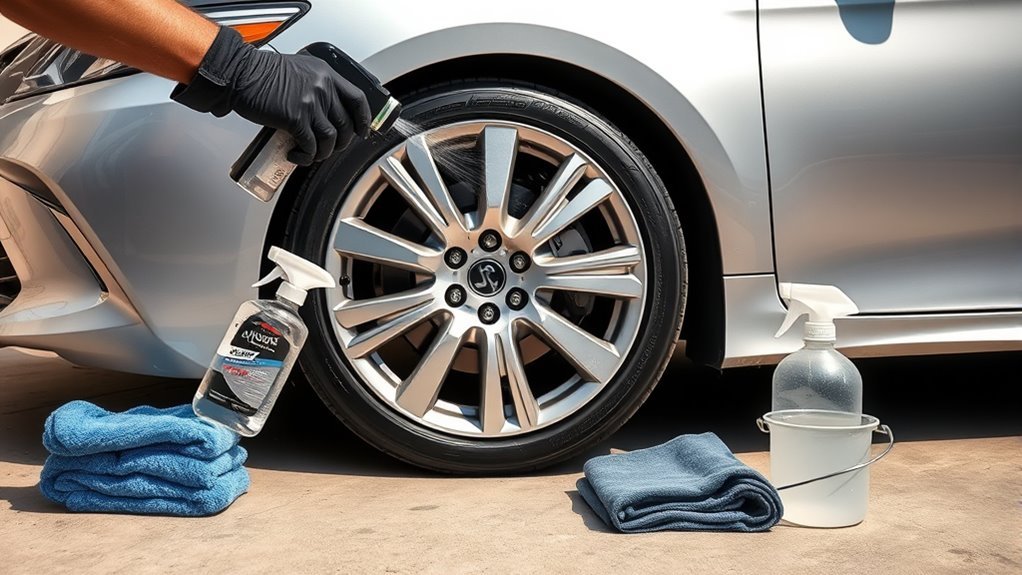
To care for your Toyota Camry’s alloy wheels, clean them gently, rinse away cleaner quickly, and protect the finish before brake dust has time to bond. The safest routine is simple: work on cool wheels, use a neutral or pH-balanced alloy-safe cleaner, scrub with soft tools, rinse thoroughly, dry with microfiber, and add wheel sealant or wax only when it is safe for your wheel finish.
Quick Answer
Clean Toyota Camry alloy wheels with a neutral or pH-balanced, non-abrasive wheel cleaner, a soft wheel brush, clean water, and microfiber towels. Rinse first, clean one cool wheel at a time, rinse off all residue, dry fully, and apply a compatible wheel sealant or wax for easier future cleaning.
Key Takeaways
- Use a neutral or pH-balanced cleaner made for alloy, painted, or clear-coated wheels.
- Never use acidic, alkaline, abrasive cleaners, hard brushes, or detergent on hot wheels.
- Clean visible brake dust quickly because brake-wear particles can include metals from pads and rotors.
- Dry the wheels before applying a compatible sealant or wheel wax, and skip wax on matte or specialty finishes unless the wheel maker approves it.
- Use separate towels and brushes for wheels so brake dust does not scratch your Camry’s paint.
At a Glance
| Time Required | 20–30 minutes for all four wheels; longer if brake dust is heavy |
| Difficulty | Easy |
| Tools Needed | Neutral wheel cleaner, hose or rinse water, soft wheel brush, lug brush, microfiber towels, bucket, optional wheel sealant |
| Cost | Low if you already own basic wash tools; the main consumables are cleaner, towels, and optional sealant |
Choose the Right Cleaner for Toyota Camry Alloy Wheels
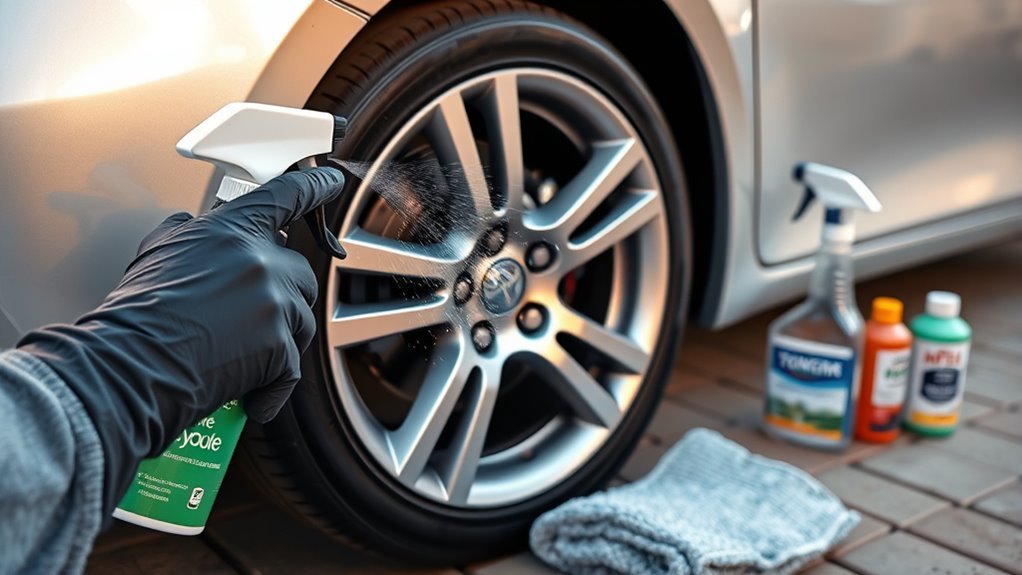
Start with the cleaner. Toyota’s current Camry owner guidance says wheels and wheel ornaments should be cleaned with a neutral detergent and rinsed immediately after use. It also warns against acidic, alkaline, or abrasive detergent, hard brushes, and detergent on hot wheels.
For most factory Toyota Camry alloy wheels, choose a cleaner labeled safe for painted, clear-coated, or alloy wheels. A pH-balanced wheel cleaner is usually the safest pick because it removes road film and brake dust without relying on harsh acids or abrasives. If your Camry has aftermarket, chrome, polished, repaired, or matte wheels, check the wheel maker’s care instructions before applying any cleaner, wax, coating, or iron remover.
Warning: Do not clean wheels while they are hot from driving or direct sun. Heat can make cleaner dry too quickly, which increases the risk of staining, streaking, or finish damage.
Before treating the full rim, test the cleaner on a hidden area. Spray a small amount, wait the label’s recommended dwell time, rinse, and inspect for hazing, discoloration, or spotting. If anything looks wrong, stop and use a milder soap-and-water method or ask a professional detailer.
[Products Worth Considering]

This professional wheel and rim brush kit makes it easy to lift brake dust, grime, and dirt from wheels and tires without scratching finishes. The brushes feature soft, metal-free wool heads and a flexible 360-degree rim brush design for reaching hard-to-clean areas. Includes multiple brush types plus accessories for thorough car, motorcycle, and general vehicle detailing.

This 3-piece wheel and tire brush set makes it easy to clean light, medium, and heavy dirt from wheels, rims, tires, and exterior surfaces. It includes both soft and stiff bristle options for gentle scrubbing and tough grime removal, helping lift brake dust and road buildup. The long-handle design supports comfortable cleaning across cars, trucks, SUVs, RVs, motorcycles, and more, with simple care instructions to restore brush shape.
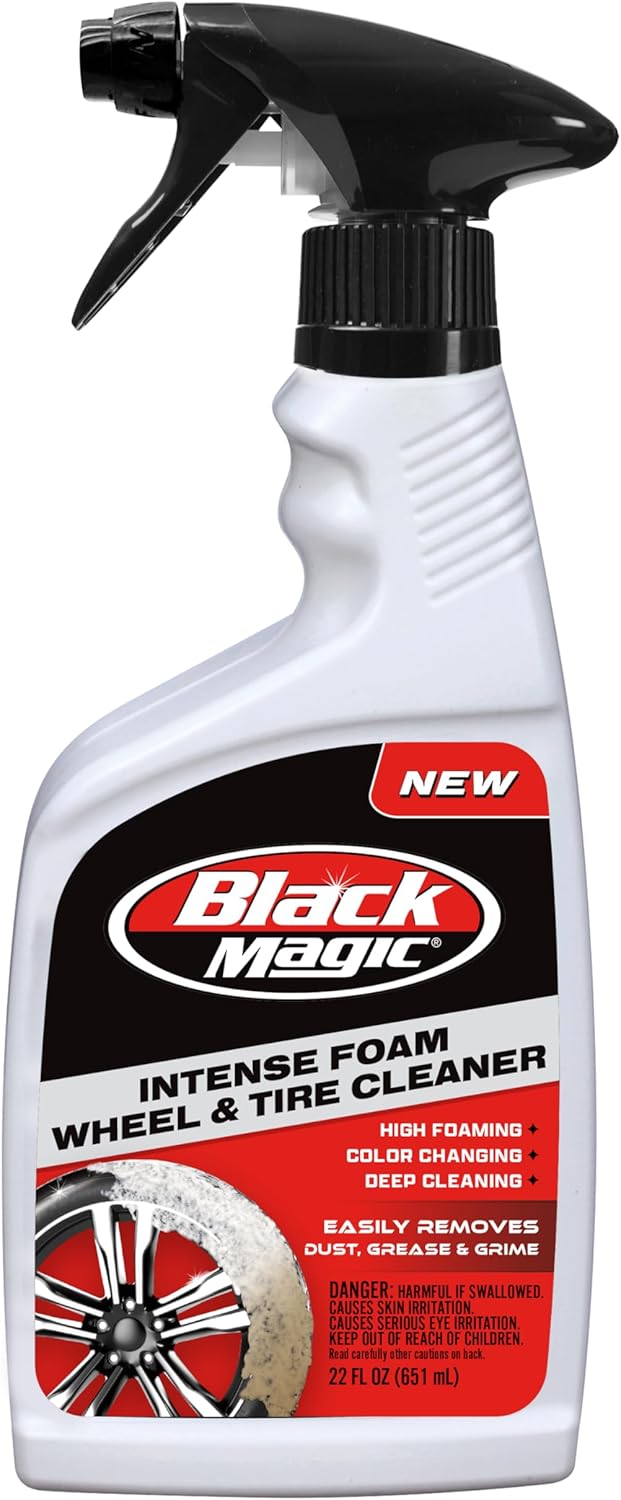
Black Magic Intense Foam Wheel & Tire Cleaner uses a high-foaming action to lift away dirt, grime, and brake dust without scrubbing. The color-changing formula helps show contaminants being dissolved as foam turns from white to brown. Safe for all wheel types and even wheel wells, it leaves a like-new, slick finish with a fresh cherry scent.
Gather Tools for Alloy Wheel Cleaning
A good wheel-cleaning setup protects the finish and keeps brake dust away from your Camry’s paint. Set everything out before you spray cleaner so the product does not sit longer than intended.
- Neutral or pH-balanced wheel cleaner: Use one that clearly lists alloy, painted, or clear-coated wheels as safe surfaces.
- Soft wheel-face brush: Use this for spokes and open wheel surfaces.
- Lug nut brush or small detailing brush: Use this around lug holes, valve stems, and tight edges.
- Microfiber towels: Keep these separate from paint towels because wheel towels pick up brake dust and grit.
- Bucket of clean water: Rinse brushes often so you are not dragging grit across the wheel.
- Hose or low-pressure rinse: Use enough water to flush away loose dirt and cleaner residue.
- Optional wheel sealant or wheel wax: Use only if the product label says it is safe for your wheel finish.
Pro Tip: Keep one set of microfiber towels for wheels only. Brake dust can contain hard metallic particles, so reusing wheel towels on paint can create fine scratches.
[Products Worth Considering]

Suds Lab WB Premium Microfiber Cleaning Wheel Brush lifts brake dust, dirt, and grime with ultra-soft microfiber bristles that help prevent scratching and swirling on wheels and paint. It features an ergonomic, non-slip handle for comfortable control and reduced hand fatigue during longer cleaning sessions. Safe for all vehicle types, it also works for multi-purpose detailing like tires, exhaust pipes, door panels, engine bays, and mirrors.

This oesee 8-piece wheel care kit helps you clean, scrub, and dry wheels safely with purpose-built brushes and towels. The scratch-free microfiber wheel brush lifts brake dust and grime, while the stiff pro-grip tire brush removes tire browning and embedded dirt. A twist loop microfiber drying towel and an applicator help achieve a streak-free finish and cleaner, more even product application.

This metal-free wheel and tire cleaning brush uses dense, fluffy synthetic wool to safely clean rims, spokes, fenders, and engine areas without worrying about damaging surfaces. Its flexible, comfortable design helps you reach detailed areas while maintaining durability, and the extra absorbent fibers work well with wheel spray cleaners for faster cleanup. Reusable and washable performance helps prevent grime and build-up for cleaner vehicles and easier maintenance at home.
Clean Toyota Camry Alloy Wheels
You need to clean your Toyota Camry’s alloy wheels regularly because brake dust and road grime can dull the finish and become harder to remove over time. The safest method is to clean one wheel at a time, from the least dirty area to the dirtiest, while the wheel is cool.
[Products Worth Considering]

This 3-piece wheel brush set makes it easy to clean wheels and tires with soft, scratch-free brushes designed for lifting brake dust and grime. The flexible rim brush bends up to 360 degrees to reach hard-to-access areas for a thorough clean, while the comfortable grip helps control during detailing. A dedicated detailing brush supports gentle cleaning for sensitive surfaces, including interior use.

Clean wheels and rims with soft feathered bristles that safely remove dirt and road grime while helping restore original luster. The short non-slip handle makes it easy to scrub in tight wheel wells, and the brush is suitable for vehicles and hard-to-reach areas. It can also be soaked and rubbed to help restore bristles to their shape after use.

This 7-piece car wheel brush kit delivers gentle, scratch-free cleaning with extra-soft, metal-free brush heads designed to lift brake dust, dirt, and grime. The brushes bend up to 360 degrees for hard-to-reach wheel areas, while the included tire shine applicator pad helps apply tire dressing evenly with less build-up. An organizer bag is included for convenient storage, making it ideal for regular wheel and tire detailing.
Why Alloy Wheels Need Care
Alloy wheels are usually coated or painted for appearance and protection. Once brake dust, road salt, tar, and grime sit on that coating, they can stain the surface and make future cleaning more difficult. Brake-wear particulate matter is generated by friction between brake pads and discs, and research notes that it is commonly characterized by metals such as iron, copper, and zinc.
The best wheel-care habit is not aggressive scrubbing. It is regular gentle cleaning before brake dust hardens on the finish.
Safe Cleaning Steps
- Park in shade and let the wheels cool. If the wheels feel warm to the touch, wait before applying cleaner.
- Rinse first. Flush loose grit from the wheel face, spokes, lug area, barrel, and tire sidewall.
- Spray the cleaner evenly. Coat one wheel at a time and follow the product label for dwell time. For many wheel cleaners, this is about 1–3 minutes.
- Agitate gently. Use a soft brush on the spokes and face, then a smaller brush around lug nuts and tight edges.
- Rinse thoroughly. Keep rinsing until no cleaner or foam remains. Toyota guidance emphasizes washing detergent off immediately after use.
- Dry with microfiber. Dry the wheel face, lug pockets, and lower edges to reduce water spots.
- Repeat on the next wheel. Rinse your brushes between wheels so old grit does not scratch the next rim.
Note: After washing the car and wheels, drive slowly and apply the brakes a few times in a safe area. This helps dry the brake pads and rotors before parking.
Protection for Lasting Shine
Once the wheel is clean and fully dry, apply a compatible wheel sealant or wheel wax if the finish allows it. A thin protective layer can make brake dust release more easily during the next wash. Use a foam applicator or microfiber pad, spread a light coat, let it haze or cure according to the label, then buff gently with a clean microfiber towel.
Do not apply wax or sealant blindly to matte, specialty, damaged, or aftermarket wheels. Some finishes need water and mild detergent only. If you are unsure, check the owner’s manual, the wheel manufacturer’s instructions, or a Toyota service department before applying any coating.
Tackle Brake Dust and Grime
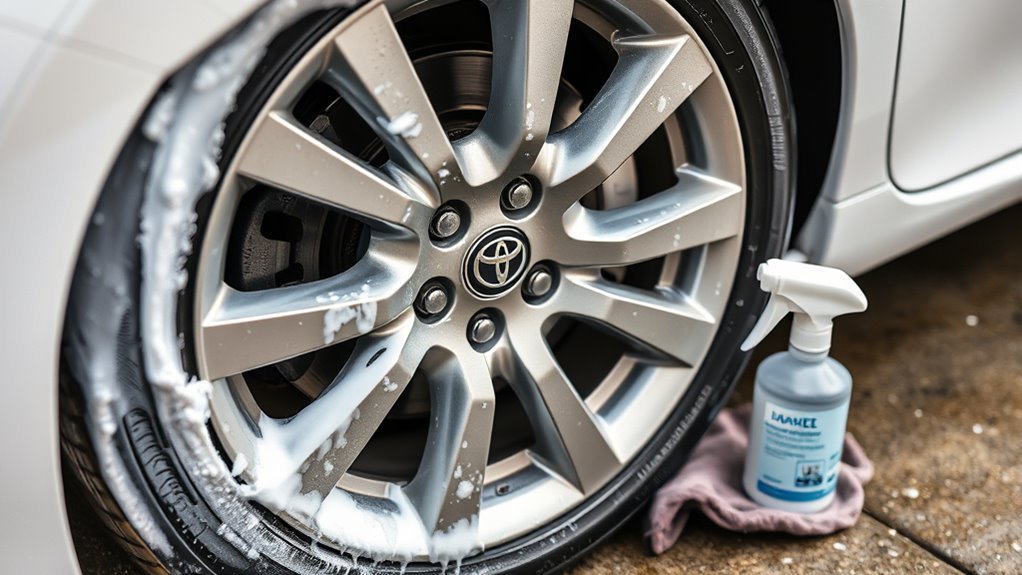
Brake dust is not just ordinary dirt. It is a mix of fine debris from braking components and road contamination. On a daily-driven Camry, the front wheels often collect more dust because the front brakes do more work during stopping.
Brake Dust Removal
For normal brake dust, the regular wash process is enough: rinse, apply neutral wheel cleaner, agitate gently, rinse, and dry. For heavier buildup, use a second application instead of harder scrubbing. Let the cleaner dwell only as long as the label allows, then rinse thoroughly.
If dust has baked into the finish, an iron-removing wheel cleaner may help, but only if it is approved for your wheel finish. Avoid harsh acids, household degreasers, oven cleaners, steel wool, scouring pads, and stiff brushes. They may remove grime quickly, but they can also damage the clear coat or painted finish.
Grime Buildup Prevention
A practical maintenance schedule is every 1–2 weeks, or sooner when brake dust is clearly visible. Clean more often if you drive in stop-and-go traffic, live near salted winter roads, park outdoors, or notice dark dust returning quickly after each wash.
Sealant can also reduce cleaning effort. When applied to a compatible finish, it gives grime a slicker surface and helps water carry dirt away during rinsing. Reapply as the product label recommends or when water stops beading on the wheel surface.
Protect Your Alloy Rims With Wax or Sealant
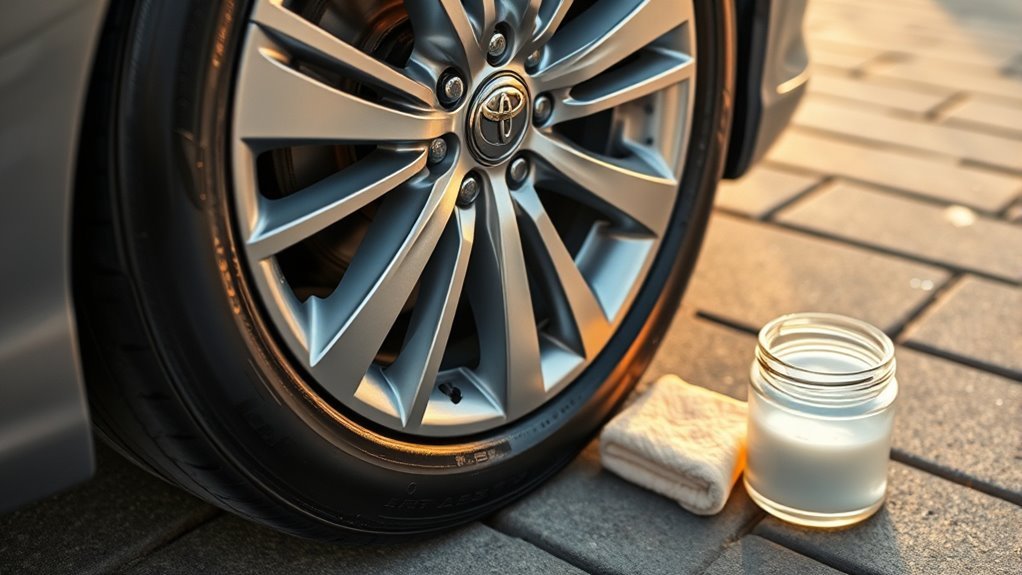
A high-quality wheel sealant or wheel wax can help protect Toyota Camry alloy rims from brake dust, road grime, water spotting, and repeated cleaning. The key is compatibility. Use a product made for automotive wheels, and confirm that it is safe for painted, clear-coated, or alloy surfaces.
- Clean and rinse the wheel first. Do not seal over brake dust or cleaner residue.
- Dry the rim completely. Sealant bonds better to a dry surface.
- Apply a thin coat. More product does not mean better protection; it usually just makes buffing harder.
- Let it cure as directed. Follow the label for haze time, cure time, and weather exposure.
- Buff with clean microfiber. Use light pressure and turn the towel often.
Warning: Do not use tire shine, tire cleaner, or wheel dressing in a way that lets overspray sit on the wheel finish. Wipe overspray immediately, especially on matte or specialty wheels.
Keep Toyota Camry Alloy Wheels Shiny Longer
Keeping your Toyota Camry’s alloy wheels shiny longer comes down to consistency. Light cleaning is safer than waiting until grime is stuck and then scrubbing aggressively. During every wash, inspect the rims for curb rash, chips, peeling clear coat, corrosion spots, or dark stains that do not rinse away.
| Light brake dust | Rinse, use neutral cleaner, soft brush, rinse again, and dry. |
| Heavy brake dust | Use a second gentle application instead of harder scrubbing. |
| Water spots | Dry immediately after rinsing and avoid washing in direct sun. |
| Curb rash or peeling clear coat | Stop aggressive cleaning and consider wheel repair before corrosion spreads. |
Common Mistakes to Avoid
- Cleaning hot wheels: Heat can make cleaner dry too fast and stain the finish.
- Using household cleaners: Oven cleaner, strong degreaser, bleach, and acidic products can damage wheel coatings.
- Dry wiping brake dust: Dry grit can scratch the clear coat. Rinse first.
- Using hard brushes: Stiff bristles can leave marks, especially on glossy painted wheels.
- Letting cleaner sit too long: Follow dwell-time instructions and rinse thoroughly.
- Using wheel towels on paint: Brake dust and grit trapped in towels can scratch body panels.
- Waxing every finish: Matte and specialty finishes may be damaged or glossed by wax or coating products.
Wash Water and Environmental Care
Wheel cleaning produces dirty wash water that can contain detergents, oils, suspended solids, heavy metals, and other grime. Official stormwater guidance warns that vehicle wash water can harm waterways when it enters storm drains untreated.
When possible, wash your Camry at a commercial car wash or in an area where runoff is handled properly. If washing at home, follow your local rules, avoid letting concentrated cleaner flow into storm drains, and use only the amount of cleaner needed for the job.
When to Repair or Ask a Professional
Some wheel problems are not cleaning problems. If you see bubbling clear coat, spreading corrosion, deep curb rash, bent rims, or staining that does not improve after gentle cleaning, stop scrubbing. More pressure or stronger chemicals can make damage worse. A wheel repair specialist can tell you whether the rim needs refinishing, polishing, coating, or replacement.
You should also get professional advice before using aggressive iron removers, ceramic coatings, metal polish, or machine polishing on factory wheels. These products can work well in the right situation, but they can also damage the wrong finish.
Frequently Asked Questions
What is the best way to protect my Toyota Camry alloy wheels?
The best protection is regular gentle cleaning plus a compatible wheel sealant or wheel wax. Clean the wheels first, dry them fully, apply a thin coat, and buff with microfiber. Do not apply wax or sealant to matte, damaged, or specialty wheels unless the wheel maker says it is safe.
What is the best thing to clean alloy rims with?
Use a neutral or pH-balanced wheel cleaner made for alloy, painted, or clear-coated rims. Pair it with clean water, a soft wheel brush, and microfiber towels. Avoid acidic, alkaline, abrasive, or household cleaners unless a product label specifically approves your exact wheel finish.
Is WD-40 good for cleaning alloy wheels?
WD-40 is not the best primary cleaner for Toyota Camry alloy wheels. It is not designed to rinse away brake dust the way a dedicated wheel cleaner does, and it may leave residue. For routine wheel care, use a finish-safe wheel cleaner and rinse thoroughly.
How often should I clean Toyota Camry alloy wheels?
Clean them every 1–2 weeks during normal driving, or sooner if brake dust is visible. Clean more often after winter road salt, long highway trips, rainy conditions, or heavy stop-and-go commuting.
Can I pressure wash Toyota Camry wheels?
A gentle rinse is fine, but avoid holding a high-pressure nozzle close to the wheel, valve stem, center cap, or any chipped coating. Use pressure only to flush loose dirt and cleaner residue, not as a substitute for safe cleaner and soft agitation.
Should I clean the tires and wheels with the same brush?
No. Use separate brushes when possible. Tire sidewalls collect rubber residue, road grime, and dressing, while wheels need softer tools to protect the coating. Keeping tools separate reduces scratching and streaking.
Conclusion
By choosing the right cleaner, using soft tools, and washing your Toyota Camry alloy wheels while they are cool, you can remove brake dust without damaging the finish. Rinse thoroughly, dry with microfiber, and apply a compatible wheel sealant or wax when appropriate. Stay consistent, avoid harsh chemicals, and inspect damage early so your Camry’s wheels stay clean, glossy, and easier to maintain.
Sources
- Toyota 2025 Camry Owner’s Manual: Cleaning and Protecting the Vehicle Exterior — backs neutral detergent, immediate rinsing, hot-wheel precautions, and avoiding acidic, alkaline, abrasive cleaners and hard brushes.
- Particle and Fibre Toxicology: Copper-enriched Automotive Brake Wear Particles — backs the explanation that brake-wear particles come from pad/disc friction and can include transition metals.
- Portland.gov: Prevent Pollution When Washing Vehicles and Equipment — backs the wash-water runoff note about detergents, oils, suspended solids, heavy metals, and stormwater protection.