
Toyota Hilux Wheel Cleaning: Safe Methods for Every Type
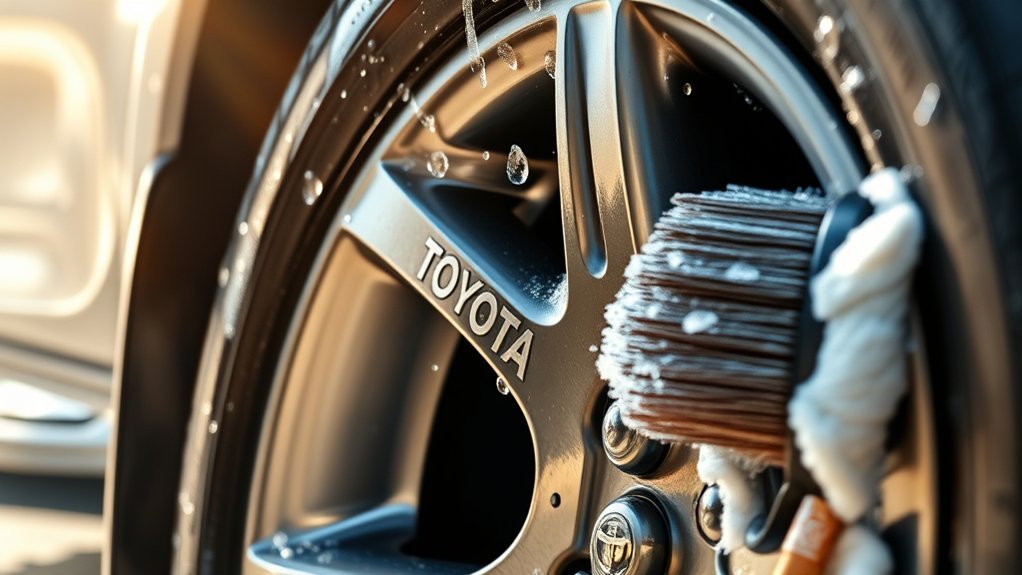
Cleaning Toyota Hilux wheels safely starts with the right cleaner, soft tools, and a cool wheel surface. Brake dust, mud, road salt, and iron particles can stain or damage wheel finishes if they sit too long, but harsh cleaners and rough brushes can cause damage just as quickly. Use the method below to clean alloy wheels, steel wheels, tires, inner barrels, and lug areas without scratching the finish.
Quick Answer
To clean Toyota Hilux wheels, rinse loose dirt first, apply a finish-safe wheel cleaner to cool wheels, let it dwell briefly without drying, scrub with soft wheel brushes, rinse thoroughly, and dry with microfiber towels. Clean the tires separately, then inspect for corrosion, cracks, curb rash, or peeling finish.
Key Takeaways
- Always clean wheels when they are cool, because cleaner can stain or dry too fast on hot wheels.
- Match the cleaner to the wheel finish: painted, clear-coated alloy, machined, chrome, black, or steel.
- Use soft wheel brushes on rims and a separate stiff tire brush on rubber sidewalls.
- Never let wheel cleaner dry on the surface. Rinse the wheel, tire, brake area, and inner barrel thoroughly.
- Clean every 2 to 4 weeks, or sooner after mud, road salt, towing, off-road driving, or heavy brake dust.
At a Glance
| Time Required | 20 to 40 minutes for all four wheels |
| Difficulty | Easy for routine cleaning; moderate for heavy brake dust or oxidation |
| Tools Needed | Wheel cleaner, car shampoo, hose or pressure washer, bucket, soft wheel brush, barrel brush, lug nut brush, tire brush, microfiber towels, gloves |
| Cost | About $15 to $50 if you already have a hose and towels |
Why Regular Wheel Cleaning Is Essential for Your Toyota Hilux
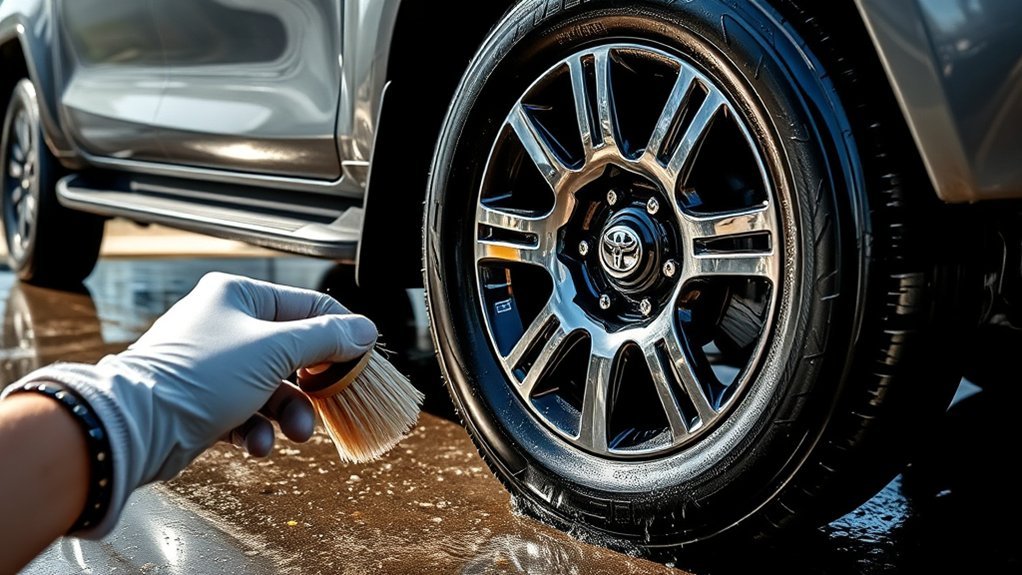
Regular wheel cleaning matters because Hilux wheels collect brake dust, mud, tar, salt, and road film. Brake dust is not just gray dirt. Research on brake-wear particles shows that they can contain metal-rich particles, including iron and copper, which helps explain why stubborn dust can bond to wheel surfaces over time.
A clean wheel is also easier to inspect. When grime covers the rim, you can miss curb rash, peeling clear coat, corrosion on steel wheels, cracked paint, loose wheel weights, or tire sidewall damage. Cleaning every 2 to 4 weeks is a good routine for normal driving. Clean sooner if you drive through mud, construction dust, road salt, beach sand, or heavy stop-and-go traffic.
Note: Toyota Hilux trims and markets can use different wheel finishes. Before using a strong cleaner, check your owner information through the Toyota owner manuals page or your local Toyota manual for finish-specific care notes.
[Products Worth Considering]

This oesee 8-piece wheel care kit helps you clean, scrub, and dry wheels safely with purpose-built brushes and towels. The scratch-free microfiber wheel brush lifts brake dust and grime, while the stiff pro-grip tire brush removes tire browning and embedded dirt. A twist loop microfiber drying towel and an applicator help achieve a streak-free finish and cleaner, more even product application.

This wheel brush kit delivers pro-level cleaning at home, lifting dirt, grime, and brake dust to help restore wheel appearance. It includes multiple brush styles and applicator pads for tackling different wheel surfaces, with gentle, metal-free bristles designed to reduce scratching risk. The flat and double-ended brushes are built for comfort and reach, making wheel care easier for cars, trucks, and RVs.

Adam’s Pro Tire Hex Grip applicators are molded foam sponges designed for precise, even tire dressing application. The ergonomic grip helps you spread product without overapplying, reducing sling that can splash onto paint and helping keep your hands clean during wheel and trim detailing. They’re durable, washable, and reusable for repeated detailing sessions.
Identify Your Wheel Finish Before Cleaning
Before spraying anything on your Hilux wheels, identify the finish. The safest cleaner depends on the surface, not just the vehicle model.
- Clear-coated alloy wheels: Common on many modern vehicles. Treat them like painted bodywork and avoid abrasive polish.
- Painted or black alloy wheels: Use gentle, finish-safe cleaner and soft brushes only.
- Machined alloy wheels: These can have a clear coat over a cut-metal face. Avoid aggressive compounds unless the product label says it is safe.
- Chrome wheels: Use chrome-safe cleaner only. Acidic products can stain or dull the finish.
- Steel wheels: Durable, but chips can rust. Clean gently and inspect for exposed metal.
If you are not sure, start with car shampoo and water. Move to a dedicated wheel cleaner only when soap is not enough.
Essential Supplies for Effective Wheel Cleaning
The right supplies make wheel cleaning faster and safer. Keep wheel tools separate from paint tools so brake dust and grit do not scratch your Hilux body panels.
Recommended Cleaning Products
Choose a wheel cleaner that clearly states it is safe for your wheel finish. Acid-free or pH-balanced cleaners are usually a safer starting point for factory painted and clear-coated wheels. For heavy brake dust, an iron-reactive cleaner can help, but you still need to follow the label and rinse thoroughly.
For example, SONAX Wheel Cleaner PLUS is described by the manufacturer as acid-free and safe on all wheel finishes. Its directions also say to apply only to cool, dry wheels, allow 3 to 5 minutes of dwell time, avoid letting the product dry, use a soft brush if needed, and rinse the wheel, tire, and brake system thoroughly.
You can also compare current test results before buying. In a 2025 wheel-cleaner test, Road & Track found that cleaner performance varied by formula, finish safety, and brake-dust severity. This is why label compatibility matters more than brand hype.
Tools for Effective Scrubbing
- Soft wheel-face brush: For spokes and the outer face.
- Wheel barrel brush: For the inner rim where brake dust collects.
- Lug nut brush: For recesses around the nuts.
- Separate tire brush: Use this only on rubber sidewalls, not on the wheel finish.
- Microfiber towels: Use clean towels for drying and a separate set for dirty lower areas.
- Bucket with car shampoo: Helpful after the chemical cleaner loosens the grime.
- Gloves and eye protection: Useful when working with wheel cleaner and dirty brake dust residue.
Essential Safety Precautions
- Let the wheels cool: Never spray cleaner on hot wheels after a drive.
- Read the product label: Check finish compatibility, dwell time, and rinse instructions.
- Work one wheel at a time: This prevents cleaner from drying before you rinse.
- Avoid brake soaking: Do not flood brake components with dressing, tire shine, or oily products.
- Use safe pressure: If using a pressure washer, keep the nozzle moving and avoid blasting directly at valve stems, damaged clear coat, wheel weights, or brake seals.
Warning: Do not let wheel cleaner dry on the rim. Dried cleaner can leave stains, streaks, or chemical marks, especially on warm, damaged, polished, or aftermarket finishes.
Step-by-Step Alloy Wheel Cleaning
Use this method for factory alloy wheels, painted alloy wheels, and most clear-coated Toyota Hilux rims. If your wheels are aftermarket, polished, anodized, or ceramic-coated, check the wheel maker’s care instructions first.
- Park in shade: Work on cool wheels away from direct sun.
- Rinse loose grit: Spray the wheel face, inner barrel, tire sidewall, and lug nut area to remove sand and loose dirt.
- Apply cleaner: Spray the wheel cleaner evenly on one wheel. Avoid oversaturating brakes and do not spray all four wheels at once.
- Let it dwell: Wait only as long as the label allows. Many wheel cleaners work within a few minutes.
- Agitate gently: Use a soft wheel brush on the face, a barrel brush inside the rim, and a lug brush around the nuts.
- Wash with shampoo: If the wheel is still dirty, follow with car shampoo and a soft mitt or brush.
- Rinse thoroughly: Flush the wheel, tire, lug areas, valve stem, brake caliper area, and inner barrel.
- Dry immediately: Use a clean microfiber towel or blower to prevent water spots.
- Inspect the finish: Look for peeling clear coat, pitting, curb rash, cracks, or corrosion.
Pro Tip: Clean the dirtiest wheel last only if you are reusing tools. Better yet, rinse your brushes often and use a dedicated wheel bucket so brake dust does not transfer to paintwork.
How to Safely Clean Steel Wheels
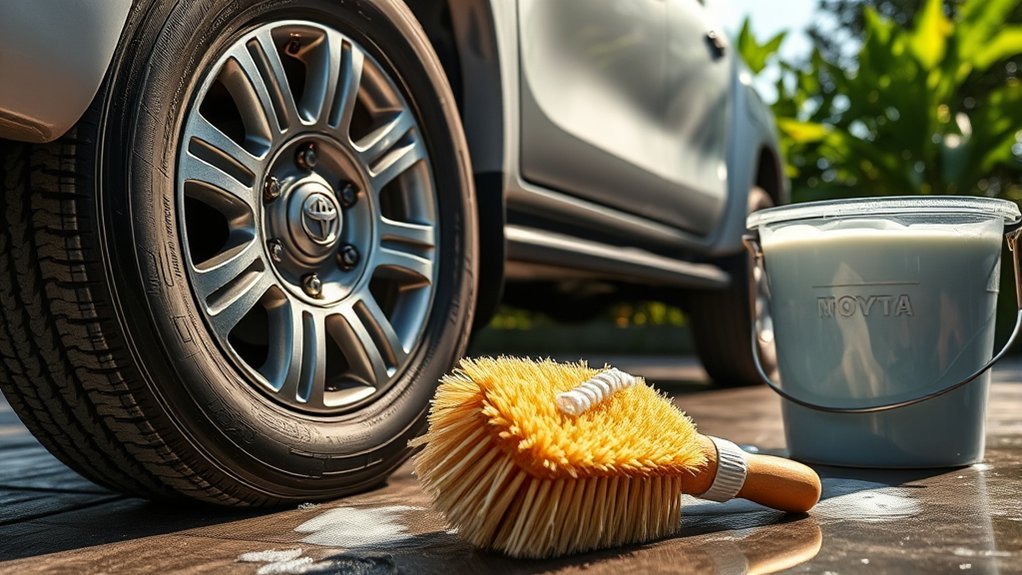
Steel wheels are tough, but exposed metal can rust when paint or coating chips. The goal is to remove dirt and salt without making chips worse.
Best Cleaners for Steel Wheels
For routine cleaning, car shampoo and water are often enough. If brake dust or road film remains, use a wheel cleaner labeled safe for painted steel wheels. Avoid household degreasers, oven cleaner, bleach, and acidic cleaners unless the product specifically says it is safe for your wheel finish.
Step-by-Step Cleaning Process
- Rinse the wheel, tire, and inner areas to remove loose dirt.
- Apply a finish-safe cleaner or car shampoo solution.
- Scrub the wheel face, holes, and lug recesses with a soft brush.
- Use a separate tire brush on the rubber sidewall.
- Rinse thoroughly until no cleaner remains.
- Dry with a microfiber towel to reduce water spots and flash rust on exposed chips.
- Inspect for paint chips, rust bubbles, bent lips, or missing wheel weights.
Maintenance Tips for Steel Wheels
Clean steel wheels more often in winter, after beach driving, or after muddy tracks. If you find small chips, clean and dry the area, then use a suitable touch-up coating before rust spreads. If rust has lifted the coating or weakened the wheel, have the wheel inspected by a professional.
How to Avoid Scratches and Damage While Cleaning
Most cleaning scratches come from dragging grit across the finish. Rinse first, use soft tools, and keep dirty brushes away from painted body panels.
- Do not use steel wool: It can scratch clear coat, chrome, and painted wheels.
- Do not use rough household brushes: Use wheel-safe detailing brushes instead.
- Do not clean in full sun: Heat shortens dwell time and can leave stains.
- Do not use one towel for everything: Keep wheel towels separate from paint towels.
- Do not polish blindly: Many alloy wheels are coated. Abrasive metal polish can damage clear coat.
If a spot does not come off with safe cleaner and gentle agitation, stop before scrubbing harder. Bonded brake dust, tar, peeling clear coat, or corrosion may need a different product or wheel refinishing.
Choose the Best Wheel Cleaners for Your Toyota Hilux
The best wheel cleaner is the one that matches your wheel finish and the type of dirt you need to remove. Use this simple guide:
- Light dust: Car shampoo and water are usually enough.
- Normal brake dust: Use a pH-balanced or acid-free wheel cleaner labeled safe for your finish.
- Heavy iron contamination: Use an iron-reactive wheel cleaner, but follow dwell time closely.
- Tar spots: Use an automotive tar remover only if it is safe for the finish.
- Chrome or polished wheels: Use only products labeled for chrome or polished metal.
- Matte or satin black wheels: Avoid glossy dressings and aggressive polish that can change the sheen.
The safest rule is simple: if the label does not clearly say the cleaner is safe for your wheel finish, do not use it.
What Not to Do When Cleaning Your Wheels?
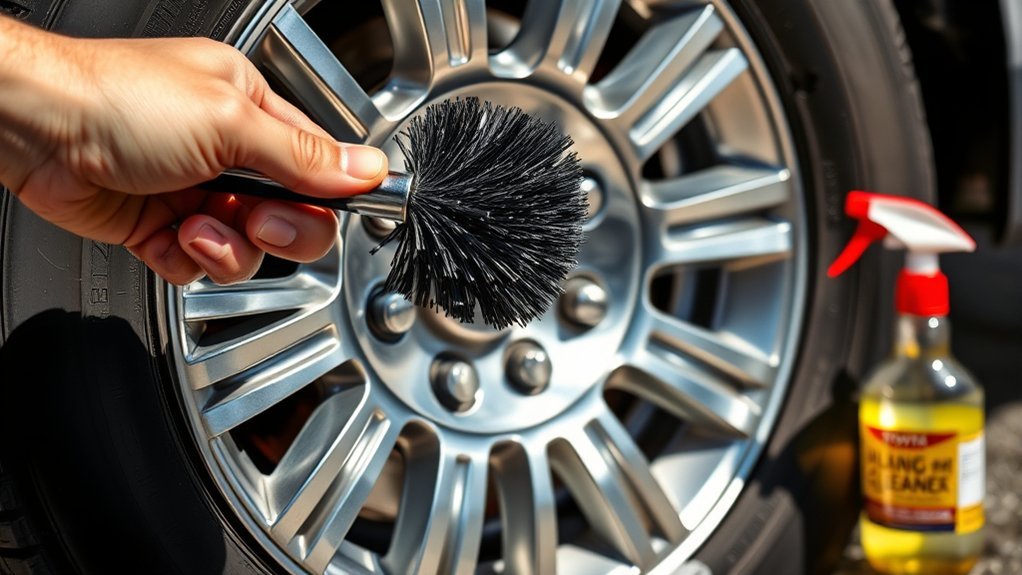
Avoid these common mistakes when cleaning Toyota Hilux wheels:
- Do not clean hot wheels: Heat can make cleaner dry too fast and stain the surface.
- Do not use household degreaser: Strong alkaline cleaners can dull, stain, or strip coatings.
- Do not use acidic cleaner on unknown finishes: It can damage polished, bare, chrome, or compromised coatings.
- Do not let cleaner dry: Work one wheel at a time and rinse fully.
- Do not spray tire shine on the tread: It can reduce traction and sling onto paint.
- Do not ignore the inner barrel: Brake dust and mud often collect behind the spokes.
- Do not hide damage with dressing: Cracks, corrosion, or bent wheels should be inspected, not covered.
[Products Worth Considering]

Blackline Blackout is a water-based trim and tire dressing that restores rubber, vinyl, and plastic with a rich satin, blackout look. Its no-sling formula dries quickly and helps prevent messy transfer onto paint. The coating repels water and offers UV protection to help prevent fading, cracking, and discoloration for a clean, long-lasting finish.

Cristal Products Untouchable Tire Shine Spray delivers a deep, wet-look gloss that enhances your vehicle’s tires. It’s quick-drying and spreads smoothly for consistent, streak-free coverage, while forming a protective coating against UV rays, road grime, and weather. Suitable for all tire types, it helps restore dull, faded tires to a showroom-quality finish.
Tire Cleaning Techniques and Finishing Touches
Clean the tires after the wheels or during the same wash, but use separate tools. Tire rubber can handle a stiffer brush than painted or clear-coated wheels.
- Rinse the tire sidewall.
- Apply a tire cleaner or car shampoo solution.
- Scrub the sidewall with a tire-only brush until the brown residue lifts.
- Rinse until the runoff is clear.
- Dry the tire before applying dressing.
- Apply tire dressing thinly with an applicator pad, then wipe excess product away.
A thin, even tire dressing looks cleaner than a heavy wet coat. Heavy dressing can sling onto the body and collect dust. Never apply dressing to the tire tread, brake rotor, brake pads, or pedals.
Maintaining Clean Wheels: Tips for Long-Term Care
Long-term wheel care is easier when you do not let grime bake onto the surface. For most Hilux drivers, a wheel wash every 2 to 4 weeks works well. Shorten that interval after off-road trips, towing, dusty job sites, heavy rain, snow, or road salt.
- Use a sealant or wheel-safe spray coating: This can make brake dust easier to rinse away next time.
- Dry around lug nuts: Trapped water can leave stains and encourage corrosion around chips.
- Inspect valve stems: Look for cracking, leaks, or missing caps.
- Check wheel weights: Missing weights can cause vibration.
- Look for uneven brake dust: One wheel that gets much dirtier than the others may point to a sticking caliper or brake issue.
Note: If one Hilux wheel is always hotter, dustier, or smells burnt after driving, do not treat it as a cleaning problem only. Have the brakes inspected.
Troubleshooting Stubborn Brake Dust, Rust, and Oxidation
Some wheel stains need more than a routine wash. Use the least aggressive method first.
Heavy Brake Dust
Use a finish-safe iron remover or wheel cleaner and let it dwell only for the label’s recommended time. Agitate with a soft brush, rinse fully, and repeat if needed. Do not extend dwell time just because the wheel is dirty.
Tar and Road Film
Use an automotive tar remover that is safe for your finish. Apply it to the spot, wipe gently with microfiber, and rinse. Do not scrape tar with metal tools.
Aluminum Wheel Oxidation
If the wheel is bare polished aluminum, a compatible aluminum polish may help. If the wheel is clear-coated, painted, machined, or black-finished, abrasive polish can damage it. Cloudy clear coat, white pitting under the coating, or peeling finish usually needs refinishing, not harder scrubbing.
Steel Wheel Rust
Light surface rust near a chip may be cleaned and touched up with the correct coating. Rust bubbles, deep corrosion, bent rims, or air leaks need professional inspection.
When to Stop and Get Professional Help
Stop DIY cleaning and get help if you see any of these signs:
- Cracks in the wheel or around the spokes
- Air leaks near the bead or valve stem
- Deep curb damage
- Peeling clear coat across a large area
- Heavy rust on steel wheels
- Vibration after cleaning or after losing a wheel weight
- Brake fluid, grease, or unusual residue around one wheel
Cleaning improves appearance, but it cannot repair structural wheel damage. A damaged wheel should be inspected before more driving.
Frequently Asked Questions
How do you clean Toyota Hilux rims?
Rinse the rims first, spray a finish-safe wheel cleaner on one cool wheel, let it dwell briefly without drying, scrub with soft wheel brushes, rinse thoroughly, and dry with microfiber towels. Use a separate brush for the tire sidewall.
What are the common mistakes when using wheel cleaner?
The most common mistakes are using cleaner on hot wheels, using a product that is not safe for the finish, letting cleaner dry, scrubbing with abrasive tools, skipping the inner barrel, and failing to rinse the brake and tire area fully.
What is the best thing to use to clean tire rims?
For light dirt, car shampoo and water are safest. For brake dust, use a pH-balanced or acid-free wheel cleaner labeled safe for your wheel finish. Pair it with soft wheel brushes and microfiber towels, not steel wool or rough household brushes.
How do you remove heavy oxidation from aluminum wheels?
First confirm whether the wheel is bare aluminum or clear-coated. Bare aluminum may respond to a compatible aluminum polish. Clear-coated, painted, machined, or black wheels should not be aggressively polished. If the coating is cloudy, peeling, or pitted, refinishing is usually the safer fix.
Can you use a pressure washer on Toyota Hilux wheels?
Yes, if you use it carefully. Keep the nozzle moving, use a moderate fan pattern, and avoid blasting directly at valve stems, damaged clear coat, wheel weights, brake seals, or peeling paint. A normal hose is safer for delicate or damaged finishes.
How often should you clean Toyota Hilux wheels?
Clean them every 2 to 4 weeks for normal driving. Clean sooner after mud, road salt, off-road tracks, towing, beach driving, construction dust, or heavy brake dust. Regular cleaning helps prevent bonded grime and makes wheel damage easier to spot.
Conclusion
Keeping Toyota Hilux wheels clean is not only about shine. It helps remove brake dust, mud, salt, and road film before they bond to the finish. Work on cool wheels, use a cleaner that matches the wheel finish, scrub with soft tools, rinse fully, and dry with microfiber towels. During each wash, inspect the rims, tires, valve stems, lug areas, and brake dust pattern. That simple routine keeps your Hilux looking better and helps you catch small problems before they become expensive wheel or brake issues.
Sources
- Toyota Manuals and Warranties — supports checking owner-specific care guidance for Toyota vehicles.
- SONAX Wheel Cleaner PLUS Directions — supports cool-wheel application, short dwell time, do-not-dry warning, soft-brush use, and thorough rinsing.
- Road & Track: Best Car Wheel Cleaners Tested — supports current product-performance variability and the need to match cleaner choice to wheel finish and cleaning severity.
- Brake Wear Particle Characterization and Toxicity Study — supports the statement that brake-wear dust can contain metal-rich particles.
- Effects of Brake Wear Nanoparticles on Airway Epithelium — supports the broader context that brake-wear particles are a real vehicle-wear contaminant, not ordinary dirt.

Related Articles
Toyota Hilux Run-Flat Tires: What You Need to Know
Take control of your safety with Toyota Hilux run-flat tires; discover their benefits and hidden costs that could change your driving experience forever.
Read More
Effects of Underinflated Tires on the Toyota Hilux
Inadequate tire pressure in your Toyota Hilux can lead to serious safety issues and costly repairs; discover how to avoid these pitfalls.
Read More
The Risks of Overinflating Toyota Hilux Tires
Overinflating your Toyota Hilux tires can lead to dangerous blowouts and uneven wear, but understanding the risks is crucial for your safety.
Read More