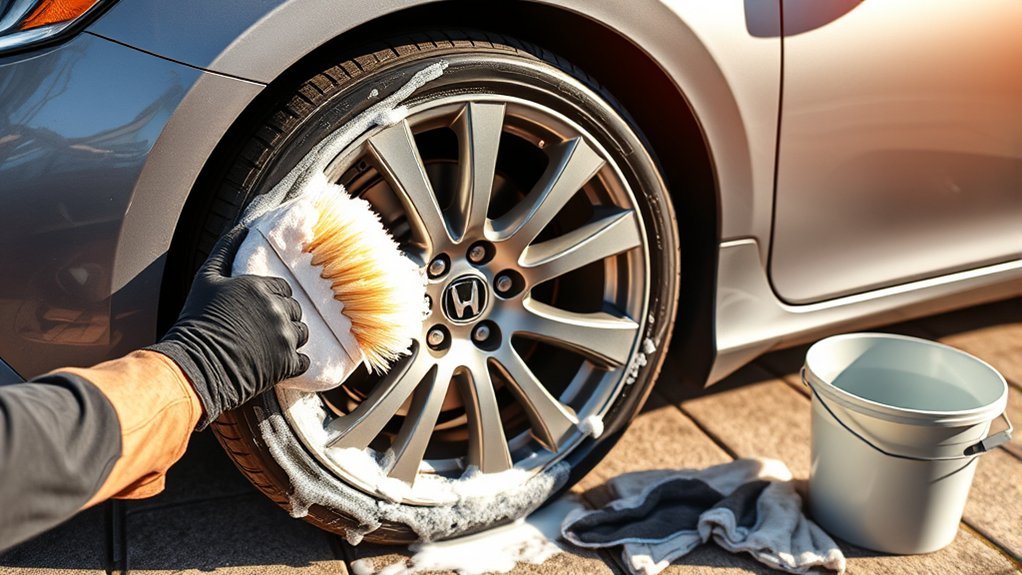
Cleaning the alloy wheels on your Honda Accord is simple, but the right method matters. Brake dust, road grime, tar, and winter salt can cling to the wheel face, spokes, lug areas, and inner barrel. If you use harsh cleaners or scrub too hard, you can dull or stain the finish instead of restoring it.
Quick Answer
To clean Honda Accord alloy wheels safely, work on cool wheels in the shade, rinse first, spray a pH-balanced wheel cleaner, let it dwell briefly, scrub with soft wheel brushes, rinse well, and dry with microfiber. Use iron remover or clay only for stubborn embedded brake dust, then protect the wheels with a sealant.
Key Takeaways
- Clean only when the wheels are cool, and do one wheel at a time so cleaner never dries on the surface.
- Use a pH-balanced wheel cleaner and soft brushes for clear-coated factory alloy wheels.
- Avoid acidic cleaners, harsh degreasers, steel wool, stiff brushes, and dry scrubbing brake dust.
- For stubborn brake dust, use iron remover first, then clay with lubricant if the finish is safe for it.
- Apply a wheel sealant or ceramic wheel coating after cleaning to make future washes easier.
At a Glance
| Time Required | 20 to 45 minutes for all four wheels, longer if brake dust is heavy |
| Difficulty | Easy for routine cleaning, moderate for baked-on brake dust |
| Tools Needed | Hose, pH-balanced wheel cleaner, wheel mitt, soft face brush, barrel brush, lug nut brush, microfiber towels, optional iron remover, clay bar, and wheel sealant |
| Cost | About $15 to $60 for basic supplies, depending on the cleaner, brushes, and sealant you choose |
Warning: Never spray wheel cleaner on hot wheels, hot brake rotors, or a wheel sitting in direct sun. Do not let cleaner dry on the surface. If your Accord has aftermarket, polished, matte, anodized, or damaged wheels, test any cleaner in a hidden spot first and follow the wheel maker’s instructions.
The Importance of Regular Wheel Cleaning
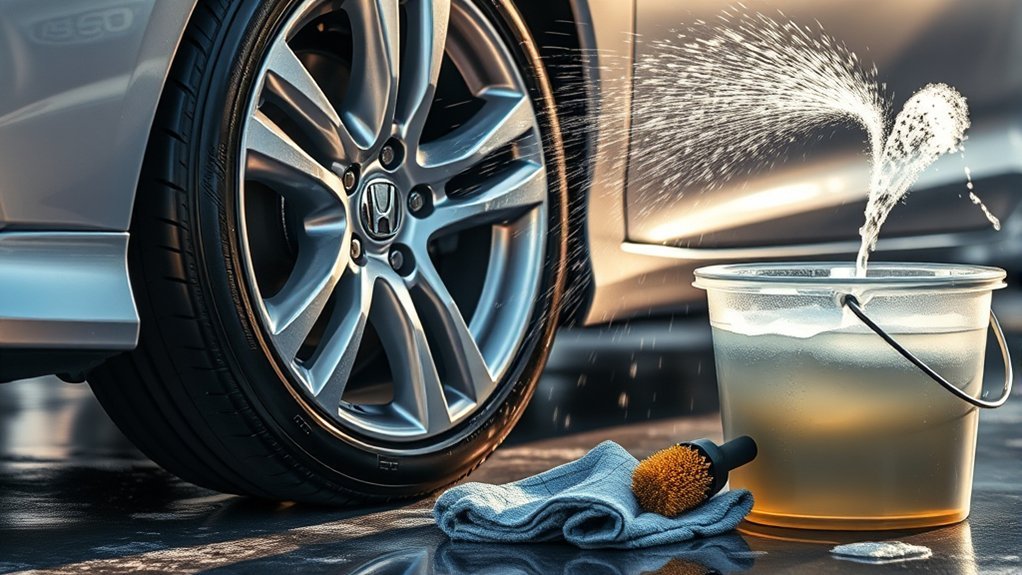
Alloy wheels collect more than ordinary road dust. Brake pad residue, tiny metal particles, tar, salt, and mud can build up on the face of the wheel and inside the barrel. If that grime sits too long, it can stain the finish and make the next cleaning harder.
A steady cleaning routine also makes it easier to inspect your Honda Accord’s wheels. Once the grime is gone, you can spot curb rash, peeling clear coat, missing wheel weights, cracked valve stems, or brake dust that keeps returning faster than normal.
For most daily-driven Accords, cleaning the wheels every 1 to 2 weeks is a good target. If you drive through winter salt, heavy rain, construction dust, or stop-and-go traffic, clean them sooner. A quick rinse after a dirty drive can also keep brake dust from baking onto the finish.
Essential Tools for Safe Alloy Wheel Care
The safest wheel-cleaning setup uses gentle tools and a cleaner made for automotive wheels. Most modern factory alloy wheels are clear-coated, so treat them more like painted surfaces than bare metal.
- pH-balanced wheel cleaner: Choose a formula labeled safe for clear-coated, painted, or factory alloy wheels.
- Wheel mitt or microfiber wash pad: Use this only on wheels, not on body paint.
- Soft wheel face brush: Good for spokes and tight corners without scratching.
- Wheel barrel brush: Reaches behind the spokes and into the inner barrel.
- Lug nut brush or soft detailing brush: Cleans around lug nuts, valve stems, and emblems.
- Microfiber drying towels: Drying prevents water spots and cleaner residue.
- Iron remover: Useful when brake dust is embedded and turns purple as it reacts with iron particles.
- Clay bar or synthetic clay mitt: Use only after washing, with plenty of lubricant, and only on finishes that can safely handle it.
- Wheel sealant or ceramic wheel coating: Adds a slick layer that helps future brake dust rinse away more easily.
Note: Check your Accord owner’s manual or Honda’s owner information site before using aggressive chemicals, especially if the wheels are new, repaired, refinished, or aftermarket.
[Products Worth Considering]

Clean wheels and rims with soft feathered bristles that safely remove dirt and road grime while helping restore original luster. The short non-slip handle makes it easy to scrub in tight wheel wells, and the brush is suitable for vehicles and hard-to-reach areas. It can also be soaked and rubbed to help restore bristles to their shape after use.

This 3-piece wheel and tire brush set makes it easy to clean light, medium, and heavy dirt from wheels, rims, tires, and exterior surfaces. It includes both soft and stiff bristle options for gentle scrubbing and tough grime removal, helping lift brake dust and road buildup. The long-handle design supports comfortable cleaning across cars, trucks, SUVs, RVs, motorcycles, and more, with simple care instructions to restore brush shape.
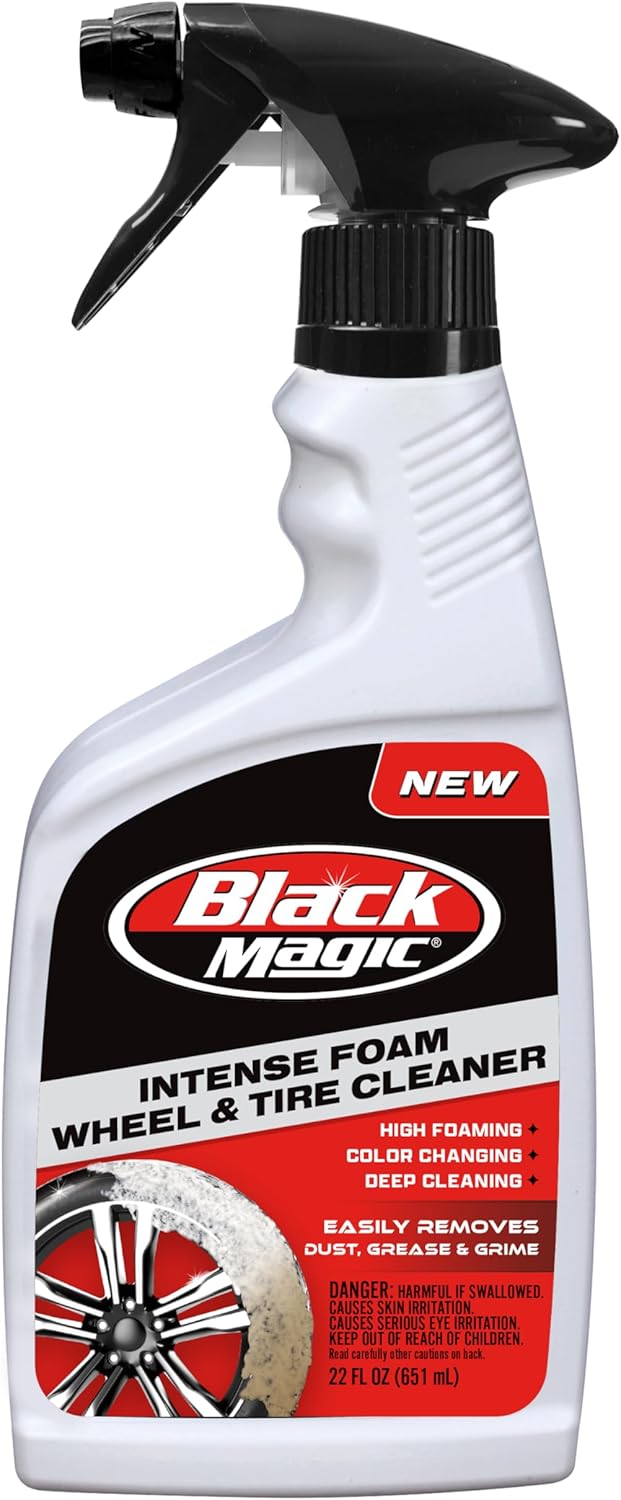
Black Magic Intense Foam Wheel & Tire Cleaner uses a high-foaming action to lift away dirt, grime, and brake dust without scrubbing. The color-changing formula helps show contaminants being dissolved as foam turns from white to brown. Safe for all wheel types and even wheel wells, it leaves a like-new, slick finish with a fresh cherry scent.
Recommended Cleaning Products
You do not need the strongest wheel cleaner for every wash. Match the product to the condition of the wheels:
| Wheel Condition | Best Cleaner Type | Why It Works |
|---|---|---|
| Light dust from weekly driving | Car shampoo or gentle pH-balanced wheel cleaner | Cleans without overusing strong chemicals |
| Moderate brake dust | pH-balanced wheel cleaner | Breaks down grime while staying safer for clear-coated alloy wheels |
| Embedded brown or black brake dust | Iron-removing wheel cleaner | Targets iron particles that ordinary soap may leave behind |
| Tar spots or sticky road film | Automotive tar remover labeled safe for wheels | Softens sticky contamination before gentle wiping |
Popular wheel-cleaner categories include gentle all-wheel cleaners, heavy-duty pH-balanced cleaners, iron removers, and gel cleaners that cling to the wheel longer. Before buying, read the label for finish compatibility, dwell time, and warnings about polished, uncoated, matte, or anodized wheels.
Effective Cleaning Tools
Use separate tools for wheels because brake dust is abrasive. A brush or mitt used on wheels should not touch your Accord’s paint afterward.
For the wheel face, use a microfiber mitt or a soft-bristled wheel brush. For the inner barrel, use a flexible barrel brush that can reach behind the spokes. For lug nuts and valve stems, use a small detailing brush. Avoid steel wool, scouring pads, stiff household brushes, and dry wiping.
Pro Tip: Clean the tires before the final wheel rinse if you are washing both at the same time. Tire grime can run down onto the wheel face, so rinse the wheel again before drying.
How to Effectively Clean Your Honda Accord Wheels: Step-by-Step
Follow this process for factory-style clear-coated alloy wheels on a Honda Accord. If your wheels are aftermarket or refinished, follow the wheel manufacturer’s care instructions first.
- Park in the shade and let the wheels cool. Heat can make cleaner dry too quickly and leave marks.
- Rinse one wheel thoroughly. Use water to remove loose grit from the wheel face, spokes, lug area, tire sidewall, and inner barrel.
- Spray wheel cleaner from the bottom up. This helps even coverage and makes it easier to see where the cleaner has been applied.
- Let it dwell briefly. Follow the product label. Do not let the cleaner dry.
- Agitate gently. Use a soft brush for spokes, a barrel brush for the inside, and a small brush around lug nuts and the valve stem.
- Rinse completely. Keep rinsing until cleaner, foam, and loosened brake dust are gone.
- Repeat only if needed. For stubborn spots, use a second light pass rather than scrubbing harder.
- Dry with microfiber. Drying prevents water spots and lets you inspect the surface.
- Use iron remover if brake dust remains. Apply it only to a cool, clean wheel, follow the label, agitate lightly if needed, and rinse very well.
- Clay only after washing. If the wheel still feels rough, use clay with lubricant and light pressure. Stop if the finish looks dull or the clay drags.
- Apply protection. Once the wheel is clean and dry, apply a wheel sealant or ceramic wheel coating as directed.
Dealing With Stubborn Stains and Oxidation
Stubborn stains usually come from baked-on brake dust, road tar, salt residue, old wheel-weight adhesive, or a damaged clear coat. The fix depends on what you are seeing.
- Black or brown specks: Try an iron-removing wheel cleaner before using clay.
- Sticky tar dots: Use an automotive tar remover labeled safe for wheel finishes.
- Cloudy or chalky areas: The clear coat may be oxidized or damaged. Cleaner may not fully restore it.
- White corrosion near curb rash: The finish may be broken, allowing corrosion under the coating.
- Old adhesive from wheel weights: Soften it with a safe adhesive remover and wipe gently with microfiber.
A clay bar treatment can remove embedded contamination, but it should not be your first move. Wash first, use iron remover if needed, then clay with plenty of lubricant. A melamine eraser can dull some finishes, so treat it as a last resort only on durable clear-coated wheels after a hidden test spot.
Warning: If the clear coat is peeling, the wheel is deeply pitted, or corrosion is spreading under the finish, do not keep scrubbing. Cleaning cannot repair failed clear coat. A wheel repair or refinishing shop may be needed.
[Products Worth Considering]

This metal-free wheel and tire cleaning brush uses dense, fluffy synthetic wool to safely clean rims, spokes, fenders, and engine areas without worrying about damaging surfaces. Its flexible, comfortable design helps you reach detailed areas while maintaining durability, and the extra absorbent fibers work well with wheel spray cleaners for faster cleanup. Reusable and washable performance helps prevent grime and build-up for cleaner vehicles and easier maintenance at home.

This oesee 8-piece wheel care kit helps you clean, scrub, and dry wheels safely with purpose-built brushes and towels. The scratch-free microfiber wheel brush lifts brake dust and grime, while the stiff pro-grip tire brush removes tire browning and embedded dirt. A twist loop microfiber drying towel and an applicator help achieve a streak-free finish and cleaner, more even product application.

This professional wheel and rim cleaning brush set lifts brake dust, grime, and dirt with soft, scratch-free microfiber and synthetic wool fibers. The rim brush bends up to 360 degrees for easy access to hard-to-reach areas around spokes, lips, and faces. Ideal for thorough cleaning of car, truck, motorcycle, bicycle, RV, and more wheel and tire surfaces.
Applying Wheel Sealants: Tips for Best Results
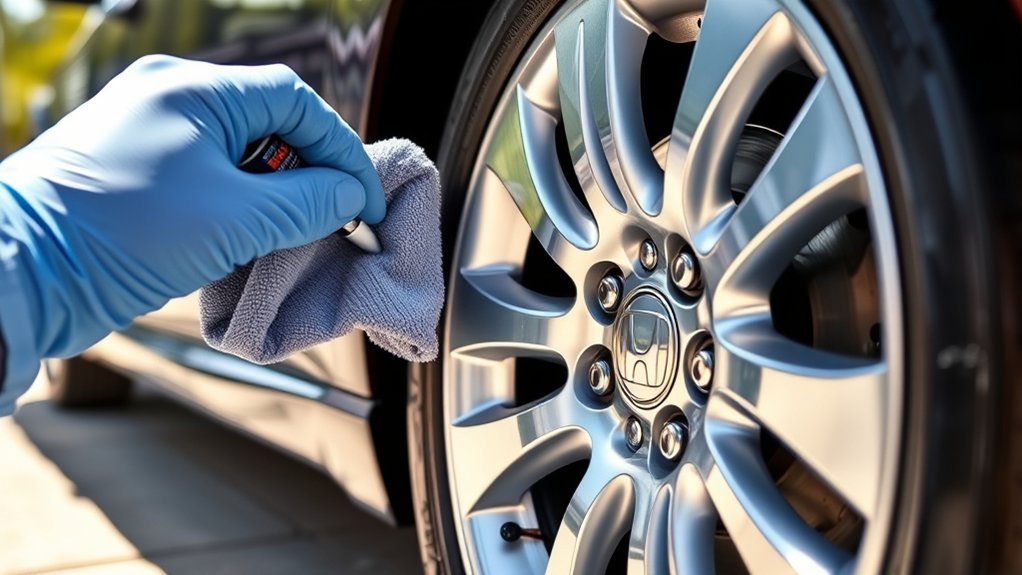
A wheel sealant helps brake dust and road grime release more easily during future washes. It does not stop brake dust from forming, but it can reduce how hard you need to scrub.
| Step | Action | Why It Matters |
|---|---|---|
| 1. Clean | Remove brake dust, tar, and cleaner residue | Sealant bonds better to a clean surface |
| 2. Dry | Use clean microfiber towels | Water can weaken coverage and cause streaking |
| 3. Apply | Use a foam or microfiber applicator | Thin, even coverage is easier to buff |
| 4. Buff | Remove haze with a clean towel | Prevents smears and uneven shine |
| 5. Cure | Keep wheels dry for the label’s cure time | Curing helps the protection last longer |
Many wheel sealants last a few months, while ceramic wheel coatings may last longer when applied correctly. For a daily-driven Accord, reapply sealant every 3 to 6 months or when water no longer beads and brake dust starts sticking quickly.
Long-Term Maintenance Tips for Your Alloy Wheels
Long-term wheel care is mostly about gentle, consistent cleaning. Waiting until the wheels are black with brake dust usually means more chemical dwell time and more scrubbing.
- Rinse after salty or muddy drives. Salt and grit can sit in corners around spokes and lug nuts.
- Clean every 1 to 2 weeks. Short, regular washes are safer than heavy scrubbing once a month.
- Use separate wheel towels. Brake dust can scratch paint if towels are reused on body panels.
- Avoid automatic brush washes if the wheels are delicate. Dirty brushes can grind grit into the finish.
- Inspect after cleaning. Look for curb damage, bubbling clear coat, cracks, or slow tire leaks around the bead area.
- Use protection. Sealant makes future cleaning easier and reduces the need for strong cleaners.
The safest cleaning routine is simple: cool wheel, gentle cleaner, soft agitation, full rinse, microfiber dry, and protection after the surface is clean.
Comparing Popular Wheel Cleaning Products
The best wheel cleaner depends on how dirty your Honda Accord’s wheels are and what finish they have. A gentle pH-balanced cleaner is usually enough for routine washes. Heavy brake dust may need an iron-removing formula. A gel cleaner can help on vertical spokes because it clings longer.
[Products Worth Considering]

This professional wheel and rim brush kit makes it easy to lift brake dust, grime, and dirt from wheels and tires without scratching finishes. The brushes feature soft, metal-free wool heads and a flexible 360-degree rim brush design for reaching hard-to-clean areas. Includes multiple brush types plus accessories for thorough car, motorcycle, and general vehicle detailing.

This 4-pack wheel brush kit is designed for thorough cleaning of rims, tire tread, and hard-to-reach areas. It includes ultra-soft plush brushes for wheel faces and cracks, a soft brush for lug nut cavities, and a stiff brush for tire cleaning. The scratch-free, metal-free brush heads minimize rim damage, while bendable bristles reach into tight spots for faster grime removal.

This wheel brush kit delivers pro-level cleaning at home, lifting dirt, grime, and brake dust to help restore wheel appearance. It includes multiple brush styles and applicator pads for tackling different wheel surfaces, with gentle, metal-free bristles designed to reduce scratching risk. The flat and double-ended brushes are built for comfort and reach, making wheel care easier for cars, trucks, and RVs.
Effectiveness of Wheel Cleaners
When comparing wheel cleaners, look beyond brand name and price. Focus on these label details:
- Finish compatibility: Look for clear-coated, painted, factory alloy, chrome, or polished wheel warnings.
- pH-balanced or acid-free wording: This is safer for most modern alloy wheels than harsh acidic cleaners.
- Dwell time: A good cleaner should work quickly without drying on the wheel.
- Iron-removing action: Useful for embedded brake dust, often shown by a purple color change.
- Agitation requirement: Even strong cleaners work better with a soft brush.
- Odor and ventilation: Iron removers can smell strong, so use them outdoors or in a well-ventilated area.
Current hands-on wheel-cleaner testing from Road & Track also highlights the same practical point: cleaners help loosen grime, but soft agitation and full rinsing still matter.
Price Comparison of Brands
Exact prices change often, so it is safer to compare by use case rather than a fixed dollar amount.
| Product Type | Typical Price Tier | Best For |
|---|---|---|
| Car shampoo | Lowest | Weekly maintenance on lightly dusty wheels |
| pH-balanced wheel cleaner | Low to mid | Most Honda Accord factory alloy wheels |
| Iron-removing wheel cleaner | Mid to high | Embedded brake dust and neglected wheels |
| Wheel sealant or ceramic wheel coating | Mid to high | Reducing future brake dust bonding and cleaning effort |
Mistakes to Avoid When Cleaning Alloy Wheels
- Cleaning hot wheels: Heat can cause streaks and cleaner residue.
- Letting cleaner dry: Dry cleaner can stain or haze the finish.
- Using household degreasers: Strong household products may be too harsh for clear coat.
- Dry wiping brake dust: Brake dust is abrasive and can scratch the wheel.
- Using one towel for wheels and paint: Keep wheel towels separate.
- Skipping the inner barrel: Hidden buildup can make clean wheels look dirty again quickly.
- Scrubbing damaged clear coat: If the coating is failing, cleaning will not restore it.
Environmental and Cleanup Tips
Wheel cleaning can wash brake dust, cleaner, and road grime onto the ground. When possible, clean wheels in an area where runoff is allowed and can drain properly. Avoid letting strong cleaner run directly into storm drains. Use the least aggressive product that gets the job done, and rinse the wheel thoroughly.
Do not blow dry brake dust with compressed air before washing. Wet cleaning helps keep dust down. Wear gloves if you are using iron remover or stronger cleaners, and wash your hands after handling dirty wheel towels and brushes.
Frequently Asked Questions
How do I make my alloy wheels look new again?
Start with a full rinse, pH-balanced wheel cleaner, soft agitation, and microfiber drying. If the wheel still feels rough, use iron remover and then clay with lubricant. Finish with a wheel sealant. If the clear coat is peeling, cloudy, or corroded under the surface, cleaning alone will not make the wheel look new, and refinishing may be needed.
Can I use dish soap on Honda Accord alloy wheels?
Dish soap can remove light dirt in a pinch, but it is not the best regular choice because it is not made for automotive finishes or brake dust. A car shampoo or pH-balanced wheel cleaner is safer and more effective for routine wheel cleaning.
Is a pressure washer safe for alloy wheels?
A pressure washer can be safe if you use a wide fan tip, keep the nozzle moving, and stay a sensible distance from the wheel. Avoid blasting close to valve stems, wheel weights, peeling clear coat, or damaged areas.
How often should I clean Honda Accord alloy wheels?
Every 1 to 2 weeks works well for most daily drivers. Clean sooner after winter salt, heavy rain, muddy roads, or lots of stop-and-go driving. Frequent light cleaning is safer than waiting until brake dust becomes baked on.
Why do my front wheels get dirtier than the rear wheels?
Front wheels often collect more brake dust because the front brakes usually do more of the stopping work. If one wheel gets dirty much faster than the others, or you notice heat, odor, pulling, or noise, have the brakes inspected.
Conclusion
Cleaning your Honda Accord’s alloy wheels is not about using the strongest chemical or scrubbing harder. The safest routine is to work on cool wheels, rinse first, use a pH-balanced cleaner, agitate with soft wheel tools, rinse completely, dry with microfiber, and protect the finish with a sealant. Keep up with light cleaning, and your wheels will be easier to maintain, easier to inspect, and better protected from stubborn brake dust and road grime.
Sources
- Honda Owner Information — owner manual lookup for model-specific care guidance.
- Road & Track: Best Car Wheel Cleaners, Tested — current wheel-cleaner testing, pH-balanced cleaner guidance, agitation tips, and hot-rotor cautions.
- Brake wear particle characterization study — supports the point that brake dust contains metallic particles and should be cleaned carefully.
- Schema.org HowTo — structured data type used for the step-by-step cleaning process.
- Schema.org FAQPage — structured data type used for the FAQ section.