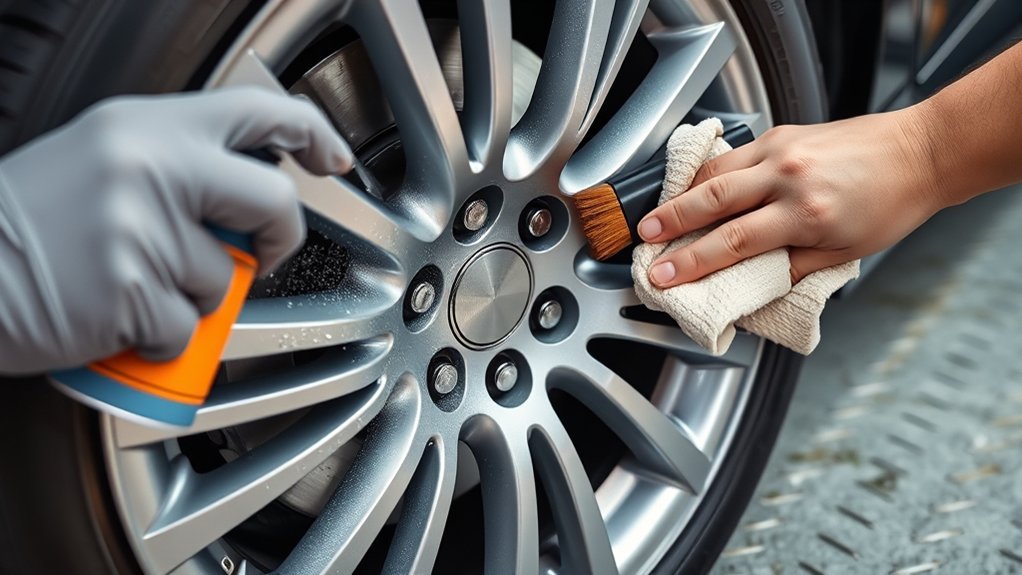
You can use WD-40 Multi-Use Product as a limited spot treatment on some alloy wheels, but it should not replace normal wheel cleaner. Start with cool wheels in the shade, rinse away loose grit, and clean with a wheel-safe mild or pH-balanced product first. If compatible with your wheel finish, apply a small amount of WD-40 to a cloth for stubborn oily grime or tar, keep it completely away from brake friction surfaces, then wash off the residue, rinse, and dry.
Quick Answer
To clean alloy wheels with WD-40 safely, wash the cool wheel first, then use WD-40 only as a controlled spot treatment if the wheel manufacturer allows it. Apply it to a microfiber cloth rather than spraying toward the wheel, avoid the brake rotor and pads, wipe the grime away, then wash, rinse, and dry thoroughly.
Key Takeaways
- Clean alloy wheels only when they are cool and out of direct sun.
- Use a mild, wheel-safe or pH-balanced cleaner as the normal cleaning method.
- Treat WD-40 as an optional spot treatment for compatible finishes, not as the primary brake-dust cleaner.
- Apply WD-40 to a cloth for better control and keep oil or lubricant completely off brake rotors, discs and pad friction material.
- For bonded brake dust, use a dedicated cleaner or iron remover approved for your wheel finish rather than automatically reaching for an acidic cleaner.
- After any WD-40 spot treatment, wash off oily residue, rinse thoroughly, and dry with clean microfiber.
At a Glance
| Time Required | About 20–40 minutes for four wheels, depending on contamination |
| Difficulty | Easy, provided the wheel finish is compatible with the products used |
| Tools Needed | Hose, wheel-safe cleaner, soft wheel brush, microfiber cloths, wash bucket, gloves, and optional WD-40 Multi-Use Product |
| Cost | Low if you already have normal car-wash supplies; a dedicated wheel cleaner may add to the cost |
Warning: Never spray WD-40 Multi-Use Product toward brake discs or rotors, brake-pad friction material, or other braking surfaces. Brembo warns that oil, grease and mineral-oil-based products can contaminate friction components and reduce braking performance. If a pad becomes contaminated or braking changes after cleaning, do not assume it will burn off—have the brakes inspected before normal driving.
What You’ll Need to Clean Alloy Wheels
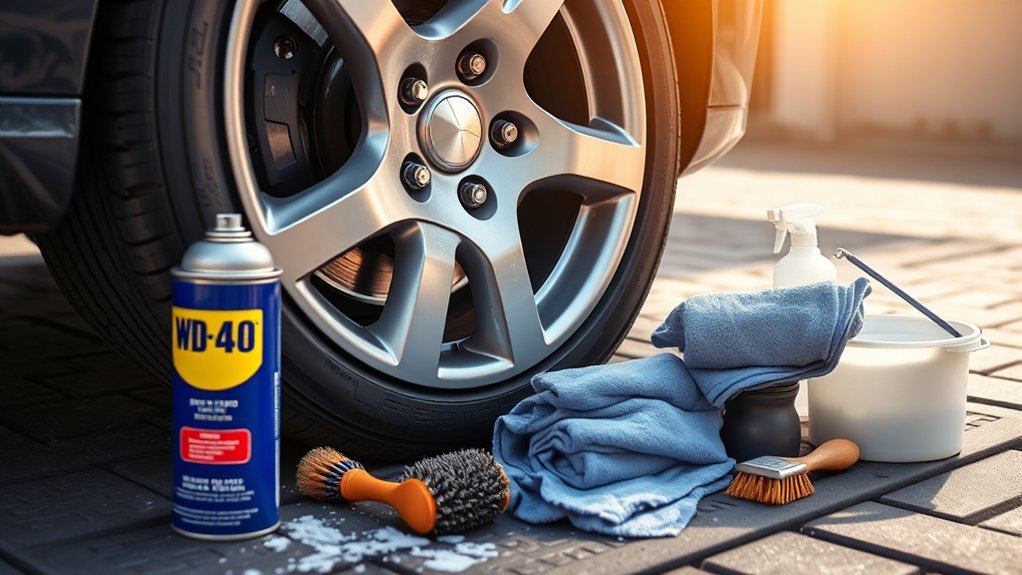
Before you start, gather clean water, a wheel-safe mild or pH-balanced cleaner, a soft-bristled wheel brush, several microfiber cloths, a wash bucket, and a hose. WD-40 Multi-Use Product is optional and should be reserved for compatible surfaces and localized grime rather than used as your main wheel cleaner.
A dedicated wheel cleaner is the better choice when you need to remove normal brake dust. For example, Meguiar’s Ultimate All Wheel Cleaner is described by its manufacturer as acid-free and pH-balanced and is formulated specifically to dissolve brake dust.
Keep separate brushes and microfiber towels for the wheels instead of using the same tools on the car’s paint. Wheel tools can pick up gritty road debris and iron-rich brake dust that you do not want to transfer to body panels.
For routine cleaning, think of the wheel finish like automotive paint: use compatible cleaner, soft tools, plenty of lubrication, and as little aggressive scrubbing as possible.
[Products Worth Considering]

This oesee 8-piece wheel care kit helps you clean, scrub, and dry wheels safely with purpose-built brushes and towels. The scratch-free microfiber wheel brush lifts brake dust and grime, while the stiff pro-grip tire brush removes tire browning and embedded dirt. A twist loop microfiber drying towel and an applicator help achieve a streak-free finish and cleaner, more even product application.

This professional wheel and rim brush kit makes it easy to lift brake dust, grime, and dirt from wheels and tires without scratching finishes. The brushes feature soft, metal-free wool heads and a flexible 360-degree rim brush design for reaching hard-to-clean areas. Includes multiple brush types plus accessories for thorough car, motorcycle, and general vehicle detailing.

This metal-free wheel and tire cleaning brush uses dense, fluffy synthetic wool to safely clean rims, spokes, fenders, and engine areas without worrying about damaging surfaces. Its flexible, comfortable design helps you reach detailed areas while maintaining durability, and the extra absorbent fibers work well with wheel spray cleaners for faster cleanup. Reusable and washable performance helps prevent grime and build-up for cleaner vehicles and easier maintenance at home.
Check the Wheel Finish Before Using WD-40
Not every alloy wheel has the same surface. A wheel may be clear-coated, painted, powder-coated, polished, anodized, chrome-plated, matte, diamond-cut, bare aluminum, or refinished. The product that is harmless on one finish may be inappropriate for another.
WD-40 Company states that WD-40 Multi-Use Product is suitable for metal and painted metal. That does not mean every wheel maker approves it for every finish. OZ, for example, tells owners to clean its coated wheels with water and mild detergent and to avoid solvents in its wheel care and maintenance instructions.
Note: Your wheel manufacturer’s care instructions take priority. If the finish is unknown, aftermarket, repaired, freshly refinished, matte, polished or otherwise unusual, skip WD-40 until you have confirmed compatibility. When permitted, test a hidden area first.
Prep Your Wheels for Cleaning
Park on a stable surface, let the wheels cool completely, and work in the shade. Hot wheels can make cleaners evaporate too quickly and increase the risk of staining or residue.
Clean one wheel at a time so the cleaner never has a chance to dry. Start with a thorough water rinse to remove loose grit, road film and mud before any brush or microfiber touches the finish.
[Products Worth Considering]

This 3-piece wheel and tire brush set makes it easy to clean light, medium, and heavy dirt from wheels, rims, tires, and exterior surfaces. It includes both soft and stiff bristle options for gentle scrubbing and tough grime removal, helping lift brake dust and road buildup. The long-handle design supports comfortable cleaning across cars, trucks, SUVs, RVs, motorcycles, and more, with simple care instructions to restore brush shape.

This professional wheel and rim cleaning brush set lifts brake dust, grime, and dirt with soft, scratch-free microfiber and synthetic wool fibers. The rim brush bends up to 360 degrees for easy access to hard-to-reach areas around spokes, lips, and faces. Ideal for thorough cleaning of car, truck, motorcycle, bicycle, RV, and more wheel and tire surfaces.
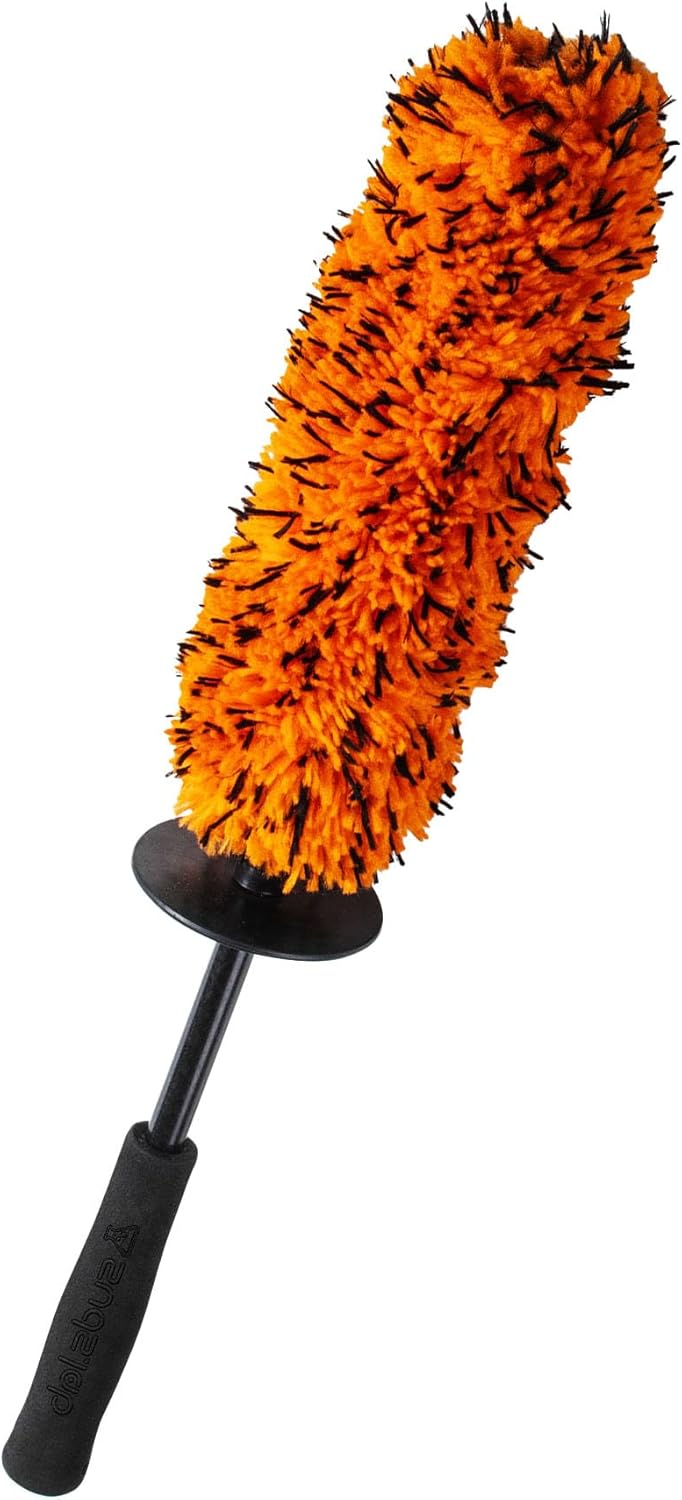
Suds Lab WB Premium Microfiber Cleaning Wheel Brush lifts brake dust, dirt, and grime with ultra-soft microfiber bristles that help prevent scratching and swirling on wheels and paint. It features an ergonomic, non-slip handle for comfortable control and reduced hand fatigue during longer cleaning sessions. Safe for all vehicle types, it also works for multi-purpose detailing like tires, exhaust pipes, door panels, engine bays, and mirrors.
Wheel Pre-Wash
Rinse the wheel face, spokes, lug recesses, rim edge and any reachable part of the inner barrel. The goal is to carry away loose abrasive particles instead of rubbing them across the finish.
Next, apply the wheel-safe cleaner according to its label. Use a soft brush to agitate the face and tight areas gently. Avoid wire brushes, scouring pads and other abrasive tools.
OZ similarly recommends cleaning wheels only when cold, using water, mild detergent and soft cleaning tools rather than abrasive brushes. That makes a gentle pre-wash the safest baseline even if you plan to use WD-40 later on a stubborn spot.
Remove Loose Dirt
Continue rinsing until grit is no longer sitting on the wheel face or trapped around the spokes and lug holes. If mud remains, loosen it with the wheel cleaner and a soft brush rather than increasing scrubbing pressure.
A pressure washer can help when used responsibly, but follow the washer and vehicle manufacturers’ directions for distance and pressure. You do not need an aggressive jet at close range to clean a finished alloy wheel.
Once loose dirt is gone, inspect the remaining contamination. Ordinary brake dust should be handled with the wheel cleaner. Sticky tar, oily road film or isolated grease is where a small WD-40 spot treatment may be useful if the finish allows it.
Apply WD-40 to Alloy Wheels
If the wheel manufacturer permits WD-40 Multi-Use Product, use it after the normal wash has exposed the stubborn spots. Follow the instructions on your specific can instead of relying on a made-up universal spray distance or dwell time.
For an installed wheel, the most controlled method is to apply a small amount to a clean microfiber cloth away from the brake assembly. Wipe only the contaminated area, keeping the cloth away from the tire tread, brake rotor or disc, brake pads and other friction surfaces.
WD-40’s current Safety Data Sheet identifies Multi-Use Product as a lubricant, penetrant, moisture displacer and corrosion-protective product. It contains petroleum base oil and hydrocarbons, which is another reason to keep application controlled around brakes.
[Products Worth Considering]

This wheel brush kit delivers pro-level cleaning at home, lifting dirt, grime, and brake dust to help restore wheel appearance. It includes multiple brush styles and applicator pads for tackling different wheel surfaces, with gentle, metal-free bristles designed to reduce scratching risk. The flat and double-ended brushes are built for comfort and reach, making wheel care easier for cars, trucks, and RVs.
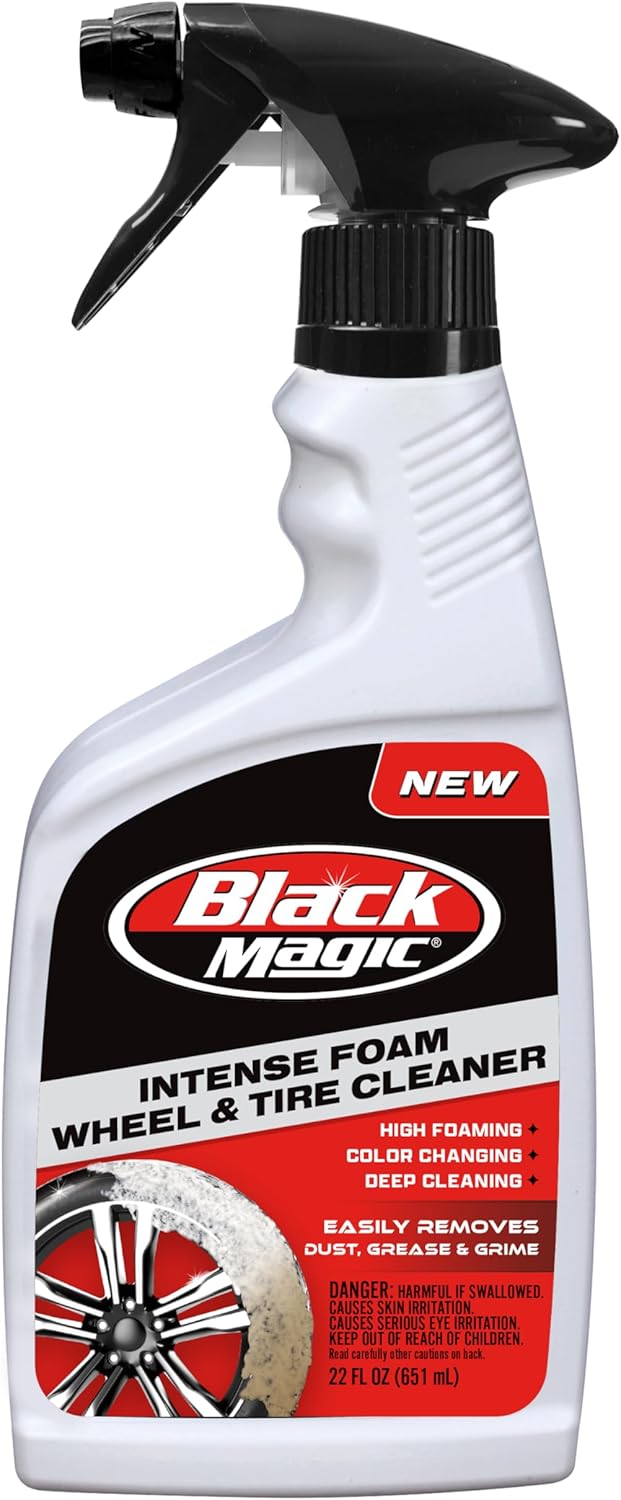
Black Magic Intense Foam Wheel & Tire Cleaner uses a high-foaming action to lift away dirt, grime, and brake dust without scrubbing. The color-changing formula helps show contaminants being dissolved as foam turns from white to brown. Safe for all wheel types and even wheel wells, it leaves a like-new, slick finish with a fresh cherry scent.

Clean wheels and rims with soft feathered bristles that safely remove dirt and road grime while helping restore original luster. The short non-slip handle makes it easy to scrub in tight wheel wells, and the brush is suitable for vehicles and hard-to-reach areas. It can also be soaked and rubbed to help restore bristles to their shape after use.
WD-40 Application Method
- Confirm that the wheel finish is compatible and test a hidden area if needed.
- Wash and rinse the wheel first so WD-40 is not being rubbed through loose grit.
- Move away from ignition sources and work outdoors or in a well-ventilated area.
- Apply a small amount of WD-40 to a clean microfiber cloth rather than spraying across the installed wheel.
- Wipe the tar, grease or stubborn oily grime gently.
- Use another clean cloth to lift away the loosened contamination and excess product.
- Wash the treated area again with your wheel-safe cleaner to remove residual oily film.
- Rinse thoroughly and dry.
Pro Tip: If ordinary brake dust is the main problem, skip WD-40 and use a dedicated wheel cleaner instead. Save WD-40 for the small oily or tar-like spots that remain after the normal wash.
Safety Considerations
WD-40 Multi-Use Product aerosol is flammable. Its Safety Data Sheet instructs users to keep it away from heat, sparks and open flames, avoid breathing vapors or mist, and use it outdoors or in a well-ventilated area.
Wear gloves when repeated skin contact is likely, keep the product out of your eyes, and wash your hands after use. Follow the label and Safety Data Sheet supplied for the version sold in your region.
- Keep the aerosol away from flames, smoking, sparks and hot surfaces.
- Do not work on a hot wheel or next to hot brake components.
- Keep the aerosol mist away from your face.
- Never deliberately coat a brake rotor, disc or pad with WD-40.
- Store the can in accordance with the label, away from excessive heat and direct sunlight.
Remove Brake Dust and Road Grime
Brake dust and road grime accumulate quickly around the spokes, lug recesses and inner barrel. Start with water and a compatible wheel cleaner so the product designed for brake dust does most of the work.
For normal contamination, allow the dedicated cleaner to work for the label-specified time without letting it dry. Agitate gently with a soft wheel brush, then rinse thoroughly.
If brake dust is heavily bonded, use a dedicated iron-removing or brake-dust cleaner that specifically lists your wheel finish as compatible. Acid-free and pH-balanced formulas are available for this purpose, so there is no reason to assume a strong acidic cleaner is automatically necessary.
Do not mix different wheel-cleaning chemicals. Rinse one product away completely before using another.
Only after the normal cleaner has done its job should you consider a tiny amount of WD-40 for isolated tar, grease or oily film. Apply it with a cloth, then wash the treated area again afterward.
Scrub Alloy Wheels Without Scratching
With loose grit removed, use a soft-bristled wheel brush or microfiber wheel mitt to clean the wheel without grinding contamination into the finish.
- Work on one small section at a time.
- Keep the brush wet and well lubricated with cleaner.
- Clean the wheel face and spokes before moving into tighter recesses.
- Use a smaller soft detailing brush around lug holes and valve stems.
- Use a separate long, soft wheel brush for the inner barrel if you can reach it safely.
Do not use steel wool, wire brushes or aggressive scouring pads on a coated alloy wheel unless the wheel manufacturer specifically calls for such a process. OZ explicitly warns against wire brushes and other abrasive products that can scratch its transparent protective finish.
If a stubborn mark will not release with gentle cleaning, stop and identify it. A black tar dot, embedded iron contamination, oxidation and damaged clear coat require different treatments.
Rinse Alloy Wheels Thoroughly
Rinse from several angles so water reaches the wheel face, spoke edges, lug recesses and accessible barrel areas. You want to remove both loosened grime and every trace of cleaner.
If WD-40 was used, wash the treated area with the wheel-safe cleaner before the final rinse. Because Multi-Use Product contains petroleum base oil, simply buffing the wheel and leaving the film behind is not the preferred finishing step.
Rinse Loose Debris
During the initial rinse, concentrate on carrying away loose grit before it can be dragged across the surface by a brush. Direct water through spoke openings and around the wheel lip without forcing a high-pressure stream into sensitive components at point-blank range.
- Rinse the wheel face and spokes.
- Flush the lug recesses and rim edges.
- Rinse any reachable inner-barrel area.
- Check that loose sand and grit are gone before touching the finish.
Wash Off Residue
After cleaning, rinse with clean water until no cleaner foam or oily film remains. Pay special attention to crevices where residue can pool.
If you used WD-40 on a spot, clean that area again with your wheel-safe wash solution before this final rinse. That step removes the remaining oily carrier instead of leaving it to collect new dirt.
Rinse from top to bottom and continue until the wheel feels clean rather than slick.
Check for Leftovers
Inspect the wheel before drying. If you see remaining brake dust, identify whether it is loose grime or bonded iron contamination before repeating the process.
- Check between spokes and around lug recesses.
- Look for oily residue where WD-40 was applied.
- Check for white oxidation, bubbling clear coat or pitting that cleaning cannot repair.
- Repeat the compatible cleaner only where needed.
Do not keep increasing chemical strength or scrubbing force simply because a defect remains. Corrosion, chipped lacquer and pitting are finish problems and may require professional refinishing rather than more cleaning.
Dry and Buff for a Clean Finish
Once the wheel is completely rinsed, dry it with a clean microfiber towel. Drying reduces water spots and makes it easier to inspect the surface for contamination you may have missed.
| Step | Tool | Result |
| Rinse | Clean water | Removes cleaner and loosened grime |
| Dry | Clean microfiber towel | Reduces water spots |
| Buff | Second dry microfiber | Removes streaks and reveals remaining contamination |
Blot excess water first, then wipe around every spoke, edge and lug recess. Use a separate dry towel for the final buff so you are not spreading dirty wash water back across the finish.
If the wheel manufacturer allows a sealant or wheel wax, apply it only after the wheel is fully clean and dry. A compatible protective layer can make later brake dust easier to remove.
When to Use WD-40 on Alloy Wheels
WD-40 makes the most sense as a targeted treatment rather than the product you spray over the entire installed wheel.
- Tar spots: A small amount on a cloth may help loosen sticky road tar when the wheel finish is compatible.
- Greasy grime: It can help loosen localized oily contamination after the normal wash.
- Stubborn residue: It may be useful for a specific compatible spot that ordinary mild cleaner has not removed.
WD-40 Company also describes Multi-Use Product as capable of loosening stubborn automotive dirt and grease. That makes targeted use reasonable, but it still does not turn the product into a dedicated brake-dust cleaner.
If the wheel is covered in brake dust, use a product designed for wheels. If the finish is damaged, oxidized or peeling, stop treating the problem as dirt and assess whether refinishing is needed.
What to Watch Out for With WD-40
The biggest risk is uncontrolled overspray around the brakes. Brembo warns that the friction material of pads and discs must not come into contact with grease, oil or mineral-oil-based products because braking can be affected.
Therefore, do not spray WD-40 across an installed wheel where mist can pass through the spokes. Put a small amount on a cloth away from the brake assembly and wipe the wheel surface only where needed.
If WD-40 or another oily product reaches a brake disc or rotor, do not simply ignore it. Follow the brake or vehicle manufacturer’s cleaning procedure before driving. If the pad friction material is contaminated, if braking feels different, or if you are uncertain about the extent of contamination, have the brake system inspected; contaminated pads may require replacement.
Also remember that wheel-finish instructions vary. WD-40 Company states that Multi-Use Product is compatible with painted metal, while wheel manufacturers such as OZ may instruct owners to avoid solvents on their particular protective finish. Manufacturer-specific wheel instructions therefore take priority.
Finally, do not confuse permanent surface damage with dirt. WD-40 will not repair pitting, corrosion beneath clear coat, curb rash, peeling lacquer or severe oxidation.
How to Keep Alloy Wheels Cleaner Longer
The easiest way to keep alloy wheels cleaner is to remove brake dust and road salt before they become heavily bonded to the finish. Clean them regularly, and increase the frequency when driving in winter road salt, coastal conditions, construction debris or other harsh contamination.
Frequent gentle cleaning is safer for a finished alloy wheel than waiting for contamination to become severe and then attacking it with aggressive chemicals or abrasive tools.
- Wash cool wheels with a wheel-safe cleaner and soft tools.
- Use separate brushes and towels for wheels and vehicle paint.
- Rinse cleaner away completely instead of allowing it to dry.
- Dry the wheel to reduce water spotting.
- Apply a manufacturer-compatible wheel wax, sealant or coating if desired.
If you want less brake dust, discuss suitable low-dust pad options with a qualified parts supplier or technician. Choose brake components for the vehicle’s required braking performance and compatibility rather than assuming that a more expensive pad automatically produces less dust.
Frequently Asked Questions
Is WD-40 good for cleaning alloy wheels?
WD-40 Multi-Use Product can help with localized tar, grease or stubborn oily grime on a compatible wheel finish, but it is not the best primary wheel cleaner. For routine brake dust and road dirt, use a mild or dedicated wheel-safe cleaner. If you use WD-40, apply it to a cloth, keep it away from brake friction surfaces, and wash away the residue afterward.
How do you bring aluminum rims back to life?
First identify the finish. Clear-coated aluminum should generally be cleaned like painted bodywork, while bare polished aluminum may require a compatible metal polish. Cleaning can remove dirt and oxidation on appropriate surfaces, but pitting, peeling clear coat, curb damage and corrosion under the finish may require professional refinishing.
How do you remove baked-on brake dust from alloy wheels?
Use a dedicated brake-dust or iron-removing wheel cleaner that explicitly lists your wheel finish as compatible. Acid-free and pH-balanced products can dissolve heavy iron contamination without making a strong acidic cleaner the default. Work on a cool wheel, follow the product’s dwell-time instructions, agitate gently, never let the cleaner dry, and rinse thoroughly.
What is the best thing to clean alloy wheels with?
The safest starting point is the cleaner recommended by the wheel or vehicle manufacturer. For many finished wheels, that means water with a mild neutral cleaner or a dedicated pH-balanced wheel cleaner, used with soft brushes or microfiber tools. Specialty finishes may have stricter requirements.
What should you do if WD-40 gets on the brake rotor or pads?
Do not treat oily brake contamination as harmless. Follow the brake or vehicle manufacturer’s cleaning procedure before driving. If pad friction material becomes contaminated, braking changes, or you cannot confirm that the system is clean, have the brakes inspected. Brake manufacturers such as Brembo warn that contaminated friction components can lose braking performance and may need replacement.
Conclusion
WD-40 can have a place in alloy-wheel cleaning, but that place is narrow: use it only for compatible finishes and localized oily grime, tar or stubborn residue. For normal brake dust, rely on a wheel-safe mild or dedicated cleaner instead.
The safest routine is simple: work on cool wheels, pre-rinse loose grit, use soft tools, keep chemicals off brake friction surfaces, rinse thoroughly and dry. If you do use WD-40, apply it with a cloth rather than spraying through the spokes, then wash away the residue. Following your wheel manufacturer’s finish-care instructions is more important than any universal cleaning hack.
Sources
- WD-40 Multi-Use Product Safety Data Sheet — product purpose, composition, flammability, ventilation and handling precautions.
- WD-40 Company: What Multi-Use Product Is Safe On — general surface-compatibility information.
- OZ Racing Mounting and Maintenance Manual — cold-wheel cleaning, mild/neutral detergent and avoidance of abrasive tools and solvents on OZ finishes.
- Brembo Brake Disc Replacement Instructions — warning against oil, grease and mineral-oil-based contamination of brake friction components.
- Meguiar’s Ultimate All Wheel Cleaner — example of an acid-free, pH-balanced cleaner formulated for brake dust and wheel finishes.