
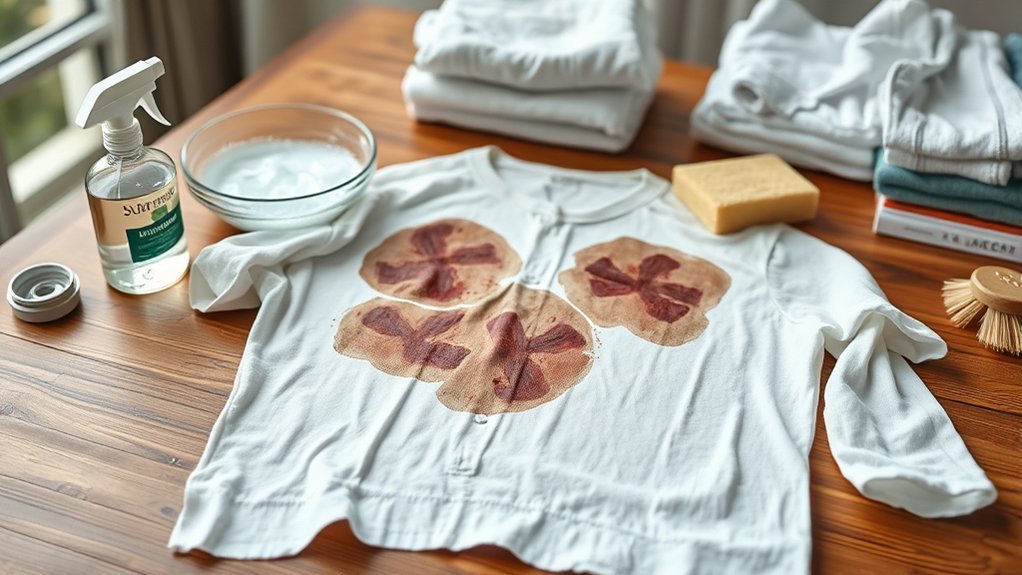
You can get tire marks off clothes by treating the stain before heat sets it. Start by brushing away loose dirt, then pretreat the black streak with liquid dish soap or laundry detergent. For older marks, use an oxygen cleaner soak or a careful degreaser step. Wash with the warmest water the care label allows, inspect the fabric, and air dry until the stain is fully gone.
Quick Answer
To remove tire marks from clothes, brush off loose dirt, place a towel behind the stain, rub in liquid dish soap or laundry detergent, wait 5 to 10 minutes, gently scrub, then wash. If the mark remains, soak washable fabric in oxygen cleaner before rewashing. Do not use the dryer until the stain is gone.
Key Takeaways
- Tire marks are usually a mix of black rubber residue, road grime, oil, and dirt, so plain water is rarely enough.
- Treat the stain before drying, because dryer heat can make dark oily marks much harder to remove.
- Use liquid dish soap or laundry detergent first, then move to oxygen cleaner or a stronger degreaser only if needed.
- Always test cleaners on a hidden seam before using them on colored, delicate, or synthetic fabrics.
- Air dry after washing, inspect in bright light, and repeat the treatment if any gray or black shadow remains.
At a Glance
| Time Required | 20 to 45 minutes for fresh marks; 1 to 6 hours for set-in stains that need an oxygen cleaner soak |
| Difficulty | Easy for washable cotton, denim, and polyester; moderate for old or oily stains |
| Tools Needed | Paper towels, soft toothbrush, liquid dish soap, laundry detergent, oxygen cleaner, optional laundry-safe degreaser |
| Cost | Usually $0 to $10 if you already have basic laundry supplies |
Before You Start
Check the clothing care label before you treat a tire mark. If the label says dry clean only, do not soak, scrub, or use household degreasers. Blot off loose dirt, keep the garment away from heat, and take it to a professional cleaner as soon as possible.
If the garment is washable, test your cleaner on a hidden seam first. This matters for dark colors, printed fabric, rayon, spandex blends, wool, silk, acetate, and anything with special finishes. A cleaner that works on denim can fade, spot, or weaken a delicate fabric.
Warning: Do not mix stain removers, bleach, ammonia, vinegar, rubbing alcohol, oxygen cleaner, or degreasers together. Use one treatment at a time, rinse well between products, and work in a ventilated area when using any solvent or strong cleaner.
Identify Tire Marks on Clothes
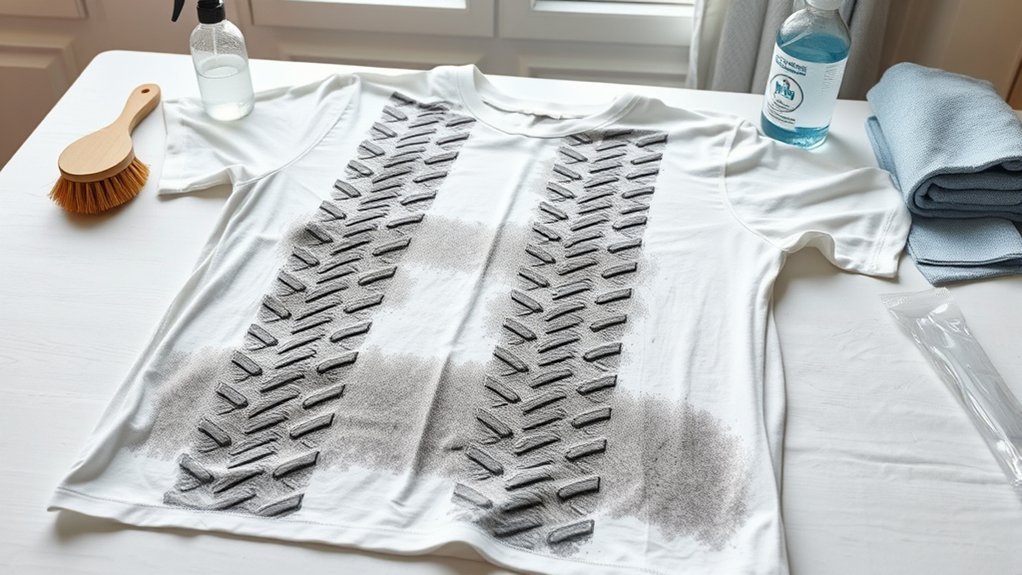
Tire marks usually show up as black streaks, gray smudges, or greasy spots after clothing touches a tire, bike wheel, stroller wheel, rubber mat, garage floor, or playground surface. Look at the stain under bright light. A fresh mark may sit on top of the fabric, while an older mark may look like a dull gray shadow in the fibers.
Most tire stains are combination stains. You may be dealing with rubber residue, carbon-black pigment, road dust, brake dust, tire shine, oil, or mud at the same time. That is why you should not treat the mark like simple dirt. Start by removing loose material, then use a cleaner that can break up oily residue.
Cotton, denim, and canvas can grab tire residue quickly because they have absorbent fibers. Polyester and nylon may resist the mark at first, but once oil settles in, the stain can cling stubbornly. Delicate fabrics need a lighter touch and may need professional care.
Remove Fresh Tire Marks Step by Step
Fresh tire marks are easiest to remove because the oily residue has not been baked in by heat. Work from the outside of the stain toward the center so you do not spread the black residue into clean fabric.
Step 1: Brush or Blot Loose Residue
If the stain is dry and dusty, brush away loose dirt with a soft brush or clean cloth. If it feels oily, blot it with a white paper towel instead. Do not rub hard. Rubbing can push black residue deeper into the weave and make the stain larger.
Step 2: Place a Towel Behind the Stain
Slide a clean white towel or folded paper towel behind the stained area. This keeps the loosened grime from transferring to another layer of the garment. For sleeves, pants, and shirts, place the towel inside the garment before applying cleaner.
Step 3: Apply Dish Soap or Liquid Laundry Detergent
Apply a few drops of liquid dish soap or liquid laundry detergent directly to the tire mark. The American Cleaning Institute recommends pretreating grease and oil stains before laundering, and tire marks often include oily residue. Use just enough soap to cover the stained area.
Gently work the soap into the fabric with your fingers, a soft cloth, or an old soft toothbrush. Keep the pressure light. You want the cleaner to reach the fibers without fraying the fabric or spreading the stain.
Step 4: Let the Cleaner Work
Let the dish soap or detergent sit for 5 to 10 minutes for a fresh tire mark. For a darker or oily mark, let it sit for 15 to 30 minutes, but do not let the cleaner dry stiff on the fabric. If it starts drying, dampen the spot with a little water and continue.
Pro Tip: For a small black streak, a soft toothbrush gives you more control than a large laundry brush. Use short strokes and check the towel behind the stain. If it turns gray or black, replace it with a clean section.
Step 5: Rinse From the Back
Rinse the stain from the back of the fabric with cool or lukewarm water. This helps push loosened residue out instead of driving it deeper. Avoid very hot water at this first rinse stage if you have not lifted the oily residue yet.
Step 6: Wash With the Warmest Safe Water
Wash the garment with regular laundry detergent using the warmest water allowed by the care label. For many cotton and denim items, warm water helps remove oily residue better than cold water. For delicate fabrics, bright colors, or shrink-prone clothing, follow the care label even if that means cold water.
Step 7: Inspect Before Drying
After washing, inspect the stained area under bright light. If you see any gray, black, or oily shadow, do not put the garment in the dryer. Dryer heat can make grease and pigment harder to remove. Air dry the garment, then repeat the treatment if needed.
Treat Tire Marks With Dish Soap
Dish soap is often the best first treatment because it is made to cut greasy residue. It is also easy to control, which makes it safer than jumping straight to strong solvents. Use a plain liquid dish soap, not dishwasher detergent and not a product with bleach added.
Apply Dawn or Dish Soap Directly
Dab a small amount of dish soap directly onto the tire mark. Work it in gently with your fingers or a soft cloth. The goal is full contact between the soap and the stained fibers. Do not flood the area, because too much dish soap can create heavy suds in the washing machine.
Boost With Baking Soda for Oily Marks
If the mark feels slick or has an oily halo, sprinkle a little baking soda over the dish soap and make a light paste. Let it sit for 15 to 30 minutes, then brush away loose powder and rinse. Baking soda can help absorb some oil while the soap loosens the residue.
Scrub Before Washing
Use a soft toothbrush or nail brush to scrub in small, controlled strokes. Work from the outside edge of the stain toward the center. Rinse, then wash as usual. If the stain fades but does not disappear, repeat the dish-soap step before moving to a stronger treatment.
Use Oxygen Cleaner on Set-In Stains
For washable clothing with older tire marks, an oxygen cleaner can help lift remaining discoloration. Products such as OxiClean work best when used according to package directions. The official OxiClean Versatile Stain Remover directions say to test on an inconspicuous area, dissolve the powder in water, soak stained clothes for 1 to 6 hours, and wash as normal.
[Products Worth Considering]

This 3-piece wheel and tire brush set makes it easy to clean light, medium, and heavy dirt from wheels, rims, tires, and exterior surfaces. It includes both soft and stiff bristle options for gentle scrubbing and tough grime removal, helping lift brake dust and road buildup. The long-handle design supports comfortable cleaning across cars, trucks, SUVs, RVs, motorcycles, and more, with simple care instructions to restore brush shape.

Clean wheels and rims with soft feathered bristles that safely remove dirt and road grime while helping restore original luster. The short non-slip handle makes it easy to scrub in tight wheel wells, and the brush is suitable for vehicles and hard-to-reach areas. It can also be soaked and rubbed to help restore bristles to their shape after use.

Turtle Wax Hybrid Solutions Hyper Foam Wheel and Tire Cleaner uses an advanced high-foaming formula that clings to wheels and tires to dissolve tough road grime, embedded brake dust, and light iron deposits. It helps restore black tires while prepping surfaces for tire shine or protective coatings. The pH-balanced cleaner is safe for all wheel finishes and includes corrosion-repellent polymers that reduce future contaminant build-up.
Oxygen Cleaner Soaking Method
Fill a basin with water and oxygen cleaner according to the product label. Warm water usually helps oxygen cleaner dissolve, but do not use boiling water. Submerge only washable, colorfast clothing. Let the garment soak for 1 to 6 hours, depending on how dark the stain is.
After soaking, rinse the garment well. Then wash it with regular detergent using the warmest water the care label allows. Air dry and inspect again.
Oxygen Cleaner Paste for Small Shadows
For a small gray shadow, mix a tiny amount of oxygen cleaner with water to make a thin paste. Apply it only to the stained area, let it sit briefly, then gently brush and rinse. Do not let oxygen-cleaner paste dry on the fabric. Do not use it on wool, silk, leather, suede, or fabrics that are not colorfast.
Note: Oxygen cleaner is not the same as chlorine bleach. Oxygen cleaner is often safer for washable colors, but you still need a colorfastness test. Chlorine bleach can remove color and damage some fabrics.
Try a Degreaser for Stubborn Tire Stains
If dish soap and oxygen cleaner do not remove the tire mark, the stain may contain heavy oil, tire dressing, or garage grime. In that case, use a laundry-safe degreaser or prewash stain remover before trying a stronger solvent.
Apply a small amount to a hidden seam first. If the fabric passes the test, apply the degreaser to the stain, let it sit for the time listed on the product label, then rinse thoroughly. Follow with liquid laundry detergent and wash the garment.
[Products Worth Considering]

This oesee 8-piece wheel care kit helps you clean, scrub, and dry wheels safely with purpose-built brushes and towels. The scratch-free microfiber wheel brush lifts brake dust and grime, while the stiff pro-grip tire brush removes tire browning and embedded dirt. A twist loop microfiber drying towel and an applicator help achieve a streak-free finish and cleaner, more even product application.
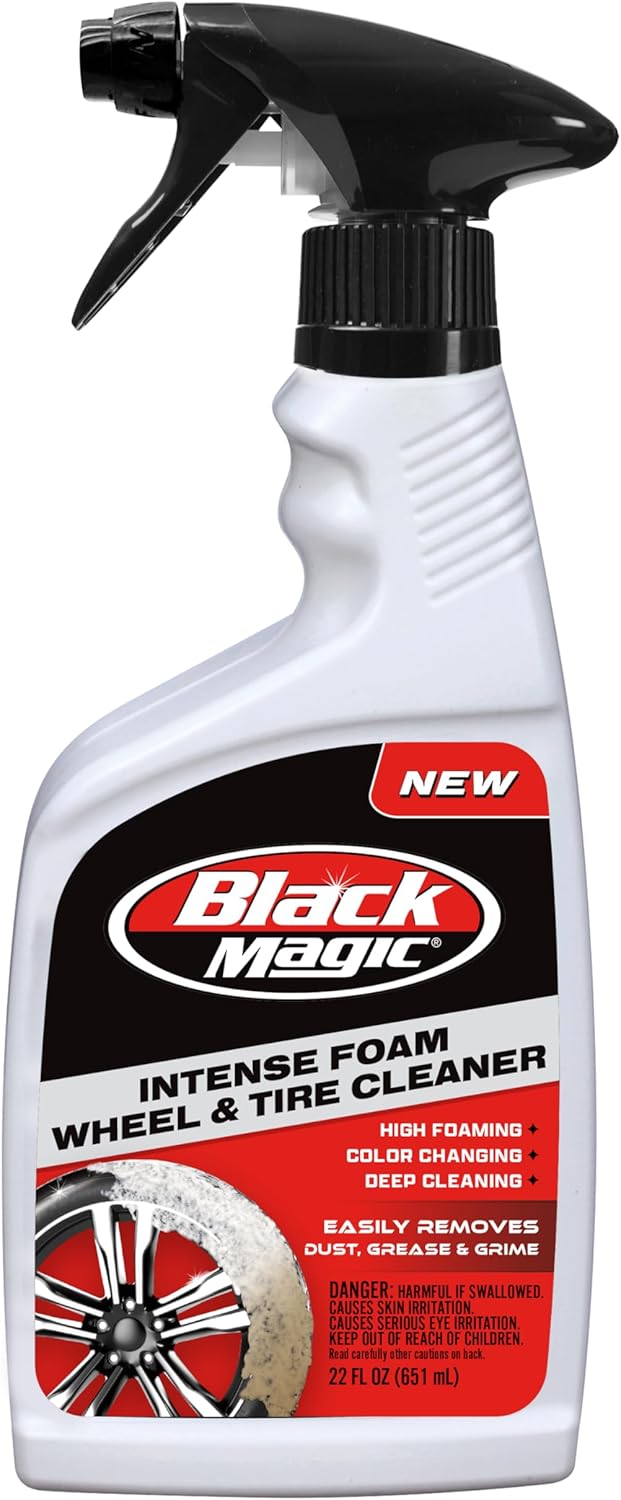
Black Magic Intense Foam Wheel & Tire Cleaner uses a high-foaming action to lift away dirt, grime, and brake dust without scrubbing. The color-changing formula helps show contaminants being dissolved as foam turns from white to brown. Safe for all wheel types and even wheel wells, it leaves a like-new, slick finish with a fresh cherry scent.

This professional wheel and rim brush kit makes it easy to lift brake dust, grime, and dirt from wheels and tires without scratching finishes. The brushes feature soft, metal-free wool heads and a flexible 360-degree rim brush design for reaching hard-to-clean areas. Includes multiple brush types plus accessories for thorough car, motorcycle, and general vehicle detailing.
When to Use WD-40 or Mineral Spirits
WD-40, mineral spirits, and similar solvents should be a last resort for washable, sturdy fabrics only. Do not use them on delicate fabric, children’s sleepwear, wool, silk, acetate, leather, suede, or anything labeled dry clean only.
If you choose this route, place cardboard or a thick towel behind the stain, apply a very small amount, wait 10 to 15 minutes, then blot. Immediately work dish soap into the treated area to remove the oily solvent residue. Hand-rinse well before machine washing. Air dry only, and make sure no solvent smell remains before the garment goes near heat.
Scrub Tire Stains With a Soft Brush
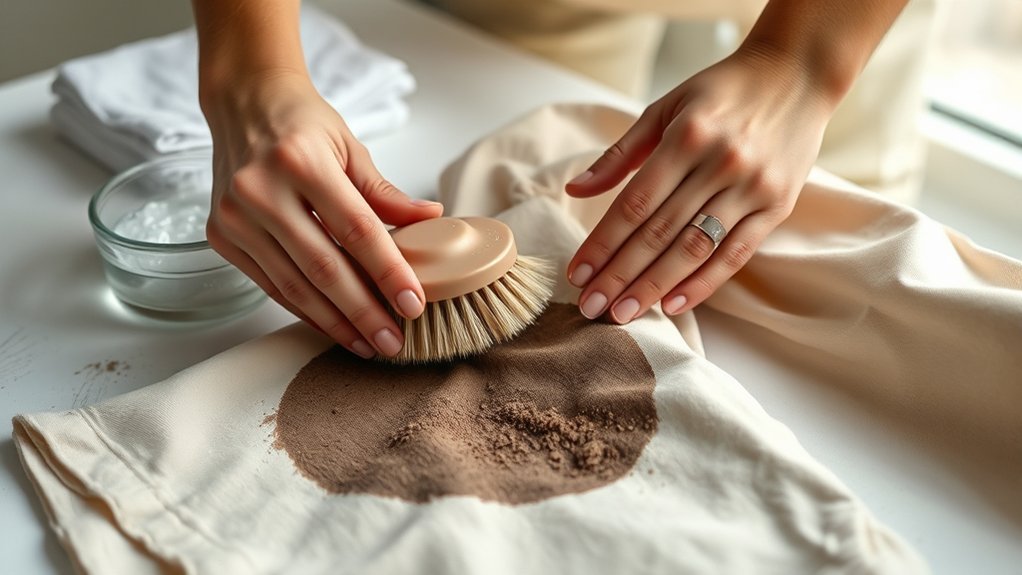
A soft brush helps lift tire residue without tearing the fabric. Use an old toothbrush, nail brush, or soft laundry brush. Avoid wire brushes, stiff utility brushes, and abrasive pads.
Scrub with light pressure in short strokes. Keep the stained area damp with your cleaning solution, but do not soak the whole garment unless you are doing a planned oxygen-cleaner soak. Rinse often so loosened black residue does not settle back into the fabric.
If the fabric starts to fuzz, pill, stretch, or lose color, stop scrubbing. Rinse the area and switch to soaking or professional cleaning instead.
[Products Worth Considering]

The Chemical Guys Gerbil Wheel & Rim Brush is designed to safely clean wheels, rims, exhaust tips, tires, and engine bay components without scratching delicate finishes. Its soft natural bristles help lift brake dust, grime, and buildup while conforming to tight spaces and intricate contours. A comfort grip handle delivers control for extended detailing sessions.

This wheel brush kit delivers pro-level cleaning at home, lifting dirt, grime, and brake dust to help restore wheel appearance. It includes multiple brush styles and applicator pads for tackling different wheel surfaces, with gentle, metal-free bristles designed to reduce scratching risk. The flat and double-ended brushes are built for comfort and reach, making wheel care easier for cars, trucks, and RVs.

P&S Dressed Tire Finish is a premium, water-based tire dressing that delivers a deep, rich high-gloss look without the greasy residue. Its polymer blend is designed to mimic the durability and shine of traditional solvent-based dressings while staying non-hazardous and eco-friendly. Apply with a brush or spray bottle for even coverage and a professional, factory-fresh finish.
Soak Clothes Before Washing Again
If the tire mark is still visible after the first wash, soak the garment before washing again. Fill a basin with water and either regular laundry detergent or oxygen cleaner, depending on the fabric and stain. For greasy marks, detergent helps break up oil. For gray shadows, oxygen cleaner can help brighten washable fabric.
Soak for at least 30 minutes. For stubborn stains on washable, colorfast clothing, soak up to 6 hours if the oxygen-cleaner label allows it. Gently agitate the garment once or twice during the soak, then rinse and wash again.
Do not use a long soak on wool, silk, leather, suede, structured garments, or clothing with glue, trim, sequins, or leather patches. Those items can lose shape or finish in water.
Wash and Inspect Before Drying
After pretreating, wash the garment with regular detergent. Use the warmest water and wash cycle allowed by the care label. For durable work clothes, a normal cycle may be fine. For stretch fabrics, bright colors, and lighter garments, choose a gentler cycle if the label calls for it.
When the cycle ends, inspect the stain in bright light. Grease can be hard to see when fabric is wet, so air drying is safer than machine drying. If the mark is still there after air drying, repeat the dish-soap or oxygen-cleaner step.
The safest rule for tire marks is simple: no dryer, iron, or high heat until the stain is completely gone.
Fabric-Specific Tips
Different fabrics react differently to tire residue and cleaning products. Use the stain strength that fits the fabric, not just the stain.
| Cotton, denim, canvas | Use dish soap, soft brushing, detergent wash, and oxygen cleaner if colorfast. These fabrics can usually handle more treatment. |
| Polyester, nylon, athletic fabric | Pretreat oily residue carefully. Avoid high heat, which can lock in oily stains and damage stretch fibers. |
| Wool, silk, rayon, acetate | Blot only and check the label. Avoid oxygen cleaner, harsh scrubbing, and degreasers unless the care label clearly allows washing. |
| Leather and suede | Do not soak. Brush dry residue gently and use a leather or suede cleaner, or take the item to a specialist. |
| Dry-clean-only clothing | Do not DIY with water or solvents. Blot, avoid heat, and tell the cleaner it is tire or rubber residue. |
Troubleshoot Stubborn Tire Marks
If the stain does not come out on the first try, match the remaining mark to the likely problem.
| Gray shadow remains | Soak colorfast washable clothing in oxygen cleaner, then wash again and air dry. |
| Oily halo appears | Rub in dish soap or liquid laundry detergent again. Let it sit 15 to 30 minutes, rinse, and rewash. |
| Tire-shine residue or silicone feel | Use a laundry-safe degreaser first, then dish soap, rinse well, and wash separately. |
| Stain was dried in the dryer | Repeat pretreatment and soak. Set-in marks may need several rounds, and some heat-set stains may not fully disappear. |
| Cleaner smell remains | Rewash with detergent and air dry again. Do not use heat until the smell and residue are gone. |
What Not to Do
- Do not put the garment in the dryer while any mark remains.
- Do not scrub with a stiff brush, steel wool, or abrasive pad.
- Do not use chlorine bleach on colored clothing unless the care label says it is safe.
- Do not mix oxygen cleaner with chlorine bleach, ammonia, vinegar, rubbing alcohol, or degreasers.
- Do not use WD-40 or mineral spirits on delicate, non-washable, or flame-resistant clothing.
- Do not iron the stained area, because heat can make the mark harder to remove.
Prevent Tire Marks on Clothes

To prevent tire marks on clothes, wear darker work clothes, an apron, or coveralls when you are cleaning wheels, loading tires, working in a garage, or leaning into wheel wells. Keep a dedicated set of clothes for car work so stains do not ruin everyday outfits.
Wipe greasy tire shine, road grime, and mud from tires before handling them. If you carry a wheel or tire, hold it away from your body or wrap it in an old towel first. Keep baby strollers, bikes, and garage tools away from laundry piles and light-colored clothing.
If you notice a small tire smudge while you are out, blot it with a clean napkin and avoid rubbing. Treat it properly when you get home. Fast action gives you the best chance of removing the stain before it settles.
Frequently Asked Questions
How do you remove rubber tire stains from clothes?
Brush or blot away loose residue, place a towel behind the stain, rub in liquid dish soap or laundry detergent, wait 5 to 10 minutes, gently scrub, rinse from the back, and wash. If the stain remains, use an oxygen cleaner soak on washable, colorfast fabric.
How do you remove stains from clothes that will not go away?
Treat the stain again before using heat. For tire marks, repeat dish soap or laundry detergent first. If a gray shadow remains, soak washable fabric in oxygen cleaner. If an oily halo remains, use a laundry-safe degreaser, rinse well, then rewash and air dry.
What dissolves rubber tire marks?
Dish soap, liquid laundry detergent, oxygen cleaner, and laundry-safe degreasers can loosen the oily residue around rubber tire marks. Stronger solvents may help on sturdy washable fabric, but they should be used only as a last resort and rinsed out thoroughly before washing.
Will WD-40 remove tire marks from clothes?
WD-40 may help loosen oily tire residue on sturdy washable fabric, but it should be a last resort. Test first, use a tiny amount, keep it away from heat, then remove the WD-40 with dish soap before washing. Air dry and make sure no oily smell remains.
Can you use bleach on tire marks?
Avoid chlorine bleach unless the garment care label clearly says it is safe. Chlorine bleach can remove color and damage some fabrics. For washable, colorfast clothing, oxygen cleaner is usually the better choice for leftover gray shadows.
Can tire marks come out after drying?
Sometimes, but heat-set tire marks are harder to remove. Start again with dish soap or liquid detergent, soak if the fabric allows it, and air dry between attempts. If the mark was dried several times, a faint shadow may remain.
Conclusion
Tire marks look stubborn because they often contain rubber pigment, oil, and road grime at the same time. You can still remove many of them by acting before heat sets the stain. Start with dish soap or liquid laundry detergent, rinse from the back, wash with the warmest safe water, and inspect before drying. For set-in marks, use oxygen cleaner or a careful degreaser step. Keep the process gentle, test first, and repeat as needed until the fabric looks clean.
Sources
- American Cleaning Institute Stain Removal Guide — backs up grease/oil pretreatment, laundering guidance, and dryer caution.
- OxiClean Versatile Stain Remover Directions — backs up oxygen-cleaner soak time, colorfastness testing, and water-temperature cautions.
- American Cleaning Institute Cleaning Product Safety — backs up reading labels, using products as directed, and safe cleaning-product handling.

