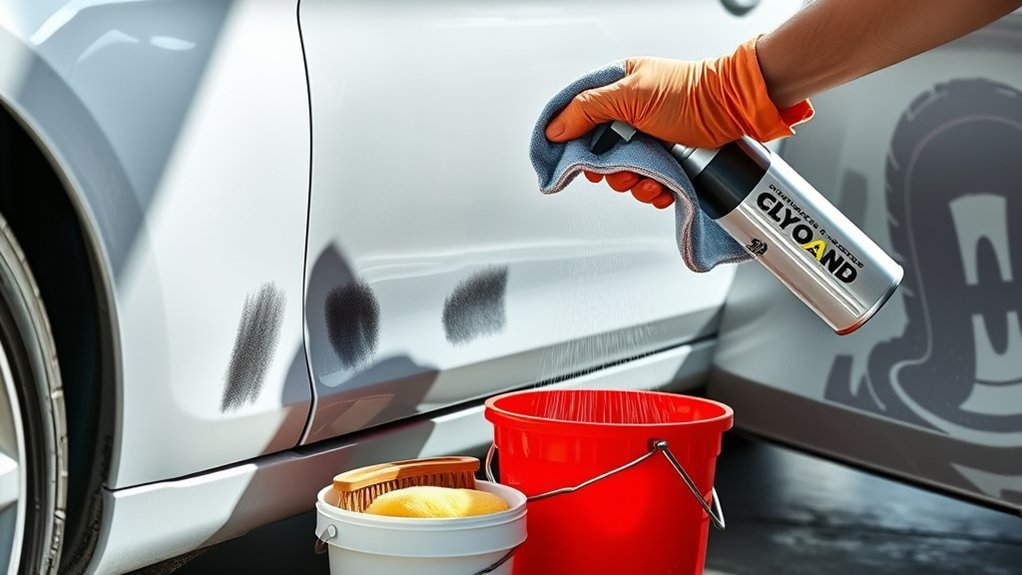
To remove tire marks from your car, start with the safest method first: rinse the area, wash it with car wash soap, and inspect the paint before using stronger products. Most light rubber transfer can be lifted with a soft microfiber cloth and an automotive-safe rubber remover. Avoid harsh solvents, stiff brushes, and heavy scrubbing because they can dull clear coat, stain trim, or turn a simple rubber mark into paint damage.
Quick Answer
Wash the marked area first, then use a microfiber cloth with a paint-safe rubber mark remover or mild automotive tar remover. Work lightly in small sections, rinse well, and dry with microfiber. Use melamine foam, WD-40, or polishing compound only as cautious spot treatments after testing a hidden area.
Key Takeaways
- Start with water, car wash soap, and a soft microfiber cloth before trying stronger cleaners.
- Use an automotive rubber remover or tar remover before abrasive tools.
- Test every cleaner on a hidden area, especially on matte paint, vinyl wrap, paint protection film, or older paint.
- Keep WD-40 and other oily products off tire tread, brake parts, pedals, and walking surfaces.
- If the mark is actually a scratch, polish or compound may help, but heavy correction should be left to a detailer.
At a Glance
| Time Required | 10 to 30 minutes for most light rubber transfer |
| Difficulty | Easy for surface rubber marks; moderate if polishing is needed |
| Tools Needed | Car wash soap, clean water, microfiber towels, soft wash mitt, automotive rubber remover or tar remover, optional detailing clay or polish |
| Cost | Usually $5 to $25 if you already have towels and car wash soap |
Warning: Do not use brake cleaner, acetone, lacquer thinner, gasoline, stiff brushes, scouring pads, or dry melamine foam on car paint. These can damage clear coat, stain trim, or leave dull spots. If the paint is matte, freshly painted, wrapped, or covered with paint protection film, follow the surface manufacturer’s care instructions first.
How To Remove Tire Marks From Your Car
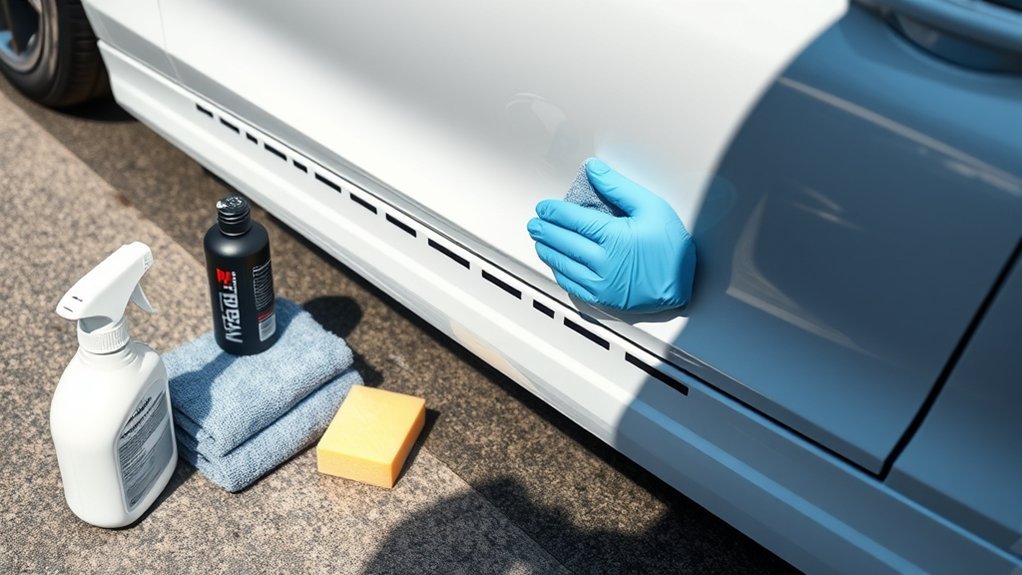
The safest way to remove tire marks from car paint is to work from gentle to stronger methods. First, rinse the panel to remove loose grit. Then wash the area with car wash soap and a soft mitt or microfiber cloth. Dry it lightly and check whether the black mark is rubber sitting on top of the paint or a deeper scuff in the clear coat.
If the mark is still there, apply a small amount of automotive rubber mark remover, tar remover, or a paint-safe cleaner to a microfiber cloth. Work in small circles with light pressure, then wipe the area clean. A product such as Mothers R3 Racing Rubber Remover is designed for rubber scuff marks on exterior surfaces, but you should still test first because paint age and surface coatings vary.
If you are dealing with a light scuff and have no specialty cleaner, a damp melamine sponge may help, but treat it as a last-resort spot tool, not a general paint cleaner. Melamine foam is mildly abrasive, so use almost no pressure, keep it wet, and stop right away if the paint starts to look dull. If the mark came from a tire change, roadside repair, or curb contact, clean the panel before handling tools from your spare tire kit so grit is not dragged back across the finish.
Gather Safe Cleaners And Soft Tools
Before you scrub, set up the right supplies. Use clean water, car wash soap, a soft wash mitt, and several microfiber towels. Add an automotive rubber remover or tar remover for stubborn rubber transfer. Keep a separate towel for solvent-based products so oily residue does not spread to clean paint.
Skip rough pads, stiff brushes, dry shop towels, and dirty sponges. Even a soft towel can scratch paint if it has grit trapped in the fibers. If the tire mark is on plastic trim, glass, a wheel face, vinyl wrap, or paint protection film, check the cleaner label before using it. A cleaner that is safe on glossy clear coat may not be safe on every surface.
- Use microfiber towels that are clean and free of grit.
- Keep one bucket for soapy water and one for rinsing the mitt if possible.
- Choose cleaners labeled safe for automotive exterior use.
- Use gloves when working with solvents or strong degreasers.
- Keep all products away from hot panels and direct sun unless the label says otherwise.
Good tires and careful driving can reduce future scuffs, but tire choice is only one part of prevention. If you are comparing options such as affordable RAV4 tires, also pay attention to proper size, condition, inflation, and driving habits.
Pro Tip: Clean a tire mark when the panel is cool. Heat can make rubber residue stickier and can cause cleaners to dry before you can rinse them away.
[Products Worth Considering]
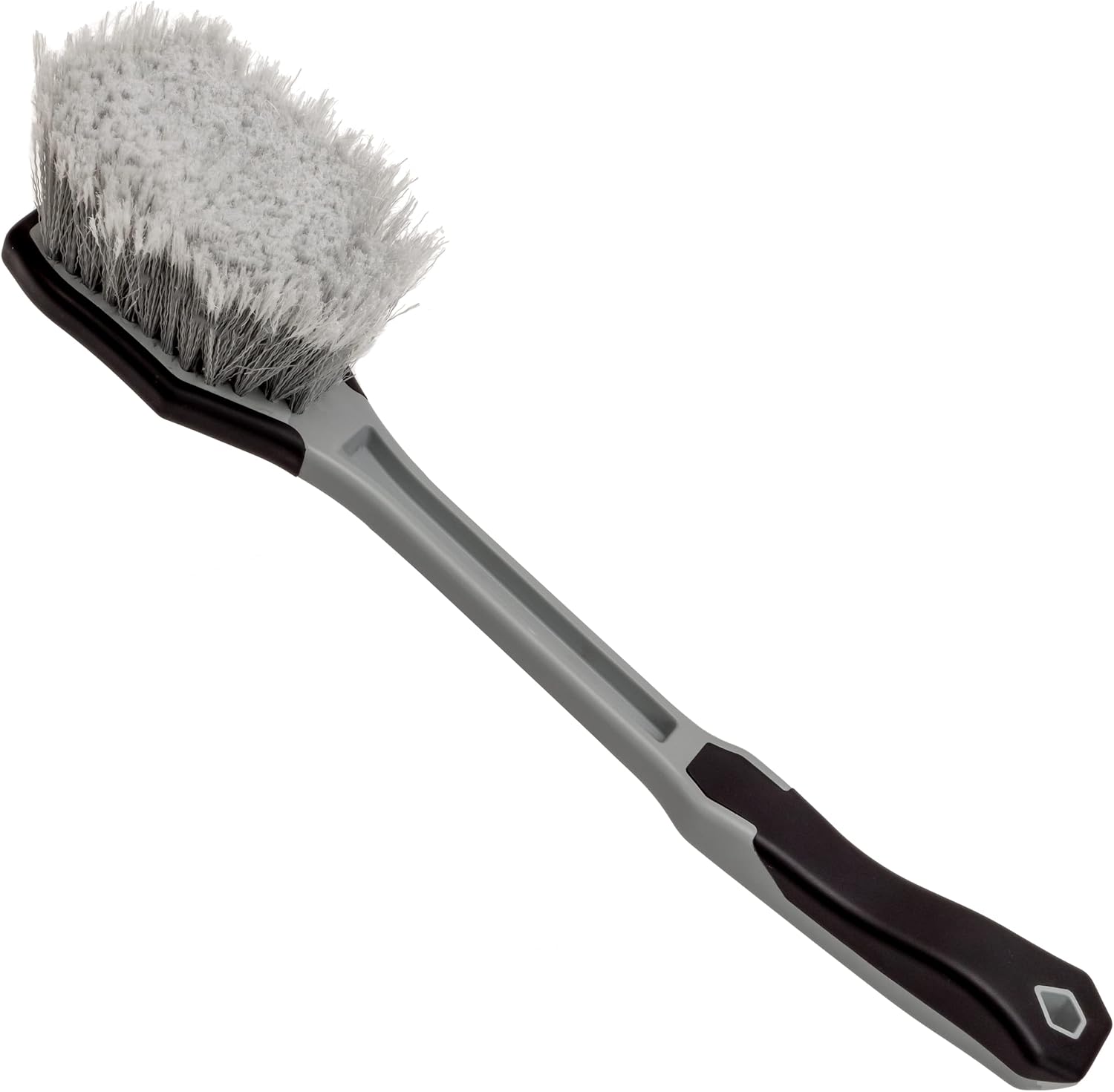
Clean grills, fenders, fender flares, bumpers, and wheel wells with a long-handled brush built for detailed car washing. The soft, triple-flagged bristles and dense scrub coverage help lift dirt gently while making coverage fast and easy. Use it with your favorite car wash soap for tires and exterior surfaces, and it also works for bike, motorcycle, boat, or RV cleaning.

This oesee 8-piece wheel care kit helps you clean, scrub, and dry wheels safely with purpose-built brushes and towels. The scratch-free microfiber wheel brush lifts brake dust and grime, while the stiff pro-grip tire brush removes tire browning and embedded dirt. A twist loop microfiber drying towel and an applicator help achieve a streak-free finish and cleaner, more even product application.

Adam’s Pro Tire Hex Grip applicators are molded foam sponges designed for precise, even tire dressing application. The ergonomic grip helps you spread product without overapplying, reducing sling that can splash onto paint and helping keep your hands clean during wheel and trim detailing. They’re durable, washable, and reusable for repeated detailing sessions.
Wash Away Dirt Before Cleaning Tire Marks
Start by rinsing the marked area with clean water. This removes loose grit that could scratch the clear coat once you begin wiping. Use cool or lukewarm water, then wash the panel with car wash soap and a soft mitt. Work gently and rinse the mitt often.
Do not use household dish soap as your regular car wash solution because it can strip wax or protective products from the paint. After washing, rinse until no suds remain. Dry the area with a clean microfiber towel using light blotting or straight passes instead of hard circular rubbing.
Rinse first, wash gently, then inspect. Many paint scratches happen because dirt gets rubbed into the surface before the actual stain is treated.
- Rinse before touching the paint.
- Use car wash soap instead of harsh household cleaners.
- Work on a cool panel in shade.
- Use soft microfiber or a clean wash mitt.
- Dry before applying rubber remover so you can see what remains.
If you are also shopping for replacement tires, a UTQG rating can help compare treadwear, traction, and temperature grades, but it does not tell you exactly how much rubber may transfer to paint during a scuff.
Use A Gentle Cleaner On Tire Marks
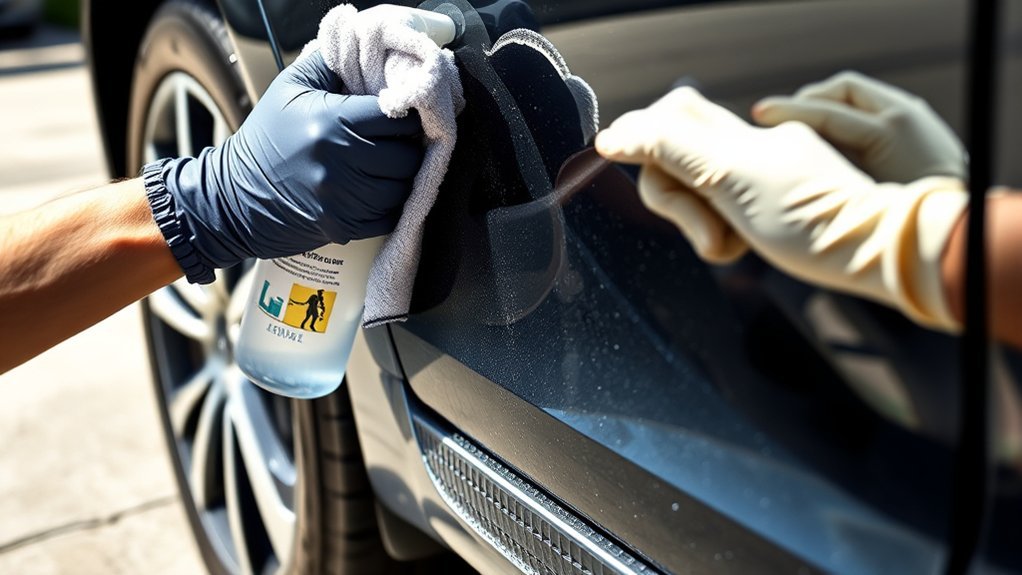
Once the panel is clean, choose a mild cleaner made for exterior automotive surfaces. A dedicated rubber remover, tar remover, or bug-and-tar cleaner is usually safer than a random household solvent. Apply the product to a microfiber cloth first instead of spraying heavily onto the panel. This gives you better control and reduces overspray on trim, tires, and nearby panels.
Let the cleaner sit only as long as the label allows. Then wipe gently in small sections. If the rubber begins to transfer to the towel, switch to a clean side of the towel so you do not smear it back onto the paint. Rinse the area after cleaning, then dry it and inspect the finish.
Better traction can reduce skids and harsh tire movement, but no tire can prevent every mark. If you are comparing products for enhanced traction benefits, still focus on smooth braking, careful parking, and proper maintenance.
[Products Worth Considering]

This 62-inch extra-long car wash brush kit makes it easy to clean hard-to-reach areas on cars, trucks, SUVs, and RV roofs with lightweight, sturdy poles. It includes soft, non-scratch microfiber and bristles with protective bumpers to help prevent scratches while cleaning effectively. A rubber squeegee helps remove water stains quickly, plus a wheel/tire brush and absorbent towels for complete exterior detailing.
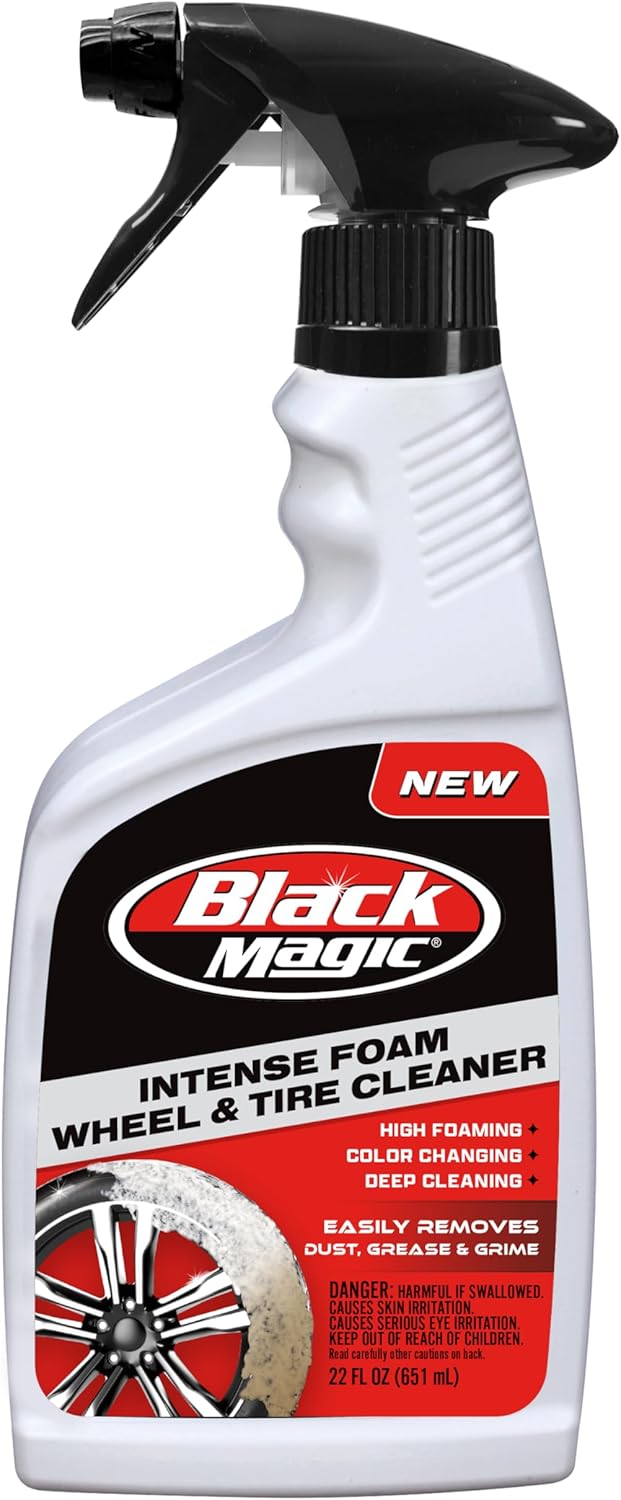
Black Magic Intense Foam Wheel & Tire Cleaner uses a high-foaming action to lift away dirt, grime, and brake dust without scrubbing. The color-changing formula helps show contaminants being dissolved as foam turns from white to brown. Safe for all wheel types and even wheel wells, it leaves a like-new, slick finish with a fresh cherry scent.

This wheel brush kit delivers pro-level cleaning at home, lifting dirt, grime, and brake dust to help restore wheel appearance. It includes multiple brush styles and applicator pads for tackling different wheel surfaces, with gentle, metal-free bristles designed to reduce scratching risk. The flat and double-ended brushes are built for comfort and reach, making wheel care easier for cars, trucks, and RVs.
Choose A Mild Cleaner
A mild cleaner is the best first step after washing. Look for wording such as “safe for automotive paint,” “safe for clear coat,” or “exterior surfaces.” If the mark is on a wrap, matte finish, or paint protection film, do not assume a paint-safe product is automatically safe. Test a hidden spot first.
- Use rubber remover or tar remover for black transfer marks.
- Use detailing clay only after washing and with proper clay lubricant.
- Use polish only if the rubber is gone but a light scuff remains.
- Avoid strong solvents unless the label clearly allows use on your surface.
- Do not let cleaner dry on the paint.
Wet Before Scrubbing
Wet the tire-marked area before scrubbing so rubber residue softens and loose debris floats away from the paint. If you use a melamine sponge for a tiny stubborn spot, keep it damp, use light pressure, and test first. Never use it dry on glossy paint.
For most cars, a microfiber cloth with an automotive cleaner is safer than abrasive foam. Work slowly and check the finish after each pass. If the paint starts to haze, stop and rinse.
Rinse Thoroughly Afterwards
After the cleaner loosens the tire mark, rinse the area thoroughly with water. Rubber remover, degreaser, and oily products can leave residue that attracts dust or interferes with wax. Rinse seams, trim edges, and body lines where cleaner may collect.
- Rinse from the top of the panel downward.
- Flush edges, badges, and trim gaps.
- Wipe with a clean, damp microfiber towel if residue remains.
- Dry with a separate microfiber towel.
- Inspect under bright light before repeating the process.
Spot-Clean Stubborn Rubber Marks
If the mark will not lift after washing and a mild cleaner, spot-clean only the affected area. Apply a small amount of automotive rubber remover to a microfiber towel, hold it on the mark briefly, then wipe with light pressure. Repeat only if the paint still looks glossy and normal.
For oily residue, some people use WD-40 Multi-Use Product on a cloth to loosen stubborn transfer. If you try this, do not spray it directly onto tire tread, brake parts, pedals, floor mats, or walking surfaces. Use it sparingly, keep it controlled, and wash the panel with soap and water afterward to remove the film.
If the rubber mark is gone but a gray scuff remains, the issue may be light clear-coat abrasion rather than residue. In that case, a mild finishing polish may help. A rubbing compound is stronger and removes a small amount of clear coat, so use it only when needed and follow the product directions. If you are unsure, a professional detailer can correct the mark with less risk.
Note: Tire sealants and pressure products are for tire maintenance, not paint cleaning. Proper tire pressure supports safety and tire life, but it will not remove rubber marks from your paint.
[Products Worth Considering]

Black Magic Tire Wet delivers a deep wet-look shine that makes tires appear dark, rich, and freshly detailed. Its long-lasting formula helps resist rain, dust, and road grime for weeks of glossy protection, not days. Apply by spraying onto clean, dry tires—no buffing or wiping required—with a low-sling design to reduce splatter on paint and wheels.

This 3-piece wheel and tire brush set makes it easy to clean light, medium, and heavy dirt from wheels, rims, tires, and exterior surfaces. It includes both soft and stiff bristle options for gentle scrubbing and tough grime removal, helping lift brake dust and road buildup. The long-handle design supports comfortable cleaning across cars, trucks, SUVs, RVs, motorcycles, and more, with simple care instructions to restore brush shape.

Clean wheels and rims with soft feathered bristles that safely remove dirt and road grime while helping restore original luster. The short non-slip handle makes it easy to scrub in tight wheel wells, and the brush is suitable for vehicles and hard-to-reach areas. It can also be soaked and rubbed to help restore bristles to their shape after use.
Rinse, Dry, And Inspect The Surface
After the tire mark is removed, rinse the area again with clean water. This final rinse clears cleaner residue and loose rubber particles. Dry with a clean microfiber towel and inspect the panel from different angles.
- Check the paint in sunlight or with a bright inspection light.
- Look for leftover black residue around body lines and trim.
- Feel gently with clean fingertips for rough contamination.
- Stop if you see haze, dullness, or exposed primer.
- Apply wax, sealant, or your usual paint protection if the cleaner stripped protection from the area.
If stains remain, repeat only on the affected spot. Do not keep scrubbing a large area. Repeated pressure can create swirl marks. Good tire selection, clean tires, and safe parking habits can help reduce future scuffs, so the right tire choice can support overall vehicle care, even though cleaning technique matters most once rubber is already on the paint.
Prevent Tire Marks On Your Car
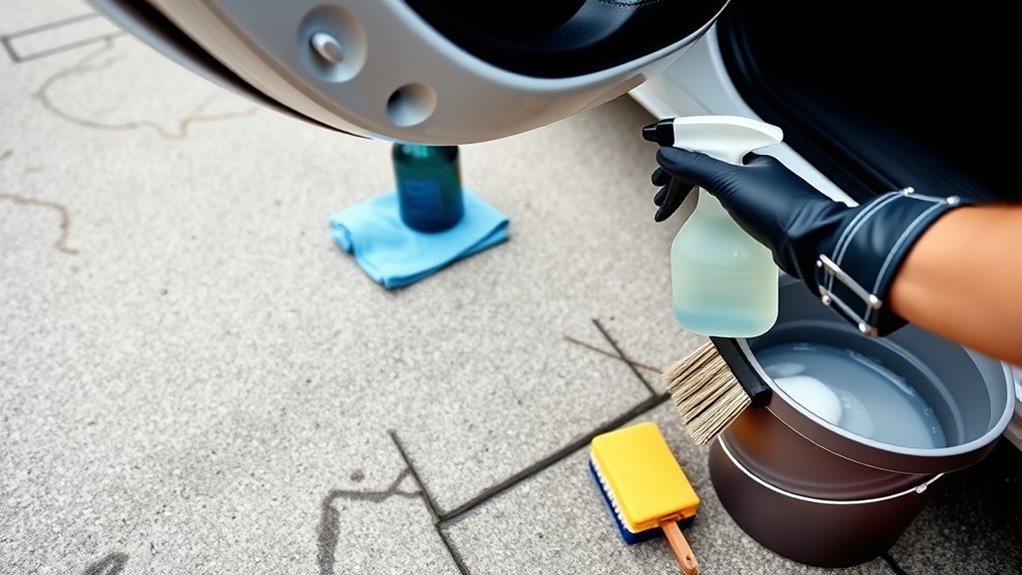
You can reduce tire marks by limiting rubber transfer in the first place. Avoid tight scraping turns near painted body panels, hard acceleration in tight spaces, and sudden stops that heat and stress the tires. Wash fresh marks quickly before heat and time make them harder to remove.
Parking in shade or a garage can help because cooler surfaces and cooler tires are less likely to smear soft rubber residue. If tire marks are a recurring problem on a driveway or garage floor, cleaning and sealing the concrete can make rubber transfer easier to wash away later.
Tires with strong grip and proper tread condition can improve control, but aggressive driving can still leave rubber behind. If you are considering high-performance all-season tires, pair them with smooth inputs and regular maintenance.
Avoid Harsh Maneuvers
Smooth driving reduces heat, slip, and rubber transfer. This matters most in tight garages, driveways, parking lots, and around curbs or painted panels.
- Accelerate gradually from stops.
- Brake early and smoothly.
- Take tight corners slowly.
- Avoid rubbing tires against painted surfaces or garage items.
- Keep alignment and tire pressure within the vehicle manufacturer’s specs.
Park In Shade
Shade helps keep tires, paint, and paved surfaces cooler. Heat can soften rubber residue and make marks harder to clean, especially on hot asphalt or concrete. A garage, carport, or shaded parking spot also helps protect paint and interior surfaces from sun exposure.
Seal Concrete Surfaces
If you are also dealing with tire marks on a driveway or parking pad, the concrete may need protection. A concrete sealer can reduce how deeply rubber and grime bond to the surface. Clean the slab first, repair cracks, and follow the sealer’s instructions for weather, cure time, and recoat schedule.
- Clean concrete thoroughly before sealing.
- Let the surface dry as directed by the sealer label.
- Use a roller or sprayer for even coverage.
- Add anti-slip grit if the sealer may become slick when wet.
- Recoat according to the product schedule.
Frequently Asked Questions
How do you get tire marks off your car?
Rinse the area, wash it with car wash soap, then use a microfiber cloth with an automotive rubber remover or tar remover. Wipe gently, rinse again, and dry. If a faint scuff remains after the rubber is gone, use a mild polish or ask a detailer to inspect it.
What dissolves rubber tire marks?
Paint-safe rubber removers, tar removers, and some automotive degreasers can loosen rubber transfer. WD-40 may help with stubborn residue when applied to a cloth, but it leaves an oily film and must be washed off. Avoid harsh solvents unless the label says they are safe for your exact surface.
Does WD-40 remove tire marks from a car?
WD-40 can help loosen some rubber residue, but it should be used carefully. Apply a small amount to a microfiber cloth, not directly to tire tread or brake parts. Wipe the mark, then wash the area with car wash soap and water so oily residue does not remain on the paint.
Will tire marks go away on their own?
Usually, no. Rubber marks tend to stay until you clean them. Fresh marks are easier to remove, so wash and spot-clean them as soon as you can. Heat, sunlight, and time can make rubber residue cling harder to paint.
Can a Magic Eraser damage car paint?
Yes, it can. Melamine foam is mildly abrasive and can dull glossy paint if used too hard or too often. Use it only on a tiny test spot, keep it wet, apply very light pressure, and stop if the surface loses gloss. A paint-safe rubber remover is the better first choice.
When should you use polish or rubbing compound?
Use polish only after the rubber residue is gone and a light scuff remains. Rubbing compound is stronger and removes a small amount of clear coat, so use it sparingly. If the mark looks deep, catches your fingernail, or exposes primer, get professional help.
Conclusion
You can remove tire marks from your car safely when you start gentle and work carefully. Rinse first, wash with car wash soap, use a paint-safe rubber remover, and rinse again before drying and inspecting the finish. Save abrasives, oily products, and compounds for limited spot treatment only after testing. With quick cleanup, smooth driving, and regular tire care, your paint will stay cleaner and you will avoid turning a simple rubber mark into lasting damage.
Sources
- Mothers R3 Racing Rubber Remover — supports the use of a dedicated rubber scuff remover on exterior surfaces.
- WD-40 Smart Straw Product Page — supports WD-40’s role as a lubricant, penetrant, moisture displacer, and protective product.
- NHTSA TireWise — supports tire pressure, tread, rotation, and tire safety maintenance guidance.
- Better Homes & Gardens: Things You Should Never Use Magic Erasers On — supports caution about melamine foam on vehicle exteriors.
- Southern Living: How To Wash Your Car At Home — supports proper washing with car soap, microfiber drying, and avoiding harsh household cleaners.