How to Get Paint Off a Tire: Safe Removal Methods That Work
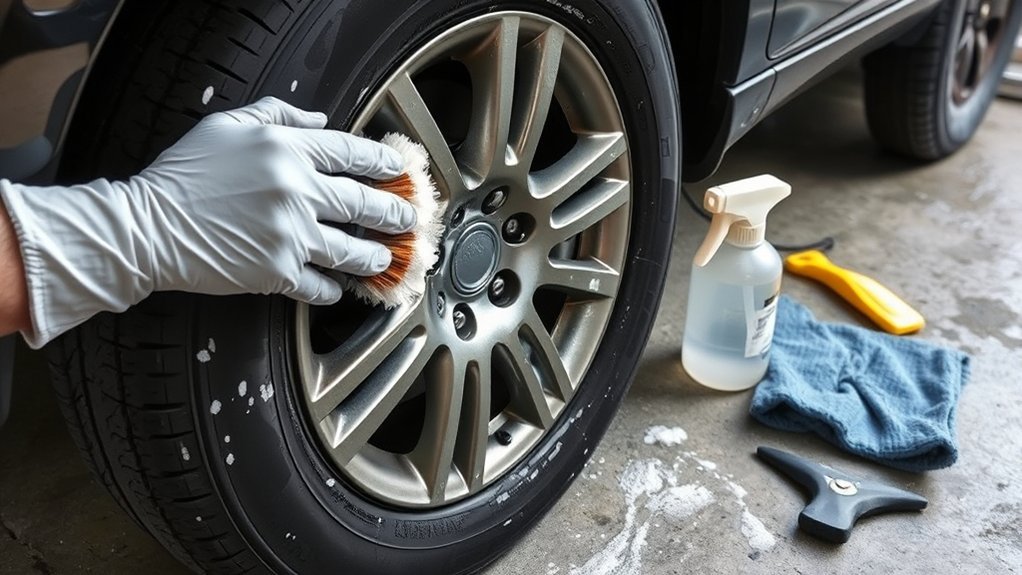
You can get paint off a tire safely by acting fast and using a tire-safe cleaner first. Test a hidden spot, then apply a mild product like a dedicated tire cleaner, isopropyl alcohol, or automotive Goof Off with a soft brush and microfiber towel. Work in small sections and wipe residue right away. For stubborn paint, use controlled pressure washing. Avoid brake fluid, paint thinner, and other harsh solvents, and you’ll see what works best next.
Key Takeaways
- Test a small hidden area first to make sure the cleaner won’t damage the rubber.
- Use tire-safe cleaners, isopropyl alcohol, or automotive Goof Off; avoid paint thinner, brake fluid, and caustic chemicals.
- Work quickly on fresh paint, since it is easier to remove before it cures and bonds to the tire.
- Apply cleaner in small sections with a soft brush, then wipe immediately with a microfiber towel and rinse well.
- If paint is stubborn, use cautious pressure washing and stop if the tire shows any sign of stress or damage.
How to Remove Paint Off a Tire Safely
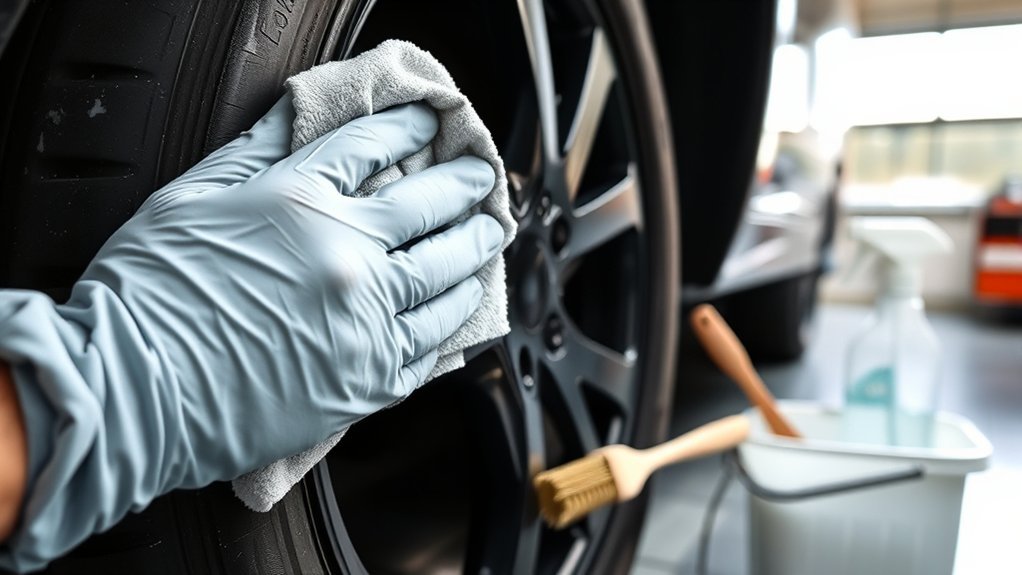
To remove paint off a tire safely, start by testing a small amount of a compatible cleaner on an inconspicuous spot to confirm it won’t damage the rubber. You should use automotive-grade Goof Off or isopropyl alcohol, because both can break down paint without forcing you to compromise tire integrity. If the test spot looks unchanged, apply the cleaner sparingly to the painted area and let it dwell briefly. Then scrub with a stiff wire brush or microfiber cloth using controlled pressure; you want lift, not abrasion. For a safer dedicated option, Adams tire and rubber cleaner offers targeted performance on tire materials and can remove paint while respecting the compound. Avoid paint thinner and other harsh solvents, especially on newer vehicles, because they can swell, dry, or weaken rubber. Work in small sections, wipe residue immediately, and repeat only as needed. That way, you reclaim clean tires without surrendering durability. Additionally, consider using a reliable spare tire kit to ensure you’re prepared for any emergencies while maintaining your vehicle.
Why Fresh Paint Comes Off More Easily
Fresh paint usually comes off a tire more easily because it’s still soft, pliable, and less firmly bonded to the rubber. When you act fast, you can remove fresh paint before the solvents finish evaporating and the coating starts to cure. At that stage, the paint has lower viscosity, so it hasn’t locked into the tire’s surface or tread the way hardened paint does. You also reduce the chance that it’ll work deeper into grooves, where staining becomes harder to reverse. The longer paint sits, the more it hardens and grips the rubber, so delay makes the job tougher and increases the risk of damage. For the best result, inspect the tires as soon as you notice the spill and remove the paint while it’s still wet or tacky. Fast action gives you more control, less abrasion, and a cleaner finish. Additionally, using tires with higher UTQG ratings can help minimize damage during the cleaning process.
Try Tire Cleaner, IPA, or Goof Off
Start with a tire cleaner like Adams tire and rubber cleaner, since it’s formulated to lift paint marks from rubber while staying compatible with newer materials. If that doesn’t clear the stain, use isopropyl alcohol to break down fresh paint, then wipe it away with a clean microfiber cloth. For stubborn residue, apply Goof Off—preferably the automotive version—and test it on a small hidden area first to confirm it won’t damage the tire. Using a cleaner that maintains tire integrity is crucial for long-term performance.
Tire Cleaner First
Begin with a tire-safe cleaner before moving to stronger solvents, because the right product can lift paint without harming the rubber or newer wheel well materials. On car tires, start with Adams Tire and Rubber Cleaner and apply it per label. Let it dwell briefly, then agitate with a soft brush and wipe clean. If paint remains, keep testing products on a hidden spot first so you can confirm the cleaner won’t dull the sidewall or stain trim. Community feedback shows tire-specific formulas often free paint fast and with less risk.
- Use a microfiber towel
- Rinse after each pass
- Repeat only as needed
- Stop if rubber changes
IPA And Goof Off
If tire cleaner didn’t fully lift the paint, move to isopropyl alcohol (IPA) or the automotive version of Goof Off, both of which can break down fresh paint on rubber. Test a small hidden spot first; you’re checking compatibility, not gambling with the tire. Soak a microfiber cloth with IPA or Goof Off, then rub the stain gently in controlled passes. Fresh or wet paint should release fastest, and the solvent may work where paint thinner is too aggressive. Wipe away residue, then wash the tire with soap and water and rinse thoroughly. If the label on your new account of the stain says “stubborn,” repeat carefully, but don’t saturate the sidewall. You’re clearing paint without surrendering the rubber’s integrity.
Use Pressure Washing for Stubborn Paint
For stubborn paint on a tire, pressure washing can be highly effective when you use the right setup and technique. You’ll get the best results with a commercial-grade unit rated at 5HP or more, because strong flow helps lift paint fast. Use pressure washer techniques that keep the stream moving and target only the coated spots. Good nozzle selection tips matter: a zero-degree nozzle concentrates force, but you must control it carefully to avoid rubber wear. Pre soaking advantages are real too; a suitable cleaner loosens paint and shortens wash time.
- Hold the wand at a safe distance.
- Work in short, controlled passes.
- Focus on painted areas only.
- Stop if the tire surface looks stressed.
This method gives you a precise, freeing way to strip stubborn paint without harsh abrasion. Additionally, using a high-performance all-season tire ensures that your tires can withstand various cleaning methods without damage.
When to Use Kerosene or Strong Solvents
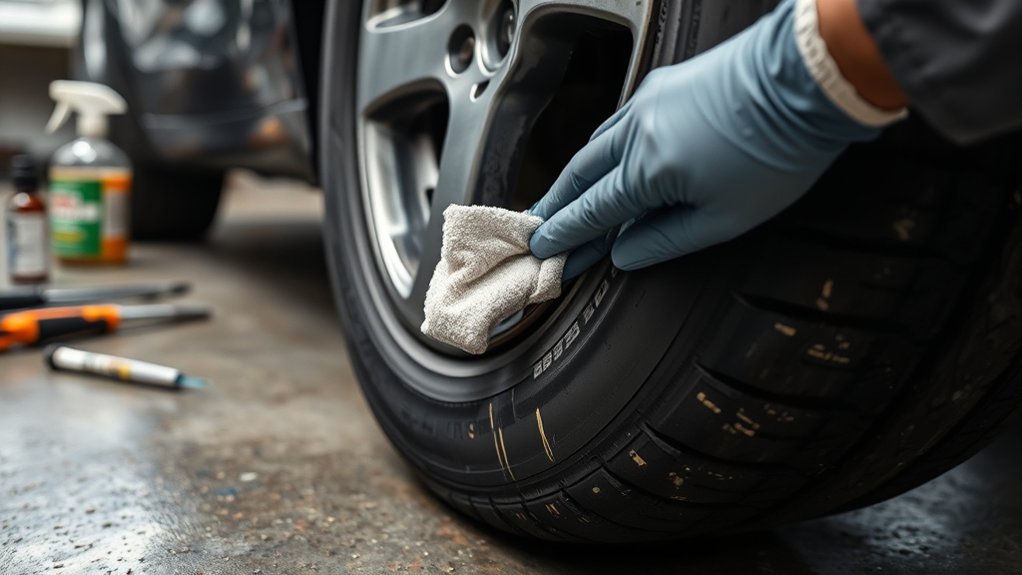
Kerosene or strong solvents like lacquer thinner can help remove stubborn paint from a tire when water, soap, and pressure washing aren’t enough, but you need to use them sparingly. Choose solvent selection based on the paint type and the tire’s condition, then work in a small, controlled area. Use application techniques that limit dwell time: dampen a cloth, wipe the paint, and stop as soon as the coating lifts. Don’t soak the rubber. Prolonged exposure can make the tire brittle and cause checking over time, so keep contact brief and follow with thorough cleaning to clear residue. Before you treat a new tire, test the solvent on an old one and watch for softening or discoloration. For safety precautions, wear gloves to block skin contact and absorption, and work in a well-ventilated area. Used carefully, these solvents give you a practical, freeing way to reclaim clean rubber. Additionally, consider the UTQG rating when selecting tires to ensure long-lasting durability.
What You Shouldn’t Use on Tire Rubber
You shouldn’t use brake fluid, paint thinner, or other strong solvents on tire rubber, because they can attack the compound and leave it brittle. Avoid caustic cleaners as well, since they can accelerate rubber deterioration and damage adjacent materials. Wear gloves when you handle any chemical, and inspect the tire after cleaning for checking, softening, or other surface changes. Additionally, be cautious as using dedicated winter tires can help maintain tire integrity during cold weather conditions.
Harmful Solvents To Avoid
Certain solvents should be avoided because they can damage tire rubber instead of just lifting the paint. You don’t need harsh chemistry to stay free of residue; you need control, selectivity, and respect for the material. Use safe chemical alternatives and follow rubber care tips so you can remove paint without trading one problem for another. Protective gear importance matters here, too: wear gloves before you touch any solvent.
- Brake fluid can penetrate rubber and make it brittle.
- Paint thinners can dry and crack tire surfaces.
- Caustic soda can cause irreversible chemical damage.
- Kerosene and lacquer thinner need strict, limited exposure.
Choose mild products, apply them sparingly, and test a small area first.
Rubber Damage Risks
To protect tire rubber, avoid chemicals that can compromise its structure even when they seem effective on paint. Brake fluid can drive brittleness and deterioration, while acetone and many paint thinners can cause checking and weaken the sidewall over time. Caustic soda in some cleaners also attacks rubber integrity, so don’t use it on tires. If you must test a product, try it on an old tire first and watch for softening, discoloration, or cracking. Limit contact time, then rinse thoroughly to reduce residue and long-term damage. These tire maintenance tips support rubber longevity strategies and point you toward safe cleaning alternatives that remove paint without sacrificing the freedom of a sound, flexible tire.
Test a Small Spot Before You Clean
Before you clean the entire tire, test the product on a small, inconspicuous spot to make sure it does not discolor or damage the rubber. This test area importance helps you verify compatibility before you commit to the full surface. Pick a hidden section, apply a modest amount, and watch the product reaction closely. Different tire compounds can respond differently, so you can’t assume one cleaner fits all.
- Use a less visible spot near the inner sidewall.
- Apply the cleaner exactly as you plan to use it.
- Wait for full drying time evaluation before judging the result.
- Record whether the finish, texture, or color changed.
After the area dries completely, inspect it under good light. Some cleaners look harmless when wet but reveal staining or softening later. If the test spot stays intact, you can move ahead with confidence. If it shows damage, switch products and protect the tire’s freedom to perform without unnecessary chemical stress. Additionally, consider that certain tire compounds are engineered for specific performance characteristics, which can affect how they respond to various cleaners.
Frequently Asked Questions
How to Get Dried Paint off of Tires?
Use isopropyl alcohol on a cloth and rub the dried paint until it softens, then wipe it away. If that fails, you can try automotive Goof Off or a pressure washer with a cleaning agent. Compare cleaning supplies comparison by testing first on an old tire, since paint thinner techniques can harm rubber. Follow tire care tips: work in short passes, rinse thoroughly, and protect yourself with gloves and eye protection.
Will WD-40 Remove Dried Paint?
Yes, WD-40 can loosen dried paint, so you may get a foot in the door. You should spray it on the spot, wait a few minutes, then scrape gently. For effective paint removal tips, test first, because some cured coatings won’t budge. Finish with soap-and-water cleaning solutions to protect tire care and remove residue. If the paint stays bonded, you’ll need a stronger, rubber-safe method.
Will Vinegar Remove Automotive Paint?
Yes, vinegar can remove some automotive paint, especially fresh overspray on rubber. You’ll get better results on certain paint types than others, so test first. Soak a cloth, press it on the spot, wait several minutes, then scrub gently with safe removal techniques. For stubborn residue, add baking soda to form a paste. Rinse well after use to support tire care and prevent rubber damage.
Will Dawn Dish Soap Remove Acrylic Paint?
Yes, Dawn dish soap can remove fresh acrylic paint, especially when you match the paint types to suitable cleaning solutions. You’ll get better results on tire materials if you apply Dawn directly, let it sit a few minutes, then scrub gently with a soft brush and warm water. Test a small spot first, because dried paint may resist this method and need stronger cleaning solutions for full removal.
Conclusion
To finish the job safely, you’ll want to choose the gentlest effective method first. Fresh paint usually lifts with tire cleaner, IPA, or a light pass of Goof Off, while older spots may need pressure washing or a careful solvent treatment. Avoid harsh tools and chemicals that can compromise the rubber’s well-being. Always test a small area first, so you can remove the paint without inviting unnecessary wear or trouble.

Related Articles
How to Dispose of a Tire for Free: Best Recycling Options
Free tire disposal options exist, but eligibility, limits, and hidden rules can change—find the best recycling choice before you haul it away.
Read More
How to Determine Tire Wear: Inspection Guide & Replacement Tips
Understand tire wear signs, tread tests, and replacement timing before dangerous damage leaves you stranded.
Read More
How Long Does It Take to Get a Tire Replaced? Time Guide by Vehicle
Getting a tire replaced can take anywhere from 10 minutes to over an hour—discover what changes the timing before you head to the shop.
Read More