
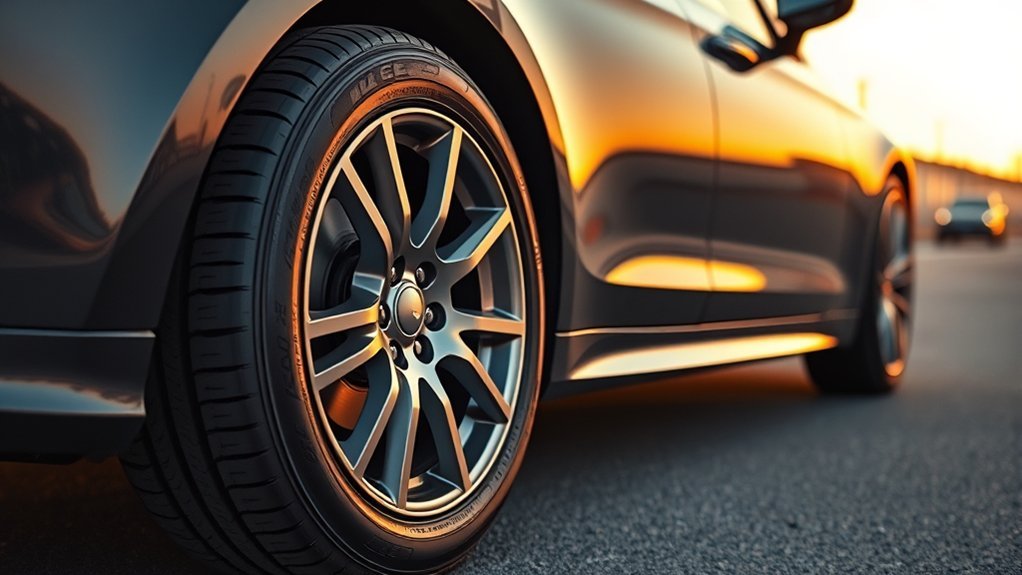
A grand touring tire is built for drivers who want a quiet, comfortable ride, dependable everyday traction, and long tread life without moving into a harsh performance tire. It is usually a strong fit for sedans, coupes, minivans, crossovers, and premium daily drivers that spend a lot of time commuting, road-tripping, or cruising on highways.
Quick Answer
A grand touring tire is an all-season tire category focused on ride comfort, low road noise, stable handling, and longer tread life. It offers more refinement than many basic touring tires and more comfort than most performance tires, while still providing reliable traction in dry, wet, and light snow conditions.
Key Takeaways
- Grand touring tires balance comfort, long tread life, low road noise, and predictable handling for daily driving.
- They are best for dry roads, wet roads, and light snow, but they are not a replacement for dedicated winter tires in severe ice or deep snow.
- Compared with standard touring tires, grand touring tires usually feel more responsive; compared with performance tires, they usually ride softer and last longer.
- Current examples to compare include Michelin Primacy Tour A/S, Goodyear Assurance WeatherReady 2, Continental TrueContact Tour 54, and Bridgestone Turanza EverDrive or Turanza Prestige.
- The right choice depends on your vehicle size, load index, speed rating, climate, road noise tolerance, treadwear warranty, and whether you need a 3PMSF severe-snow rating.
What Is a Grand Touring Tire?
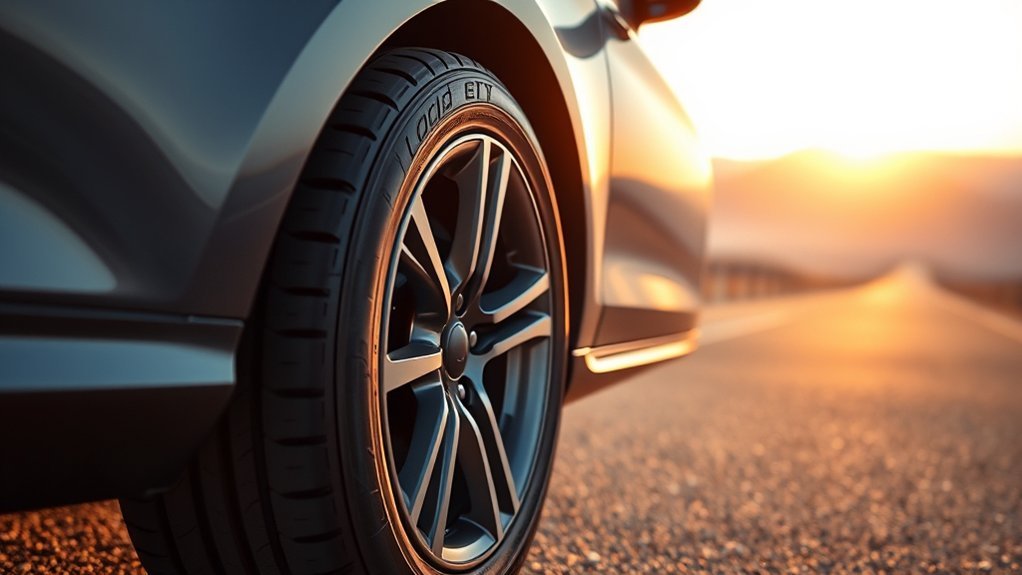
A grand touring tire is a comfort-focused tire made for smooth road manners, lower cabin noise, steady highway feel, and dependable all-season use. In the tire market, Grand Touring All-Season tires are commonly described as daily-driver tires for sedans, crossovers, and premium vehicles, with an emphasis on comfort, road-noise reduction, year-round traction, and longer tread life.
That does not mean every grand touring tire performs the same way. One model may focus on quiet highway comfort, while another may give you stronger wet braking or a more confident feel in light snow. Most grand touring tires are designed for dry, wet, and light snow conditions, but the exact performance depends on the tire line, size, tread compound, and sidewall rating.
Note: “All-season” does not mean “best for every season.” If you regularly drive on packed snow, ice, mountain passes, or untreated winter roads, look for a tire with the three-peak mountain snowflake symbol or use dedicated winter tires.
You can expect a softer, quieter ride than many performance all-season tires, but still more steering stability and road feel than many basic economy tires. That makes the category useful if you want one tire that feels refined on long drives but still stays predictable when the weather changes.
Grand Touring Tire Benefits for Daily Driving
Grand touring tires are popular because they target the things most drivers notice every day: cabin noise, road vibration, highway stability, wet-road confidence, and replacement cost over time. They are not track tires, off-road tires, or severe-winter tires. They are comfort-first tires for real-world driving.
Comfort and Quiet Ride
When you spend hours behind the wheel, ride comfort matters. Grand touring tires usually use tread patterns and rubber compounds designed to reduce vibration and road noise. The result is a calmer cabin, especially on highways, rough pavement, and long commutes.
You still get a controlled feel. The best grand touring tires do not feel loose or sloppy; they simply avoid the sharper, firmer ride that often comes with sporty performance tires. That makes them a smart match for family sedans, commuter cars, luxury cars, minivans, and many CUVs.
Year-Round Daily Versatility
Most grand touring tires are all-season tires, so they are built for a mix of dry pavement, rain, cooler temperatures, and light snow. This makes them convenient for drivers who want to avoid seasonal tire swaps in mild or moderate climates.
However, you should match the tire to your actual climate. If you live where winter roads are usually wet and occasionally dusty with snow, a standard grand touring all-season tire may be enough. If your winter includes frequent snowstorms, freezing roads, or steep hills, an all-weather grand touring tire with a 3PMSF rating or a dedicated winter tire is the safer direction.
Grand Touring vs. Touring vs. Performance Tires
The easiest way to compare tire types is to look at what each category prioritizes. Touring tires usually focus on comfort and tread life. Grand touring tires add more refined handling and highway stability. Performance tires move grip and steering response to the front of the list, often with a firmer ride and shorter tread life.
| Tire Type | Best For | Main Tradeoff |
| Touring | Smooth daily driving, quiet ride, long wear, value-focused commuting. | May feel less responsive during quick steering or higher-speed highway driving. |
| Grand Touring | Drivers who want comfort, quietness, stable handling, and all-season daily use. | Not as sharp as performance tires and not as winter-capable as true winter tires. |
| Performance | Sportier cars, sharper steering, stronger cornering grip, and a more connected road feel. | Often firmer, noisier, more expensive, and quicker-wearing than touring-focused tires. |
For most daily drivers, grand touring tires sit in the middle. You get a composed ride, solid wet-road confidence, and better control than a bargain touring tire, without the rougher feel of a performance tire.
Grand Touring Tire Categories to Know
The most common version is the Grand Touring All-Season tire. This is the category many drivers choose for year-round use in mild climates. It aims to handle dry roads, wet roads, and light snow while staying quiet and comfortable.
You may also see all-weather grand touring tires. These are usually all-season-style tires that also carry the 3PMSF symbol. That symbol means the tire has met a minimum snow-traction threshold, which is helpful if you see more winter weather than a typical all-season tire is built to handle.
Do not confuse markings. M+S is common on all-season tires and is based mainly on tread geometry. 3PMSF means the tire has passed a standardized snow-traction test. Neither marking turns a tire into a dedicated ice tire, so severe winter drivers should still consider true winter tires.
Pro Tip: If you want one tire for comfort and occasional snow, compare grand touring tires with 3PMSF-rated all-weather tires. If you drive through regular ice, deep snow, or mountain winter routes, use dedicated winter tires instead.
Best Grand Touring Tire Brands and Models

The best grand touring tire depends on your vehicle, tire size, climate, and driving priorities. Instead of choosing only by brand, compare current models by comfort, wet traction, winter rating, treadwear warranty, and whether the tire is available in the exact size and load rating your vehicle needs.
| Model to Compare | Strong Fit If You Want | Watch For |
| Michelin Primacy Tour A/S | Premium comfort, quiet highway ride, and refined handling for sedans and luxury vehicles. | Mileage warranty varies by size and speed rating, so check your exact fitment. |
| Goodyear Assurance WeatherReady 2 | A grand touring-style all-weather tire with year-round grip and severe-snow designation. | May cost more than basic all-season options. |
| Continental TrueContact Tour 54 | Long tread life, wet braking focus, light-snow traction, and efficient daily driving. | Confirm your size, sidewall, and warranty because coverage can vary. |
| Bridgestone Turanza EverDrive or Turanza Prestige | Quiet ride, long mileage warranty, and a comfort-focused touring feel. | Choose EverDrive for mileage focus and Prestige for a more premium comfort focus, where available. |
| Cooper CS5 Grand Touring | Value-focused touring comfort, long treadwear coverage, and everyday all-season use. | Some retailers classify it as standard touring even though the model name says Grand Touring. |
Use model lists as a starting point, not a final answer. A tire that performs well in one size may have a different speed rating, warranty, or fitment in another size. Always compare the exact tire size listed on your vehicle’s door placard or owner’s manual.
How to Choose the Right Grand Touring Tire
Choosing the right grand touring tire starts with your vehicle and your roads. A quiet tire with excellent tread life may be perfect for a highway commuter, while a driver in a rainy or snowy region should give wet braking and winter markings more weight.
Driving Needs and Climate
If you mostly drive in dry and wet weather, look for a grand touring tire with strong wet traction, low noise ratings, and a treadwear warranty that fits your budget. If you see occasional light snow, a normal all-season grand touring tire may be enough. If winter roads are common, compare all-weather grand touring tires with 3PMSF markings.
Also consider how you drive. Long highway trips reward quietness and straight-line stability. City driving rewards comfort over potholes and predictable braking. Curvy roads or fast highway ramps may call for a more responsive grand touring tire or a performance all-season tire.
Size, Load Index, and Speed Rating
Before comparing brands, confirm the exact tire size, load index, and speed rating your vehicle needs. You can usually find this information on the driver-side door placard and in the owner’s manual. The same tire model may be available in several speed ratings, and those ratings can affect ride feel, handling, treadwear warranty, and price.
Warning: Do not choose a lower load rating or an unsuitable speed rating just to save money. The wrong tire can affect handling, braking, load capacity, and safety. If you are changing tire size, ask a qualified tire professional first.
Comfort, Tread Life, and Performance
Grand touring tires are often chosen for comfort, but do not look at comfort alone. Compare wet braking, hydroplaning resistance, light-snow performance, treadwear warranty, owner reviews, and professional test data when available.
The Uniform Tire Quality Grading system can also help you compare treadwear, traction, and temperature resistance across many passenger tires. Treat UTQG as a comparison tool, not a promise of exact mileage. Real tread life depends on inflation pressure, alignment, rotation, road surface, driving style, and vehicle weight.
A good buying checklist looks like this:
- Correct size: Match the tire placard or approved alternate size.
- Load index: Make sure the tire can safely carry your vehicle’s weight.
- Speed rating: Match or exceed the vehicle’s requirement unless a tire professional confirms otherwise.
- Wet traction: Prioritize this if you drive in frequent rain.
- Winter marking: Look for 3PMSF if you need better snow capability than a standard all-season tire.
- Noise and comfort: Check owner feedback and tire tests for highway noise.
- Warranty: Compare the limited treadwear warranty for your exact tire size.
- Maintenance: Rotate, inflate, and align properly to avoid early wear.
Frequently Asked Questions
What is the difference between standard touring and grand touring tires?
Standard touring tires usually focus on comfort, quietness, value, and long tread life. Grand touring tires keep those strengths but often add more refined handling, higher-speed highway stability, and a more premium ride feel. The exact difference depends on the tire model, size, and brand.
What are grand touring tires good for?
Grand touring tires are good for commuting, highway driving, family trips, and daily use when you want a smooth ride, low road noise, stable handling, and dependable traction in dry, wet, and light snow conditions. They work especially well on sedans, coupes, minivans, crossovers, and premium daily drivers.
Are grand touring tires good in snow?
Most grand touring all-season tires are suitable for light snow, but they are not the best choice for regular ice, deep snow, or severe winter roads. For better snow capability, look for a grand touring or all-weather tire with the 3PMSF symbol. For harsh winter driving, dedicated winter tires are still the safer choice.
What is the difference between touring and grand touring?
Touring tires are usually comfort-first tires for everyday driving. Grand touring tires are also comfort-focused, but they tend to add more responsive handling, stronger highway stability, and a more premium feel. Touring tires may be the better value choice, while grand touring tires are better if you want comfort with a more controlled drive.
Are Cooper Grand Touring tires good?
Cooper CS5 Grand Touring tires can be a good value-focused choice if you want a quiet ride, everyday all-season traction, and long treadwear coverage. However, category labels vary by retailer, and some sellers classify the CS5 Grand Touring as a standard touring all-season tire. Check current availability, warranty details, and fitment for your exact vehicle before buying.
Do grand touring tires last longer than performance tires?
They often do, because grand touring tires are designed with comfort and tread life in mind, while performance tires usually prioritize grip and sharp handling. Still, tread life depends on the exact tire, alignment, inflation pressure, rotation schedule, road surface, and driving style.
Conclusion
A grand touring tire is a smart middle-ground choice when you want comfort, quietness, long tread life, and stable handling from one everyday tire. It is best for drivers who spend most of their time on streets and highways, want dependable wet-road traction, and only need light-snow capability.
Choose carefully, though. Match the tire to your vehicle’s size, load index, speed rating, climate, and driving habits. If your roads are often icy or snow-covered, look beyond a standard all-season label and compare 3PMSF-rated all-weather tires or dedicated winter tires. The right grand touring tire should make daily driving feel calmer, safer, and more controlled without forcing you into a harsh performance setup.
Sources
- Tire Rack — Grand Touring All-Season Tires — category definition, comfort/noise/tread-life focus, and light-snow positioning.
- NHTSA TireWise — tire safety, tire ratings, UTQG comparison, and maintenance guidance.
- Michelin Primacy Tour A/S — current Michelin touring tire features and warranty information.
- Goodyear Assurance WeatherReady 2 — current all-weather touring tire features, warranty, and severe-snow designation.
- Continental TrueContact Tour 54 — current Continental touring tire features and limited warranty information.
- Bridgestone Turanza EverDrive — current Bridgestone touring tire features and mileage-warranty positioning.

