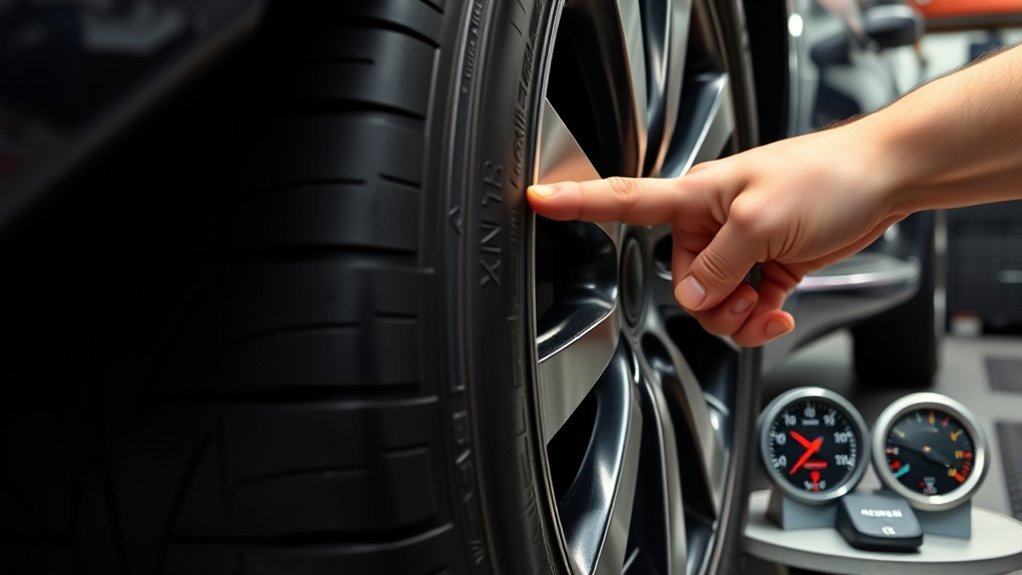
A tire marked 110T is showing two important service ratings, not just a random sidewall code. The number 110 is the tire’s load index, and the letter T is the tire’s speed rating. Together, they tell you how much weight the tire can support and the maximum sustained speed it is rated to handle under specified conditions.
Quick Answer
A 110T tire has a 110 load index, which means it can carry up to 2,337 pounds per tire when properly inflated. The T speed rating means the tire is rated up to 118 mph under specified test conditions. Replacement tires should meet or exceed the vehicle manufacturer’s required ratings.
Key Takeaways
- 110 is the tire load index, equal to 2,337 pounds or 1,060 kg per tire when properly inflated.
- T is the speed rating, equal to 118 mph or 190 km/h under specified conditions.
- A 110T tire rating is common on some SUVs, crossovers, minivans, and heavier passenger vehicles.
- Do not install a tire with a lower load index or lower speed rating unless your vehicle manual, tire professional, or winter-tire rules allow it.
- Always confirm the correct tire size and rating on the driver’s door placard or in the owner’s manual.
What Does 110T Mean on a Tire?
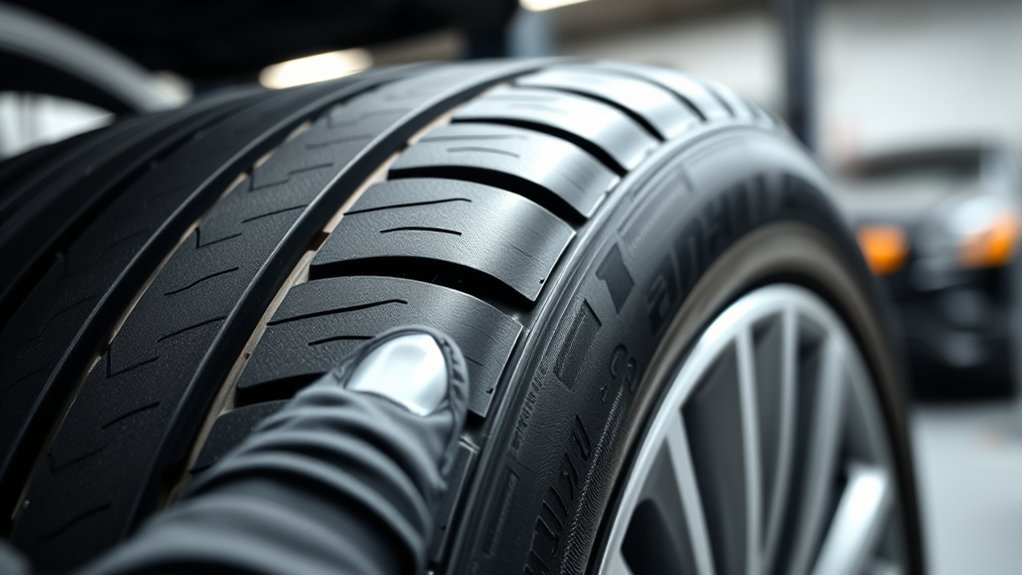
A tire marked 110T uses the tire industry’s service description system. The number tells you the load rating, and the letter tells you the speed rating. For this code, 110 means the tire can carry up to 2,337 pounds when properly inflated, while T means the tire is rated for speeds up to 118 mph under specified conditions.
These ratings matter because tires with the same size can still have different load and speed ratings. A tire may physically fit your wheel but still be the wrong choice if its service rating is lower than your vehicle requires.
| Part of Code | What It Means | 110T Value |
| 110 | Load index | 2,337 lb / 1,060 kg per tire |
| T | Speed rating | 118 mph / 190 km/h |
Warning: A tire’s speed rating is not permission to drive at that speed. Road conditions, laws, tire condition, vehicle load, tire pressure, and temperature all matter. Treat the rating as a tire capability limit, not a target.
What Does the 110 Load Index Mean?
A 110 load index means each tire can support up to 2,337 pounds when it is correctly inflated and used within its design limits. This is a per-tire rating, so four 110-rated tires have a combined tire capacity of up to 9,348 pounds. That does not mean your vehicle can safely carry that much weight.
Your actual safe load is still limited by your vehicle’s GVWR, axle ratings, suspension, wheels, tire pressure, and manufacturer specifications. Use the load index to confirm the tire is strong enough for the vehicle, then use the vehicle placard and owner’s manual to confirm what the vehicle itself is allowed to carry.
Load Index 110 Capacity
The corrected capacity for load index 110 is 2,337 pounds, not 2,403 pounds. The 2,403-pound capacity belongs to load index 111. That small difference matters when you are matching tires to a vehicle that was engineered around a specific load rating.
Load index numbers increase as tire capacity rises. For example, load index 100 supports 1,764 pounds, 110 supports 2,337 pounds, and 111 supports 2,403 pounds. Always compare the exact number on your current tire with the required number on the door placard or in the owner’s manual.
Vehicle Weight Match
When you match tires to your vehicle, do not look at the tire size alone. Check the full code, including the load index and speed rating. A tire marked 235/65R18 110T, for example, has a different service rating than a similar-size tire with 106T, 110H, or 111T.
If you choose a tire with a lower load index than required, the tire may run hotter, wear faster, handle poorly, or fail under load. If you choose a higher load index, the tire may be acceptable, but it does not increase the maximum weight your vehicle is allowed to carry.
Note: The pressure printed on the tire sidewall is usually a maximum tire pressure, not your vehicle’s recommended operating pressure. For normal use, follow the tire pressure listed on the driver’s door placard or in the owner’s manual.
What Does the T Speed Rating Mean?
The T speed rating means the tire is rated for up to 118 mph or 190 km/h under specified test conditions. Speed ratings are tied to heat control, structure, and stability while the tire is carrying its rated load.
T-rated tires are often used for everyday passenger vehicles, including some family sedans, minivans, crossovers, and SUVs. They are not track tires, and they are not meant to replace a higher-rated tire if your vehicle manufacturer requires H, V, W, or another rating.
When replacing tires, match or exceed the original speed rating unless your owner’s manual, tire manufacturer, or qualified tire professional says a different rating is acceptable. Some winter tires may carry a lower speed rating, but you must respect that lower maximum rating.
How Does 110T Compare With Other Tire Ratings?
A 110T tire sits in a practical middle ground: strong load capacity with a normal passenger-vehicle speed rating. It can carry more weight than a 100T tire, less than a 111T tire, and the same load as a 110H or 110V tire. The difference is the speed rating.
| Rating | Load Capacity Per Tire | Speed Rating | Best Use |
| 100T | 1,764 lb | 118 mph | Lighter vehicles that specify this rating |
| 110T | 2,337 lb | 118 mph | Vehicles that require 110T or equivalent |
| 111T | 2,403 lb | 118 mph | Slightly higher load requirement |
| 110H | 2,337 lb | 130 mph | Vehicles requiring the same load and higher speed rating |
| 110V | 2,337 lb | 149 mph | Performance-oriented vehicles that specify V or higher |
Load Index Comparison
The load index is about weight capacity, not speed. A tire marked 110T and a tire marked 110H carry the same load if they share the same load index. The difference is the speed rating letter.
Do not assume a tire is safer just because one part of the code is higher. A tire with the wrong size, wrong type, wrong load range, or wrong seasonal design can still be a poor fit even if one rating looks better.
Speed Rating Comparison
The speed rating letter shows the tire’s maximum rated speed under specified conditions. Common passenger ratings include S at 112 mph, T at 118 mph, H at 130 mph, and V at 149 mph.
A higher speed rating may come with different handling and heat-resistance characteristics, but it can also affect ride comfort, tread life, and cost. The best rating is the one that matches your vehicle’s original requirements and your driving conditions.
Where Can You Find 110T on the Sidewall?
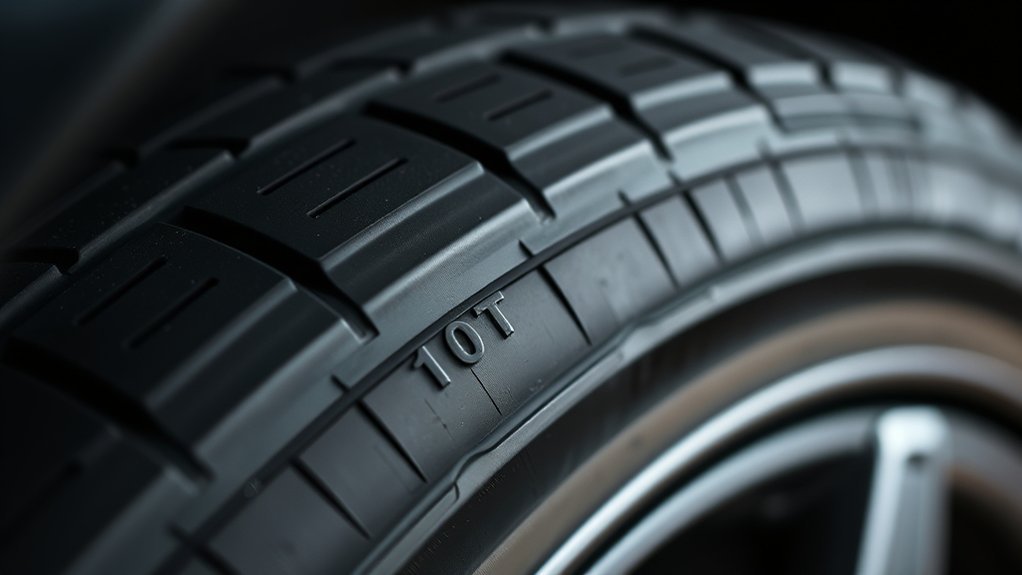
You can usually find 110T on the tire sidewall right after the tire size. A full sidewall code may look like this: 235/65R18 110T.
In that example, 235 is the tire width in millimeters, 65 is the aspect ratio, R means radial construction, 18 is the wheel diameter in inches, 110 is the load index, and T is the speed rating. Tire markings are molded into the sidewall and provide the tire’s key size, construction, load, speed, and regulatory information.
Can You Replace 110T Tires With a Different Rating?
You can usually replace 110T tires with a different rating only if the new tires still meet your vehicle’s required specifications. The safest rule is simple: match the original tire size, match or exceed the 110 load index, and match or exceed the T speed rating.
- Check the owner’s manual and the Tire and Loading Information Label on the driver’s door area.
- Confirm the exact tire size, such as 235/65R18.
- Choose a load index of 110 or higher unless the vehicle manufacturer specifies otherwise.
- Choose a speed rating of T or higher unless a valid winter-tire exception applies.
- Keep tire type and construction consistent across the axle, and ideally across all four tires.
Do not downgrade the load index to save money. A lower-rated tire may not have the capacity your vehicle needs for passengers, cargo, braking, cornering, and heat control.
Pro Tip: If the original tire is marked XL, HL, reinforced, or LT, match that marking too. Load index alone may not tell the whole story because construction and inflation requirements also matter.
[Products Worth Considering]

This manual duck head tire changer kit makes tire installation and removal simpler by letting you embed the duck head into the tire with applied pressure. The integrated design and durable steel construction help reduce friction and improve efficiency and safety during use. Suitable for 16–21 inch wheels, it’s convenient for cars, trucks, SUVs, and ATV tires, with 24-hour after-sales support.
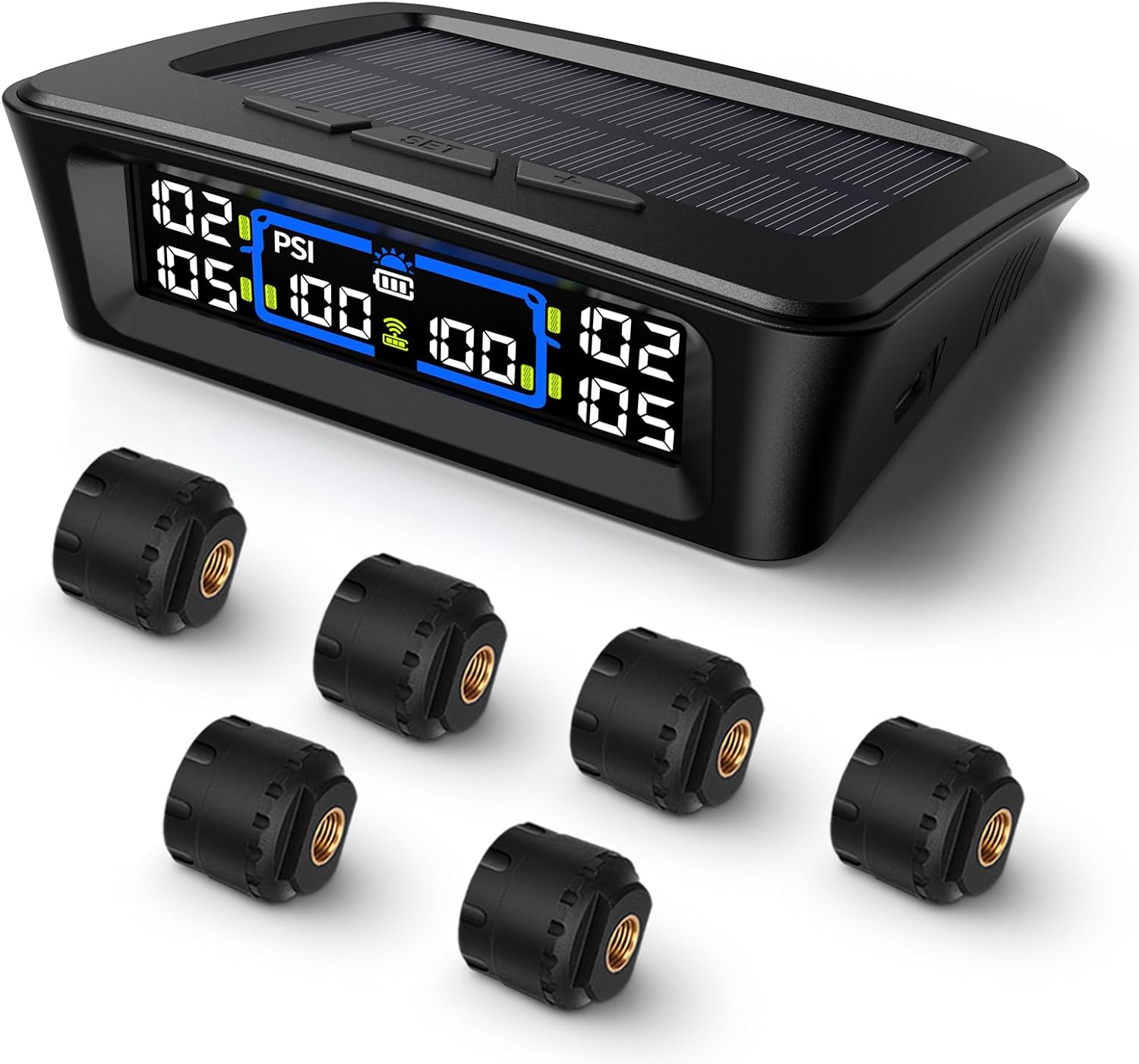
The Tymate TM12 RV TPMS delivers real-time tire pressure and temperature monitoring with a stable 433Hz display for safer long-distance driving. It supports simultaneous monitoring across vehicle and trailer zones, includes six alarm modes for pressure, temperature, leakage, battery, and signal loss, and features easy DIY installation with auto calibration. Power is supplied via USB-C charging or solar recharging, with a wide 0–144 PSI range and up to 50 ft signal coverage for RVs and towable trailers.

Protect tire valves from water, dust, and sand to help prevent leaks and support safe driving. These universal stem caps install quickly by hand and feature durable aluminum alloy construction with an inner sealing ring for better air retention. Compatible with cars, SUVs, trucks, motorcycles, and bicycles for everyday convenience.
How to Choose the Right Replacement Tire
To choose the right replacement tire, start with the information your vehicle manufacturer provides. The NHTSA TireWise guidance points drivers to the owner’s manual and the Tire and Loading Information Label for correct tire size and inflation pressure.
Use this checklist before buying:
- Size: Match the full tire size listed on the placard or manual.
- Load index: Match or exceed the required load index.
- Speed rating: Match or exceed the required speed rating unless a valid exception applies.
- Load type: Match SL, XL, HL, reinforced, LT, or other construction markings where required.
- Season: Choose all-season, summer, winter, or all-terrain tires based on climate and vehicle needs.
- Axle matching: Avoid mixing different ratings, sizes, or tread designs on the same axle.
- Professional review: Ask a tire professional if you are changing size, load range, or speed rating.
Buying a tire with a higher load rating can be acceptable, but it does not raise your vehicle’s legal or engineered weight limit. Your vehicle’s GVWR and axle ratings still control how much weight the vehicle can safely carry.
[Products Worth Considering]

This professional wheel and rim cleaning brush set lifts brake dust, grime, and dirt with soft, scratch-free microfiber and synthetic wool fibers. The rim brush bends up to 360 degrees for easy access to hard-to-reach areas around spokes, lips, and faces. Ideal for thorough cleaning of car, truck, motorcycle, bicycle, RV, and more wheel and tire surfaces.

Monitor tire tread wear with a smart, color-coded depth gauge that shows clear condition ranges at a glance. The bar is range marked for fast, easy readings, helping you maintain safer traction and performance. Each gauge is portable with a pocket clip, and the set includes 20 units for daily use and sharing.

This metal-free wheel and tire cleaning brush uses dense, fluffy synthetic wool to safely clean rims, spokes, fenders, and engine areas without worrying about damaging surfaces. Its flexible, comfortable design helps you reach detailed areas while maintaining durability, and the extra absorbent fibers work well with wheel spray cleaners for faster cleanup. Reusable and washable performance helps prevent grime and build-up for cleaner vehicles and easier maintenance at home.
How to Match Load and Speed Ratings Safely
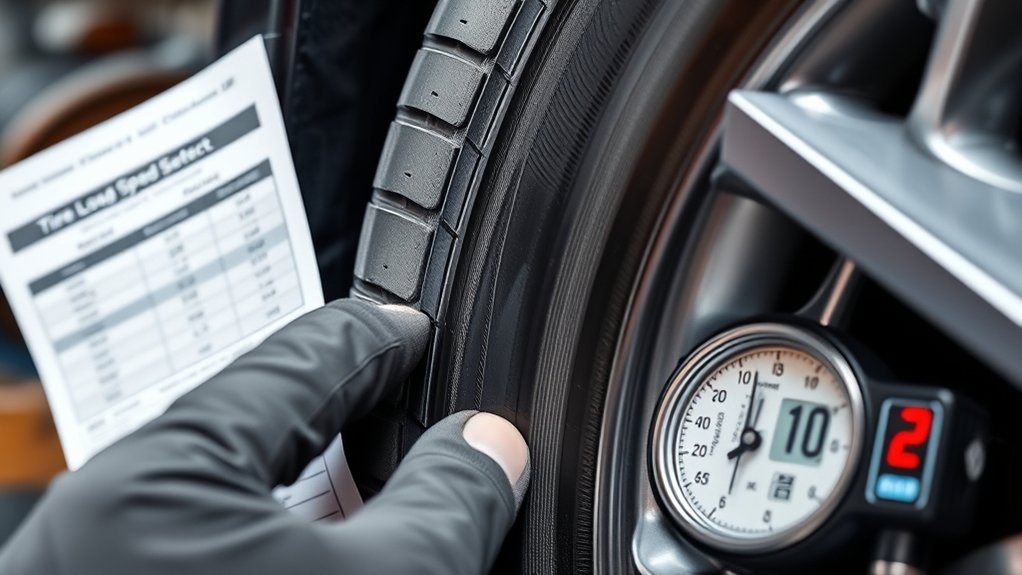
Matching load and speed ratings starts with the full tire code, not just the wheel size. A tire can fit the rim and still be wrong for the vehicle if the service description is too low.
Match the full tire code, not just the size. Load index and speed rating help protect handling, braking, heat control, and tire durability.
- Find the factory tire size and ratings on the door placard or in the owner’s manual.
- Compare the full code on your current tires with the required code.
- Choose replacement tires that meet or exceed the required load index and speed rating.
- Set tire pressure to the vehicle placard pressure when the tires are cold.
- Recheck tire pressure monthly and before long trips or heavy loads.
When you choose tires that match both ratings, you keep the vehicle closer to the way it was designed to drive. You also reduce the chance of heat buildup, uneven wear, poor handling, and tire failure.
[Products Worth Considering]

The Kurgo Seasonal Tire Tote helps protect your car interior, clothes, and garage from tire grime, brake dust, and residue during seasonal tire changes. Its universal design fits most passenger tires between 22" and 31" in diameter, making storage and transport simpler with less mess. Built for rugged, repeated use, it’s machine washable for easy care and comes with a lifetime warranty.

Upgrade your vehicle’s style with sparkling rhinestone valve caps that add a unique luxury look. Built with an O-ring seal and rotating thread design, they help prevent air leakage while keeping dust and road grime out. The universal fit works on standard American tire valves for cars, trucks, SUVs, and motorcycles, and installs easily without special tools.

Clean wheels and rims with soft feathered bristles that safely remove dirt and road grime while helping restore original luster. The short non-slip handle makes it easy to scrub in tight wheel wells, and the brush is suitable for vehicles and hard-to-reach areas. It can also be soaked and rubbed to help restore bristles to their shape after use.
Common 110T Tire Mistakes to Avoid
- Confusing 110 with 111: Load index 110 is 2,337 pounds. Load index 111 is 2,403 pounds.
- Reading only the tire size: Size matters, but load index and speed rating matter too.
- Using sidewall max pressure as normal pressure: The vehicle placard pressure is the normal starting point for everyday driving.
- Assuming higher load rating increases payload: The vehicle’s GVWR and axle ratings still set the limit.
- Mixing ratings on the same axle: Different ratings and tread designs can affect handling and stability.
- Ignoring winter tire exceptions: Some winter tires may have a lower speed rating, but you must drive within that lower rating and follow local requirements.
Frequently Asked Questions
Which is better, T or H speed rating?
H is rated higher than T because H is rated up to 130 mph, while T is rated up to 118 mph. That does not make H automatically better for every vehicle. The best choice is the rating your vehicle manufacturer specifies. If your car came with H-rated tires, do not replace them with T-rated tires unless the manual or a tire professional says it is acceptable.
What is the difference between 110H and 110T tires?
110H and 110T have the same load index, so both can carry up to 2,337 pounds per tire when properly inflated. The difference is speed rating. A 110T tire is rated up to 118 mph, while a 110H tire is rated up to 130 mph under specified conditions.
Which speed rating is better, S or T?
T is higher than S. An S-rated tire is rated up to 112 mph, while a T-rated tire is rated up to 118 mph. Still, you should not choose based on the letter alone. Choose the rating listed by your vehicle manufacturer, and make sure the load index, size, and tire type also match.
Which is better, S or H speed rating?
H is the higher speed rating because it is rated up to 130 mph, while S is rated up to 112 mph. That may matter on vehicles designed for higher-speed stability and heat control. For safety, use the rating your vehicle calls for rather than choosing the highest letter available.
Is a 110T tire good for an SUV?
A 110T tire can be a good fit for an SUV only if the SUV manufacturer specifies that size, load index, and speed rating. Some SUVs need a higher load index, a higher speed rating, XL construction, LT tires, or a different tire size. Check the door placard and owner’s manual before buying.
Does 110T mean each tire can carry 2,403 pounds?
No. Load index 110 means each tire can carry up to 2,337 pounds when properly inflated. The 2,403-pound figure belongs to load index 111. If your vehicle requires 111, do not replace it with 110 unless a qualified tire professional confirms it is safe and allowed.
Conclusion
In short, 110T tells you the tire’s load and speed limits. The 110 load index means the tire can support up to 2,337 pounds per tire when properly inflated, and the T speed rating means it is rated up to 118 mph under specified conditions. When replacing tires, match the full tire size, load index, speed rating, and tire type listed by your vehicle manufacturer. If you are unsure, use the owner’s manual, the driver’s door placard, and a qualified tire professional before buying.
Sources
- Michelin: Understanding Tire Load Rating and Speed Rating — supports load rating, speed rating, service description, placard/manual guidance, and replacement rules.
- Michelin: Tire Markings Explained — supports where tire load and speed markings appear on the sidewall.
- NHTSA TireWise — supports tire placard, owner’s manual, tire pressure, tread, rotation, and replacement-size safety guidance.
- Tire Code Reference Table — supports the public load index and speed rating table values used for 110, 111, S, T, H, and V ratings.