
What Does 117T Mean on a Tire? Load, Speed & Rating Guide
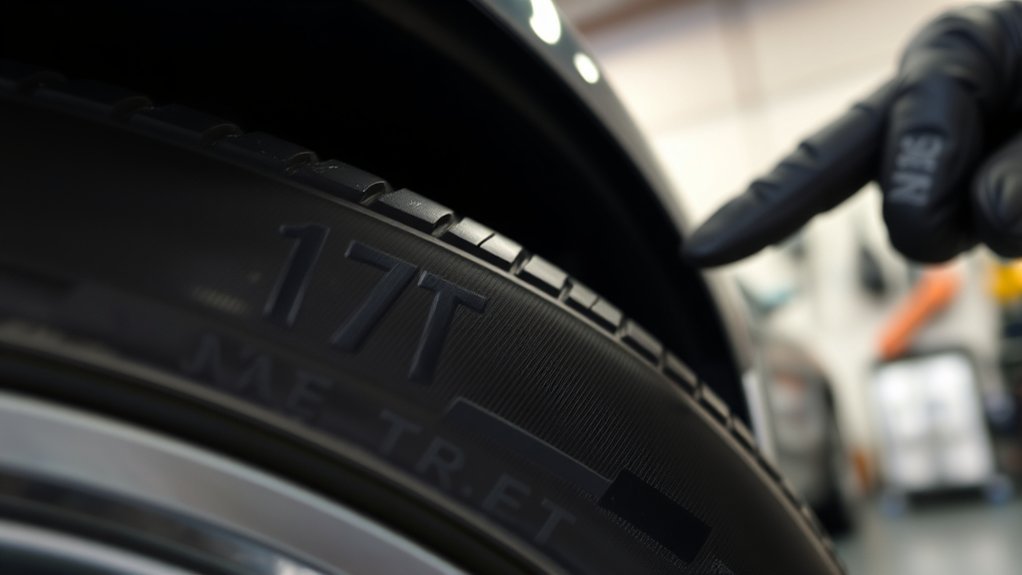
A 117T tire rating is a service description on the tire sidewall. The number 117 is the tire’s load index, and the letter T is the speed rating. In standard load-index charts, 117 equals 2,833 pounds (1,285 kg) per tire, while T means the tire is rated up to 118 mph (190 km/h) under specified conditions.
Quick Answer
A 117T tire can carry up to 2,833 pounds per tire when used correctly, and its T speed rating is 118 mph. Before buying replacements, match the full tire size, load index, speed rating, and load range shown in your owner’s manual or door-jamb tire placard.
Key Takeaways
- 117 is the load index, which equals 2,833 lb (1,285 kg) per tire in standard load-index charts.
- T is the speed rating, which means up to 118 mph (190 km/h) under specified test conditions.
- A speed rating is not a recommended driving speed. Always obey posted limits and adjust for road, weather, tire wear, and vehicle load.
- Check your Tire and Loading Information Label or owner’s manual before replacing tires.
- You can usually go higher in load or speed rating if the tire still fits correctly, but you should not go lower unless the vehicle maker or a qualified tire professional confirms it is safe.
What Does 117T Mean on a Tire?
When you see 117T on a tire, you are reading the tire’s service description. This service description usually appears near the tire size, such as 265/70R17 117T. The load index comes first, and the speed rating comes after it.
- 117 = load index of 2,833 lb (1,285 kg) per tire.
- T = speed rating of 118 mph (190 km/h).
The load index tells you how much weight one tire can carry when it is the correct tire for the vehicle and is inflated according to the proper load and inflation guidance. The speed rating tells you the tire’s tested speed capability under controlled conditions. These ratings work together, so do not judge a tire by size alone.
Warning: Do not replace a 117T tire with a tire that has a lower load index or lower speed rating unless your vehicle manufacturer or a qualified tire professional confirms the replacement is allowed. A lower rating can reduce load capacity, heat resistance, handling stability, and safety margin.
You will often find ratings like 117T on SUVs, crossovers, vans, pickups, and larger passenger vehicles that need more load capacity than a smaller passenger car tire. Still, the right rating depends on your exact vehicle, wheel size, trim, axle rating, and tire placard, not just the number on the old tire. If you are comparing tire choices for SUVs or crossovers, reliable wet and dry grip can also affect real-world control.
[Products Worth Considering]

Measure tyre tread depth precisely with a digital gauge that reads in both MM and inches, helping you monitor safe driving conditions. The large LCD screen is easy to operate, and the compact tool fits for cars, trucks, and motorcycles. It provides high accuracy with a 0-25.4mm range and includes a 1-year warranty for added peace of mind.

Milton S-921 pencil tire pressure gauge helps you maintain optimal tire pressure for passenger cars with accurate readings in PSI and kPa. It features a built-in deflator valve for convenient pressure adjustments, plus a single chuck head and nylon indicator bar for easy use on the go. Built from durable plated brass and designed for reliable performance, it’s a practical road trip and cold-weather maintenance tool.

Monitor tire tread wear with a smart, color-coded depth gauge that shows clear condition ranges at a glance. The bar is range marked for fast, easy readings, helping you maintain safer traction and performance. Each gauge is portable with a pocket clip, and the set includes 20 units for daily use and sharing.
What Load Can 117 Carry?
A load index of 117 means the tire is rated for 2,833 pounds (1,285 kg) per tire in standard load-index charts. On four matching tires, that adds up to a theoretical combined tire capacity of 11,332 pounds. That does not mean your vehicle can safely carry that much weight. Your vehicle’s GVWR, axle ratings, tire size, load range, inflation pressure, and placard instructions still control what is safe.
Load index 117 equals 2,833 lb per tire, but your vehicle’s door placard and owner’s manual decide the correct tire size and inflation pressure.
Here is how nearby load indexes compare:
| Load Index | Pounds Per Tire | Kilograms Per Tire |
|---|---|---|
| 113 | 2,535 lb | 1,150 kg |
| 114 | 2,601 lb | 1,180 kg |
| 115 | 2,679 lb | 1,215 kg |
| 116 | 2,756 lb | 1,250 kg |
| 117 | 2,833 lb | 1,285 kg |
| 118 | 2,910 lb | 1,320 kg |
To stay safe, your tires must meet or exceed the load requirements listed by your vehicle maker. You should also keep them inflated to the correct cold pressure. The National Highway Traffic Safety Administration explains that the correct pressure is found on the vehicle’s Tire and Loading Information Label or in the owner’s manual, not simply by copying the maximum pressure printed on the tire sidewall.
Load index is only one part of tire selection. Tire construction, tread design, traction grade, temperature rating, winter rating, and UTQG ratings can also affect durability and performance.
What Does T Speed Rating Mean?
A T speed rating means the tire is rated up to 118 mph (190 km/h) under specified test conditions. That rating is a tire capability limit, not a safe-speed recommendation. Real-world safe speed depends on traffic laws, tire condition, inflation, vehicle load, temperature, road surface, weather, and driver control.
In daily driving, T-rated tires are common on many passenger vehicles, crossovers, and light-duty applications because they can offer a practical balance of ride comfort, durability, and everyday speed capability. However, you should always match or exceed the speed rating required by the vehicle manufacturer.
| Rating | Meaning |
|---|---|
| T | Up to 118 mph (190 km/h) under specified conditions |
| Service description | The load index plus speed rating, such as 117T |
If your vehicle came with H-rated, V-rated, or another higher-speed tire, do not downgrade to T-rated tires just because the size fits. Speed rating can affect heat tolerance, handling feel, and manufacturer compliance. A tire professional can help you compare your options, but the vehicle placard and owner’s manual should come first. Proper tire selection matters for stability in different road conditions.
Where Is 117T on the Sidewall?
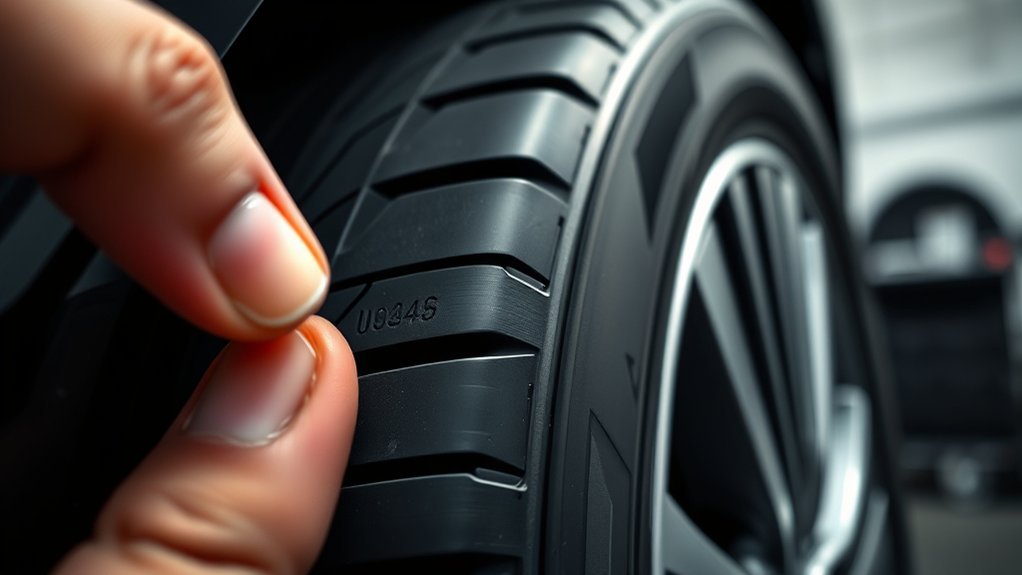
You will usually find 117T molded into the tire sidewall near the tire size. A full sidewall code may look something like this:
265/70R17 117T
- 265 is the tire width in millimeters.
- 70 is the aspect ratio.
- R means radial construction.
- 17 is the wheel diameter in inches.
- 117T is the load index and speed rating.
Read the whole sidewall code, not just the last three characters. Two tires can both say 117T but still differ in size, load range, tread pattern, winter rating, and intended use. You should also check whether the tire is marked P, LT, XL, Load Range E, or another construction/load marking.
Note: Some LT and ST tires show two load indexes, such as 121/118. The first number usually applies to single-wheel use, and the second applies to dual-wheel use. Do not treat the two numbers as interchangeable.
If you drive in changing weather, understanding the importance of all-season tires can also help you choose a tire that matches your climate and driving style.
Can You Use a Different Rating?
You can usually use a tire with a higher load index or higher speed rating if it still matches the correct tire size, wheel fitment, load range, and vehicle requirements. But a higher rating does not automatically mean better performance for your vehicle. It may change ride comfort, cost, availability, or handling feel.
You should not use a tire with a lower load index or lower speed rating unless your vehicle manufacturer or a qualified tire professional confirms it is acceptable. Lower-rated tires may not handle the vehicle’s weight, heat, and speed demands.
[Products Worth Considering]

Measure tire tread depth quickly and accurately with this LUMITECO dial gauge that reads in 1/32" increments up to 14/32". The color-coded green/yellow/red zones make it easy to judge tire wear and know when replacement is needed. A rugged, compact design with a protective pouch helps keep the gauge ready for use on cars, trucks, motorcycles, and more.
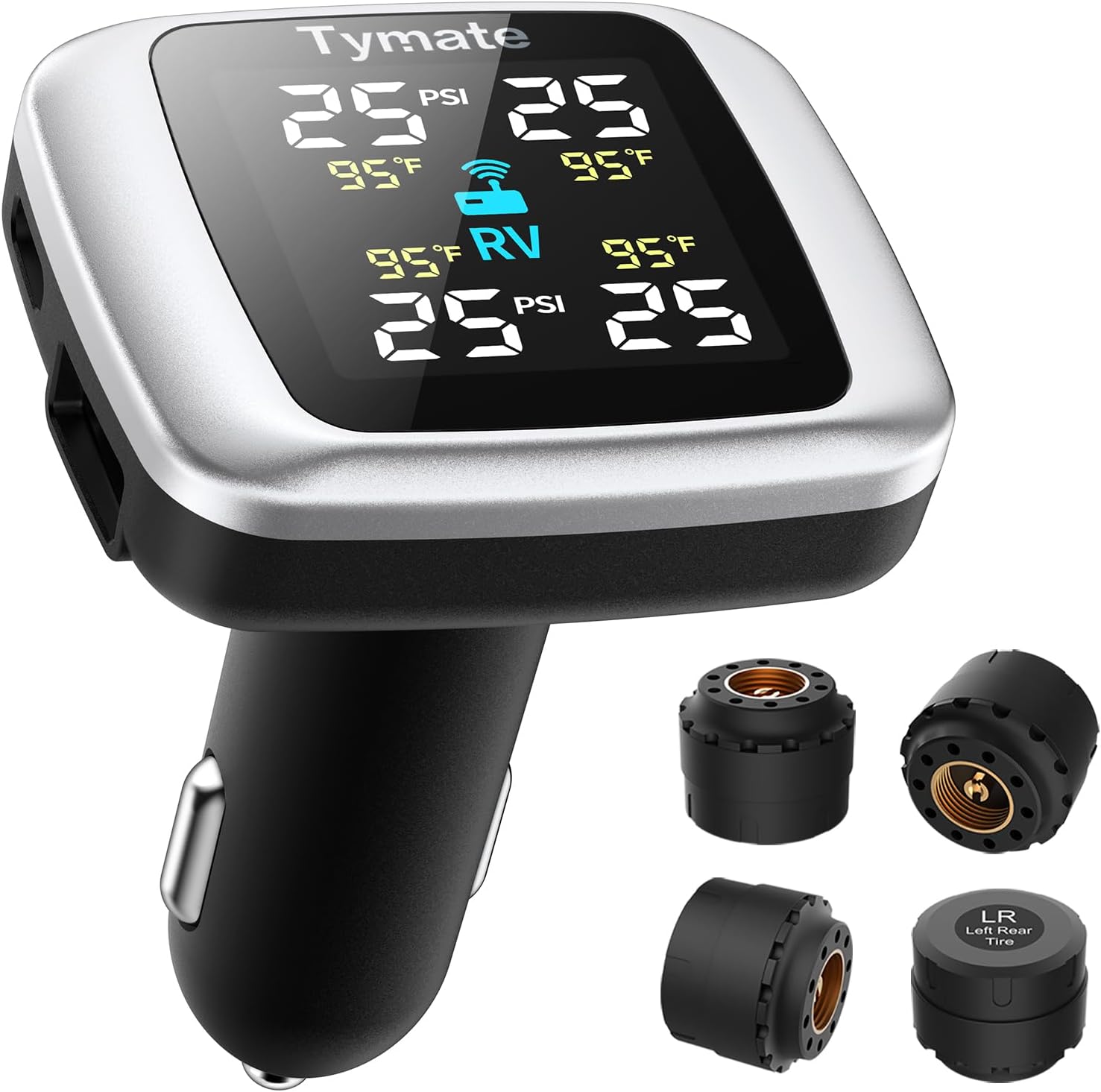
Tymate TM7 is a wireless tire pressure monitoring system that delivers real-time pressure and temperature readings for safer driving. It includes four external sensors, a bright color LCD display with adjustable backlight, and six alarm modes for high/low pressure, fast leakage, high temperature, and sensor signal or battery issues. The system covers a wide 0–144 PSI range and plugs into your vehicle’s cigarette lighter socket for quick DIY setup.

Secure your vehicle during transport with this 4-pack of heavy-duty tire tie down straps designed for trailers and hauling. The ratchet system with flat hooks and D-rings helps you tension the straps quickly, while the wheel-friendly design protects tires. With high break strength and corrosion-resistant hardware, these straps provide reliable, confidence-inspiring tie-down security for cars, trucks, and UTVs.
Higher Ratings Are Okay
Higher-rated tires are generally acceptable when they meet or exceed your vehicle manufacturer’s specifications. For example, if your vehicle calls for 117T, a tire with a load index above 117 or a speed rating above T may be acceptable if the tire is the correct size and type.
- Verify the tire size matches the door placard or approved alternate size.
- Confirm the load index meets or exceeds the original requirement.
- Confirm the speed rating meets or exceeds the original requirement.
- Check load range, XL/LT markings, wheel size, and clearance.
- Ask a tire professional if you are changing size, load range, or tire type.
A higher rating should be a fitment choice, not a guess. The goal is to keep your vehicle stable, predictable, and within the manufacturer’s intended safety range.
Lower Ratings Are Risky
Lower-rated tires are risky because the tire may not support your vehicle’s weight or heat demands, even if the size looks close. Overloading a tire can increase heat buildup, speed up wear, damage the sidewall, and raise the chance of tire failure.
Mixing tires with different load indexes or speed ratings can also create uneven handling. In an emergency stop or lane change, the vehicle may respond based on the weakest tire. Keep all four tires matched by size, type, load rating, and speed rating whenever possible.
Traction also matters. A tire that offers reliable traction in wet conditions can improve confidence, but it still needs the correct load and speed rating for the vehicle.
How Do You Match 117T to Your Vehicle?
To match a 117T tire to your vehicle, start with the Tire and Loading Information Label on the driver’s door edge or doorjamb. Then check the owner’s manual for approved tire sizes and ratings. The sidewall on your current tire is useful, but it should not be the only source if the vehicle has used replacement tires before.
Pro Tip: Take a photo of your door-jamb tire placard before shopping. Compare the placard to the full tire size on the sidewall, not just the 117T service description.
- Find the required tire size on the door placard or in the owner’s manual.
- Check the load index and make sure 117 meets or exceeds the requirement.
- Check the speed rating and make sure T meets or exceeds the requirement.
- Confirm the load range, especially if the tire is an LT tire or used for towing or hauling.
- Check wheel size and clearance before changing to a different tire size.
- Use the correct cold tire pressure listed by the vehicle maker.
- Replace in pairs or sets when needed to keep grip and handling balanced.
The 117T load index means each tire is rated for 2,833 pounds, and the T speed rating means up to 118 mph under specified conditions. Those numbers are only useful when the tire also matches the correct size, inflation pressure, and vehicle application. Broader tire selection criteria can also affect ride comfort, noise, tread life, and grip.
When Should You Replace Mismatched Tires?
You should replace mismatched tires as soon as the mismatch affects load index, speed rating, tire size, tread depth, tire type, or wear pattern. A tire with a lower load index may not support the vehicle properly. A tire with a lower speed rating may not meet the heat and speed requirements designed into the vehicle.
Replace mismatched tires sooner if you notice:
- One tire has a lower load index than the others.
- One tire has a lower speed rating than the vehicle requires.
- The front and rear tires are different sizes when the vehicle does not call for staggered sizing.
- One tire has much less tread than the others.
- The tires mix all-season, summer, winter, or all-terrain designs in a way the vehicle maker does not recommend.
- You see cracking, bulges, cuts, exposed cords, or repeated pressure loss.
Most vehicles handle best when all four tires match. If you only replace one tire, match its size, load index, speed rating, brand/model if possible, tread depth, and tire type to the remaining tires. On all-wheel-drive vehicles, even tread-depth differences can matter, so check the owner’s manual before replacing only one tire.
Winter driving can add another layer. Some winter tires may have a different speed rating, but that does not mean every downgrade is safe. Choose winter tires that meet your vehicle maker’s requirements and the conditions you drive in. The right winter tires can improve cold-weather grip, but they still need proper load capacity.
Frequently Asked Questions
Which speed rating is better, H or T?
H is the higher speed rating. A T-rated tire is rated up to 118 mph, while an H-rated tire is rated up to 130 mph. That does not automatically make H the better choice for every vehicle. Use the rating your vehicle manufacturer requires, and do not mix speed ratings unless a tire professional confirms it is safe.
What load range is 117T?
117T is not a Load Range letter. The 117 is a load index equal to 2,833 lb (1,285 kg) per tire, and T is the speed rating. Load Range is a separate marking, often seen on LT tires, such as Load Range C, D, or E.
What is the difference between 113T and 117T tires?
Both have the same T speed rating of 118 mph, but 117T carries more weight. A 113 load index is rated for 2,535 lb per tire, while a 117 load index is rated for 2,833 lb per tire. That is a difference of 298 lb per tire.
What is the difference between 115T and 116T tires?
Both share the same T speed rating, but 116T has the higher load index. A 115 load index is rated for 2,679 lb per tire, while a 116 load index is rated for 2,756 lb per tire. That is a difference of 77 lb per tire.
Can I use 117S instead of 117T?
Only if your vehicle manufacturer allows it. The load index would still be 117, but S is a lower speed rating than T. S is rated up to 112 mph, while T is rated up to 118 mph. If your vehicle specifies T or higher, do not downgrade to S without professional confirmation.
Does 117T mean the tire is safe for towing?
Not by itself. A 117 load index gives a per-tire load capacity, but towing also depends on your vehicle’s GVWR, GAWR, tongue weight, tire size, load range, inflation pressure, hitch setup, and trailer weight. Check your vehicle manual and tire placard before towing.
Conclusion
If you see 117T on a tire, remember the two parts: 117 is the load index, and T is the speed rating. The correct standard value for load index 117 is 2,833 lb (1,285 kg) per tire, while T means 118 mph (190 km/h) under specified conditions. For the safest replacement, match the full tire size, load index, speed rating, and load range listed on your vehicle’s door placard or in the owner’s manual.
Sources
- Tire Rack: What Is Load Index? — load index values, including 117 = 2,833 lb / 1,285 kg.
- Goodyear: Tire Speed Rating Chart — speed rating basics and tire speed-rating reference.
- Goodyear: Tire Load Index Chart — load-index explanation and tire load-rating reference.
- NHTSA TireWise — tire sizing, placard, inflation, tire maintenance, and safety guidance.
- 49 CFR § 575.104 — U.S. Uniform Tire Quality Grading consumer information requirements.
[Products Worth Considering]

Upgrade your wheels with MIKKUPPA closed-end lug nuts designed for reliable fit and corrosion resistance. The one-piece, cold-forged and heat-treated steel construction helps resist rust and stripping, while the integrated finish delivers a durable black appearance. Built to OEM standards with a conical 60-degree seat, these nuts provide a secure solution for compatible Ford, Honda, Jeep, and Chevrolet models.

These M14x1.5 closed-end chrome lug nuts are a one-piece replacement designed for secure fitment on compatible GM, Ford, and select Chrysler/Dodge models. Featuring a 60-degree conical seat and anti-rust chrome plating, they help resist corrosion and maintain a bright look for everyday driving. Built for long-term durability, they include OEM-style part references and are backed by 12 months of support.

Secure your trailer or RV tires with a scissor-style wheel chock stabilizer that applies opposing force to help prevent wheel shift. It fits tight wheel gaps from 3.5 inches up to 12 inches and works for travel trailers, campers, fifth wheels, toy haulers, and heavy-duty trucks. The surface uses new electrophoretic technology to help prevent rust for reliable travel use.

Related Articles
How Much Does Tire Retreading Cost?
Whether you’re pricing passenger or truck tires, tire retreading costs vary widely, and the real reasons behind the savings may surprise you.
Read More
Firestone Tire Installation Cost: Full Price Guide
Compare Firestone tire installation costs and discover what hidden fees could change your final bill.
Read More
Tire Rack vs Costco: Which Is Better for Tires?
Pick the better tire deal between Tire Rack and Costco before hidden differences change your choice.
Read More