
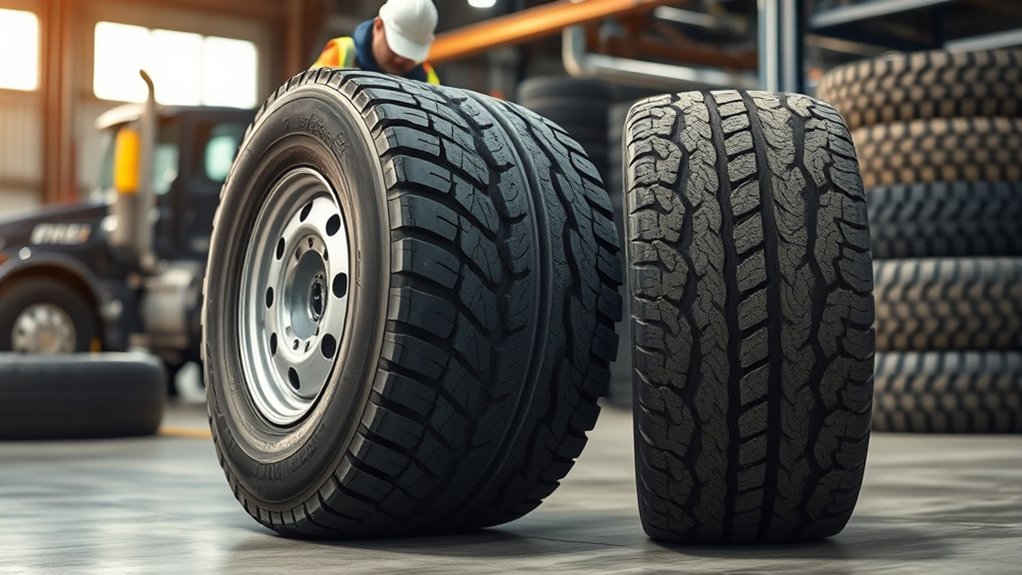
Tire retreading can cost much less than replacing a sound casing with a completely new tire, but there is no single national retreading price. Current U.S. examples for common commercial truck sizes run from roughly the mid-$100s into the mid-$200s per tire, while passenger-car retreading is much less common. Your real cost depends on the casing, tread design, tire size, repairs, retread method, and whether the quoted price includes a casing.
Quick Answer
Retreading does not have one national flat rate. Current U.S. examples for common commercial truck sizes range from roughly $140 to $260+ per tire, depending on tread, casing, and seller. Passenger-car retreading is much less common. Compare complete quotes because casing charges, repairs, mounting, balancing, shipping, and rejected casings can change the real cost.
Key Takeaways
- Commercial truck retreading commonly costs substantially less than buying a comparable new premium tire, but prices vary by casing, tread and service package.
- Current published U.S. commercial examples range from about $140 into the mid-$200s for several common truck-tire configurations; they are examples, not a national price guarantee.
- Passenger-car retreading is legal when applicable federal requirements are met, but it is much less common in the U.S. than commercial truck retreading.
- A cheap quote can become expensive if it excludes casing charges, repairs, freight, mounting, balancing or rejected-casing fees.
- A sound casing can sometimes be retreaded more than once, but every additional cycle depends on inspection, casing design, damage history and the retreader’s acceptance rules.
- Retreads can be suitable for highway use when properly manufactured, maintained and used in an approved application, subject to vehicle and axle restrictions.
How Much Does Tire Retreading Cost?
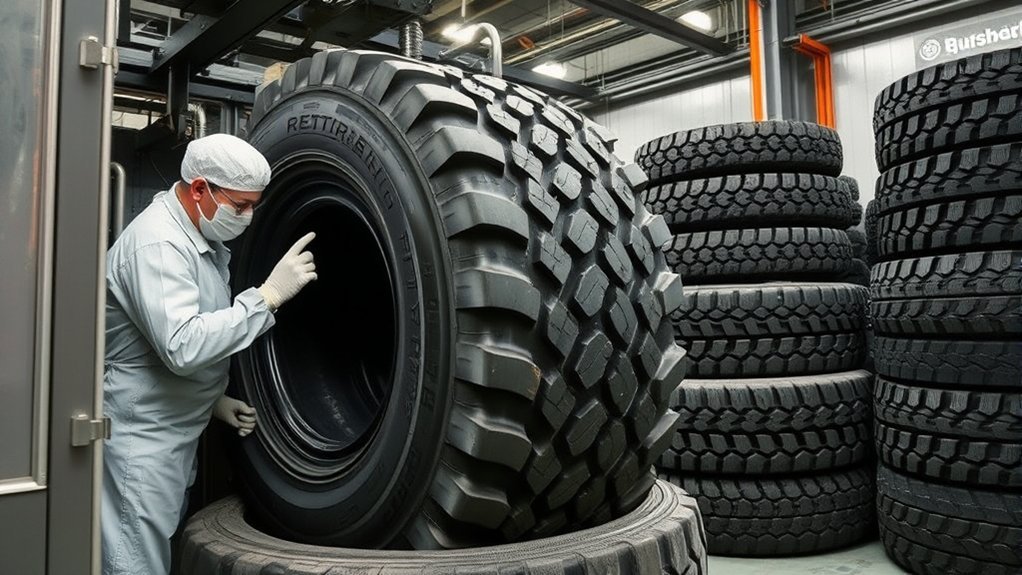
There is no reliable nationwide flat rate for tire retreading. Prices vary by tire class, tread, casing ownership, repairs, region, volume and whether you are paying for a retread service or buying a finished retread tire.
For commercial trucks, recent published examples show why a single $80-to-$150 estimate is too narrow. A 2025 government retread price book lists several common 295/75R22.5 retreads at roughly $140 to $155 under its contract pricing, while current commercial retail examples can reach $200 to $260 or more depending on tread and whether a casing is included.
Passenger-car retreading is different. It is now far less common in the United States than commercial truck retreading, so you may not find a local shop that retreads your specific passenger size. If you do, get an exact quote rather than relying on a national price estimate.
Note: A “retread price” may mean only applying new tread to your approved casing. Another price may include a replacement casing. Those are not the same product, so compare the complete invoice rather than the headline price.
Current Retread Cost Examples
| Tire / Service Type | What to Expect | Important Detail |
|---|---|---|
| Passenger car | Availability is limited; obtain a local quote | Passenger retreading is much less common than commercial retreading in the U.S. |
| Light truck / van | Often roughly $75 to $160+ in current retail examples | Size, tread style and casing matching can change the price substantially |
| Common commercial truck retread | Roughly $140 to $260+ in current published examples | Government fleet pricing can be lower than normal retail pricing |
| Wide-base, severe-service or specialty | Usually quote-based and potentially much higher | Tread volume, casing value and repair requirements increase cost |
| OTR, mining, agricultural or aviation | Specialized quote required | These casings and processes should not be compared with ordinary highway-tire pricing |
These ranges are best used for budgeting, not as guaranteed shop rates. Volume contracts, specialty tread compounds, casing credits and local labor can move the final price in either direction.
The cheapest retread is not necessarily the lowest-cost tire. Compare the complete cost per usable mile, including casing losses, repairs and downtime.
What Your Retread Quote May Include
Before comparing two shops, find out what each price actually covers. A low advertised price may be for the tread application only, while another quote may include inspection, minor repairs or a replacement casing.
- Casing: You may supply your own casing, receive a casing credit, pay a core charge or buy a completed retread that already includes a casing.
- Initial inspection: The shop checks whether the casing is suitable for processing.
- Repairs: Nail-hole repairs, section repairs and other approved work may be billed separately.
- Retread application: The new tread and curing process normally make up the central retreading charge.
- Mounting and balancing: These may not be included in the retread price.
- Freight or pickup: Shipping casings to and from a retread plant can matter for small accounts.
- Rejected casing: If inspection finds structural damage, you may need another casing or a new tire.
- Taxes and disposal fees: Local charges vary.
Pro Tip: Ask for the price in three parts: retread service, casing or core charge, and all installation/repair fees. That makes competing quotes much easier to compare.
What Is Tire Retreading?
Retreading renews a worn tire by keeping a usable casing and applying a new tread. The casing is the structural body of the tire beneath the tread. If that structure passes inspection, much of the original tire can remain in service rather than being discarded.
A professional retread process normally includes casing inspection, removal of the worn tread, preparation and repair of acceptable damage, application of new tread material, curing and a final inspection.
Retreading is especially common in commercial trucking because truck casings are valuable and are commonly designed with future retreading in mind. Passenger-car retreading still exists, but it is far less common in the U.S.
The U.S. Environmental Protection Agency continues to recognize retread tires in its recovered-material procurement guidance because keeping a qualified casing in service reduces demand for new tire materials and keeps usable casings from being discarded prematurely.
How the Retreading Process Works
Retreading is an industrial process and should not be treated as a home tire-repair project. Equipment, inspection standards, controlled curing and trained technicians are necessary.
- Initial inspection: The casing is checked for separations, exposed cords, bead damage, impact damage, excessive repairs and other conditions that can make it unsuitable.
- Buffing: The remaining worn tread is removed to create the proper profile for the replacement tread.
- Repair: Acceptable injuries are repaired according to the retreader’s process and limits.
- Building: New tread rubber or a preformed tread is applied to the prepared casing.
- Curing: Heat and pressure bond the new tread system to the casing.
- Final inspection: The finished tire is checked before it is released for service.
Pre-Cure Retreading
Pre-cure, sometimes called cold-process retreading, uses tread rubber that has already been formed with its tread pattern. The prepared casing, bonding material and tread are assembled and cured together in controlled equipment.
This method is common in commercial applications because one plant can offer several tread patterns without requiring a separate full-size tread mold for every finished tire design.
Mold-Cure Retreading
Mold-cure, sometimes called hot-process retreading, applies uncured tread rubber to the prepared casing. The tread pattern is then formed while the tire cures in a mold.
The EPA currently recognizes both mold-cure and pre-cure retread technologies. Neither process should automatically be considered better for every tire. The right choice depends on the casing, tread design, application, equipment and retreader.
Key Factors That Change Retreading Price
Your final retreading price is affected by more than tire diameter. Casing condition, repairs, tread choice, application and the commercial arrangement with the retreader all matter.
Tire Condition
Casing condition is one of the biggest cost and acceptance factors. A casing with even wear, proper maintenance history and no major structural damage is easier to process than one with impact damage, exposed cords, bead problems or severe irregular wear.
Inspection can produce three basic outcomes:
- The casing is accepted without significant repair.
- The casing is accepted but requires approved repair work.
- The casing is rejected and cannot be retreaded by that facility.
A rejected casing can change the economics quickly because you may need to buy another casing or a complete replacement tire.
Warning: Do not try to save a damaged casing simply because retreading is cheaper. A casing with disqualifying structural damage should be rejected. Tire safety takes priority over recovering the remaining casing value.
Tire Size
Larger tires normally require more tread material and handling than smaller tires. Wide-base and deep-tread commercial tires can therefore cost more than standard highway sizes.
Mixed-size fleets may see significantly different prices for each tire family. Ask for quotes using the exact size, load range, tread depth and axle application rather than requesting one generic “truck retread” price.
Retread Method
Pre-cure and mold-cure systems use different equipment and production steps, so shop economics can differ. However, method alone does not tell you which retread will be cheaper or last longer.
What matters more to the buyer is whether the retreader can supply the correct tread for your route, axle position, load and traction requirements while keeping casing rejection and downtime under control.
Tread Pattern and Depth
A deep drive tread, low-rolling-resistance highway tread and trailer tread serve different jobs. More rubber, specialized compounds or severe-service designs can raise the price.
Do not choose the deepest available tread automatically. An excessively aggressive tread can add cost and rolling resistance without adding value if your vehicle spends nearly all of its time on smooth highways.
Volume and Turnaround
Large fleets often negotiate pricing that a one-time customer cannot match. Pickup schedules, casing tracking, predictable monthly volume and standardized tread specifications can all affect the final rate.
Retreading Costs by Tire Type
Commercial truck tires make up one of the strongest retread markets because their casings are expensive and can have meaningful value after the original tread wears down.
Light-truck, van and specialty retreads are also available, although prices vary widely. Passenger-car retreads are harder to find because the economics are less attractive when inexpensive new passenger tires are readily available.
Off-the-road, construction, agricultural, mining and aviation tires should not be compared with ordinary highway retread prices. Their casings, repair procedures, tread mass and inspection requirements can be very different, so specialized quotes are necessary.
[Products Worth Considering]

ETENWOLF T300 is a calibrated digital tire pressure gauge for accurate readings from 3 to 200 PSI across light and heavy-duty vehicles. It includes thermal compensation for reliable performance in extreme cold or heat, with an auto shut-off to extend battery life and an LED for easier reading. The sturdy design supports rugged everyday use, making it ideal for pickups, RVs, and industrial applications.

A concentrated tire and tube mounting compound designed to help simplify mounting rubber tires and tubes on passenger, semi truck, construction, and OTR applications. Its ultra-thick formula packs beads effectively and includes rust inhibitors to help protect against corrosion during use.

Monitor tire tread wear with a smart, color-coded depth gauge that shows clear condition ranges at a glance. The bar is range marked for fast, easy readings, helping you maintain safer traction and performance. Each gauge is portable with a pocket clip, and the set includes 20 units for daily use and sharing.
Are Retreaded Tires Legal and Safe?
Yes, retreaded tires can be legal and suitable for highway use when they meet the rules that apply to the tire and vehicle and are used within their approved load, pressure and application limits.
For passenger cars, Federal Motor Vehicle Safety Standard No. 117 establishes performance, casing, labeling and certification requirements for retreaded pneumatic passenger-car tires.
Commercial truck retreads do not have an equivalent dedicated federal retread safety standard, but other federal tire identification and vehicle-operation requirements still apply.
For commercial motor vehicles, 49 CFR §393.75 sets several important tire rules. Among them:
- Front tires on a bus, truck or truck tractor generally need at least 4/32 inch of tread in major grooves.
- Other covered tire positions generally require at least 2/32 inch.
- A bus may not operate with regrooved, recapped or retreaded tires on its front wheels.
- Tires cannot be operated with exposed belt or ply material, tread or sidewall separation, an audible leak, or certain severe cuts.
That bus restriction is often misunderstood. Federal rules do not create a blanket ban on retreaded tires on every truck steer axle. FMCSA’s retread guidance specifically notes the front-wheel prohibition for buses.
Note: A fleet, tire manufacturer, insurer, state rule or company policy may be more restrictive than the federal minimum. Always confirm the tire is approved for the intended axle and service.
New Tires vs. Retreaded Tires
The biggest advantage of a retread is that you reuse a casing rather than buying the entire tire again. That can lower acquisition cost and improve cost per mile when the casing is worth saving.
| Factor | New Tire | Retread |
|---|---|---|
| Initial price | Usually higher | Often lower when a usable casing is available |
| Casing | New casing included | Existing or replacement casing must pass inspection |
| Availability | Very broad | Excellent for many commercial sizes; limited for many passenger sizes |
| Service life | Depends on tread and application | Depends on tread, casing, application and maintenance |
| Material use | Requires a complete new tire | Reuses an acceptable existing casing |
[Products Worth Considering]

The SAFELIFE dial tire tread depth gauge measures tread depth in 1/32 inch increments with clear, easy-to-read 2-inch dial face. Color zones using a traffic light system help you quickly judge whether tread is low, marginal, or ample for safer driving. Built with a durable zinc cast body and a metal detect probe for precise, comfortable use across cars, motorcycles, trucks, and buses.

Accurately measure tire tread depth with a calibrated gauge marked from 0 to 1 inch in 1/32 inch increments. The color-coded bar helps you quickly identify tread condition ranges, supporting safe driving for trucks, motorcycles, automobiles, and passenger vehicles.

The 22800 wheel stud installer makes replacing wheel studs quick and secure, saving time and effort during tire service. It uses a ratchet or impact wrench to pull new studs firmly into place, helping when existing studs are too long. Compatible with most automotive wheels and light-duty truck wheel studs, it’s designed for easy, tool-assisted installation.
Upfront Price Differences
Retreads are widely used because they can cost substantially less than comparable new commercial tires. Industry and federal analyses commonly describe savings in the range of roughly one-third to one-half of a comparable new tire, although the exact percentage is not guaranteed for every size or brand.
Compare:
- The complete new-tire price.
- The retread service and tread price.
- Any casing or core charge.
- Repairs and inspection charges.
- Mounting, balancing and freight.
- Warranty terms and casing credits.
A retread with a costly replacement casing and extensive repairs may provide less savings than a simple cap on a fleet-owned casing.
Mileage and Lifespan
There is no dependable universal statement that a retread lasts 25,000, 50,000 or any other fixed number of miles. Mileage varies too much by tread compound, tread depth, axle position, route, speed, load, alignment, inflation, road surface and maintenance.
A quality retread on a healthy commercial casing can provide substantial service life. The better comparison is the mileage achieved by that specific tread in the same duty cycle.
Track cost per mile with this simple calculation:
Total installed tire cost ÷ usable miles = tire cost per mile.
Include casing losses and repair costs if you manage a fleet. A retread program with low acquisition prices can still perform poorly if damaged casings are routinely rejected or tires are removed early because of irregular wear.
Best Use Cases
Retreads are especially attractive when you have high-value, retreadable commercial casings and can control tire maintenance closely. Drive and trailer applications are common examples, but the correct axle position always depends on tire design, regulations and fleet policy.
New tires may make more sense when:
- No acceptable casing is available.
- Your preferred retread tread or size is unavailable.
- Repeated casing damage is destroying the economics.
- A vehicle, axle, manufacturer or fleet policy calls for a new tire.
- Downtime or logistics make the retread program impractical.
How Many Times Can a Tire Be Retreaded?
There is no universal maximum such as “one to three retreads” for every tire. The casing must qualify each time.
A federal EPA/NHTSA heavy-duty analysis noted that line-haul truck casings may be retreaded two or three times, while some medium-duty urban tires can be retreaded five or more times when the casing remains suitable. Those figures describe examples of commercial practice, not permission to retread every casing that many times.
Retreadability depends on:
- casing construction and manufacturer guidance;
- age and service history;
- heat and underinflation exposure;
- impact or road-hazard damage;
- previous repairs;
- bead and sidewall condition;
- irregular wear; and
- the retreader’s acceptance standards.
Each inspection starts over. A tire that qualified for its first retread may be rejected before the next one.
Does Retreading Affect Fuel Economy?
Retreading by itself does not guarantee better or worse fuel economy. Rolling resistance depends on the tread compound and design, casing, pressure, load, axle position and operating conditions.
The EPA SmartWay program verifies certain low-rolling-resistance new tires and retread technologies. EPA reports that qualifying combinations can reduce fuel consumption and emissions by 3% or more in long-haul Class 8 tractor-trailer use when the specified low-rolling-resistance technologies are used correctly and tires remain properly inflated.
That does not mean every retread provides a 3% benefit. If fuel cost matters to your fleet, choose a tread specifically designed and verified for your operating position rather than assuming all retreads have the same rolling resistance.
When Tire Retreading Is Worth It
Retreading is worth considering when a good casing remains, the required tread is available, and the total cost per mile is lower than your practical new-tire alternative.
It often works well for fleets with predictable maintenance, high annual mileage, regular pressure checks, alignment control and enough casing volume to negotiate consistent retread service.
Retreading may make less financial sense when casing rejection is high, tire damage is frequent, the correct tread is difficult to source or the total installed cost approaches the price of a suitable new tire.
Use this comparison:
Retread cost + casing cost + repairs + installation + expected casing losses
versus
New tire cost + installation − expected future casing value.
Then compare both options by expected cost per mile.
Where to Get Tires Retreaded
You can obtain retreading through commercial tire dealers, dedicated retread plants, fleet service networks and tire dealers that send casings to partner plants.
When comparing providers, ask:
- Which tire sizes and casing brands do you accept?
- What damage causes an automatic casing rejection?
- Is the quote cap-only or does it include a casing?
- Are normal repairs included?
- Which tread patterns are available for my axle and duty cycle?
- Do you use pre-cure, mold-cure or both?
- What is the turnaround time?
- How are casings identified and tracked?
- What warranty applies to the tread and casing?
- What happens financially if my casing is rejected?
A good provider should be able to explain its inspection, repair, tracking and rejection process clearly rather than quoting only a price.
[Products Worth Considering]

Keep your tires properly inflated with this analog VONDIOR tire pressure gauge, designed for fast, easy readings without batteries. The swiveling, two-axis hose and large glow dial help you measure at any tire angle with instant visibility. Built with a protective rubber shield, it supports durable, low-maintenance use for cars and trucks.

Measure tire tread depth quickly and accurately with this LUMITECO dial gauge that reads in 1/32" increments up to 14/32". The color-coded green/yellow/red zones make it easy to judge tire wear and know when replacement is needed. A rugged, compact design with a protective pouch helps keep the gauge ready for use on cars, trucks, motorcycles, and more.
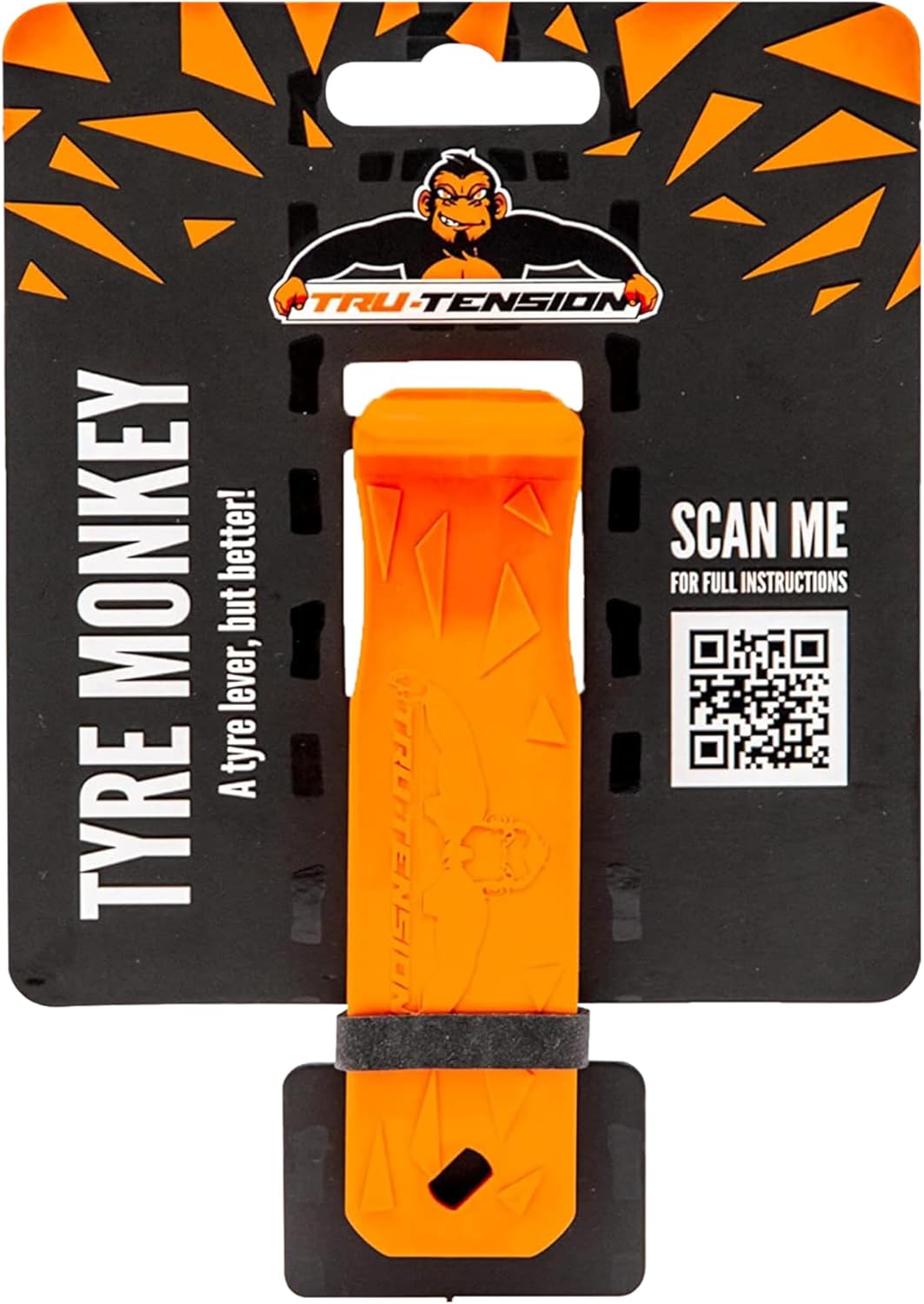
The Tru-Tension Tyre Monkey is a revolutionary bicycle tyre lever that makes removing and fitting tires fast and easy. Its innovative geometry helps keep your hand at a 90-degree angle to the wheel to reduce the risk of hitting spokes, and the design is optimized to use only one tool instead of multiple conventional levers. Compact and durable, it’s built for convenient carry and reliable tire changes on the go.
How to Save on Retreading Costs
The most effective way to lower retread cost is to protect the casing before the tire reaches the retread plant. A cheap tread price does little good if poor inflation, alignment or impacts destroy valuable casings.
| Cost Lever | Why It Matters | Action |
|---|---|---|
| Inflation control | Helps protect the casing and tread from damaging heat and irregular wear | Check pressure using the correct load/inflation specifications |
| Alignment | Reduces shoulder and irregular wear | Correct alignment problems before they ruin casings |
| Casing selection | Rejected casings increase total cost | Track casing failures and remove problem casing families from the program |
| Tread match | The wrong tread can increase wear or fuel cost | Match the tread to route, axle and traction needs |
| Removal timing | Running a casing too far can reduce retreadability | Use fleet removal targets that protect casing value while meeting all legal requirements |
| Volume purchasing | Predictable volume can improve pricing and logistics | Standardize common tread specifications and negotiate total program cost |
For commercial fleets, also track casing rejection percentage, repair cost, tread cost, miles to removal and cost per mile. Those numbers will tell you much more than comparing the retread invoice alone.
Frequently Asked Questions
How long does a retreaded tire typically last?
There is no reliable universal mileage figure. Tread design, casing condition, axle position, load, inflation, alignment, road surface, speed and duty cycle all affect life. For a useful comparison, track the mileage and cost per mile of the exact retread in the same application.
Is tire retreading safe for highway driving?
A properly manufactured retread on an acceptable casing can be suitable for highway use when it is approved for that application and maintained correctly. Federal and other applicable axle, tire-condition, load, pressure and vehicle rules still apply. Buses, for example, cannot use retreaded tires on their front wheels under federal commercial-vehicle rules.
Can all tire brands be retreaded?
No. Retreadability depends on casing construction, condition, age, damage, prior repairs and the retreader’s acceptance criteria. A brand or casing that is commonly retreaded can still be rejected if that individual tire fails inspection.
How many times can a tire be retreaded?
There is no universal number. Some heavy line-haul truck casings may receive two or three retreads, while certain medium-duty urban casings can sometimes qualify for more. Every cycle requires another inspection, and casing condition determines whether another retread is acceptable.
Does retreading affect fuel economy?
It can, but the retreading process alone does not determine fuel economy. Tread compound, tread design, casing, inflation, load and axle position affect rolling resistance. EPA SmartWay verifies specific low-rolling-resistance retread technologies for commercial applications.
Are passenger-car retreaded tires legal in the United States?
Yes, passenger-car retreads can be sold when they meet applicable requirements. Federal Motor Vehicle Safety Standard No. 117 establishes safety, casing, labeling and certification requirements for retreaded pneumatic passenger-car tires.
Why can the final retreading price change after inspection?
The shop may not know the full casing condition until it is inspected and buffed. Approved repairs can add cost, while serious damage may cause the casing to be rejected entirely. Ask in advance how repairs and rejected casings are billed.
What is a casing or core charge on a retread?
A casing or core charge covers the reusable tire body needed for retreading. If you provide an acceptable casing, the pricing may be lower or you may receive a casing credit. If your casing is rejected or you buy a complete retread tire, you may need to pay for another casing.
Conclusion
Tire retreading can lower replacement cost and extend the useful life of a sound casing, especially in commercial fleets. Instead of relying on an old flat-rate estimate, compare the complete price: tread, casing, repairs, freight, mounting and any rejected-casing cost.
The best retread program also protects casing quality through correct inflation, alignment, load control and timely tire removal. When the casing passes inspection and the tread matches the job, a retread can provide strong value. When casing damage, poor availability or total installed cost removes that advantage, a new tire can be the better choice.
Sources
- U.S. Environmental Protection Agency — Comprehensive Procurement Guidelines for Vehicular Products — current federal guidance on retread use, resource conservation and procurement.
- U.S. EPA SmartWay — Low Rolling Resistance New and Retread Tire Technologies — mold-cure/pre-cure categories and verified low-rolling-resistance retread guidance.
- 49 CFR §571.117 — FMVSS No. 117 — federal requirements for retreaded pneumatic passenger-car tires.
- 49 CFR §393.75 — Tires — commercial tire condition, tread-depth and bus front-wheel requirements.
- Federal Motor Carrier Safety Administration — Retreaded Tire Guidance — federal clarification on commercial-vehicle retread use.
- West Virginia State Tire Contract — 2025 Retread Price Book — current public-contract commercial retread pricing examples.
