
How Much Does a Semi Tire Weigh? Exact Weight Guide
Last updated: July 7, 2026
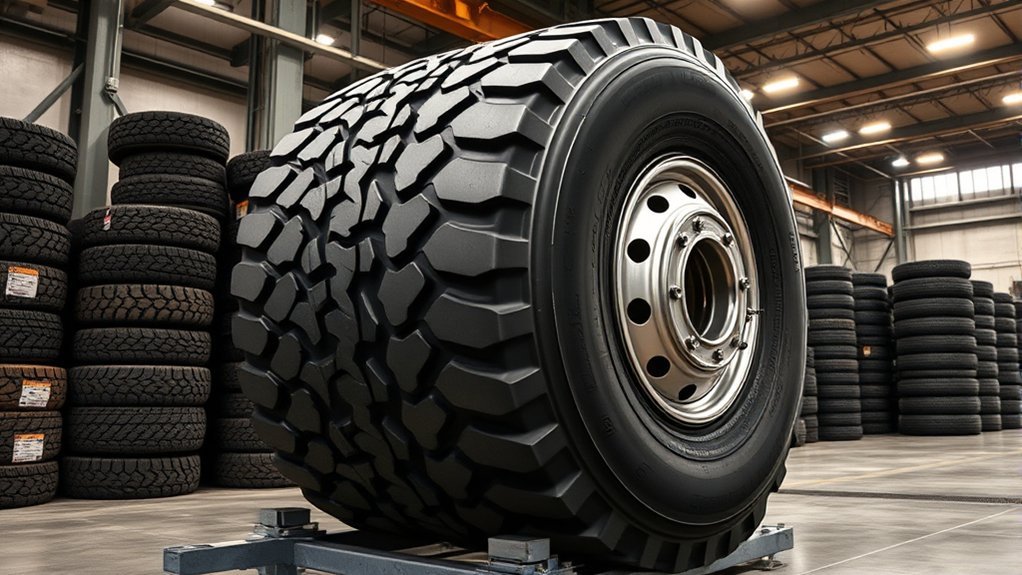
A semi tire usually weighs about 100 to 125 pounds without the wheel, but that number is only a planning range. Many common 22.5-inch truck tires land near the 110- to 120-pound range, while deep-tread drive tires, wide-base singles, retreads, and severe-service tires can weigh more. Once you add a wheel, a mounted tire-and-wheel assembly often weighs roughly 155 to 205 pounds or more, depending heavily on whether the wheel is forged aluminum or steel.
Quick Answer
A typical semi tire weighs about 100 to 125 pounds without the wheel. A common 22.5-inch mounted assembly usually weighs about 155 to 205 pounds, but heavy-duty tires, wide-base tires, deeper tread designs, and steel wheels can push the total higher.
Key Takeaways
- Most common semi tires weigh about 100 to 125 pounds without the wheel.
- A mounted tire-and-wheel assembly often weighs about 155 to 205 pounds, depending on tire size and wheel material.
- Steel wheels are much heavier than forged aluminum wheels, so wheel choice can change assembly weight by dozens of pounds.
- Tire weight affects payload planning, wheel-end handling, maintenance effort, and legal weight margins.
- For an exact number, use the tire model’s data sheet, the wheel manufacturer’s specifications, or a certified scale.
Use these numbers for payload planning, handling expectations, and parts comparison. Do not use an average tire weight to choose inflation pressure, confirm axle capacity, or approve lifting equipment. For those decisions, use the tire maker’s load table, the wheel maker’s specification, and your shop’s safety procedure.
How Much Does a Semi Tire Weigh?
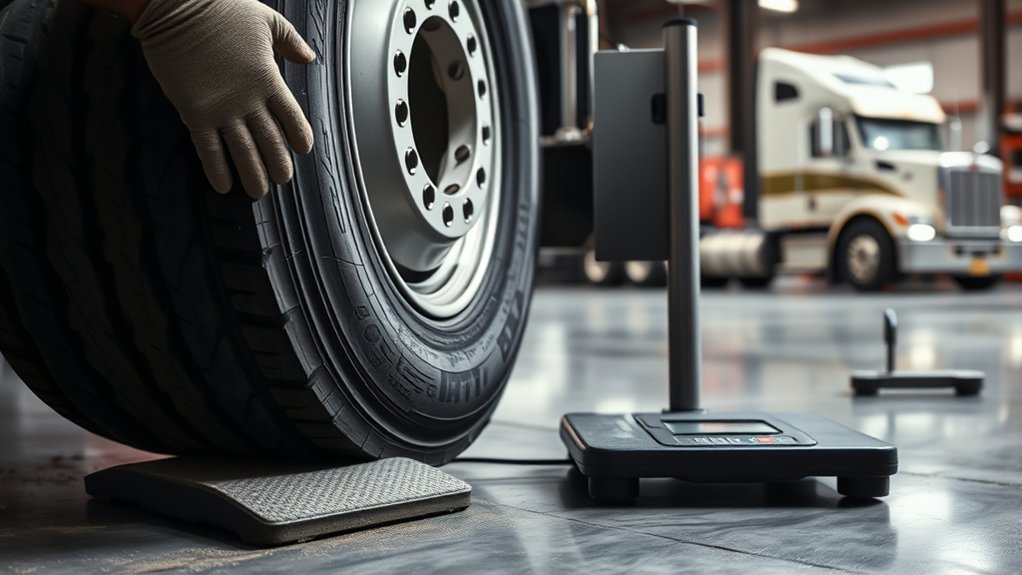
A common semi truck tire weighs about 100 to 125 pounds without a rim. Many standard 22.5-inch tires used on Class 8 tractors and trailers fall near 110 to 120 pounds, but that should be treated as a practical estimate, not a fixed rule.
For example, a common 11R22.5 or 295/75R22.5 highway tire may sit close to 115 to 120 pounds, while heavier drive tires, deep-tread regional tires, on/off-road tires, wide-base singles, and severe-service tires can weigh more. Smaller 19.5-inch commercial tires usually weigh less, and specialty off-road or agricultural-style tires can weigh far more than a normal highway semi tire.
The best answer is always the tire’s own specification sheet. Tire makers publish size, load rating, approved wheel width, tread depth, speed rating, and load capacity for each model. Some spec sheets list tire weight directly; others require confirming with the dealer or manufacturer.
Size alone does not settle the answer. The same 22.5-inch family can include different load ranges, tread depths, max loads, approved wheel widths, and applications. Start with the sidewall size, then confirm the exact brand, model, load range, and service category before you treat any weight number as final.
Warning: Do not treat a semi tire like a passenger-car tire. A loose truck tire can weigh more than 100 pounds, and a mounted tire-and-wheel assembly can exceed 200 pounds. Use proper lifting equipment, tire carts, or trained help when moving mounted assemblies.
Semi Tire Weight by Size and Type
Semi tire weight varies because different tires are built for different jobs. A fuel-efficient steer tire does not use the same tread depth or casing design as a deep-lug drive tire or a severe-service tire. The table below gives realistic planning ranges for common commercial truck tire categories.
| Tire Type or Size | Typical Tire-Only Weight | Common Use |
|---|---|---|
| 295/75R22.5 | About 105–125 lb | Drive, trailer, and some steer applications |
| 11R22.5 | About 110–125 lb | Common highway steer, drive, and trailer size |
| 275/80R22.5 | About 105–125 lb | Long-haul steer and drive positions |
| 11R24.5 or 285/75R24.5 | About 115–135 lb | Taller-profile highway and heavy-haul setups |
| Wide-base single | About 160–230+ lb | Weight-saving replacement for dual assemblies in some fleets |
| Severe-service / on-off-road tire | About 125–250+ lb | Construction, logging, mining, refuse, and rough-road work |
These ranges are for planning only. Two tires with the same size can weigh differently because tread depth, belt package, sidewall reinforcement, and compound design are not identical across brands or service categories.
What Changes Semi Tire Weight?
Several technical factors change semi tire weight, and size is only the first one. A larger casing uses more rubber, steel, and fabric. A deeper tread adds rubber. A higher load range usually means a stronger casing. A severe-service tire may add cut-resistant compounds and heavier construction to survive rough ground.
| Factor | How It Changes Weight | What to Check |
|---|---|---|
| Tire size | Larger diameter or wider section usually adds material. | Sidewall size, such as 295/75R22.5 or 11R22.5 |
| Tread depth | Deeper tread adds rubber and weight. | Tread depth in 32nds of an inch |
| Load range | Higher load capacity may require stronger construction. | Load range, load index, and pressure table |
| Application | On/off-road and severe-service tires often weigh more. | Steer, drive, trailer, regional, long-haul, or mixed-service rating |
| Wear level | A worn tire weighs less because tread rubber has been used up. | Remaining tread depth |
Retreading does not automatically make a tire lighter. A retread reuses a sound casing and adds a new tread package, so the final weight depends on the casing, tread design, and retread process.
Pro Tip: For the exact weight, search the tire model plus its full size and load range, such as “11R22.5 load range H tire weight.” If the manufacturer sheet does not list weight, ask the dealer for the shipping weight or weigh the tire on a platform scale.
How to Get the Exact Weight of a Semi Tire
To get a number you can trust, identify the full tire and wheel combination instead of searching by size only. A useful check includes:
- Full tire size: 11R22.5, 295/75R22.5, 275/80R22.5, or another exact sidewall size.
- Brand and model: steer, drive, trailer, regional, long-haul, mixed-service, or wide-base design.
- Load range and tread depth: heavier load ranges and deeper tread packages usually add material.
- Wheel material: forged aluminum and steel wheels can differ by roughly 30 to 40 pounds in the same common 22.5 x 8.25 size.
- Mounted or loose: a loose tire, a bare wheel, and a mounted tire-and-wheel assembly are three different weights.
For shop use, write the tire model, wheel model, and axle position on the work order. That prevents a common mistake: using a loose-tire estimate when the technician is actually moving a mounted assembly.
How Much Do Semi Tires Weigh With Wheels?
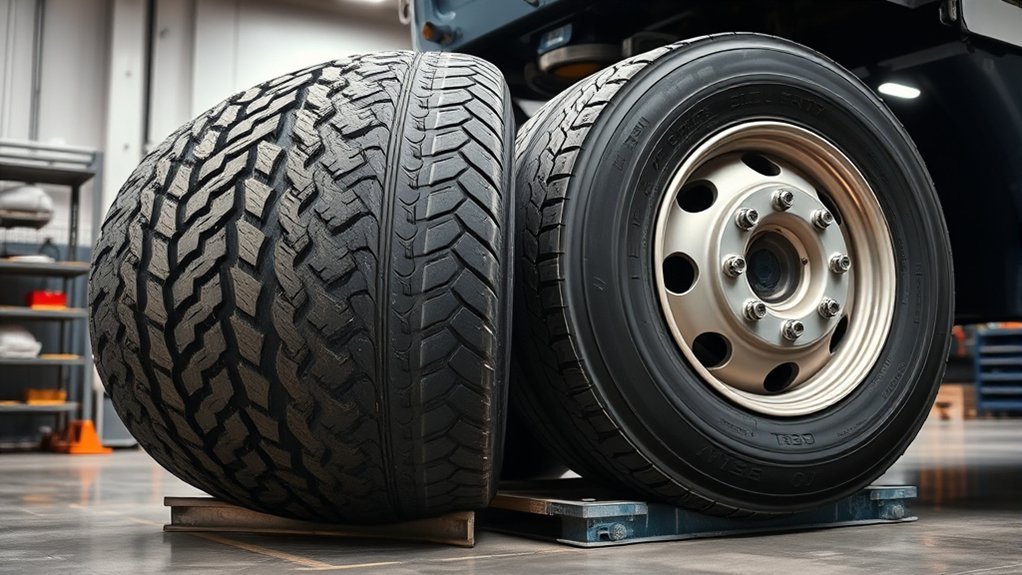
Once you add the wheel, the numbers climb quickly. A typical tire-only weight of 110 to 120 pounds can become a mounted assembly of about 155 to 205 pounds, depending on wheel material and tire design.
Wheel material makes a big difference. Alcoa lists one common 22.5 x 8.25 forged aluminum wheel at 39 pounds, while a comparable steel wheel is listed at 68 to 82 pounds. That means the same tire can be roughly 30 to 40 pounds lighter per wheel position when mounted on a forged aluminum wheel instead of a steel wheel.
| Component | Typical Weight | Notes |
|---|---|---|
| Semi tire only | About 100–125 lb | Common highway 22.5-inch tire range |
| 22.5-inch forged aluminum wheel | About 39 lb | Depends on wheel size and model |
| 22.5-inch steel wheel | About 68–82 lb | Often much heavier than aluminum |
| Tire + aluminum wheel | About 140–165 lb | Common estimate for many 22.5-inch setups |
| Tire + steel wheel | About 175–205+ lb | Can be higher with heavier tires |
Quick Weight Calculator for a Mounted Semi Tire
Use this simple formula when you only need a planning estimate:
Mounted assembly weight = tire-only weight + wheel weight + small hardware allowance. Valve hardware, balance material, and sensors usually add far less than the tire and wheel themselves, but they still matter for exact shop records.
| Example Setup | Planning Math | Estimated Assembly Weight |
|---|---|---|
| Common 22.5 tire + forged aluminum wheel | 115 lb tire + 39 lb wheel | About 154 lb before small hardware allowance |
| Common 22.5 tire + steel wheel | 115 lb tire + 68 to 82 lb wheel | About 183 to 197 lb before small hardware allowance |
| Heavier deep-tread tire + steel wheel | 130 lb tire + 68 to 82 lb wheel | About 198 to 212 lb before small hardware allowance |
Across an 18-wheeler, the difference adds up. Saving 30 pounds per wheel position can mean several hundred pounds of total vehicle weight, which may help payload planning and reduce handling strain during maintenance.
Why Semi Tire Weight Matters
Semi tire weight matters because it affects payload planning, legal weight margins, wheel-end handling, maintenance labor, and component selection. The tire does not work alone; it is part of a full wheel-end system that includes the wheel, hub, brake, axle, suspension, and inflation pressure.
Safety and Braking
Tire weight by itself does not guarantee shorter stopping distances. Safe braking depends on tread condition, road grip, brake condition, vehicle speed, load distribution, tire pressure, and whether the tire is correctly rated for the job.
A heavier tire may have a stronger casing or deeper tread, but it also adds rotating mass. The safer way to think about braking is simple: choose the correct tire for the axle position, keep it inflated to the load table, inspect it regularly, and replace or retread it before it becomes unsafe.
Load Capacity Impact
Every pound of tire and wheel weight counts against available payload. That matters most for fleets that regularly run near legal limits. On the U.S. Interstate System, the Federal Highway Administration lists common federal maximums of 20,000 pounds for a single axle, 34,000 pounds for a tandem axle, and 80,000 pounds gross vehicle weight, subject to Bridge Formula and route-specific rules.
That does not mean every truck can legally carry 80,000 pounds everywhere. Axle spacing, tire rating, wheel rating, state rules, permits, trailer configuration, and route restrictions all matter.
Fuel Efficiency Effects
Tire weight can influence efficiency because heavier rotating components take energy to accelerate. However, the bigger fuel factor is usually rolling resistance, not tire weight alone. Tire design, inflation pressure, alignment, tread pattern, load, speed, and maintenance all affect fuel use.
Low-rolling-resistance tires can help fleets reduce fuel consumption when they are matched correctly to the route and load. Do not choose a tire only because it is lighter; choose it because it fits the axle position, load requirement, tread-life target, and rolling-resistance goal.
A lighter tire-and-wheel setup can improve payload margin, but the right load rating and inflation pressure matter more than chasing the lowest possible weight.
Can Semi Tires Be Retreaded Or Recycled?
Yes. Semi tires are often designed with retreading in mind, especially in commercial fleets that manage casings carefully. Retreading replaces the worn tread on a usable casing, which can lower cost and reduce raw material use compared with buying a new tire.
Retreading Semi Tires
A semi tire can be retreaded if the casing passes inspection. The casing must be structurally sound, free of disqualifying damage, and suitable for the intended service. Retreading is common in trucking because the casing is a major part of the tire’s value.
Bandag reports that an average retread tire uses about 7 gallons of oil to produce, while a new tire can use as much as 22 gallons. That is a sustainability benefit, but it does not mean every retread is lighter than every new tire. Weight still depends on casing size, tread design, and service application.
Note: Retread rules depend on vehicle type and tire position. FMCSA guidance allows retreaded tires on hazardous-material commercial motor vehicles, but buses may not use retreaded tires on the front wheels. Always follow current federal rules, state rules, fleet policy, and tire manufacturer guidance.
Recycling Used Truck Tires
Used truck tires can also enter recycling and reclaiming markets after their service life is over. The U.S. Tire Manufacturers Association reports that about 79% of end-of-life tires went to tire recycling and reclaiming markets in 2023.
Common end uses include rubber-modified asphalt, tire-derived aggregate, molded rubber products, and other industrial markets. Recycling does not change the weight of the tire while it is in service, but it does affect the tire’s total environmental footprint after removal.
| Stage | What Happens | Weight Note |
|---|---|---|
| New tire | Full casing and full tread depth | Heaviest point in first life |
| In service | Tread rubber wears away | Weight gradually decreases |
| Retread candidate | Casing is inspected and prepared | Final weight depends on new tread package |
| End-of-life tire | Sent to recycling, reclaiming, or other approved markets | Still valuable as recovered material |
How to Pick the Right Semi Tire Size
Picking the right semi tire size starts with the truck’s requirements, not the tire’s weight alone. Check the existing sidewall size, axle rating, wheel size, load range, speed rating, dual spacing, and intended service before buying.
- Read the current tire size. Common examples include 295/75R22.5, 275/80R22.5, 11R22.5, and 11R24.5.
- Confirm the wheel diameter and width. A 22.5-inch tire must be mounted on a compatible 22.5-inch wheel with an approved rim width.
- Match the load rating. The tire must support the actual load on that axle at the correct cold inflation pressure.
- Choose by axle position. Steer, drive, and trailer tires have different tread designs and performance priorities.
- Check clearance and dual spacing. The tire must fit without rubbing and must maintain safe spacing in dual applications.
- Use the manufacturer’s load-and-inflation table. The sidewall maximum is not a substitute for load-based inflation guidance.
A wider or heavier tire is not automatically better. For dense freight, you may need more load capacity. For long-haul efficiency, you may prioritize low rolling resistance. For regional or construction work, tread life and casing strength may matter more than saving a few pounds.
Frequently Asked Questions
How much does a 22.5 truck tire weigh?
A common 22.5-inch truck tire usually weighs about 100 to 125 pounds without the wheel. Some lighter highway tires may be slightly below that range, while deep-tread, high-load, wide-base, or severe-service tires can weigh much more.
How heavy is an 18-wheeler tire?
An 18-wheeler tire by itself commonly weighs about 100 to 125 pounds. If it is mounted on a wheel, the assembly often weighs about 155 to 205 pounds or more, depending on tire size and whether the wheel is aluminum or steel.
How much does a semi tire and rim weigh?
A common 22.5-inch semi tire and rim often weighs about 155 to 205 pounds as a mounted assembly. A forged aluminum wheel keeps the total lighter, while a steel wheel, deep-tread tire, or severe-service tire can push the assembly over 200 pounds.
Does a new semi tire weigh more than a worn one?
Yes. A new tire has full tread depth, so it usually weighs more than the same tire after thousands of miles of tread wear. A retread adds a new tread package to a usable casing, so its final weight depends on the casing and tread design.
How many semi tires equal 1 ton?
One U.S. ton is 2,000 pounds. If one semi tire weighs 110 to 120 pounds, it takes about 17 to 18 tires to equal 1 ton. If the tire is a heavy severe-service tire, the count can be much lower.
How do I find the exact weight of my semi tire?
Use the complete tire size, brand, model, and load range to look up the manufacturer or dealer data sheet. If weight is not published, ask the dealer for shipping weight or weigh the loose tire on a platform scale.
Conclusion
A semi tire is heavy because it is built to carry serious load. For most common highway tires, plan on about 100 to 125 pounds per tire without the wheel. Once mounted, many tire-and-wheel assemblies land around 155 to 205 pounds, with steel wheels and heavy-duty tires pushing the number higher.
For payload planning, maintenance safety, or fuel-efficiency decisions, do not rely on a single universal weight. Check the exact tire model, wheel material, load rating, and application. Then use the mounted-assembly formula above, or weigh the assembly on a certified scale when the number affects payload, compliance, or lifting safety.
Sources
- Michelin X Line Energy Z technical specifications. Supports model-specific tire sizing, load, tread depth, retreadability, and rolling-resistance context; Michelin also advises using current load-and-inflation information for the latest specifications.
- Bridgestone Commercial semi-truck tire size guide. Supports common commercial truck tire sizes and load/inflation planning context.
- Alcoa Wheels aluminum vs. steel truck wheel weight comparison. Supports aluminum and steel wheel weight differences.
- Federal Highway Administration commercial vehicle size and weight program. Supports federal Interstate axle and gross vehicle weight standards.
- Bandag retread tire overview. Supports retread oil-use and environmental benefit claims.
- U.S. Tire Manufacturers Association tire recycling data. Supports the 2023 end-of-life tire recycling and reclaiming rate.

Related Articles

Are Premium Tires Worth the Extra Money?
Worth the extra money? Premium tires promise more grip, comfort, and longevity—but the real tradeoff may surprise you.
Read More
What Are OE Tires? Original Equipment Explained
Discover what OE tires really mean and why choosing the right replacement could change everything for your car’s ride, handling, and safety.
Read More
305 Tire Size Explained: How Big Is It?
I explain how big a 305 tire really is—and why the exact fit can surprise you.
Read More