
How Much Does a Semi Truck Tire Weigh? Exact Weight Guide
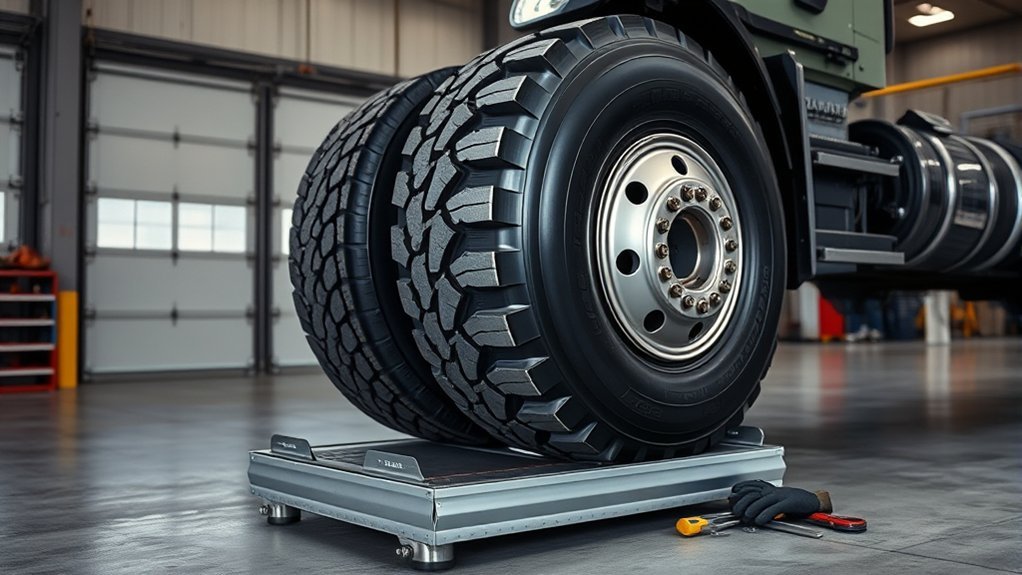
A semi truck tire usually weighs about 100 to 150 pounds when you are talking about the loose tire only. Many common 22.5-inch steer and all-position tires land close to 110 to 120 pounds, while deep-tread drive tires and severe-service tires can weigh more. The exact number depends on tire size, load range, tread depth, casing construction, and whether you mean the tire alone or the tire mounted on a wheel.
Quick Answer
A typical semi truck tire weighs about 100 to 150 pounds. Common 22.5-inch highway tires often sit near 105 to 125 pounds, but aggressive drive tires, higher load ranges, and severe-service designs can be heavier. Add the wheel, and the mounted assembly can be much heavier than the tire alone.
Key Takeaways
- Most semi truck tires weigh about 100 to 150 pounds as loose tires.
- A real-world example: Goodyear lists an 11R22.5 Endurance RSA commercial tire at 118.91 pounds.
- Tire weight changes with size, load range, tread depth, sidewall strength, casing design, and application.
- A mounted tire-and-wheel assembly weighs more than the tire alone because a 22.5-inch wheel can add dozens of pounds.
- Retread weight varies by casing and tread package, so do not assume every retread is lighter than a new tire.
How Much Does a Semi Truck Tire Weigh?
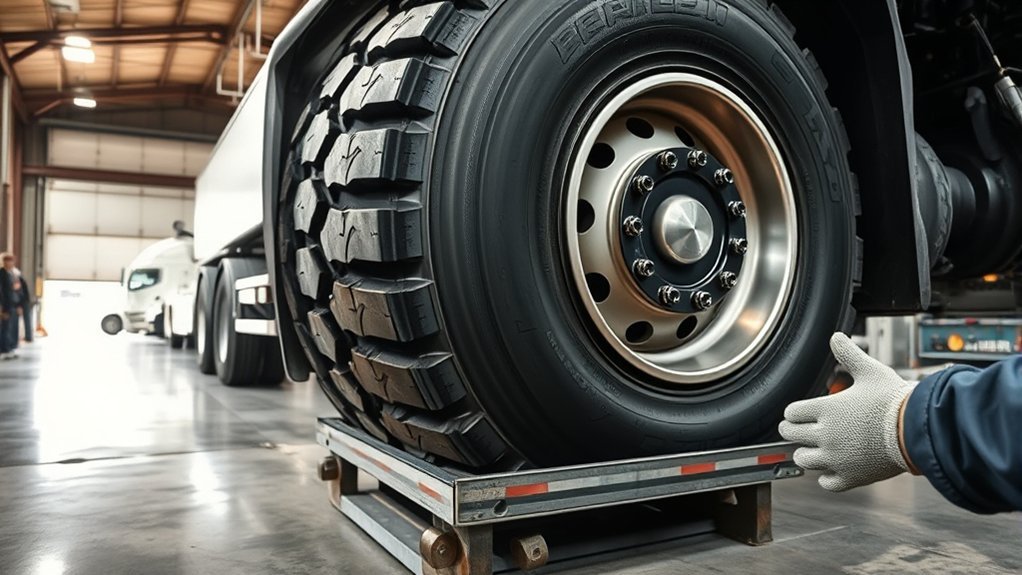
Most highway semi truck tires weigh somewhere between 100 and 150 pounds. The common 22.5-inch sizes used on many tractors and trailers usually fall near the lower or middle part of that range, while larger sizes, deeper drive treads, and mixed-service tires can weigh more.
For example, Goodyear lists its 11R22.5 Endurance RSA commercial tire at 118.91 pounds. Michelin’s X Line Energy Z data page also shows how much specs vary by size, load range, tread depth, diameter, width, and load capacity, even within one tire family.
Note: Tire weight usually means the loose tire only. If the tire is mounted on a wheel, the full assembly weighs more. Alcoa lists one 22.5 x 8.25 aluminum wheel at 36 pounds, so a 118.91-pound tire on that wheel would already be about 155 pounds before valve stems, balancing material, and other hardware.
| Tire type | Common use | Typical loose tire weight | Why it varies |
|---|---|---|---|
| Steer tire | Front axle control and even wear | About 105 to 125 lb | Rib tread, casing design, load range, and size |
| Drive tire | Traction on drive axles | About 115 to 145 lb | Deeper tread blocks usually add rubber and weight |
| Trailer tire | Long-haul trailer axles | About 100 to 125 lb | Shallower fuel-efficient designs may weigh less |
| All-position tire | Steer, trailer, or mixed fleet use when approved | About 105 to 130 lb | Balanced tread and casing for multiple positions |
| Mixed-service or severe-service tire | Construction, refuse, logging, mining, or off-road work | Often 130 lb and up | Extra tread depth, cut resistance, and reinforced construction |
Semi Truck Tire Weight by Type
Semi truck tire weight varies by axle position because each position has a different job. A steer tire is built for stable handling and even wear. A drive tire needs traction, so it often has deeper lugs and more tread rubber. A trailer tire is usually optimized for load carrying, scrub resistance, and low rolling resistance.
That is why two tires with the same rim diameter can weigh different amounts. An 11R22.5 steer tire, an 11R22.5 drive tire, and an 11R22.5 mixed-service tire are not the same product. The size gives you the basic envelope, but the tread design and casing decide much of the final weight.
What Changes a Semi Truck Tire’s Weight?
The biggest weight changes come from size, tread depth, load range, and construction. A heavier tire is not automatically better; it only helps if that extra weight comes from the right design for the job.
Tire Size and Type
Common semi truck tire sizes include 275/80R22.5, 295/75R22.5, 11R22.5, and 11R24.5. A taller or wider tire usually uses more material, so it often weighs more. Load range also matters because higher-capacity tires need casing strength to carry the rated load at the correct inflation pressure.
The size printed on the sidewall does not tell you the whole weight. Always check the tire maker’s specification sheet before buying, hauling, mounting, or calculating fleet weight.
Tread Depth and Pattern
Tread design can change weight quickly. A ribbed steer or trailer tire may use less tread rubber than a deep-lug drive tire. Tires built for mud, construction sites, or high-scrub regional service may weigh more because they need deeper tread blocks, stronger shoulders, and more cut-resistant compounds.
Materials and Construction
A semi truck tire is heavy because it contains rubber, steel belts, bead bundles, casing plies, sidewall compounds, and inner liner material. More reinforcement can improve durability, retreadability, and load capacity, but it also adds weight. That extra mass can affect handling response, braking demand, fuel use, and component wear.
New vs. Retreaded Tires
A retreaded tire is not simply a lighter tire. Retreading keeps a usable casing and applies a new tread package. The final weight depends on the casing, tread design, tread depth, and retread process. For that reason, check the retreader’s specs instead of assuming a retread weighs less than a comparable new tire.
Tire Only vs. Mounted Tire-and-Wheel Assembly
When someone asks how heavy a semi truck tire is, they may mean one of two things:
- Loose tire weight: the tire by itself, usually about 100 to 150 pounds.
- Mounted assembly weight: the tire plus the wheel, valve stem, balancing material, and sometimes other hardware.
This distinction matters for shipping, shop handling, roadside service, and payload calculations. If a common 22.5-inch tire weighs around 119 pounds and the wheel adds 36 pounds or more, the assembly can easily move into the 150-pound-plus range.
Pro Tip: For fleet weight planning, count every rotating component: tire, wheel, valve hardware, balancing material, and any tire-pressure monitoring hardware. Small differences become meaningful across 18 wheel positions.
How Semi Truck Tire Weight Affects Performance
Tire weight affects a truck because every tire is part of the vehicle’s rotating and unsprung mass. Heavier tires may be built for durability and traction, but they can also increase the energy needed to accelerate, stop, and keep the tire rolling.
Fuel Efficiency Impact
Fuel use is affected by tire construction, tread design, inflation pressure, alignment, and rolling resistance. A heavier tire with an aggressive tread may use more energy than a lighter, fuel-efficient highway tire, but weight alone is not the only factor.
The U.S. EPA says low rolling resistance tires and retread technologies can reduce costs and emissions for long-haul Class 8 tractor-trailers by 3% or more. If fuel economy is a priority, check EPA’s SmartWay verified list and confirm the exact tire model and axle position.
Traction and Stability
Traction comes mostly from load on the axle, tire compound, tread design, inflation pressure, road surface, and tire condition. A heavier tire may have a deeper or stronger tread package, but the tire’s weight by itself does not guarantee better grip.
For wet roads, snow, gravel, or jobsite use, choose a tire designed for those conditions instead of choosing only by weight. The right tread pattern and correct inflation matter more than a few extra pounds.
Wear and Maintenance
Heavier tires can add stress to suspension, steering, wheel-end, and braking components, especially in high-scrub or stop-and-go service. Poor inflation and alignment will do even more damage. Underinflation raises heat and rolling resistance, while overloading can damage the casing and shorten tire life.
- Check cold inflation pressure according to the tire maker’s load and inflation guidance.
- Measure tread depth regularly.
- Watch for irregular wear, cupping, shoulder wear, cuts, exposed belt material, and sidewall damage.
- Match tire type to axle position and duty cycle.
- Do not mix mismatched sizes or ratings on the same axle unless the manufacturer approves it.
Retreading Semi Truck Tires
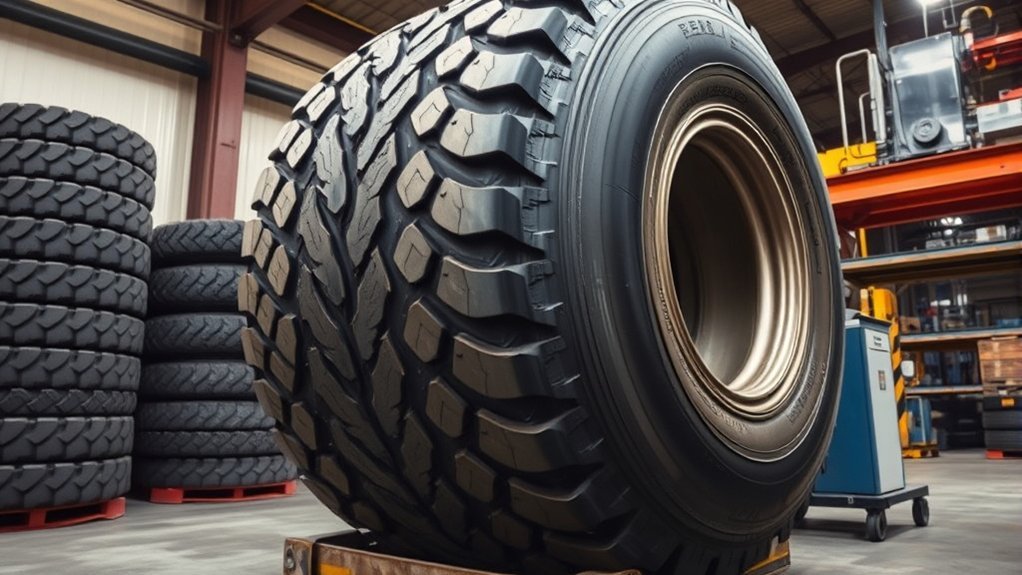
Retreading replaces worn tread on a usable casing. It can lower cost, reduce waste, and extend the life of a commercial tire casing when the casing passes inspection.
The U.S. Tire Manufacturers Association says that, compared with new tires, retreaded tires use 15 gallons less oil and 90 pounds less material per tire. USTMA also reports reductions in CO2 emissions, water consumption, and air pollution compared with new tire production.
Retreads are common in commercial trucking, but they must be matched to the job. The casing condition, retread design, tire position, inflation program, and inspection process all matter. A well-managed retread program can save money, but a damaged casing should not be retreaded or returned to service.
How to Choose the Right Semi Truck Tire
Choosing the right semi truck tire starts with the job the tire must do. Do not choose by weight alone. Choose by axle position, route, load, road surface, weather, fuel goals, and retread plan.
- Match the tire to the axle. Steer, drive, trailer, and all-position tires are designed for different stresses.
- Confirm the exact size. Check the sidewall, wheel size, vehicle requirements, and fleet specs before mounting.
- Check load range and inflation. The tire must carry the load at the correct pressure without exceeding wheel limits.
- Compare tread depth and pattern. Deeper tread can add weight, but it may be necessary for drive traction or severe service.
- Consider rolling resistance. For long-haul Class 8 tractors and trailers, check EPA SmartWay verification for the exact model and position.
- Plan for retreading. If casing life matters, choose a tire with a casing and warranty program that supports your retread strategy.
Safety Checks Before Buying or Mounting
Warning: Commercial truck tires are heavy and can be dangerous when inflated or serviced incorrectly. Use trained tire service professionals, approved cages and tools when required, and the tire and wheel manufacturer’s procedures.
Commercial motor vehicle tires must also meet safety requirements. Under 49 CFR §393.75, a vehicle may not be operated on a tire with exposed ply or belt material, tread or sidewall separation, a flat or audible leak, or a cut exposing ply or belt material. The rule also sets minimum tread-depth requirements, including at least 4/32 inch on front tires of trucks, truck tractors, and buses.
Before putting a tire in service, check:
- Correct tire size and load range
- Correct wheel size and wheel load rating
- Cold inflation pressure
- Tread depth and even wear
- Sidewall cuts, bulges, cracking, or exposed material
- Bead condition before mounting
- Retread casing condition, if applicable
Frequently Asked Questions
How much does a 22.5 truck tire weigh?
A 22.5-inch semi truck tire usually weighs about 100 to 150 pounds as a loose tire. Many common 11R22.5 and 275/80R22.5 highway tires land near 105 to 125 pounds, but deep drive treads and severe-service designs can weigh more.
How heavy is an 18 wheeler tire?
One 18 wheeler tire commonly weighs about 100 to 150 pounds. If you mean the mounted tire-and-wheel assembly, it can weigh much more because the wheel adds extra weight.
How many semi truck tires equal 1 ton?
One U.S. ton is 2,000 pounds. If each tire weighs 100 pounds, about 20 tires equal 1 ton. If each tire weighs 150 pounds, about 14 tires equal 1 ton. At 110 pounds each, about 18 tires weigh close to 1 ton.
How heavy is a 40-inch tire?
If you mean a commercial truck tire with an overall diameter around 40 inches, it often weighs about 100 to 130 pounds, depending on the size, load range, and tread. If you mean a 40-inch off-road tire for a pickup or specialty vehicle, the weight can be very different, so check the exact model specs.
Are retreaded semi truck tires lighter than new tires?
Not always. A retread uses an existing casing with a new tread package, so the final weight depends on the casing, tread depth, tread design, and retread process. Check the retreader’s specifications for the actual weight.
Can one person lift a semi truck tire?
A strong person may be able to move a loose semi truck tire, but lifting one safely is another matter. Many tires weigh more than 100 pounds, and mounted assemblies can be much heavier. Use proper lifting equipment and trained service procedures.
Conclusion
A semi truck tire usually weighs about 100 to 150 pounds, with many common 22.5-inch highway tires near 105 to 125 pounds. The exact weight depends on size, load range, tread depth, casing design, axle position, and service type. If you are planning shipping, service work, or fleet weight, remember to separate loose tire weight from mounted assembly weight. The best tire is not simply the lightest or heaviest one; it is the tire that safely matches the load, route, wheel, inflation pressure, and axle position.
Sources
- Goodyear Commercial Tire & Service Centers — Endurance RSA 11R22.5 tire details — backs the real-world 118.91 lb commercial tire example.
- Michelin X Line Energy Z data page — backs size, load range, tread depth, load, and retreadability context.
- U.S. EPA — Low Rolling Resistance New and Retread Tires — backs the fuel, cost, and emissions benefit of LRR tires and retread technologies.
- U.S. EPA — SmartWay Verified List — backs the need to verify exact tire models and axle positions.
- U.S. Tire Manufacturers Association — Tire Retreading — backs retreading material, oil, and emissions savings.
- eCFR — 49 CFR §393.75 Tires — backs commercial vehicle tire safety and tread-depth requirements.

Related Articles

Are Premium Tires Worth the Extra Money?
Worth the extra money? Premium tires promise more grip, comfort, and longevity—but the real tradeoff may surprise you.
Read More
What Are OE Tires? Original Equipment Explained
Discover what OE tires really mean and why choosing the right replacement could change everything for your car’s ride, handling, and safety.
Read More
305 Tire Size Explained: How Big Is It?
I explain how big a 305 tire really is—and why the exact fit can surprise you.
Read More