
How Much Does a Car Tire Weigh? Weight Breakdown by Category
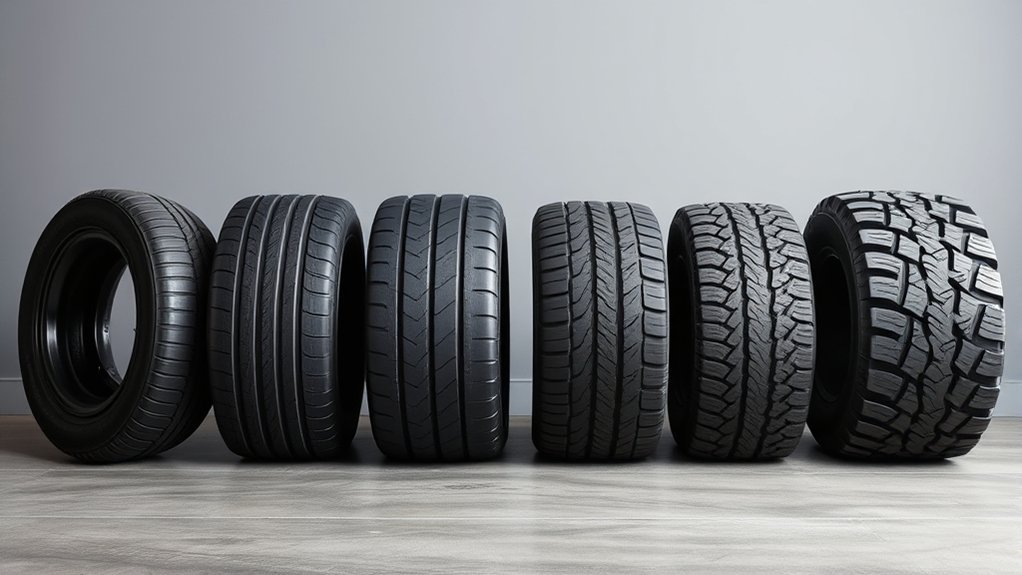
A car tire does not have one fixed weight. A small passenger tire can weigh less than 20 pounds, while a large SUV or light-truck tire can weigh two or three times as much. The number changes with tire size, width, load rating, tread depth, sidewall strength, and whether you are weighing the loose tire only or the full wheel-and-tire assembly.
Quick Answer
Most passenger car tires weigh about 15 to 30 pounds each. Crossover and SUV tires often weigh about 25 to 50 pounds, while light-truck and off-road tires can reach 40 to 80+ pounds. A common commercial semi-truck tire can weigh around 100 to 120+ pounds.
Key Takeaways
- A typical passenger car tire usually weighs about 15 to 30 pounds, depending on size and construction.
- SUV and light-truck tires vary widely; highway tires may be moderate, while LT and all-terrain tires can be much heavier.
- The tire alone weighs less than a mounted wheel-and-tire assembly because the rim adds weight.
- Bigger diameter, wider tread, deeper tread blocks, reinforced sidewalls, and higher load ratings usually increase tire weight.
- For the exact number, check the tire maker’s spec sheet or a retailer spec page for your exact brand, model, and size.
Average Tire Weight by Vehicle Type
The easiest way to estimate tire weight is to start with the vehicle category, then narrow it by exact size. A small sedan tire and a large all-terrain pickup tire may both be called “car tires” by shoppers, but their weights can be very different.
| Tire category | Typical tire-only weight | What changes the number |
|---|---|---|
| Passenger car tire | About 15–30 lb | Diameter, width, speed rating, run-flat construction, tread depth |
| Crossover / standard SUV tire | About 25–50 lb | Larger diameter, higher load index, wider tread |
| Light-truck / all-terrain tire | About 35–80+ lb | LT sizing, deeper tread, stronger casing, higher load range |
| Motorcycle tire | About 8–30 lb | Front vs. rear tire, sport vs. touring design, load rating |
| ATV tire | About 15–40 lb | Ply rating, mud tread, tire height, casing strength |
| Golf cart / lawn mower tire | About 5–15+ lb | Turf tread, ply rating, small-diameter utility sizing |
| Commercial semi-truck tire | About 100–120+ lb for many common highway sizes | Load range, tread position, casing, retreadability, commercial duty cycle |
For real-world context, Toyo’s passenger and light-truck data book lists Toyota OE examples such as a Corolla P205/55R16 tire at 20 pounds, a Camry 215/55R17 tire at 23 pounds, a RAV4 225/65R17 tire at 26 pounds, and a Tacoma P265/65R17 tire at 36 pounds. On the commercial side, a Goodyear 11R22.5 commercial tire listing shows an example weight near 119 pounds.
What Affects Tire Weight?
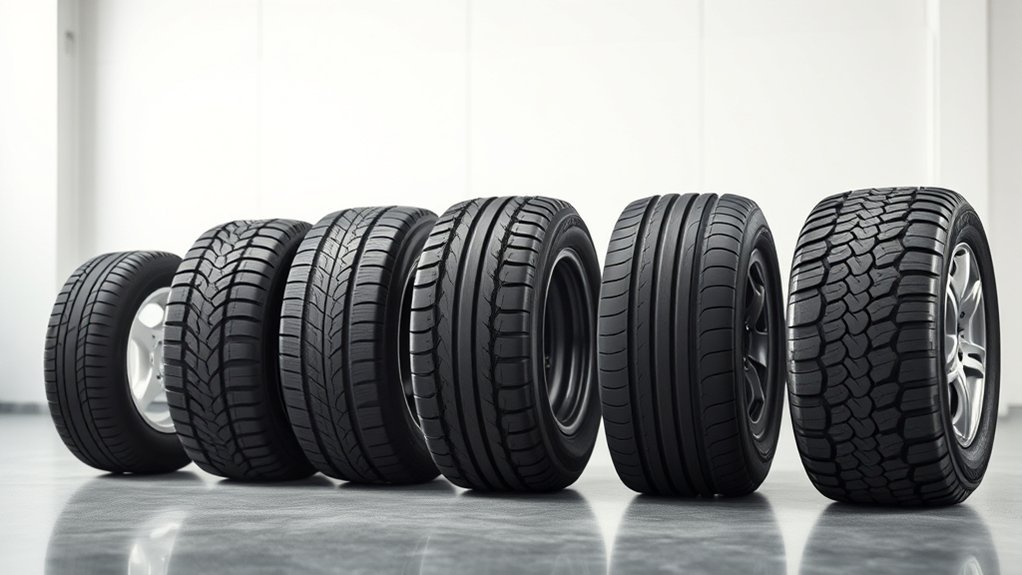
Several factors determine how much a tire weighs, and size is the biggest one. A larger outside diameter, wider section width, deeper tread, and stronger casing all add material. That extra material can improve load capacity or durability, but it also increases the tire’s mass.
- Wheel diameter: A 20-inch tire is often heavier than a similar 16- or 17-inch tire because it usually has a larger overall package.
- Tire width: Wider tires use more rubber, belt material, and sidewall material.
- Tread depth and pattern: Deep all-terrain or mud-terrain blocks weigh more than shallow highway tread.
- Load rating: LT tires and higher load-range tires need stronger internal construction.
- Sidewall design: Reinforced, run-flat, EV, or severe-duty sidewalls can add weight.
- New vs. worn tread: A worn tire can weigh less than the same tire when new because some tread rubber has been used up.
Note: Tire weight is normally listed for the loose tire only. A mounted wheel-and-tire assembly weighs more because the rim, valve stem, balance weights, and sometimes TPMS sensor are included.
Passenger Car Tire Weights
Most passenger car tires weigh about 15 to 30 pounds. Compact-car and hybrid tires often sit near the lower end, while larger performance or crossover tires can move toward the upper end. In Toyo’s published fitment data, a Prius 195/65R15 example is listed at 17–18 pounds, a Corolla P205/55R16 example at 20 pounds, and a Camry 215/55R17 example at 23 pounds.
- Small sedan and hybrid tires often weigh about 17–23 pounds.
- Midsize sedan tires commonly fall in the low-to-mid 20-pound range.
- Performance tires may weigh more because of wider sizes and stronger construction.
- Run-flat or EV-focused tires may be heavier than a similar standard tire.
If you are comparing replacements, do not judge by diameter alone. A 17-inch touring tire, a 17-inch performance tire, and a 17-inch all-terrain LT tire can all have different weights. Selecting tires based on tread life, load rating, ride comfort, and weight helps you balance durability with everyday handling.
SUV and Light Truck Tire Weights
SUV and light-truck tire weights vary more than passenger-car tire weights because the category includes everything from crossover highway tires to heavy all-terrain LT tires. A normal crossover tire may weigh around 25 to 40 pounds, while a large LT all-terrain tire can weigh 50, 60, 70 pounds, or more.
The difference comes from construction. Light-truck tires often use stronger casings, higher load ratings, and deeper tread blocks. That can improve toughness and load support, but it also adds rotating mass. Additionally, Goodyear tires and other major-brand SUV tires are built for specific use cases, so a highway all-season model may weigh much less than a rugged off-road model in a similar size.
| Tire type | Typical weight | Best fit |
|---|---|---|
| Crossover highway tire | About 25–40 lb | Daily commuting, quiet ride, efficiency |
| SUV / pickup all-season tire | About 30–50 lb | Mixed city/highway driving |
| LT all-terrain tire | About 40–80+ lb | Towing, hauling, off-road use, stronger casing |
How Tire Size Changes Weight
Wheel diameter matters, but it is not the only number in the tire size. A tire marked 225/65R17 is 225 mm wide, has a sidewall height equal to 65% of that width, and fits a 17-inch wheel. Change any part of that size and the weight can change.
- 17-inch tires: Many passenger and crossover 17-inch tires sit around 18 to 30 pounds, but LT versions can be heavier.
- 20-inch tires: Many SUV and pickup 20-inch tires fall around 40 to 60 pounds, while aggressive LT/off-road sizes can go higher.
- 22-inch tires: Some street-oriented SUV tires may be in the 40-pound range, but large LT/off-road 22-inch tires can weigh 60 to 80+ pounds.
Pro Tip: When two tires have the same wheel diameter, compare width, load range, tread depth, and overall diameter before assuming they weigh the same.
Motorcycle, ATV, and Small Tire Weights
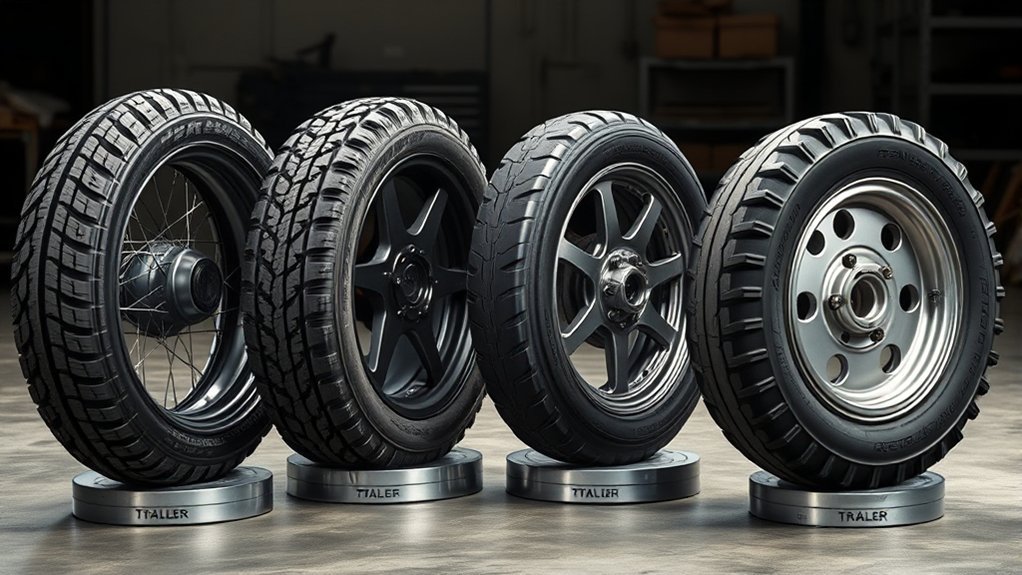
Motorcycle, ATV, golf cart, and lawn mower tires are usually lighter than car and truck tires, but their weights still vary by size and job. A small motorcycle front tire weighs far less than a rear touring tire, and a turf-friendly golf cart tire weighs far less than a deep-lug ATV mud tire.
Motorcycle Tire Weight
Motorcycle tires commonly weigh about 8 to 30 pounds. Sportbike tires often stay lighter for quick steering response, while cruiser, touring, and adventure tires may use more material for load support and tread life.
- Front motorcycle tires are usually lighter than rear tires.
- Touring tires often weigh more than sport tires because they are built for mileage and load.
- Adventure and dual-sport tires can add weight through stronger tread blocks and tougher casings.
- Weight affects steering feel, acceleration response, and ride stability.
ATV And Small Tires
ATV tires usually weigh about 15 to 40 pounds, depending on size, ply rating, and tread pattern. Mud tires and heavy-duty trail tires are usually heavier than simple utility tires because they need deeper lugs and more casing strength. For off-road patterns, examples such as the SunF A033 Power.I tire review show why tread design matters for traction and weight.
Golf cart, lawn mower, and other small utility tires often weigh about 5 to 15 pounds, though larger or higher-ply utility tires can exceed that. Choose the lightest tire that still meets the vehicle’s load, terrain, and speed requirements.
Golf Cart and Lawn Mower Tire Weights
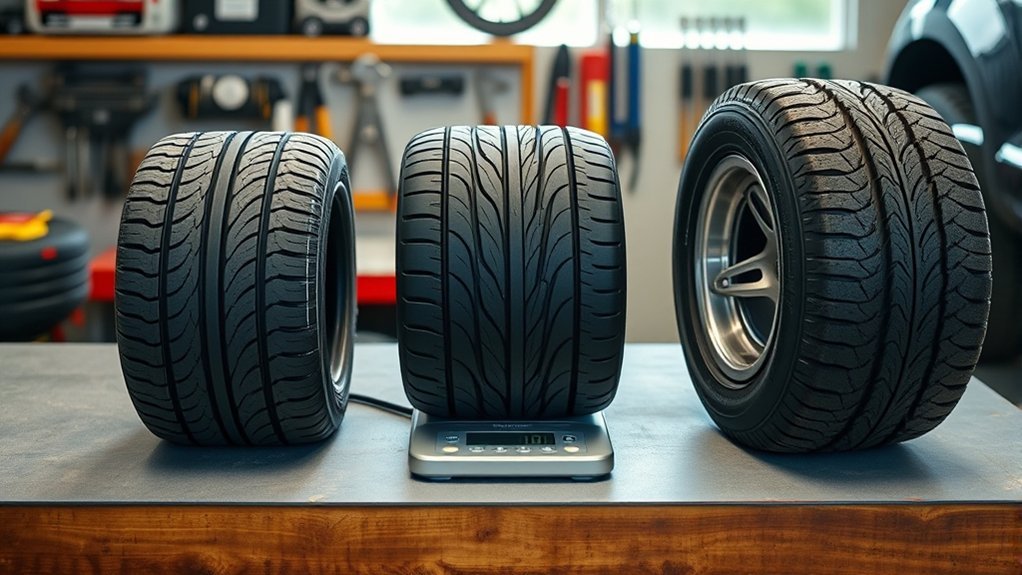
Golf cart tires typically weigh about 5 to 10 pounds, while many lawn mower tires fall in the 5 to 15 pound range. These tires are light because they are built for lower speeds, lower loads, and turf-friendly movement rather than highway durability.
- Use turf tread if you want less lawn damage.
- Use the correct ply rating for carts that carry passengers or cargo.
- Check sidewall condition because small tires can crack with age.
- Maintain the correct pressure for stable handling and even wear.
For small utility tires, weight is less important than fitment, load rating, and tread style. A tire with 4-ply rubber construction can be useful when the vehicle needs more wear resistance or stability, but it may weigh more than a lighter-duty tire.
Semi Truck Tire Weights
Semi truck tires are much heavier than passenger tires because they carry far greater loads and operate under harder duty cycles. Many common highway commercial tires weigh around 100 to 120+ pounds each, and specialty commercial, agricultural, mining, or off-the-road tires can weigh far more.
Semi Tire Weight Range
A common 11R22.5 commercial tire is a good example. Goodyear’s commercial listing for an 11R22.5 Endurance RSA tire shows a tire weight near 119 pounds, and the Michelin Truck Tire Data Book shows how commercial truck tires are specified by size, load range, tread depth, revolutions per mile, and maximum load/pressure.
- Highway steer/all-position tires often sit near the 100–120+ pound range.
- Drive tires may be heavier when they use deeper tread blocks.
- Wide-base singles and severe-service tires can be heavier still.
- Off-road, agricultural, and mining tires can reach several hundred pounds.
Load Capacity Factors
Load capacity is a major reason truck tires weigh more. A commercial tire must support heavy axle loads, resist heat, and keep its shape under long-distance use. That requires a stronger casing, heavier tread package, and a sidewall designed for the tire’s intended service.
The same idea applies on a smaller scale to pickup tires. A P-metric pickup tire can be much lighter than an LT tire in a similar size because the LT tire is built for higher load pressure and tougher work.
Handling And Fuel Impact
Tire mass affects how a vehicle feels because tires are rotating and unsprung weight. More tire weight can make acceleration, braking, and suspension response feel slower. Less tire weight can sharpen response, but only if the lighter tire still meets the vehicle’s load, speed, and safety requirements.
For commercial trucks, rolling resistance is especially important. The EPA SmartWay verified tire list focuses on low rolling resistance tires and retreads for Class 8 line-haul tractor-trailers because rolling resistance affects fuel use and emissions.
How Tire Weight Affects Performance
Tire weight matters because the engine has to spin the tire, the brakes have to slow it, and the suspension has to control it over bumps. A heavier tire may improve durability or load capacity, but it can also make the vehicle feel less responsive.
A lighter tire is not automatically better. The best tire is the lightest one that still meets your vehicle’s size, load rating, speed rating, terrain, and safety needs.
Weight also connects to efficiency, but the effect is not the same for every vehicle. The U.S. Department of Energy notes that reducing overall vehicle weight can improve fuel economy because it takes less energy to accelerate a lighter object. For tires, the real-world result also depends on rolling resistance, tread compound, inflation pressure, wheel weight, driving speed, and road conditions.
How to Measure Tire Weight
At a Glance
| Time Required | 5–10 minutes per tire |
| Difficulty | Easy if the tire is already loose; shop help needed if it is mounted |
| Tools Needed | Digital scale rated for the tire’s expected weight, gloves, notebook or phone |
| Cost | Free if you already have a scale; tire shop fees vary if demounting is needed |
Warning: Do not try to demount a tire from a wheel without proper tire-service equipment and training. Inflated tire assemblies can be dangerous. If you need tire-only weight and the tire is mounted, have a tire shop remove it safely.
- Decide what you are weighing. Tire-only weight is just the rubber tire. Assembly weight includes the tire, wheel, valve stem, balancing weights, and sometimes TPMS sensor.
- Use the right scale. A bathroom scale may work for a passenger tire, but a platform or shipping scale is better for SUV, LT, and truck tires.
- Zero the scale. Make sure the scale reads zero before placing the tire on it.
- Center the tire. Place the tire flat and centered so the reading is stable.
- Record the full tire size. Write down brand, model, size, load index, speed rating, and load range if shown.
- Compare with published specs. Use the manufacturer’s data book or product spec page for confirmation.
For tire pressure and load safety, follow the vehicle maker’s cold inflation pressure on the tire information placard or certification label. NHTSA TireWise explains that the recommended cold pressure is the proper pressure for the vehicle, not simply the maximum pressure shown on the tire sidewall.
[Products Worth Considering]

The Mothers wheel and fender brush is designed for gentle, scratch-free scrubbing to remove road grime and brake dust. Its ergonomic shape and soft triple-flagged bristles deliver maximum coverage, including hard-to-reach wheel wells and undercarriage areas. With rubberized gripping and a protective rubber bumper, it helps clean safely while protecting delicate finishes on wheels, fenders, and bumpers.

This 12-inch LUMITECO dual head tire pressure gauge features an integrated straight-on chuck and a 30° reverse chuck to reach hard-to-access dual wheel valves. Its 10–150 PSI / 1–10 BAR range with a clear, two-sided scale helps you quickly check tire pressure for safer, smoother driving. Heavy-duty construction and a simple no-battery design make it a reliable tool for trucks, cars, RVs, and motorcycles.

ETENWOLF T300 is a calibrated digital tire pressure gauge designed for reliable readings across low and high pressure ranges. It includes thermal compensation for stable performance in extreme cold or heat, an LED light for visibility, and an auto shut-off to help preserve battery life. Ideal for pickups, RVs, and heavy-duty vehicles, it delivers accurate PSI measurements with sturdy durability.
Why Tire Weight Matters When Buying Tires
When you buy tires, weight is one piece of the decision. It affects steering feel, ride quality, braking response, acceleration, fuel use, and how hard the suspension has to work. But tire weight should never outrank correct fitment, load rating, and safety.
| If you want… | Prioritize… | Weight note |
|---|---|---|
| Better daily fuel economy | Correct pressure, low rolling resistance, proper size | A lighter tire may help, but rolling resistance matters too. |
| Sharper handling | Lower unsprung weight, proper speed rating, good tread design | Avoid oversized tires if responsiveness is your goal. |
| Towing or hauling | Correct load index/load range | A heavier LT tire may be the right choice. |
| Off-road durability | Sidewall strength, tread depth, puncture resistance | Expect more weight from stronger construction. |
Use tire selection to balance durability, traction, comfort, and efficiency. If you drive mostly on pavement, a lighter highway tire may make more sense than a heavy all-terrain tire. If you tow, haul, or drive rough trails, the stronger tire may be worth the extra weight.
[Products Worth Considering]

ETENWOLF’s tire pressure gauge helps you quickly and accurately check tire PSI across cars, trucks, motorcycles, bikes, and more. It’s manually calibrated to ANSI B40.1 Grade A for reliable readings, includes a large glow dial for easy nighttime viewing, and features a 360-degree swivel chuck for use at any valve angle. The gauge also works consistently in extreme hot or cold weather.

The SAFELIFE dial tire tread depth gauge measures tread depth in 1/32 inch increments with clear, easy-to-read 2-inch dial face. Color zones using a traffic light system help you quickly judge whether tread is low, marginal, or ample for safer driving. Built with a durable zinc cast body and a metal detect probe for precise, comfortable use across cars, motorcycles, trucks, and buses.
How to Find Exact Tire Weight Before Buying
The exact weight comes from the specific tire, not just the size. Before ordering, look up the tire by brand, model, and full size.
- Read the sidewall size. Example: 225/65R17 102H.
- Identify the tire model. Example: touring all-season, all-terrain, winter, performance, or LT tire.
- Check the manufacturer data book. Many brands publish PDF specification tables.
- Check a retailer spec table. Look for a “weight,” “tire weight,” or “shipping weight” field.
- Confirm load index and load range. Two tires in the same size can have different weights if one has a stronger load rating.
A DOT Tire Identification Number can help identify production information, but it is not the best way to find consumer-facing tire weight. For shopping, brand, model, size, and product code are more useful.
Frequently Asked Questions
What is the average weight of a car tire?
A typical passenger car tire weighs about 15 to 30 pounds. Small sedan and hybrid tires are often near the lower end, while larger sedan, crossover, performance, and run-flat tires can be heavier.
How much does a 20-inch car tire weigh?
Many 20-inch passenger, SUV, and pickup tires weigh about 35 to 60 pounds. Large LT all-terrain or off-road 20-inch tires can weigh more than 60 pounds, depending on width, load range, and tread depth.
How much does a 17-inch tire weigh?
A 17-inch passenger or crossover tire often weighs about 18 to 30 pounds. A 17-inch LT or all-terrain tire can be much heavier, often 40 pounds or more, because it uses a stronger casing and deeper tread.
How much does a tire and rim weigh together?
A mounted wheel-and-tire assembly can weigh far more than the tire alone. A passenger tire may weigh 20 to 30 pounds, but the wheel can add another 15 to 35+ pounds depending on wheel size and material.
How many tires equal 1 ton?
Using a U.S. short ton of 2,000 pounds, about 80 passenger tires at 25 pounds each would equal 1 ton. If the tires weigh 20 pounds each, it would take about 100. If they weigh 30 pounds each, it would take about 67.
Are heavier tires always better?
No. Heavier tires may be stronger, but they can also reduce steering response and efficiency. Choose the tire that meets your load, speed, terrain, and weather needs without adding unnecessary weight.
Conclusion
So, how much does a car tire weigh? For most passenger cars, the answer is about 15 to 30 pounds per loose tire. SUV, light-truck, off-road, and semi-truck tires can be much heavier because they use more rubber, deeper tread, stronger sidewalls, and higher load ratings. Before you buy, check the exact tire’s spec sheet and make sure you are comparing tire-only weight, not the full wheel-and-tire assembly.
Sources
- Toyo Passenger & Light Truck Tires Data Book — passenger, SUV, and light-truck tire weight examples by size.
- Goodyear Commercial Tire Details — example commercial 11R22.5 tire weight and load specifications.
- Michelin Truck Tire Data Book — commercial truck tire size, load, pressure, and application data.
- NHTSA TireWise — tire pressure, placard, load, and tire safety guidance.
- EPA SmartWay Low Rolling Resistance Tire List — verified low rolling resistance tire information for Class 8 line-haul tractor-trailers.
- U.S. Department of Energy: Lightweight Materials for Cars and Trucks — vehicle weight and fuel-economy context.

Related Articles

Are Premium Tires Worth the Extra Money?
Worth the extra money? Premium tires promise more grip, comfort, and longevity—but the real tradeoff may surprise you.
Read More
What Are OE Tires? Original Equipment Explained
Discover what OE tires really mean and why choosing the right replacement could change everything for your car’s ride, handling, and safety.
Read More
305 Tire Size Explained: How Big Is It?
I explain how big a 305 tire really is—and why the exact fit can surprise you.
Read More