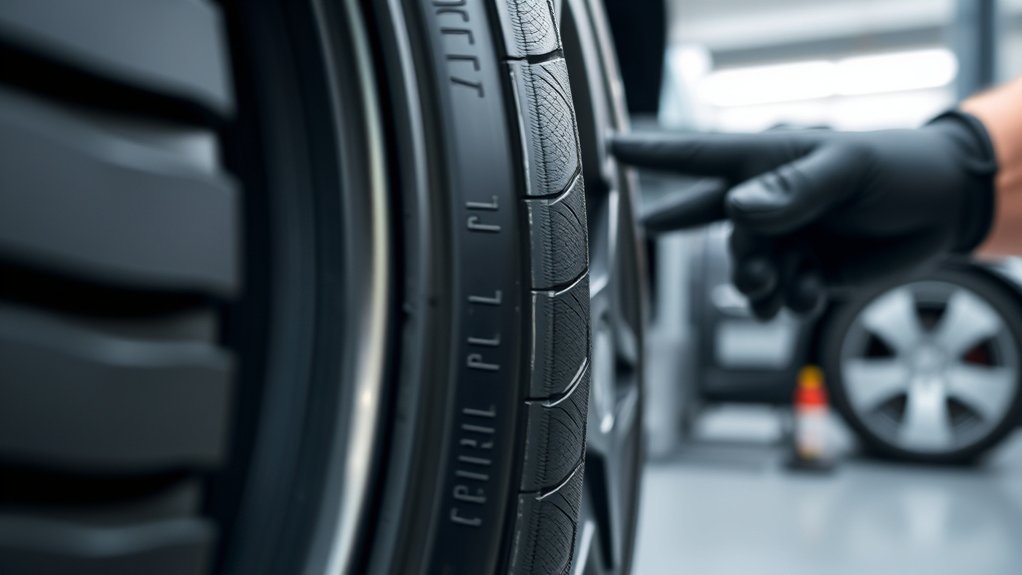
A 102T tire is a tire with a load index of 102 and a T speed rating. In plain English, that means the tire can carry up to 1,874 pounds (850 kg) per tire when properly inflated, and it is rated for speeds up to 118 mph (190 km/h) under controlled conditions. The right question is not just “What does 102T mean?” but “Does 102T match what my vehicle requires?”
Quick Answer
A 102T tire has a 102 load index and a T speed rating. Load index 102 means the tire can carry 1,874 pounds when properly inflated. T means the tire is rated up to 118 mph. Always match or exceed the size, load index, and speed rating listed on your vehicle placard or owner’s manual.
Key Takeaways
- 102 is the load index, equal to 1,874 pounds (850 kg) per tire when the tire is properly inflated.
- T is the speed rating, equal to up to 118 mph (190 km/h) under controlled test conditions.
- The 102T code is part of the tire’s service description, usually printed after the tire size, such as P225/65R17 102T.
- Never install a tire with a lower load index or speed rating than your vehicle manufacturer specifies unless your owner’s manual or a qualified tire professional confirms it is acceptable.
- A higher tire load index does not increase your vehicle’s GVWR, axle rating, towing capacity, or legal payload.
At a Glance
| Time Required | 2–5 minutes to check the sidewall, placard, and owner’s manual |
| Difficulty | Easy |
| Tools Needed | Flashlight, tire pressure gauge, vehicle placard, owner’s manual |
| Cost | Free, unless you need a pressure gauge or professional tire inspection |
What Does 102T Mean on a Tire?
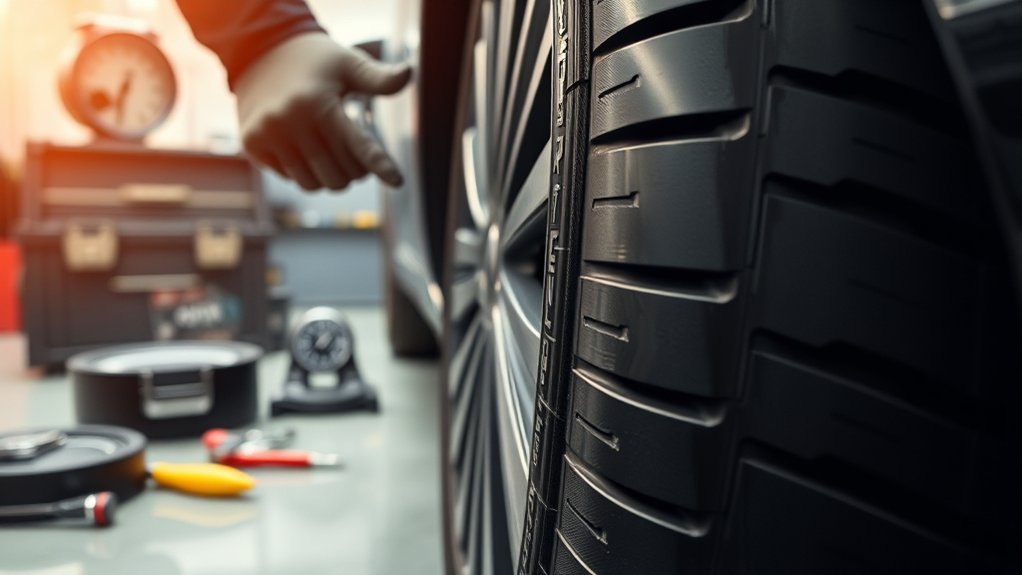
A tire marked 102T tells you two important specifications:
- 102 is the tire’s load index.
- T is the tire’s speed rating.
Together, these two characters form the tire’s service description, which is normally printed after the tire size. For example, in P225/65R17 102T, the size is P225/65R17, while 102T tells you the tire’s load and speed capability.
The Tire Industry Association describes the service description as the part of the sidewall marking that identifies the load index and speed symbol. That means two tires can be the same physical size but still have different load or speed ratings.
What 102 Means for Load Capacity
The 102 load index means the tire can support up to 1,874 pounds (850 kg) when it is in good condition and inflated to the correct pressure. Load index is not the same thing as tire size, load range, or vehicle payload. It is a standardized number that translates to a maximum carrying capacity for one tire.
Load index 102 = 1,874 pounds per tire. On a four-tire vehicle, that does not automatically mean you can carry 7,496 pounds of vehicle weight, cargo, or trailer load.
Load Index Capacity
A 102 load index is common on many passenger vehicles, crossovers, SUVs, and minivans, but it is not correct for every vehicle. Your vehicle manufacturer chooses the required tire load rating based on vehicle weight, axle ratings, suspension design, braking system, and expected use.
Use this quick comparison:
| Tire Code | Load Index | Max Load Per Tire | Speed Rating |
| 100T | 100 | 1,764 lb | 118 mph |
| 102T | 102 | 1,874 lb | 118 mph |
| 102H | 102 | 1,874 lb | 130 mph |
Vehicle Fitment Limits
A 102 load index only tells you the tire’s rated capacity. It does not change your vehicle’s weight limits. Your vehicle is still limited by its gross vehicle weight rating (GVWR), gross axle weight ratings (GAWR), suspension, brakes, wheels, and manufacturer specifications.
Warning: Never use a 102T tire as permission to overload your vehicle. The tire may be rated for 1,874 pounds, but the vehicle’s placard, owner’s manual, axle ratings, and towing limits still control what the vehicle can safely carry.
What the T Speed Rating Means
The T speed rating means the tire is rated for speeds up to 118 mph (190 km/h) under controlled test conditions. This is a maximum speed capability rating, not a recommendation to drive that fast. You still need to obey posted speed limits, road conditions, tire condition, vehicle load, weather, and local laws.
Speed ratings also tell you something about how the tire manages heat and stress. A tire with the correct speed rating is built to work within the performance range the vehicle manufacturer expected. That matters even if you never drive near 118 mph, because heat buildup, load, inflation pressure, and sustained highway use all affect tire safety.
Common speed ratings include:
- S: up to 112 mph
- T: up to 118 mph
- H: up to 130 mph
- V: up to 149 mph
Why 102T Matters for Safety and Fitment
The 102T marking matters because your tires support the vehicle’s weight, manage heat, affect steering response, and help maintain braking stability. If you install tires with a lower load index or lower speed rating than required, you can reduce safety margin and change how the vehicle handles.
Correct ratings help you:
- Match the tire’s load capacity to the vehicle’s axle and weight requirements.
- Keep the tire within its intended heat and speed capability.
- Maintain predictable steering, braking, and stability-control behavior.
- Avoid premature wear caused by overloading or underinflation.
- Stay closer to the manufacturer’s intended tire specification.
The safest rule is simple: choose replacement tires that match or exceed the load and speed rating specified by your vehicle manufacturer.
How to Read a 102T Tire Sidewall
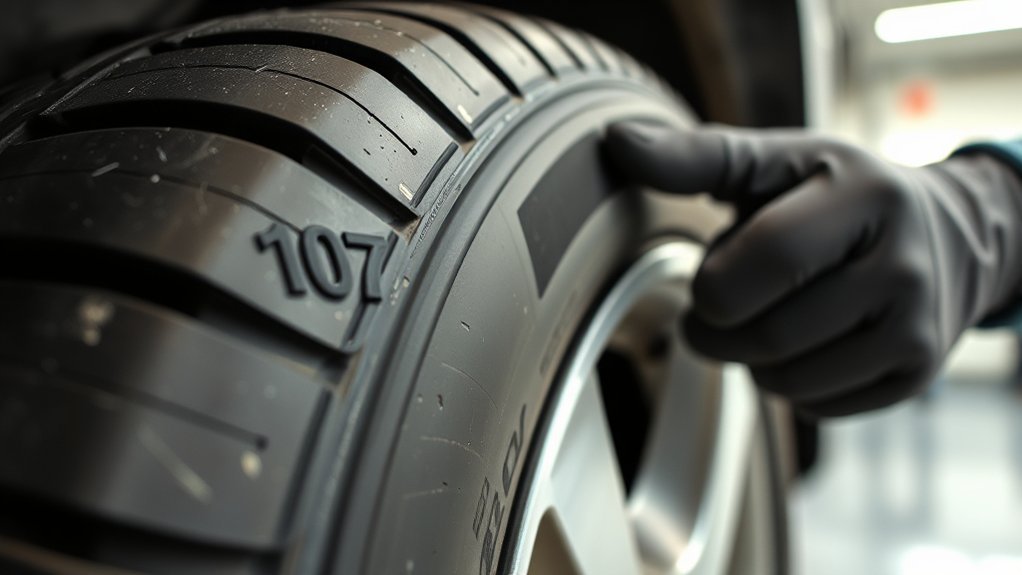
To read a 102T tire, look at the sidewall code. It may look something like this:
P225/65R17 102T
Tire Size Breakdown
- P means passenger tire.
- 225 is the tire width in millimeters.
- 65 is the aspect ratio, or sidewall height as a percentage of tire width.
- R means radial construction.
- 17 is the wheel diameter in inches.
- 102 is the load index.
- T is the speed rating.
Load Index Meaning
The load index is a number, not the actual weight printed in pounds. You need a load index chart to convert that number into capacity. For 102, the capacity is 1,874 pounds per tire. Most passenger-car and light-truck tire load indexes fall within a broad range, so do not guess based on size alone.
T Speed Rating
The speed rating appears as a letter after the load index. In 102T, the T means the tire is rated up to 118 mph. A 102H tire would have the same load index but a higher speed rating of 130 mph. A 100T tire would have the same speed rating but a lower load index.
What to Check Before Replacing 102T Tires
Before replacing 102T tires, check more than the 102T code. A safe replacement needs the correct size, load rating, speed rating, pressure, and construction type.
- Check the vehicle placard. Look on the driver’s door jamb, fuel door, glovebox, or owner’s manual for the approved tire size, pressure, load rating, and speed rating.
- Match the tire size. If your vehicle calls for P225/65R17, do not assume another 17-inch tire is close enough.
- Match or exceed the load index. If your vehicle requires 102, do not install 100 unless the manufacturer or a qualified tire professional confirms it is acceptable.
- Match or exceed the speed rating. If your vehicle requires T, H, V, or another rating, use that as your baseline.
- Check SL, XL, or HL markings. Extra Load and High Load tires can carry more under specified pressure conditions, but they must still match the vehicle’s requirements.
- Check cold tire pressure. Load capacity depends on proper inflation. Use the pressure listed on the vehicle placard, not the maximum pressure molded on the tire sidewall.
- Check tread depth and damage. Replace tires with exposed cords, bulges, cracks, puncture damage, or tread worn to the legal limit.
- Check tire age. Read the DOT Tire Identification Number. The last four digits show the week and year of manufacture.
Pro Tip: If the old tire says 102T but your door placard lists a different load or speed rating, follow the placard and owner’s manual first. The tire currently on the vehicle may not be the correct replacement specification.
[Products Worth Considering]

The SAFELIFE dial tire tread depth gauge measures tread depth in 1/32 inch increments with clear, easy-to-read 2-inch dial face. Color zones using a traffic light system help you quickly judge whether tread is low, marginal, or ample for safer driving. Built with a durable zinc cast body and a metal detect probe for precise, comfortable use across cars, motorcycles, trucks, and buses.

Monitor tire tread wear with a smart, color-coded depth gauge that shows clear condition ranges at a glance. The bar is range marked for fast, easy readings, helping you maintain safer traction and performance. Each gauge is portable with a pocket clip, and the set includes 20 units for daily use and sharing.

Measure tire tread depth quickly and accurately with this LUMITECO dial gauge that reads in 1/32" increments up to 14/32". The color-coded green/yellow/red zones make it easy to judge tire wear and know when replacement is needed. A rugged, compact design with a protective pouch helps keep the gauge ready for use on cars, trucks, motorcycles, and more.
Can You Use a Higher or Lower Rating Than 102T?
[Products Worth Considering]

Accurately measure tire tread depth with a calibrated gauge marked from 0 to 1 inch in 1/32 inch increments. The color-coded bar helps you quickly identify tread condition ranges, supporting safe driving for trucks, motorcycles, automobiles, and passenger vehicles.

AstroAI’s heavy-duty digital tire pressure gauge delivers quick, accurate readings with 0.1 increments and a secure valve-stem seal. It features a green backlit LCD and built-in flashlight for easy use in low light, plus an ergonomic non-slip stainless-steel design. The wide 0–230 PSI range works across common vehicle tires, with unit selection and an auto shut-off to save battery.
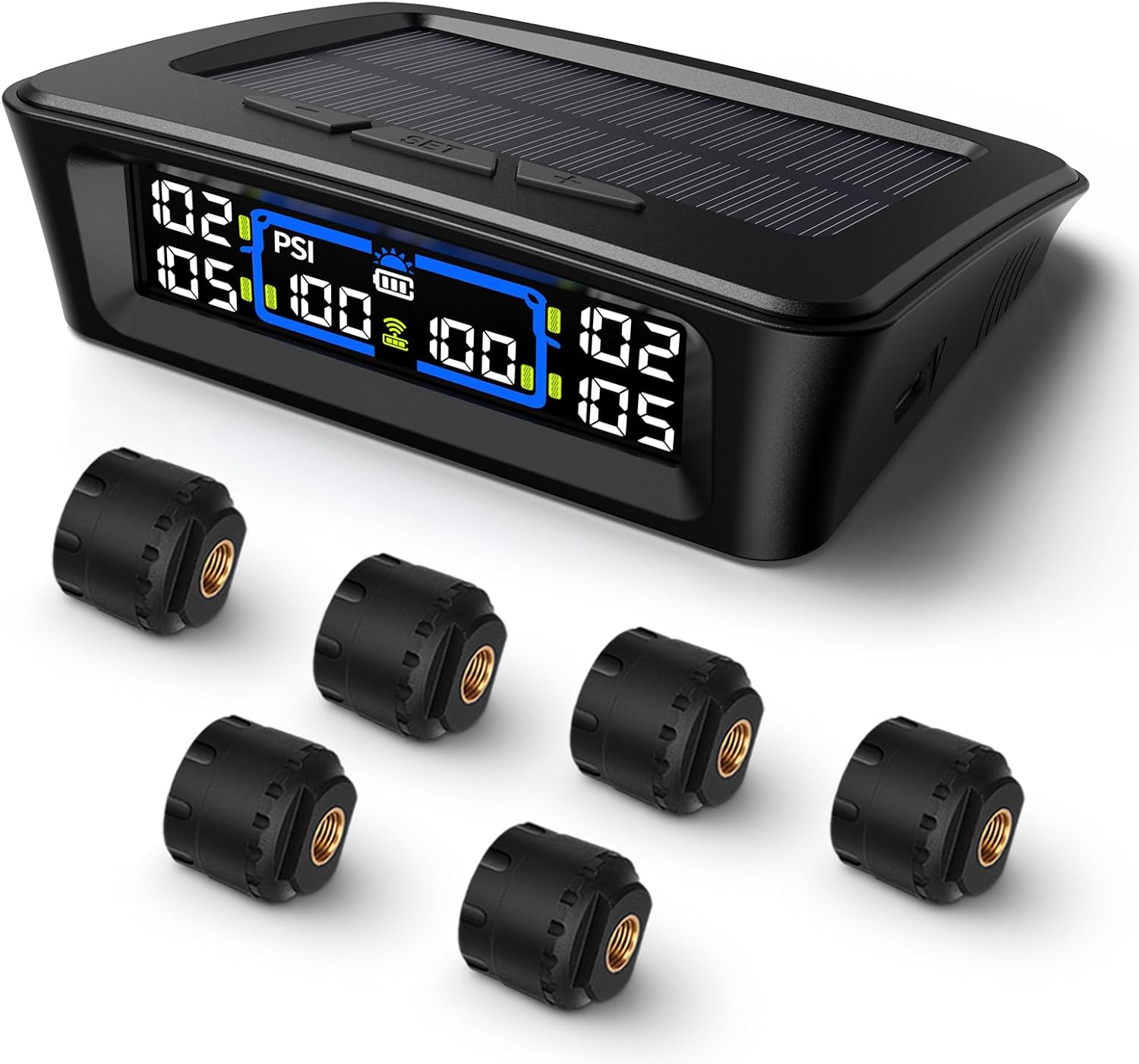
The Tymate TM12 RV TPMS delivers real-time tire pressure and temperature monitoring with a stable 433Hz display for safer long-distance driving. It supports simultaneous monitoring across vehicle and trailer zones, includes six alarm modes for pressure, temperature, leakage, battery, and signal loss, and features easy DIY installation with auto calibration. Power is supplied via USB-C charging or solar recharging, with a wide 0–144 PSI range and up to 50 ft signal coverage for RVs and towable trailers.
Using a Higher Load Index
You can often use a tire with a higher load index if the size, construction, speed rating, and vehicle requirements still match. For example, moving from 102T to 104T may be acceptable in some cases. However, a higher load index does not increase how much your vehicle is legally or mechanically allowed to carry.
Using a Lower Load Index
Do not use a lower load index than your vehicle requires. A lower-rated tire may overheat, wear faster, flex too much, or fail under heavy load. If your vehicle requires 102, a 100 load index gives less capacity per tire and should not be treated as an equal replacement.
Using a Higher Speed Rating
A higher speed rating, such as replacing 102T with 102H, may be acceptable if the tire otherwise matches the vehicle’s requirements. Keep in mind that higher speed-rated tires may have different ride comfort, treadwear, price, and handling characteristics.
Using a Lower Speed Rating
Using a lower speed rating is generally not recommended unless the tire is a winter-capable tire and your vehicle manufacturer, tire manufacturer, or local rules allow it. Even then, you must never drive faster than the lower tire’s maximum rated speed.
Don’t Mix Tire Ratings Carelessly
Do not casually mix tire ratings. If one tire has a lower speed rating, lower load index, different construction, or different size, the whole set can behave differently under braking, cornering, and highway heat.
If mixed ratings are unavoidable for a short emergency period, drive conservatively and have the tire set corrected as soon as possible. For normal driving, the best practice is to use four matching tires with the correct size, load index, speed rating, and construction type.
Note: If your tires have different speed ratings, the lowest speed-rated tire limits the safe speed capability of the set. That does not mean the vehicle is safe at that speed in real-world conditions.
Common 102T Tire Mistakes to Avoid
- Only matching the size: A tire can be the same size but have a different load index or speed rating.
- Ignoring tire pressure: A 102 tire only reaches its rated capacity when properly inflated.
- Using tire capacity as vehicle capacity: Tire ratings do not override GVWR, GAWR, or towing limits.
- Buying a lower rating to save money: A lower rating can reduce safety margin and may not meet manufacturer requirements.
- Assuming T is always better than S: T has a higher speed rating than S, but the best rating is the one your vehicle specifies.
- Ignoring XL or load range markings: Some vehicles require Extra Load or other reinforced tire types.
When to Replace 102T Tires
Replace 102T tires when they are worn, damaged, aged out, or no longer match your driving needs. You should inspect them if you notice vibration, repeated air loss, sidewall cracks, bulges, uneven wear, or poor wet traction.
Also replace tires if the tread reaches the legal minimum depth or the wear bars are flush with the tread surface. For best safety, many drivers replace tires before they reach the absolute legal limit, especially in wet, snowy, or high-speed driving.
[Products Worth Considering]

Steelman white tire marking crayons provide high-contrast, semi-permanent marks for repairing and inspecting tires and equipment. They write on wet or dry, smooth or coarse surfaces including rubber, metal, glass, and wood, making them ideal for puncture location and damage outlining. The lead- and zinc-free crayons resist weather and fading yet wipe away when you no longer need the marks.

Keep your tires properly inflated with this analog VONDIOR tire pressure gauge, designed for fast, easy readings without batteries. The swiveling, two-axis hose and large glow dial help you measure at any tire angle with instant visibility. Built with a protective rubber shield, it supports durable, low-maintenance use for cars and trucks.

Milton S-921 pencil tire pressure gauge helps you maintain optimal tire pressure for passenger cars with accurate readings in PSI and kPa. It features a built-in deflator valve for convenient pressure adjustments, plus a single chuck head and nylon indicator bar for easy use on the go. Built from durable plated brass and designed for reliable performance, it’s a practical road trip and cold-weather maintenance tool.
Frequently Asked Questions
What does the T or H mean on tires?
T and H are tire speed ratings. T means the tire is rated up to 118 mph, while H means the tire is rated up to 130 mph. The right choice depends on your vehicle’s required speed rating, not just which letter is higher.
What is the difference between 100T and 102T tires?
Both 100T and 102T tires have the same T speed rating of 118 mph. The difference is load capacity. A 100 load index supports 1,764 pounds per tire, while a 102 load index supports 1,874 pounds per tire. If your vehicle requires 102T, do not replace it with 100T unless the manufacturer confirms it is acceptable.
Which speed rating is better, S or T?
T has a higher maximum speed rating than S. S is rated up to 112 mph, while T is rated up to 118 mph. However, “better” depends on your vehicle. Always use the speed rating listed by the vehicle manufacturer or a higher approved rating.
What does 102H mean on a tire?
102H means the tire has the same 102 load index as a 102T tire, so it can carry 1,874 pounds per tire when properly inflated. The difference is the H speed rating, which is up to 130 mph instead of the T rating’s 118 mph.
Can I replace 102T tires with 102H tires?
In many cases, yes, because 102H keeps the same load index and uses a higher speed rating. Still, the tire must also match the correct size, load type, rim fitment, pressure requirements, and vehicle manufacturer recommendations.
Does a 102T tire mean I can carry 1,874 pounds of cargo?
No. The 1,874-pound rating applies to one tire’s maximum load when properly inflated. It does not equal your cargo capacity. Your vehicle’s payload, GVWR, axle ratings, wheel ratings, and towing limits still control how much weight you can safely carry.
Conclusion
A 102T tire has a 102 load index and a T speed rating. That means it can carry up to 1,874 pounds per tire when properly inflated and is rated up to 118 mph under controlled conditions. For safe replacement, do not rely on the sidewall code alone. Check your vehicle placard and owner’s manual, match the correct size, meet or exceed the required load and speed ratings, and remember that tire ratings never override your vehicle’s weight limits.
Sources
- Michelin — Understanding Tire Load Rating and Speed Rating — backs up service description, manufacturer-rating guidance, higher/lower rating cautions, and load-limit warnings.
- NHTSA Tire Safety Brochure — backs up tire placard, owner’s manual, cold pressure, and replacement-size guidance.
- Tire Industry Association — Reading a Tire Sidewall — backs up service description, load index, speed symbol, and DOT/TIN explanation.
- Discount Tire — Load Range vs. Load Index — backs up load index 102 = 1,874 pounds and load index chart values.
- Discount Tire — Tire Speed Ratings — backs up T = 118 mph and common speed-rating comparisons.
- Bridgestone — Speed and Load Rating Charts — backs up controlled-condition speed/load explanations and placard-based selection guidance.