
Tire kicking is when someone shows interest in a product or service without clear buying intent. In sales, that usually looks like repeated questions, demo requests, price shopping, or long conversations that never turn into a real next step. The goal is not to judge every cautious prospect too early. The goal is to qualify interest quickly, protect your sales time, and focus on people who have a real need, budget, authority, and timeline.
Quick Answer
Tire kicking means browsing, asking questions, or requesting sales attention without a serious plan to buy. A tire kicker may seem interested, but they avoid clear budget, timeline, decision-maker, or next-step questions. You handle them by qualifying early, setting boundaries, and moving unfit leads out of the active pipeline.
Key Takeaways
- Tire kicking means showing interest without clear buying intent, usually through questions, demos, or price comparisons with no decision path.
- Not every slow buyer is a tire kicker; some people are still researching and can become qualified later.
- The fastest way to separate real buyers from tire kickers is to ask about need, budget, authority, timeline, and next steps.
- Strong boundaries protect your calendar, keep the sales process clean, and help serious buyers move faster.
- Use CRM notes and simple lead scoring so low-intent prospects do not hide inside your active pipeline.
What Is Tire Kicking?

Tire kicking is a sales term for a prospect who looks interested but is not ready, able, or willing to buy. They may ask for a demo, compare prices, request custom answers, or keep the conversation alive without committing to a practical next step.
The phrase comes from the image of a car shopper checking a vehicle closely, including the tires, before deciding whether to buy. In modern sales and marketing, it is used more broadly for low-intent prospects who consume time but do not show real movement toward a purchase.
A tire kicker is not always a bad person or a lost cause. Sometimes they are early in the research stage, unsure of their problem, or trying to learn what options exist. The problem starts when your team treats every curious person like a sales-ready buyer.
Note: The difference between a tire kicker and a careful buyer is movement. Careful buyers ask questions and then define a next step. Tire kickers ask questions but avoid commitment, timing, and decision details.
Where Did Tire Kicking Come From?
The expression is tied to car shopping, where a person might inspect a vehicle, look around the lot, ask questions, and still have no plan to purchase. Over time, sales teams started using the phrase for anyone who looks active but does not act like a real buyer.
That context matters because the original image is not only negative. Inspecting a purchase before buying is reasonable. In sales, the issue is not curiosity itself. The issue is repeated curiosity with no budget, no urgency, no decision-maker, and no clear next step.
Tire Kickers vs Real Buyers

Real buyers usually show a mix of fit and intent. They can explain the problem, say why it matters, discuss timing, and identify who will approve the purchase. Tire kickers often stay vague because they are not close enough to a buying decision.
| Signal | Tire Kicker | Real Buyer |
|---|---|---|
| Need | Vague or general | Specific problem to solve |
| Budget | Avoids budget questions | Can share a range or process |
| Authority | No clear decision-maker | Knows who approves the purchase |
| Timeline | “Just looking” or “maybe later” | Has a target date or trigger |
| Next step | Keeps asking without committing | Agrees to a clear next action |
A qualified prospect usually matches your ideal customer profile and gives enough information to judge whether a sale is realistic. Common qualification criteria include need, authorization, money or budget, and the economic buyer behind the purchase. For a deeper background on this concept, see this overview of a qualified prospect.
Common Signs of a Tire Kicker
You can often spot a tire kicker by looking for patterns, not one single behavior. A serious buyer may ask many questions, compare prices, or need time. The warning sign is when every answer leads to more delay and no clearer buying path.
- They ask many questions but avoid decision questions. They want information, but they do not want to discuss budget, timing, or approval.
- They focus only on price. They ask “How much?” before explaining the problem, use case, or value they need.
- They request demos or free work too early. They want your time before you know whether they are a fit.
- They cannot name the decision-maker. They may be curious, but they cannot move the deal forward.
- They give vague answers. “We’re exploring,” “maybe soon,” and “send more information” can be valid once, but repeated vagueness is a red flag.
- They do not match your offer. Their problem, budget, company size, or urgency does not fit what you sell.
- They disappear after receiving value. They attend the demo, get the advice, or collect the proposal, then stop responding.
Why Tire Kickers Slow Sales Down
Tire kickers slow sales down because they create activity without progress. Your pipeline looks busy, but the deals do not move. That makes forecasting harder, steals attention from qualified opportunities, and can wear down your team.
Wasted Sales Time
Every extra call, custom answer, and follow-up email has a cost. When salespeople spend too much time on low-intent leads, they have less time for prospects who are ready to compare options, involve decision-makers, and move toward a purchase.
- Calls become longer without becoming more useful.
- Follow-ups multiply without a defined next step.
- Sales reps start confusing activity with progress.
Pipeline Bottlenecks
A pipeline full of weak-fit prospects creates false confidence. It can make your team think there are more opportunities than there really are. It can also hide better deals behind stalled conversations.
| Signal | Impact | Action |
|---|---|---|
| Slow replies | Deal stalls | Requalify timing |
| Heavy objections with no context | Team energy drains | Ask about fit and priority |
| No next step | Pipeline clogs | Pause or remove |
How to Qualify Tire Kicker Leads
To qualify tire kicker leads, ask direct questions before you invest deep sales time. Your goal is to confirm fit and intent. Fit means the prospect matches your offer. Intent means they have a real reason to act.
At a Glance
| Time Required | 10–15 minutes during the first serious call |
| Difficulty | Easy to moderate; the hard part is asking direct questions politely |
| Tools Needed | CRM notes, intake form, qualification checklist, and a clear next-step process |
| Cost | No direct cost; the payoff is recovered sales time |
[Products Worth Considering]

Protect tire valves from water, dust, and sand to help prevent leaks and support safe driving. These universal stem caps install quickly by hand and feature durable aluminum alloy construction with an inner sealing ring for better air retention. Compatible with cars, SUVs, trucks, motorcycles, and bicycles for everyday convenience.

Chemical Guys Tire Kicker Sprayable Extra Glossy Tire Shine restores a deep, wet look on tires, rubber, vinyl, and plastic trim. It delivers a rich showroom shine that enhances color and luster while helping protect against fading, cracking, and discoloration. The spray application dries to the touch with a streak-free finish and no greasy sling, for fast results on cars, trucks, motorcycles, RVs, and boats.

Upgrade your radio reception with a short car and truck antenna designed for improved AM and FM performance while reducing static. Built with premium copper hardware and billet aluminum for a durable, stylish upgrade, it’s made to resist scratching and fading. Installation is quick with a simple screw-in design and included adapters to help fit compatible vehicles.
Ask Targeted Qualification Questions
Use simple questions that reveal budget, authority, need, timeline, fit, and next step. You do not need to interrogate the prospect. You need enough clarity to know whether the conversation belongs in the active pipeline.
- Need: “What problem are you trying to solve right now?”
- Impact: “What happens if you do nothing for the next three months?”
- Budget: “Have you set aside a budget range for this?”
- Authority: “Who else will be involved in the decision?”
- Timeline: “When would you ideally like this solved?”
- Fit: “What would make this a strong fit or a poor fit for you?”
- Next step: “If this looks right, what would the next step be on your side?”
Score Fit and Intent
A simple lead score can help you avoid emotional guessing. Lead scoring is the practice of ranking prospects so sales teams can decide who should receive attention first. A useful score includes both fit signals and behavior signals, not just how many times someone opened an email. Learn more about the general concept of lead scoring.
- High fit + high intent: prioritize now.
- High fit + low intent: nurture until timing improves.
- Low fit + high intent: redirect to a better option.
- Low fit + low intent: remove from active sales follow-up.
Pro Tip: Do not score a lead as “hot” just because they are talkative. Score them as hot when they have a real problem, a decision process, and a next step they are willing to take.
How to Handle Tire Kicker Prospects
You can handle tire kicker prospects without being rude. The key is to stay helpful while keeping control of your time. You do that by qualifying early, setting clear boundaries, and giving unfit leads a respectful path forward.
[Products Worth Considering]

Upgrade your vehicle’s style with sparkling rhinestone valve caps that add a unique luxury look. Built with an O-ring seal and rotating thread design, they help prevent air leakage while keeping dust and road grime out. The universal fit works on standard American tire valves for cars, trucks, SUVs, and motorcycles, and installs easily without special tools.

This ALL-TOP auto-stop tire deflator valve kit lets you air down off-road tires quickly without watching pressure, automatically stopping when your preset PSI is reached. Each valve is individually calibrated for reliable performance with an acceptable +/- 2 PSI tolerance. The adjustable deflator range covers 10 to 30 PSI and includes four valves plus valve caps and a zipper pouch for easy setup on trucks, SUVs, RVs, UTVs, and powersports.

Join Prime and get ready for Prime Big Deal Days, October 6–7! Unlock exclusive member deals, fast delivery, Prime Video, Prime Reading, and more. Shop limited-time offers, save on popular products, and **join Prime today to start saving before the best deals are gone.**
Qualify Early
Start with a short discovery process before giving a long demo, custom recommendation, or detailed proposal. A serious buyer will usually understand why you need context. A tire kicker may resist because they want information without commitment.
Use this script:
“I’m happy to help. To make sure I point you in the right direction, can I ask a few quick questions about what you need, your timeline, and who will be involved in the decision?”
Set Firm Boundaries
Boundaries make the process easier for both sides. Tell the prospect what the meeting covers, how long it will take, and what the next step will be if there is a fit.
- Use meeting agendas.
- Limit free consultations.
- Do not create custom proposals before confirming budget and decision process.
- End calls with a clear next step or a clear pause.
Redirect Unfit Leads
If a prospect is not a fit, redirect them quickly and politely. That protects your time and helps them find a better option.
Use this script:
“Based on what you shared, I do not think this is the right fit right now. The best next step may be to revisit this when the budget and timeline are clearer.”
Can You Convert a Tire Kicker?

Yes, you can sometimes convert a tire kicker, but only if the real issue is uncertainty rather than no intent. Some prospects ask too many questions because they are nervous, confused, or comparing unfamiliar options. Others ask because they want free advice and have no plan to buy.
To convert a hesitant but real prospect, reduce confusion. Do not overwhelm them with every option. Recommend one best-fit path, explain why it fits, and ask for a practical next step.
- If they are confused: simplify the choice.
- If they are worried about risk: explain proof, process, and expectations.
- If they are price shopping: bring the conversation back to value and fit.
- If they have no urgency: move them into nurture instead of active sales follow-up.
Warning: Do not keep discounting, extending free work, or building custom proposals just to create urgency. If the prospect has no real need or buying path, more effort will not create a better deal.
How to Remove Tire Kickers From Your Pipeline
Removing tire kickers does not mean deleting every slow lead. It means moving low-intent prospects out of the active sales pipeline so your forecast reflects real opportunities.
[Products Worth Considering]

Make hard-to-reach areas easier to access with the MAXXHAUL truck tire service step featuring an adjustable width and height. The foldable design stores compactly, while the serrated non-slip platform provides secure footing for tire-related maintenance. It fits most stock tire sizes up to 31-inch diameter with a 300-lb capacity.

Slip the Powerbuilt tire step over your vehicle’s tire to reach roof racks, engine bays, truck boxes, and more without overreaching. Its adjustable, universal design fits tires with a cross tread width up to 13 inches, including car, truck, RV, and semi tires. The non-slip cheesegrater surface and anti-slip tape provide secure grip while the open design lets mud and debris pass through. Fold-flat storage with rubber bumpers helps keep your tire and the step protected between uses.
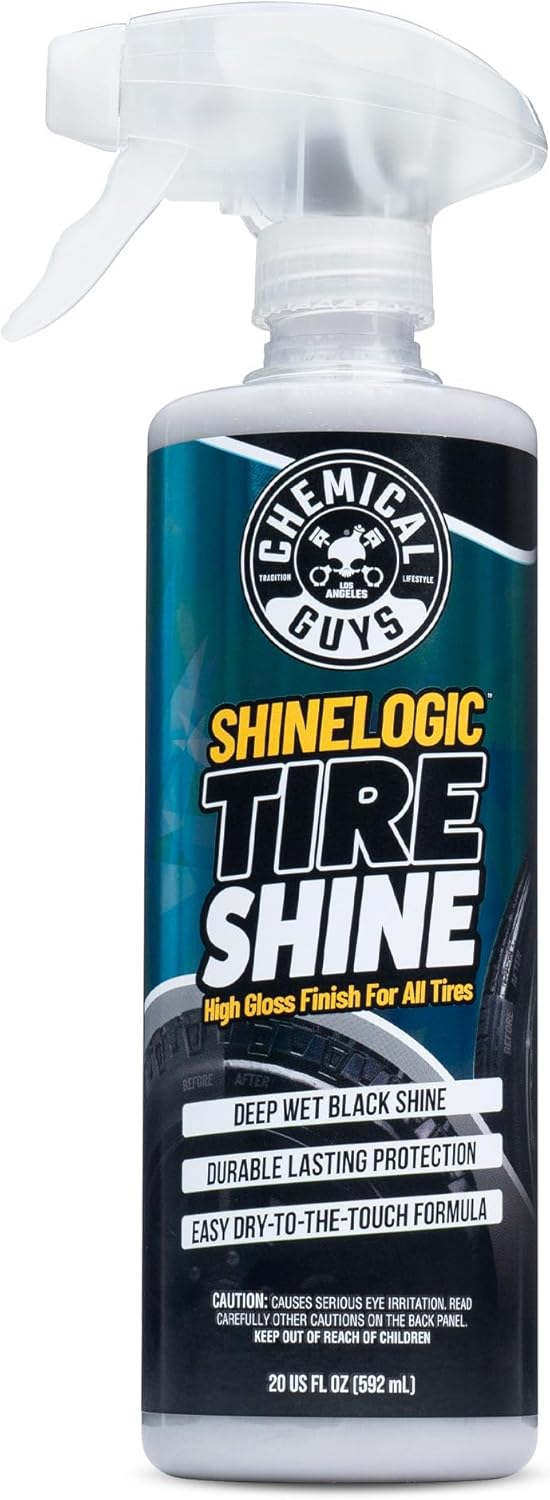
Chemical Guys ShineLogic Tire Shine delivers a deep wet black, high-shine finish for rubber tires with a sleek look. It’s designed for durable, one-step application with minimal drips, streaks, or runs, and it helps produce effortless, long-lasting shine. Choose aerosol or trigger spray for easy use on cars, trucks, motorcycles, RVs, and more.
Requalify Stalled Deals
Review stalled deals weekly. If a lead has not responded, has no next step, or still cannot answer core qualification questions, requalify them before you keep chasing.
Use this script:
“It seems like this may not be a priority right now. Should we pause this conversation and reconnect when timing, budget, or internal approval is clearer?”
Set Clear Exit Rules
Create simple exit rules so your team knows when to stop pursuing a lead. For example, move a prospect out of the active pipeline when they miss two agreed follow-ups, avoid budget questions three times, or cannot identify a next step after a discovery call.
Move, Don’t Erase
Some tire kickers become buyers later. Instead of deleting them forever, move them into a nurture list, newsletter, or future follow-up task. That way, you stay visible without treating them like a current deal.
How to Keep Tire Kickers Out Longer-Term
Long-term prevention starts before the sales call. Your website, intake forms, content, pricing page, and booking process should help prospects self-qualify before they take your team’s time.
- Clarify who your offer is for. Say who gets the best results and who may not be a fit.
- Add a short intake form. Ask about need, timing, budget range, and decision role.
- Use educational content. Answer basic questions on your site so calls can focus on fit.
- Show starting prices or budget ranges when possible. This filters out prospects who cannot afford the offer.
- Track patterns in your CRM. Look for repeat behaviors that predict no-decision outcomes.
- Review lost and stalled deals. Use those patterns to improve your qualification questions.
The goal is not to block curious people. The goal is to guide each person to the right path: active sales conversation, nurture, self-service content, or a polite no-fit answer.
Frequently Asked Questions
What does it mean to be kicking tires?
Kicking tires means browsing or showing interest without a clear plan to buy. In sales, it describes a prospect who asks questions, compares options, or requests attention but avoids commitment, budget, timing, or decision-making details.
What does it mean when someone is a tire kicker?
A tire kicker is someone who appears interested but does not show enough buying intent to justify deep sales effort. They may still become a buyer later, but right now they are not showing clear need, budget, authority, timeline, or next steps.
How do you get rid of tire kickers?
Get rid of tire kickers by qualifying early, setting meeting boundaries, asking direct questions, and moving unfit leads out of the active pipeline. You can still place them in a nurture list so they can return later if their need becomes real.
Why are tire kickers bad for sales teams?
Tire kickers are bad for sales teams because they create activity without progress. They can waste time, distort forecasts, slow follow-up with better leads, and make the pipeline look healthier than it really is.
Is every price shopper a tire kicker?
No. A real buyer may ask about price early because budget matters. They become a tire kicker when they only ask about price, avoid explaining their needs, and refuse to discuss timeline, approval, or next steps.
Can a tire kicker turn into a real buyer?
Yes. Some tire kickers are simply early-stage researchers. They can turn into real buyers when they define the problem, secure budget, involve the decision-maker, and agree to a clear next step.
Conclusion
Tire kicking can make your pipeline look busy while nothing meaningful moves forward. The fix is not to ignore curious prospects. The fix is to qualify them clearly, set fair boundaries, and separate research-stage leads from active buying opportunities. When you ask better questions and track intent in your CRM, your team spends less time chasing noise and more time helping real buyers move toward a decision.
Sources
- Qualified prospect — background on qualification criteria such as need, authority, budget, and buyer role.
- Lead scoring — background on ranking prospects by fit and engagement signals.
- Schema.org Article — structured data reference for Article markup.
- Schema.org FAQPage — structured data reference for FAQ pages.
- Schema.org HowTo — structured data reference for step-by-step instructions.