Is Goodyear a Good Tire Brand? Expert Review & Comparison
Yes—Goodyear is a good tire brand for many drivers, especially if you want a familiar U.S.-based manufacturer with a wide lineup, strong everyday tire options, and model-dependent treadwear coverage. It is not always the cheapest choice, and the best tire still depends on your vehicle, climate, budget, and driving style, but Goodyear remains a strong mainstream-premium option for commuting, performance driving, towing, winter use, and light off-road needs.
Quick Answer
Goodyear is a good tire brand if you want broad model choice, dependable all-season options, strong brand support, and competitive warranty coverage on select tires. Choose by tire family, not brand name alone: Assurance suits daily driving, Eagle suits performance, Wrangler suits trucks and SUVs, Ultra Grip suits winter, and Endurance suits trailers.
Key Takeaways
- Goodyear is a long-established tire maker with roots going back to 1898 and a large lineup for cars, SUVs, trucks, trailers, and performance vehicles.
- The brand is strongest when you match the right tire family to your driving need instead of buying by logo alone.
- Select Goodyear models offer treadwear warranties, including some Assurance tires listed up to 65,000 miles, but coverage varies by model and size.
- Goodyear’s current satisfaction program is a 60-Day Satisfaction Guarantee on select Goodyear tires, not the older 30-day pledge language.
- Michelin may be the better pick for some premium comfort and top-tier test results, while Cooper can make more sense for budget-focused buyers.
Is Goodyear a Good Tire Brand?

Yes—Goodyear is generally a good tire brand if you want a balanced mix of traction, durability, ride comfort, and broad availability. The company’s own history traces its start to 1898 in Akron, Ohio, and Goodyear still sells tires across major categories, including everyday driving, performance, all-terrain, winter, commercial, aviation, and trailer applications through its official tire channels and specialty divisions.
That does not mean every Goodyear tire is automatically the best tire in its class. Tires are highly model-specific. A Goodyear Assurance tire built for commuting will not behave like an Eagle performance tire, and a Wrangler all-terrain tire will not ride like a quiet touring tire. The smart way to judge Goodyear is to compare the exact model, size, speed rating, load rating, warranty, and season rating against your driving needs.
For most daily drivers, Goodyear is worth considering because the lineup is easy to shop, widely available, and supported by model-specific warranties and service programs. If you want the lowest possible upfront price, a budget tire may cost less. If you want the quietest luxury ride or the very best independent-test result in one category, Michelin, Bridgestone, Continental, or another premium rival may beat a specific Goodyear model. But as an overall brand, Goodyear is a credible, proven choice.
[Products Worth Considering]

Keep RV, trailer, or truck dual-axle tires protected with waterproof, UV-resistant covers that help guard against sunlight, snow, rust, and dirt. The dual tire covers are easy to install with a rope/bungee fastener for a stable fit that won’t easily slip. Designed for 27–30 inch diameter wheels, they help maintain tire condition through harsh weather.

Camco Trailer Aid Plus tandem tire ramp lifts your trailer for quick, safe tire changes with ample clearance from its 5 1/2-inch lift. It helps you change a flat tire without unloading cargo, making roadside and routine maintenance more efficient. The heavy-duty, waterproof and rustproof polymer design supports up to 15,000 lb and is built for easy portability and storage.
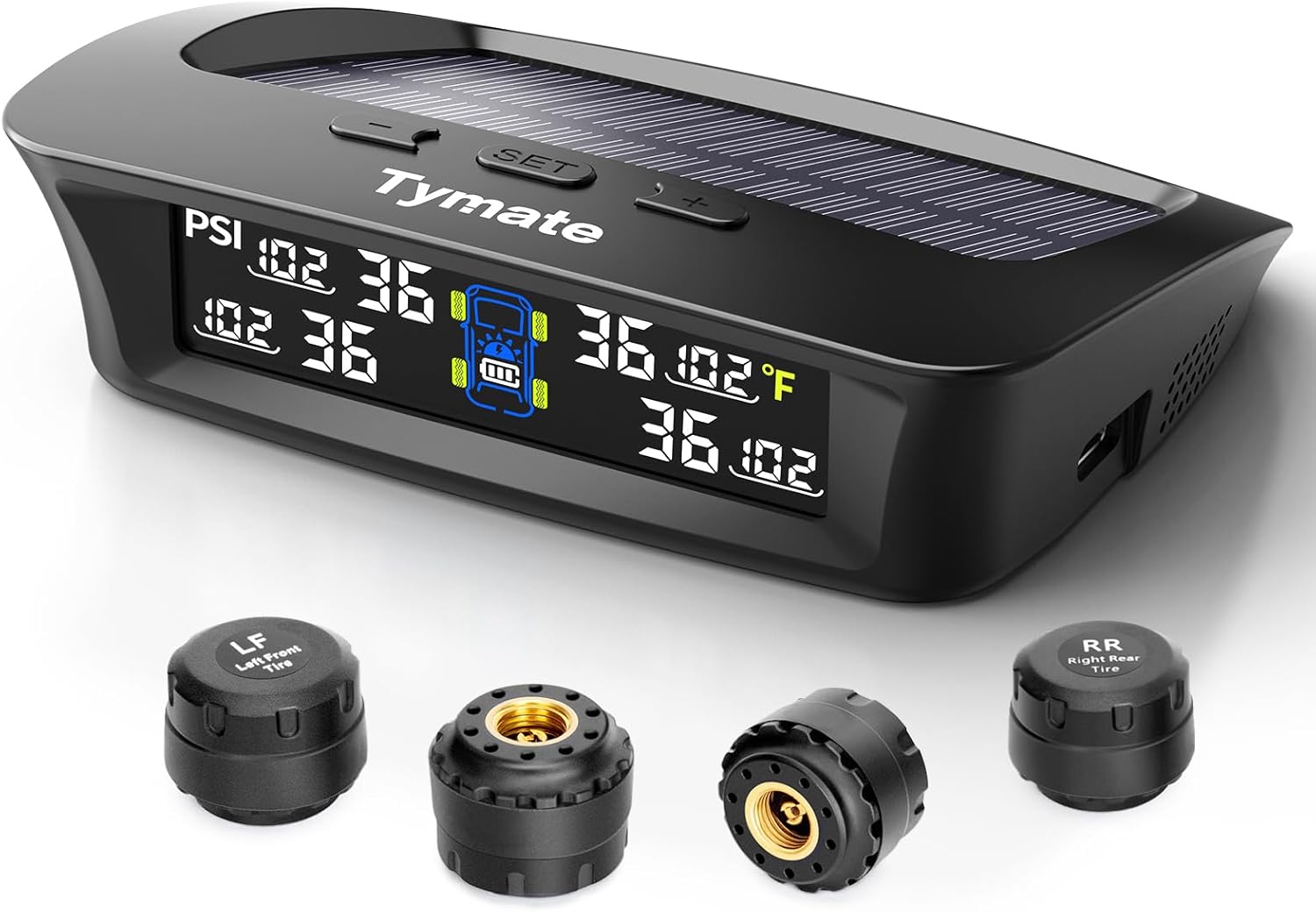
The Tymate TM3 RV TPMS delivers real-time tire pressure monitoring from 0 to 144 PSI with accurate readings and dependable wireless communication. It includes four external sensors with pre-pairing, six alarm modes for rapid leak, pressure extremes, temperature, and signal loss, plus an easy-reference setup for alert thresholds. Solar and USB-C charging help keep the display powered, while the color LCD and adaptive backlight improve visibility for safer driving and towing.
Why Goodyear Tires Stand Out
Goodyear stands out because it gives shoppers a clear lineup by use case. You can look at Assurance for commuting and all-season comfort, Eagle for sportier handling, Wrangler for trucks and SUVs, Ultra Grip for winter traction, and Endurance for trailer service. That range matters because the best tire is not just “the best brand”; it is the tire that matches your vehicle, weather, and road conditions.
Goodyear also has a long engineering history. Its corporate history notes early rubber products, carriage and bicycle tires, and later tire innovations such as the first all-weather tread design in 1908. That history does not guarantee every modern model will outperform every competitor, but it does support Goodyear’s position as an established manufacturer rather than a short-lived private-label tire brand.
Many shoppers also like Goodyear because the brand is easy to compare. Product pages usually list season type, use case, warranty mileage where available, and basic fitment details. For example, the Goodyear Assurance Fuel Max is listed as an all-season, commuter, fuel-efficient tire with a 65,000-mile warranty, while the Assurance WeatherReady 2 is listed with a 60,000-mile warranty.
Note: Tire warranties are model- and size-dependent. Always confirm the exact warranty for your vehicle’s tire size before you buy, because one tire family can include different mileage coverage across models.
Goodyear Tire Quality and Performance
Goodyear tire quality is best described as mainstream-premium: better supported and more technically developed than many bargain tires, but still dependent on the exact model. In everyday use, Goodyear’s strengths are usually broad fitment coverage, predictable handling, good all-season choices, and solid treadwear options on select models.
For commuting, Goodyear Assurance tires focus on comfort, control, and all-season usefulness. For sportier vehicles, the Eagle family targets sharper steering and higher-speed performance. For trucks and SUVs, Wrangler tires focus on all-terrain traction and durability. For towing and trailers, Goodyear Endurance is built for trailer service, and you can compare that use case in this Goodyear Endurance trailer tire review.
What you should avoid is assuming that every Goodyear tire has the same strengths. A touring tire may be quiet and efficient but not ideal for aggressive cornering. An all-terrain tire may grip gravel and dirt better but ride louder on the highway. A winter tire may excel in cold weather but wear faster in warm temperatures. Goodyear gives you options, but the right option depends on how and where you drive.
Best Goodyear Tires by Driving Need
Different drivers need different Goodyear tire designs. Use this simple guide before choosing a model:
| Daily commuting | Look at Assurance models for all-season comfort, predictable control, and available treadwear coverage. |
| Performance driving | Look at Eagle models if steering response, cornering grip, and sporty road feel matter more than maximum tread life. |
| Trucks and SUVs | Look at Wrangler models for rugged use, on-road/off-road traction, and light-truck fitments. |
| Winter driving | Look at winter-rated Goodyear options, such as Ultra Grip, when snow, ice, and sustained cold are regular concerns. |
| Trailer and towing support | Look at Goodyear Endurance or other trailer-specific tires rather than using passenger-car tire logic. |
If you drive a Toyota RAV4 or similar crossover, Goodyear’s touring and all-season options are often cross-shopped with other premium tires. For example, this site’s RAV4-focused guide includes the Eagle Touring, and broader premium options are covered in this guide to premium all-season traction.
Goodyear Tires for Wet, Dry, and Snow
Goodyear offers tires for wet, dry, and snowy conditions, but the exact performance depends on the model. All-season Goodyear tires can handle a range of road conditions, performance tires tend to prioritize dry and wet handling, and dedicated winter tires are the better choice for regular deep snow or ice. The National Highway Traffic Safety Administration notes that winter tires are more effective than all-season tires in deep snow, while all-season tires offer broader general-use capability.
Wet Road Grip
Wet-road grip depends on tread design, rubber compound, tread depth, tire age, and proper inflation. Many Goodyear all-season and touring tires are designed to move water through tread channels and maintain contact with the road, but worn or underinflated tires will not perform as intended. If wet traction is your top priority, compare the exact tire’s traction rating, independent tests, and user reviews for your tire size.
Goodyear is not the only strong wet-weather option. Depending on your vehicle, you may also compare Michelin, Continental, Bridgestone, Firestone, and BFGoodrich. For a different all-terrain comparison point, see this Firestone Transforce AT2 tire review.
Snow Performance Traits
For light snow, many all-season Goodyear tires may be enough if you drive carefully and keep the tires in good condition. For deeper snow, ice, mountain roads, or long winter seasons, a dedicated winter tire is usually the safer fit. NHTSA’s tire guidance makes the same basic distinction: all-season tires handle a variety of conditions, while winter tires are more effective in deep snow.
| Fresh snow | Use a winter-rated tire if snow is frequent or deep. |
| Ice | Prioritize dedicated winter tires and cautious driving; no tire makes ice risk-free. |
| Cold rain or slush | A strong all-season or all-weather tire can work, but tread depth and pressure matter. |
For more winter-specific choices, compare Goodyear with this site’s guide to winter tire performance and this list of dedicated winter tire options.
How Durable Are Goodyear Tires?
Goodyear tires can be durable, but durability depends on the exact model, vehicle alignment, inflation pressure, rotation schedule, road conditions, load, driving style, and climate. Select Goodyear tires include treadwear coverage, which is a useful clue, but a warranty is not the same thing as a guarantee that every driver will reach that mileage.
- Longevity: Commuter-focused models such as Assurance Fuel Max are designed for longer everyday service.
- Reinforcement: Some truck and SUV tires in the Wrangler family focus on rugged use, but reinforcement details vary by model.
- Maintenance: Tire pressure, rotation, balancing, and alignment have a major effect on wear.
- Road hazards: Potholes, gravel, curb impacts, and overloaded vehicles can shorten tire life.
- Climate: Heat, cold, sun exposure, and storage conditions can affect tire aging.
Warning: Do not choose a tire by brand alone. Use the correct size, load rating, and speed rating for your vehicle, and replace tires when tread depth reaches 2/32 inch or when damage, age, or uneven wear makes them unsafe.
The National Highway Traffic Safety Administration recommends checking tire pressure monthly when tires are cold, checking tread regularly, and rotating tires according to the vehicle manufacturer’s guidance. Those habits can matter as much as the brand you buy.
Goodyear Tires Prices and Value
Goodyear tires usually sit above entry-level budget brands and below or near other premium brands, depending on the model. Exact pricing changes by tire size, vehicle type, retailer, installation package, rebates, and local availability. A small passenger-car tire can cost far less than a large performance, light-truck, or all-terrain tire.
[Products Worth Considering]
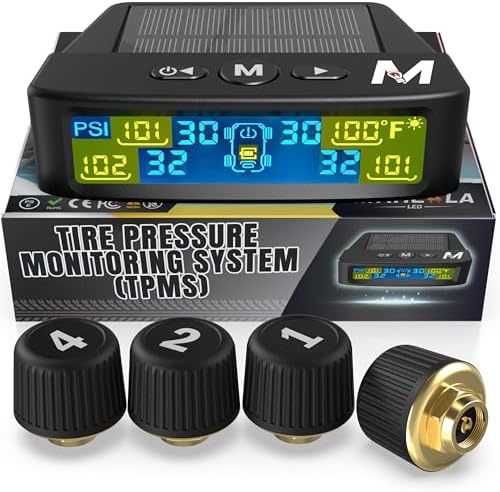
Marcala’s TPMS set of four sensors helps you monitor tire pressure and temperature in real time while driving, with updates every second. The bright color LCD uses auto-dimming for easy viewing, powered by dual solar and USB charging, and offers six alarm modes. Built for trailers, RVs, campers, trucks, and towing setups, the sensors support monitoring 1-4 wheels up to 98 PSI with IP67 waterproof protection.

This universal spare tire mount fits 4, 5, and 6 lug trailer wheels with bolt patterns from 4" to 5.5" and helps keep your tire securely locked in place. Its reinforced triangular structure with a sturdy behind plate is designed to handle up to 150 lbs, making it suitable for boat, camper, and RV spare tire mounting. The angled raised design reduces wind resistance and installation is straightforward with different length bolts and no drilling required.
Pricing Across Tire Lines
Across the lineup, Goodyear pricing tends to follow the tire’s job:
- Assurance: Often the value-focused daily-driver choice, especially when treadwear coverage is available.
- Eagle: Usually costs more when the model targets high-performance handling or premium fitments.
- Wrangler: Often priced higher than basic highway tires because all-terrain and light-truck construction can cost more.
- Ultra Grip: Seasonal winter tires may add cost because many drivers buy them as a second tire set.
- Endurance: Trailer tires should be judged by load capacity, heat resistance, and trailer-specific construction rather than by passenger-car tire price alone.
Value Versus Competitors
Goodyear’s value is strongest when you want dependable performance, broad availability, and a warranty-backed model that fits your vehicle. It may not be the cheapest choice upfront, but a well-matched Goodyear tire can make sense if it gives you the traction, tread life, and road feel you need.
Budget brands can save money at checkout, but they may not offer the same product depth, retailer support, warranty structure, or proven model history. On the other hand, Michelin, Bridgestone, and Continental may beat Goodyear in certain comfort, rolling-resistance, wet-braking, or premium performance comparisons. The best value is the tire that fits your driving conditions at the right total installed cost, not simply the tire with the lowest sticker price.
What Customers Say About Goodyear
Customer feedback on Goodyear is generally strongest around brand familiarity, all-season confidence, wide availability, and long-running tire families. Drivers often choose Goodyear because they know the name, can find matching replacements easily, and can compare several models for the same vehicle.
Common praise includes stable highway manners, useful treadwear coverage on select models, and strong model choice for cars, crossovers, trucks, and SUVs. Common complaints can include higher pricing than budget brands, road noise on some rugged tires, and service experiences that vary by retailer or installation shop.
That last point matters: your Goodyear experience is partly about the tire and partly about the installer. A quality tire can still perform poorly if it is the wrong size, badly balanced, incorrectly inflated, mounted on a vehicle with alignment problems, or used outside its intended season.
Goodyear Warranty and Special Offers
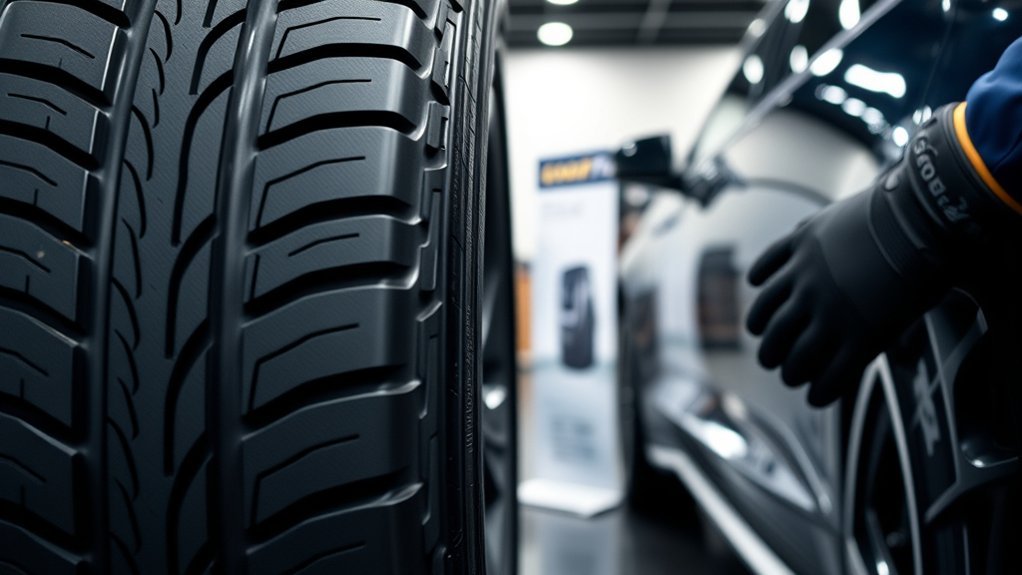
Goodyear backs eligible tires with model-dependent warranty programs. Its current warranty page lists a Goodyear Tread Life Limited Warranty for eligible tires, a Highway Auto & Light Truck Tire-Replacement Limited Warranty, and a Goodyear 60-Day Satisfaction Guarantee for select tires.
| Treadwear coverage | Available on eligible tires; mileage varies by model and size. |
| Satisfaction guarantee | Current Goodyear program lists 60 days for select tires. |
| Special offers | Rebates and service offers change by date, location, tire, and retailer. |
| What to check | Confirm eligibility, mileage, exclusions, rotation requirements, proof-of-purchase rules, and registration steps. |
Pro Tip: Before buying, compare the out-the-door price: tire cost, installation, balancing, valve stems or TPMS service, disposal fees, alignment needs, rebates, and warranty terms.
How Goodyear Compares to Top Brands
Goodyear competes well with major tire brands, but the winner changes by model and category. Michelin often has an edge in premium comfort, low noise, and top-tier touring options. Bridgestone is very strong in original equipment and premium touring/performance choices. Continental is often cross-shopped for wet handling and refined all-season tires. Cooper can be attractive when value pricing matters. BFGoodrich is a strong competitor for many truck and all-terrain shoppers.
Performance Against Competitors
Against Michelin and Bridgestone, Goodyear is often strongest when you want a familiar premium tire without always paying the highest price in the category. Its Assurance, Eagle, Wrangler, Ultra Grip, and Endurance lines cover many of the same broad use cases as competing brands.
Still, do not compare only the brand names. Compare the exact tire model. A Goodyear Eagle performance tire should be compared with similar performance tires, not with a Michelin touring tire or a Cooper budget all-season tire. A Wrangler all-terrain tire should be compared with other all-terrain tires, including options from BFGoodrich, Firestone, Falken, Toyo, and Cooper.
Price Versus Value
Goodyear often makes sense for drivers who want a known brand, broad dealer availability, and model-dependent treadwear coverage. Michelin may be worth the extra money if your priority is premium ride refinement or the specific Michelin model tests better for your vehicle. Cooper may be the smarter buy if you want solid quality at a lower upfront price. Continental may be a better fit if a specific model has stronger wet-braking or comfort results in your size.
| Choose Goodyear if | You want broad model choice, a known brand, good all-season options, and strong retailer availability. |
| Choose Michelin if | You prioritize premium comfort, quietness, and top-tier touring performance, and you are comfortable paying more. |
| Choose Cooper if | You want a value-focused tire and can find a model that matches your weather and mileage needs. |
| Compare others if | You need a very specific strength, such as maximum winter grip, all-terrain toughness, EV efficiency, or ultra-quiet touring comfort. |
For more competitor context, compare Goodyear with this site’s guides to Michelin tires for RAV4, Continental tires for RAV4, and BFGoodrich tires for RAV4. If you want a Goodyear-specific crossover option, this Eagle Touring tire review is another useful comparison point.
Warranty and Coverage
Goodyear’s warranty coverage is competitive when the exact tire you choose includes strong treadwear protection. The key phrase is “exact tire.” Some Goodyear tires list mileage warranties; others may not. Some warranties require proper rotation, inflation, alignment, proof of purchase, and even wear across the tire set.
Before you buy, read the warranty page and the tire’s product page. Make sure the coverage applies to your tire size, vehicle type, and use case. Towing, commercial use, racing, improper inflation, overloading, road hazards, and poor alignment can all affect coverage.
Who Should Buy Goodyear Tires?
Goodyear is a smart choice if you want a familiar brand with a wide tire catalog, good everyday options, strong availability, and warranty-backed models. It is especially worth considering for commuters, crossover owners, truck and SUV drivers, trailer owners, and shoppers who want one brand with many tire families.
You may want to compare more closely before buying if your top priority is the lowest upfront price, the quietest possible luxury ride, maximum winter traction, or a specific independent-test winner. In those cases, compare the exact Goodyear model against Michelin, Bridgestone, Continental, Cooper, BFGoodrich, Falken, Pirelli, Toyo, and other relevant competitors in the same category.
Frequently Asked Questions
Who is better, Michelin or Goodyear?
Michelin is often better if you want premium ride comfort, quietness, and top-tier touring performance. Goodyear is often better if you want strong brand support, broad model choice, and competitive value. The real answer depends on the exact tire model, size, vehicle, and weather conditions.
Who makes a better tire, Cooper or Goodyear?
Goodyear usually has the broader premium lineup and more high-profile performance, truck, trailer, and winter options. Cooper can be a better value if you want a lower upfront price and find a model that fits your needs. Compare tire to tire, not just brand to brand.
Where does Goodyear rank in tires?
Goodyear ranks among the major global tire brands and is one of the best-known U.S.-based tire manufacturers. It competes directly with Michelin, Bridgestone, Continental, Pirelli, and other premium brands across multiple tire categories.
Is Goodyear a premium tire brand?
Yes, Goodyear is best viewed as a mainstream-premium tire brand. It is usually priced and positioned above budget tire brands, but the level of performance depends on the exact model. Some Goodyear tires are built for value and commuting, while others target performance, trucks, trailers, or winter driving.
Are Goodyear tires good in the rain?
Many Goodyear all-season and touring tires are designed for wet-road control, but rain performance depends on the specific model, tread depth, tire age, and inflation pressure. If wet braking is your top priority, compare independent test results for the exact tire and size you plan to buy.
How long do Goodyear tires last?
Some Goodyear tires list treadwear warranties, including select Assurance models up to 65,000 miles, but real-world life depends on the tire model, vehicle, alignment, inflation, rotation, road surface, load, and driving style. Check the product page and warranty terms for your exact tire.
Conclusion
So, is Goodyear a good tire brand? Yes—Goodyear is a strong choice for many drivers because it offers broad tire coverage, long brand history, practical all-season options, performance tires, truck and SUV tires, winter tires, trailer tires, and model-dependent warranty support. It is not automatically the best tire for every vehicle or budget, but it is a brand worth shortlisting.
The best move is to choose by need: Assurance for daily driving, Eagle for performance, Wrangler for trucks and SUVs, Ultra Grip for winter, and Endurance for trailers. Then compare the exact Goodyear model against Michelin, Bridgestone, Continental, Cooper, BFGoodrich, and other rivals in the same category. If the price, warranty, reviews, and fitment line up, Goodyear is a smart, technically sound tire choice.
Sources
- Goodyear Corporate History — company history, 1898 origins, early tire development, and brand background.
- Goodyear Tire Warranty Information — tread life warranty, replacement limited warranty, and 60-Day Satisfaction Guarantee.
- Goodyear Assurance Fuel Max — example of a Goodyear Assurance model with a listed 65,000-mile warranty.
- Goodyear Wrangler Tires — official overview of Wrangler truck and SUV tire positioning.
- NHTSA TireWise — tire safety, tire pressure, tread depth, tire type, rotation, and maintenance guidance.
- Goodyear Sourcing Sustainably — sustainable material definitions and sourcing information.

Related Articles
Firestone vs Michelin: Which Tire Is Worth It?
How do Firestone and Michelin really compare, and which tire gives you the best value for your driving needs?
Read More
BFGoodrich vs Goodyear: Which Tire Brand Is Better?
I compare BFGoodrich vs Goodyear to reveal which tire brand wins for traction, comfort, and value—before you buy.
Read More
Hankook vs Goodyear Tires: Which Should You Buy?
Torn between Hankook and Goodyear tires? Discover which one delivers the best value, performance, and longevity before you buy.
Read More