
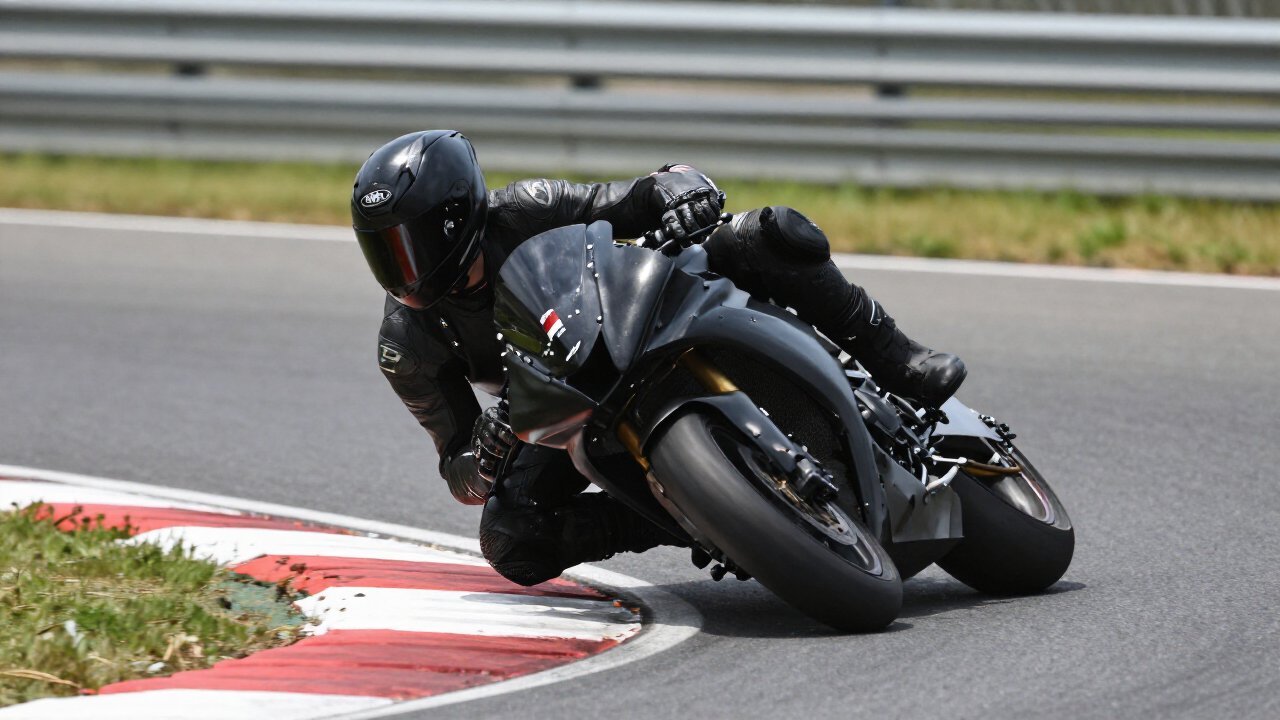
Cold tear and hot tear are two kinds of tread damage seen mostly on sport and racing motorcycle tires used on track. Cold tear happens when the tire never reaches its working temperature, so the cold, stiff rubber rips into small ridges and chunks. Hot tear happens when the tire runs too hot, most often because of under-inflation, so the surface softens, melts and is flung off. Reading which one you have tells you whether the tire needs more heat or less, and it is the first step to fixing grip and wear problems at a track day.
Last updated: November 23, 2026
Quick Answer
Cold tear: the tire is running below its operating temperature; the surface shows rough, torn ridges you can lift with a fingernail. Common causes are a compound too hard for the conditions, low track or air temperatures, too much pressure, suspension setup or riding that doesn’t load the tire. Hot tear: the tire is overheating; the surface looks melted and smeared with rubber balled up or thrown off. It is almost always linked to under-inflation, and spring rate or sag can also contribute.
Key Takeaways
- Cold tear = not enough heat. Hot tear = too much heat.
- The fingernail test: if you can get a nail under the tear and pick back a chunk of rubber, it is almost certainly cold tear.
- Hot tear is almost always caused by under-inflation, which enlarges the contact patch and overheats the tire.
- Racing tires typically work in a window of roughly 80–120°C; outside it, grip drops and wear goes abnormal.
- Road tires are less affected because they are designed to work at lower temperatures, but track riding on sport tires can still produce both patterns.
What Is Cold Tear on a Motorcycle Tire?
Cold tear is tread damage caused by rubber that is too cold to flex and grip properly. Every performance compound is designed to work in a temperature window. When asked about badly worn slicks after just 10 laps, a tire specialist told Motorcycle News that cold tear occurs when the chosen compound isn’t generating enough heat, so the polymers in the compound break down. The same source put the operating range of a racing tire at roughly 80 to 120°C, noting that a tire too cold gives inferior grip and abnormal wear such as cold tear.
Products Worth Considering
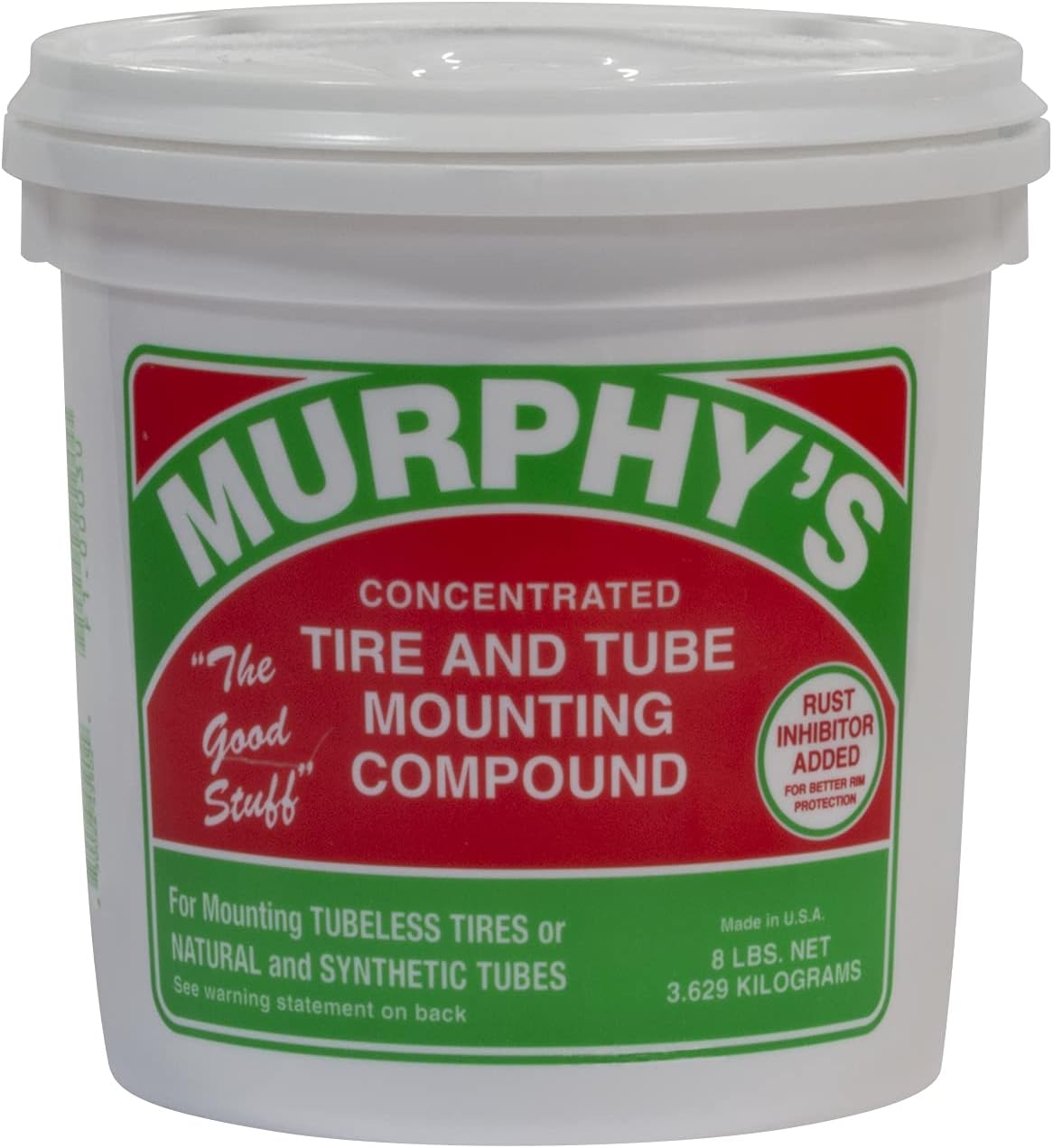
A concentrated tire and tube mounting compound designed to help simplify mounting rubber tires and tubes on passenger, semi truck, construction, and OTR applications. Its ultra-thick formula packs beads effectively and includes rust inhibitors to help protect against corrosion during use.

The Topeak SmartGauge D2 delivers precise digital tire pressure readings for bikes, motorcycles, and sports equipment up to 250 psi (17 bar). Its rotating SmartHead works with both Presta and Schrader valves, so you can check pressure quickly without adapters. The LCD display makes it easy to read results in psi, bar, or kg/cm² with an included CR2032 battery for immediate use.

The Airmoto portable tire inflator quickly and accurately fills car, truck, SUV, motorcycle, and bicycle tires up to 120 PSI with auto shut-off when your target pressure is reached. Its large LCD, multi-unit pressure display, and digital gauge make it easy to dial in settings and verify readings, while the built-in LED flashlight helps in low light. The included polyurethane hard carrying case and storage mesh pocket keep the inflator and accessories protected and organized.
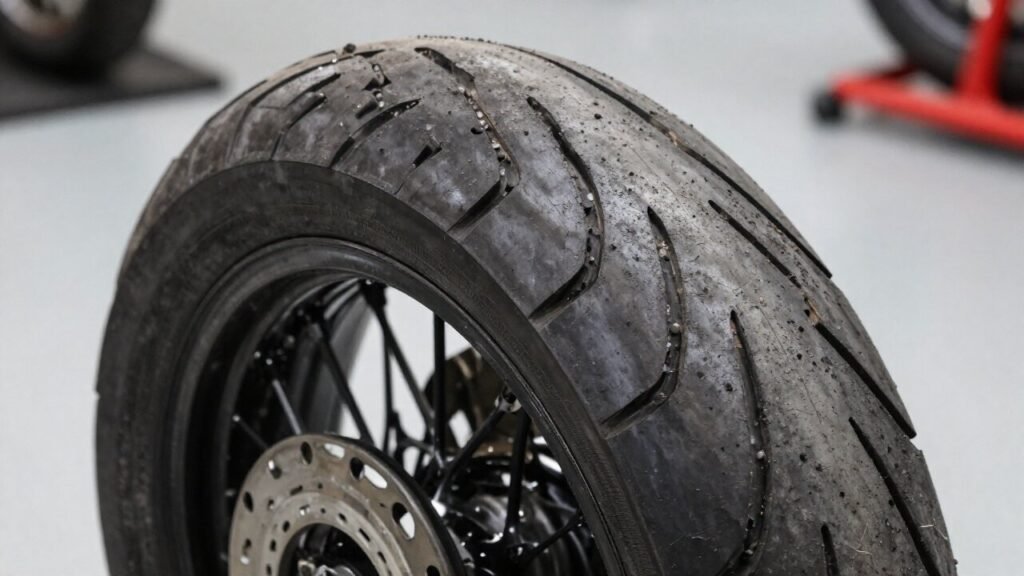
What cold tear looks like
- Rough, torn ridges or waves across the tread, often running at an angle.
- Small flaps or chunks of rubber that lift at the edge.
- A dull, grainy surface rather than a glossy one.
- Often on the side of the tire that works less, for example one shoulder on a track with mostly right-hand corners.
Carole Nash’s track-day tire wear guide suggests a simple check: if you can get a fingernail under the tear and pick back a chunk of rubber from the surface, it is almost certainly a cold tear.
What Is Hot Tear on a Motorcycle Tire?
Hot tear is the opposite problem: the rubber is overheating. According to Carole Nash, a hot tear is almost always the result of under-inflation, which makes the contact patch too big and causes the tire to overheat. When the surface gets extremely hot it melts rapidly and is thrown off by centrifugal force.
What hot tear looks like
- A glossy, melted or smeared surface on the most heavily used part of the tread.
- Balled-up strands or beads of rubber stuck to the tread.
- Tearing that looks stretched and soft-edged rather than sharp and crumbly.
- Rapid wear concentrated where the tire is loaded hardest, such as the edge on a fast, long corner.
The same guide notes that hot-tear markings can be confused with the effects of an incorrect spring rate, so it recommends measuring the bike’s sag to confirm it is within the manufacturer’s specification and rule out the suspension.
Cold Tear vs. Hot Tear: Side-by-Side
| Feature | Cold tear | Hot tear |
|---|---|---|
| Root cause | Tire below its working temperature | Tire above its working temperature |
| Surface look | Dull, rough, torn ridges and chunks | Shiny, melted, smeared rubber |
| Fingernail test | Chunks lift and peel back | Rubber feels soft and smeared |
| Commonly linked to | Compound too hard, cold weather or track, pressure too high, suspension setup, riding style | Under-inflation, compound too soft, spring rate or sag, very hot conditions |
| Typical direction of fix | Add heat: softer compound, warmers where appropriate, pressure and setup changes | Remove heat: correct pressure, harder compound, suspension check |
What Causes Cold Tear?
Motorcycle News lists several causes, often working together:
- Compound choice: a compound too hard for the conditions never reaches its window.
- Weather and track surface: cold air or track temperatures pull heat out of the tire, and abrasive or smooth surfaces change how heat builds.
- Suspension set-up: damping and spring settings change how the tire is loaded and how it moves on the surface.
- Riding style: a smooth, light rider may not put enough load into a tire built for faster, more aggressive use.
- Pressure: riders commonly find that running more pressure than the tire maker recommends for the conditions reduces flex and heat, which can contribute to cold tearing.
What Causes Hot Tear?
- Under-inflation: the most common cause. A larger contact patch flexes more and generates excess heat.
- Compound too soft for the track temperature or the rider’s pace.
- Spring rate or sag out of spec, which can overload the tire.
- Very hot track conditions, especially on long, fast corners that keep the tire loaded.
How to Fix Cold Tear
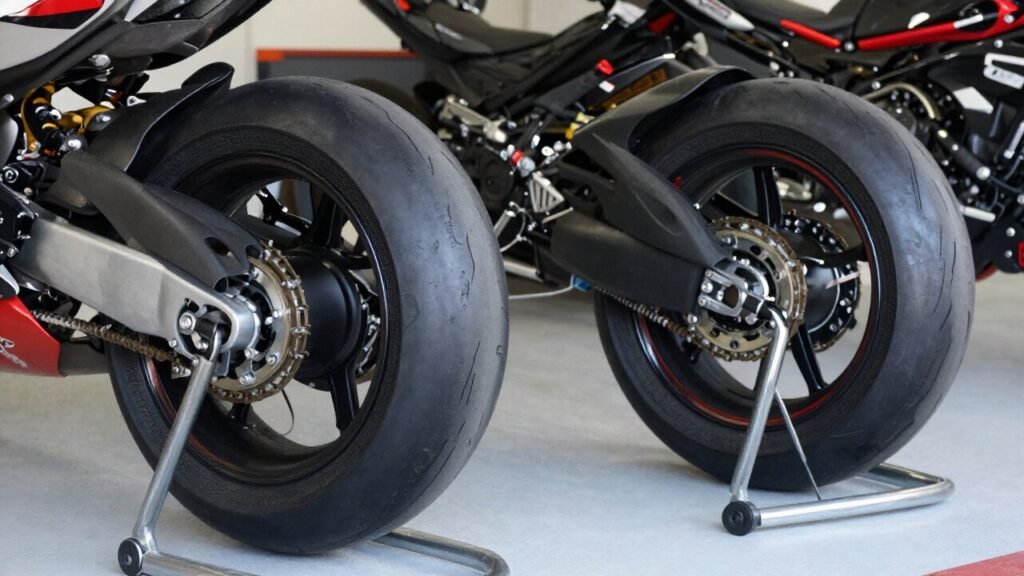
- Check pressures against the tire maker’s track guidance. Many manufacturers publish specific cold or hot track pressures that differ from road pressures. Follow the chart for your exact tire.
- Choose a compound that suits the conditions. On cold days, a softer compound or a tire designed for lower temperatures can reach its window.
- Use tire warmers with tires designed for them, and keep warmers on until you go out.
- Build heat progressively in the first laps rather than loading a cold tire hard.
- Have the suspension checked by a track-side suspension specialist if the pattern continues.
How to Fix Hot Tear
- Raise pressure to the tire maker’s recommendation if you have been running low.
- Measure sag and confirm the spring rate suits your weight, as Carole Nash suggests.
- Try a harder compound if the track is hot or your pace is high.
- Check damping settings with a specialist if overheating continues at correct pressure.
Pressure safety
Check road tire pressure when the tires are cold, at least three hours after riding, as the Motorcycle Industry Council advises. Never let air out of a hot road tire to reach the cold pressure figure, because it will be under-inflated once it cools. For track use, follow your tire maker’s specific track pressure instructions.
Products Worth Considering

Milton S-921 pencil tire pressure gauge helps you maintain optimal tire pressure for passenger cars with accurate readings in PSI and kPa. It features a built-in deflator valve for convenient pressure adjustments, plus a single chuck head and nylon indicator bar for easy use on the go. Built from durable plated brass and designed for reliable performance, it’s a practical road trip and cold-weather maintenance tool.

Measure tire tread depth quickly and accurately with this LUMITECO dial gauge that reads in 1/32" increments up to 14/32". The color-coded green/yellow/red zones make it easy to judge tire wear and know when replacement is needed. A rugged, compact design with a protective pouch helps keep the gauge ready for use on cars, trucks, motorcycles, and more.

The Continental Grand Prix 5000 is an allround road bike tire engineered for faster rolling, improved ride comfort, and enhanced puncture protection. It features a Vectran Breaker cut-protection layer, Lazer Grip micro-profile tread for confident cornering control, and Active Comfort Technology to damp vibration for smoother rides. BlackChili compound optimizes grip and speed for everyday performance and long-lasting confidence.
Can Street Riders Get Cold Tear or Hot Tear?
It is uncommon on ordinary road riding. Michelin explains that motorcycle tires designed for road, off-road and commuting use are built differently from racing tires and do not rise in temperature as much, so they are less affected by cold and don’t need the same precautions. However, riders who take sport or track-focused street tires to a track day can see either pattern, especially with road pressures on a hot track or with race tires on a cold day.
Cold tires are also a grip risk on the street. Rubber is harder when cold, and tires are designed to give maximum traction at specific temperatures, as the US Tire Manufacturers Association notes. Ride gently for the first few miles on cold mornings.
Other Tread Wear Patterns to Know
- Normal wear: an even, fine texture across the used part of the tread.
- Graining: small rolled particles on the surface, sometimes an early sign of a tire that is too cold or too soft.
- Cupping or scalloping: uneven high and low spots, often linked to suspension or under-inflation on road tires.
- Squared-off center: heavy straight-line use, typical of highway commuting.
For road pressures, see our motorcycle tire pressure chart, and for understanding your tire’s markings, read how to read motorcycle tire size.
When Should a Torn Tire Be Replaced?
Mild cold or hot tearing can sometimes be cleaned up as the tire is used under corrected conditions, but deep tearing, missing chunks, exposed cords, blisters or any damage you are unsure about mean the tire should be replaced. If the tire has been heavily overheated or under-inflated, have it inspected before riding again.
Frequently Asked Questions
What is the difference between cold tear and hot tear?
Cold tear is tearing caused by a tire that is too cold to work properly, leaving rough, lifted chunks. Hot tear is caused by overheating, usually from under-inflation, leaving a melted, smeared surface.
How do I know if I have cold tear?
Try the fingernail test. If you can get a nail under the torn rubber and peel back a chunk, it is almost certainly cold tear.
Does more air pressure fix hot tear?
Often, yes, because hot tear is usually linked to under-inflation. Set pressure to the tire maker’s recommendation for your tire and track conditions and check suspension sag.
Do tire warmers prevent cold tear?
They help a tire start in its working range, which reduces the risk on tires designed for warmers. Compound choice, pressure and suspension still matter.
Can you get cold tear on street tires?
It is uncommon in normal riding because road tires work at lower temperatures, but sport tires used on track or in cold conditions can show it.
What temperature should racing tires run at?
A tire specialist quoted by Motorcycle News gave a typical racing tire window of about 80–120°C. Your tire maker’s guidance for your exact tire comes first.
Conclusion
The tread tells you what your tire needs. Cold tear means the tire is too cold, so look at compound choice, pressure, warm-up and suspension. Hot tear means the tire is too hot, most often from under-inflation, so correct pressure and check sag and compound. Fix the cause, not just the symptom, and follow your tire maker’s track guidance to keep the tire in its working window.
Sources
- Carole Nash: Handy guide to track day tyre wear
- Motorcycle News: Why are my tyres tearing after 10 laps?
- Michelin: Motorcycle tyre breakdown
- Michelin: Motorcycle tire damage
- US Tire Manufacturers Association: Motorcycle tire guide
- Motorcycle Industry Council: Tire guide
Products Worth Considering

Steelman white tire marking crayons provide high-contrast, semi-permanent marks for repairing and inspecting tires and equipment. They write on wet or dry, smooth or coarse surfaces including rubber, metal, glass, and wood, making them ideal for puncture location and damage outlining. The lead- and zinc-free crayons resist weather and fading yet wipe away when you no longer need the marks.

This tire repair screw set includes self-tapping plugs and a screwdriver to help you quickly complete tubeless tire repairs for many vehicle types. The set provides two rubber screw diameters for different puncture needs and uses a sealant-coated screw tip to help prevent air leakage and water entry. It’s designed for secure fixing with wear-resistant metal-and-rubber construction.

Vigorder rubber cement glue delivers superior adhesion and cures quickly within about 30 seconds for seamless rubber bonding. Once cured, it helps provide a strong, durable, waterproof seal that holds up to vehicle weight, pressure, and heat. Suitable for cars, motorcycles, trucks, bicycles, and off-road tires, it’s designed for emergency patch and maintenance repairs.