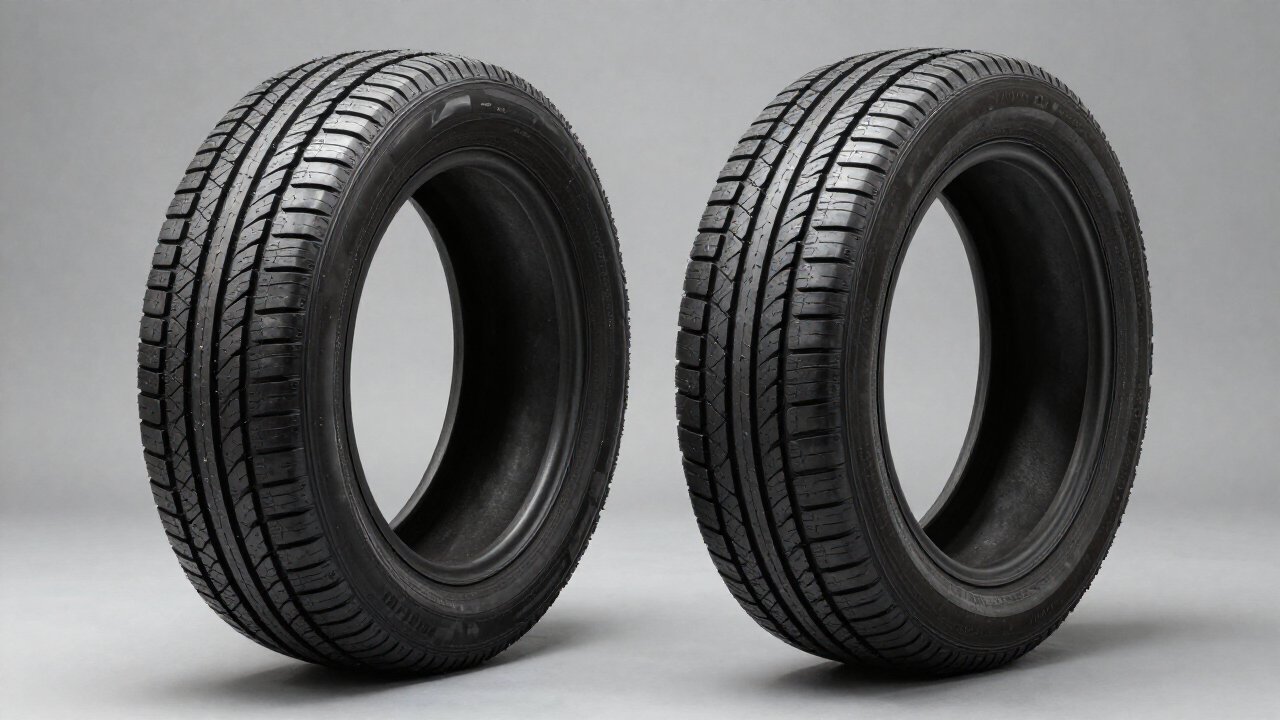
The difference between an H and a Y speed rating is the maximum sustained speed each tire is certified for: H is rated to 130 mph (210 km/h) and Y is rated to 186 mph (300 km/h), a gap of 56 mph. In practice, the letters also signal very different kinds of tires. H-rated tires are usually comfortable touring or all-season tires for everyday cars, while Y-rated tires are ultra-high-performance tires for sports cars and fast sedans. The load index is a separate number, so a 105H and a 105Y carry exactly the same weight.
Last updated: November 23, 2026
Quick Answer
H = 130 mph (210 km/h); Y = 186 mph (300 km/h). A Y-rated tire can replace an H-rated tire as a speed-rating upgrade, though it often rides firmer, wears faster and may be a summer-only tire. An H-rated tire should not replace a Y-rated tire unless your vehicle maker approves it, such as for winter tires. With the same load index (for example 105H vs. 105Y), both carry the same weight.
Key Takeaways
- H: 130 mph (210 km/h). Y: 186 mph (300 km/h). (Y) in parentheses: above 186 mph.
- Speed rating does not change load capacity; the number before the letter does.
- H-rated tires usually prioritize comfort, quietness and tread life; Y-rated tires prioritize grip and steering precision.
- Going from H to Y is acceptable; going from Y to H generally is not, except for approved winter tires.
- If you mix ratings, the vehicle is limited to the lowest-rated tire fitted.
H vs. Y Speed Rating at a Glance
| Factor | H speed rating | Y speed rating |
|---|---|---|
| Maximum speed | 130 mph (210 km/h) | 186 mph (300 km/h) |
| Typical tire category | Touring, grand-touring and all-season | Ultra-high-performance (UHP), often summer |
| Typical vehicles | Family sedans, crossovers, minivans, SUVs | Sports cars, performance sedans and coupes |
| Ride comfort | Softer, quieter | Firmer, more road feedback |
| Steering response | Relaxed | Sharp and precise |
| Dry and wet grip | Good | Very high, especially in warm conditions |
| Tread life | Usually longer, often with mileage warranties | Usually shorter |
| Cold-weather use | Many are all-season | Summer UHP versions should not be used in cold or snow |
| Price | Lower | Higher |
Products Worth Considering

Keep your tires properly inflated with this analog VONDIOR tire pressure gauge, designed for fast, easy readings without batteries. The swiveling, two-axis hose and large glow dial help you measure at any tire angle with instant visibility. Built with a protective rubber shield, it supports durable, low-maintenance use for cars and trucks.
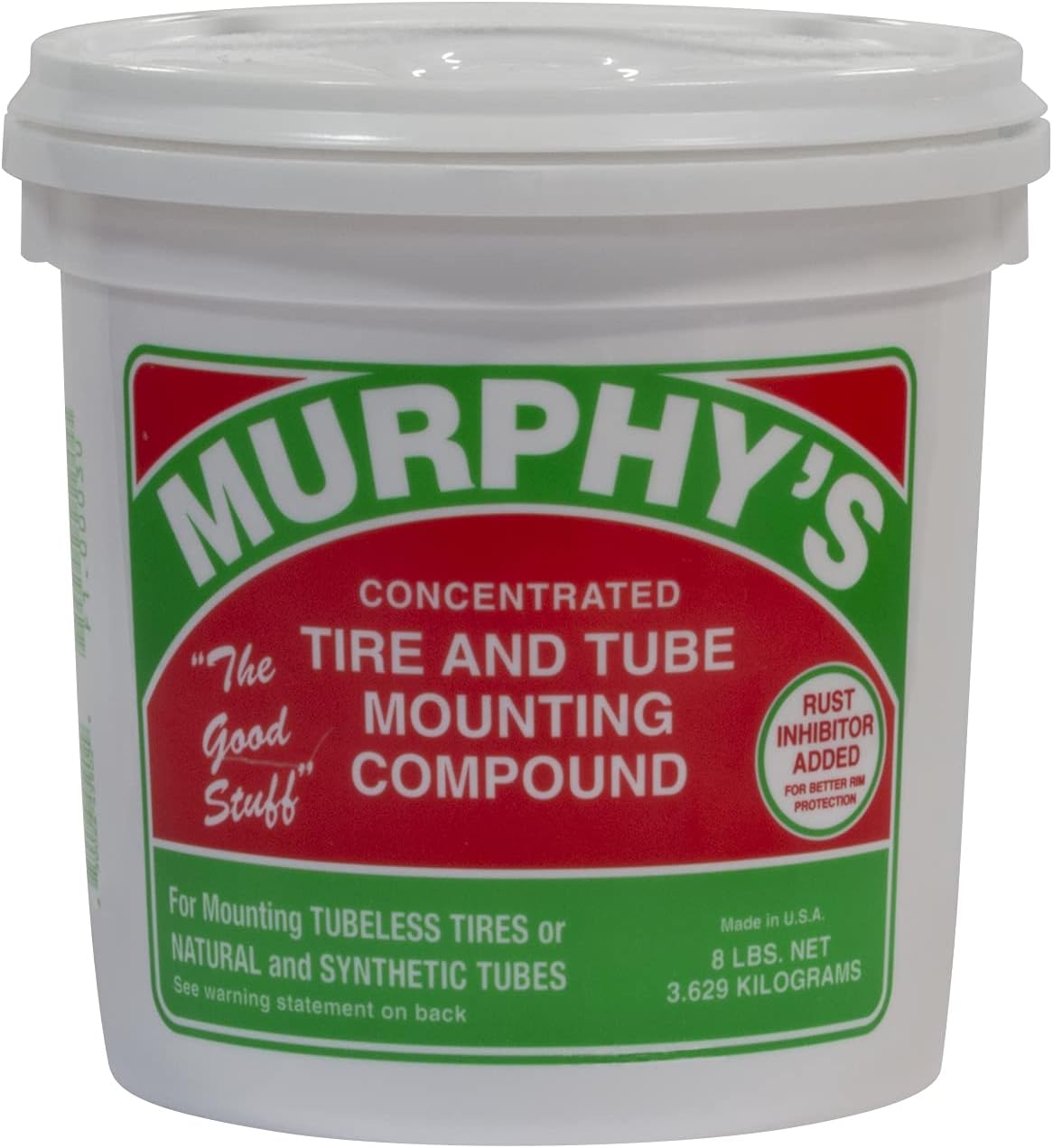
A concentrated tire and tube mounting compound designed to help simplify mounting rubber tires and tubes on passenger, semi truck, construction, and OTR applications. Its ultra-thick formula packs beads effectively and includes rust inhibitors to help protect against corrosion during use.

The Continental Grand Prix 5000 is an allround road bike tire engineered for faster rolling, improved ride comfort, and enhanced puncture protection. It features a Vectran Breaker cut-protection layer, Lazer Grip micro-profile tread for confident cornering control, and Active Comfort Technology to damp vibration for smoother rides. BlackChili compound optimizes grip and speed for everyday performance and long-lasting confidence.
What the H Speed Rating Means
An H rating certifies that a tire can carry its rated load at up to 130 mph (210 km/h) under standardized laboratory conditions. It is one of the most common ratings on modern passenger cars because it balances comfort, tread life and responsive handling. You will find it on touring and grand-touring all-season tires fitted to family sedans, crossovers and many SUVs.
What the Y Speed Rating Means
A Y rating certifies a tire to 186 mph (300 km/h), the highest common letter rating. If the service description appears in parentheses after a ZR size, as in 245/40ZR18 (97Y), the tire has been tested beyond 186 mph and its maker specifies the actual maximum. Y-rated tires use stiff constructions, heat-resistant materials and grippy compounds to cope with high speeds and hard cornering. See what 97Y means for a worked example.
Where H and Y Sit in the Speed Rating Chart
| Rating | mph | km/h |
|---|---|---|
| S | 112 | 180 |
| T | 118 | 190 |
| H | 130 | 210 |
| V | 149 | 240 |
| W | 168 | 270 |
| Y | 186 | 300 |
Between H and Y sit V and W. If you are choosing an upgrade from H, a V-rated grand-touring tire is often a better balance than jumping straight to a Y-rated UHP tire. Compare those steps in V vs. H, V vs. W and W vs. Y. Our full tire speed rating chart lists every letter.
105H vs. 105Y: Same Load, Different Speed
Drivers often see the same size offered with different service descriptions, such as 105H and 105Y. The number is identical, so both tires carry 2,039 lb (925 kg) per tire. Only the speed rating, and the construction that comes with it, differs. The 105Y will typically feel sharper and grip harder; the 105H will usually ride more quietly and last longer.
Can You Replace H-Rated Tires With Y-Rated Tires?
Yes. A higher speed rating than your vehicle requires is acceptable, because the tire exceeds the specification. Before buying, consider the trade-offs:
- Season: many Y-rated tires are summer tires that lose grip below about 45°F (7°C) and are unsafe in snow. If you need year-round use, look for an all-season tire in a higher rating.
- Ride and noise: expect a firmer, sometimes louder ride.
- Tread life and cost: UHP tires usually wear faster and cost more.
- Load index: make sure the replacement still meets the placard’s load index. See using a higher or lower load index.

Products Worth Considering

The Naked Bee Foot Balm for Restoration Heel is an intensive foot treatment designed to penetrate and soften calloused, dry, and cracked feet. Honey, beeswax, and neem oil help deeply moisturize and soothe, while meadowfoam oil supports a protective barrier against moisture loss. Simply roll on to target tired feet and support visibly healthier-looking heels.

TIRESHIELD PRO RV tire covers in a set of four deliver year-round protection against UV rays, cracking, fading, water, and snow. The StormLock-System helps keep the covers securely fastened through high wind, while heavy-duty, double-stitched construction supports long-lasting performance. Designed for universal fit, they’re intended for RV, camper, truck, car, and trailer tires within the 26–28.75 inch diameter range, with easy wipe-clean care and storage in the included bag.

Milton S-921 pencil tire pressure gauge helps you maintain optimal tire pressure for passenger cars with accurate readings in PSI and kPa. It features a built-in deflator valve for convenient pressure adjustments, plus a single chuck head and nylon indicator bar for easy use on the go. Built from durable plated brass and designed for reliable performance, it’s a practical road trip and cold-weather maintenance tool.
Can You Replace Y-Rated Tires With H-Rated Tires?
Generally not. If your vehicle maker specified Y-rated tires, the car was engineered around that construction, including its high-speed stability and handling. Fitting H-rated tires lowers the safe speed of the whole vehicle and can make steering feel vague. The usual exception is winter tires: many vehicle makers allow a lower speed rating for winter tires, provided you stay within that rating. Check your owner’s manual or ask the dealer before fitting a lower rating.
Mixed ratings limit the whole car
If tires with different speed ratings are fitted, the vehicle’s safe speed is limited to that of the lowest-rated tire. Keep matching tires on each axle at minimum.
Which Should You Choose?
| Your situation | Better choice |
|---|---|
| Placard specifies H, everyday commuting | H-rated touring or grand-touring all-season |
| Placard specifies H, you want sharper handling year-round | V- or W-rated performance all-season |
| Placard specifies Y | Y-rated tire (summer or all-season to suit your climate) |
| Placard specifies Y, winter set needed | Winter tire with a lower rating only if the vehicle maker allows |
| Track days or spirited driving in warm weather | Y-rated UHP summer tire |
Do Speed Ratings Affect Fuel Economy or Tread Life?
Indirectly. Speed rating describes capability, but the construction and compound that achieve a Y rating tend to wear faster than those used in H-rated touring tires, and UHP tires often carry shorter treadwear warranties. Fuel economy depends more on rolling resistance, tire weight and inflation than on the letter itself; some H-rated touring tires are designed specifically for low rolling resistance.
Frequently Asked Questions
What is the difference between H and Y speed ratings?
H is rated to 130 mph (210 km/h) and Y to 186 mph (300 km/h). H tires usually focus on comfort and tread life, while Y tires focus on high-performance grip and handling.
Is 105H the same as 105Y?
They carry the same load, 2,039 lb per tire, but 105Y is rated for much higher speeds and usually has a stiffer, more performance-oriented construction.
Can I put Y-rated tires on a car that calls for H?
Yes. A higher speed rating is acceptable. Just be aware that many Y-rated tires are summer tires and ride firmer.
Can I put H-rated tires on a car that calls for Y?
Not unless the vehicle maker approves it, which is usually limited to winter tires. Otherwise, match or exceed the Y rating.
Are Y-rated tires safer than H-rated tires?
Not automatically. The safest tire is one that meets your vehicle’s specification and suits your climate. A Y-rated summer tire is less safe than an H-rated all-season tire in cold or snowy conditions.
What does (Y) in brackets mean?
On ZR-sized tires, a service description in parentheses means the tire is rated above 186 mph, with the maximum set by the tire maker.
Conclusion
H tires are rated to 130 mph and Y tires to 186 mph, but the real-world difference is the kind of tire each letter represents: comfortable, long-lasting touring tires versus sharp, grippy ultra-high-performance tires. Match or exceed your placard’s rating, choose a season-appropriate tire, and remember that the load index, not the letter, decides how much weight the tire can carry.
Sources
- Michelin: Understanding tire load rating and speed rating
- Michelin: Tyre speed rating chart and higher speed index advice
- BFGoodrich: Tire speed rating chart
- Just Tires: Load index and speed rating
- Consumer Reports: Tire categories and tread life
Products Worth Considering

This solid brass tire inflation hose adapter screws into your inflator and uses a locking press clip to securely clamp onto the tire valve stem. It helps reduce air leakage for fast, efficient pumping and is designed for reliable performance with a wide range of vehicles and inflator setups.
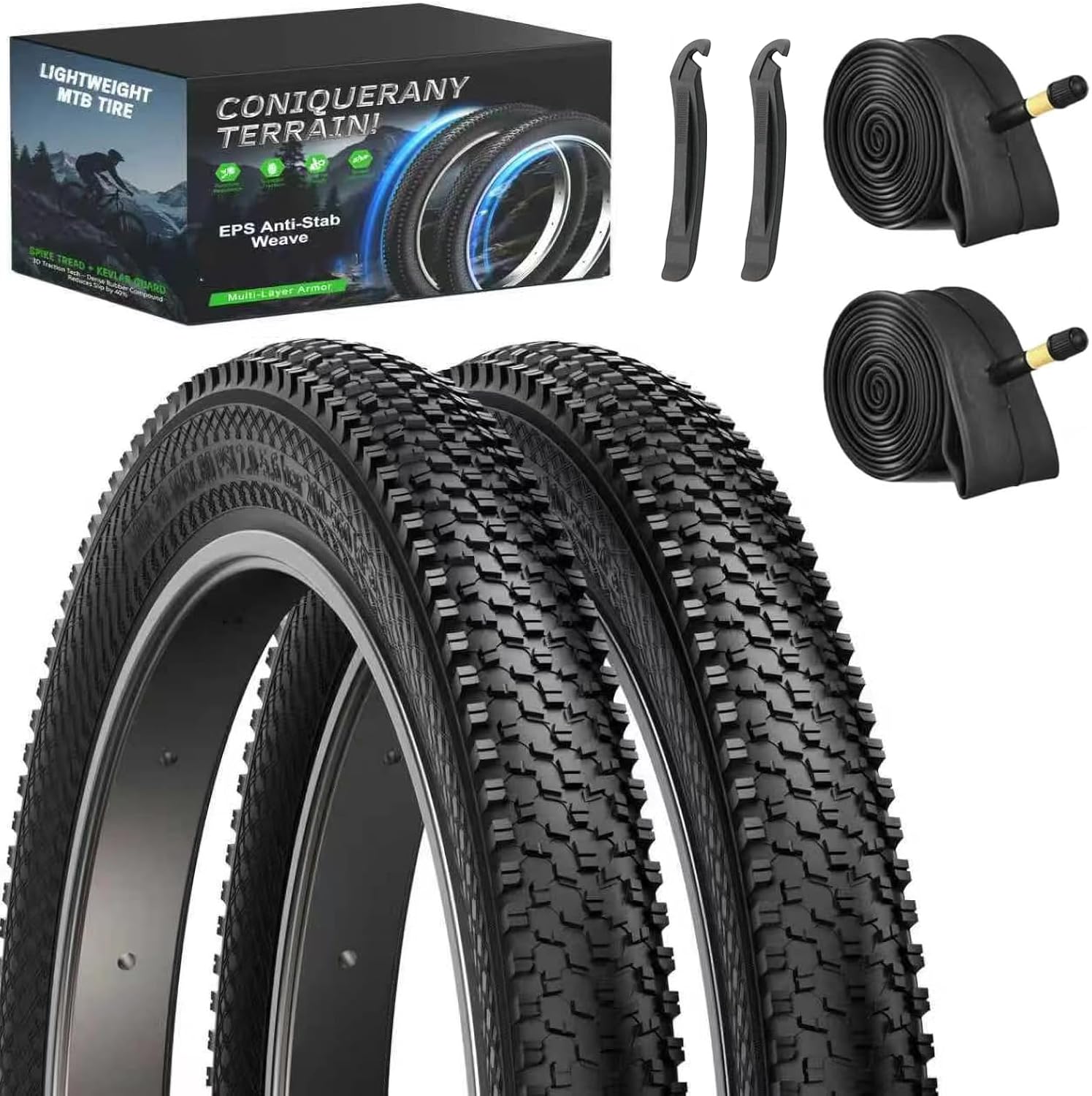
This 2-pack set includes two folding mountain bike tires, two inner tubes, and two tire levers for quick, budget-friendly replacements. The tires feature an anti-stab weave for added protection, plus strong grip and durable construction to help you stay stable across common trail and road conditions. Foldable design makes storage and travel convenient, while the included tubes provide a matched fit for smoother setup.

These universal tire valve stem caps help protect valve cores from dust, debris, and moisture while helping maintain stable tire pressure. The corrosion-resistant metal construction and sealed design provide reliable protection in road grime, mud, and winter conditions. Twist-on installation makes them quick to fit on cars, SUVs, trucks, and motorcycles.