
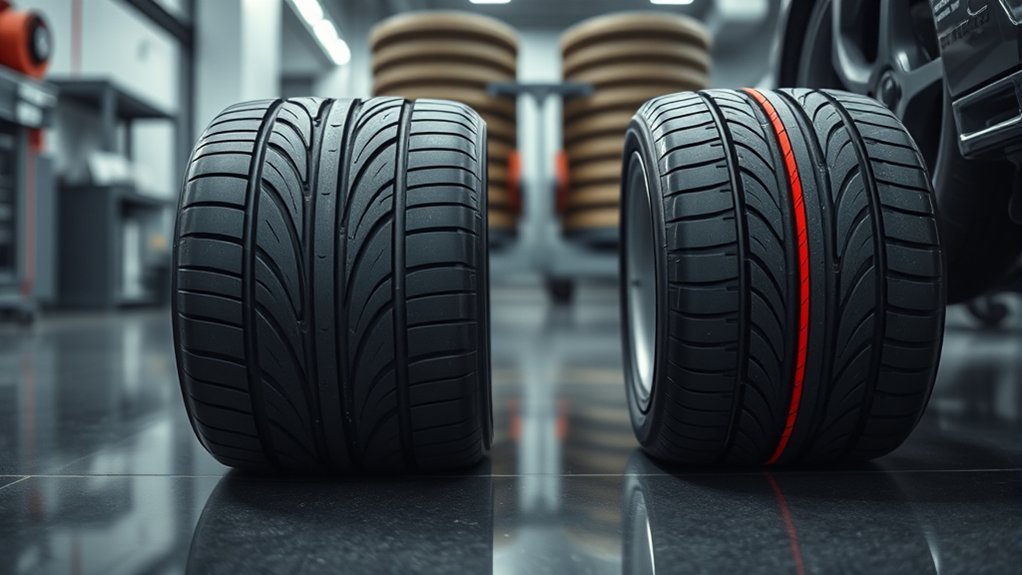
The V vs W speed rating difference is mainly about maximum tested speed capability. A V-rated tire has a 149 mph (240 km/h) speed category, while a W-rated tire has a 168 mph (270 km/h) category. That does not automatically make a W tire safer, quieter, grippier, or better for your vehicle.
Quick Answer
Choose the speed rating that meets or exceeds your vehicle manufacturer’s requirement. Moving from V to W is generally acceptable when tire size, load capacity, construction, and fitment remain suitable. Do not downgrade from W to V simply because you never drive near 168 mph unless the vehicle or tire manufacturer permits it.
Key Takeaways
- V corresponds to 149 mph (240 km/h), while W corresponds to 168 mph (270 km/h).
- The speed symbol is a capability classification, not a recommended driving speed.
- A W rating alone does not prove better wet grip, braking, fuel economy, tread life, comfort, or winter traction.
- Replacement tires must also meet the correct size, load capacity, inflation requirements, and vehicle-specific fitment rules.
What Does a V Speed Rating Mean?
)
A V speed rating identifies a tire in the 149 mph (240 km/h) speed category. According to Michelin’s tire load and speed-rating guidance, the speed symbol describes the tire’s maximum sustained-speed capability under specified load and operating conditions.
You normally see the speed symbol at the end of the tire’s service description. For example, in a marking such as 225/45R18 95V, the final V is the speed symbol, while the number immediately before it is the load index.
A V-rated tire belongs to the 149 mph (240 km/h) speed category, but that figure is not a target for road driving.
Actual capability can be reduced by incorrect inflation, excess load, tire damage, tread wear, high temperatures, poor vehicle condition, and other operating conditions. You should always obey legal speed limits regardless of the letter on the sidewall.
What Does a W Speed Rating Mean?
A W speed rating identifies a tire in the 168 mph (270 km/h) category. Its higher letter does not mean the tire is automatically superior in every other performance measure.
Standardized high-speed testing requires W-category tires to operate at higher test speeds than V-category tires. UN Regulation No. 30, for example, specifies different high-speed test conditions for V, W, and Y passenger-car tire categories.
That higher speed capability can require different construction, compounds, reinforcement, or design choices. However, those choices vary by tire model. You cannot determine a tire’s complete handling, braking, comfort, noise, or tread-life performance from the W symbol alone.
V vs W Speed Rating: How They Compare
The measurable rating difference is straightforward: V represents 149 mph, while W represents 168 mph. For normal tire shopping, the more important question is whether the tire meets the specification your vehicle requires.
| Feature | V Rating | W Rating |
|---|---|---|
| Speed category | 149 mph / 240 km/h | 168 mph / 270 km/h |
| High-speed testing | Tested for the V speed category | Tested at higher speeds for the W category |
| Can replace V? | Yes, when V meets the vehicle specification | Generally yes when all other fitment requirements are met |
| Ride and handling | Depends on the specific tire design | May be firmer or more performance-focused, but not always |
| Fuel economy, noise and wet grip | Not determined by speed rating alone | Not determined by speed rating alone |
Some higher-speed tires are designed with sharper steering response or firmer construction. Pirelli’s speed-rating guidance notes that higher-rated tires often, but not always, provide stronger handling and cornering performance and may also have a firmer ride or faster wear.
Those are tendencies, not guarantees. A well-designed V tire can outperform a particular W tire in wet braking, comfort, noise, snow traction, tread life, or rolling resistance.
Does W Mean Better Grip, Braking, or Fuel Economy?
No. The speed symbol alone does not tell you which tire has better grip, stopping distance, efficiency, or road noise. Those characteristics must be compared using data for the specific tire models.
The European Commission tyre label, for example, evaluates rolling resistance, wet grip, and external rolling noise separately. This illustrates why a W symbol should not be treated as a substitute for actual performance ratings.
- Wet and dry grip: depends heavily on compound, tread design, temperature, and tire type.
- Fuel economy: is influenced by rolling resistance and inflation rather than the speed letter by itself.
- Noise: depends largely on tread pattern, construction, road surface, and vehicle insulation.
- Winter performance: depends on whether the tire is designed for cold, snow, and ice, not whether it carries V or W on its sidewall.
How Are V and W Speed Ratings Tested?
Speed ratings are established through standardized laboratory high-speed tests rather than by simply driving a vehicle to the stated speed on a road. A tire-and-wheel assembly runs against a large test drum under controlled load, inflation, temperature, and increasing speed conditions.
The exact procedure depends on the applicable standard and tire category. The important point for buyers is that a W tire must demonstrate capability at a higher speed category than a V tire.
Laboratory results do not guarantee that a used or damaged tire can safely operate at its original rated speed. Bridgestone notes that real-world capability can fall below the rating because of inflation pressure, load, wear, damage, alignment, vehicle condition, driving conditions, and the length of time speed is sustained.
Which Speed Rating Is Better for You?
The correct rating is the one that satisfies your vehicle manufacturer’s requirements and your tire’s full service specification. Do not select V simply because you drive slowly or W simply because its number is higher.
- Find the required specification. Check the owner’s manual, original tire specification, and vehicle tire information.
- Match the tire size. Use the original size or another size specifically approved for your vehicle.
- Meet the required load capacity. Never use a replacement with inadequate load capacity.
- Meet or exceed the required speed rating. A higher rating is generally acceptable when the rest of the specification is compatible.
- Compare the actual tire models. Look at wet grip, tread life, comfort, noise, weather capability, and intended use rather than judging only by V or W.
Pro Tip: Compare the complete service description, not just the final letter. Tire size, load index, speed symbol, load designation such as XL, and any vehicle-specific fitment requirement can all matter.
[Products Worth Considering]
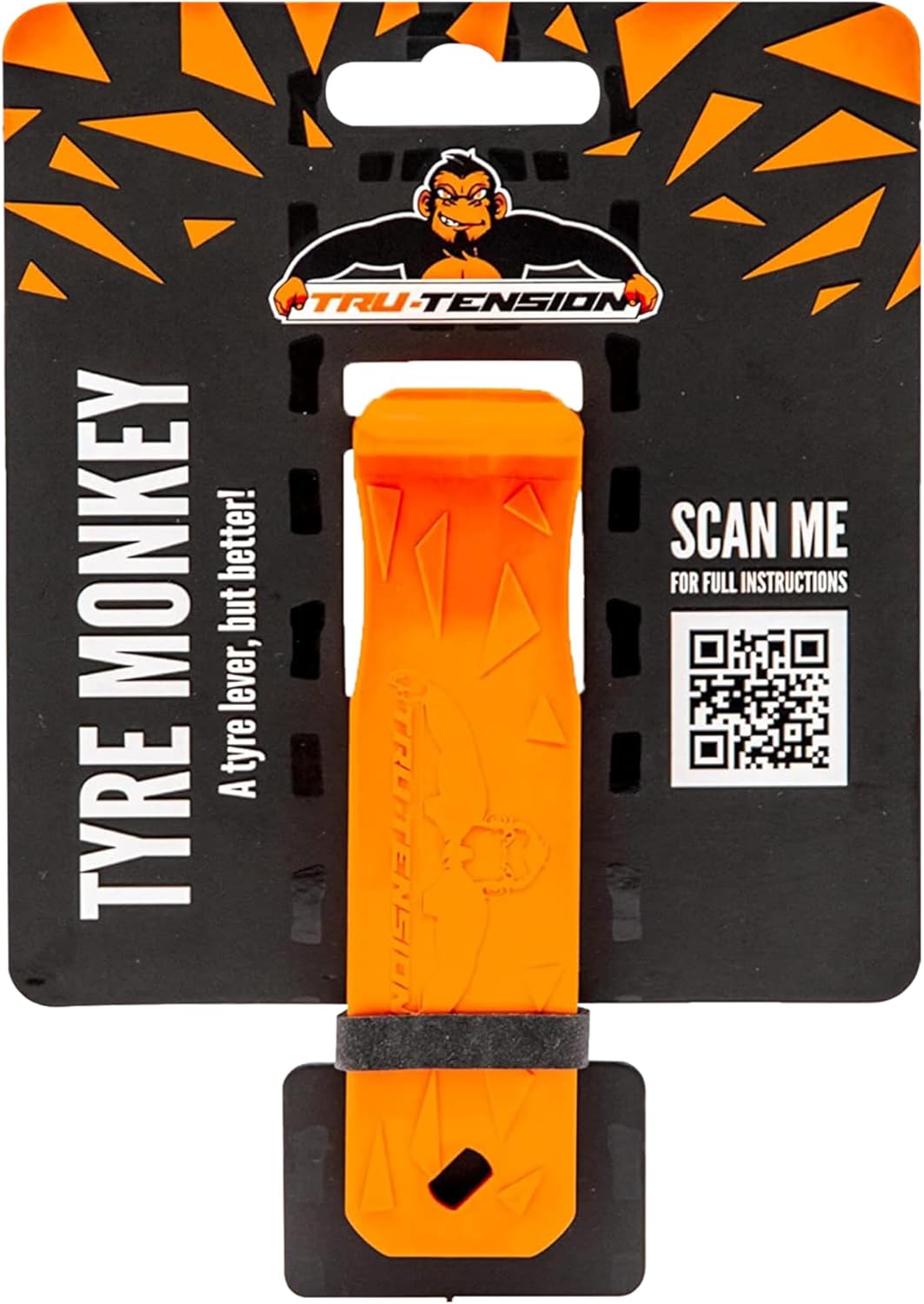
The Tru-Tension Tyre Monkey is a revolutionary bicycle tyre lever that makes removing and fitting tires fast and easy. Its innovative geometry helps keep your hand at a 90-degree angle to the wheel to reduce the risk of hitting spokes, and the design is optimized to use only one tool instead of multiple conventional levers. Compact and durable, it’s built for convenient carry and reliable tire changes on the go.

A concentrated tire and tube mounting compound designed to help simplify mounting rubber tires and tubes on passenger, semi truck, construction, and OTR applications. Its ultra-thick formula packs beads effectively and includes rust inhibitors to help protect against corrosion during use.

Keep your tires properly inflated with this analog VONDIOR tire pressure gauge, designed for fast, easy readings without batteries. The swiveling, two-axis hose and large glow dial help you measure at any tire angle with instant visibility. Built with a protective rubber shield, it supports durable, low-maintenance use for cars and trucks.
Can You Replace V Tires With W Tires?
Yes, a W-rated tire can generally replace a V-rated tire because W provides a higher speed category. However, the replacement still has to be suitable in every other important respect.
Confirm the correct size, adequate load index, wheel fitment, load designation, and any original-equipment requirements. Michelin states that tires with a higher speed rating than the original specification may be installed, while replacement tires should still meet the vehicle’s other specifications.
A higher speed rating does not override an incorrect tire size, insufficient load capacity, or incompatible fitment.
Warning: Do not install a tire merely because its speed rating is high enough. An incorrect size, insufficient load capacity, improper inflation, or incompatible construction can affect handling and tire safety.
For the correct original tire size and inflation pressure, NHTSA TireWise recommends checking the owner’s manual and the Tire and Loading Information Label on the driver-side door edge or pillar. The speed symbol may also appear in the tire specification or service description.
[Products Worth Considering]

Black Magic Tire Wet delivers a deep wet-look shine that makes tires appear dark, rich, and freshly detailed. Its long-lasting formula helps resist rain, dust, and road grime for weeks of glossy protection, not days. Apply by spraying onto clean, dry tires—no buffing or wiping required—with a low-sling design to reduce splatter on paint and wheels.

Add style while helping protect your tire valve stems with handmade crystal rhinestone caps and a durable plastic insert. These caps resist corrosion and help keep out rain, snow, and muddy water, extending tire life. Textured non-slip design makes them easy to grip for quick install and removal when checking tire pressure.

Upgrade your wheels with MIKKUPPA closed-end lug nuts designed for reliable fit and corrosion resistance. The one-piece, cold-forged and heat-treated steel construction helps resist rust and stripping, while the integrated finish delivers a durable black appearance. Built to OEM standards with a conical 60-degree seat, these nuts provide a secure solution for compatible Ford, Honda, Jeep, and Chevrolet models.
Can You Replace W-Rated Tires With V-Rated Tires?
Normally, you should not downgrade a W-rated original-equipment specification to V without approval from the vehicle or tire manufacturer. A V tire has a lower speed category, so the vehicle would no longer have the same tire speed capability for which it was specified.
There can be exceptions for certain winter-capable tires. Michelin notes that a lower speed rating may be used in some applications with winter-capable tires marked with the three-peak mountain snowflake symbol, provided the vehicle is never operated above the tire’s limit and the fitment complies with applicable guidance.
If your vehicle originally specifies W, the simplest replacement approach is to use W or a higher approved speed rating while keeping the remaining tire specifications correct.
[Products Worth Considering]
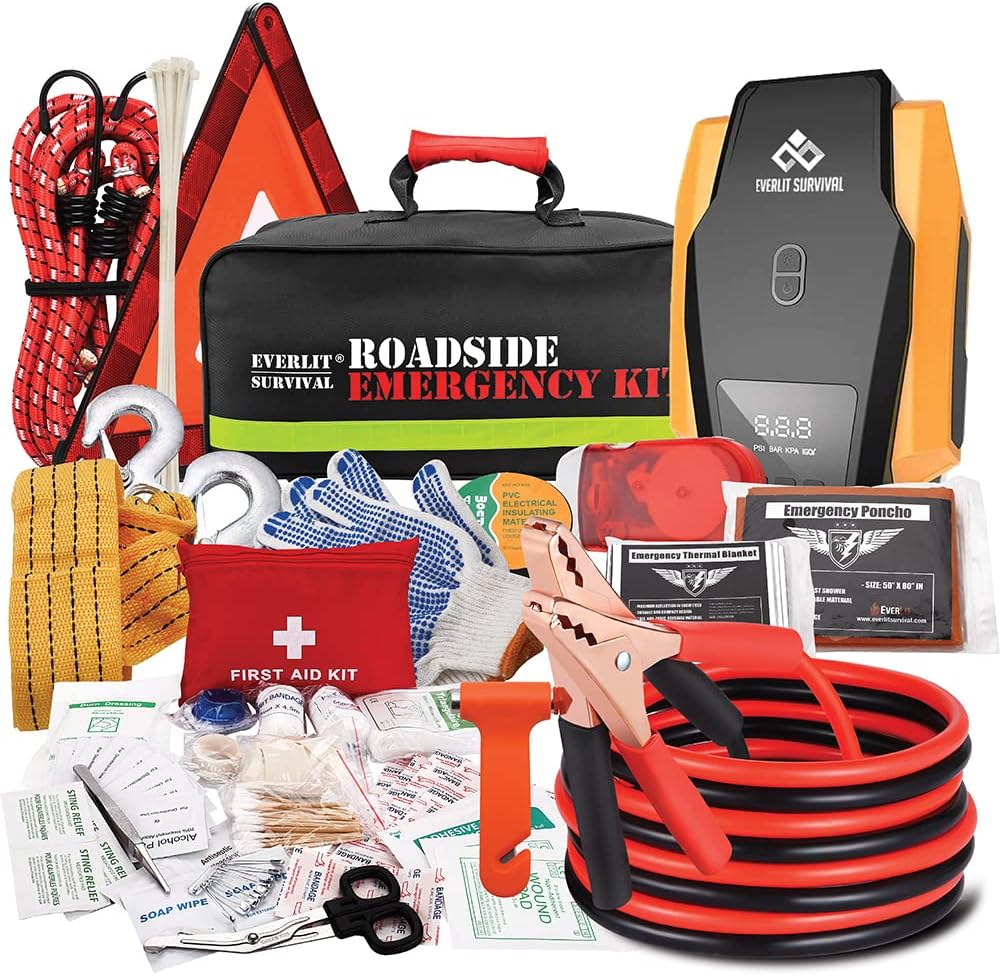
The Everlit Road Guardian emergency kit is designed for roadside breakdowns, combining essential safety gear and roadside tools in one compact bag. It includes a digital 12V auto tire inflator with preset and auto shutoff, plus 12-foot 8-gauge jumper cables to get you moving again. You also get a full 108-piece first aid kit, reflective warning tools, safety gloves, and emergency convenience items for safer travel.

Steelman white tire marking crayons provide high-contrast, semi-permanent marks for repairing and inspecting tires and equipment. They write on wet or dry, smooth or coarse surfaces including rubber, metal, glass, and wood, making them ideal for puncture location and damage outlining. The lead- and zinc-free crayons resist weather and fading yet wipe away when you no longer need the marks.

Black Magic Tire Wet delivers a wet, black, glossy finish with just one quick spray. Its weather and rinse-resistant formula helps maintain shine for weeks, not days, and dries quickly to reduce sling. A self-healing formula fills small scuffs to defend the look, leaving no white, powdery residue.
Can You Mix V- and W-Rated Tires?
Using matching tires at all four wheel positions is generally the preferred approach because it provides more consistent handling. Different speed ratings can be associated with different constructions, compounds, and handling characteristics.
If mixed speed ratings are unavoidable and the vehicle manufacturer permits them, Pirelli advises fitting the higher-speed-rated tires on the rear axle. Your owner’s manual takes priority, especially on vehicles that specify closely matched tires or have all-wheel-drive requirements.
The vehicle’s speed capability is also limited by its lowest-speed-rated installed tire. A W tire on one axle does not turn the entire vehicle into a W-rated setup if another tire has a lower rating.
Where Can You Find Your Tire Speed Rating?
The easiest place to identify the rating is the tire sidewall. Look for the service description near the end of the tire-size marking.
For example, a code ending in 95W contains two separate specifications: 95 is the load index and W is the speed symbol. Do not confuse the speed symbol with other markings such as R, which normally identifies radial construction when it appears inside the tire-size format.
For replacement requirements, use the vehicle owner’s manual and manufacturer information rather than assuming the tires currently installed are correct. A previous owner may already have fitted a different specification.
Frequently Asked Questions
How Are Tire Speed Ratings Tested and Verified?
Tire speed ratings are verified through standardized laboratory high-speed testing under controlled load, inflation, temperature, and speed conditions. The tests establish a speed category, but actual road capability can be lower when a tire is worn, damaged, overloaded, or incorrectly inflated.
Do V and W Tires Affect Fuel Economy Differently?
A V or W letter alone does not tell you which tire will use less fuel. Rolling resistance, inflation pressure, tread design, compound, tire size, vehicle setup, and driving conditions are more useful factors when comparing efficiency.
Can Weather Conditions Change Speed Rating Performance?
Yes, real-world tire performance changes with temperature, rain, snow, road conditions, inflation pressure, and tire condition. The V or W symbol does not indicate whether a tire is suitable for winter, heavy rain, or other specific weather conditions.
Are V or W Tires Better for Everyday Commuting?
Neither rating is automatically better for commuting. Use at least the speed rating required by your vehicle, then compare individual tires for comfort, wet grip, tread life, efficiency, noise, price, and weather capability.
Do Speed Ratings Impact Tire Noise Levels?
Speed rating can be associated with construction choices that affect ride and noise, but the letter itself does not predict cabin noise. Compare the specific tire model, tread pattern, construction, and published noise information instead.
Is a W-Rated Tire Safer Than a V-Rated Tire?
A W-rated tire is not automatically safer than a V-rated tire. W indicates a higher speed category, while safety also depends on correct fitment, load capacity, inflation, tread condition, wet grip, weather suitability, maintenance, and driving conditions.
What Happens If You Exceed a Tire’s Speed Rating?
Operating above a tire’s rated capability can create excessive heat and stress that may damage the tire or lead to failure. The rating is a technical limit under specified conditions, not permission to drive at that speed on public roads.
Conclusion
The practical difference between V and W is 149 mph versus 168 mph of rated speed capability. Use the rating your vehicle requires or a suitable higher rating, then judge the actual tire by its complete specification, load capacity, wet grip, comfort, tread life, weather performance, and fitment rather than the speed letter alone.
Sources
- Michelin USA — Tire Load Rating & Speed Rating: Supports V and W speed categories, service descriptions, load requirements, and replacement guidance.
- NHTSA TireWise: Supports vehicle tire-size and recommended inflation guidance.
- Pirelli — Tire Speed Rating & Chart: Supports handling, ride, wear, and mixed-speed-rating guidance.
- UNECE — UN Regulation No. 30: Supports standardized high-speed testing for V and W passenger-car tire categories.
- European Commission — Tyre Label: Supports separate evaluation of rolling resistance, wet grip, and external rolling noise.
