
What Does 98V Mean on a Tire? Load, Speed & Rating Guide
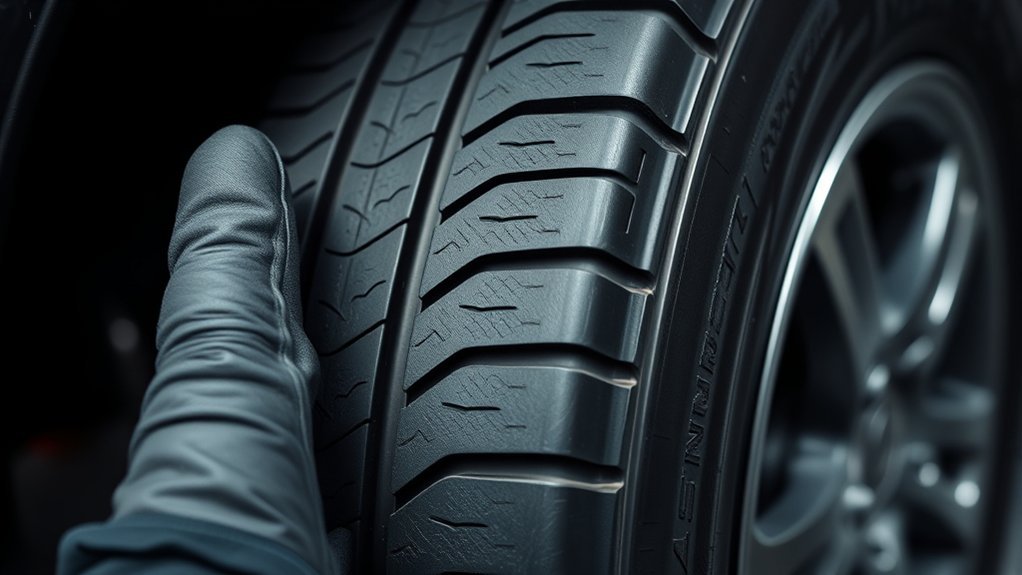
A 98V tire has two important ratings in its service description: 98 is the tire’s load index, and V is its speed rating. In plain terms, a 98V tire can carry up to 1,653 pounds (750 kg) per tire when properly inflated for the load, and it has a speed rating of up to 149 mph (240 km/h) under controlled rating conditions.
Quick Answer
A 98V tire means the tire has a 98 load index, rated for 1,653 lb (750 kg) per tire, and a V speed rating, rated up to 149 mph (240 km/h). Always match or exceed the load and speed ratings listed by your vehicle manufacturer.
Key Takeaways
- 98 is the load index, which equals 1,653 lb (750 kg) of maximum load per tire.
- V is the speed rating, which equals up to 149 mph (240 km/h) in controlled testing.
- A full code such as P205/60R16 98V includes tire type, width, aspect ratio, construction, wheel diameter, load index, and speed rating.
- Use the owner’s manual or Tire and Loading Information Label to confirm the correct tire size and ratings for your vehicle.
- Do not replace a 98V tire with a lower load index or lower speed rating unless your vehicle manufacturer specifically allows it.
What Does 98V Mean on a Tire?
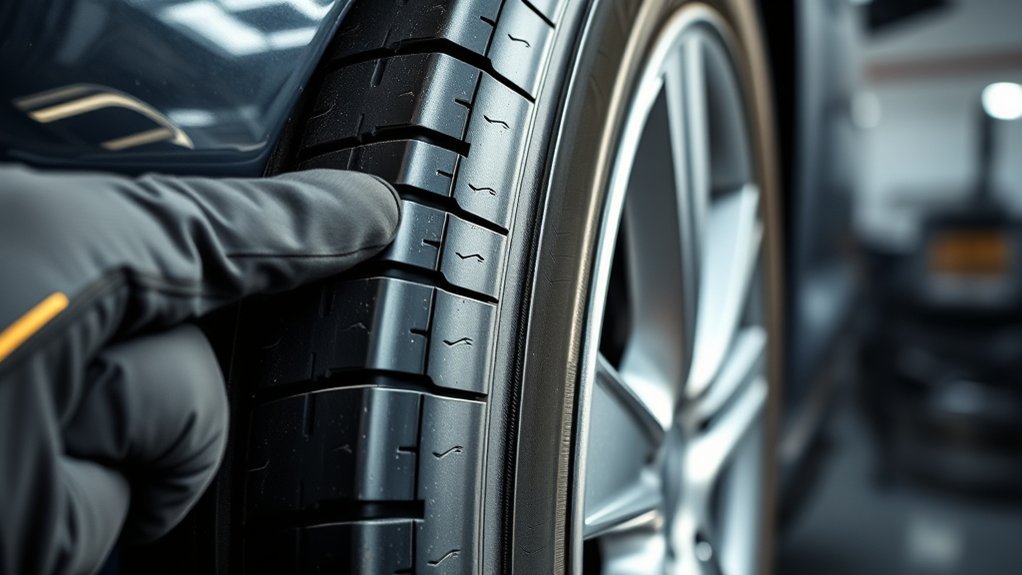
The 98V marking is usually found at the end of the tire size code. It combines two separate ratings:
- 98 load index: The tire can carry up to 1,653 lb (750 kg) when it is properly inflated for the load.
- V speed rating: The tire is rated for speeds up to 149 mph (240 km/h) under controlled test conditions.
These ratings do not mean you should drive at the tire’s maximum speed. They tell you the tire’s tested capability when the tire is in good condition, correctly inflated, correctly loaded, and used within its intended design. Legal speed limits, road conditions, tire age, tire damage, heat, and vehicle load all matter.
Warning: Never use a tire with a lower load index than your vehicle requires. An under-rated tire can overheat, wear faster, handle poorly, or fail under load. When in doubt, use the rating shown in your owner’s manual or on the driver-side Tire and Loading Information Label.
Where to Find the 98V Rating
You can find the 98V rating on the tire sidewall, usually after the wheel diameter in the tire size. A common example looks like this:
P205/60R16 98V
Here is what that code means:
| Code Part | Meaning |
|---|---|
| P | Passenger tire type. Some metric tires may not include this letter. |
| 205 | Tire section width in millimeters. |
| 60 | Aspect ratio, meaning sidewall height is 60% of the tire width. |
| R | Radial construction. |
| 16 | Wheel diameter in inches. |
| 98 | Load index: 1,653 lb / 750 kg per tire. |
| V | Speed rating: up to 149 mph / 240 km/h. |
If the sidewall is worn or hard to read, check the Tire and Loading Information Label on the driver-side door edge, door jamb, or B-pillar. You can also check your owner’s manual or ask a qualified tire professional.
98V Tire Load Index Explained
In 98V, the number 98 is the tire’s load index. According to standard passenger-tire load-index charts, a 98 load index equals 1,653 pounds, or 750 kilograms, per tire.
That capacity applies when the tire is properly inflated for the load and used within its design limits. It does not mean you can ignore your vehicle’s recommended tire pressure. The correct cold tire pressure comes from the vehicle manufacturer’s placard or owner’s manual, not from the maximum pressure printed on the tire sidewall.
Note: Load index and tire pressure work together. A tire can only carry its rated load when it is inflated correctly and is not overloaded, damaged, or used outside its intended application.
What V Means on a Tire?
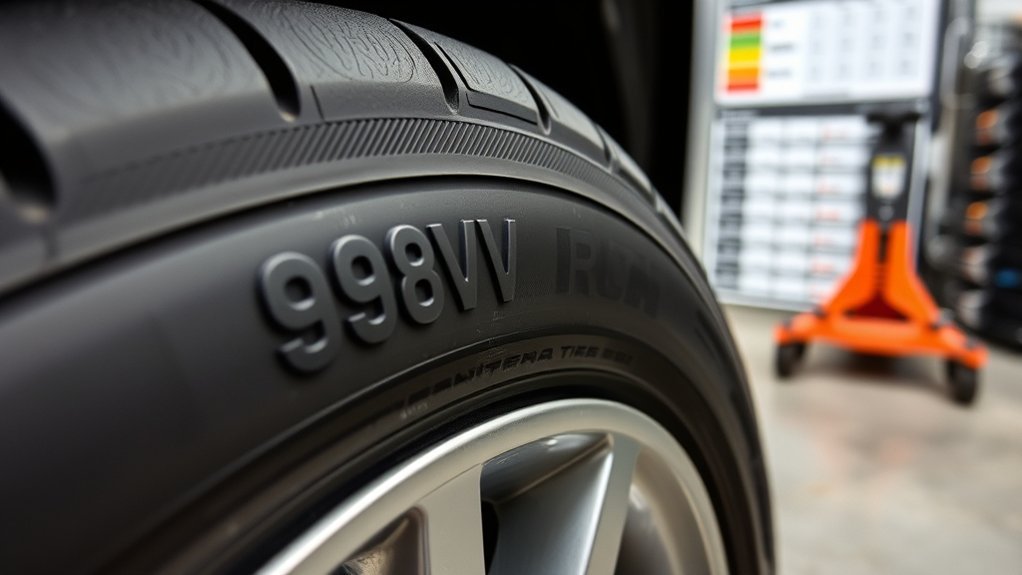
The V in 98V is the tire’s speed rating. A V-rated tire is rated for up to 149 mph (240 km/h) in controlled testing. Speed ratings are based on the tire’s ability to handle heat and stress at a specified speed under test conditions.
That does not make 149 mph a safe real-world driving speed. A speed rating is not permission to exceed the law or ignore weather, road surface, tread depth, tire age, or vehicle load. It simply helps match the tire to the performance capability the vehicle was designed to use.
V-rated tires are common on many sedans, coupes, crossovers, and performance-oriented vehicles. Depending on the tire model, a V-rated tire may have handling-focused construction, but ride comfort and steering feel still depend on the specific tire design, sidewall, tread compound, size, and inflation pressure.
98V Vs Other Common Tire Ratings
When comparing tire ratings, look at both parts of the service description. The number tells you load capacity. The letter tells you speed capability. A higher speed letter does not make up for a lower load index, and a higher load index does not automatically make the tire right for your vehicle if the speed rating is too low.
| Rating | Load Capacity | Speed Rating | What It Means |
|---|---|---|---|
| 94V | 1,477 lb / 670 kg | 149 mph / 240 km/h | Same speed rating as 98V, but lower load capacity. |
| 98H | 1,653 lb / 750 kg | 130 mph / 210 km/h | Same load capacity as 98V, but lower speed rating. |
| 98V | 1,653 lb / 750 kg | 149 mph / 240 km/h | The standard rating discussed in this guide. |
| 98W | 1,653 lb / 750 kg | 168 mph / 270 km/h | Same load capacity as 98V, higher speed rating. |
| 102V | 1,874 lb / 850 kg | 149 mph / 240 km/h | Higher load capacity, same speed rating. |
[Products Worth Considering]
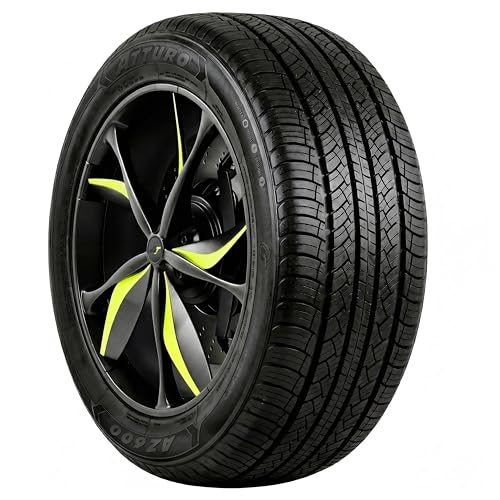
THE CABIN STAYS QUIET. THAT IS THE POINT: You value silence on your commute. The optimized tread pattern and tread design reduce road noise to the level where you hear your music, your podcast, your conversation. The optimized tread pattern keeps it that way for the full life of the tire. UTQG 560 A A.

Designed for use on passenger cars
Load Index Differences
The load index tells you how much weight each tire can carry. For example, 98 carries more than 94, but less than 102. If your vehicle requires 98V, a 94V tire is usually not an acceptable replacement because it has a lower load capacity, even though the V speed rating is the same.
You can use a higher load index only if the tire also fits the approved size, construction, load range, rim, and pressure requirements for your vehicle. Do not assume a higher number is automatically better; confirm it with your owner’s manual, placard, or tire professional.
Speed Rating Comparisons
The speed rating tells you the tire’s tested speed capability. In common passenger-tire ratings, H is up to 130 mph, V is up to 149 mph, W is up to 168 mph, and Y is up to 186 mph.
If your vehicle requires a V-rated tire, moving down to H may reduce the tire’s speed capability and may change the vehicle’s intended handling characteristics. Moving up to W may be acceptable if the tire is otherwise the correct size and specification, but you should still match the vehicle manufacturer’s recommendations.
Can You Use a Different Tire Rating?
Sometimes, yes — but only when the replacement tire meets or exceeds the vehicle manufacturer’s required size, load index, speed rating, load range, and application. As a general rule:
- Higher load index: Usually acceptable only if the tire is otherwise approved for the vehicle.
- Lower load index: Avoid it unless the vehicle manufacturer specifically allows it.
- Higher speed rating: Often acceptable if all other specifications match.
- Lower speed rating: Avoid it unless it is allowed by the manufacturer or used under specific seasonal/temporary guidance.
- Mixed speed ratings: Avoid mixing when possible. If mixed ratings are installed, the vehicle’s safe top-speed capability is limited by the lowest-rated tire.
Pro Tip: When buying replacements, search by your vehicle first, then confirm the sidewall code. A tire that “fits the wheel” is not automatically the correct tire for the vehicle’s load, speed, pressure, and handling requirements.
[Products Worth Considering]
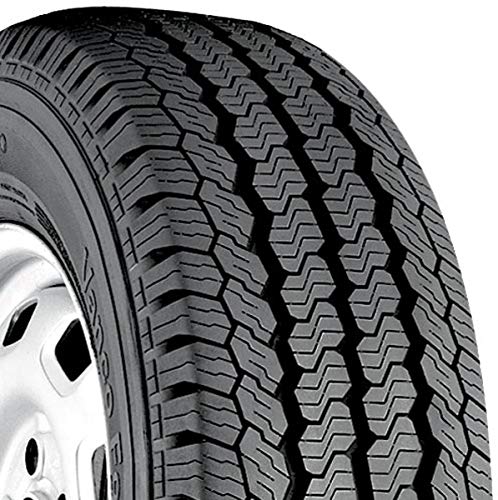
Product Type:Vehicle Tire

Tire Size: 215/65R16 98T, suitable for various passenger vehicles
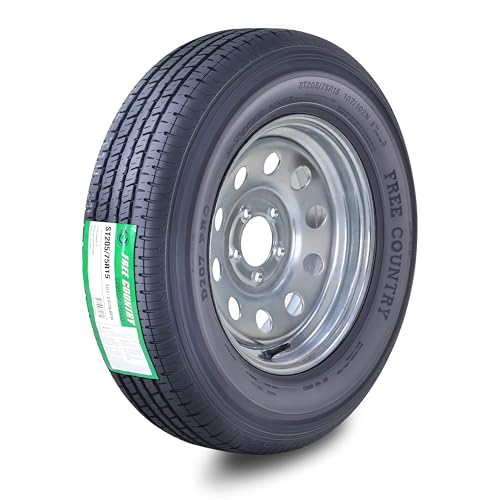
SAFETY--FULL nylon cap ply overlay cross entire tread area, significant upgrade from most other products on the market have nylon strips on shoulder area only, add critical safety feature!
Matching Ratings Matter
Matching ratings help keep braking, steering, and stability predictable. Ideally, all four tires should match in size, service description, category, and construction unless your vehicle manufacturer specifies a staggered setup or another approved arrangement.
If you are replacing only two tires, follow your vehicle manual and tire-shop guidance. Do not guess based only on the 98V marking. Tire type, tread pattern, tread depth, and seasonal category also affect how the vehicle behaves.
Risks Of Mixing
Mixing tires with different load indexes, speed ratings, tread depths, or construction can affect traction, braking, ride comfort, and stability. It can also make the vehicle respond differently in rain, during emergency maneuvers, or under heavy cargo.
- A lower load index can reduce safe carrying capacity.
- A lower speed rating reduces the vehicle’s tire-limited speed capability.
- Different tread patterns can change wet grip and noise.
- Different tire categories, such as summer and all-season, can behave very differently in cold or wet conditions.
- Uneven wear can affect handling even when the sidewall ratings match.
Load Index Vs Load Range
Load index and load range are related, but they are not the same thing. Load index is the number in a service description such as 98V. It gives a specific carrying-capacity value. Load range describes the tire’s strength category and maximum load-carrying pressure, often seen as SL, XL, or lettered ranges on light-truck tires.
For many passenger vehicles, you may see SL for Standard Load or XL for Extra Load. If your original tire is XL, do not replace it with an SL tire just because the size looks similar. Confirm the complete service description and load requirement before buying.
[Products Worth Considering]


How 98V Affects Ride and Handling
A 98V rating can influence ride and handling, but it is not the only factor. The 98 load index tells you the tire’s load capacity. The V speed rating tells you the tire’s tested speed capability. The actual ride feel also depends on tire size, sidewall height, tread design, rubber compound, load range, inflation pressure, suspension, and vehicle weight.
| Factor | Possible Effect |
|---|---|
| 98 load index | Supports vehicles that require up to 1,653 lb per tire. |
| V speed rating | May support more responsive handling than a lower-rated touring tire, depending on model. |
| Sidewall height | Lower-profile tires often feel firmer and sharper. |
| Tread compound | Can affect wet grip, dry grip, road noise, and tread life. |
| Inflation pressure | Incorrect pressure can hurt comfort, handling, fuel economy, and tire life. |
The safest choice is not simply the highest speed rating. The safest choice is the tire that matches your vehicle’s required size, load capacity, speed rating, load range, season, and driving conditions.
Frequently Asked Questions
Is W or V better for tires?
W is a higher speed rating than V: W is rated up to 168 mph, while V is rated up to 149 mph. That does not automatically make W better for your vehicle. The better tire is the one that matches your vehicle’s required size, load index, speed rating, load range, driving conditions, and budget.
What is the difference between 98V and 94V tires?
Both have the same V speed rating of up to 149 mph, but they have different load capacities. A 98V tire carries up to 1,653 lb per tire, while a 94V tire carries up to 1,477 lb per tire. If your vehicle requires 98V, a 94V tire is usually not a proper replacement because its load capacity is lower.
What does V mean on a tire?
V is the tire’s speed rating. It means the tire is rated for speeds up to 149 mph under controlled test conditions. It does not mean you should drive that fast. Always obey speed limits and consider road conditions, weather, tire age, tread depth, and vehicle load.
Is 98V or 98H better?
Both have the same load index, so both carry up to 1,653 lb per tire. The difference is speed rating: V is rated up to 149 mph, while H is rated up to 130 mph. If your vehicle requires 98V, use 98V or a manufacturer-approved higher speed rating rather than moving down to 98H.
Can I replace 98V tires with 98W tires?
Usually, a 98W tire meets or exceeds the speed rating of a 98V tire while keeping the same load index. However, the tire still needs to match the correct size, load range, wheel fitment, season, and vehicle requirements. Confirm with your owner’s manual, tire placard, or tire professional before buying.
Can I use 98V instead of 102V?
Only if your vehicle manufacturer allows a 98 load index for your vehicle and load conditions. A 102V tire carries more weight than a 98V tire, so replacing 102V with 98V may reduce load capacity below what the vehicle needs. Do not downsize the load index without confirming the approved specification.
Conclusion
A 98V tire combines a 98 load index with a V speed rating. That means each tire is rated for up to 1,653 lb (750 kg) of load and up to 149 mph (240 km/h) under controlled rating conditions. The number and letter both matter, so do not shop by size alone.
Before replacing a 98V tire, check your owner’s manual or Tire and Loading Information Label. Choose a tire that meets or exceeds the required load index and speed rating, matches the correct size and load range, and fits your real driving conditions.
Sources
- NHTSA TireWise — supports tire placard, owner’s manual, inflation pressure, tire safety, and replacement-size guidance.
- Tire Rack Load Index Guide — supports load-index values, including 98 = 1,653 lb / 750 kg and 102 = 1,874 lb / 850 kg.
- Discount Tire Speed Rating Chart — supports speed-rating values, including H, V, W, and Y.
- Discount Tire Load Range vs. Load Index — supports the difference between load index, load range, SL, and XL.

Related Articles

Breaking In New Tires: How Long It Takes and Why
Keen to know why new tires feel slippery at first and how long break-in really takes before grip returns?
Read More
Wheel Diameter Explained: How Rim Size Affects Your Ride
Might bigger rims improve handling while ruining comfort, range, and braking? Discover how wheel diameter changes your ride before choosing the wrong size.
Read More
ZR vs R Tires: What the Speed Rating Really Means
Just how much does ZR vs R really change your drive? Discover the speed-rating differences that could alter grip, comfort, and safety.
Read More