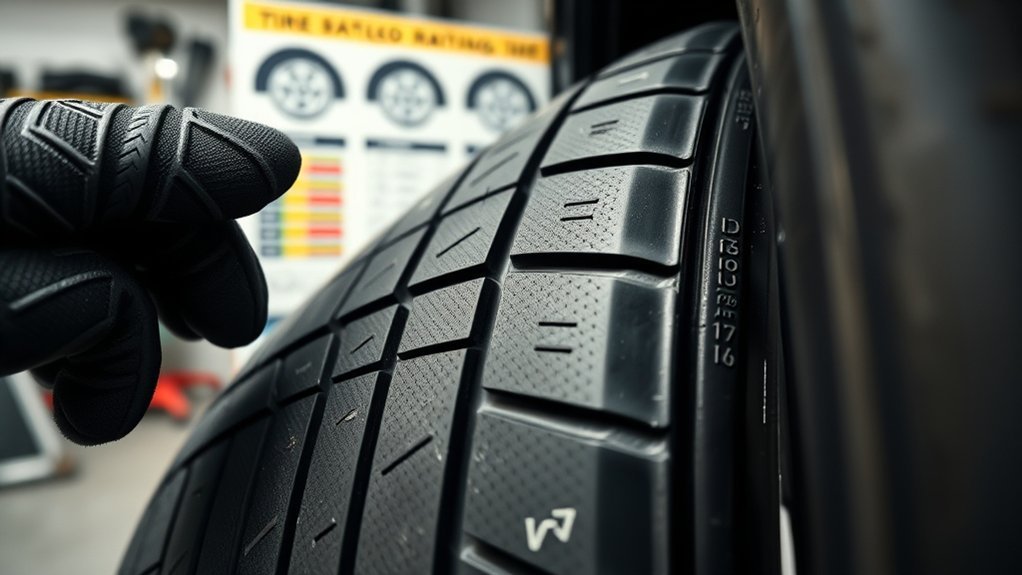
A tire marked 98W is showing its service description: the 98 is the tire’s load index, and the W is its speed rating. In plain English, that tire can carry up to 1,653 pounds (750 kg) per tire when properly inflated, and it has a W-rated speed capability of 168 mph (270 km/h) under controlled test conditions.
Quick Answer
A 98W tire has a load index of 98, meaning it can support 1,653 pounds (750 kg) per tire when properly inflated, and a W speed rating, meaning it is rated up to 168 mph (270 km/h) in controlled conditions. Always match your vehicle’s placard and owner’s manual.
Key Takeaways
- 98W combines two ratings: 98 for load capacity and W for speed capability.
- A 98 load index equals 1,653 pounds (750 kg) per tire when the tire is properly inflated.
- A W speed rating equals 168 mph (270 km/h), but it is not a recommended driving speed.
- The tire’s real-world capability can be reduced by underinflation, overloading, damage, repairs, wear, heat, and road conditions.
- For replacements, choose tires that meet or exceed the load index and speed rating listed on your vehicle placard or in the owner’s manual.
What Does 98W Mean on a Tire?
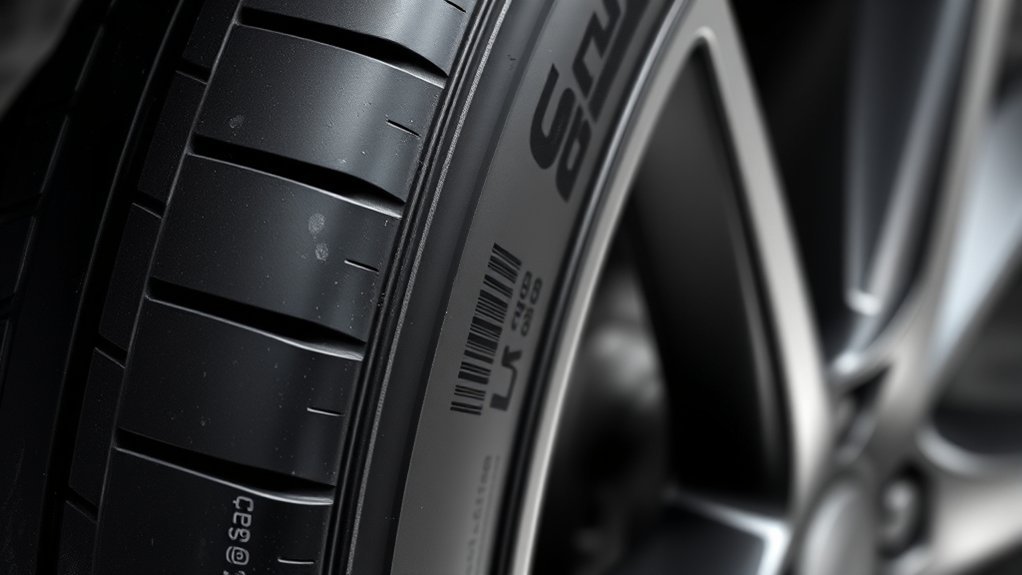
A tire marked 98W tells you how much weight the tire can carry and what speed category it is built to handle. The 98 is the load index, which corresponds to 1,653 pounds (750 kg) per tire. The W is the speed rating, which corresponds to 168 mph (270 km/h).
You will usually see this code at the end of the tire size on the sidewall. For example, in a size such as 235/45R18 98W, the 235/45R18 describes the tire size, while 98W is the service description.
| Code Part | Meaning | Practical Use |
|---|---|---|
| 98 | Load index | Maximum load capacity of 1,653 lb / 750 kg per tire when properly inflated |
| W | Speed rating | Tested speed capability of 168 mph / 270 km/h under specified conditions |
Warning: A W rating is not permission to drive at 168 mph. Speed ratings are based on controlled tests, and no tire maker recommends driving above legal speed limits. A tire that is damaged, repaired, overloaded, underinflated, or worn may not safely perform up to its rating.
What the 98 Load Index Means
The 98 in 98W is not the tire pressure, treadwear score, rim size, or model number. It is the tire’s load index. A load index is a standardized number that matches a specific weight capacity. For index 98, that capacity is 1,653 pounds (750 kg) per tire.
That rating assumes the tire is the correct size for the vehicle, is properly inflated, and is used within normal service conditions. If a vehicle uses four 98-rated tires, the combined tire load capacity is 6,612 pounds, but that does not mean the vehicle can safely carry that much cargo. You still have to follow the vehicle’s gross vehicle weight rating (GVWR), axle ratings, tire placard, and owner’s manual.
Note: Never replace a tire with a lower load index than your vehicle requires. A tire with too little load capacity can run hotter, flex more, wear faster, and increase the risk of failure when the vehicle is loaded.
What the W Speed Rating Means
The W in 98W is the tire’s speed rating. A W-rated tire has a maximum speed capability of 168 mph (270 km/h) under specified test conditions. This rating reflects the tire’s ability to handle heat and stress at speed when it is properly inflated, undamaged, correctly loaded, and used in suitable conditions.
Speed rating also affects how a tire may feel. Higher-rated tires often use construction and rubber compounds designed for sharper steering response, better high-speed stability, and stronger heat resistance. That does not automatically make a W-rated tire the best choice for every driver, because ride comfort, road noise, tread life, price, and weather performance also matter.
| Speed Rating | Maximum Speed | Common Context |
|---|---|---|
| S | 112 mph / 180 km/h | Family sedans, vans, and some touring tires |
| H | 130 mph / 210 km/h | Sport sedans and coupes |
| V | 149 mph / 240 km/h | Performance sedans, coupes, and sports cars |
| W | 168 mph / 270 km/h | High-performance vehicles and performance tire sizes |
| Y | 186 mph / 300 km/h | Ultra-high-performance tires |
What 98W Does Not Tell You
The 98W marking is important, but it does not describe every part of the tire. It does not tell you:
- Tire pressure: Use the vehicle placard or owner’s manual for recommended cold PSI.
- Tire size: The size appears earlier in the sidewall code, such as 235/45R18.
- Treadwear or traction grade: These are part of the Uniform Tire Quality Grading (UTQG) information on many passenger tires.
- Tire age: The DOT date code shows when the tire was made.
- Load range or XL status: A tire may also be marked XL or Extra Load, which means it is designed to carry more weight at higher inflation pressure than a standard-load tire of the same size.
- Weather category: 98W does not tell you whether the tire is summer, all-season, all-weather, or winter-rated.
Pro Tip: When comparing two tires with the same size and 98W rating, still compare tread design, UTQG grade, warranty, wet traction, road noise, ride comfort, and seasonal rating. The same service description does not mean two tires will perform the same way.
Can You Use Tires With Different Ratings?
You can physically mount tires with different ratings in some cases, but it is usually not recommended. For best safety and predictable handling, all four tires should match in size, type, construction, load index, and speed rating unless your vehicle manufacturer specifies a staggered setup.
If different speed ratings are mixed, the vehicle’s speed capability is limited by the lowest-rated tire. For example, if three tires are 98W and one tire is 98H, the vehicle must be treated as H-rated because H is the lowest speed rating in the set.
If mixing cannot be avoided temporarily, do not mix different ratings side-to-side on the same axle. Use matched pairs, follow the vehicle manufacturer’s instructions, and have a tire professional inspect the setup. Some tire makers advise placing the lower speed-rated tires on the front axle to reduce oversteer risk, but newer tires or deeper tread are often recommended for the rear axle for wet stability. Because these rules can conflict, the safest choice is to keep all four tires properly matched.
[Products Worth Considering]

Steelman white tire marking crayons provide high-contrast, semi-permanent marks for repairing and inspecting tires and equipment. They write on wet or dry, smooth or coarse surfaces including rubber, metal, glass, and wood, making them ideal for puncture location and damage outlining. The lead- and zinc-free crayons resist weather and fading yet wipe away when you no longer need the marks.

Adam’s Pro Tire Hex Grip applicators are molded foam sponges designed for precise, even tire dressing application. The ergonomic grip helps you spread product without overapplying, reducing sling that can splash onto paint and helping keep your hands clean during wheel and trim detailing. They’re durable, washable, and reusable for repeated detailing sessions.

The JACO FlowPro Tire Inflator measures, inflates, and airs down tires up to 100 PSI with battery-free operation and ±2% accuracy after calibration. It features a glowing pressure dial for night visibility, a heavy-duty steel build with a hybrid hose, and a precision push-to-inflate thumb trigger. The patented Lightning Air Chuck locks on for a secure seal, and the kit includes quick-connect hardware for easy inline use with your air compressor.
Where to Find Tire Size and Ratings
You can find the correct tire size, load index, speed rating, and inflation pressure in three main places:
| Location | What You’ll See | Why It Matters |
|---|---|---|
| Tire sidewall | Current tire size and service description, such as 235/45R18 98W | Shows what is currently installed |
| Driver’s door placard | Recommended size, cold inflation pressure, and sometimes load/speed details | Shows the vehicle manufacturer’s recommendation |
| Owner’s manual | Approved tire specifications and replacement guidance | Confirms compatibility before buying tires |
The National Highway Traffic Safety Administration recommends checking the vehicle tire information placard, certification label, owner’s manual, or the sidewall of the tire you are replacing when choosing the correct tire size.
How to Choose the Right Replacement Tire
Use this quick checklist before replacing a 98W tire:
- Match the size first. The full size, such as 235/45R18, must fit the wheel and vehicle.
- Meet or exceed the load index. If your vehicle requires 98, do not install a lower load index unless the manufacturer specifically approves it.
- Meet or exceed the speed rating. A higher speed rating may be acceptable if the tire size, load rating, and type are correct, but a lower rating is usually not recommended.
- Check XL or load-range markings. If your original tire is XL, replace it with an XL tire unless your vehicle manufacturer says otherwise.
- Match the tire category. Do not replace a summer performance tire with a touring all-season tire without understanding the handling and temperature tradeoffs.
- Keep pairs and sets consistent. Ideally, replace all four tires with the same model. If replacing two, use a matched pair and follow manufacturer guidance.
[Products Worth Considering]

TIRESHIELD PRO RV tire covers in a set of four deliver year-round protection against UV rays, cracking, fading, water, and snow. The StormLock-System helps keep the covers securely fastened through high wind, while heavy-duty, double-stitched construction supports long-lasting performance. Designed for universal fit, they’re intended for RV, camper, truck, car, and trailer tires within the 26–28.75 inch diameter range, with easy wipe-clean care and storage in the included bag.

Black Magic Tire Wet delivers a deep wet-look shine that makes tires appear dark, rich, and freshly detailed. Its long-lasting formula helps resist rain, dust, and road grime for weeks of glossy protection, not days. Apply by spraying onto clean, dry tires—no buffing or wiping required—with a low-sling design to reduce splatter on paint and wheels.

AstroAI’s digital tire pressure gauge with inflator helps you quickly check, inflate, and deflate tires with an easy lock-on chuck and integrated bleed valve. It delivers calibrated accuracy within 1% for a clear PSI readout from 3 to 250 PSI, supporting dependable tire maintenance. Designed for many vehicle types, it connects to common compressor outputs and standard Schrader valves.
98W vs 98V, 98H, 98Y, and 98S Tires
When the number stays 98, the load capacity stays the same: 1,653 pounds (750 kg) per tire. The letter changes the speed rating.
| Rating | Load Capacity | Speed Capability | Main Difference |
|---|---|---|---|
| 98S | 1,653 lb / 750 kg | 112 mph / 180 km/h | Lower speed rating than H, V, W, and Y |
| 98H | 1,653 lb / 750 kg | 130 mph / 210 km/h | Common on many sedans and coupes |
| 98V | 1,653 lb / 750 kg | 149 mph / 240 km/h | Performance-oriented but below W |
| 98W | 1,653 lb / 750 kg | 168 mph / 270 km/h | Higher speed rating than V |
| 98Y | 1,653 lb / 750 kg | 186 mph / 300 km/h | Higher speed rating than W |
[Products Worth Considering]

Milton S-921 pencil tire pressure gauge helps you maintain optimal tire pressure for passenger cars with accurate readings in PSI and kPa. It features a built-in deflator valve for convenient pressure adjustments, plus a single chuck head and nylon indicator bar for easy use on the go. Built from durable plated brass and designed for reliable performance, it’s a practical road trip and cold-weather maintenance tool.
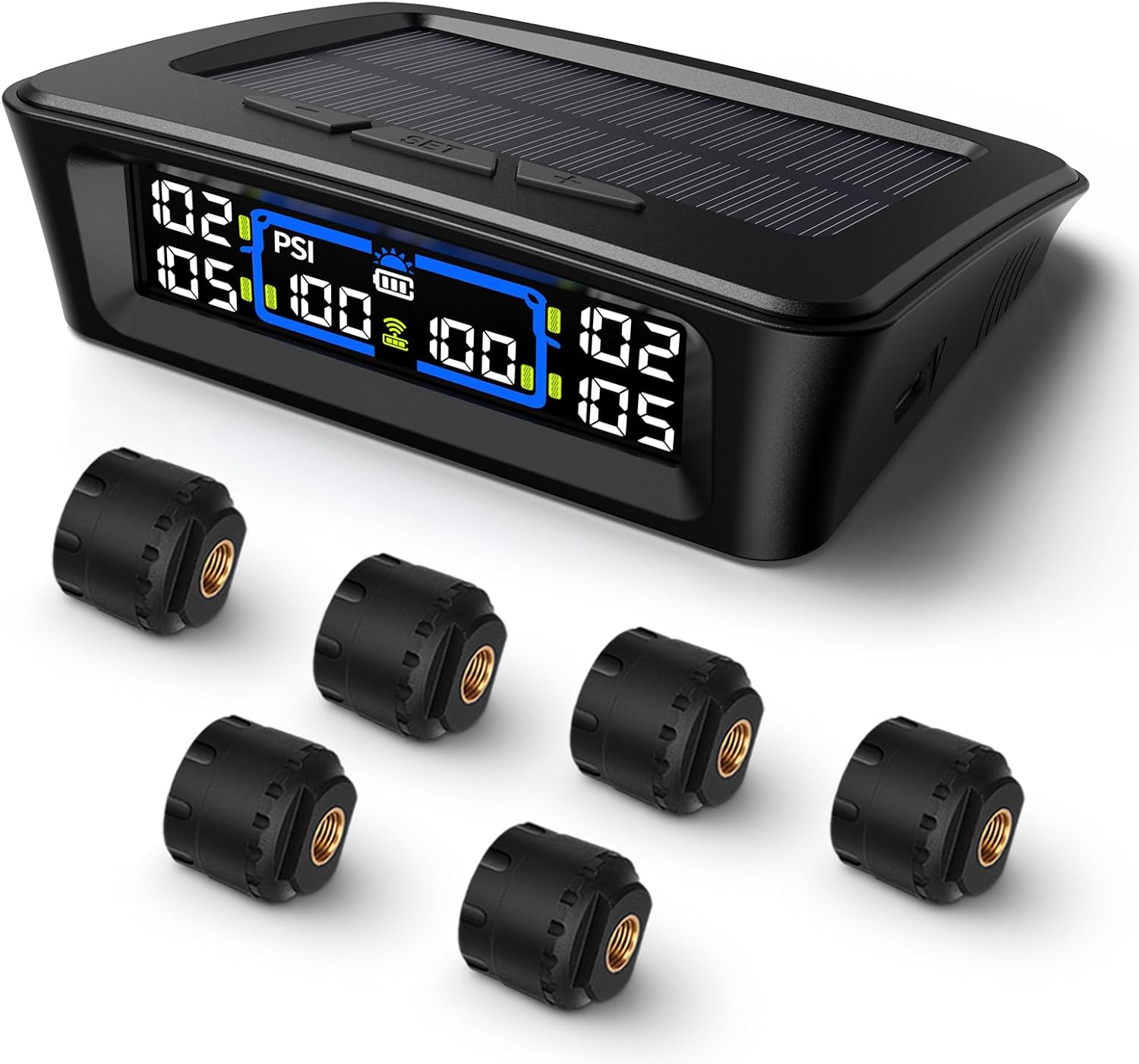
The Tymate TM12 RV TPMS delivers real-time tire pressure and temperature monitoring with a stable 433Hz display for safer long-distance driving. It supports simultaneous monitoring across vehicle and trailer zones, includes six alarm modes for pressure, temperature, leakage, battery, and signal loss, and features easy DIY installation with auto calibration. Power is supplied via USB-C charging or solar recharging, with a wide 0–144 PSI range and up to 50 ft signal coverage for RVs and towable trailers.

Replace worn or missing TPMS sensors with a pre-programmed 4-pack designed for compatible GM vehicles. These 315MHz sensors provide real-time tire pressure monitoring and alert you if pressure is too high, too low, or if a rapid air leak occurs. Most installations are ready with minimal relearn effort after mounting, helping improve safety and driving confidence.
Frequently Asked Questions
What is the difference between 98W and 98Y tires?
Both have the same 98 load index, so both can carry 1,653 pounds (750 kg) per tire when properly inflated. The difference is the speed rating: W is rated to 168 mph (270 km/h), while Y is rated to 186 mph (300 km/h).
What does 98S mean on a tire?
98S means the tire has the same 98 load index, or 1,653 pounds (750 kg) per tire, but an S speed rating of 112 mph (180 km/h). Do not replace a required 98W tire with a 98S tire unless your vehicle manufacturer or tire professional confirms it is acceptable for your vehicle and use.
What is the difference between 98V and 98W tires?
Both have the same load capacity, but 98V is rated to 149 mph (240 km/h), while 98W is rated to 168 mph (270 km/h). A W-rated tire may have construction and handling traits designed for higher-speed performance, but exact ride, noise, grip, and wear depend on the specific tire model.
What is the difference between 98V and 98H tires?
98V and 98H share the same 98 load index, but V is rated to 149 mph (240 km/h) and H is rated to 130 mph (210 km/h). Use the rating your vehicle requires rather than choosing only by price or availability.
Does 98W mean tire pressure?
No. 98W does not tell you PSI. It tells you load index and speed rating. Use the driver’s door placard, certification label, or owner’s manual for the correct cold tire pressure.
Can I use a higher speed rating than W?
Often, yes, as long as the tire also matches the required size, load index, construction, and vehicle fitment. For example, a 98Y tire has the same 98 load index and a higher speed rating than 98W. Still, the tire must be approved for your vehicle and driving conditions.
Can I use a lower speed rating than W?
Using a lower speed rating than your vehicle requires is generally not recommended. Some winter tires may have a lower rating, but you must respect the lower maximum speed and follow the vehicle and tire maker’s guidance.
What does 98W XL mean?
98W XL means the tire has a 98 load index, a W speed rating, and an Extra Load construction. XL tires are built to carry more load at higher inflation pressure than standard-load tires of the same size. If your original tires are XL, replacements should normally be XL as well.
Conclusion
When you see 98W on a tire, read it as two safety ratings working together. The 98 load index means the tire can support 1,653 pounds (750 kg) per tire when properly inflated. The W speed rating means the tire is rated to 168 mph (270 km/h) under controlled conditions, not that you should drive at that speed. Before buying replacements, match the full tire size, load index, speed rating, load range, and tire type to your vehicle’s placard and owner’s manual.
Sources
- Tire Rack — What Is Load Index? — supports the 98 load index value of 1,653 lb / 750 kg.
- Tire Rack — How Do I Check a Tire’s Speed Rating? — supports S, H, V, W, and Y speed-rating values.
- Bridgestone — Tire Speed Rating: What You Need to Know — supports W speed rating, lab-test conditions, and speed-rating safety limitations.
- Michelin — Tire Load Rating & Speed Rating Explained — supports load/speed rating definitions and replacement guidance.
- NHTSA — Tire Safety Brochure — supports checking the vehicle placard, owner’s manual, and sidewall for correct tire information.
- NHTSA TireWise — supports UTQG treadwear, traction, and temperature rating context.