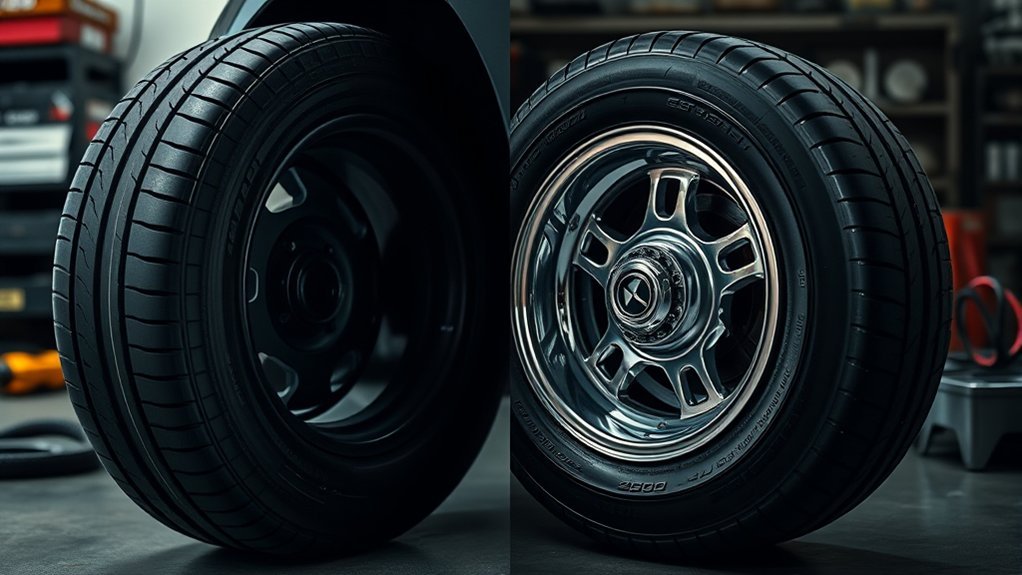
Use tyre for British English and most non-North-American audiences, and use tire for American English. Both spellings can refer to the same vehicle wheel part, but the right choice depends on your readers, your brand’s region, and the spelling system you are using. The pronunciation is very similar, but tire also works as a verb meaning “to become tired.”
Quick Answer
Tyre is the standard spelling in British English and in places such as the UK and Australia. Tire is the standard spelling in American English and is also common in Canada. The meaning is the same when you are talking about the rubber part around a wheel.
Key Takeaways
- Tyre is the British English spelling for the rubber covering on a wheel.
- Tire is the American English spelling for the same vehicle part.
- The plural forms follow the same pattern: tyres in British English and tires in American English.
- Use one regional spelling consistently across an article, product page, manual, or brand guide.
- Tire can also be a verb meaning “to become tired,” so context matters.
Tyre vs Tire: What’s the Difference?

The difference between tyre and tire is mainly regional. In British English, tyre is the usual spelling for the thick rubber ring fitted around the edge of a wheel. In American English, tire is the standard spelling for that same part.
So, if you write “car tyre” for UK readers, you are using the expected British form. If you write “car tire” for US readers, you are using the expected American form. The object does not change. Only the spelling changes.
| Spelling | Main region | Plural | Example |
| Tyre | British English, Australia, New Zealand, and many Commonwealth contexts | Tyres | I need to replace the front tyre. |
| Tire | American English and many Canadian contexts | Tires | I need to replace the front tire. |
Which Spelling Fits Your Audience?
The best rule is simple: match the spelling to your audience. This keeps your writing natural and prevents readers from wondering whether the spelling is a mistake.
- Use “tyre” for UK, Irish, Australian, New Zealand, Indian, South African, and many other British-English-style audiences.
- Use “tire” for US audiences.
- Use “tire” for many Canadian audiences, because Canadian English often follows American spelling for this word.
- Use one form consistently throughout the same article, catalogue, manual, or website section.
Note: Do not change the spelling inside a proper noun or brand name. For example, write Apollo Tyres if that is the official brand name, even in an American article.
For global websites, the safest choice is to localize pages by market. A US product page should usually say “tires,” while a UK or Australian version should usually say “tyres.” If you cannot localize, choose the spelling that matches your primary market and keep it consistent.
[Products Worth Considering]

This professional wheel and rim cleaning brush set lifts brake dust, grime, and dirt with soft, scratch-free microfiber and synthetic wool fibers. The rim brush bends up to 360 degrees for easy access to hard-to-reach areas around spokes, lips, and faces. Ideal for thorough cleaning of car, truck, motorcycle, bicycle, RV, and more wheel and tire surfaces.

Milton S-921 pencil tire pressure gauge helps you maintain optimal tire pressure for passenger cars with accurate readings in PSI and kPa. It features a built-in deflator valve for convenient pressure adjustments, plus a single chuck head and nylon indicator bar for easy use on the go. Built from durable plated brass and designed for reliable performance, it’s a practical road trip and cold-weather maintenance tool.

Clean wheels and rims with soft feathered bristles that safely remove dirt and road grime while helping restore original luster. The short non-slip handle makes it easy to scrub in tight wheel wells, and the brush is suitable for vehicles and hard-to-reach areas. It can also be soaked and rubbed to help restore bristles to their shape after use.
Tyre vs Tire: Meaning and Pronunciation
When used as a noun for a vehicle part, tyre and tire mean the same thing: a ring fitted around a wheel to help the vehicle roll, grip the road, and absorb some shock. Britannica describes a tire as a continuous band around a wheel rim, and lists tyre as another form of the word.
The pronunciation is also very similar. Most speakers pronounce both forms like “tire.” The spelling difference matters in writing, not in everyday speech.
The extra point to remember is that tire has another meaning. As a verb, it can mean “to become tired” or “to make someone tired.” For example:
- Vehicle part: The tire needs more air.
- Verb: Long drives can tire a driver quickly.
In British English, tyre is normally reserved for the wheel part, while tire is used for the fatigue meaning.
Why British English Uses Tyre

The history of tyre is more complicated than a simple “old British spelling versus new American spelling” story. Earlier English used both forms at different times. The word is often linked to the idea of a wheel being “dressed” or covered, which connects it with attire. Etymonline notes that the spelling tyre revived in Great Britain in the early 19th century and later became the standard British form.
Today, British English keeps a useful distinction:
- Tyre = the wheel part
- Tire = to become tired or weary
That distinction is not required in American English, but it is helpful in British-style writing. It makes phrases such as “a worn tyre” and “a long trip can tire you” visually clear.
Why American English Uses Tire
American English uses tire for both the wheel part and the fatigue verb. This spelling is standard in US dictionaries, repair manuals, product listings, road-safety content, and everyday writing.
For American readers, tyre often looks foreign, old-fashioned, or brand-specific. That does not make it wrong globally, but it does make it the less natural choice for a US audience.
Use these American English examples:
- The car has a flat tire.
- Check your tire pressure before a long trip.
- These winter tires are designed for cold weather.
Regional Spelling Guide
Here is the practical regional guide most writers need:
- United States: Use tire and tires.
- United Kingdom: Use tyre and tyres.
- Australia: Use tyre and tyres.
- New Zealand: Use tyre and tyres.
- Canada: tire is common and supported by Canadian spelling guidance, though Canadian spelling can mix British and American patterns by word.
- International English: Choose the spelling that matches your target market, then stay consistent.
For business writing, consistency matters more than trying to satisfy every region in one version. A mixed page that says “tyre pressure” in one paragraph and “tire pressure” in the next can look careless unless the contrast is intentional.
[Products Worth Considering]

ETENWOLF’s tire pressure gauge helps you quickly and accurately check tire PSI across cars, trucks, motorcycles, bikes, and more. It’s manually calibrated to ANSI B40.1 Grade A for reliable readings, includes a large glow dial for easy nighttime viewing, and features a 360-degree swivel chuck for use at any valve angle. The gauge also works consistently in extreme hot or cold weather.

The Chemical Guys Gerbil Wheel & Rim Brush is designed to safely clean wheels, rims, exhaust tips, tires, and engine bay components without scratching delicate finishes. Its soft natural bristles help lift brake dust, grime, and buildup while conforming to tight spaces and intricate contours. A comfort grip handle delivers control for extended detailing sessions.
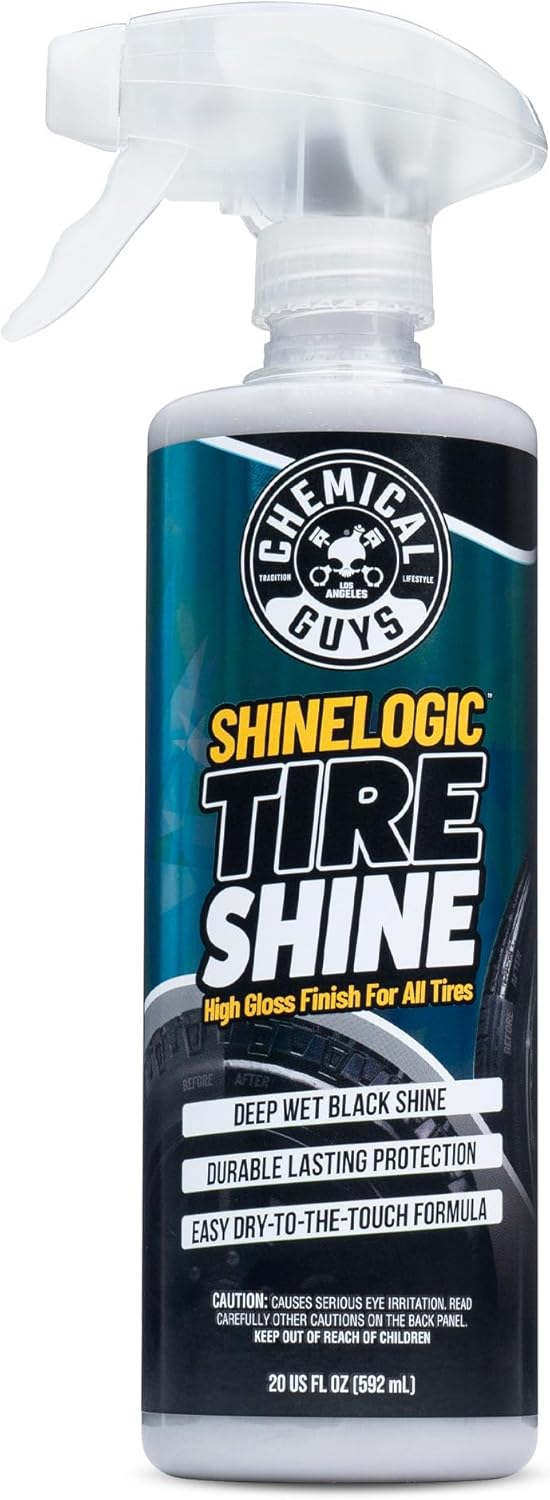
Chemical Guys ShineLogic Tire Shine delivers a deep wet black, high-shine finish for rubber tires with a sleek look. It’s designed for durable, one-step application with minimal drips, streaks, or runs, and it helps produce effortless, long-lasting shine. Choose aerosol or trigger spray for easy use on cars, trucks, motorcycles, RVs, and more.
How Brands Use Tyre vs Tire
Brands usually choose the spelling that fits their home market, audience, or official name. A British or Indian company may use Tyres in its brand name, while an American retailer may use Tires. Neither spelling changes the product.
For product pages, ads, and SEO, use the wording your audience searches for:
- Use car tyres, cheap tyres, and tyre pressure for UK-style search intent.
- Use car tires, cheap tires, and tire pressure for US-style search intent.
- Keep official brand names unchanged, even when the brand spelling differs from your article’s regional spelling.
Pro Tip: If you run a website for more than one country, create separate localized pages instead of mixing “tyre” and “tire” on the same page.
[Products Worth Considering]

Secure a full-size spare on your trailer with this powder-coated steel spare tire mount bracket. It fits most 4-, 5-, and 6-lug wheel bolt patterns and mounts to trailer tongues up to 4 in wide and 5 in tall. Built for reliable carry with a max 150 lb load rating and includes zinc-plated hardware for straightforward installation.

This metal-free wheel and tire cleaning brush uses dense, fluffy synthetic wool to safely clean rims, spokes, fenders, and engine areas without worrying about damaging surfaces. Its flexible, comfortable design helps you reach detailed areas while maintaining durability, and the extra absorbent fibers work well with wheel spray cleaners for faster cleanup. Reusable and washable performance helps prevent grime and build-up for cleaner vehicles and easier maintenance at home.

This universal spare tire mount fits 4, 5, and 6 lug trailer wheels with bolt patterns from 4" to 5.5" and helps keep your tire securely locked in place. Its reinforced triangular structure with a sturdy behind plate is designed to handle up to 150 lbs, making it suitable for boat, camper, and RV spare tire mounting. The angled raised design reduces wind resistance and installation is straightforward with different length bolts and no drilling required.
Common Phrases and Examples
Many common phrases also change by region. The pattern is easy once you know the audience.
| British English | American English |
| flat tyre | flat tire |
| spare tyre | spare tire |
| tyre pressure | tire pressure |
| winter tyres | winter tires |
When writing examples, choose one style and stick with it:
- British English: The rear tyre is worn and needs replacing.
- American English: The rear tire is worn and needs replacing.
Frequently Asked Questions
Which is correct, tire or tyre?
Both are correct. Use tire in American English and tyre in British English. The spelling changes by region, but both words can mean the rubber part fitted around a vehicle wheel.
Is it tire or tyre in Australia?
In Australia, tyre is the usual spelling for the wheel part. Australian English generally follows British-style spelling for this word, so you would write “car tyre,” “spare tyre,” and “tyre pressure.”
Is it tire or tyre in the US?
In the US, use tire. American English uses “tire” for the vehicle part and also uses “tire” as a verb meaning “to become tired.”
What are the plural forms of tyre and tire?
The British English plural is tyres. The American English plural is tires. For example, UK writers usually say “new tyres,” while US writers usually say “new tires.”
Do tire and tyre sound different?
They sound very similar in normal speech. The main difference is written spelling, not pronunciation. Regional accent may affect the final sound, but the word is recognized either way.
Should a global website use tire or tyre?
A global website should ideally localize the spelling by country. Use tires on US pages and tyres on UK, Australian, or similar British-English pages. If you publish only one version, choose the spelling used by your main audience.
Conclusion
Tyre and tire are both correct, but they belong to different spelling systems. Use tyre for British English and many Commonwealth audiences, and use tire for American English. If you are writing for customers, readers, or search engines, the best choice is the one your audience expects. Keep that spelling consistent, and your writing will look clear, professional, and regionally correct.
Sources
- Oxford Learner’s Dictionaries: tyre — British English spelling, meaning, and pronunciation.
- Cambridge Dictionary: tyre — UK spelling and definition of the wheel part.
- Cambridge Learner’s Dictionary: tire — US spelling of tyre and verb meaning “to become tired.”
- Online Etymology Dictionary: tyre — word history and British spelling revival.
- Language Portal of Canada: Spelling — Canadian spelling patterns, including “tire.”
- Encyclopaedia Britannica: tire — tire definition and alternate form “tyre.”